

June 14, 2026
What truly powers the seamless experience customers enjoy at a top-tier Kuala Lumpur pharmacy? Beneath the well-organized shelves and the expert consultations lies a complex, critical engine: the pharmaceutical distribution network. In a high-demand, fast-paced urban market like KL, a pharmacy’s front-end success is inextricably linked to the strategic efficiency and reliable support of its backend supply chain partner. This isn’t merely about moving boxes from point A to point B; it’s about a sophisticated, compliance-driven partnership that ensures pharmacies can meet the sophisticated healthcare expectations of KL’s population. The transition from traditional stockist to integrated healthcare logistics expert defines the modern pharmacy distributor landscape in Malaysia.
The Strategic Backbone: More Than Just a Supplier
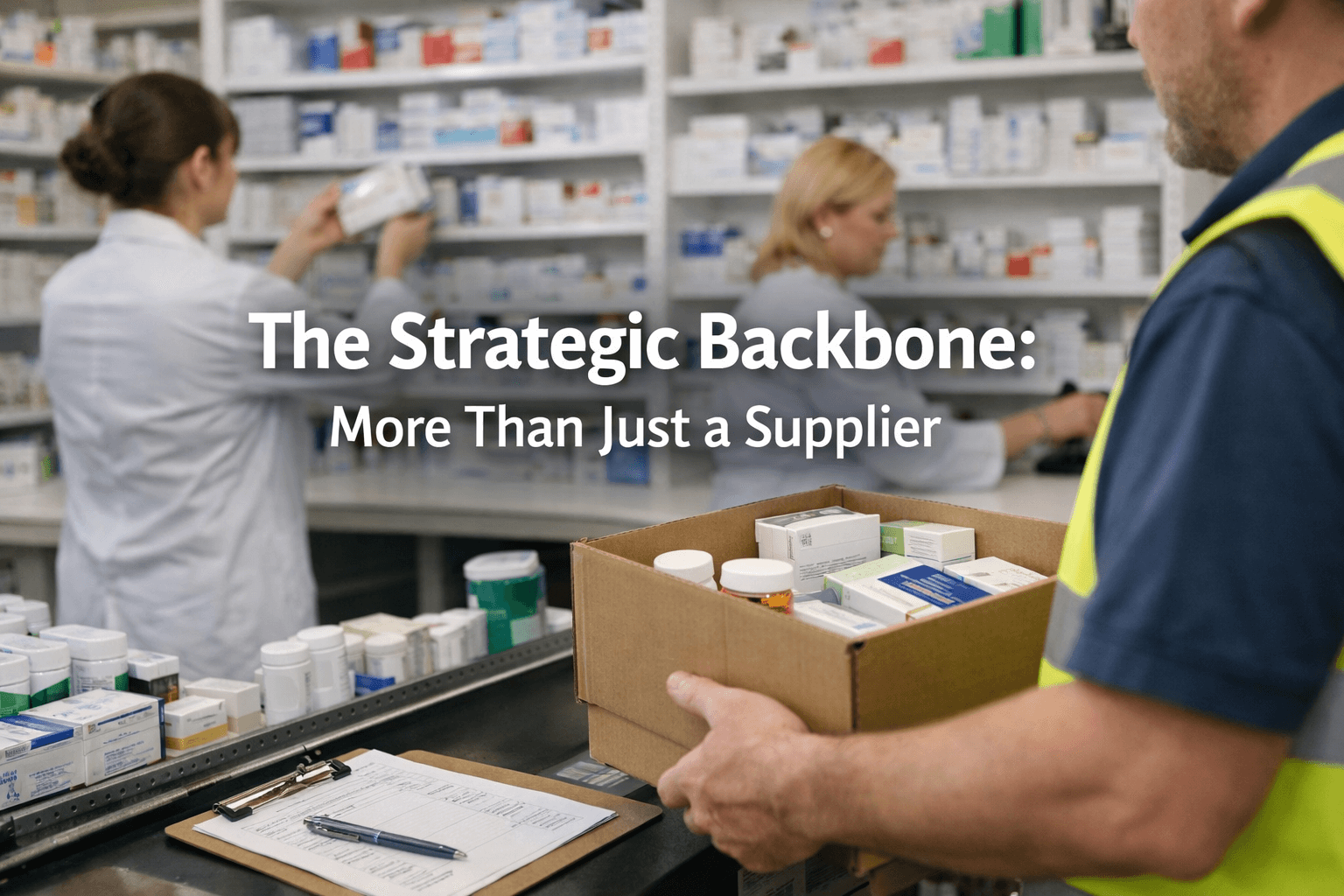
The relationship between a pharmacy and its pharmacy wholesale distributor has evolved into a multifaceted alliance. This partnership is the essential backbone that supports every customer interaction. A proven distributor operates as a trusted extension of the pharmacy’s own operations, handling a vast array of critical functions that go far beyond basic delivery. These include navigating the stringent regulatory clearance processes with agencies like the NPRA (National Pharmaceutical Regulatory Agency) and KKM (Kementerian Kesehatan Malaysia), managing complex import permits, and ensuring every product batch is fully compliant before it reaches the shelf. Furthermore, they provide expert inventory planning to balance stock reliability with the need for fresh, in-demand product rotations, preventing both costly stockouts and wasteful overstocking of perishable items.
From a Brand Manager’s Perspective: A distributor is a strategic field force multiplier. They are the eyes and hands that execute A&P (Advertising & Promotion) plans at the store level, ensuring promotional materials are displayed and new product launches are communicated effectively to pharmacists and consumers alike.
From a Pharmacist’s Perspective: A reliable distributor is a lifeline. They provide tailored product training on new supplements or dermaceuticals, offer efficient systems for order tracking and recall management, and deliver consistent service that allows the pharmacist to focus on patient care rather than logistical headaches.
This deep integration means that the choice of a distributor pharmacy partner is one of the most strategic decisions a pharmacy owner or chain can make. It directly impacts operational fluency, regulatory safety, and ultimately, the pharmacy’s reputation in the community.
Learn more: The Role of Pharmacy Distribution Services in Malaysia’s Healthcare System
Operational Scenarios: Distributor Impact in the KL Context
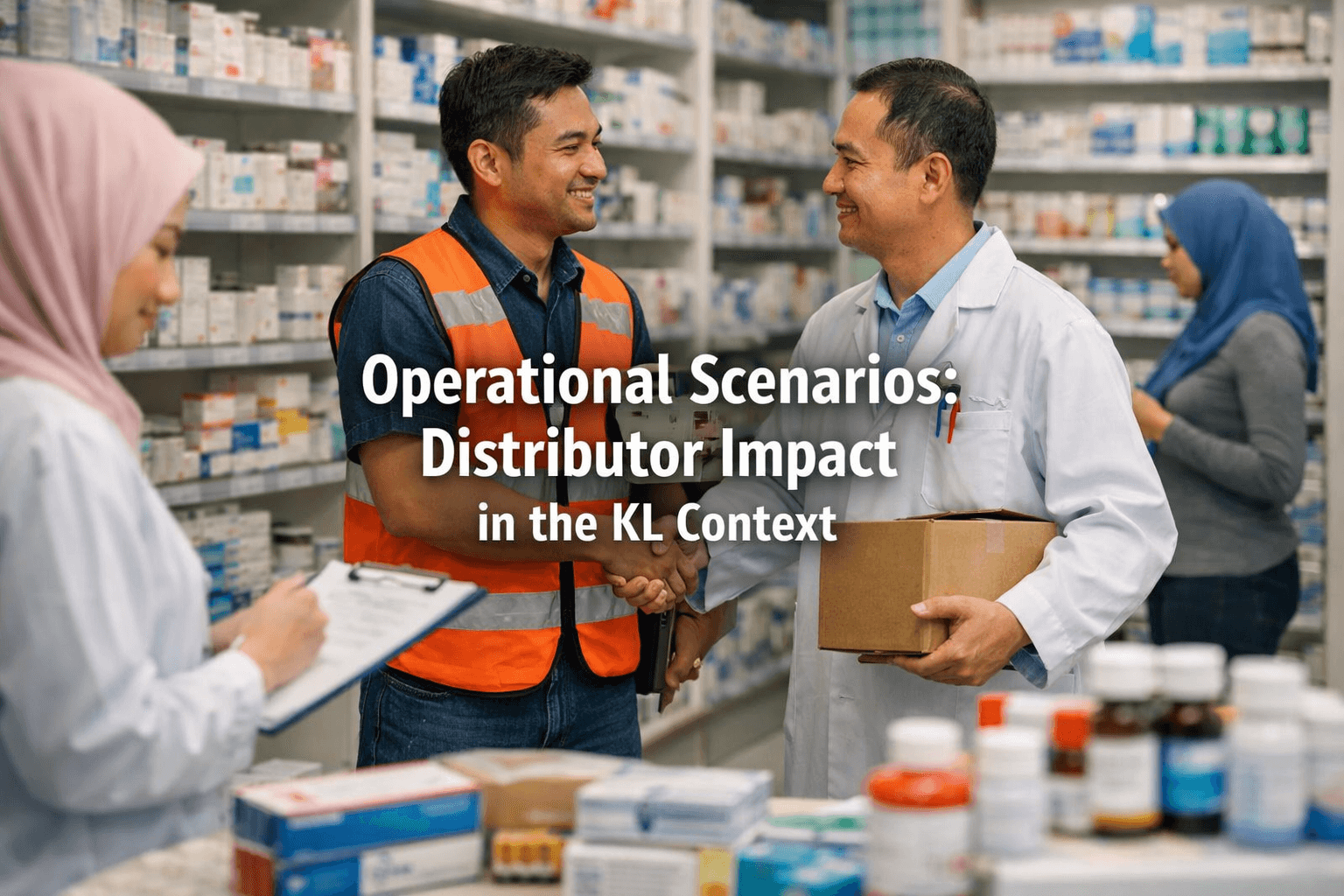
To understand this impact concretely, consider these Malaysia-centric operational scenarios:
Managing Seasonal Demand in Urban Hubs: During the annual haze season or flu outbreaks in areas like Cheras or Sri Petaling, demand for respiratory masks, inhalers, and specific supplements can spike unpredictably. An efficient pharmacy distributor with real-time data analytics and flexible logistics can prioritize and expedite deliveries to affected areas, preventing shortages. Their ability to dynamically reroute inventory from a warehouse in Shah Alam to clinics in Kepong within hours is a proven mark of a reliable supply chain.
Launching a New Skincare Line in Mall-Based Pharmacies: When a international dermaceutical brand launches a new anti-aging line in flagship stores at Pavilion KL or Mid Valley, the distributor’s role is essential. They coordinate the GDP (Good Distribution Practice)-compliant storage and transport of these often temperature-sensitive products. Simultaneously, their merchandising teams work with the pharmacy staff to set up dedicated display bays, train beauticians on product features, and integrate promotional coupons into the pharmacy’s loyalty app—creating a cohesive, high-impact launch.
Supporting Chronic Care in Community Pharmacies: For a neighborhood pharmacy in Setapak serving a large number of diabetic or hypertensive patients, stock reliability for specific insulin brands or blood pressure medications is non-negotiable. A distributor specializing in independent pharmacy support provides tailored service levels, perhaps offering more frequent, smaller deliveries to optimize shelf space and ensure medication is always within expiry. They might also supply educational materials for the pharmacist to use in patient counseling sessions, enhancing the pharmacy’s role as a community health partner.
The Compliance Imperative: A Non-Negotiable Pillar
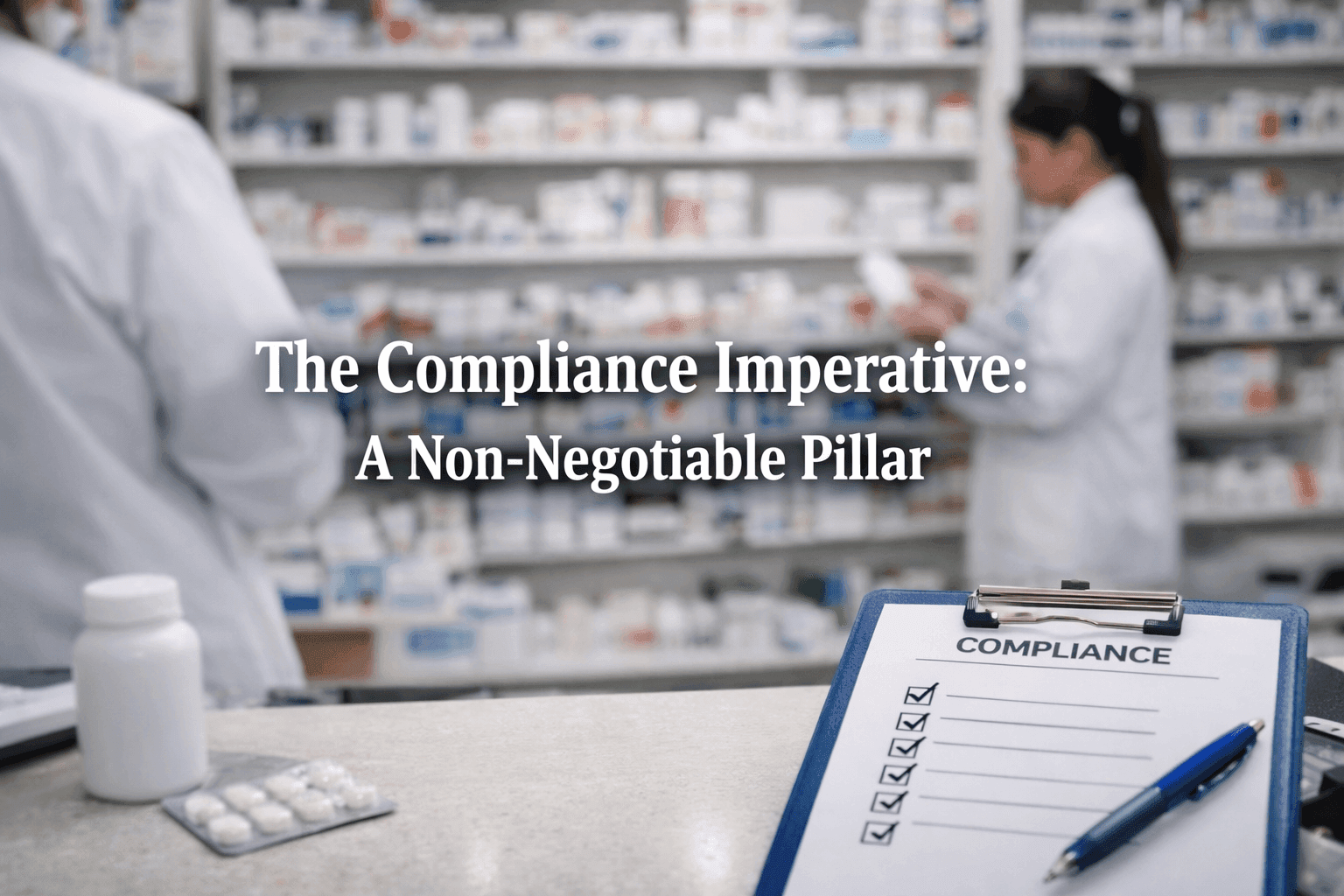
In Malaysia’s tightly regulated pharmaceutical sector, compliance isn’t a bonus—it’s the absolute foundation. The regulatory framework governed by NPRA/KKM sets high standards for product registration, storage conditions, and record-keeping. A pharmacy distributor Malaysia market relies on must be an expert in this domain. They act as the first line of defense, ensuring that every product supplied has the correct MAL (Marketing Authorization License), NOT (Notification) or KPK (Control of Drugs) status. Their warehouses are audited for GDP compliance, which covers everything from temperature and humidity control to meticulous documentation and security protocols.
The practical implication for a KL pharmacy is profound. Partnering with a distributor with weak compliance processes opens the door to massive risk: regulatory penalties, license revocation, and most critically, patient safety issues. Therefore, a distributor’s proven track record in compliance is as important as its delivery trucks. It provides pharmacy owners with peace of mind, knowing their inventory is not just available, but also authentically sourced and stored under strictly controlled conditions. This due diligence is what allows top pharmacies to maintain a perfect 100% accreditation score, a key differentiator from the national average.
Learn more: GUIDELINE ON GOOD DISTRIBUTION PRACTICE
A Framework for Evaluating a Pharmacy Distribution Partner
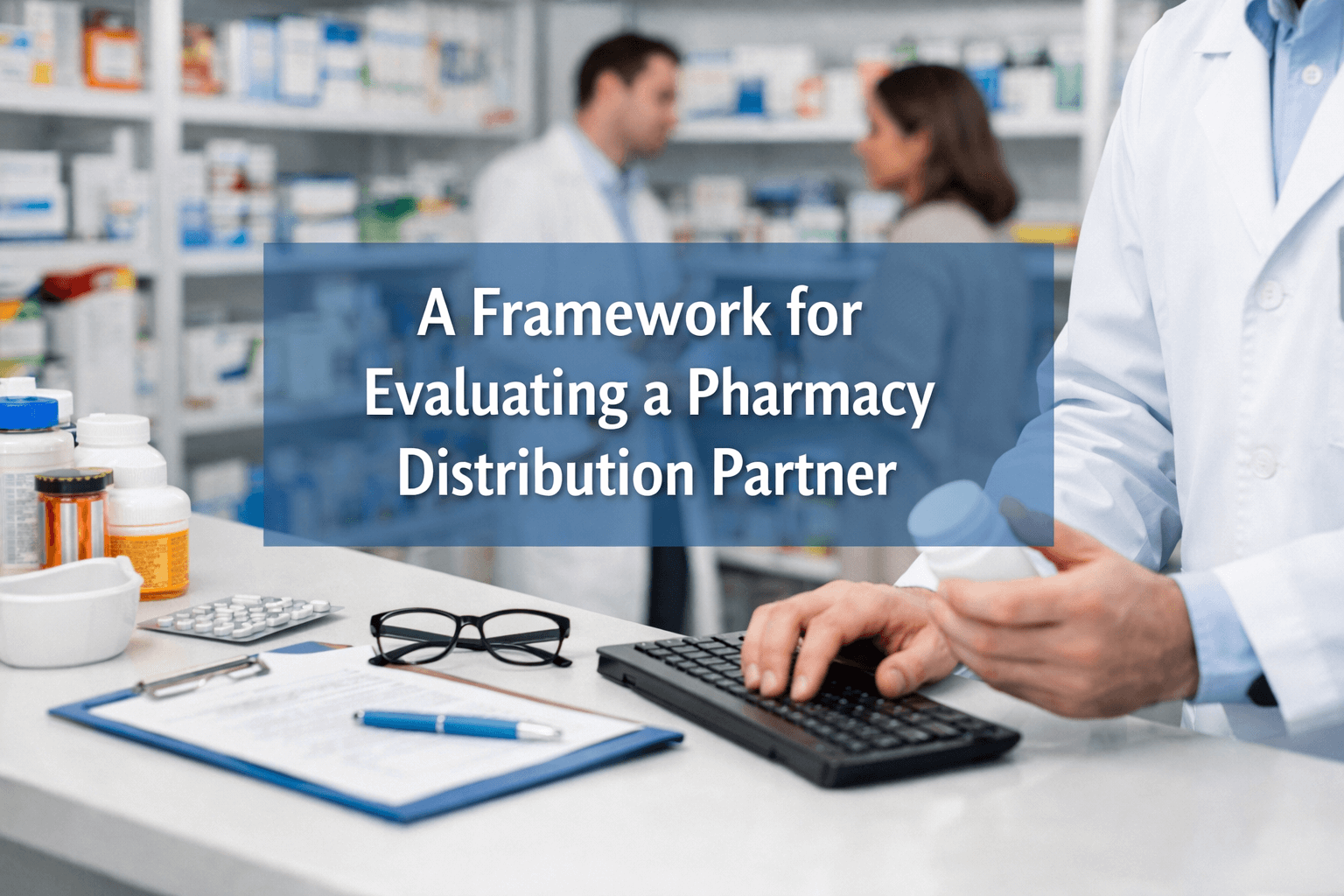
Given their critical role, how should a pharmacy evaluate potential distribution partners? It goes beyond just price catalogs. Here is a practical framework focusing on key service pillars:
Regulatory & Compliance Assurance: Verify their GDP certification, audit history, and ask for examples of how they manage product recalls or regulatory updates.
Logistics & Operational Reliability: Assess their delivery fleet coverage, average fill time for urgent orders, and technology for real-time tracking.
Value-Added Services & Support: Scrutinize the depth of their merchandising support, product training programs, and data reporting capabilities (e.g., sales analytics, expiry reports).
Strategic Alignment & Flexibility: Determine if they can handle your specific needs, whether you’re a large chain needing nationwide promotional execution or a single outlet needing a tailored, hands-on approach.
Comparative Table: Traditional Supplier vs. Strategic Distribution Partner
| Service Aspect | Traditional Supplier / Stockist | Strategic Pharmacy Distribution Partner |
|---|---|---|
| Primary Focus | Transactional; moving inventory. | Partnership; enabling pharmacy success. |
| Compliance Role | Basic documentation; often reactive. | Proactive management; integrated GDP and regulatory stewardship. |
| Inventory Management | Manual, bulk-oriented. | Data-driven, efficient with demand forecasting. |
| Pharmacy Support | Limited to order-taking. | Includes A&P execution, merchandising, and expert staff training. |
| Technology Integration | Minimal, often phone/email based. | Tailored dashboards, EDI links, inventory sync. |
| Impact on Pharmacy | Keeps shelves stocked. | Enhances competitiveness, dwell time, and patient trust. |
Technology and Data: The Silent Performance Multipliers
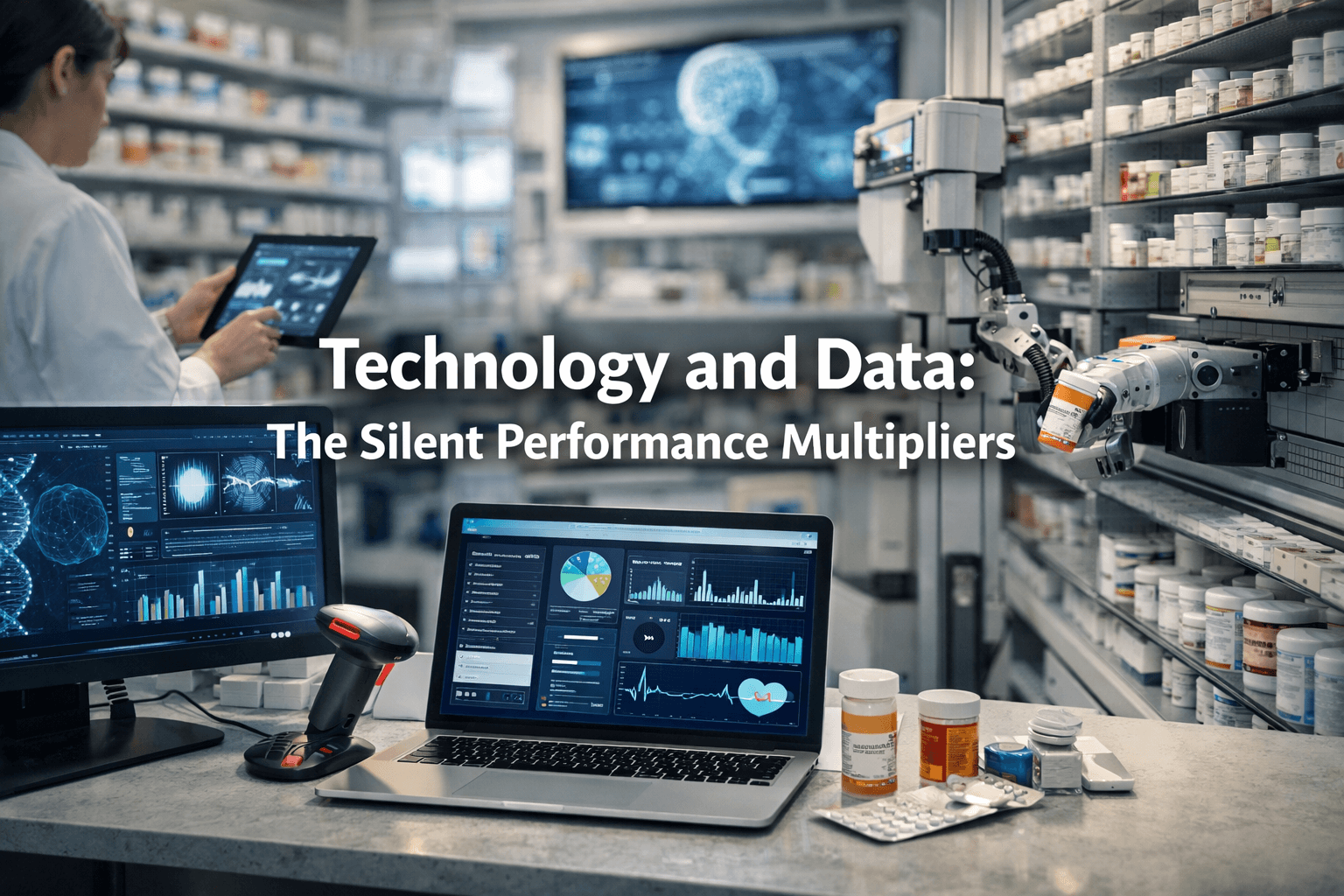
The modern pharmacy distributor leverages technology not just for internal efficiency, but as a service tool for their retail partners. Tailored digital dashboards provide pharmacists with visibility into their order history, stock turnover rates, and impending expiry dates—allowing for smarter, more proactive purchasing decisions. For larger chains, Electronic Data Interchange (EDI) enables seamless integration between the pharmacy’s inventory system and the distributor’s warehouse, automating reorder points and reducing administrative overhead.
This data-driven approach extends to the store shelf. Strategic distributors analyze sales patterns across different KL neighborhoods—for instance, noting higher demand for pediatric vitamins in family-centric Bangsar versus sports nutrition in Mont Kiara—and advise pharmacies on tailored product assortments. This level of insight ensures each pharmacy’s inventory is effective and relevant to its immediate community, maximizing sales per square foot and customer satisfaction. It’s a proven method for transforming raw data into a strategic advantage.
Learn more: Pharmacy Merchandising: 5 Ideas to Increase Pharmacy Sales and Boost Customer Engagement
Synthesis: The Distributor as a Community Health Enabler

Ultimately, the pharmacy distribution service in Kuala Lumpur fulfills a role that transcends commerce. By guaranteeing the reliable flow of authentic, compliant medicines and health products, and by supporting pharmacies with expert services, these partners become indirect yet essential enablers of public health. They empower the pharmacist—the most accessible healthcare professional in the community—to perform their role effectively. When a patient in Kuala Lumpur receives their medication on time, gets accurate advice on a new supplement, or benefits from a well-managed chronic care program, the invisible hand of a strategic, efficient, and trusted distributor is often at work in the background. This symbiotic relationship between retail front-end and logistical backend is what keeps Kuala Lumpur’s pharmacy landscape not only competitive but also reliable and progressively responsive to the city’s evolving health and wellness needs.
Learn more: Grocery retail in Asia: Thriving in changing consumption patterns
The Distributor as the First Line of Regulatory Defense
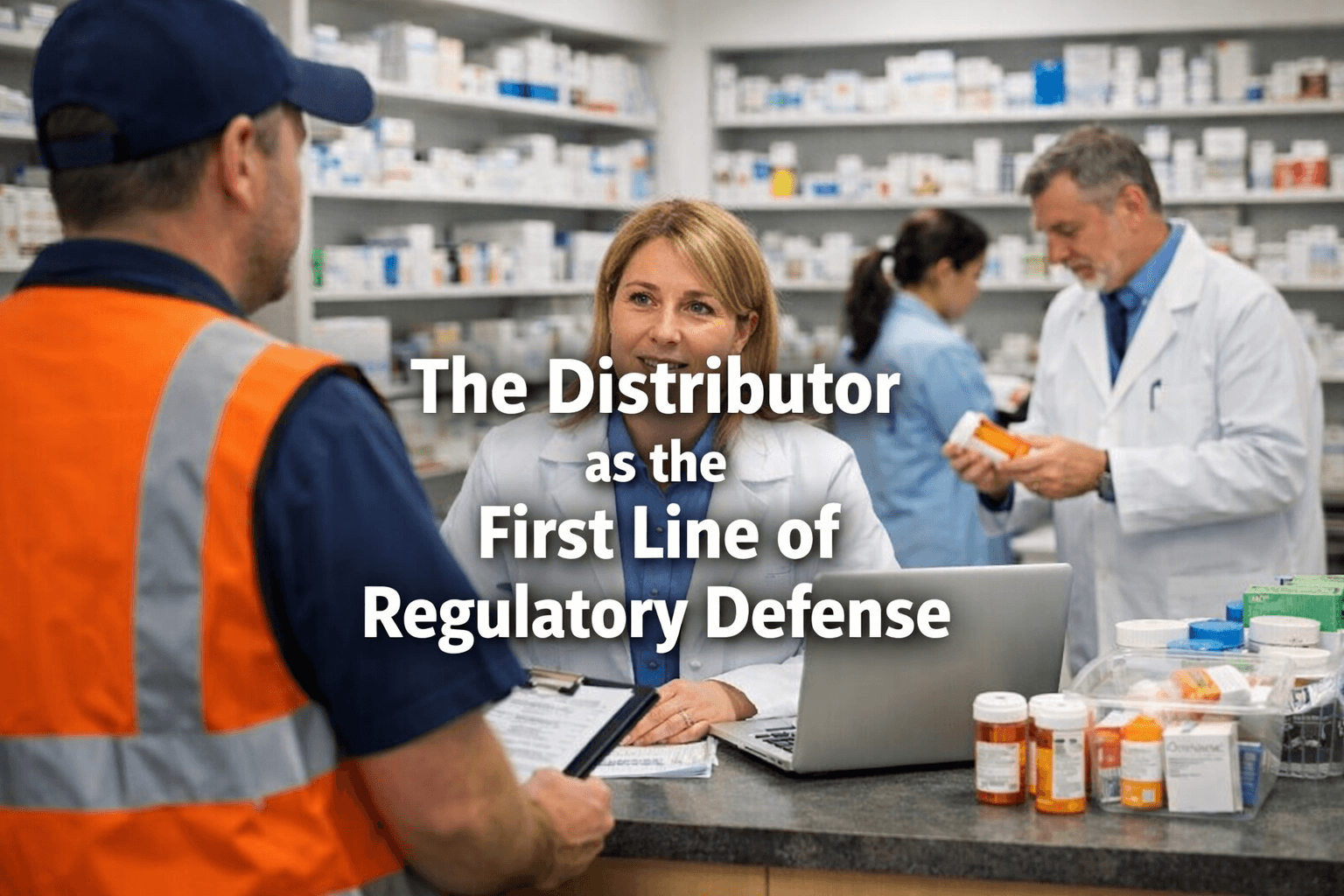
The complexity of maintaining full compliance across thousands of SKUs cannot be shouldered by pharmacies alone. This is where the strategic role of a pharmacy wholesale distributor becomes absolutely essential. These partners act as the critical first filter in the supply chain, managing the intricate regulatory documentation that underpins every product on the shelf. Their expert teams ensure that all items arrive with the correct, up-to-date MAL (Marketing Authorization License) for medicines, the proper NOT (Notification) status for cosmetics and certain devices, and adhere strictly to GDP (Good Distribution Practice) standards throughout the logistics journey. For instance, the importation of a new range of probiotic supplements requires meticulous coordination: the distributor must verify its NPRA registration, ensure its KKM notification for supplements is active, and maintain its cold chain integrity from port to warehouse to store. A single lapse in this process, such as a missing NOT number for a newly launched skincare line, can have severe repercussions.
From a Pharmacist’s Perspective: A distributor with a proven compliance track record is a trusted risk mitigator. It allows the pharmacy team to focus on patient care with confidence, knowing the products they recommend are fully vetted and legitimate. The anxiety of a surprise KKM audit is greatly reduced when your supply chain partner’s documentation is impeccable.
From a Distributor’s Perspective: Regulatory mastery is our core service. We invest in specialized compliance officers and integrated software not just to avoid penalties, but to become a reliable and strategic asset to our pharmacy partners. Our ability to swiftly navigate a product recall or communicate a regulatory update across an entire network is a key part of the value we provide.
Consider a real-world scenario in the Klang Valley: a well-known pharmacy in Subang Jaya faced a compliance suspension for three months after an audit revealed discrepancies in the documentation for a batch of imported medical devices supplied by a non-accredited agent. The financial impact—a full quarter’s revenue loss and reputational damage—was devastating. This incident underscores why top-tier pharmacies in Bukit Bintang or Bangsar exclusively align with distributor pharmacy networks that have robust compliance workflows and a culture of regulatory excellence.
Learn more: How to Ensure Regulatory Compliance for Pharmacy Distribution in Malaysia
Strategic Merchandising: The Science Behind the Shelf
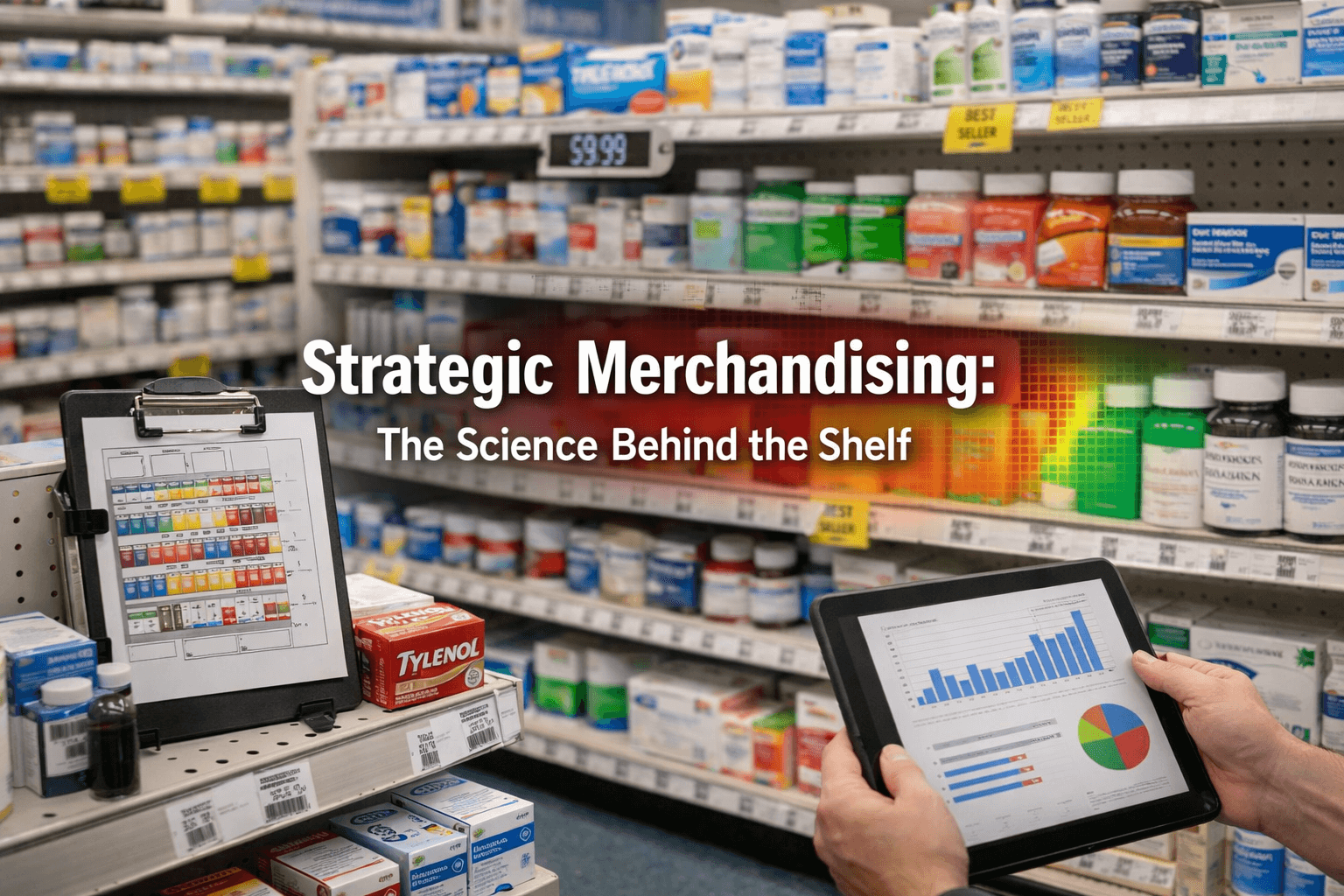
Beyond compliance, the battle for consumer attention is won at the shelf edge. Retail merchandising in a modern Kuala Lumpur pharmacy is a sophisticated discipline that blends data, psychology, and operational precision. It’s what transforms passive inventory into active sales drivers. For leading chains, in-store execution is a strategic priority, utilizing planogram compliance, eye-level positioning for high-margin dermaceuticals, and seasonal end-cap displays for items like immunity boosters during monsoon season. However, maintaining this standard across 40+ outlets, from a flagship store in Pavilion KL to a community outlet in Wangsa Maju, presents a monumental challenge. This is where the evolution of the pharmacy distribution service is pivotal. Many distributor pharmacy partners now offer tailored merchandising support as a core value-added service, conducting regular store audits, providing shelf photography for remote verification, and generating compliance scoring reports that give both brand and pharmacy manager unparalleled visibility into field execution.
Comparative Table: In-House vs. Distributor-Led Merchandising Execution
| Merchandising Task | In-House Pharmacy Team | Distributor Merchandising Team |
|---|---|---|
| Planogram Compliance & Accuracy | Often variable; depends on store staff priority and training. | High and consistent, enforced by dedicated, trained field personnel with audit tools. |
| Responsiveness to Stock-Outs | Reactive; restocking often follows a fixed schedule. | Proactive and real-time; field staff can report and sometimes trigger replenishment on the spot. |
| Promotional Campaign Setup | Can strain store resources, leading to delayed or incomplete execution. | Strategic and rapid rollout; a specialized team executes across multiple locations simultaneously. |
| Performance Reporting & Insights | Typically manual, anecdotal, or delayed. | Data-driven with visual evidence; provided via dashboards showing execution rates and photos. |
The impact of this expert support is quantifiable. For example, a strategic distributor executing a nationwide launch for a new pain relief gel in KL pharmacies can ensure 95% planogram compliance within the first week. This level of effective execution is frequently credited with lifting the ROI of promotional campaigns by 30-40% compared to those relying solely on in-store staff, as it guarantees the brand’s vision is realized at the critical point of purchase.
Learn more: Pharmacy Merchandising Services in Malaysia: What You Should Know
The Agile Role of Independent Distributors in a Consolidated Market
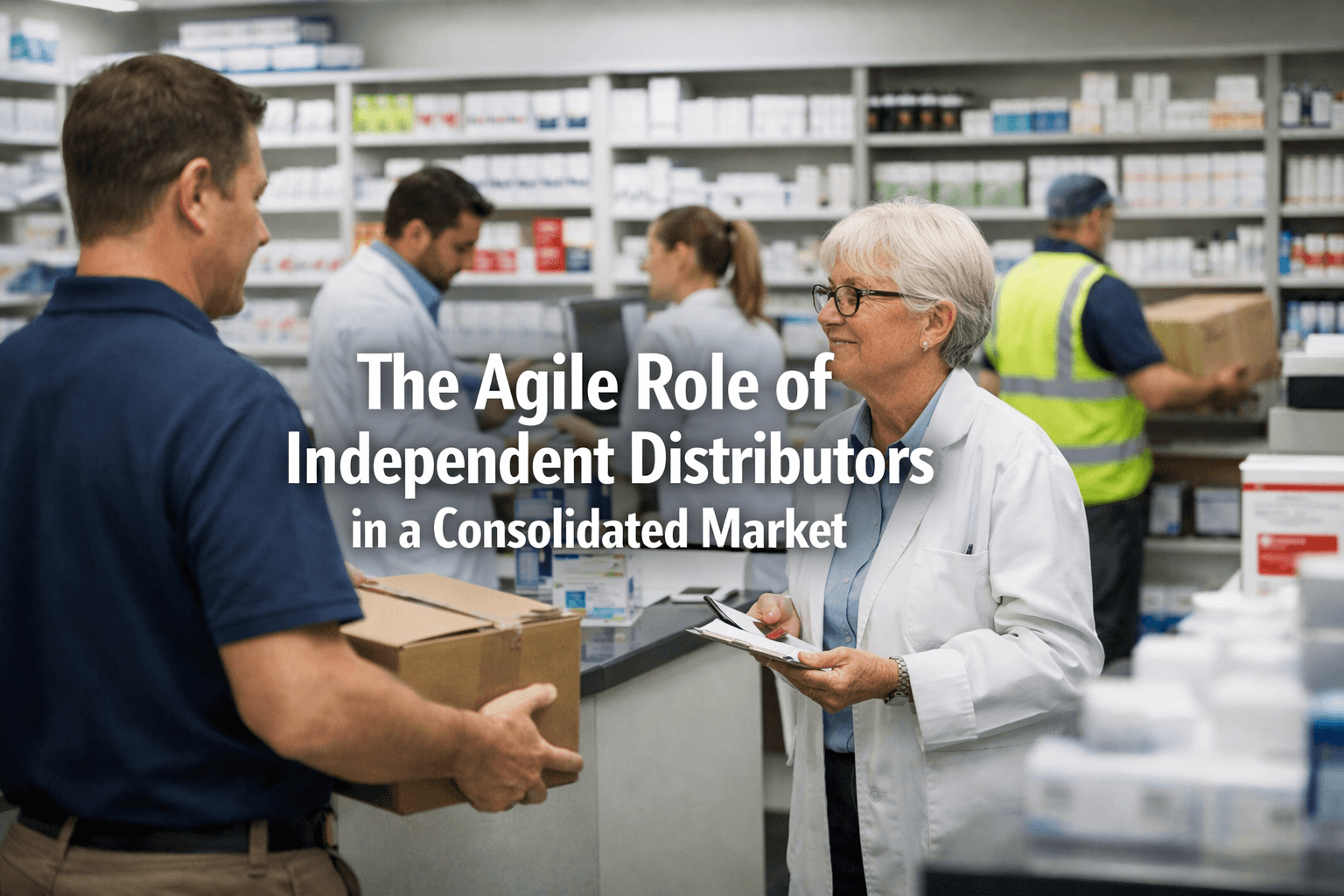
While national pharmacy wholesale distributors dominate supply to large chains, the independent pharmacy distributor remains a vital and agile force within Kuala Lumpur’s diverse ecosystem. Their relevance is particularly pronounced in serving community pharmacies and smaller chains in suburban and mature residential zones like Kepong, Setapak, and Taman Connaught. These expert partners offer a level of personalized service and operational flexibility that larger entities may struggle to match. They enable faster, more frequent restocking cycles—essential for a neighborhood pharmacy with limited storage space—and have the deep local knowledge to craft tailored promotions that resonate with specific community demographics.
A compelling Malaysia-related example involves a local brand of halal-certified vitamin supplements targeting families in the Malay-majority area of Sri Petaling. By partnering with an independent distributor that has strong relationships with pharmacies in that corridor, the brand achieved faster shelf placement and more prominent displays than they could have through a broad-line national distributor. The independent partner understood the store owners’ preferences and customer buying habits intimately, making them a trusted advisor and an effective route-to-market. This underscores why a hybrid distribution model—utilizing both national and independent partners—is often the most strategic approach for brands with diverse product portfolios or targeted geographic ambitions.
Strategic Implications for Healthcare Brands and Market Entrants

For healthcare brands, supplement companies, and new market entrants, the dynamics of Kuala Lumpur’s pharmacy landscape present both a challenge and a clear roadmap. Selecting a pharmacy partner is a multi-faceted decision that extends far beyond simple sales potential; it is a choice intertwined with regulatory strategy, marketing execution, and supply chain reliability. The most effective path to market success involves aligning with pharmacies that are, in turn, supported by top-tier distributor partners. This layered partnership is proven to accelerate market entry while mitigating risk.
For an International Brand Manager: The primary concern is brand integrity and compliance. A strategic distributor pharmacy partner ensures your products are not only placed on shelves but are also merchandised correctly and always accompanied by the right regulatory documentation, protecting your brand from costly compliance failures.
For a Local Startup Founder: Speed and visibility are key. Partnering with a pharmacy known for its efficient distributor relationships means a shorter, more reliable path from warehouse to shelf, allowing you to build brand recognition and generate sales velocity quickly.
A practical framework for new entrants should include:
Verify Distributor Credentials: Prioritize partners with proven GDP certification and a track record of flawless KKM audit history.
Assess Value-Added Services: Choose based on who provides tailored merchandising, staff training, and real-time sales data, not just the lowest cost-per-delivery.
Plan for Regulatory Navigation: Ensure your distributor has the expertise to correctly classify your product (e.g., MAL vs. NOT vs. MDA (Medical Device Authority) approval) from the outset to prevent launch delays.
Learn more: PHARMACEUTICAL INDUSTRY
Frequently Asked Questions (FAQ)
Q1: What is pharmacy and why is it important?
Answer: Pharmacy is the health profession that links the health sciences with the chemical sciences. It is concerned with the discovery, production, disposal, safe and effective use, and control of medicines and drugs. It is important because pharmacists, as experts in medicines, ensure the safe and optimal use of medications to improve patient health outcomes, prevent disease, and provide essential healthcare advice.
Q2: What services does a pharmacy provide?
Answer: Pharmacies provide a wide range of services, including dispensing prescription medications, offering over-the-counter (OTC) products and advice, providing medication management and counseling, administering certain vaccinations, conducting health screenings, and offering pharmacy care services (e.g., managing minor ailments, chronic disease management support).
Q3: What are pharmacy care services?
Answer: Pharmacy care services, often interchangeable with pharmaceutical care or advanced services, are patient-centered and outcomes-oriented practices where pharmacists work to design, implement, and monitor a therapeutic plan that will produce specific patient outcomes. Examples include Medication Therapy Management (MTM), chronic disease state management, immunization services, and support for smoking cessation.
Q4: Why is pharmacy first important?
Answer: “Pharmacy First” is a common term for schemes that allow patients to seek treatment and advice for minor illnesses directly from a community pharmacy, often without needing to see a GP. It is important because it improves patient access to convenient care, utilizes the pharmacist as a highly accessible healthcare professional, and reduces pressure on other NHS or healthcare services like GP surgeries and emergency departments.
Q5: What is the function of the pharmacy services?
Answer: The primary function of pharmacy services is to ensure that patients receive the appropriate medicines in the correct dose, along with the necessary information and support for their safe, effective, and rational use. This includes inventory management, compounding, dispensing, patient education, and collaboration with other healthcare providers.
Q6: What is pharmacy first service?
Answer: The Pharmacy First service (as implemented in the UK, for example) is a scheme that enables pharmacists to provide advice and, when appropriate, treatment (including prescription-only medicines via Patient Group Directions or by prescribing) for a defined set of common minor ailments (e.g., earache, sore throat, uncomplicated UTIs) directly in the pharmacy, expanding the pharmacist’s clinical role.
Q7: What services are offered by retail pharmacy?
Answer: Retail (or community) pharmacies offer services directly to the public, including dispensing prescriptions, selling over-the-counter medicines and health products, providing medication consultation, administering vaccinations (e.g., flu shots), offering health screening (e.g., blood pressure checks), managing minor ailments, and providing advice on healthy living.
Q8: Why is a pharmacy important?
Answer: A pharmacy is important because it serves as the most accessible healthcare point in many communities. It is crucial for safe and accurate medication dispensing, preventing drug interactions, offering essential health advice, providing primary healthcare interventions, and bridging the gap between patients and prescribers, thereby playing a vital role in public health.
Q9: What are the three types of pharmacies?
Answer: The three main types of pharmacy practice are generally categorized as:
- Community (Retail) Pharmacy: Pharmacies that serve the public directly in a community setting.
- Hospital (Institutional) Pharmacy: Pharmacies located within hospitals and healthcare facilities, serving inpatients and medical staff.
- Industrial (Pharmaceutical) Pharmacy: Involving roles in drug research, manufacturing, quality control, marketing, and regulatory affairs within the pharmaceutical industry.
Q10: Why is good pharmacy practice important?
Answer: Good Pharmacy Practice (GPP) is important because it establishes the standards for quality pharmacy services worldwide, ensuring that pharmacists provide care focused on the patient’s well-being and their use of medicines. GPP ensures safe dispensing, accurate information, professional advice, ethical conduct, and the overall goal of maximizing the positive health outcomes of patients.
The landscape of pharmacy retail in Kuala Lumpur is a testament to the power of integration—where front-end consumer engagement is seamlessly supported by backend strategic partnerships. The distinction of the market leaders is forged not in isolation, but through their proven, synergistic relationships with expert distribution networks, their unwavering commitment to regulatory compliance as a trust signal, and their mastery of scientific merchandising. For any stakeholder—from a global pharmaceutical brand to a local wellness entrepreneur—understanding and leveraging this interconnected ecosystem is the essential key to sustainable growth. Success is no longer just about having a superior product; it is about ensuring that product flows through a reliable, efficient, and compliant channel directly into the hands of the discerning Kuala Lumpur consumer.
How can we assist you today? 😊
Just let us know—we’re here to help!