

At the very heart of Malaysia’s healthcare infrastructure, pharmacies serve as the critical frontline for community wellness, a role that is magnified in the nation’s bustling capital. In Kuala Lumpur, these establishments are far more than mere retail outlets; they are accessible healthcare hubs providing a triad of essential services: dispensing prescription medications, offering professional health consultations, and supplying a wide range of wellness and OTC products. This ecosystem comprises both expansive retail pharmacy chains with numerous outlets and independent community pharmacies that offer a personalized touch, together ensuring that urban and suburban populations have consistent access to pharmaceutical care. However, the visible efficiency of these pharmacies is fundamentally underpinned by a complex, behind-the-scenes network. Their operational success is inextricably linked to their partnerships with trusted pharmacy distributors in Malaysia. These supply chain partners act as the vital arteries of the healthcare system, ensuring an efficient, reliable, and compliant flow of products from manufacturers to shelves. Without a strategic and effective distribution framework, even the best pharmacy cannot fulfill its duty to the community, highlighting how logistics excellence directly translates to public health security in a metropolis like KL.
Deconstructing the Pharmacy Distribution Service: The Engine of Malaysia’s Pharmaceutical Access
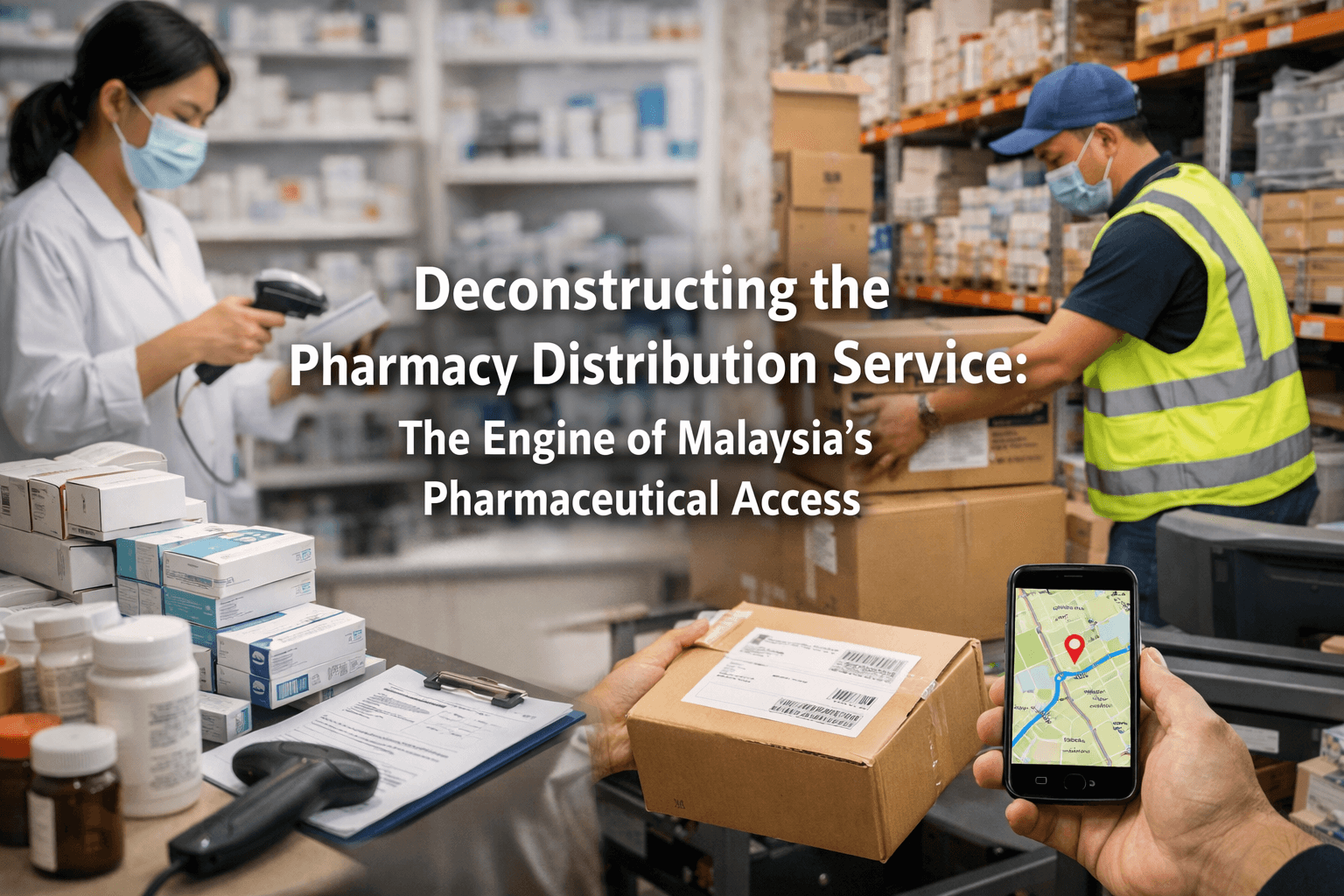
To truly appreciate how pharmacies function, one must understand the pharmacy distribution service that powers them. This sector is the indispensable bridge connecting pharmaceutical manufacturers with the final point of sale, ensuring that life-saving and life-enhancing products are available where and when they are needed. In Malaysia, this network is characterized by a mix of large-scale wholesale distributors and nimble independent pharmacy distributors, each serving distinct but complementary roles. Wholesale distributors typically operate with vast warehouses and handle enormous volumes, servicing the inventory needs of large retail chains and hospital networks. Their model is built on scale and breadth of product. In contrast, independent pharmacy distributors often provide a more tailored and flexible service, catering specifically to smaller independent pharmacies and specialist clinics. The core functions of these distributors extend far beyond simple transportation; they are integral to inventory management, cold chain logistics for sensitive products, and ensuring strict compliance with regulatory standards set by bodies like the NPRA (National Pharmaceutical Regulatory Agency) and KKM (Kementerian Kesihatan Malaysia). An efficient distributor doesn’t just deliver boxes; they provide stock rotation guidance, new product intelligence, and recall management, making them a proven operational partner. The relationship between a pharmacy and its distributor is therefore a strategic alliance, where reliability and efficiency from the distributor directly impact the pharmacy’s ability to build patient trust and ensure community health resilience.
The Malaysian Distribution Landscape: A Comparative View
| Aspect | Large Wholesale Distributor | Independent Pharmacy Distributor |
|---|---|---|
| Primary Clientele | Large pharmacy chains, hospital networks | Independent pharmacies, specialty clinics |
| Service Scope | High-volume, nationwide supply | Tailored, regionally-focused supply |
| Order Flexibility | Lower minimum order quantities (MOQs) | Often higher MOQs, based on pallets/cases |
| Relationship Dynamic | Transactional, system-driven | Personalized, direct account management |
| Key Strength | Broad product portfolio, IT integration | Agile response, niche product access |
The Multifaceted Criteria for Ranking Kuala Lumpur’s Premier Pharmacies
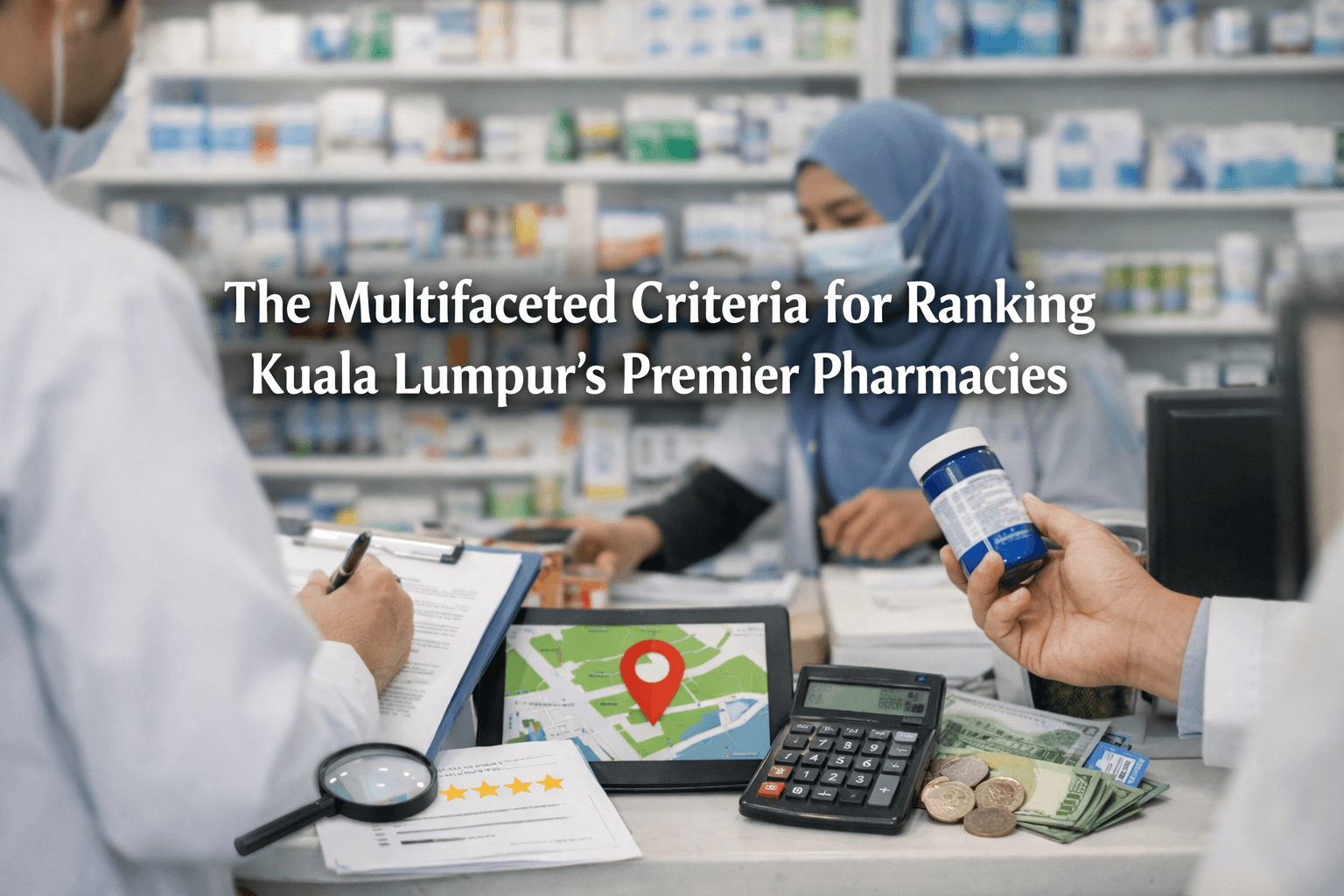
Identifying the top pharmacies in a competitive market like Kuala Lumpur requires looking beyond mere location or size. A multi-dimensional evaluation framework reveals what makes a pharmacy truly stand out. First and foremost is regulatory accreditation and compliance. Pharmacies that rigorously adhere to the standards of KKM and the NPRA demonstrate a foundational commitment to safety and quality. This includes proper storage conditions, qualified personnel like registered pharmacists on duty, and authentic product sourcing—all non-negotiable for patient safety. Secondly, the scope and quality of services is a major differentiator. Top pharmacies offer a comprehensive suite that may include:
Medication dispensing and review
Chronic disease management consultations (e.g., for diabetes, hypertension)
Vaccination services
Health screening (blood pressure, glucose tests)
Specialized niches like maternal health or sports nutrition
From the pharmacist’s perspective, this service range is about providing holistic care. From the customer’s perspective, it’s about convenience and trusted advice. Thirdly, customer satisfaction metrics—from online reviews on platforms like Google to word-of-mouth reputation—provide real-world proof of performance. Finally, a critical but often overlooked criterion is the strength of the pharmacy’s supply chain partnership. A pharmacy partnered with a reliable pharmacy distributor Malaysia can guarantee product availability, manage stock-outs effectively, and quickly bring in new or specialized medications. This backend reliability is what allows the front-end service to shine, making it an essential component of any top-tier pharmacy’s operations.
A Closer Look at Kuala Lumpur’s Pharmacy Leaders: Diversity in Excellence

Kuala Lumpur’s pharmacy scene is a vibrant tapestry, reflecting the city’s diverse needs. The leading establishments, while united in excellence, often excel in different domains. The list is typically headed by nationwide retail chains known for their standardized service, extensive private-label product ranges, and strategic locations in major malls and urban centers. These chains leverage their scale to negotiate directly with manufacturers and large distributors, ensuring competitive pricing. Alongside them, high-performing independent pharmacies carve out their niche through deep community roots, specialist knowledge (e.g., in compounding, veterinary medicine, or imported specialties), and personalized customer relationships. Their agility allows them to curate unique product selections that larger chains may not carry. Furthermore, customer-rated pharmacies in KL that consistently appear at the top of review platforms often share common traits: short waiting times, empathetic and expert staff, and a clean, professional environment. Crucially, whether large or small, these top pharmacies share a common operational backbone: they have cultivated strategic partnerships with proficient pharmacy distributors. For the chain, this might mean a nationwide logistics contract with a major wholesaler. For the independent, it likely means a responsive partnership with a dedicated independent distributor who understands their specific inventory challenges and can provide efficient local delivery, sometimes even on a daily basis to optimize shelf-space in smaller stores.
Learn more: Meeting changing consumer needs: The retail pharmacy of the future
The Strategic Value of Independent Pharmacy Distributors in a Chain-Dominated Landscape

While large wholesalers form the bulk-supply backbone, independent pharmacy distributors are the specialized capillaries ensuring health reaches every corner of the market. Their role in Kuala Lumpur is particularly essential for maintaining a diverse and resilient healthcare retail ecosystem. These distributors offer a tailored partnership that larger entities often cannot. Their service model is built on personal relationships and operational flexibility. For an independent pharmacy owner in a neighborhood like Bangsar or Damansara, this might mean the ability to place mixed-product orders in smaller quantities, receive just-in-time deliveries to manage limited storage, and get direct access to account managers who can source niche or hard-to-find products. The advantages are clear:
Enhanced Flexibility: Ability to adapt order schedules and volumes based on the pharmacy’s actual footfall and sales trends.
Localized Efficiency: Shorter supply lines within the Klang Valley can mean same-day or next-day delivery, a critical factor for managing urgent stock needs.
Niche Market Access: Many independent distributors carry specialized lines, such as specific aesthetic pharmaceuticals, traditional and complementary medicines, or products from smaller local manufacturers, giving independent pharmacies a unique selling proposition.
From the brand manager’s perspective at a small or medium pharmaceutical company, these independent distributors are a proven and effective channel to reach community pharmacies without the massive volume requirements of a national wholesaler. They enable a more granular and targeted market penetration. This symbiotic relationship supports a vibrant and competitive market, ensuring that consumers have access to a wider variety of healthcare solutions beyond the standardized offerings of large chains.
Learn more: Top Independent Pharmacy Distributors | Emerging Challenges and Opportunities in Pharmaceutical Manufacturing and Distribution
Operational Synergy: How Distributor Partnerships Translate to Pharmacy Success in Malaysia

The ultimate test of the pharmacy-distributor relationship plays out in daily operations and long-term strategic growth. An effective partnership manifests in several tangible ways that directly impact the pharmacy’s performance and customer trust. Firstly, it ensures robust inventory management. A reliable distributor provides not just products but also data and insights—like sales trend reports for similar pharmacies—which helps pharmacists make smarter purchasing decisions and reduce dead stock. Secondly, it is key for regulatory compliance. Distributors are the first line of defense in the supply chain integrity, guaranteeing that products are stored and transported under conditions that meet NPRA’s Good Distribution Practice (GDP) requirements. For a pharmacy in Kuala Lumpur dealing with temperature-sensitive biologics or insulin, a distributor’s verified cold chain process is non-negotiable. Thirdly, this partnership enables service scalability. When a pharmacy decides to expand its service offerings—for instance, by starting a travel vaccination clinic or a smoking cessation program—they need a distributor who can reliably supply the new required products, from specific vaccines to nicotine replacement therapies. Consider a real-world scenario: A popular independent pharmacy in Subang Jaya launches a maternal wellness program. Their tailored distributor proactively ensures a consistent supply of prenatal vitamins, breastfeeding accessories, and baby care essentials, and even provides point-of-sale educational materials. This seamless support allows the pharmacy to focus on customer care rather than logistics. This operational synergy, where the distributor acts as a strategic extension of the pharmacy’s backroom, is what separates good pharmacies from truly great, customer-centric healthcare destinations in Kuala Lumpur.
The Strategic Backbone: How Wholesale Distributors Power Malaysia’s Pharmaceutical Supply Chain
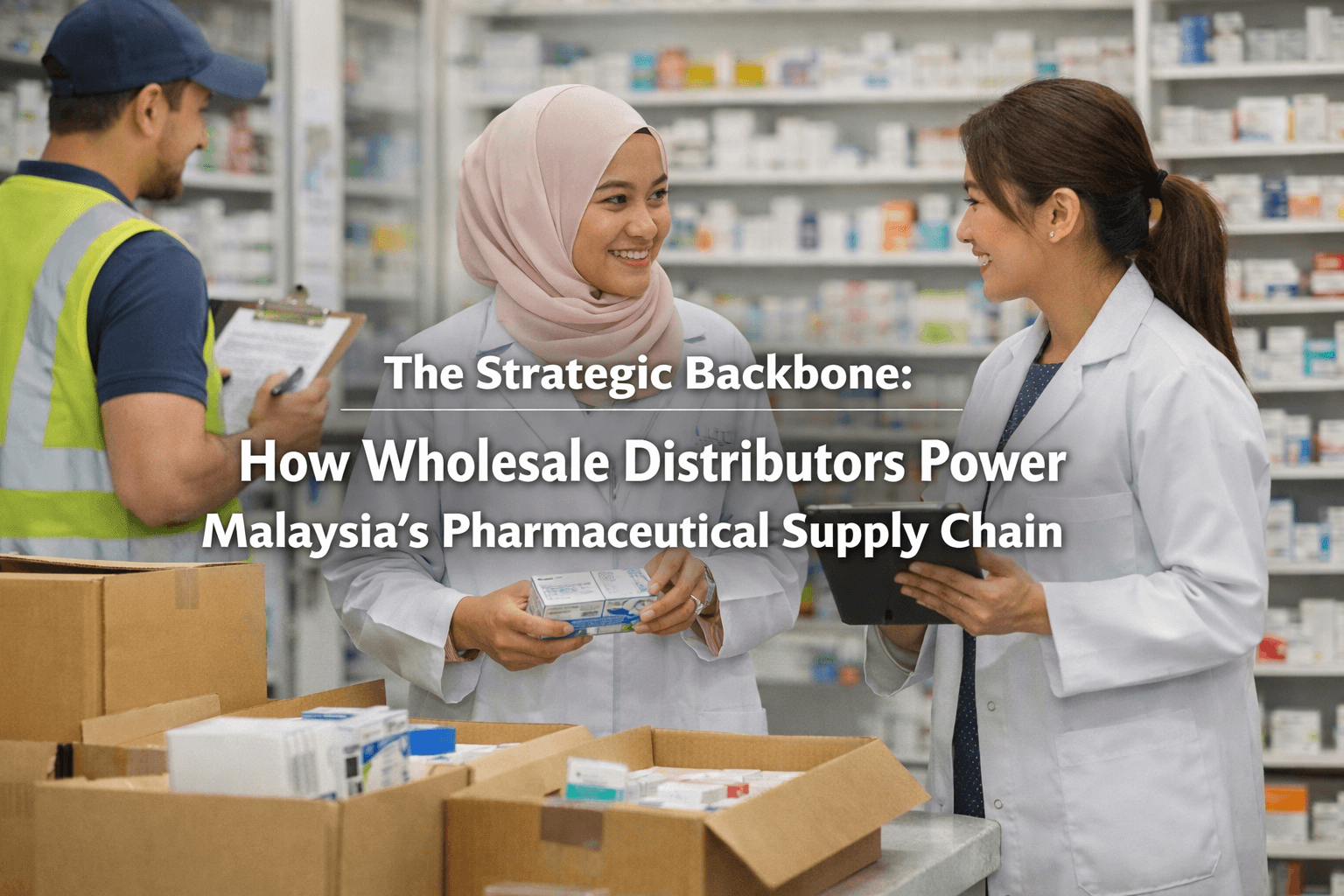
The sheer scale and complexity of Kuala Lumpur’s healthcare demands requires a supply chain engine capable of immense volume and unwavering reliability. This is where pharmacy wholesale distributors step in, not merely as suppliers, but as the strategic logistical backbone of the entire system. Their core function is to act as the critical intermediary between pharmaceutical manufacturers—who produce medicines in vast batches—and the retail pharmacy chains and hospital networks that serve the public daily. By consolidating products from hundreds of manufacturers into centralized warehouses, they create a single point of access for pharmacies, transforming an impossibly fragmented procurement process into an efficient and manageable one. For a major retail chain with 50 outlets across the Klang Valley, the alternative—direct ordering from dozens of separate companies—would be a logistical nightmare. The strategic partnership with a major wholesale distributor allows these chains to streamline ordering, consolidate deliveries, and leverage bulk purchasing power, which directly impacts cost management and, ultimately, affordability for end consumers. Their role is fundamentally about scalability and stability, ensuring that high-demand items, from common antihistamines to essential chronic disease medications, are available at scale without disruption. This operational scale provides a buffer against market volatility and is essential for maintaining public health security across a dense urban population.
Consider the real-world example of preparing for peak demand seasons, such as the annual flu season or the Hajj pilgrimage period, when demand for specific vaccines and OTC medications spikes dramatically across Malaysia. A wholesale distributor’s advanced forecasting systems and deep inventory reserves enable them to pre-position these critical products within their network. This proactive capacity prevents the stock-out scenarios that could cripple individual pharmacies and erode public trust. The practical implication is profound: a pharmacy manager at a large chain can have confidence that their central warehouse’s order for 10,000 units of a particular vaccine will be fulfilled reliably and on schedule, allowing them to confidently launch community vaccination programs. This reliability is the invisible foundation upon which visible healthcare services are built, making wholesale distributors indispensable partners in public health.
Learn more: The Role of Pharmacy Distribution Services in Malaysia’s Healthcare System
The Guardian of Integrity: Regulatory Compliance as the Non-Negotiable Standard
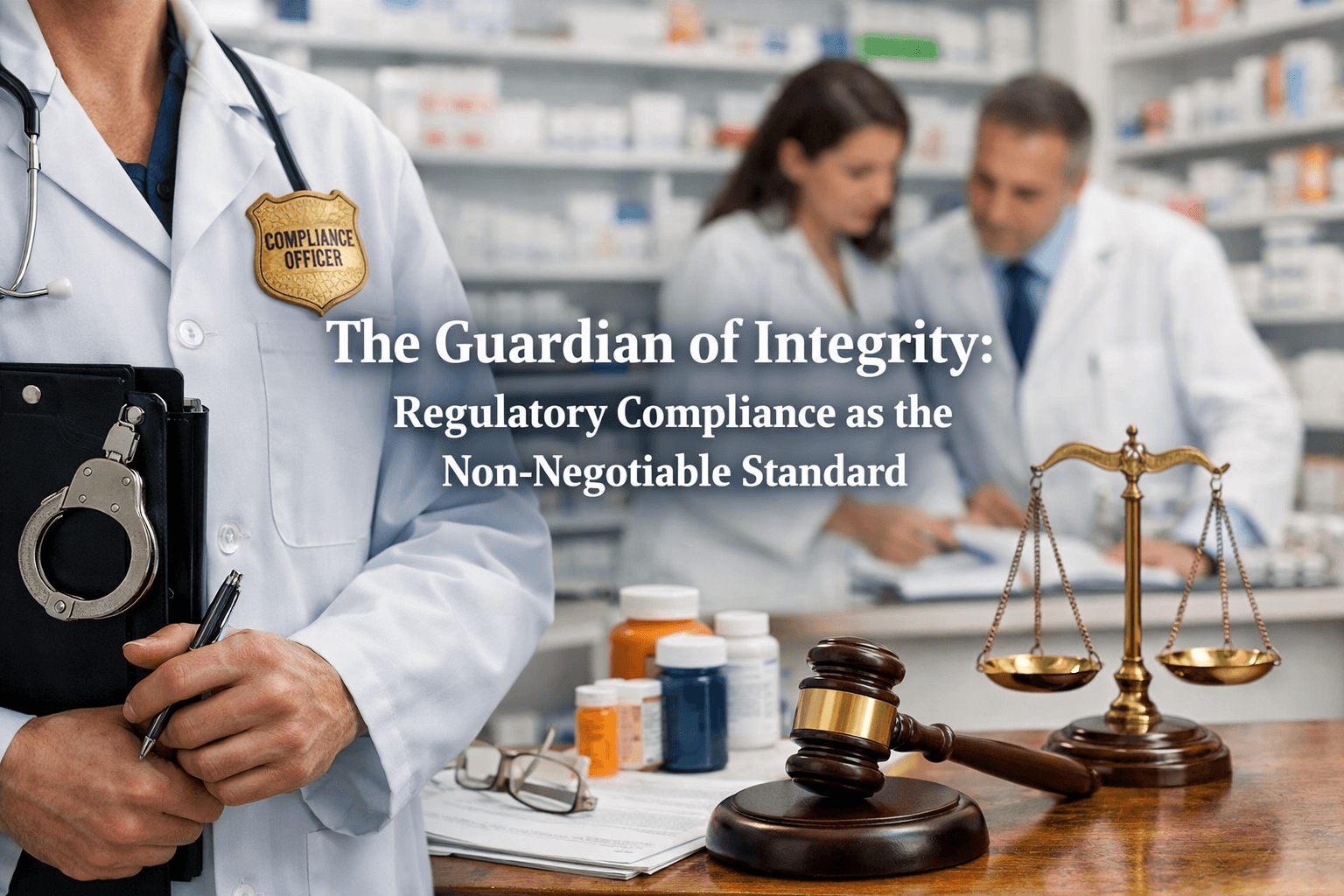
In an industry where product integrity is synonymous with patient safety, regulatory compliance is not a box-ticking exercise but the very bedrock of professional pharmacy practice. In Malaysia, the National Pharmaceutical Regulatory Agency (NPRA) under the Ministry of Health (KKM) sets and enforces the stringent guidelines that govern every step of the pharmaceutical journey. For pharmacies in Kuala Lumpur, accreditation and adherence to these standards are the ultimate markers of professional legitimacy and trust. The regulations cover a vast spectrum, from the qualified personnel who must oversee dispensing—mandating the presence of a registered pharmacist—to the meticulous storage conditions for temperature-sensitive products that require validated cold chain protocols. A simple audit can examine product sourcing documentation, expiry date management, and premise hygiene standards.
The critical insight here is that a pharmacy’s compliance is only as strong as its weakest link in the supply chain. This is why partnering with a trusted pharmacy distributor is not just a logistical decision but a strategic compliance imperative. Expert distributors operate under Good Distribution Practice (GDP) guidelines, a set of quality standards for warehouses and transportation that ensure products are never compromised. From the pharmacist’s perspective, receiving a shipment with a verified temperature log from the distributor provides immediate assurance. From the brand manager’s perspective at a pharmaceutical company, using a GDP-compliant distributor is essential to protect their product’s efficacy and their brand’s reputation until the point of sale. The practical implication is clear: a lapse by a distributor—a broken cold chain, improper handling, sourcing from unapproved channels—directly transfers liability and risk to the pharmacy. Therefore, the selection of a distributor is, de facto, a major component of a pharmacy’s own quality assurance framework. An accredited pharmacy working with a non-compliant distributor is building on shaky ground, while one that aligns with expert, compliant partners solidifies its foundation for long-term credibility and patient safety.
A Framework for Pharmacy Compliance: Key Pillars
Personnel & Oversight: Ensuring a registered pharmacist is always on duty to supervise dispensing and provide consultations.
Product Integrity: Sourcing 100% genuine medications only from NPRA-approved suppliers and licensed distributors.
Storage & Handling: Maintaining documented temperature control for cold chain items and proper segregation for controlled substances.
Documentation & Traceability: Keeping immaculate records for every product batch from receipt to sale, enabling full track-and-trace capability.
Learn more: How to Ensure Regulatory Compliance for Pharmacy Distribution in Malaysia | GUIDELINE ON GOOD DISTRIBUTION PRACTICE
The Digital Transformation: Technology as a Force Multiplier in Pharmacy Logistics
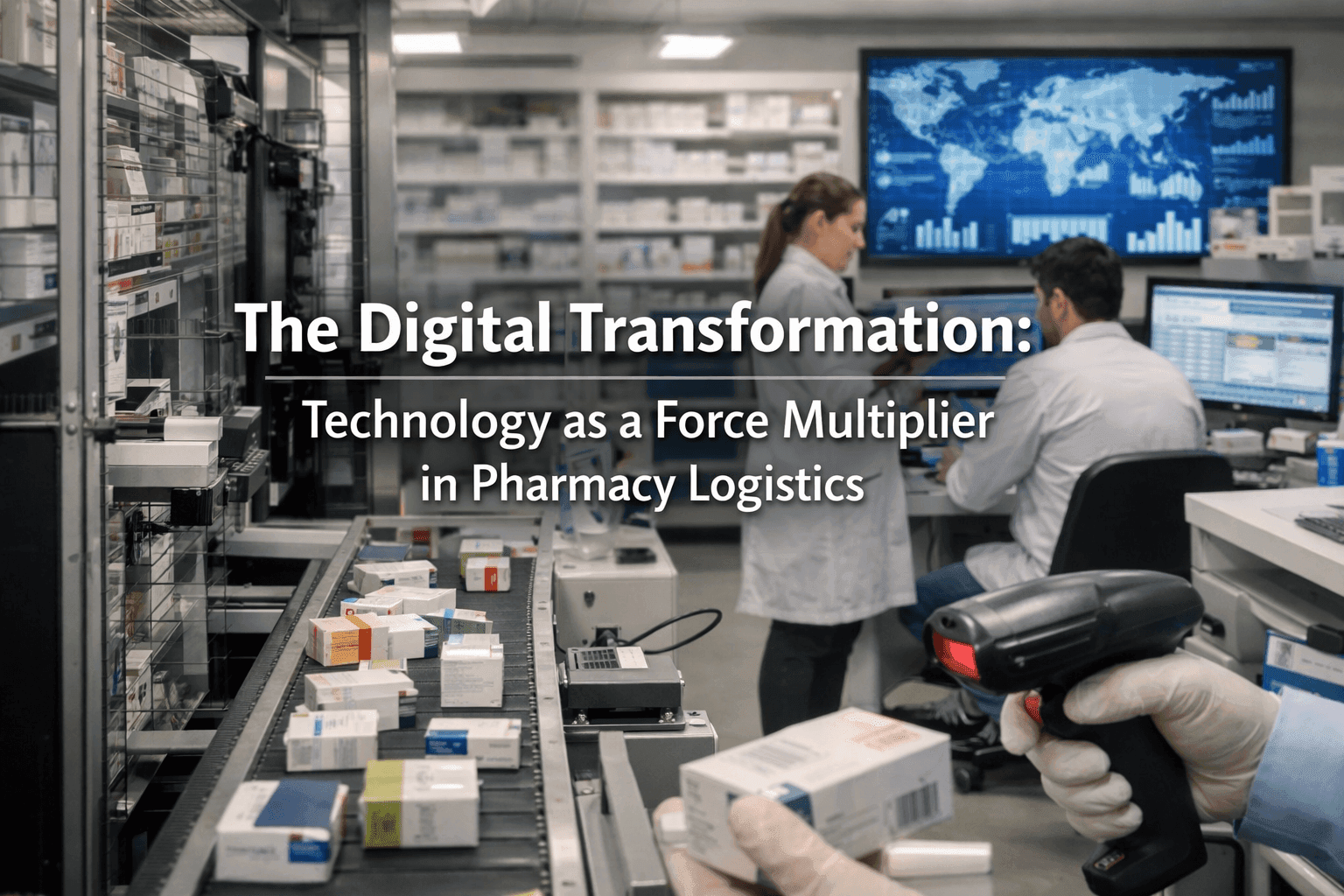
The modernization of Kuala Lumpur’s pharmacy sector is being driven by a quiet revolution in digital tools, transforming inventory management from an art of educated guesswork into a science of precision. Technology integration is now the key differentiator between an efficient operation and one plagued by stock-outs or dead stock. At the pharmacy level, sophisticated Pharmacy Management Systems (PMS) do far more than process sales; they analyze historical data to predict future demand, automatically generate purchase orders when stock hits a pre-set reorder point, and even manage patient medication records. This digital layer provides pharmacists with a real-time dashboard of their entire operation.
For pharmacy distributors, technology is equally transformative. Advanced Warehouse Management Systems (WMS) optimize picking routes and storage, while Electronic Data Interchange (EDI) allows for seamless, automated order processing directly from the pharmacy’s PMS to the distributor’s portal, eliminating manual errors and speeding up fulfillment. The most strategic partnerships now feature shared digital platforms where a pharmacy can see not just their order status, but also the distributor’s live inventory levels, leading to more informed purchasing decisions. A practical scenario in Malaysia might involve a pharmacy in TTDI using a cloud-based platform to place an urgent order for a specialty pediatric antibiotic at 3 PM, with the system immediately routing it to the distributor’s nearest fulfillment center in Shah Alam for next-morning delivery. This technological synergy proven to reduce administrative workload, minimize human error, and dramatically improve order accuracy and speed. The implication is a significant enhancement in service efficiency, allowing pharmacy staff to redirect time and energy from stockroom management to frontline patient care and consultation, which is, after all, their highest-value function.
Learn more: Digital Transformation in Pharma: Reshaping the Supply Chain Landscape
Synergy in Action: A Kuala Lumpur Case Study on Partnership-Driven Success

Abstract concepts of partnership and efficiency become concrete when examined through a real-world lens. Consider the case of a respected, multi-generational independent pharmacy in the heart of Bangsar, facing intense competition from new chain outlets. Their historical challenge was inventory inconsistency—being overstocked on slow-moving items while frequently running out of fast-selling wellness supplements and designer skincare lines that their clientele demanded. Their turning point came from forging a deep, collaborative partnership with a midsized, agile pharmacy distributor known for expertise in these niche categories.
This partnership moved beyond a transactional buyer-seller relationship into a strategic business collaboration. The distributor assigned a dedicated account manager who conducted a thorough analysis of the pharmacy’s sales data. Together, they implemented a tailored inventory plan, introducing a dynamic replenishment model for high-turnover products and a just-in-time ordering system for premium, slower-moving lines. The distributor also provided planogram suggestions and product knowledge training for the pharmacy’s staff. From the pharmacist-owner’s perspective, this support was transformative, leading to a 30% reduction in carrying costs and the virtual elimination of stock-outs for key products. From the distributor’s perspective, this pharmacy became a showcase account, demonstrating their value-add beyond logistics and allowing them to build proven case studies for business development.
The result was a powerful competitive edge. The pharmacy could guarantee product availability that rivals couldn’t, boosting customer loyalty and increasing basket size. This case underscores that in today’s market, the most reliable path to differentiation is often through the strength of your supply chain partnerships. The distributor became an extension of the pharmacy’s own team, contributing directly to its commercial resilience and reputation for unmatched service and reliability in a demanding neighborhood.
Making the Critical Choice: Aligning Your Pharmacy with the Right Distribution Partner
The culmination of all these insights leads to one essential operational decision: selecting the right supply chain partner. This choice will profoundly influence your pharmacy’s daily operations, compliance posture, and long-term growth trajectory. The decision matrix should move beyond just price lists to evaluate strategic fit. A large retail chain with a centralized warehouse will prioritize a wholesale distributor’s technological integration capabilities and national reach. In contrast, an independent pharmacy in Petaling Jaya might value a partner’s flexibility on minimum orders, niche product portfolio, and personalized account service above all else.
Key considerations must include:
Regulatory Provenance: Is the distributor fully licensed and GDP-compliant, with verifiable audit trails?
Service & Specialization: Do their strengths (e.g., cold chain, generics, niche imports) align with your business model and customer demographics?
Technological Compatibility: Can their systems integrate smoothly with your PMS for efficient, error-free ordering?
Reliability Track Record: What is their on-time, in-full (OTIF) delivery performance, and how do they handle disruptions?
The goal is to find a partner who acts as a proven ally, not just a vendor. For a pharmacy owner or manager, this means conducting due diligence that includes site visits to distributor warehouses, speaking to their existing clients, and clearly communicating your long-term business vision. The right partnership is strategic and symbiotic; it enhances your operational efficiency, safeguards your compliance, and ultimately empowers you to deliver a superior healthcare experience to every customer who walks through your door.
Frequently Asked Questions (FAQ)
Q1: What is pharmacy and why is it important?
Answer: Pharmacy is the health profession that links the health sciences with the chemical sciences. It is concerned with the discovery, production, disposal, safe and effective use, and control of medicines and drugs. It is important because pharmacists, as experts in medicines, ensure the safe and optimal use of medications to improve patient health outcomes, prevent disease, and provide essential healthcare advice.
Q2: What services does a pharmacy provide?
Answer: Pharmacies provide a wide range of services, including dispensing prescription medications, offering over-the-counter (OTC) products and advice, providing medication management and counseling, administering certain vaccinations, conducting health screenings, and offering pharmacy care services (e.g., managing minor ailments, chronic disease management support).
Q3: What are pharmacy care services?
Answer: Pharmacy care services, often interchangeable with pharmaceutical care or advanced services, are patient-centered and outcomes-oriented practices where pharmacists work to design, implement, and monitor a therapeutic plan that will produce specific patient outcomes. Examples include Medication Therapy Management (MTM), chronic disease state management, immunization services, and support for smoking cessation.
Q4: Why is pharmacy first important?
Answer: “Pharmacy First” is a common term for schemes that allow patients to seek treatment and advice for minor illnesses directly from a community pharmacy, often without needing to see a GP. It is important because it improves patient access to convenient care, utilizes the pharmacist as a highly accessible healthcare professional, and reduces pressure on other NHS or healthcare services like GP surgeries and emergency departments.
Q5: What is the function of the pharmacy services?
Answer: The primary function of pharmacy services is to ensure that patients receive the appropriate medicines in the correct dose, along with the necessary information and support for their safe, effective, and rational use. This includes inventory management, compounding, dispensing, patient education, and collaboration with other healthcare providers.
Q6: What is pharmacy first service?
Answer: The Pharmacy First service (as implemented in the UK, for example) is a scheme that enables pharmacists to provide advice and, when appropriate, treatment (including prescription-only medicines via Patient Group Directions or by prescribing) for a defined set of common minor ailments (e.g., earache, sore throat, uncomplicated UTIs) directly in the pharmacy, expanding the pharmacist’s clinical role.
Q7: What services are offered by retail pharmacy?
Answer: Retail (or community) pharmacies offer services directly to the public, including dispensing prescriptions, selling over-the-counter medicines and health products, providing medication consultation, administering vaccinations (e.g., flu shots), offering health screening (e.g., blood pressure checks), managing minor ailments, and providing advice on healthy living.
Q8: Why is a pharmacy important?
Answer: A pharmacy is important because it serves as the most accessible healthcare point in many communities. It is crucial for safe and accurate medication dispensing, preventing drug interactions, offering essential health advice, providing primary healthcare interventions, and bridging the gap between patients and prescribers, thereby playing a vital role in public health.
Q9: What are the three types of pharmacies?
Answer: The three main types of pharmacy practice are generally categorized as:
- Community (Retail) Pharmacy: Pharmacies that serve the public directly in a community setting.
- Hospital (Institutional) Pharmacy: Pharmacies located within hospitals and healthcare facilities, serving inpatients and medical staff.
- Industrial (Pharmaceutical) Pharmacy: Involving roles in drug research, manufacturing, quality control, marketing, and regulatory affairs within the pharmaceutical industry.
Q10: Why is good pharmacy practice important?
Answer: Good Pharmacy Practice (GPP) is important because it establishes the standards for quality pharmacy services worldwide, ensuring that pharmacists provide care focused on the patient’s well-being and their use of medicines. GPP ensures safe dispensing, accurate information, professional advice, ethical conduct, and the overall goal of maximizing the positive health outcomes of patients.
How can we assist you today? 😊
Just let us know—we’re here to help!