

Pharmacy distributors in Malaysia form the indispensable and often unseen backbone of the nation’s healthcare system. Their role extends far beyond mere transportation; they are the critical linchpin ensuring a seamless, safe, and steady flow of medicines and health products from manufacturers to the pharmacy shelves where patients access them. This function is not just logistical but profoundly regulatory and strategic. In a landscape governed by stringent standards from the National Pharmaceutical Regulatory Agency (NPRA) and the Ministry of Health (KKM), distributors are the frontline guardians of supply chain integrity. They enforce Good Distribution Practice (GDP) guidelines at every touchpoint, ensuring that products—from life-saving insulin to common analgesics—are stored, handled, and transported under conditions that uncompromisingly preserve their safety and efficacy. A breakdown in this link doesn’t just cause a stock-out; it can directly impact patient health outcomes, making the distributor’s role not just commercial, but a matter of public health trust. For every pharmacy, from a single neighbourhood outlet in Petaling Jaya to a large chain in KLCC, a reliable, strategic, and efficient distribution partner is the cornerstone of operational viability and community service.
Operational Realities: How Distributors Power Kuala Lumpur’s Pharmacies
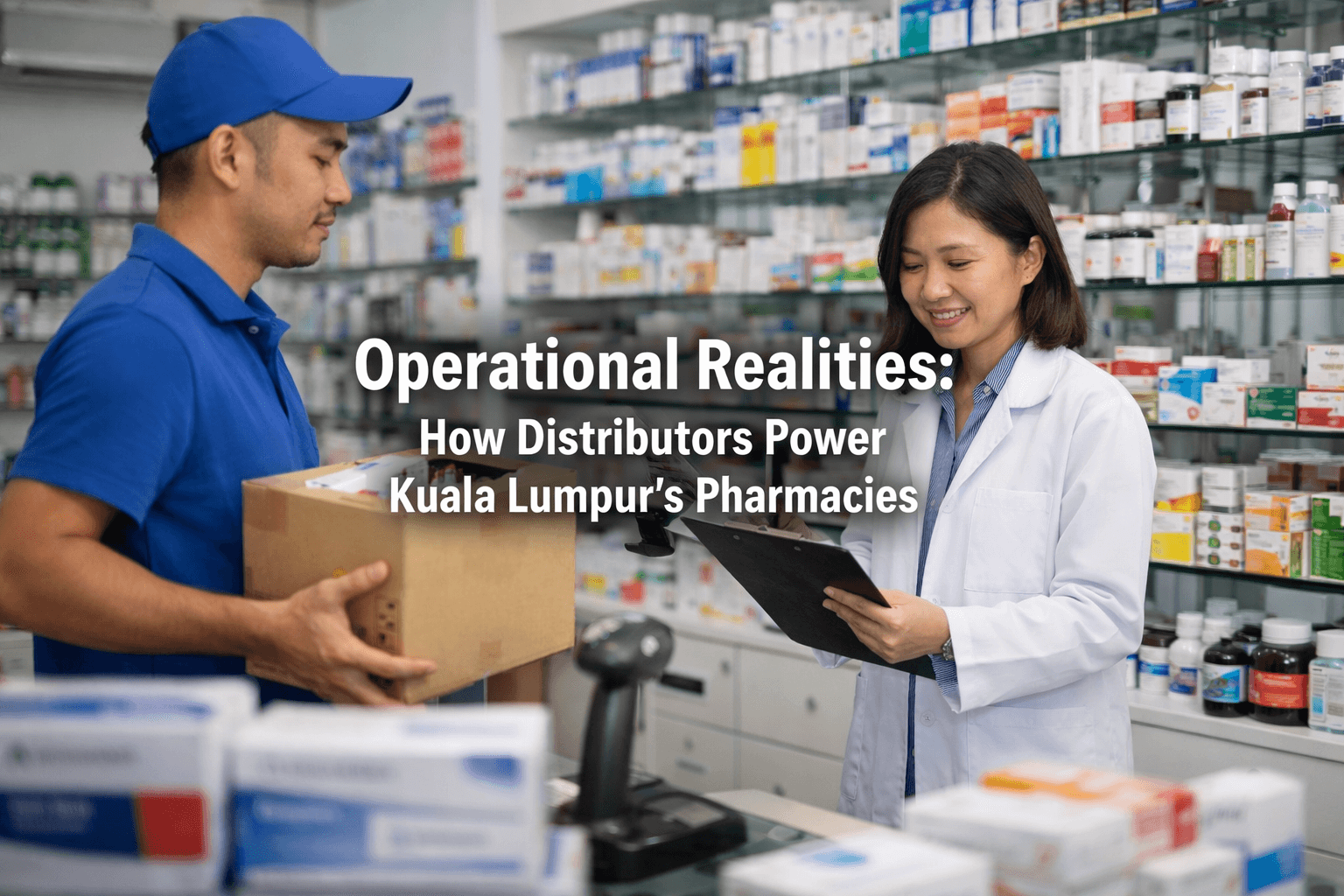
The day-to-day operations of a pharmacy distributor are a complex ballet of precision, compliance, and foresight. It begins with inventory intelligence, where distributors must balance the diverse needs of their pharmacy partners against manufacturer lead times and shelf-life constraints. They don’t just move boxes; they manage a dynamic, live pipeline of thousands of SKUs (Stock Keeping Units), each with its own regulatory and storage requirements. For instance, a distributor supplying a network of pharmacies across Kuala Lumpur must have the cold-chain logistics to reliably deliver biologics or vaccines at 2-8°C, while simultaneously managing the volume flow of high-turnover items like vitamins and personal care products. This requires a tailored and proven logistics framework, often involving multiple warehouse zones with specific climate controls. Furthermore, their role is intensely administrative, involving meticulous batch tracking, expiry date management, and documentation to provide full traceability—a non-negotiable requirement during NPRA audits. From the perspective of a busy community pharmacist, this backend complexity is invisible. What they see is the essential result: the right products arriving on time, in perfect condition, with all compliant paperwork, allowing them to focus wholly on patient care rather than supply anxieties.
The Critical Evaluation Framework for Top-Tier Pharmacies
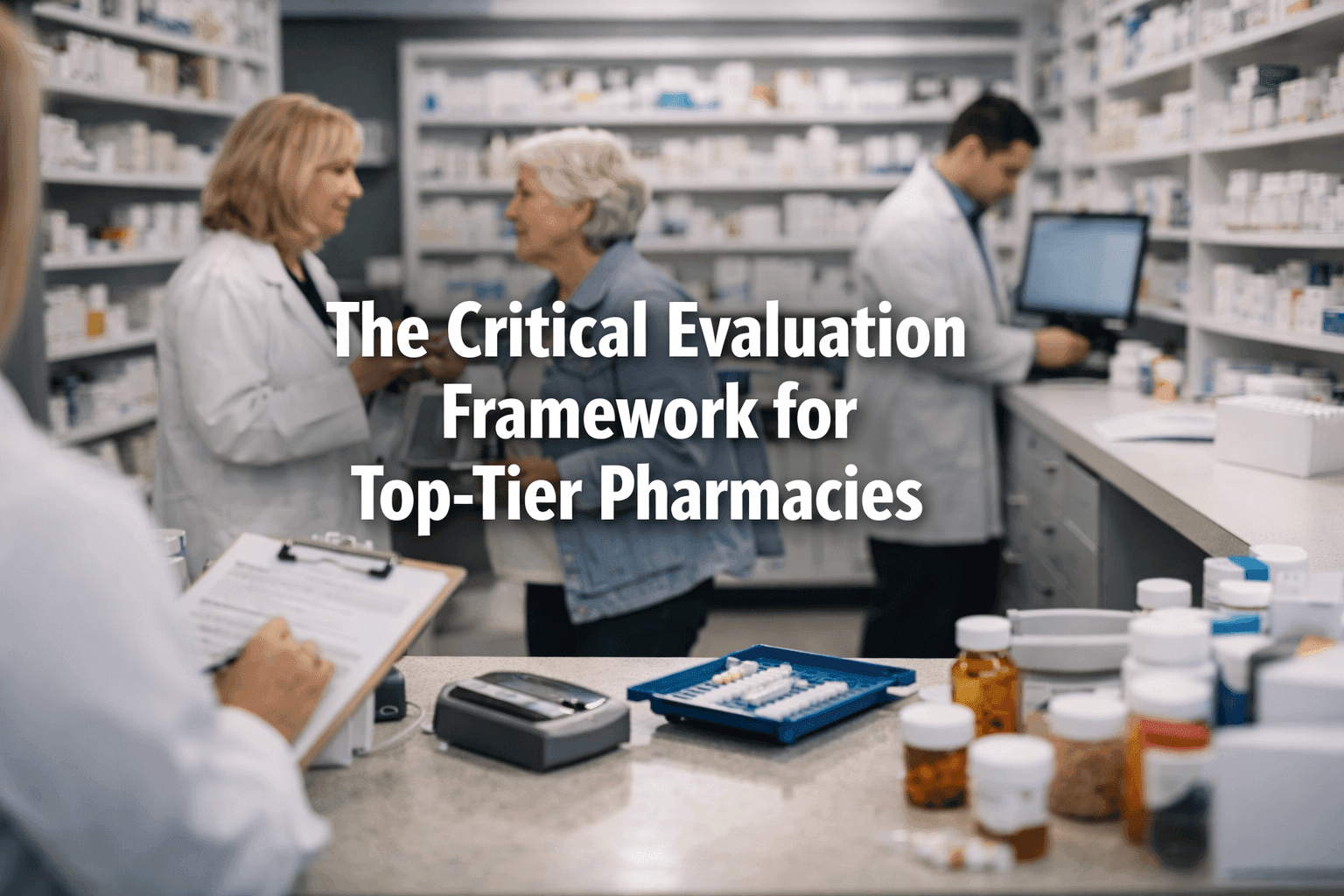
What truly separates a good pharmacy from a great one in Kuala Lumpur’s competitive landscape? The distinction lies in a multi-faceted evaluation framework where the influence of a trusted pharmacy distribution partner is deeply interwoven into each criterion. Service Range and Accessibility is the most visible differentiator. Top pharmacies transcend basic dispensary functions to become holistic wellness hubs, offering services like medication therapy adherence (MTA) reviews, travel health consultations, influenza vaccinations, and chronic disease management support. This expanded service model demands a far more sophisticated inventory, which only a distributor with a broad and deep product portfolio can support efficiently.
Customer Reviews and Reputation are the organic pulse of a pharmacy’s performance. Consistently positive feedback on platforms like Google My Business or Facebook often highlights staff expertise, product availability, and wait times—all elements directly influenced by distributor reliability. A distributor’s failure causing frequent stock-outs will inevitably tarnish a pharmacy’s hard-earned reputation.
Accreditation and Compliance are the non-negotiable foundations. Accreditation under schemes like the Quality Care Pharmacy (QCP) programme by the Malaysian Pharmacists Society signals a pharmacy’s commitment to the highest standards. Distributors are essential enablers of this compliance, providing products with legitimate Malaysian Registration Number (MAL) from licensed sources and ensuring the integrity of the supply chain all the way to the point of sale.
Operational Efficiency and Reliability is the engine room. This metric assesses how seamlessly the pharmacy operates, which is a direct reflection of its supply chain partnership. Efficient pharmacies benefit from distributors utilizing advanced forecasting tools and vendor-managed inventory (VMI) principles, minimizing overstock and preventing understock scenarios.
| Performance Indicator | Impact of an Effective Distributor | Impact of a Poor Distributor |
|---|---|---|
| Product Availability | High in-stock rates for core & niche items; minimal lost sales. | Frequent stock-outs of key medicines; customer dissatisfaction. |
| Regulatory Safety | Guaranteed product authenticity & full audit trail for NPRA/KKM. | Risk of counterfeit or non-compliant products; legal & reputational peril. |
| Operational Cost | Optimized inventory reduces capital tie-up & wastage from expiry. | Emergency orders increase freight costs; expired stock leads to losses. |
| Service Expansion | Enables introduction of new clinical services via reliable specialty supply. | Constrains pharmacy to basic offerings due to unreliable supply of key items. |
Learn more: Challenges and Opportunities in Malaysia’s Pharmaceutical Supply Chain (2026 Edition) | Guidelines for Pharmaceutical Compliance and Best Practices
A Tale of Two Models: Distributor Dynamics with Independent vs. Chain Pharmacies
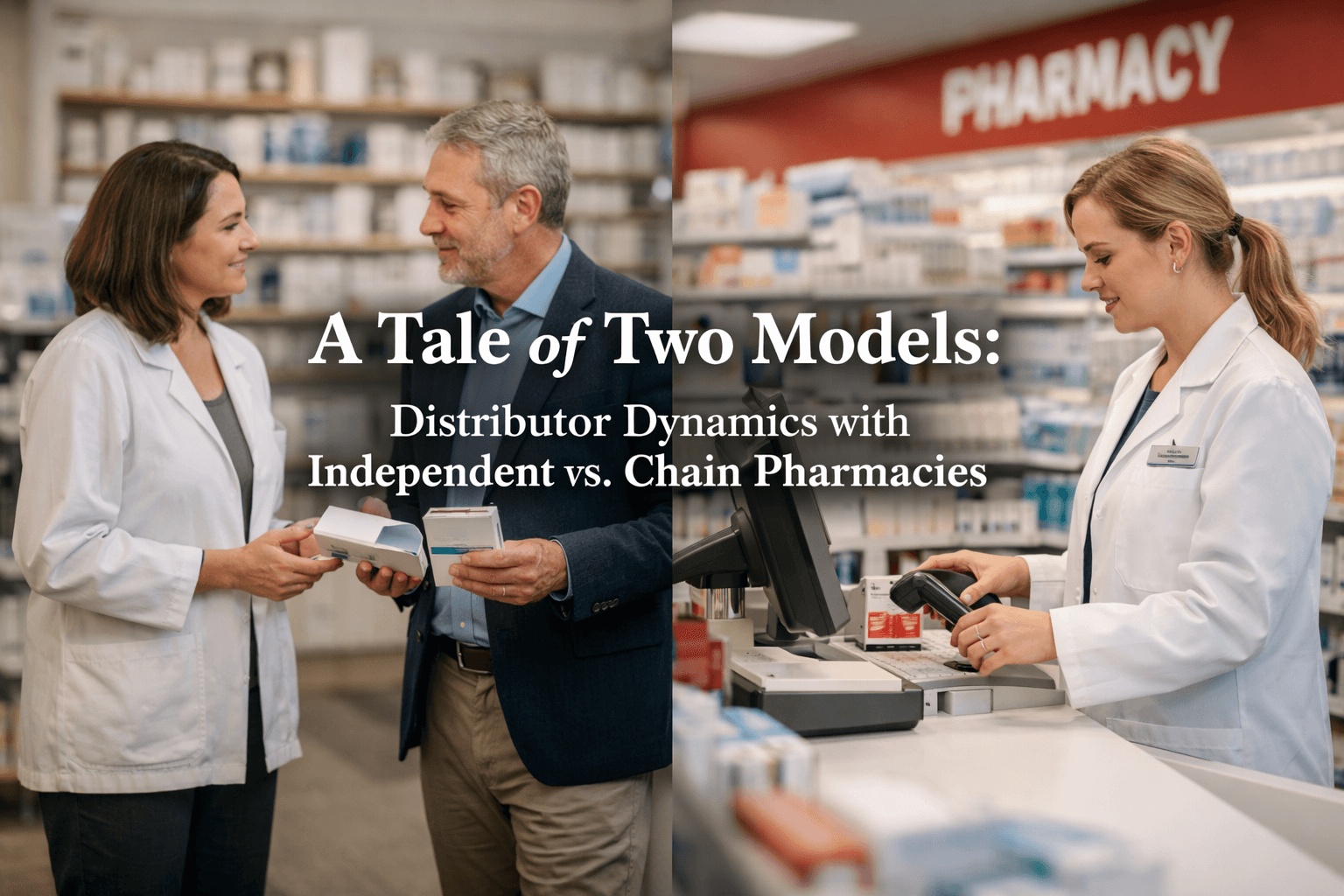
The partnership between a distributor and a pharmacy is not one-size-fits-all; it is profoundly shaped by the pharmacy’s operational model. Independent pharmacies, such as a family-run establishment in Bangsar or a specialist pharmacy in Ampang, represent a relationship-driven model. Here, the distributor often acts as a strategic advisor. The partnership is close-knit, with the distributor providing tailored service that may include flexible delivery schedules, curation of niche product mixes suited to the local community’s demographics, and direct support from the distributor’s merchandising or medical representative teams. For example, an independent pharmacy near a large elderly population might rely on its distributor for consistent supply of cardiovascular and diabetic medications, and for insights into new generic entrants that can benefit their patients cost-effectively.
In stark contrast, serving major chain pharmacies like Guardian, Watsons, or Caring is an exercise in scale, precision, and systemic integration. The distributor’s role here is governed by Electronic Data Interchange (EDI) systems, complex SLAs (Service Level Agreements), and the need for flawless execution across dozens of outlets in Kuala Lumpur alone. The distributor must synchronize deliveries with each store’s inventory system, often employing cross-docking operations to consolidate products from multiple manufacturers for single, efficient deliveries to central chain warehouses or directly to stores. The key challenge is maintaining absolute consistency and accuracy—a single labelling error on a delivery to a chain’s central hub can cascade into problems across multiple retail locations. While the relationship may be less personal, the requirement for proven, efficient, and technologically-advanced systems is exponentially higher.
Learn more: The Role of E-Commerce in Malaysia’s Pharmaceutical Distribution Sector
Enabling Market Leaders: The Distributor’s Role Behind Major KL Pharmacy Chains
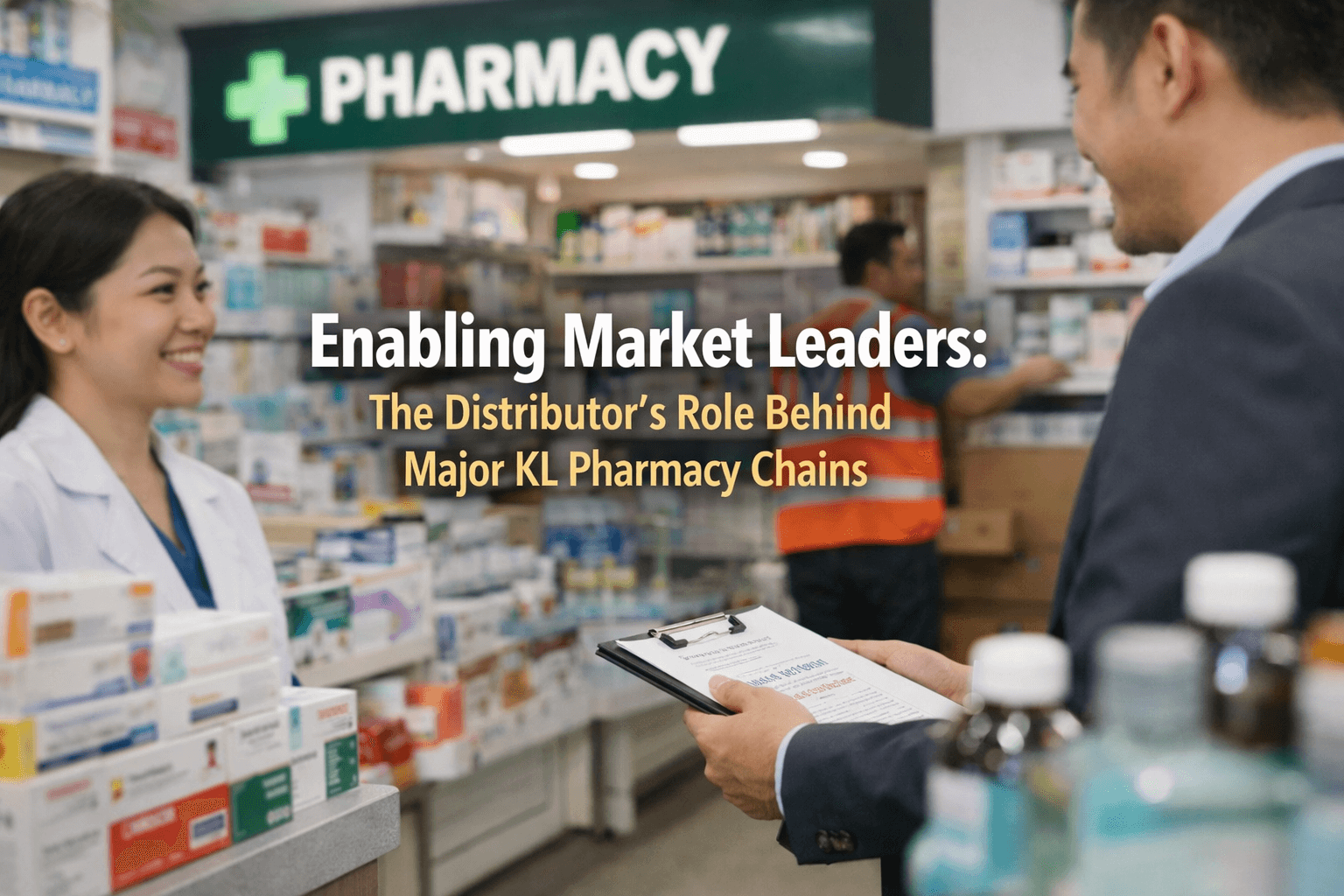
The dominance and customer trust enjoyed by Kuala Lumpur’s leading pharmacy chains are inextricably linked to the silent, effective engine of their supply chains. Chains like Guardian and Watsons have built their reputations on the promise of variety, availability, and convenience. This promise is fulfilled not by the stores alone, but by their pharmacy wholesale distributors who operate sophisticated, national supply networks. These distributors manage staggering volumes and complexities, handling everything from prescription pharmaceuticals and over-the-counter (OTC) medicines to cosmetics, wellness supplements, and personal care items—all under one logistical umbrella. For a chain to confidently launch a promotional campaign on a best-selling vitamin brand across all its Klang Valley stores, it must have absolute certainty that its distributor can ramp up supply and execute just-in-time deliveries to prevent empty shelf spaces. The distributor’s advanced warehouse management systems (WMS) and transportation management systems (TMS) are what make this possible, transforming a potential logistical nightmare into a routine, reliable operation. This deep integration allows chains to optimize their shelf-space profitability, experiment with new product categories, and maintain their competitive edge as one-stop health and wellness destinations.
Learn more: Cost-Effective Strategies for Pharmacy Distribution in Malaysia
Multifaceted Perspectives: How Different Stakeholders View the Distribution Link
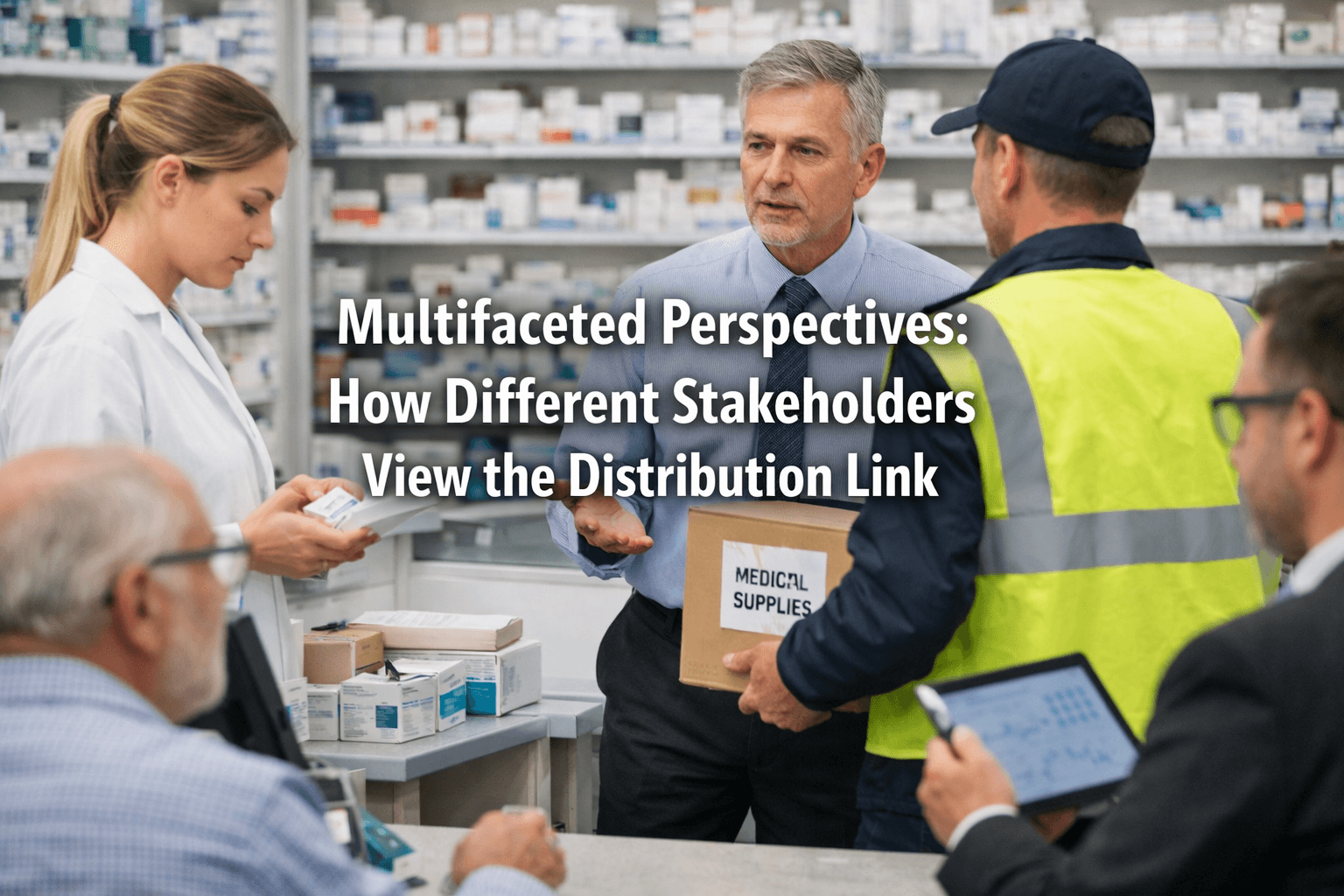
The value and challenges of the pharmaceutical distribution network are perceived differently through the lenses of various stakeholders, each with their own priorities and pain points.
From the Pharmacist’s Perspective, the distributor is a lifeline and a stress point. A community pharmacist in Kepong views a reliable distributor as a partner that empowers them to serve their patients without interruption. They value responsive customer service, clear communication about stock shortages or delays, and the technical knowledge of a distributor’s sales reps who can advise on product specifics. Their primary frustration stems from breakdowns in this reliability—when a critical medicine for a regular patient is unexpectedly out of stock, forcing them to scramble for alternatives and potentially compromise care.
From the Brand Manager’s Perspective (e.g., at a pharmaceutical manufacturer), the distributor is the extended arm of their market access strategy. For a brand manager launching a new dermatological product in Malaysia, selecting the right distribution partner is a strategic decision. They need a distributor with the right channel reach (into targeted independent pharmacies and major chains), the capability to educate pharmacy staff on the product’s benefits, and the logistical finesse to handle any special storage requirements. Their success in achieving sales targets and market penetration is directly delegated to the distributor’s performance.
From the Distributor’s Own Operational Perspective, the challenge is a constant balancing act. They must navigate the cost pressures of fuel and labour, the regulatory burden of compliance, the demanding SLAs of chain partners, and the personalized needs of independent pharmacies—all while maintaining razor-thin margins. Their internal focus is on leveraging technology for efficient route planning, warehouse automation, and data analytics to predict demand more accurately than ever before, ensuring their own business sustainability while being the trusted link everyone depends on. This intricate, multi-stakeholder dynamic underscores why a robust, well-regulated pharmaceutical distribution sector is not just a commercial concern, but an absolute prerequisite for a functional and resilient healthcare system in Kuala Lumpur and across Malaysia.
The Distinctive World of Specialty Pharmacies in Kuala Lumpur

Moving beyond the broad reach of general retail chains, Kuala Lumpur’s healthcare landscape is profoundly enriched by the presence of specialty pharmacies. These establishments are not merely smaller outlets; they are highly focused clinical hubs designed to manage complex, chronic, and often rare medical conditions. What truly sets them apart is their depth over breadth. While a standard pharmacy might stock a common range of diabetic supplies, a specialty pharmacy dedicates itself to the comprehensive management of conditions like oncology, rheumatoid arthritis, HIV, organ transplant, and rare genetic disorders. This involves supplying high-cost, high-touch therapies—including biologics, injectables, and compounded medications—that require stringent handling, intensive patient education, and ongoing clinical monitoring. The relationship here is tripartite: a close collaboration between the specialist physician, the specialty pharmacist, and the patient to ensure not just drug delivery, but therapy adherence and outcomes optimization. For a patient in Damansara receiving a new cancer treatment, the specialty pharmacy becomes their primary support pillar, managing side effects, coordinating financial assistance, and ensuring every dose is administered correctly. This model represents the pinnacle of personalized pharmaceutical care in Malaysia’s urban heart.
The Critical Supply Chain for Niche Therapies: A Distributor’s Ultimate Test
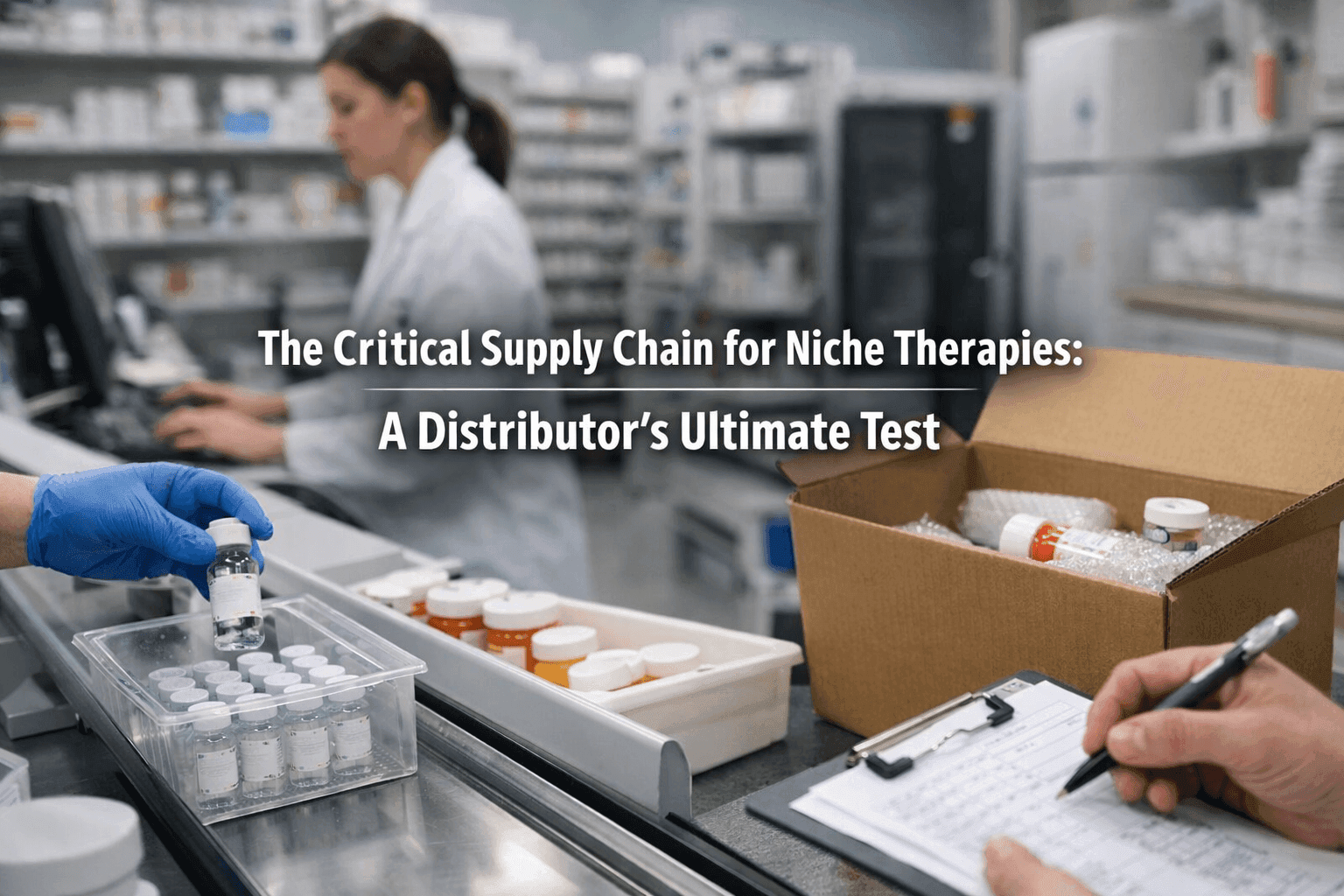
The operational model of a specialty pharmacy imposes non-negotiable demands on its supply chain partner. This is where distribution transcends logistics and becomes a clinical safeguard. The products handled are often temperature-sensitive, have limited shelf-lives, require controlled substance documentation, and carry costs that can reach tens of thousands of ringgit per dose. A distributor serving this sector must operate with impeccable cold-chain integrity, utilizing real-time GPS and temperature monitoring for every shipment. For example, delivering a monoclonal antibody for a psoriasis patient in Bangsar requires an unbroken, validated cold chain from the distributor’s freezer to the pharmacy’s refrigerator, with digital proof of compliance at every step. Furthermore, these distributors must be expert navigators of Malaysia’s NPRA regulatory framework for special access or named-patient medicines, which are common in this niche. They act as a reliable conduit for these vital drugs, ensuring all import permits, customs clearances, and storage conditions are meticulously managed. From the perspective of the specialty pharmacist, their distributor is an essential extension of their own team—a partner whose proven reliability directly impacts their ability to promise life-altering treatments to vulnerable patients without fear of disruption.
Learn more: Healthcare Distribution Trends in a Post-Pandemic World
Accreditation as the Bedrock of Trust and Operational Excellence

In a market where consumer choice is vast, accreditation is the unambiguous signal of a pharmacy’s commitment to professional rigor and patient safety. It is the differentiator that separates compliant businesses from excellence-driven healthcare providers. In Malaysia, the Quality Care Pharmacy (QCP) certification by the Malaysian Pharmacists Society (MPS) is a gold standard. Achieving and maintaining QCP status requires pharmacies to demonstrably excel across a rigorous framework far beyond basic legal requirements. This framework assesses everything from physical premises and patient confidentiality to staff competency, documentation processes, and patient counseling standards. For a pharmacy in Kuala Lumpur, this accreditation is a powerful public declaration of their strategic investment in quality. It informs a customer in Mont Kiara that the pharmacy they are walking into adheres to nationally recognized best practices, where the pharmacists are committed to active patient engagement rather than passive dispensing. This builds a trusted relationship that transcends transactional interactions, fostering long-term patient loyalty and better health outcomes.
GDP Compliance: The Invisible Shield Protecting the Pharmaceutical Supply Chain
While pharmacy accreditation focuses on the point of care, Good Distribution Practice (GDP) governs the entire journey a medicine takes to get there. For pharmacy wholesale distributors, GDP compliance is not an optional guideline but the operational bible that ensures product safety, efficacy, and integrity. It mandates a controlled, documented system for every single process: from qualified staff training and validated storage facilities to secure transportation and sophisticated recall procedures. A GDP-compliant distributor in Malaysia must have systems that prevent cross-contamination, ensure proper stock rotation (FEFO – First Expired, First Out), and guarantee that products are never exposed to conditions that could compromise them. The practical implication is profound. Consider a scenario where a batch of antibiotics requires storage below 25°C. A GDP-compliant distributor will have temperature-mapped warehouses, monitored delivery vehicles, and protocols for handling deviations. This creates an effective and reliable barrier against substandard or falsified medicines entering the legitimate supply chain. The table below illustrates how these compliance pillars translate into tangible pharmacy performance indicators.
| Compliance & Quality Pillar | Impact on Pharmacy Operations | Risk of Non-Compliance |
|---|---|---|
| Good Distribution Practice (GDP) by Distributor | Ensures received products are authentic, potent, and safely handled. Enables smooth regulatory audits. | Receipt of degraded, counterfeit, or contaminated products. Regulatory penalties and license revocation. |
| Quality Care Pharmacy (QCP) Accreditation | Standardizes superior service, improves patient trust, and differentiates from competitors. Enhances staff professionalism. | Inconsistent service quality, missed patient counseling opportunities, weaker competitive positioning. |
| NPRA Product Registration & Vigilance | Guarantees all stocked medicines are approved for safety & efficacy in the Malaysian population. | Legal liability for selling unregistered products. Potential harm to patients and severe reputational damage. |
Learn more: GUIDELINE ON GOOD DISTRIBUTION PRACTICE
Navigating the Persistent Challenges in a Dynamic Urban Market

The path to success for pharmacies in Kuala Lumpur is fraught with interconnected challenges that test their resilience and strategic planning daily. Logistical volatility remains a primary pressure point. Urban traffic congestion in KL can destabilize even the most well-planned delivery schedules, risking stock-outs of fast-moving items. Pharmacies are caught between the need to minimize inventory holding costs and the imperative to avoid stock-out situations that erode customer trust. This balancing act is entirely dependent on the efficiency and flexibility of their distribution partner. From a brand manager’s perspective, perhaps launching a new supplement line, the challenge is channel strategy. They must decide whether to prioritize widespread placement in large chains for volume or a tailored approach with select independents and specialty pharmacies for brand prestige and expert advocacy. Meanwhile, regulatory agility is a constant demand. Updates to KKM guidelines or NPRA enforcement focus require immediate operational adjustments from both pharmacy and distributor. A change in labeling requirements, for instance, must be communicated and implemented seamlessly throughout the supply chain to avoid disruptions. These are not occasional hurdles but the very fabric of the competitive landscape, requiring pharmacies to be nimble, informed, and backed by equally adaptable partners.
Learn more: How Technology Is Shaping The Future Of Healthcare Logistics
Frequently Asked Questions (FAQ)
Q1: What is pharmacy and why is it important?
Answer: Pharmacy is the health profession that links the health sciences with the chemical sciences. It is concerned with the discovery, production, disposal, safe and effective use, and control of medicines and drugs. It is important because pharmacists, as experts in medicines, ensure the safe and optimal use of medications to improve patient health outcomes, prevent disease, and provide essential healthcare advice.
Q2: What services does a pharmacy provide?
Answer: Pharmacies provide a wide range of services, including dispensing prescription medications, offering over-the-counter (OTC) products and advice, providing medication management and counseling, administering certain vaccinations, conducting health screenings, and offering pharmacy care services (e.g., managing minor ailments, chronic disease management support).
Q3: What are pharmacy care services?
Answer: Pharmacy care services, often interchangeable with pharmaceutical care or advanced services, are patient-centered and outcomes-oriented practices where pharmacists work to design, implement, and monitor a therapeutic plan that will produce specific patient outcomes. Examples include Medication Therapy Management (MTM), chronic disease state management, immunization services, and support for smoking cessation.
Q4: Why is pharmacy first important?
Answer: “Pharmacy First” is a common term for schemes that allow patients to seek treatment and advice for minor illnesses directly from a community pharmacy, often without needing to see a GP. It is important because it improves patient access to convenient care, utilizes the pharmacist as a highly accessible healthcare professional, and reduces pressure on other NHS or healthcare services like GP surgeries and emergency departments.
Q5: What is the function of the pharmacy services?
Answer: The primary function of pharmacy services is to ensure that patients receive the appropriate medicines in the correct dose, along with the necessary information and support for their safe, effective, and rational use. This includes inventory management, compounding, dispensing, patient education, and collaboration with other healthcare providers.
Q6: What is pharmacy first service?
Answer: The Pharmacy First service (as implemented in the UK, for example) is a scheme that enables pharmacists to provide advice and, when appropriate, treatment (including prescription-only medicines via Patient Group Directions or by prescribing) for a defined set of common minor ailments (e.g., earache, sore throat, uncomplicated UTIs) directly in the pharmacy, expanding the pharmacist’s clinical role.
Q7: What services are offered by retail pharmacy?
Answer: Retail (or community) pharmacies offer services directly to the public, including dispensing prescriptions, selling over-the-counter medicines and health products, providing medication consultation, administering vaccinations (e.g., flu shots), offering health screening (e.g., blood pressure checks), managing minor ailments, and providing advice on healthy living.
Q8: Why is a pharmacy important?
Answer: A pharmacy is important because it serves as the most accessible healthcare point in many communities. It is crucial for safe and accurate medication dispensing, preventing drug interactions, offering essential health advice, providing primary healthcare interventions, and bridging the gap between patients and prescribers, thereby playing a vital role in public health.
Q9: What are the three types of pharmacies?
Answer: The three main types of pharmacy practice are generally categorized as:
- Community (Retail) Pharmacy: Pharmacies that serve the public directly in a community setting.
- Hospital (Institutional) Pharmacy: Pharmacies located within hospitals and healthcare facilities, serving inpatients and medical staff.
- Industrial (Pharmaceutical) Pharmacy: Involving roles in drug research, manufacturing, quality control, marketing, and regulatory affairs within the pharmaceutical industry.
Q10: Why is good pharmacy practice important?
Answer: Good Pharmacy Practice (GPP) is important because it establishes the standards for quality pharmacy services worldwide, ensuring that pharmacists provide care focused on the patient’s well-being and their use of medicines. GPP ensures safe dispensing, accurate information, professional advice, ethical conduct, and the overall goal of maximizing the positive health outcomes of patients.
How can we assist you today? 😊
Just let us know—we’re here to help!