

When industry analysts compile rankings of the world’s largest pharmacy chains, the methodology is rarely straightforward. Revenue certainly matters—CVS Health and Walgreens Boots Alliance consistently report figures that rival the GDPs of small nations. But revenue alone is an incomplete metric. Store footprint offers another layer of insight; a pharmacy present in thirty countries possesses a different kind of influence than one concentrated in a single region. Yet even this fails to capture the full picture.
The truest measure of scale lies in systemic integration. How deeply is the pharmacy woven into the healthcare fabric of the countries it serves? Does it merely dispense medication, or does it shape treatment protocols? CVS, for instance, does not just fill prescriptions—it administers vaccines, manages chronic disease programs, and operates health insurance plans through Aetna. Boots, meanwhile, has transformed the high street pharmacy into a beauty and wellness destination, diversifying revenue streams far beyond prescription margins.
Then there is the supply chain multiplier effect. A pharmacy chain may own thousands of stores, but if its distribution network is fragile, its market position is vulnerable. This is where pharmacy wholesale distributors and distributor pharmacy partners become invisible architects of global dominance. In Malaysia, for example, global pharmacy players rarely enter the market alone. They collaborate with established pharmacy distributor Malaysia entities such as Pharmaniaga or DKSH, leveraging local logistics expertise while maintaining brand control. These distributors are the scaffolding upon which global expansion is built.
To define “largest” purely by top-line revenue is to ignore the strategic scaffolding of distributors, service diversification, and regulatory navigation. A truly dominant pharmacy chain excels across all four dimensions: financial scale, physical reach, service depth, and supply chain resilience. And in emerging markets like Southeast Asia, the fourth dimension often determines the other three.
Financial Dominance and the Distributor Advantage

CVS reported revenues exceeding $320 billion in 2023. Walgreens followed closely at approximately $140 billion. These figures are staggering—but they also raise an important question: How do these giants sustain such massive turnover in an era of margin compression?
The answer lies in operational efficiency married to distributor intelligence. Pharmacy wholesale distributors are no longer passive intermediaries; they are active participants in margin preservation. McKesson, AmerisourceBergen, and Cardinal Health have built data-driven forecasting models that reduce pharmaceutical waste, optimize delivery routes, and predict regional demand surges with remarkable accuracy. For every billion dollars in revenue, even a 1% improvement in distribution efficiency translates into tens of millions in retained earnings.
In the Malaysian context, this dynamic plays out at a more granular level. Global pharmacy chains expanding into Malaysia seldom build proprietary distribution infrastructure from scratch. Instead, they form joint ventures or service agreements with established pharmacy distribution service in Malaysia providers. Consider the operational reality: Malaysia’s pharmaceutical supply chain is regulated by the National Pharmaceutical Regulatory Agency (NPRA) , which enforces strict Good Distribution Practice (GDP) standards. Navigating these requirements demands local regulatory fluency.
| Compliance Metric | In-House Global Team | Local Pharmacy Distributor Malaysia |
|---|---|---|
| GDP Certification Timelines | 12–18 months (self-application) | 3–6 months (existing certifications) |
| Cold Chain Infrastructure | Requires capital investment | Proven, operational infrastructure ready for immediate use |
| Regulatory Liaison | External legal counsel required | Embedded relationships with NPRA officials |
| Last-Mile Delivery Density | Low efficiency during initial phase | Established route networks across Peninsular and East Malaysia |
| Storage Cost per Pallet | Higher due to underutilized capacity | Lower due to economies of scale |
This comparative advantage explains why strategic partnerships with local distributors are not optional—they are essential market entry tools. A pharmacy chain that insists on absolute operational control in a foreign market often discovers that control without local intelligence is merely expensive autonomy. The efficient alternative is trusted delegation: allowing specialized distributors to manage what they already execute reliably day after day.
Learn more: Challenges and Opportunities in Malaysia’s Pharmaceutical Supply Chain
Healthcare Services as Competitive Moats

The traditional pharmacy model—a counter, a pharmacist, and rows of prescription bottles—is increasingly obsolete in mature markets. CVS has transformed thousands of locations into MinuteClinics. Walgreens offers same-day physician consultations via telehealth. Boots provides travel health services, smoking cessation programs, and ear wax micro-suction. These are not ancillary offerings; they are defensive and offensive business strategies simultaneously.
From a defensive standpoint, integrated healthcare services increase switching costs. A patient who receives both their asthma medication and quarterly check-ups at the same pharmacy is less likely to transfer prescriptions to a competitor. Offensively, these services generate higher margin revenue than prescription dispensing, which is perpetually squeezed by reimbursement pressures.
Malaysian pharmacy chains—both independent and franchise operations—are adopting similar models, albeit adapted to local consumer behavior. Health screenings for diabetes and hypertension are now standard offerings at Guardian, Watsons, and Alpro Pharmacy. Some locations have introduced dietary consultation services and medication therapy adherence clinics. These services are not merely revenue streams; they reposition the pharmacy within the healthcare ecosystem.
From a pharmacist’s perspective, this evolution is professionally gratifying. Instead of functioning as dispensers, they become clinical advisors. From a distributor’s perspective, the expansion into services creates new product categories. Pharmacy distributor Malaysia companies now supply not only prescription drugs but also point-of-care diagnostic devices, health screening equipment, and chronic disease management consumables. The distributor pharmacy relationship deepens when both parties recognize they are no longer moving boxes—they are enabling healthcare outcomes.
Brand managers at global pharmaceutical companies also benefit. A pharmacy chain with embedded clinical services is a more effective channel for patient education programs. When a pharmacist can demonstrate a glucose monitor during a consultation, adoption rates improve significantly compared to passive shelf placement. The pharmacy becomes a sales floor, a clinic, and an adherence center simultaneously.
Learn more: The consumer-first era of healthcare
Global Footprint, Local Execution: The Malaysia Operational Blueprint
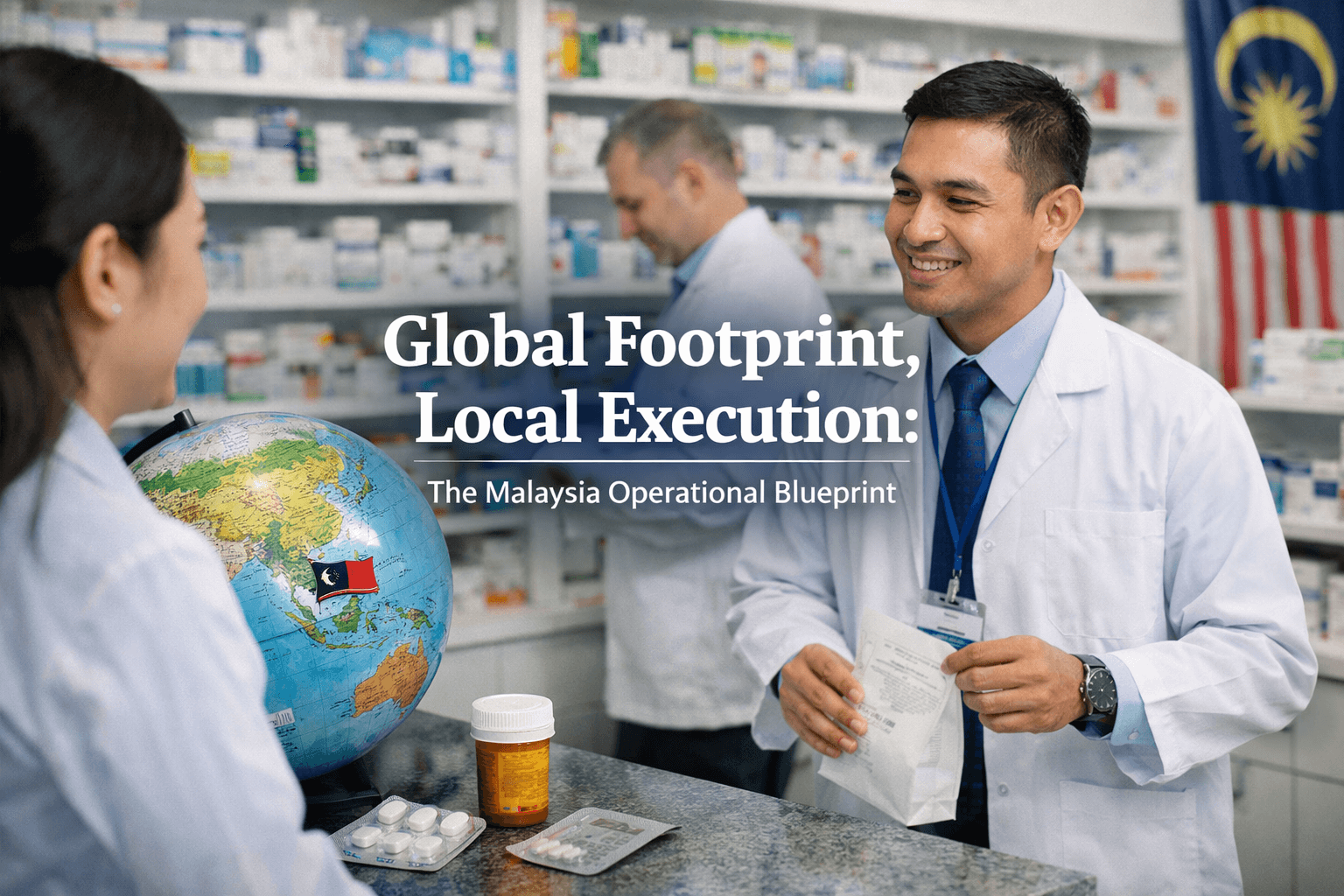
How do pharmacy giants like Walgreens or Boots maintain consistent service standards across dozens of countries with vastly different regulatory environments, infrastructure quality, and consumer preferences?
The answer is paradoxical: centralized strategy, decentralized execution.
Global pharmacy chains establish brand guidelines, procurement standards, and service protocols at the corporate level. However, last-mile execution is almost always delegated to local actors—particularly in markets with unique distribution challenges. Malaysia offers a textbook case study.
Operational Scenario A: East Malaysia Delivery Constraints
Sarawak and Sabah present geographic obstacles that centralized logistics systems rarely anticipate. Pharmacy distribution service in Malaysia providers serving these regions have developed riverine and coastal delivery networks that complement road transport. Some distributors maintain dedicated warehouse facilities in Kuching and Kota Kinabalu, reducing reliance on peninsula-to-borneo shipping delays. Global pharmacy chains operating in Malaysia do not reinvent these networks; they license access to them.
Operational Scenario B: Regulatory Variability in Controlled Substances
Malaysia enforces strict classification for psychotropic medications and controlled drugs. Importation permits, storage segregation, and transaction reporting requirements are rigorous. Pharmacy distributor Malaysia specialists have dedicated compliance officers who manage these submissions continuously. A global pharmacy entering the market without this capability would face significant regulatory friction.
Operational Scenario C: Rural Access Initiatives
The Malaysian government has promoted telehealth and community pharmacy participation in public healthcare delivery. Some pharmacy distributors now support mobile clinic programs in partnership with state health departments. These initiatives require tailored logistics: smaller shipment sizes, variable delivery schedules, and temperature-controlled transport for vaccines. Pharmacy wholesale distributors with proven experience in public-private partnerships are strategic partners for chains seeking government collaboration.
The lesson is consistent: global scale is achieved through local fluency, not despite it.
Comparative Supply Chain Roles: In-House, Third-Party, and Hybrid Models
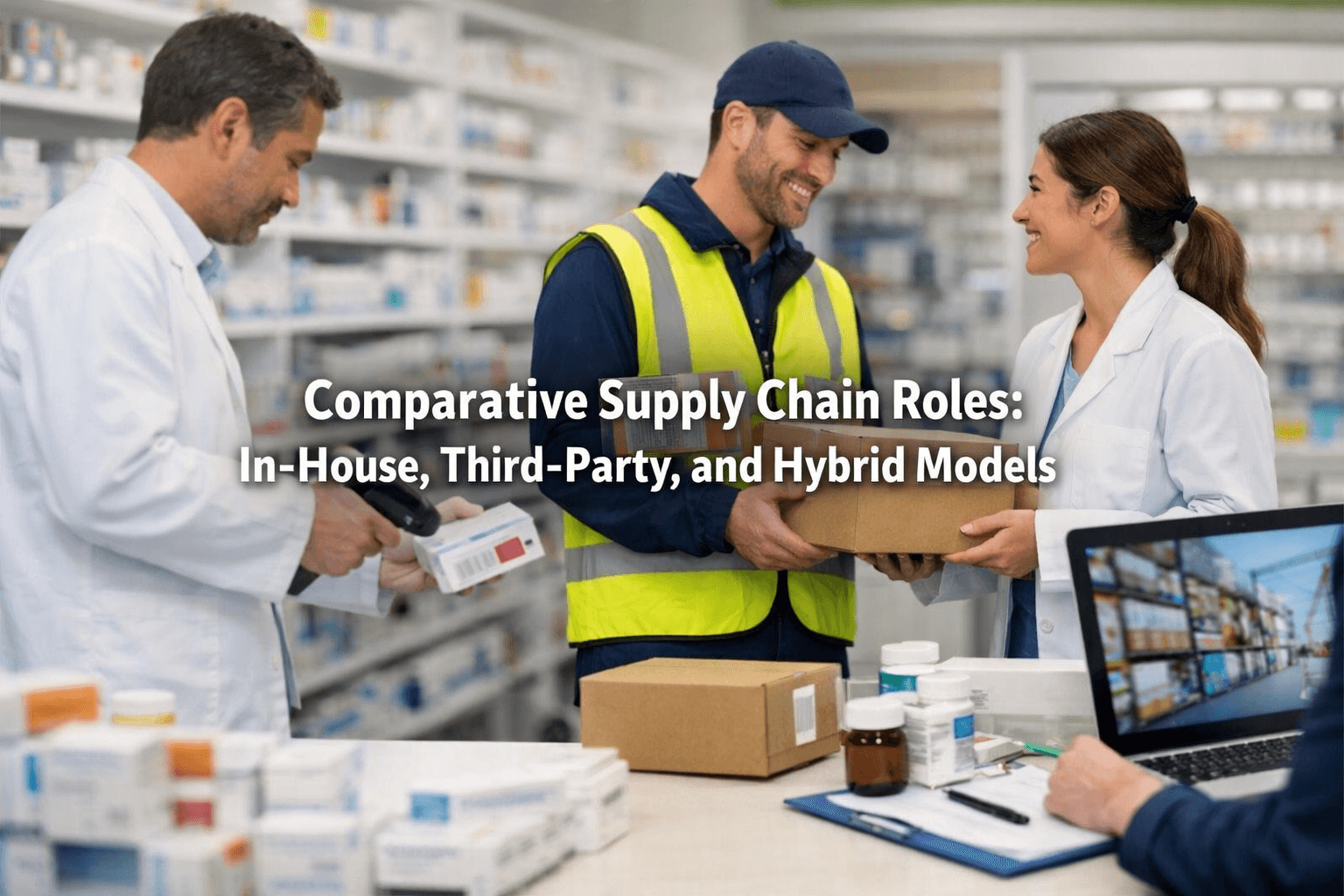
No single distribution model suits every market condition. Pharmacy chains operating across multiple regions often maintain a portfolio of supply chain configurations, adjusting based on infrastructure maturity, regulatory climate, and volume predictability.
In-House Distribution
CVS operates its own distribution centers across the United States. This model provides maximum control over inventory allocation, service levels, and data visibility. However, the capital intensity of this approach is prohibitive in smaller markets.
Third-Party Specialist Distributors
In markets like Malaysia, pharmacy wholesale distributors with specialized capabilities—cold chain, regulatory expertise, rural penetration—offer superior efficiency. The trade-off is reduced direct control and potential margin leakage.
Hybrid Models
Some global chains maintain centralized procurement while outsourcing warehousing and last-mile delivery to local partners. This approach balances cost efficiency with brand oversight. Distributor pharmacy relationships in this model are structured through service-level agreements with performance penalties and incentives.
From the perspective of a Malaysian distributor, hybrid models are preferable. They provide predictable volume commitments while allowing operational autonomy. From the perspective of a global pharmacy chain, hybrids reduce fixed cost exposure in markets with fluctuating demand.
The most sophisticated chains do not ask which model is superior. They ask which market conditions justify which model—and they shift between configurations as conditions evolve.
Learn more: Pharma’s supply chain workforce
Technology Integration and the Future of Pharmacy Distribution
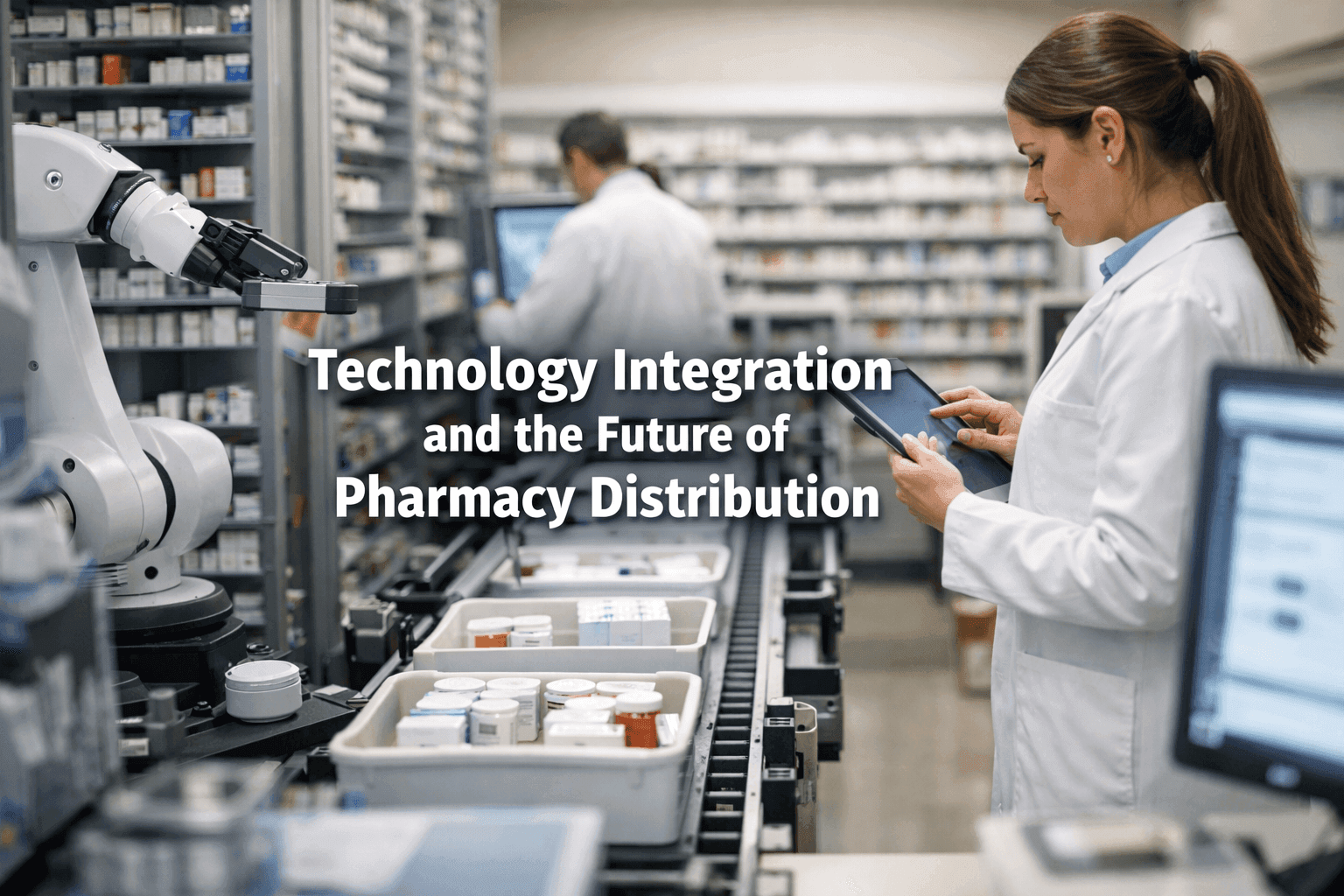
The final layer of pharmacy dominance is increasingly digital. Automated dispensing cabinets, real-time inventory visibility platforms, and predictive analytics for demand forecasting are no longer experimental—they are competitive necessities.
CVS and Walgreens have invested heavily in centralized fulfillment centers that use robotics to process high-volume prescriptions before shipping consolidated orders to local stores. This reduces in-store labor requirements and minimizes stockouts. Boots has implemented digital stock management systems that automatically reorder products when inventory falls below configured thresholds.
In Malaysia, adoption of pharmacy distribution service in Malaysia technology is accelerating, though at variable speeds. Larger distributors have implemented warehouse management systems (WMS) with barcode scanning and lot traceability to meet GDP requirements. Smaller distributors remain partially manual, creating opportunities for differentiation.
Brand managers view technology-enabled distributors as preferred partners because data visibility allows for more accurate sales forecasting and promotion effectiveness measurement. Pharmacists appreciate systems that reduce administrative burden, freeing time for patient interaction.
The gap between technologically mature distributors and those still transitioning is widening. Chains seeking to establish or expand Malaysian operations increasingly mandate real-time tracking, electronic proof of delivery, and temperature excursion reporting as baseline requirements. Distributors unable to provide these capabilities are systematically deselected, regardless of historical relationships.
Technology is no longer a differentiator. It is an admission ticket.
Learn more: Breakthroughs at scale: the future of pharma
Strategic Implications for Market Participants
The global pharmacy hierarchy is not static. CVS and Walgreens maintain their positions through continuous reinvestment in distribution infrastructure, service diversification, and technology adoption. However, emerging market players—including regional champions in Southeast Asia—are closing gaps through specialization and regulatory agility.
For pharmacy distributor Malaysia companies, the strategic imperative is clear: upgrade capabilities or accept relegation to low-margin, secondary supply roles. For global pharmacy chains, the imperative is equally direct: secure distribution partners who combine regulatory fluency with technology readiness. The era of treating distributors as passive logistics vendors has ended.
What replaces it is a partnership model based on shared data, mutual performance accountability, and aligned incentives. The largest pharmacies in the world did not achieve dominance by controlling every variable. They succeeded by identifying reliable, expert partners and integrating them into proven operational frameworks.
In Malaysia, as in every market, pharmacy dominance is co-created. The prescription is written globally but dispensed locally—often by a distributor pharmacy whose name the patient never sees, but without whom the cure never arrives.
Compliance and Regulatory Standards: The Unseen Foundation of Pharmacy Dominance
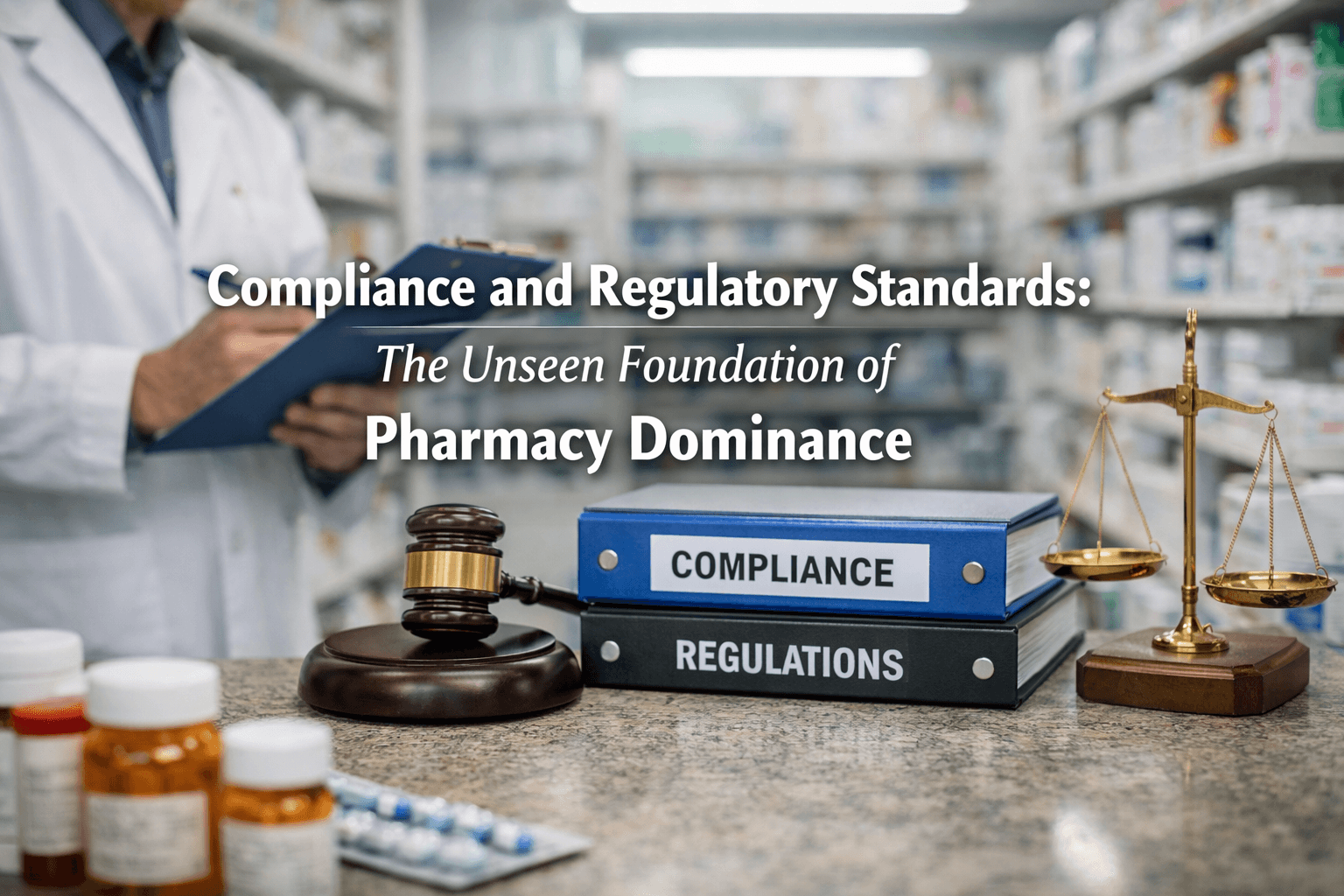
Why is regulatory compliance the true gatekeeper of pharmacy expansion? The world’s largest pharmacy chains did not achieve scale by treating regulations as administrative hurdles. They recognized early that compliance infrastructure is competitive advantage disguised as obligation. When CVS operates across fifty states, each with its own pharmacy board regulations, or when Boots maintains operations from the UK to Thailand, they are not merely following rules—they are operationalizing trust at industrial scale.
The cost of non-compliance is catastrophic. In 2023, a major US pharmacy chain paid over $500 million in settlements related to controlled substance dispensing violations. Beyond financial penalties, the reputational erosion persisted for years. Patients questioned safety protocols. Regulators imposed enhanced oversight periods. Distributors reevaluated contracting risk. Compliance failure cascades through every node of the pharmacy ecosystem.
In Malaysia, the National Pharmaceutical Regulatory Agency (NPRA) enforces standards aligned with international Good Distribution Practice (GDP) guidelines. For pharmacy distributor Malaysia entities, NPRA compliance is not optional—it is licensure currency. Audits examine temperature excursion protocols, product segregation procedures, recall readiness, and documentation integrity. A single finding can suspend distribution privileges for weeks.
From a distributor’s perspective, compliance is investment-heavy but exit-cost-prohibitive to ignore. Cold chain validation requires calibrated equipment and repeated testing. Staff must complete GDP certification. Standard operating procedures demand living documentation, not archival binders. Expert distributors treat these requirements not as burdens but as barriers to entry that protect their proven operational models from undercapitalized competitors.
From a pharmacist’s perspective, compliance determines what reaches the shelf—and whether they can confidently dispense it. A pharmacist presented with medication from a non-GDP-certified distributor faces an ethical and professional dilemma. Dispensing violates protocol; refusing disrupts patient care. Reliable distributors eliminate this tension entirely.
From a brand manager’s perspective, distributor compliance is brand protection outsourced. A multinational pharmaceutical company investing millions in clinical development cannot afford association with products damaged during unvalidated transport. Pharmacy wholesale distributors with NPRA GDP certification and ISO 9001 accreditation become strategic partners in preserving therapeutic integrity.
| Compliance Capability | Basic Distributor | GDP-Certified Distributor | Strategic Impact |
|---|---|---|---|
| Temperature Monitoring | Manual logs, reactive | Real-time sensors, automated alerts | Prevents silent spoilage of biologics |
| Recall Execution | 5–7 days notification | 24-hour traceability, batch isolation | Limits patient exposure, regulatory penalties |
| Audit Readiness | Ad-hoc documentation | Continuous compliance archives | Shortens customer qualification cycles |
| Product Segregation | Shared storage zones | Dedicated zones for controlled/temp-sensitive | Eliminates cross-contamination risk |
| Staff Certification | On-job training only | Mandatory GDP refresher, verified competencies | Reduces human-error deviations |
The practical implication is unambiguous. Pharmacy chains evaluating Malaysian market entry now mandate NPRA GDP compliance as a non-negotiable tender condition. Distributors without certification do not receive RFPs. Compliance is no longer discussed during contract negotiations—it is confirmed before negotiations begin.
Learn more: The Legal Framework of Pharmaceutical Companies in Malaysia | What is Regulatory Compliance in Pharmaceutical Industry?
Strategic Partnerships: When Pharmacies and Distributors Operate as Single Entities
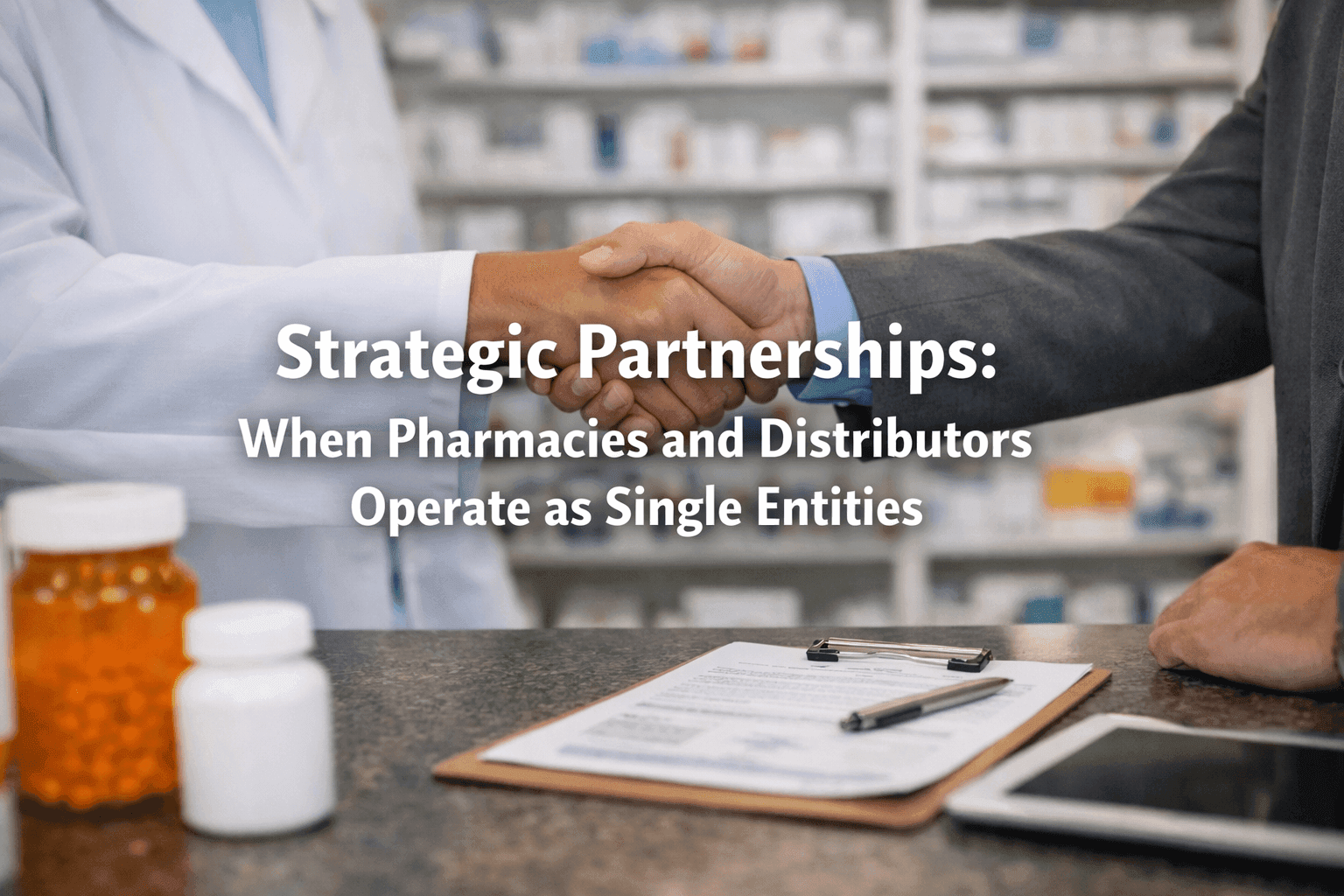
What transforms a vendor relationship into a strategic partnership? The distinction is visible in operational reflexes. When a global pharmacy chain experiences a sudden demand surge—during a dengue outbreak, for instance—does its distributor respond with standard lead times or surge protocols? Strategic partnerships are revealed during anomalies, not routines.
Pharmacy distributor Malaysia companies serving international chains have evolved beyond order-takers. They function as regulatory interpreters, translating NPRA circulars into actionable inventory adjustments. They act as market sensors, detecting regional stockouts before formal orders are placed. Trusted distributors do not wait for purchase orders; they initiate proactive replenishment recommendations based on consumption analytics.
Consider Walgreens’ expansion strategy in Asia. The company rarely deploys proprietary distribution infrastructure. Instead, it identifies pharmacy wholesale distributors with proven compliance records, infrastructure maturity, and local relationships. These partnerships are structured through multi-year agreements with tailored service-level commitments. Walgreens provides demand forecasting and brand standards; the distributor executes last-mile delivery and regulatory liaison. Both entities share performance risk.
From a distributor’s viewpoint, these partnerships demand capability transparency. A distributor over-promising delivery density without route density invites contract penalties. Effective distributors conduct honest infrastructure audits before partnership discussions—identifying gaps in cold chain capacity, warehouse automation, or rural penetration. Strategic humility precedes strategic growth.
From a pharmacy chain’s viewpoint, partner selection is de-risking exercise. Global players conduct operational due diligence that examines not only warehouse specifications but also driver training protocols, backup generator fuel contracts, and staff turnover rates. These indicators predict whether a distributor will perform under pressure.
The comparative framework is revealing:
| Relationship Dimension | Transactional Vendor | Strategic Distributor Partner |
|---|---|---|
| Communication Cadence | Order-based contact | Weekly business reviews, real-time alerts |
| Problem-Solving | Escalates to customer | Resolves within authority limits |
| Inventory Risk | Customer-owned stock | Shared forecasting, consignment models |
| Regulatory Response | Reacts to new rules | Interprets, advises on implementation |
| Innovation Input | Rarely contributes ideas | Proposes efficiency, compliance improvements |
Strategic partnerships are not declared—they are demonstrated. When a pharmacy distributor Malaysia entity voluntarily upgrades its warehouse management system to provide real-time inventory visibility to pharmacy clients, that is partnership behavior. When a global pharmacy shares 18-month demand projections with its local distributor, that is partnership reciprocity. The relationship ceases to be buyer-supplier. It becomes co-creator.
Learn more: The Role of Pharmacy Distribution Services in Malaysia’s Healthcare System
Malaysian Pharmacies in Global Networks: Local Nodes, International Standards
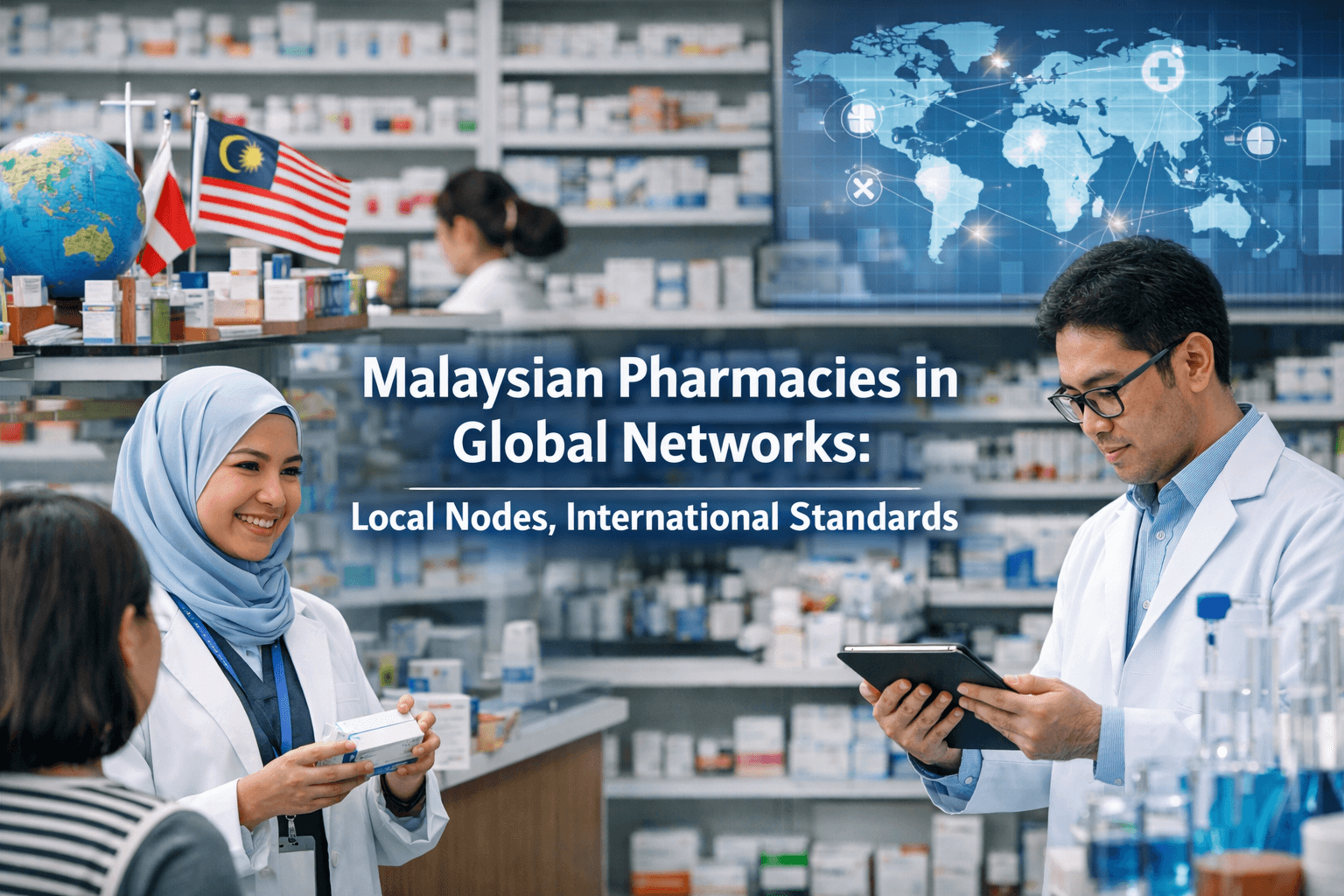
How do Malaysian pharmacies maintain relevance within global supply chains? The answer lies in regulatory agility and service diversification. Malaysia’s pharmaceutical distribution environment is neither as mature as Singapore’s nor as fragmented as Indonesia’s. This intermediate position creates unique strategic opportunity.
Pharmacy distributor Malaysia companies have developed dual competency: they satisfy NPRA’s rigorous domestic requirements while maintaining WHO GDP standards required for international principal partnerships. This duality is operationally demanding but commercially invaluable. Distributors capable of both domestic compliance and international accreditation become preferred conduits for global brands entering ASEAN.
Operational Scenario: Multinational Principal Onboarding
A European pharmaceutical manufacturer seeking Malaysian market entry evaluates three distributors. All hold NPRA licenses. Only one maintains dedicated GDP-compliant warehousing with separate zones for clinical trial materials and commercial stock. This distributor secures the contract. Differentiation occurred not through price but through infrastructure segmentation.
Operational Scenario: Pharmacy-Led Health Screening Integration
Malaysian pharmacy chains are increasingly contracting with distributors to supply point-of-care testing devices alongside chronic disease medications. A patient collecting diabetes medication can now receive HbA1c testing at the same location. Pharmacy wholesale distributors have responded by creating integrated healthcare logistics categories—combining pharmaceuticals with diagnostics in single temperature-controlled shipments.
Operational Scenario: Cross-Border E-commerce Fulfillment
Malaysian consumers increasingly purchase health products from neighboring Singapore and Thailand. Pharmacy distributor Malaysia entities now manage cross-border reverse logistics—handling returns, customs documentation, and product replacement cycles. This service layer was absent five years ago. It emerged because pharmacies identified patient demand and distributors operationalized the solution.
From a brand manager’s perspective, Malaysian distributors offering cross-border capabilities reduce complexity. Instead of managing separate Singapore and Malaysia supply chains, manufacturers consolidate through regional hubs. Efficient distributors transform geographic proximity into logistical integration.
From a pharmacist’s perspective, these expanded distributor services translate into shelf availability. A distributor managing both primary supply and diagnostic consumables ensures that when a patient needs medication and a test strip, both are present. This is not inventory management. This is treatment adherence enablement.
Future Trajectories: Digital Integration, Patient-Centric Models, and Distributor Evolution
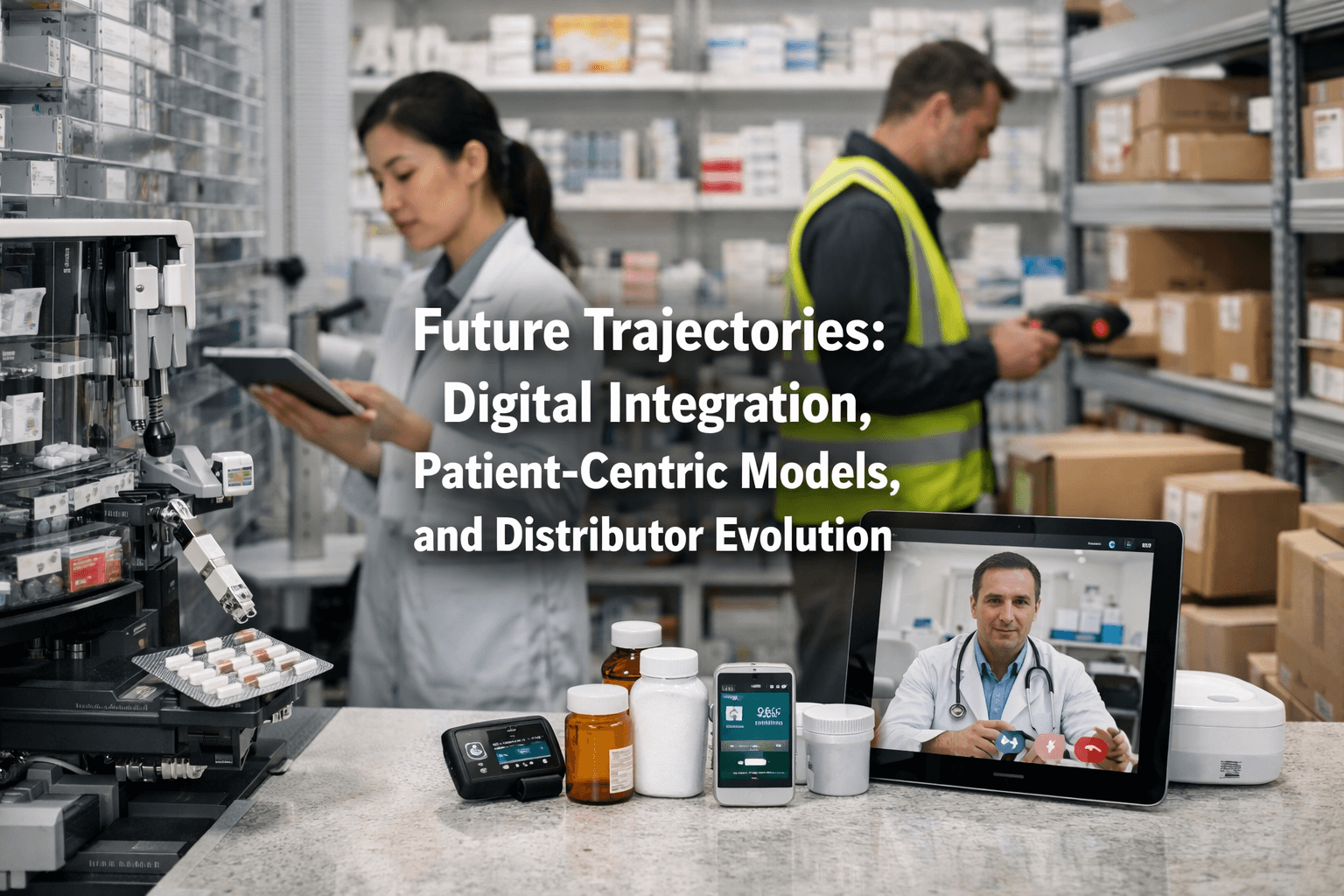
What will differentiate leading pharmacy chains in 2030 from today’s giants? The answer is not higher revenue or more stores. It is contextual intelligence—the ability to anticipate patient needs before patients articulate them. This intelligence is co-generated by pharmacies and their distribution partners.
Artificial intelligence is already reshaping pharmacy wholesale distributor operations. Predictive demand algorithms analyze historical consumption, seasonal disease patterns, and even social media illness mentions to forecast regional product requirements. In Malaysia, early adopters among pharmacy distributor Malaysia companies are piloting machine learning models that reduce overstock write-offs by 18–22% while improving essential drug availability.
Telemedicine integration presents both challenge and opportunity. As Malaysian patients consult physicians virtually, prescriptions are transmitted electronically. Who fulfills these prescriptions? Pharmacies with digital order interfaces integrated with distributor inventory systems gain advantage. A patient completes a teleconsultation; the prescription is transmitted to a partnered pharmacy; the distributor receives automated replenishment signal. This is not future speculation. This is current capability among digitally mature operators.
Personalized healthcare logistics will redefine distribution economics. Cell and gene therapies, patient-specific compounded medications, and biologic cold chain products require tailored handling protocols incompatible with bulk distribution models. Pharmacy distributors must develop parallel capabilities: high-volume efficiency for traditional pharmaceuticals and precision logistics for advanced therapeutics.
From a distributor’s perspective, this bifurcation demands capital allocation strategy. Investing in ambient-temperature warehousing for oral solids yields predictable returns. Investing in cryogenic storage for cell therapies carries higher risk but positions the distributor for premium service segments. Strategic distributors maintain portfolio approaches—balancing mature revenue streams with emerging capability investments.
From a pharmacy chain’s perspective, distributor technology adoption directly impacts patient experience. A pharmacy cannot offer same-day delivery if its distributor operates on 48-hour lead times. A pharmacy cannot provide real-time stock availability if its distributor’s inventory system updates daily rather than continuously. Technology deficits in the distribution tier constrain service innovation at the pharmacy tier.
The practical implication for Malaysian pharmacy distributors is stark. Those investing now in API connectivity, predictive analytics, and cold chain expansion will become essential partners for global and domestic pharmacy chains. Those delaying technology adoption will service shrinking, lower-margin market segments. The distribution industry is not consolidating through mergers alone. It is stratifying through capability divergence.
Frequently Asked Questions (FAQ)
Q1: What is pharmacy and why is it important?
Answer: Pharmacy is the health profession that links the health sciences with the chemical sciences. It is concerned with the discovery, production, disposal, safe and effective use, and control of medicines and drugs. It is important because pharmacists, as experts in medicines, ensure the safe and optimal use of medications to improve patient health outcomes, prevent disease, and provide essential healthcare advice.
Q2: What services does a pharmacy provide?
Answer: Pharmacies provide a wide range of services, including dispensing prescription medications, offering over-the-counter (OTC) products and advice, providing medication management and counseling, administering certain vaccinations, conducting health screenings, and offering pharmacy care services (e.g., managing minor ailments, chronic disease management support).
Q3: What are pharmacy care services?
Answer: Pharmacy care services, often interchangeable with pharmaceutical care or advanced services, are patient-centered and outcomes-oriented practices where pharmacists work to design, implement, and monitor a therapeutic plan that will produce specific patient outcomes. Examples include Medication Therapy Management (MTM), chronic disease state management, immunization services, and support for smoking cessation.
Q4: Why is pharmacy first important?
Answer: “Pharmacy First” is a common term for schemes that allow patients to seek treatment and advice for minor illnesses directly from a community pharmacy, often without needing to see a GP. It is important because it improves patient access to convenient care, utilizes the pharmacist as a highly accessible healthcare professional, and reduces pressure on other NHS or healthcare services like GP surgeries and emergency departments.
Q5: What is the function of the pharmacy services?
Answer: The primary function of pharmacy services is to ensure that patients receive the appropriate medicines in the correct dose, along with the necessary information and support for their safe, effective, and rational use. This includes inventory management, compounding, dispensing, patient education, and collaboration with other healthcare providers.
Q6: What is pharmacy first service?
Answer: The Pharmacy First service (as implemented in the UK, for example) is a scheme that enables pharmacists to provide advice and, when appropriate, treatment (including prescription-only medicines via Patient Group Directions or by prescribing) for a defined set of common minor ailments (e.g., earache, sore throat, uncomplicated UTIs) directly in the pharmacy, expanding the pharmacist’s clinical role.
Q7: What services are offered by retail pharmacy?
Answer: Retail (or community) pharmacies offer services directly to the public, including dispensing prescriptions, selling over-the-counter medicines and health products, providing medication consultation, administering vaccinations (e.g., flu shots), offering health screening (e.g., blood pressure checks), managing minor ailments, and providing advice on healthy living.
Q8: Why is a pharmacy important?
Answer: A pharmacy is important because it serves as the most accessible healthcare point in many communities. It is crucial for safe and accurate medication dispensing, preventing drug interactions, offering essential health advice, providing primary healthcare interventions, and bridging the gap between patients and prescribers, thereby playing a vital role in public health.
Q9: What are the three types of pharmacies?
Answer: The three main types of pharmacy practice are generally categorized as:
- Community (Retail) Pharmacy: Pharmacies that serve the public directly in a community setting.
- Hospital (Institutional) Pharmacy: Pharmacies located within hospitals and healthcare facilities, serving inpatients and medical staff.
- Industrial (Pharmaceutical) Pharmacy: Involving roles in drug research, manufacturing, quality control, marketing, and regulatory affairs within the pharmaceutical industry.
Q10: Why is good pharmacy practice important?
Answer: Good Pharmacy Practice (GPP) is important because it establishes the standards for quality pharmacy services worldwide, ensuring that pharmacists provide care focused on the patient’s well-being and their use of medicines. GPP ensures safe dispensing, accurate information, professional advice, ethical conduct, and the overall goal of maximizing the positive health outcomes of patients.
How can we assist you today? 😊
Just let us know—we’re here to help!