

The dominance of Malaysia’s top pharmaceutical companies extends far beyond simple financial metrics; it forms the very backbone of the nation’s healthcare ecosystem. Their scale, regulatory compliance, and strategic investments directly dictate the efficiency, reliability, and reach of pharmacy distribution services across the country. These industry leaders do not merely sell products; they establish the quality benchmarks, innovation pipelines, and logistics frameworks that enable every link in the supply chain—from manufacturer to pharmacist to patient—to function effectively. Their market influence is a proven catalyst for overall sector stability, ensuring that even the most remote clinics have reliable access to essential medicines. This foundational role makes understanding their operations not just an academic exercise, but a crucial insight into the health of the nation itself.
Examining the Pillars of Pharmaceutical Market Leadership in Malaysia

To accurately gauge the stature of a pharmaceutical company in Malaysia’s complex market, one must look at a composite of interlocking factors. Revenue and market share, while telling, only paint a partial picture of true influence. The most effective framework for evaluation incorporates both tangible outputs and foundational operational integrity. A company’s financial clout enables critical reinvestment, but without stringent quality control systems like GMP certification, that scale means little. Similarly, a robust export footprint signals international recognition and supply chain prowess, yet it must be underpinned by consistent R&D investment to ensure future relevance. From the perspective of a pharmacy distributor in Malaysia, a top company is not just a supplier but a strategic partner that guarantees product availability, regulatory adherence, and logistical support. For a hospital procurement manager, the priorities might shift toward product range depth and the ability to handle cold chain logistics for specialized biologics. Meanwhile, a regulator at the NPRA would prioritize impeccable compliance records and transparency. This multi-faceted evaluation reveals who truly leads the market.
Primary Evaluation Metrics:
Financial Scale & Market Penetration: Annual revenue and domestic market share.
Quality & Compliance: Validated GMP certification and audit history.
Innovation Capacity: Consistent R&D investment as a percentage of revenue.
Logistical & Global Reach: Complexity of supply chain management and export market diversity.
The Symbiosis Between Market Leaders and Pharmacy Distribution Networks

The relationship between major pharmaceutical firms and pharmacy wholesalers in Malaysia is deeply symbiotic, creating a reliable conduit for medicines. Large manufacturers rely on an efficient and extensive distribution network to ensure their products achieve nationwide penetration, especially beyond urban centers into East Malaysia and rural communities. Conversely, distributors depend on these leading companies for a steady, high-demand product portfolio that forms the core of their inventory. The strategic operations of a top-three company directly elevate the entire distribution landscape. For instance, when a giant like Pharmaniaga Berhad invests in a centralized, automated warehouse with real-time inventory tracking, it sets a new standard for order fulfillment accuracy and speed that all pharmaceutical distributors must aspire to meet. This creates a ripple effect, pushing the entire sector toward greater professionalism and technological adoption. A pharmacist in Kuching benefits from this through more predictable stock levels and faster restocking times for critical drugs, directly impacting patient care. The proven model of integration between manufacturing and logistics is a key reason these top firms maintain their dominance.
Learn more: Leveraging AI and Automation for Faster Pharmacy Distribution Services in Malaysia | ASEAN Pharmaceutical Regulatory Policy
GMP Certification as the Non-Negotiable Foundation for Trust
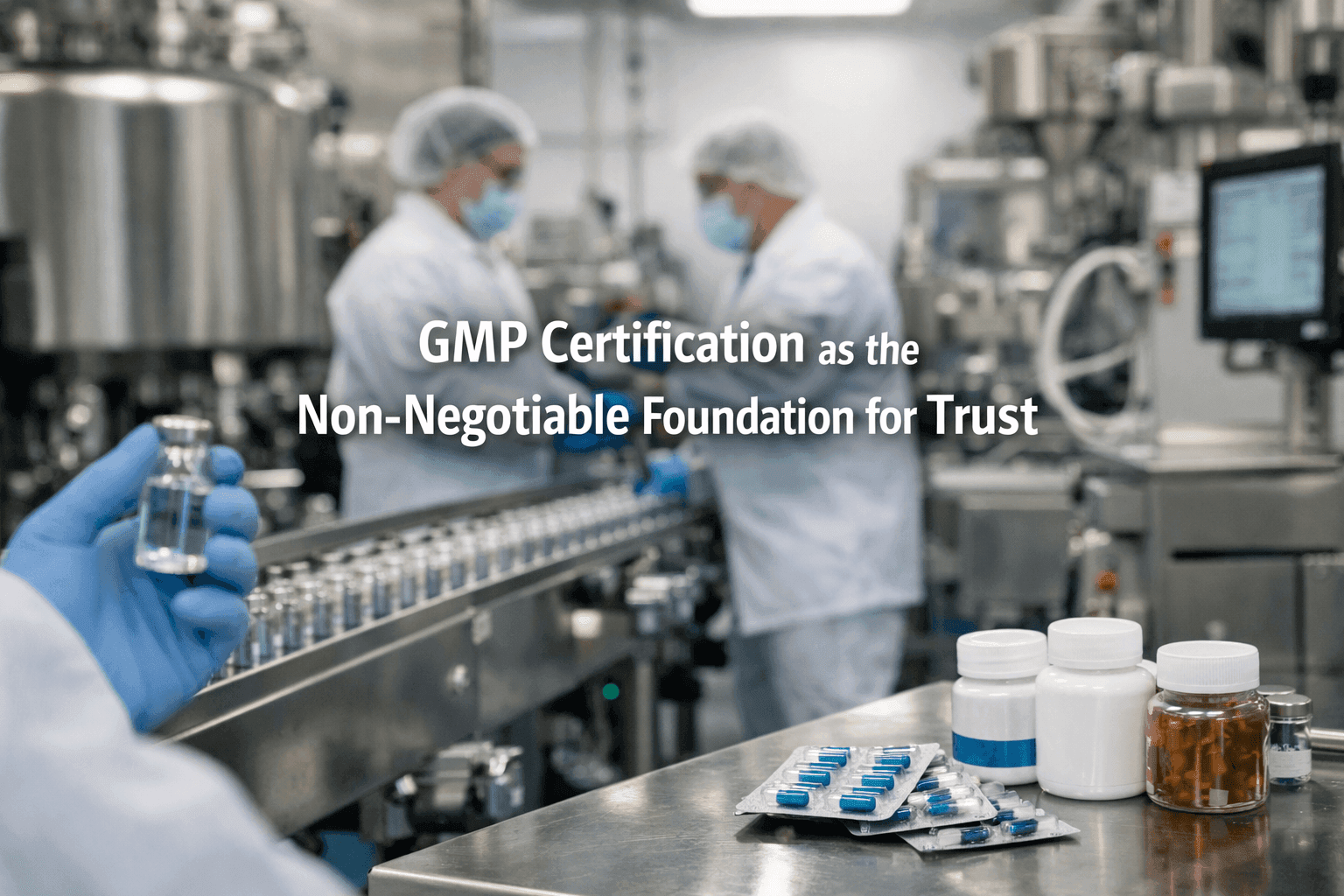
In an industry where product failure can have dire consequences, Good Manufacturing Practice (GMP) certification is the absolute bedrock of trust and safety. It is far more than a regulatory checkbox; it is a comprehensive operational philosophy enforced by the National Pharmaceutical Regulatory Agency (NPRA) and KKM. For Malaysia’s top companies, maintaining the highest GMP standards is an essential commitment that validates every pill and syrup bottle they produce. This involves relentless rigor: controlled production environments, meticulously validated equipment, rigorously trained personnel, and flawless documentation trails for every batch. The strategic importance of this cannot be overstated—it is the primary defense against contamination, mislabeling, and sub-potent medicines. A breach in GMP is not just a financial loss; it is a catastrophic blow to a company’s reputation and a risk to public health. From the viewpoint of a brand manager at a top firm, GMP is the core message in B2B communications, assuring partners of unwavering quality. For a pharmacy wholesale distributor, partnering with GMP-leading companies minimizes regulatory risk and simplifies their own compliance processes, making it a trusted foundation for business.
Comparative Table: Key Compliance & Quality Indicators for Top Pharma Companies
| Indicator | Why It Matters for the Company | Impact on Pharmacy Distributors & Pharmacists | Regulatory Body Oversight |
|---|---|---|---|
| GMP Certification | Ensures consistent, high-quality production; prevents costly recalls and legal action. | Reduces risk of receiving non-compliant stock; builds trust with end-care providers. | NPRA (Mandatory for market approval) |
| GDP (Good Distribution Practice) Guidelines | Guarantees product integrity is maintained during storage and transport (e.g., temperature control). | Provides a clear operational framework for warehousing and logistics; is often a requirement to partner with large firms. | Enforced through NPRA audits of supply chain. |
| Pharmacovigilance Systems | Allows for effective monitoring of drug safety post-market, managing adverse event reports. | Distributors & pharmacists act as reporting channels; robust systems make this process seamless and compliant. | Mandatory reporting to NPRA’s safety monitoring unit. |
Learn more: Ultimate Guide to KKM Approval in Malaysia | The Importance of GMP in Pharmaceutical Manufacturing
The Critical Engine of R&D Investment in Driving Local and Global Impact
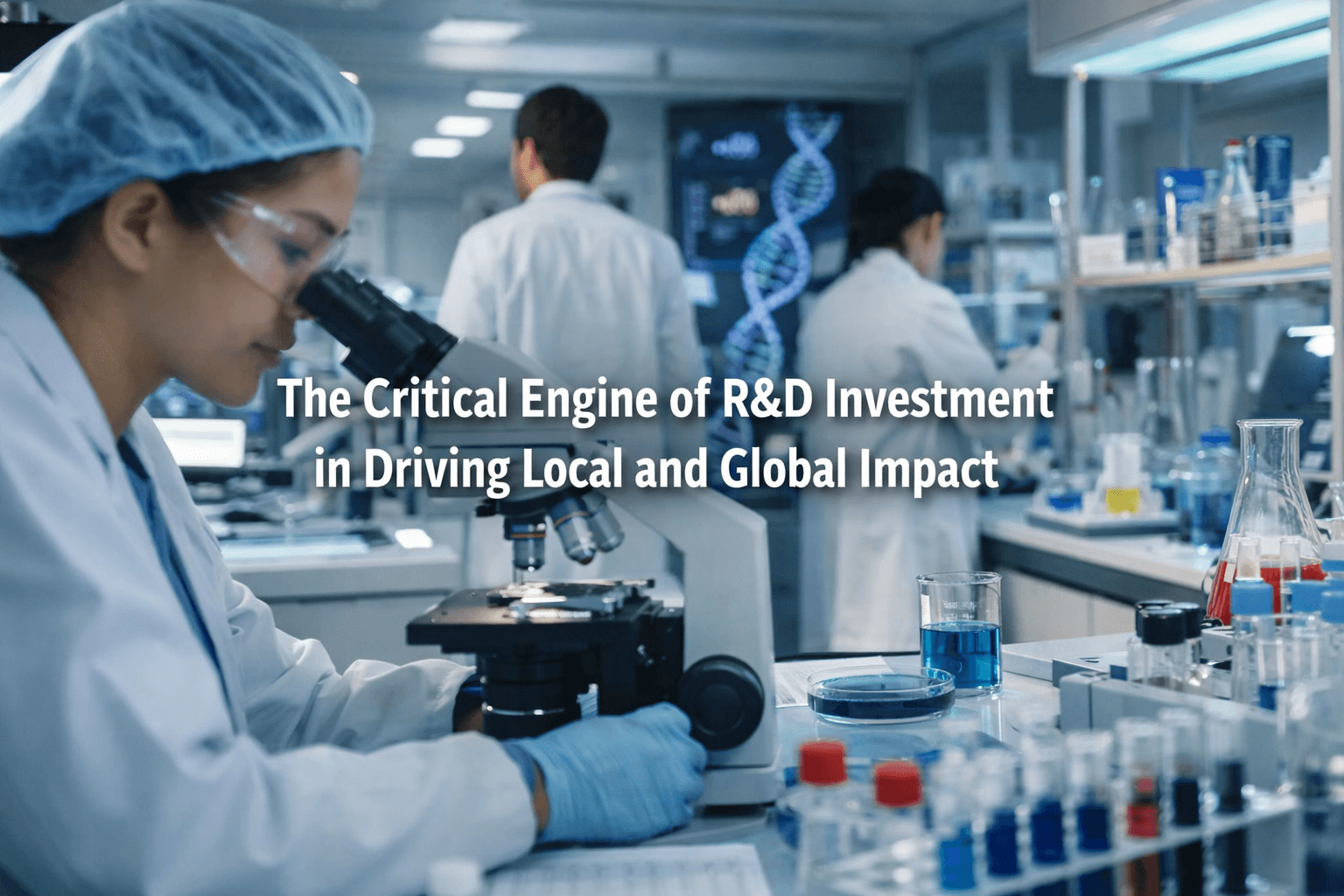
While distribution and compliance ensure products reach the market safely, it is Research and Development (R&D) investment that determines what those products will be tomorrow. The top pharmaceutical companies in Malaysia distinguish themselves through a committed, long-term strategy of funding innovation. This isn’t limited to discovering new chemical entities; it includes vital areas like biosimilars development, localized drug formulations for regional disease burdens, and process innovation to make existing medicines more affordable. A company like Duopharma Biotech, for instance, channels significant resources into R&D, which has led to advancements in biopharmaceuticals and niche therapeutic areas. This focus has a multiplier effect. Firstly, it addresses specific Malaysian and ASEAN health needs, such as dengue or certain tropical diseases. Secondly, it enhances the company’s export footprint, as innovative, patented products or specialized generics gain entry to regulated markets. For a pharmacy distributor, a partner with a strong R&D pipeline signals future portfolio growth and a move towards higher-margin specialty medicines. For the nation, it reduces therapeutic dependency on imports and builds expert scientific capital, making the strategic value of R&D expenditure clear for sustained leadership.
Learn more: Global Trends in R&D 2025
Operational Realities: How Scale Manifests in the Malaysian Healthcare Landscape
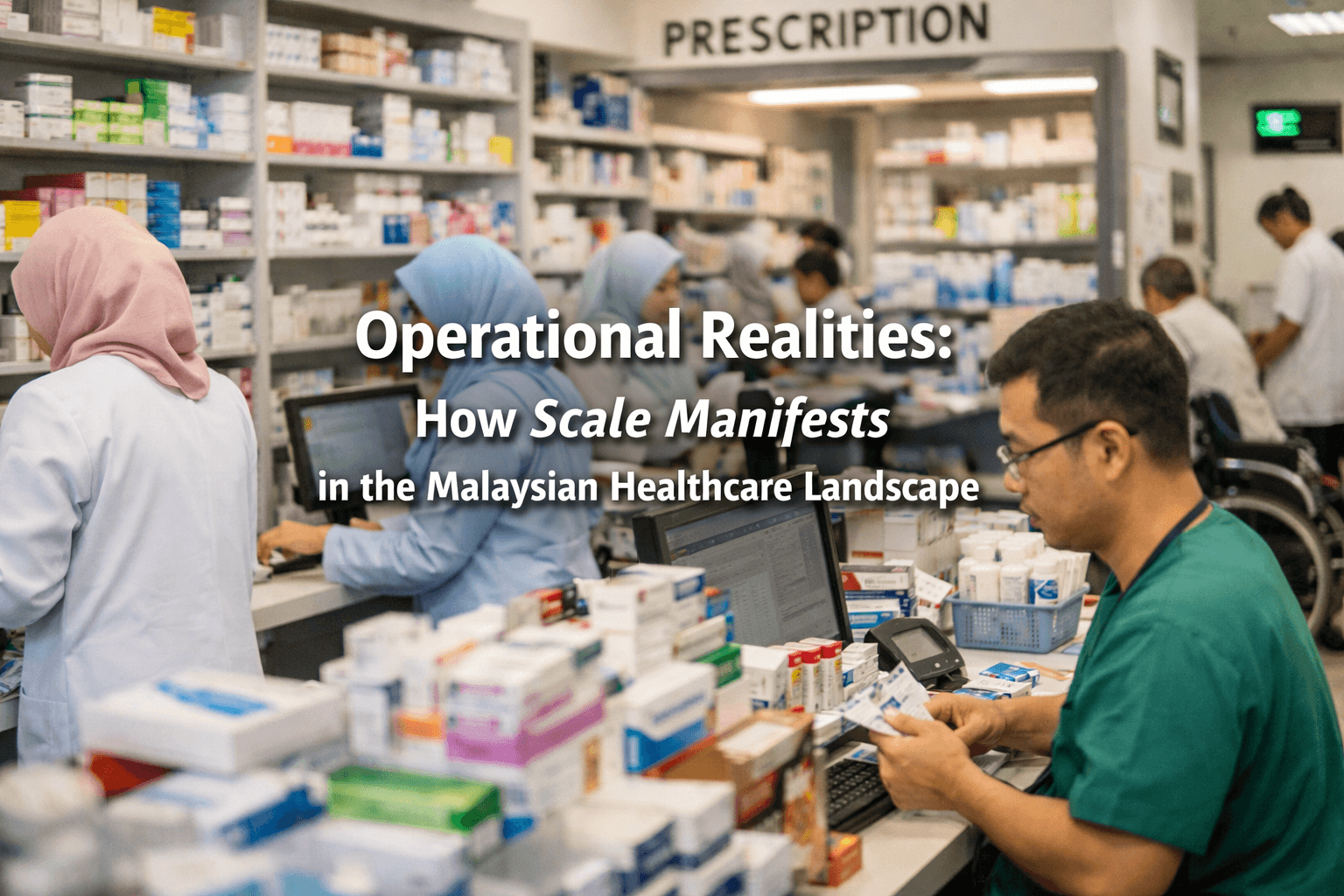
The sheer scale of Malaysia’s pharmaceutical leaders translates into concrete, on-the-ground scenarios that define daily healthcare delivery. Their operational capabilities directly solve complex logistical challenges inherent to the nation’s geography and regulatory environment. Consider the challenge of vaccine distribution across Malaysia, from hyper-cooled storage in Selangor to delivery in rural Sabah. Only a company with the infrastructure, certified cold chain logistics, and coordination muscle—honed through serving a vast network of hospitals and clinics—can execute this flawlessly. Another scenario is the management of the National Essential Medicines List supply for government hospitals. A top firm with the production capacity and efficient supply chain management can secure and fulfill large-scale, long-term contracts, ensuring no disruption in the public healthcare system. Furthermore, their scale allows them to act as reliable partners in national health initiatives, such as nationwide screening programs where they provide not just the diagnostic kits but also the logistical support for their distribution and collection. From a community pharmacist’s perspective, this scale means being able to order a diverse range of products—from chronic disease medications to niche supplements—through a single, trusted distributor pharmacy system, simplifying procurement and inventory management immensely. These real-world applications underscore that the market dominance of these companies is not abstract; it is an essential component of a functional, resilient health infrastructure.
How the Third Major Player Secures Market Reach Through Specialized Networks

Positioning as the third-largest pharmaceutical entity in Malaysia demands a strategic approach that differs from the sheer scale of the top two; it often hinges on cultivating expert pharmaceutical distributor networks and identifying underserved market niches. This company’s background is typically characterized by a agile, diversified portfolio that ranges from generic medicines to specialized over-the-counter (OTC) products, allowing it to cater to a wider economic cross-section of the population. Their proven strength lies not necessarily in owning the most extensive in-house logistics, but in building and managing a reliable, deeply integrated web of regional and local pharmacy wholesale distributors. This model ensures capillary-level market penetration, reaching independent community pharmacies in smaller towns across Perak or Kelantan, as well as serving larger retail chains in Klang Valley. For a pharmacist running a single outlet in Kuantan, this company often becomes a trusted partner due to its flexibility, personalized service, and ability to supply a consistent mix of essential medicines. The company’s background is thus a testament to the power of strategic collaboration over pure vertical integration, making its market position both resilient and highly adaptive to local needs.
Forging Strategic Alliances for Enhanced Market Access and Portfolio Depth
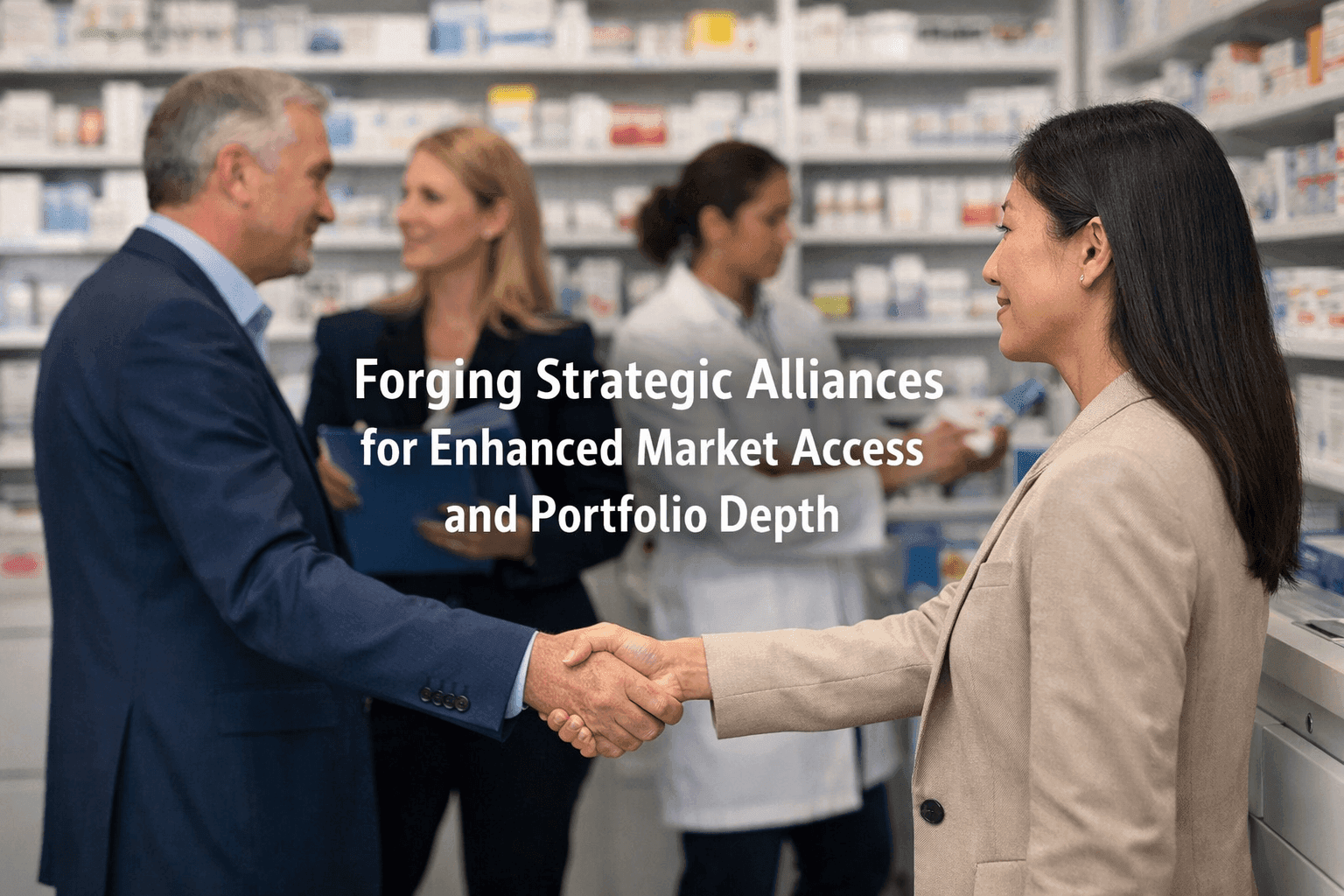
For a company holding the third position, strategic collaborations are the primary engine for growth and market defense. These alliances are multifaceted and carefully curated to fill specific gaps in capability or reach. A common and effective strategy involves entering into licensing agreements with multinational corporations (MNCs) to locally manufacture and distribute their patented or specialty products. This provides the Malaysian company with a premium product portfolio without the upfront R&D investment costs, while the MNC gains an expert local partner with entrenched distribution channels. Another critical collaboration model is with regional pharmaceutical distributors in neighboring ASEAN countries, facilitating a two-way exchange of products that aligns with the ASEAN Economic Community’s goals for integrated healthcare markets. Domestically, partnerships with local biotech startups or research institutions at universities like Universiti Malaya can fuel future pipeline innovation. From the brand manager’s perspective at the third company, these collaborations are about smart portfolio curation and risk-sharing. For the pharmacy distributor on the ground, it translates into access to a more diverse and sometimes exclusive range of products, enhancing their own value proposition to pharmacies. These tailored partnerships collectively strengthen the company’s foothold, making it an indispensable supply chain partner within the complex Malaysian pharmaceutical ecosystem.
Achieving Saturation Through Multi-Tiered Distribution and Niche Focus
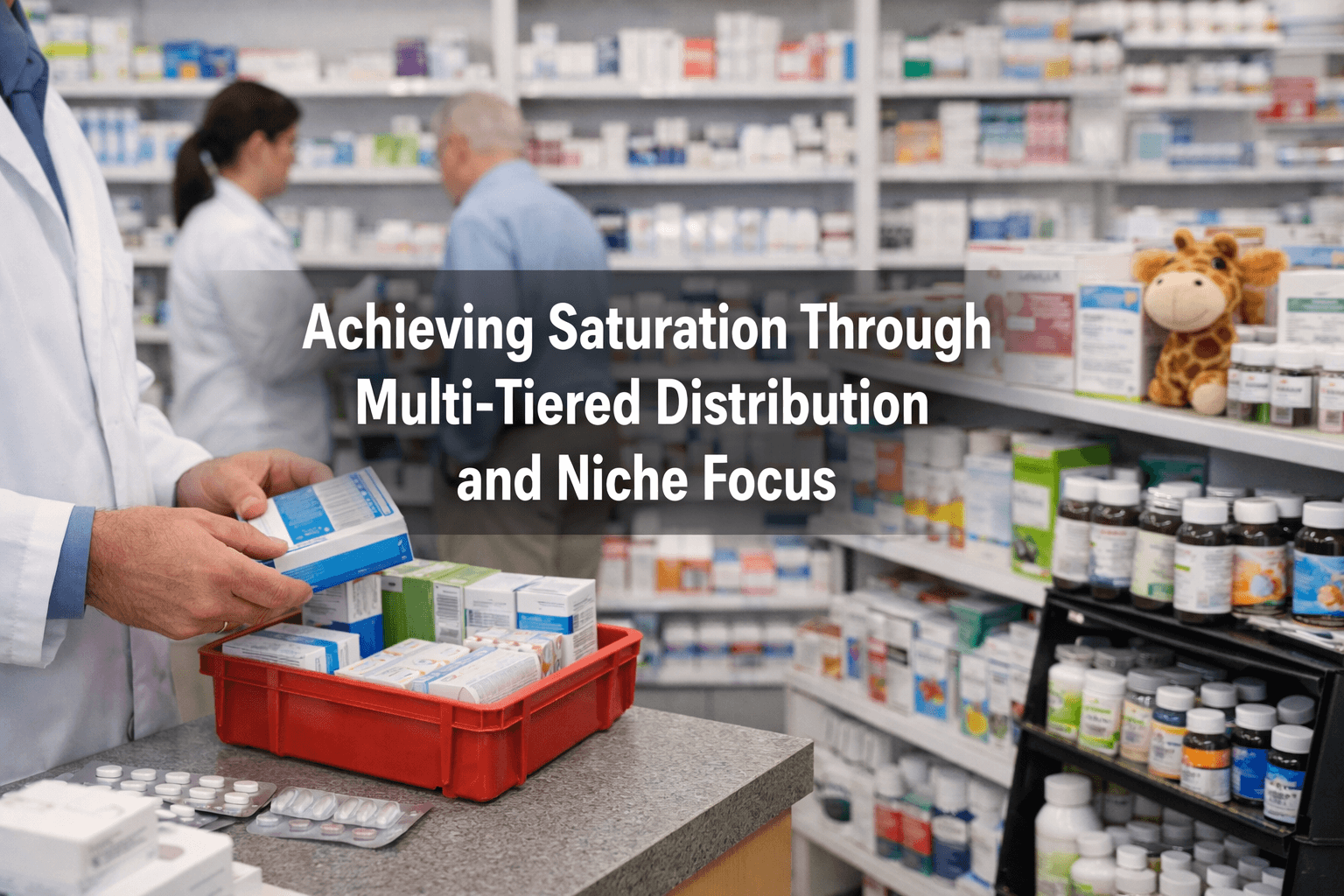
The market penetration strategy of this leading firm is a masterclass in segmentation and precision. Unlike a blanket national approach, it often employs a multi-tiered system: serving large public hospital tenders through a dedicated institutional sales team, while simultaneously supporting a network of pharmaceutical wholesalers who handle the commercial pharmacy and private clinic segment. A clear example of this in action is the distribution of chronic disease medications for conditions like hypertension and diabetes. The company ensures its products are included in government hospital formularies, guaranteeing volume, while its distributor network makes the same drugs readily available at retail pharmacies for walk-in patients, ensuring accessibility. Furthermore, they may pursue deep penetration in specific therapeutic niches—such as dermatology or pediatric vitamins—becoming the go-to reliable name in that category for both doctors and pharmacists. Their operational scenario might involve specialized cold chain logistics for a select line of biologic products, offering a tailored service that smaller competitors cannot match and that major hospitals depend on. This dual-focused approach—broad reach for essentials, deep expertise for niches—creates a robust and defensible market presence. It demonstrates that effective penetration is less about overwhelming force and more about intelligent, reliable presence at every critical touchpoint in the patient’s journey.
Navigating the Future: Digitalization, Regulation, and Evolving Partner Roles

The future of pharmaceutical distribution in Malaysia will be shaped by a confluence of regulatory evolution, technological disruption, and shifting healthcare consumption patterns. For distributors and manufacturers alike, staying ahead means anticipating these shifts and adapting strategic operations proactively.
Regulatory Headwinds and Traceability: The NPRA is progressively moving towards stricter serialization and track-and-trace mandates, inspired by global standards. This isn’t just a compliance task; it’s an opportunity to build a more transparent, efficient supply chain. Future regulations will demand that every drug pack can be digitally traced from factory to patient, dramatically reducing counterfeit risks. For pharmacy distributors, investing in compatible IT systems now is not optional; it’s essential for future business continuity and maintaining partnerships with top companies who will require this capability.
The Digital Health and E-commerce Surge: The rise of telemedicine and online pharmacy platforms is permanently altering the distribution landscape. Patients increasingly get prescriptions digitally and order medications online. This creates both a challenge and a massive opportunity. Distributors must develop direct-to-patient (D2P) or business-to-consumer (B2C) logistics capabilities, including last-mile delivery that maintains product integrity. For a company like the third player discussed, partnering with or developing their own e-health platforms could be a proven growth strategy, leveraging their existing product portfolio and distributor relationships to capture this new channel.
The Evolving Role of the Distributor: The future distributor will be far more than a logistics provider. They will need to be a data analyst, a compliance expert, and a technology enabler. Value-added services like inventory management analytics for pharmacies, automated replenishment systems, and patient adherence program support will become standard expectations. The strategic partnership between manufacturer and distributor will deepen, focusing on shared data insights to predict demand, optimize stock levels, and improve patient outcomes. The companies that invest in these tailored capabilities today will define the reliable distribution network of tomorrow.
Comparative Table: Traditional vs. Future-Focused Distribution Model
| Aspect | Traditional Distribution Model | Future-Focused, Integrated Model |
|---|---|---|
| Core Function | Bulk warehousing and transportation of goods. | Integrated supply chain partner offering logistics, data, and technology solutions. |
| Relationship with Pharma Co. | Transactional, based on volume and price. | Strategic collaboration with shared KPIs on market reach, patient access, and data insight. |
| Key Technology | Basic ERP and inventory management systems. | Advanced platforms with IoT sensors for cold chain, blockchain for traceability, and AI for demand forecasting. |
| Service to Pharmacies | Product delivery and credit terms. | Tailored services including automated stock replenishment, shelf-management data, and patient engagement tools. |
| Compliance Focus | Maintaining basic GDP standards in storage. | Proactive, digitized compliance with full serialization and real-time regulatory reporting capabilities. |
Learn more: The Future of Pharmaceutical Distribution Services in Malaysia: Trends and Innovations | The Rise of E-commerce in The Health and Wellbeing Market
The Human Element: Why Local Expertise and Relationships are Irreplaceable

Beyond metrics, certifications, and digital frameworks, the sustained success of Malaysia’s top pharmaceutical companies and their distribution networks rests on a factor that is difficult to quantify but impossible to ignore: deep local expertise and relationship-driven operations. In a market as diverse and nuanced as Malaysia’s—with its complex regulatory nuances, multilingual landscape, and varied healthcare access across urban and rural settings—an intimate understanding of local contexts is not just beneficial; it is essential. This human element manifests in the trusted relationships between medical representatives and clinic doctors in Penang, the nuanced understanding a distributor’s sales team has about the stocking patterns of pharmacies in Johor Bahru, and the ability to navigate regional bureaucratic processes with efficiency. A proven pharmaceutical distributor in Malaysia succeeds not merely because it has a warehouse, but because its people possess expert knowledge of local formulary preferences, hospital tender cycles, and even cultural considerations that affect patient adherence. For a brand manager launching a new product, this local intelligence is invaluable for crafting tailored messaging and launch strategies. For a pharmacist, a reliable relationship with a distributor’s representative who understands their specific business challenges—from cash flow to inventory space—can be more impactful than any automated system. This layer of strategic human insight ensures that even the most sophisticated logistics and compliance systems are applied effectively and sensitively, bridging the gap between corporate strategy and ground-level reality in Malaysian healthcare.
Frequently Asked Questions (FAQ)
Q1: What is pharmacy and why is it important?
Answer: Pharmacy is the health profession that links the health sciences with the chemical sciences. It is concerned with the discovery, production, disposal, safe and effective use, and control of medicines and drugs. It is important because pharmacists, as experts in medicines, ensure the safe and optimal use of medications to improve patient health outcomes, prevent disease, and provide essential healthcare advice.
Q2: What services does a pharmacy provide?
Answer: Pharmacies provide a wide range of services, including dispensing prescription medications, offering over-the-counter (OTC) products and advice, providing medication management and counseling, administering certain vaccinations, conducting health screenings, and offering pharmacy care services (e.g., managing minor ailments, chronic disease management support).
Q3: What are pharmacy care services?
Answer: Pharmacy care services, often interchangeable with pharmaceutical care or advanced services, are patient-centered and outcomes-oriented practices where pharmacists work to design, implement, and monitor a therapeutic plan that will produce specific patient outcomes. Examples include Medication Therapy Management (MTM), chronic disease state management, immunization services, and support for smoking cessation.
Q4: Why is pharmacy first important?
Answer: “Pharmacy First” is a common term for schemes that allow patients to seek treatment and advice for minor illnesses directly from a community pharmacy, often without needing to see a GP. It is important because it improves patient access to convenient care, utilizes the pharmacist as a highly accessible healthcare professional, and reduces pressure on other NHS or healthcare services like GP surgeries and emergency departments.
Q5: What is the function of the pharmacy services?
Answer: The primary function of pharmacy services is to ensure that patients receive the appropriate medicines in the correct dose, along with the necessary information and support for their safe, effective, and rational use. This includes inventory management, compounding, dispensing, patient education, and collaboration with other healthcare providers.
Q6: What is pharmacy first service?
Answer: The Pharmacy First service (as implemented in the UK, for example) is a scheme that enables pharmacists to provide advice and, when appropriate, treatment (including prescription-only medicines via Patient Group Directions or by prescribing) for a defined set of common minor ailments (e.g., earache, sore throat, uncomplicated UTIs) directly in the pharmacy, expanding the pharmacist’s clinical role.
Q7: What services are offered by retail pharmacy?
Answer: Retail (or community) pharmacies offer services directly to the public, including dispensing prescriptions, selling over-the-counter medicines and health products, providing medication consultation, administering vaccinations (e.g., flu shots), offering health screening (e.g., blood pressure checks), managing minor ailments, and providing advice on healthy living.
Q8: Why is a pharmacy important?
Answer: A pharmacy is important because it serves as the most accessible healthcare point in many communities. It is crucial for safe and accurate medication dispensing, preventing drug interactions, offering essential health advice, providing primary healthcare interventions, and bridging the gap between patients and prescribers, thereby playing a vital role in public health.
Q9: What are the three types of pharmacies?
Answer: The three main types of pharmacy practice are generally categorized as:
- Community (Retail) Pharmacy: Pharmacies that serve the public directly in a community setting.
- Hospital (Institutional) Pharmacy: Pharmacies located within hospitals and healthcare facilities, serving inpatients and medical staff.
- Industrial (Pharmaceutical) Pharmacy: Involving roles in drug research, manufacturing, quality control, marketing, and regulatory affairs within the pharmaceutical industry.
Q10: Why is good pharmacy practice important?
Answer: Good Pharmacy Practice (GPP) is important because it establishes the standards for quality pharmacy services worldwide, ensuring that pharmacists provide care focused on the patient’s well-being and their use of medicines. GPP ensures safe dispensing, accurate information, professional advice, ethical conduct, and the overall goal of maximizing the positive health outcomes of patients.
The landscape of Malaysian pharmaceutical distribution is one defined by the synergistic strength of leading manufacturers and an evolving, robust network of logistics partners. Success hinges on a unwavering commitment to quality compliance, the strategic adoption of digital tools, and the foresight to build partnerships that are reliable and adaptable. As the sector advances towards greater integration and transparency, the collaboration between innovative pharmaceutical companies and expert distributors will remain the cornerstone of ensuring that safe, effective medicines reach every community in Malaysia.
How can we assist you today? 😊
Just let us know—we’re here to help!