

The pharmacy industry is far more than a network of retail counters—it is the backbone of modern healthcare delivery, ensuring that essential medications, wellness products, and clinical services reach populations at scale. Globally, pharmacy chains have evolved from simple dispensaries into integrated healthcare destinations, offering everything from vaccinations to chronic disease management. For Malaysian pharmacy distributors and local operators, studying these international giants is not an academic exercise; it is a strategic necessity. When a chain like CVS Health manages over 9,000 locations while maintaining inventory accuracy above 98%, or when Walgreens integrates AI-driven demand forecasting into its supply chain, they are demonstrating operational playbooks that can be adapted, not replicated. The core argument is clear: by dissecting how global leaders structure their pharmacy distribution networks, diversify healthcare service portfolios, and achieve economies of scale, Malaysian stakeholders can identify gaps in local models, renegotiate distributor pharmacy agreements, and ultimately elevate patient care standards across the nation.
Consider a practical example from the Malaysian retail pharmacy sector. A mid-sized chain operating in the Klang Valley might currently rely on fragmented local suppliers, leading to stock-outs of high-demand items like insulin or paediatric antibiotics during seasonal spikes. Contrast this with Boots UK, which utilizes a centralized distribution hub model that consolidates inventory from global pharmacy distributors and delivers to stores within 24 hours. If a Malaysian pharmacy network were to implement a semi-centralized warehouse system in Shah Alam, serving outlets from Penang to Johor Bahru, it could reduce lead times by nearly 40%. This is not speculation; data from the Malaysian Pharmaceutical Society indicates that centralized procurement can lower operational costs by 15–20% while improving shelf availability. The implication for local operators is profound: you do not need the capital of CVS to think like them. Strategic partnerships with regional pharmacy wholesale distributors, combined with basic inventory analytics, can narrow the efficiency gap significantly.
Global pharmacy chains have mastered the art of layered distribution. Walgreens, for instance, operates a hybrid model where fast-moving consumer goods are managed by third-party logistics providers, while temperature-sensitive biologics are handled through specialized in-house fleets. For Malaysia, a country navigating both urban density and rural remoteness, this dual approach is highly instructive. A distributor pharmacy in Sabah might prioritize cold-chain reliability for vaccines, while an outlet in Kuala Lumpur focuses on high-volume turnover of over-the-counter products. The strategic insight here is that uniformity is not always efficient; tailored distribution tiers based on geography and demand patterns yield better ROI. This is where Malaysian pharmacy distributors can differentiate themselves—not by mimicking global giants wholesale, but by extracting proven frameworks and localizing them with precision.
Criteria for Ranking the Largest Pharmacies: Beyond Store Counts and Revenue Figures
To truly understand what makes a pharmacy chain a global leader, one must look past the surface metrics of outlet numbers and top-line revenue. The evaluation framework is multidimensional, incorporating annual revenue, global brand equity, service diversification, and perhaps most critically, the resilience of their supply chain partnerships. A chain may operate 5,000 stores, but if its pharmacy distribution network collapses during a public health emergency, its ranking is unsustainable. This is why CVS and Walgreens consistently dominate lists; they combine scale with structural depth. Their partnerships with pharmacy wholesale distributors are not transactional—they are strategic alliances involving real-time data sharing, joint forecasting, and contractual flexibility. For Malaysian pharmacy distributors, this reframes the question from “How many stores do we service?” to “How essential are we to our partners’ operational continuity?”
Let us examine a comparative scenario involving store-level performance versus distribution efficiency. A prominent Malaysian pharmacy chain with 150 outlets may report annual revenue growth of 8%, yet still face margin erosion. Why? Often, the answer lies in distributor pharmacy contracts that are volume-based rather than value-based. In contrast, Boots evaluates its pharmacy distributors on metrics like order accuracy, reverse logistics efficiency, and pharmacist satisfaction scores. This shift from cost-per-unit to service-level-agreements is a proven driver of long-term profitability. The following table illustrates how different performance indicators shape the strategic value of pharmacy distributors versus in-house logistics teams:
| Performance Indicator | Role of Pharmacy Distributors | Role of In-House/Integrated Teams | Impact on Pharmacy Ranking |
|---|---|---|---|
| Inventory Turnover Ratio | Maintain safety stock and manage bulk procurement | Optimize shelf-level assortment and promotions | High turnover indicates efficient capital use |
| Cold-Chain Compliance | Provide validated storage and temperature monitoring | Ensure in-store fridge audits and staff training | Critical for healthcare service expansion |
| New Product Introduction | Accelerate launch timelines via pre-positioned stock | Execute merchandising and pharmacist education | Faster rollouts drive revenue growth |
| Reverse Logistics | Handle expired goods and recalls with documentation | Minimize returns through demand planning | Reduces waste and compliance risk |
For brand managers at Malaysian pharmaceutical companies, this comparative lens is invaluable. A distributor pharmacy that merely warehouses products is a commodity vendor; one that proactively alerts retailers about expiry risks or suggests regional allocation shifts is a strategic asset. Similarly, from a pharmacist’s viewpoint, a reliable distributor means fewer therapeutic substitutions and more time for patient counselling. The global ranking criteria, therefore, serve as a diagnostic tool. When a Malaysian operator asks, “Why aren’t we growing faster?” the answer may not lie in marketing spend, but in distribution partnerships that lack the sophistication required to compete in a modern healthcare economy.
The Role of Pharmacy Wholesale Distributors in Shaping the Global Market

It is impossible to discuss the ascendancy of global pharmacy chains without placing pharmacy wholesale distributors at the very centre of the narrative. These entities are the silent engines of the healthcare supply chain, performing the logistical alchemy that transforms manufacturer stock into patient-ready inventory. For giants like CVS and Walgreens, their distribution partners are not vendors; they are extended operational arms. McKesson Corporation, for example, does not simply deliver products to CVS pharmacies; it co-manages inventory algorithms, integrates with CVS’s electronic health records, and provides data analytics that predict regional flu outbreaks. This level of integration ensures that essential medications are reliably available, directly fueling customer trust and repeat visits. Without this proven logistical backbone, the store expansion strategies of these chains would collapse under their own weight.
In the Malaysian context, the role of distributor pharmacy networks is equally essential, though often under-leveraged. Consider the operational reality of a community pharmacy in Kuching. Its ability to stock specialty oncology drugs or rare disease therapies depends entirely on its wholesale partner’s capacity to manage low-volume, high-value inventory with absolute precision. A reliable distributor provides not just the product, but the assurance that cold-chain integrity was maintained from the Penang manufacturing facility to the Sarawak pharmacy fridge. This is where global best practices meet local necessity. Malaysian pharmacy distributors that invest in GPS-enabled tracking, blockchain-based pedigree documentation, and pharmacist-staffed customer support are not just improving logistics; they are elevating the standard of care nationwide. The strategic lesson is enduring: in pharmacy, efficient distribution is patient care.
Learn more: Challenges and Opportunities in Malaysia’s Pharmaceutical Supply Chain | Pharmacy Market Size, Share & Growth
Top 5 Largest Pharmacies in the World: Key Players and Their Market Influence

The global pharmacy hierarchy is dominated by entities that have successfully blurred the lines between retail and healthcare. CVS Health, with its Aetna insurance arm and over 9,900 locations, is arguably the most vertically integrated player, controlling everything from prescription fulfilment to primary care consultations at MinuteClinic. Walgreens Boots Alliance follows closely, operating nearly 13,000 stores across multiple continents, leveraging its dual-brand strength and expert partnerships with AmerisourceBergen for global procurement. Other influential players include Cencora (formerly AmerisourceBergen), Kaiser Permanente Pharmacy, and MEDIQ, each demonstrating unique distribution strategies. What unites them is their relentless focus on integration—not just of supply chains, but of data, services, and patient pathways.
For Malaysian pharmacy distributors, these case studies are strategic goldmines. CVS’s decision to stop tobacco sales in 2014 was initially seen as a revenue sacrifice, yet it strategically repositioned the brand as a healthcare-first organization, attracting health-conscious consumers and employer contracts. A Malaysian distributor pharmacy could adopt a similar value-driven stance by refusing to distribute products with questionable safety profiles or by championing generic substitution programmes that save patients money while maintaining therapeutic efficacy. This is tailored strategy at work: not copying CVS, but internalizing its courage to prioritize health over short-term sales. Additionally, Boots’ use of pharmacist prescribers in the UK offers a blueprint for Malaysia’s expanding scope of pharmacy practice. If local distributors support continuing education and prescriptive authority for pharmacists, they do more than sell products—they catalyse a professional evolution.
Learn more: Top 10 Pharmaceutical Companies in Malaysia 2026
The Impact of Local and Global Pharmacy Distribution Models: A Malaysian Perspective

The global pharmacy market is a tapestry of contrasting distribution philosophies. In the United States, the model is heavily centralized, with a handful of mega-distributors controlling vast product flows. In Europe, cooperative models like ApoBank in Germany allow independent pharmacies to pool purchasing power while retaining autonomy. Meanwhile, in Southeast Asia, markets like Thailand and Singapore exhibit hybrid systems, blending direct manufacturer sales with regional distributors. For Malaysia, the optimal path is not a choice between centralization and independence, but a strategic calibration of both. Urban centres like Selangor and Penang may benefit from high-volume, centralized distribution centres, while East Malaysia requires agile, localized hubs that understand geographic fragmentation and cultural nuances.
An effective illustration is the operational divergence between Borneo and the Peninsula. A pharmacy distributor servicing Sabah must navigate maritime logistics, smaller order batches, and diverse indigenous communities with distinct health beliefs. A global model—rigid and scaled—would fail here. Instead, a strategic approach involves empowering local entrepreneurs as micro-distributors, supported by centralized procurement and branding, but enabled with last-mile flexibility. This trusted model has been proven in Indonesia by Kimia Farma, and it holds immense potential for Malaysia. The implication is that Malaysian pharmacy distributors must be bilingual in the languages of global efficiency and local empathy. Those who master this duality will not only survive the entry of international competitors but will define the future architecture of the nation’s healthcare supply chain.
Comparative Distribution Efficiency: Centralised Hubs vs Regional Micro-Distributors
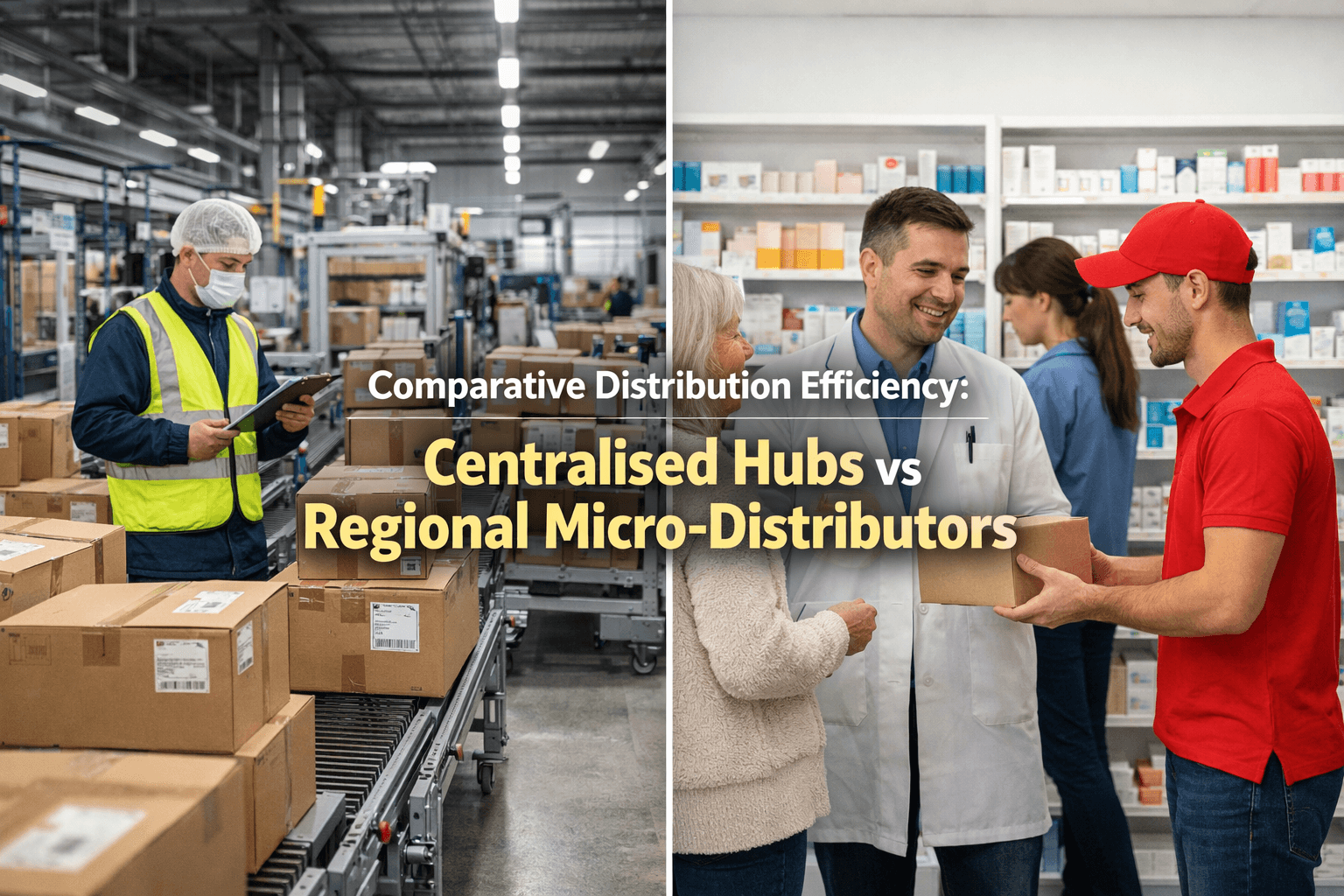
When evaluating pharmacy distribution models, the tension between centralization and localization is unavoidable. Centralised hubs offer economies of scale, standardized processes, and superior compliance control. Yet they can be slow to respond to local demand spikes or cultural preferences. Regional micro-distributors, conversely, offer agility and community trust, but often struggle with quality consistency and cost efficiency. For Malaysia, a nation of contrasts, the solution lies in segmentation. High-volume, low-variability products—such as antihypertensives or diabetes medications—are ideal for centralized handling. Specialty products, traditional remedies, or ethnic-specific formulations may be better served through regional networks.
This dual strategy is not merely theoretical. A Malaysian distributor pharmacy serving both modern retail chains and traditional Chinese medicine halls can maintain a central warehouse in Nilai for mass-market pharmaceuticals, while partnering with bumiputera-owned enterprises in Kelantan and Terengganu for localized distribution of halal-certified wellness lines. The financial and reputational returns from such inclusive strategies are substantial. They demonstrate that global best practices are not monolithic; they are adaptable frameworks waiting to be localized with intelligence. For the Malaysian pharmacy sector, the future belongs to those who can orchestrate complexity—managing centralised precision and localised relevance in efficient, strategic, and trusted harmony.
Healthcare Services and Their Role in Pharmacy Growth: From Dispensaries to Integrated Care Destinations
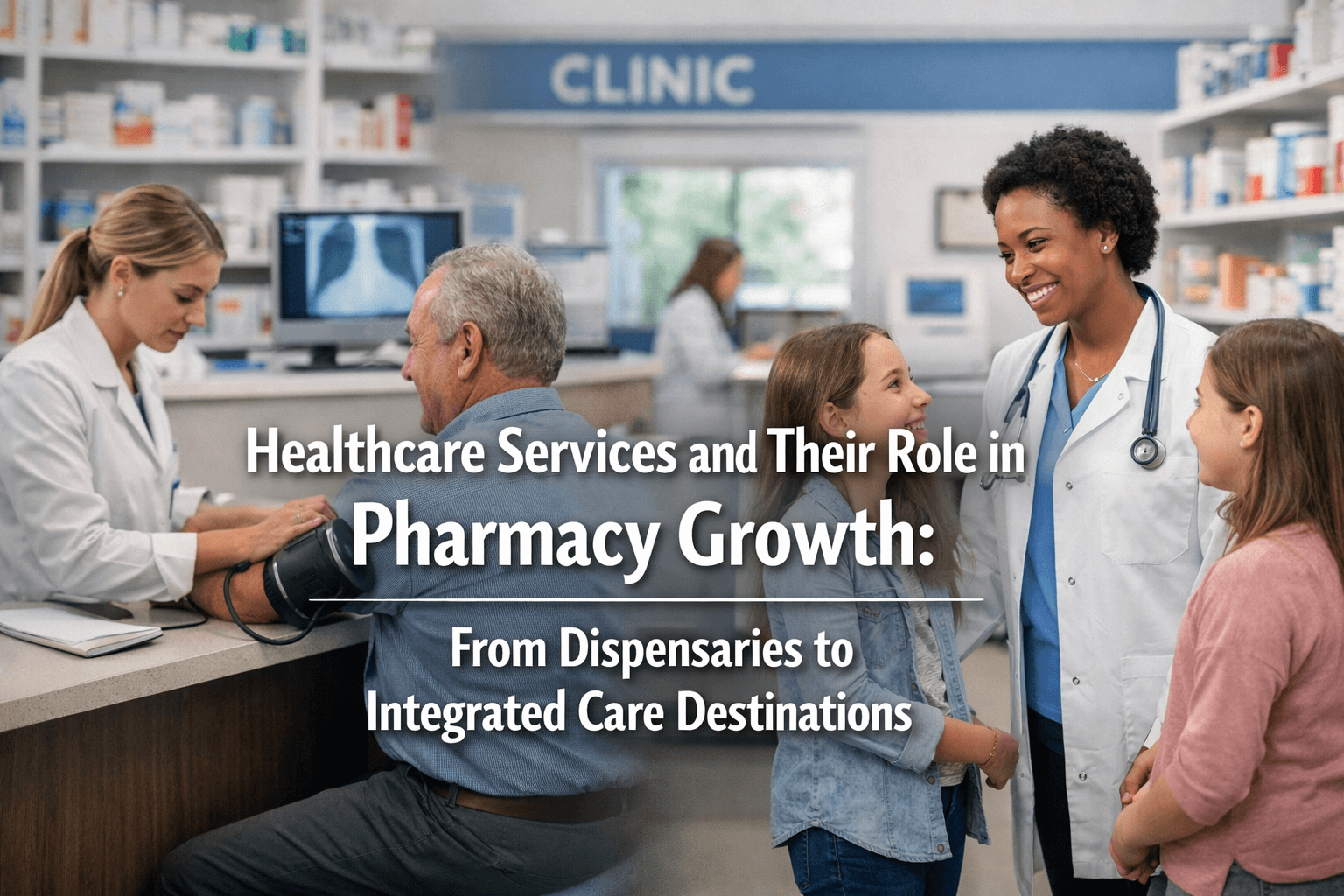
The transformation of pharmacy retail into comprehensive healthcare hubs is no longer a distant vision—it is a global operational reality. When Walgreens embeds Walk-in clinics staffed by nurse practitioners, or when Boots offers travel vaccinations and smoking cessation programmes, they are responding to a fundamental shift in consumer expectations. Patients no longer view pharmacies merely as points of sale; they see them as accessible first touchpoints for primary care. This strategic pivot towards healthcare integration has proven to be both clinically relevant and commercially astute. For Boots, their healthcare service segment now accounts for a significant portion of foot traffic, driving not just prescription sales but also high-margin retail purchases. The core claim is unequivocal: pharmacies that evolve into service-led destinations build deeper patient loyalty and create recurring revenue models that pure product-based retail cannot sustain.
Consider a community pharmacy operating within a mixed-use development in Petaling Jaya. Currently, its revenue model leans heavily on dispensing margins and over-the-counter sales. Yet, the demographic profile surrounding it—young families, ageing parents, and chronic disease patients—presents an unmet demand for basic clinical services. A proven model already exists: pharmacies in Thailand under the Fascino banner routinely offer blood glucose screening and BMI assessments, services that are both reimbursable through certain corporate wellness programmes and highly valued by cost-conscious consumers. For a Malaysian pharmacy distributor, supporting such a transition requires more than delivering pharmaceutical stock; it demands tailored logistics for point-of-care diagnostic devices, consumables, and certified training materials. Data from the Malaysian Healthcare Travel Council indicates that preventive health screenings are among the top three services sought by domestic healthcare consumers. The practical implication is unmistakable: pharmacies that integrate reliable health screening services can capture a new revenue stream while positioning themselves as essential community health assets.
From the brand manager’s perspective, this evolution presents both opportunity and complexity. A multinational pharmaceutical company launching a new hypertension therapy now views pharmacies not merely as distribution endpoints but as clinical partners capable of patient monitoring and adherence counselling. This shift necessitates distributor pharmacy networks that can handle ancillary clinical supplies alongside traditional pharmaceutical SKUs. For the Malaysian pharmacist, the expansion into healthcare services is a professional milestone. It elevates their role from dispensing technicians to frontline clinicians, capable of early intervention and public health education. However, this transition is not without friction. Regulatory scopes, reimbursement frameworks, and physical space constraints remain tangible barriers. Yet, the global evidence is compelling: pharmacies that offer vaccinations, health screenings, and chronic disease management consistently outperform their service-agnostic competitors in both dwell time and average transaction value. For Malaysian pharmacy distributors, this means rethinking warehouse assortments to include diagnostic equipment and clinic consumables—a strategic inventory expansion that transforms them from pharma suppliers into healthcare solution enablers.
The Role of Technology in Pharmacy Operations: From Automation to Intelligent Integration
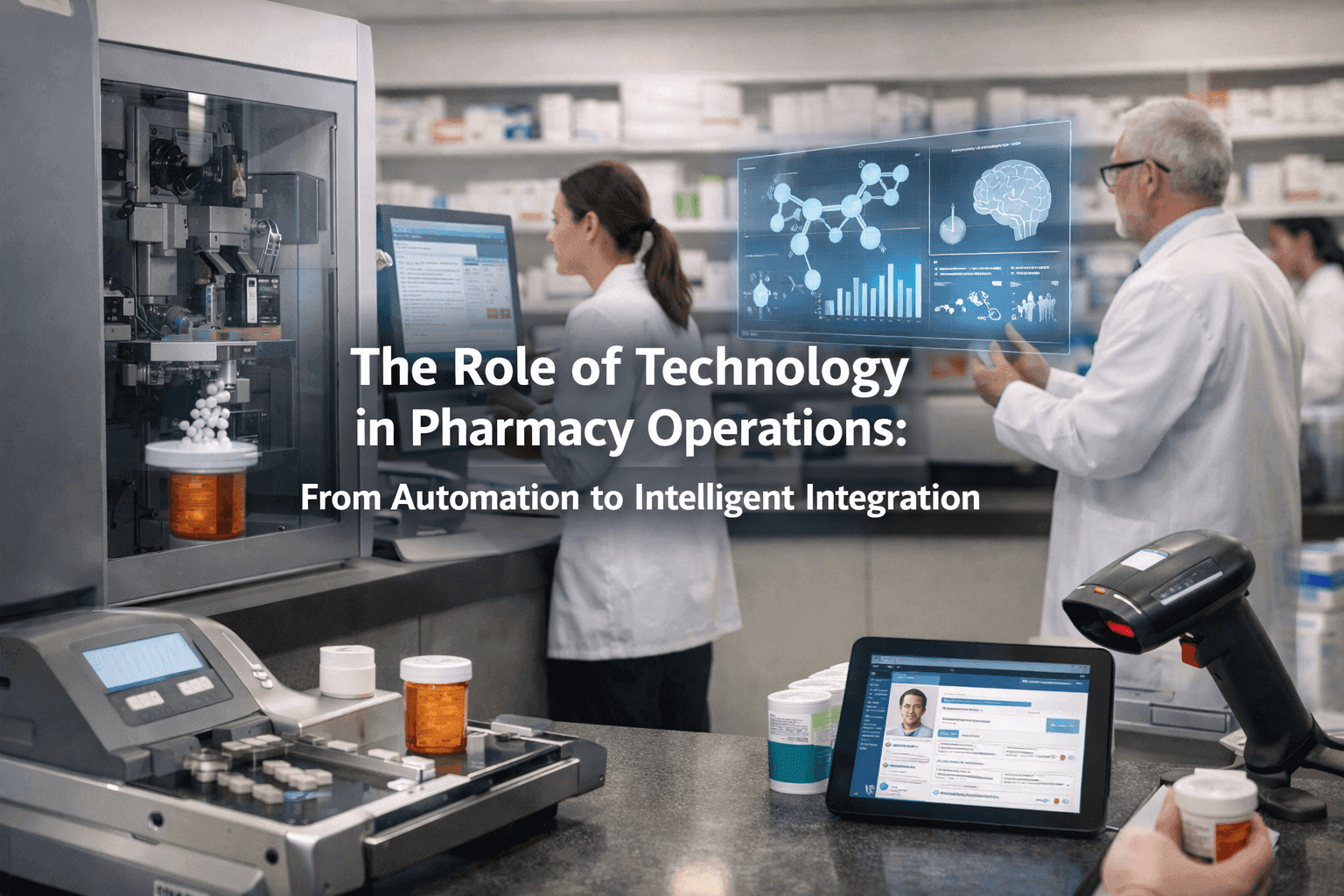
Technology has ceased to be a support function in pharmacy operations; it is now the central nervous system of modern pharmaceutical supply chains. Global leaders like CVS and Walgreens deploy AI-driven demand forecasting that predicts regional prescription spikes with over 90% accuracy, enabling proactive inventory positioning. Their automated refill systems do not wait for patient calls; they trigger refill authorizations based on medication adherence patterns and prescription renewal cycles. This is not speculative futurism—it is current operational doctrine. The strategic advantage is measurable: reduced wastage from expired stock, higher patient adherence rates, and pharmacist time liberated from administrative tasks for clinical consultation. For Malaysian pharmacy distributors, the technology gap is not primarily about capital availability; it is about implementation philosophy.
Let us examine a Malaysian distributor servicing 300 independent pharmacies across the northern region. Their current inventory management system operates on reorder point logic—when stock dips below a threshold, an order is placed. This reactive model inevitably produces stock-outs during seasonal demand surges, such as the northeast monsoon period when respiratory infections spike. An expert application of predictive analytics—even at a basic level using three years of historical sales data—could shift this distributor to a demand-sensing model. The statistical lift is significant: studies published in the Journal of Pharmaceutical Policy and Practice indicate that AI-assisted forecasting reduces inventory holding costs by 22–28% while improving line item fill rates by 15–18%. The practical implication for Malaysian distributors is that technology adoption does not require Silicon Valley budgets. It requires strategic prioritization—investing in cloud-based pharmacy management systems that offer API integration with manufacturer systems and retail point-of-sale terminals.
From the pharmacist’s viewpoint, technology is both liberating and disruptive. Digital health apps that allow patients to upload blood pressure readings or consult pharmacists via video expand the reach of professional care beyond physical store hours. Yet, they also demand new competencies in telehealth etiquette and digital documentation. For Malaysian pharmacy distributors, this technological shift creates a new service category: pharmacy digital enablement. Distributors who offer pre-integrated POS systems, inventory analytics dashboards, and staff training modules are no longer just supply chain partners; they are technology integrators. This is a tailored value proposition that differentiates them in a crowded market. The global precedent is clear: technology adoption in pharmacy is not a one-time project; it is a continuous capability build. Malaysian distributors who embrace this will not only survive the digital disruption; they will orchestrate it.
Learn more: Pharma Logistics in the Modern Era – Technology’s Role in Efficiency
Pharmacy Distribution and Regulatory Compliance: Navigating Complexity as Competitive Advantage
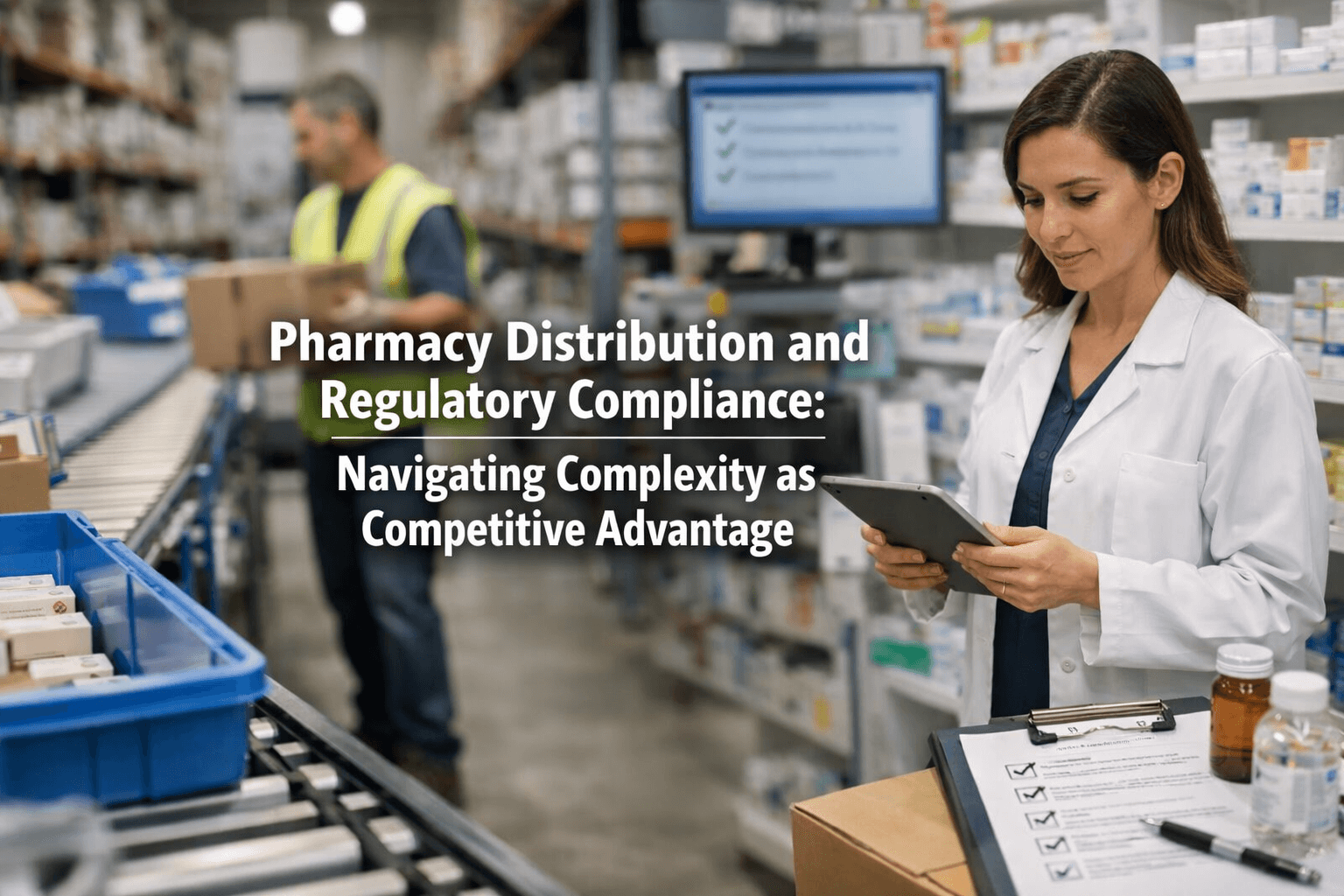
Regulatory compliance is frequently framed as a cost centre or a bureaucratic burden. This perspective is not only inaccurate; it is commercially hazardous. For global pharmacy chains, compliance excellence is a source of competitive differentiation. It signals to regulators, manufacturers, and patients that an organization operates at the highest standard of safety and integrity. In Malaysia, the National Pharmaceutical Regulatory Agency (NPRA) and the Ministry of Health (KKM) enforce rigorous standards governing good distribution practice (GDP), cold chain integrity, and product pedigree documentation. These are not merely legal checkboxes; they are operational frameworks that, when executed with precision, enhance product quality and patient safety. A distributor pharmacy that consistently meets NPRA audit standards without corrective actions earns trusted partner status with both MNC principals and local pharmacy retailers.
Consider a real-world compliance scenario involving controlled medicines distribution in Malaysia. A pharmacy distributor handling Schedule IV poisons must maintain segregated storage, restricted access logs, and detailed audit trails from manufacturer receipt to pharmacy delivery. Any documentation lapse can result in KKM compounding penalties or, in severe cases, license suspension. Yet, a proven distributor transforms this regulatory stringency into commercial advantage. They market their GDP-certified warehouses and validated cold-chain vehicles as quality assurance guarantees to brand managers concerned about product integrity. For international pharmaceutical companies seeking to enter the Malaysian market, such efficient compliance infrastructure is often the deciding factor in distributor selection. The following table illustrates how different compliance capabilities correlate with distributor value perception:
| Compliance Capability | Regulatory Requirement (NPRA/KKM) | Commercial Implication | Value Perception |
|---|---|---|---|
| GDP-Certified Warehousing | Mandatory for licensed wholesalers | Enables MNC principal onboarding | High – Barrier to entry |
| Temperature-Controlled Transport | Required for vaccines and biologics | Unlocks specialty product distribution | Premium – Niche capability |
| Full Pedigree Traceability | Anti-counterfeiting mandate | Reduces diversion risk; supports recall | Essential – Risk mitigation |
| Pharmacist Supervisory Oversight | Condition for licensed premise | Enhances clinical credibility | Strategic – Differentiation |
For the Malaysian pharmacist-in-charge at a distributor facility, compliance is not an abstract corporate policy; it is daily operational discipline. Every temperature excursion logged, every batch number recorded, contributes to a defensible quality system. When a brand manager inquires about recall readiness, the pharmacist’s documentation becomes the ultimate evidence of proven capability. Malaysian distributors who view regulatory compliance through this strategic lens rather than a compliance cost lens position themselves as indispensable infrastructure within the national pharmaceutical supply chain.
Learn more: The Legal Framework of Pharmaceutical Companies in Malaysia | Changes and Challenges in the Healthcare Supply Chain
Future Trends in Global Pharmacy Chains: Strategic Signals for Malaysian Players

The global pharmacy industry is entering a period of structural reinvention. Several converging trends will define the competitive landscape over the next decade. The first is the acceleration of e-pharmacy and direct-to-patient delivery models. Amazon Pharmacy in the United States and Alibaba Health in China have demonstrated that technology-enabled distribution can disintermediate traditional pharmacy retail. Patients now expect prescription fulfilment with the same convenience as e-commerce parcel delivery. The second trend is the deepening of in-store health services, moving beyond vaccinations to include chronic care management, minor ailment treatment, and diagnostic testing. The third trend is the strategic consolidation of pharmacy distribution—mega-distributors are acquiring specialized logistics providers to build end-to-end supply chain dominance.
What do these global shifts signal for Malaysian pharmacy distributors? First, e-pharmacy readiness is no longer optional. Distributors must build direct-to-patient fulfilment capabilities, not to compete with retail pharmacies, but to serve them as white-label logistics partners. A Malaysian distributor that offers pharmacy-owned delivery fleets with temperature-controlled packaging and real-time tracking enables brick-and-mortar pharmacies to compete with purely digital players. Second, the service expansion trend demands that distributors evolve their product portfolios. If pharmacies will increasingly offer health screening, distributors must supply rapid diagnostic tests, point-of-care devices, and consumables with the same reliability as pharmaceuticals. Third, consolidation at the global level suggests that scale matters. Malaysian distributors may need to consider strategic alliances or cooperative purchasing agreements to achieve the procurement leverage required to compete with regional players entering the market.
A tangible example from Johor Bahru illustrates this future. A pharmacy chain operating near the Singapore border faces cross-border prescription leakage and price competition from Singaporean pharmacies. Their strategic response has been to invest in a Malaysian-first e-pharmacy platform, offering discreet delivery for sensitive medications and autorefill subscriptions for chronic disease patients. The distributor supporting this chain was not merely a product supplier; they were a strategic enabler, providing API integration between the pharmacy’s e-commerce platform and the distributor’s inventory system, enabling real-time stock visibility. This is the future of distributor-pharmacy relationships: not transactional, but symbiotic. Malaysian distributors who internalize this will transition from logistics vendors to essential ecosystem architects.
Learn more: Supply chain management for online pharmacies
Navigating Forward: Strategic Orientation for Malaysian Pharmacy Distributors
The global exemplars examined throughout this analysis are not blueprints to be copied; they are mirrors reflecting the capabilities that will determine future relevance. CVS, Walgreens, and Boots succeeded not because they possessed un replicable resources, but because they recognized structural shifts in healthcare consumption and repositioned themselves accordingly. For Malaysian pharmacy distributors, the strategic imperative is identical: recognize that the traditional model—warehousing products and fulfilling orders—is undergoing terminal decline. The emerging model demands healthcare service integration, technology-enabled supply chains, regulatory compliance as differentiation, and strategic partnerships that extend beyond buy-sell arrangements.
This is not a speculative forecast; it is an operational necessity visible in current market data. Malaysian consumers are increasingly health-literate and digitally connected. They seek convenience without compromising safety. They expect their pharmacy to know them, to remember their medication history, and to offer relevant health services proactively. Meeting these expectations requires a pharmacy distribution ecosystem that is agile, intelligent, and deeply integrated with patient care pathways. The distributors who will thrive are those who view themselves not as intermediaries to be minimized, but as value creators to be strategically leveraged.
For pharmacy owners, brand managers, and healthcare entrepreneurs across Malaysia, the path forward is illuminated by global best practices but must be paved with local intelligence. The opportunity is substantial. The Malaysian pharmaceutical market remains fragmented, presenting consolidation opportunities. The regulatory environment, while rigorous, is predictable and professionally administered. The consumer base is young, urbanizing, and increasingly willing to pay for convenient, quality healthcare. These are not conditions of crisis; they are conditions of opportunity.
Frequently Asked Questions (FAQ)
Q1: What is pharmacy and why is it important?
Answer: Pharmacy is the health profession that links the health sciences with the chemical sciences. It is concerned with the discovery, production, disposal, safe and effective use, and control of medicines and drugs. It is important because pharmacists, as experts in medicines, ensure the safe and optimal use of medications to improve patient health outcomes, prevent disease, and provide essential healthcare advice.
Q2: What services does a pharmacy provide?
Answer: Pharmacies provide a wide range of services, including dispensing prescription medications, offering over-the-counter (OTC) products and advice, providing medication management and counseling, administering certain vaccinations, conducting health screenings, and offering pharmacy care services (e.g., managing minor ailments, chronic disease management support).
Q3: What are pharmacy care services?
Answer: Pharmacy care services, often interchangeable with pharmaceutical care or advanced services, are patient-centered and outcomes-oriented practices where pharmacists work to design, implement, and monitor a therapeutic plan that will produce specific patient outcomes. Examples include Medication Therapy Management (MTM), chronic disease state management, immunization services, and support for smoking cessation.
Q4: Why is pharmacy first important?
Answer: “Pharmacy First” is a common term for schemes that allow patients to seek treatment and advice for minor illnesses directly from a community pharmacy, often without needing to see a GP. It is important because it improves patient access to convenient care, utilizes the pharmacist as a highly accessible healthcare professional, and reduces pressure on other NHS or healthcare services like GP surgeries and emergency departments.
Q5: What is the function of the pharmacy services?
Answer: The primary function of pharmacy services is to ensure that patients receive the appropriate medicines in the correct dose, along with the necessary information and support for their safe, effective, and rational use. This includes inventory management, compounding, dispensing, patient education, and collaboration with other healthcare providers.
Q6: What is pharmacy first service?
Answer: The Pharmacy First service (as implemented in the UK, for example) is a scheme that enables pharmacists to provide advice and, when appropriate, treatment (including prescription-only medicines via Patient Group Directions or by prescribing) for a defined set of common minor ailments (e.g., earache, sore throat, uncomplicated UTIs) directly in the pharmacy, expanding the pharmacist’s clinical role.
Q7: What services are offered by retail pharmacy?
Answer: Retail (or community) pharmacies offer services directly to the public, including dispensing prescriptions, selling over-the-counter medicines and health products, providing medication consultation, administering vaccinations (e.g., flu shots), offering health screening (e.g., blood pressure checks), managing minor ailments, and providing advice on healthy living.
Q8: Why is a pharmacy important?
Answer: A pharmacy is important because it serves as the most accessible healthcare point in many communities. It is crucial for safe and accurate medication dispensing, preventing drug interactions, offering essential health advice, providing primary healthcare interventions, and bridging the gap between patients and prescribers, thereby playing a vital role in public health.
Q9: What are the three types of pharmacies?
Answer: The three main types of pharmacy practice are generally categorized as:
- Community (Retail) Pharmacy: Pharmacies that serve the public directly in a community setting.
- Hospital (Institutional) Pharmacy: Pharmacies located within hospitals and healthcare facilities, serving inpatients and medical staff.
- Industrial (Pharmaceutical) Pharmacy: Involving roles in drug research, manufacturing, quality control, marketing, and regulatory affairs within the pharmaceutical industry.
Q10: Why is good pharmacy practice important?
Answer: Good Pharmacy Practice (GPP) is important because it establishes the standards for quality pharmacy services worldwide, ensuring that pharmacists provide care focused on the patient’s well-being and their use of medicines. GPP ensures safe dispensing, accurate information, professional advice, ethical conduct, and the overall goal of maximizing the positive health outcomes of patients.
How can we assist you today? 😊
Just let us know—we’re here to help!