
Learn more: Pharmaceutical Industry Trends

The pharmaceutical sector plays a undeniably critical role in the healthcare landscape of Malaysia, contributing simultaneously to public health outcomes and macroeconomic growth. As one of Southeast Asia’s fastest-growing markets, Malaysia’s pharmaceutical industry comprises a sophisticated network of local generic giants and multinational innovators, all of whom collectively shape the nation’s healthcare standards and regulatory rigor. These companies do not merely manufacture pills and ointments; they orchestrate complex supply chain logistics, drive biopharmaceutical innovation, and formalize strategic partnerships that bridge the gap between laboratory breakthroughs and the patient’s bedside. The key players in this sector have successfully positioned themselves as trusted leaders, ensuring that quality pharmaceuticals—from oncology injectables to chronic disease management drugs—reach healthcare professionals and consumers with efficient precision.
This post focuses specifically on the top 20 biggest pharmaceutical companies in Malaysia, moving beyond simple revenue rankings to dissect their strategies for success, revenue generation, market share dynamics, and how their nuanced approaches to pharmacy distribution truly set them apart from the competition. We will examine the leading drug manufacturers and their tangible impact on the pharmacy distribution service in Malaysia. Through layered analysis grounded in the provided criteria, we will uncover what makes these companies dominant in a competitive landscape where regulatory compliance and supply chain agility are no longer optional, but essential.
How the Top 20 Are Chosen: A Framework of Authority and Compliance
Determining which enterprises secure a spot among the top 20 pharmaceutical companies requires far more than a cursory glance at annual profits. It demands a forensic evaluation of pharmaceutical revenue in Malaysia, market share penetration, GMP certification, export reach, and sustained R&D investment. These metrics are the proven benchmarks for measuring a company’s capacity to influence distribution practices and set industry benchmarks.
Revenue remains the primary pulse check. It reflects not only operational scale but also the market’s demand signals and a company’s pricing power. However, market share offers a deeper narrative; it reveals how entrenched a company is within the domestic ecosystem, specifically regarding formulary listings in government hospitals and private clinic networks. GMP certification acts as the non-negotiable gatekeeper. It assures regulators like the National Pharmaceutical Regulatory Agency (NPRA) that manufacturing processes meet stringent safety protocols. For any pharmacy distributor, handling GMP-certified goods minimizes liability and maximizes patient safety.
Export footprint is the dividing line between a local supplier and a regional powerhouse. A company exporting to 50 countries demonstrates proven adaptability to varying pharmacopoeias. Lastly, R&D investment signals longevity. It separates firms that are merely filling bottles from those inventing new therapeutic solutions.
Comparative Insight: Compliance Impact on Distribution Efficiency
Compliance Level Average Lead Time to Pharmacy Regulatory Rejection Rate Distributor Confidence Full GMP & ISO Certified 2–4 Days <0.5% High (Preferred Partner) Partial Compliance 5–7 Days 3–5% Medium Non-Certified (Contractors) 7–10 Days >10% Low (High Risk)
For example, a Malaysian generics manufacturer aiming to supply to KKM (Ministry of Health) hospitals must first survive this filter. Without high GMP standards, they cannot even participate in tenders. Thus, the ranking criteria itself acts as a strategic filter, ensuring the top 20 are not just big, but reliable.
Learn more: The Legal Framework of Pharmaceutical Companies in Malaysia
Revenue and Market Share: The Duopoly of Scale and Accessibility
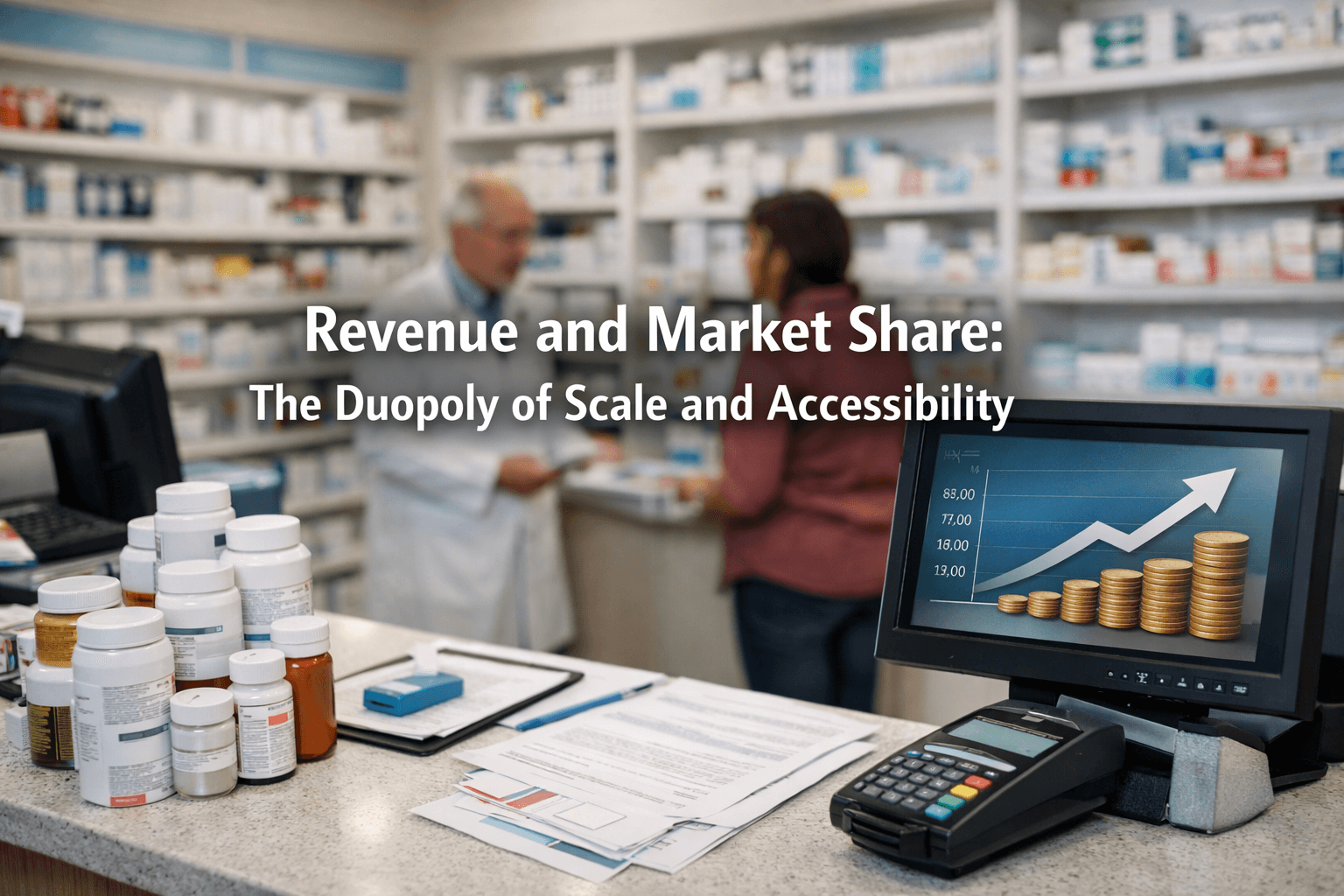
What solidifies a company’s position as a titan in the Malaysian pharmaceutical market? It is the symbiotic relationship between massive revenue streams and expansive market share. The most dominant pharmaceutical companies in Malaysia are those who have weaponized their logistics. They have constructed high-density distribution networks that ensure pharmacies—from bustling outlets in Kuala Lumpur’s Bukit Bintang to remote community clinics in Sabah—are never stocked out.
Consider Pharmaniaga Berhad, a consistently top-tier player. As a trusted pharmacy distributor in Malaysia, their reported annual revenue often positions them at the forefront. This financial muscle is not hoarded; it is reinvested into cold chain logistics and digital ordering platforms. Because they manage the vaccine supply for the Ministry of Health, their operational scale creates a moat that is difficult for smaller players to cross.
In contrast, a multinational like Zuellig Pharma operates on a different vector of scale. Their revenue is amplified through exclusive distribution rights for patented biologics. They do not always manufacture the product, yet their market share in the private hospital segment is formidable. From the perspective of a brand manager, holding this market share requires relentless relationship management with consultants and pharmacists.
For a local distributor in Penang, competing with these giants seems impossible. However, they carve niche revenue by focusing on traditional Chinese medicine (TCM) integration or specific dermatological supplies. The practical implication is clear: high revenue allows for economies of scale, lowering per-unit logistics costs. This, in turn, enables aggressive pricing against competitors, perpetuating the cycle of market dominance.
Learn more: Top 10 Pharmaceutical Companies in Malaysia 2026
GMP Certification: The Silent Arbiter of Trust
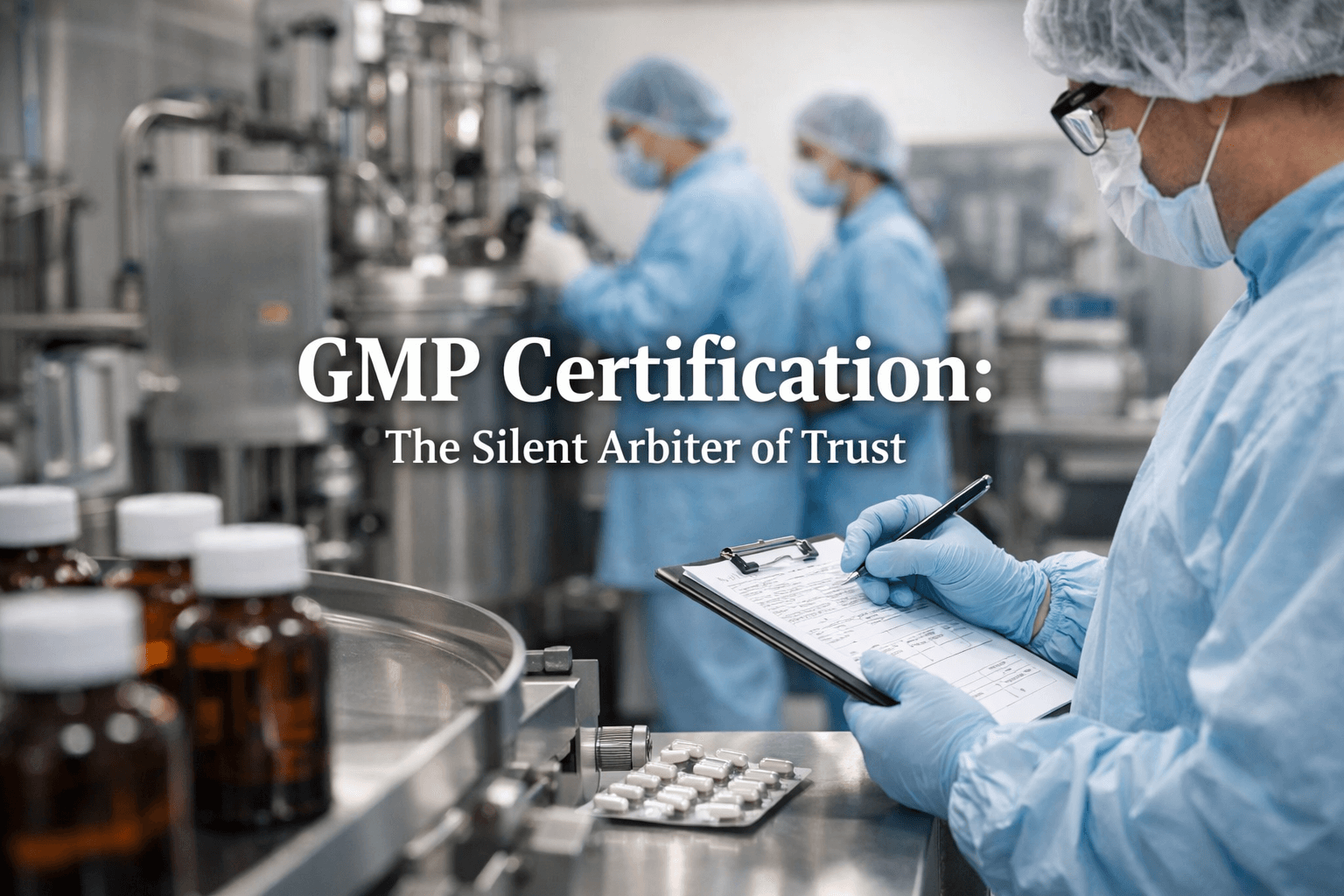
How do patients and practitioners sleep soundly knowing their medicine is safe? The answer often lies in the Good Manufacturing Practice (GMP) certification hanging on the factory wall. For pharmaceutical companies in Malaysia, GMP compliance has transcended its origins as a mere regulatory checkbox; it is now a strategic asset and a prerequisite for export survival.
GMP certification is the universal language of quality. It assures healthcare providers that the product has survived rigorous environmental controls, validated processes, and sterile conditions. For the pharmacy distribution service, GMP certification reduces due diligence burdens. Instead of auditing every factory themselves, distributors rely on the NPRA GMP seal as a shortcut to trust.
A tangible Malaysian operational scenario involves Hovid Berhad. Having maintained robust GMP standards, they have successfully positioned themselves as a reliable supplier not just locally, but across 50+ export markets. This compliance allowed them to pivot quickly during the pandemic, producing dexamethasone under strict protocols without regulatory friction.
From a pharmacist’s perspective, stocking non-GMP products is an existential risk. If a patient suffers an adverse event from a substandard excipient, the pharmacy’s license is jeopardized. Therefore, GMP-certified products receive preferential shelf placement.
The GMP Advantage:
✅ Faster NPRA product registration (Priority review pathways)
✅ Higher acceptance rate by private hospital formulary committees
✅ Eligibility for government tenders
✅ Lower insurance premiums for product liability coverage
The strategic takeaway is that GMP certification acts as a force multiplier for distribution. It allows companies like CCM Duopharma to confidently bid for World Health Organization contracts, knowing their manufacturing rigor meets global benchmarks.
Learn more: Good Manufacturing Practices (GMP) in Pharmaceutical Manufacturing
Export Footprint and Global Reach: From Local Labs to International Markets
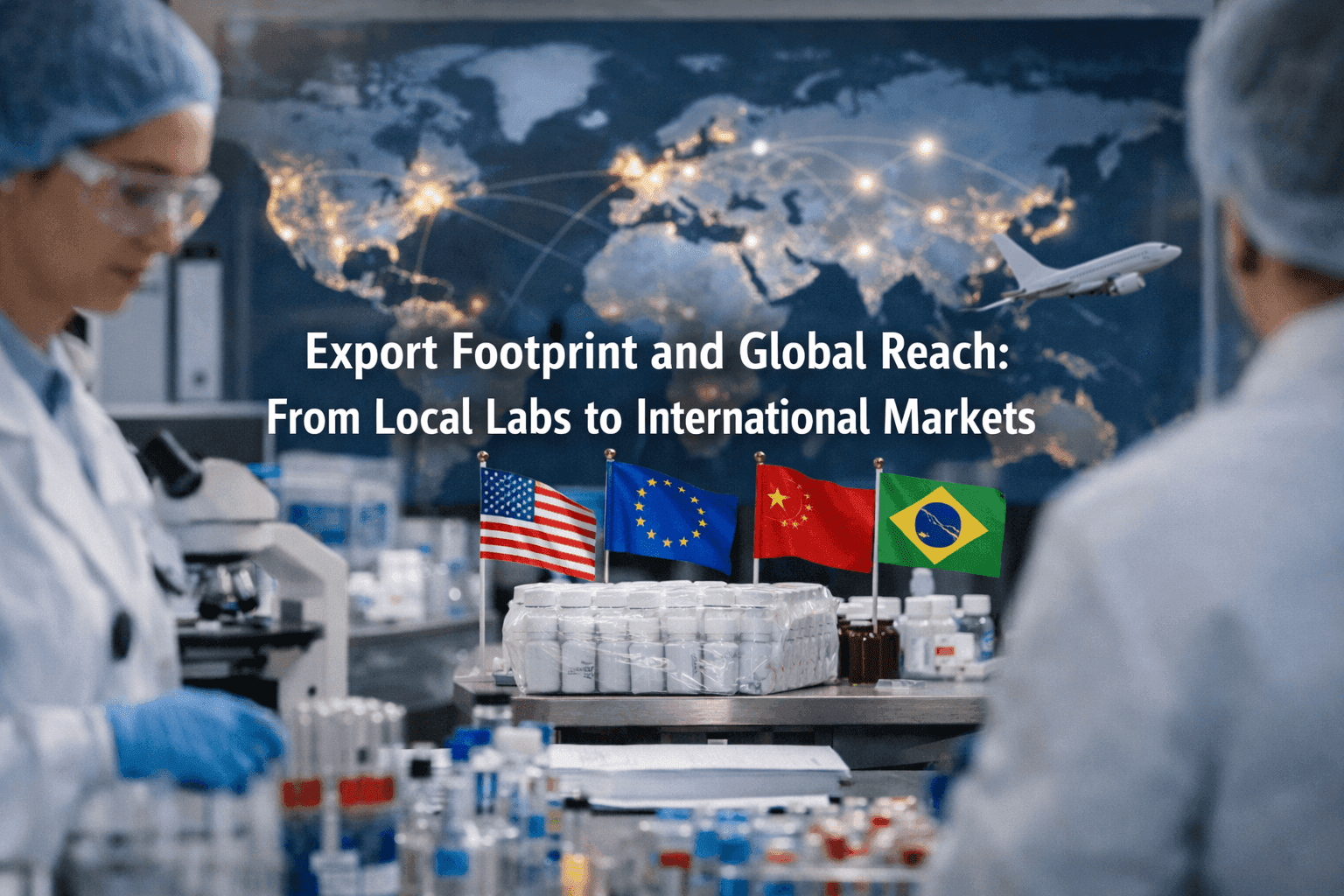
What distinguishes a regional leader from a global competitor? The answer is embedded in the export footprint. The leading pharmaceutical companies in Malaysia have successfully decoupled their growth from domestic population growth. They have established beachheads in ASEAN, OIC markets, and even regulated markets like Africa and Europe. Their ability to harmonize product dossiers across multiple regulatory jurisdictions is a proven competitive edge.
Take Duopharma (now CCM Duopharma) . Their export strategy is not random; it is calibrated. They focus on public sector tenders in developing nations where affordability is prioritized over brand premium. By optimizing distribution channels through local government partnerships, they meet the growing demand for high-quality, affordable healthcare. This requires expert navigation of international trade documentation, halal certification for OIC states, and humidity-controlled shipping.
However, the flow is not one-way. Multinational corporations like Novartis and Pfizer treat Malaysia not just as a market, but as a regional distribution hub. Their strategic decision to locate ASEAN supply depots in Malaysia is informed by the country’s infrastructure and IP protection laws. This creates a halo effect, training local talent in global distribution standards.
From the viewpoint of a logistics manager at a Malaysian port, the export boom means handling sensitive biological samples and temperature-controlled shipments with extreme care. A broken cold chain at Port Klang could ruin a shipment destined for a Thai hospital, costing millions. Therefore, export excellence is directly correlated with cold chain integrity and customs brokerage expertise.
Learn more: Global Supply Chains in the Pharmaceutical Industry
R&D Investment and Innovation: Future-Proofing Pharmacy Access
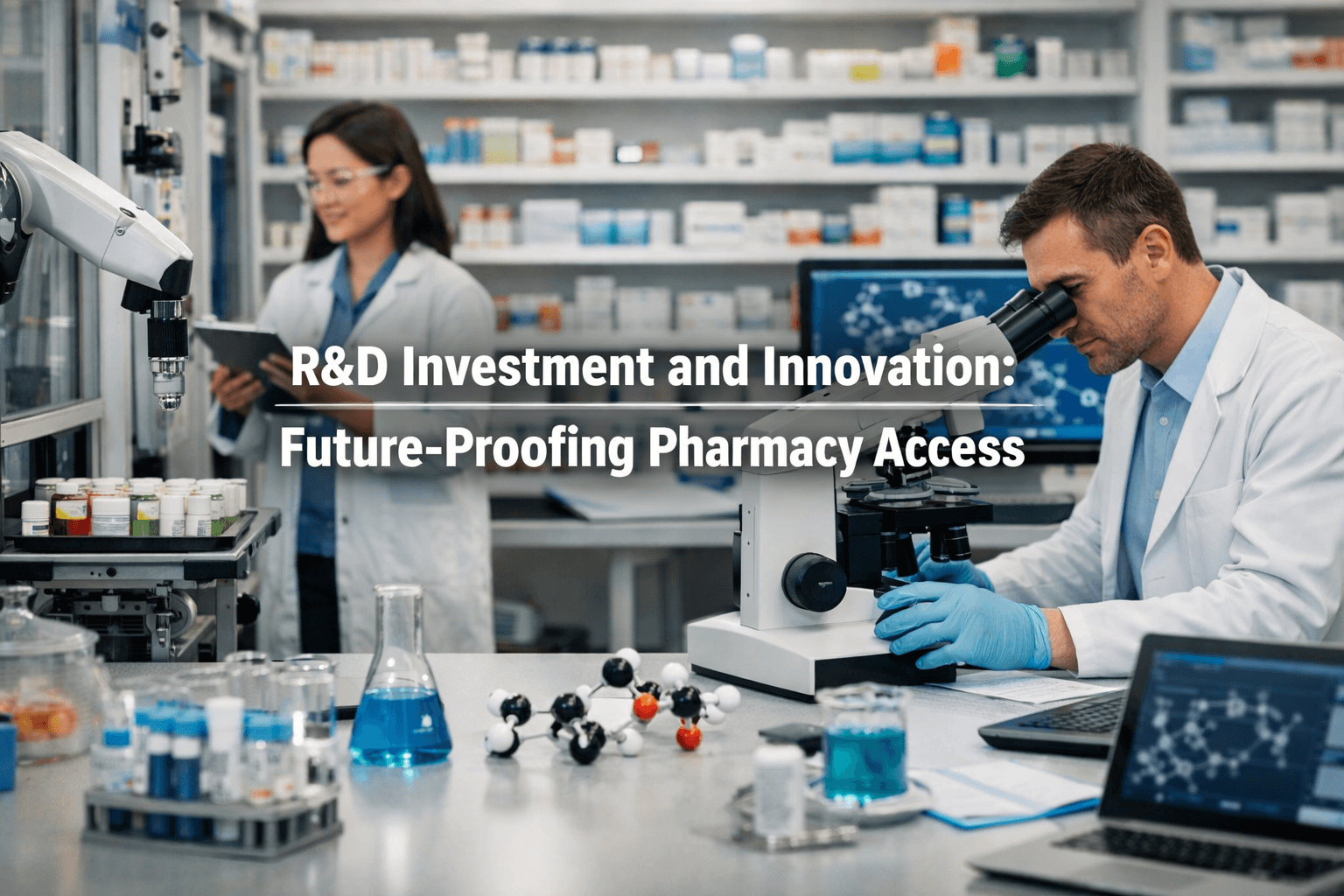
How do top pharmaceutical companies avoid obsolescence? By committing capital to Research and Development (R&D) before their patent cliffs hit. In Malaysia, R&D investment is the engine behind affordable generics, biosimilars, and dosage form innovations. It ensures companies can introduce innovative products while improving existing formulations to reduce side effects or enhance stability.
Pharmaniaga’s recent investment in a Biosimilar Development Facility exemplifies this trajectory. By focusing on cost-effective biologics, they are democratizing access to treatments previously reserved for the wealthy. This commitment to innovation strengthens their positioning as a leading drug manufacturer while enhancing their pharmacy distribution capabilities. Specialized products, such as oral oncologic agents, require specialized handling and pharmacist education. R&D departments often create the scientific literature and dossier that the sales team uses to convince hospital boards.
However, innovation is not monolithic. It also appears in packaging—such as blister packs with braille for the visually impaired or sachet technology for liquid suspensions. This patient-centric R&D drives brand loyalty. A brand manager will note that while a generic drug is chemically identical, doctors often prescribe the version from the company known for superior excipient technology (better absorption).
A Malaysia-specific example involves Crystal Pharma. Their R&D focus on hepatitis C treatments has allowed them to produce generic versions of Sovaldi at a fraction of the originator’s cost. This effective strategy not only generates revenue but also solves a public health crisis. The practical implication is undeniable: Companies that starve their R&D departments eventually become contract manufacturers for those who innovate. Conversely, those who invest in R&D control their own product pipeline and, by extension, their distribution destiny.
The Symbiosis of Manufacturing and Distribution
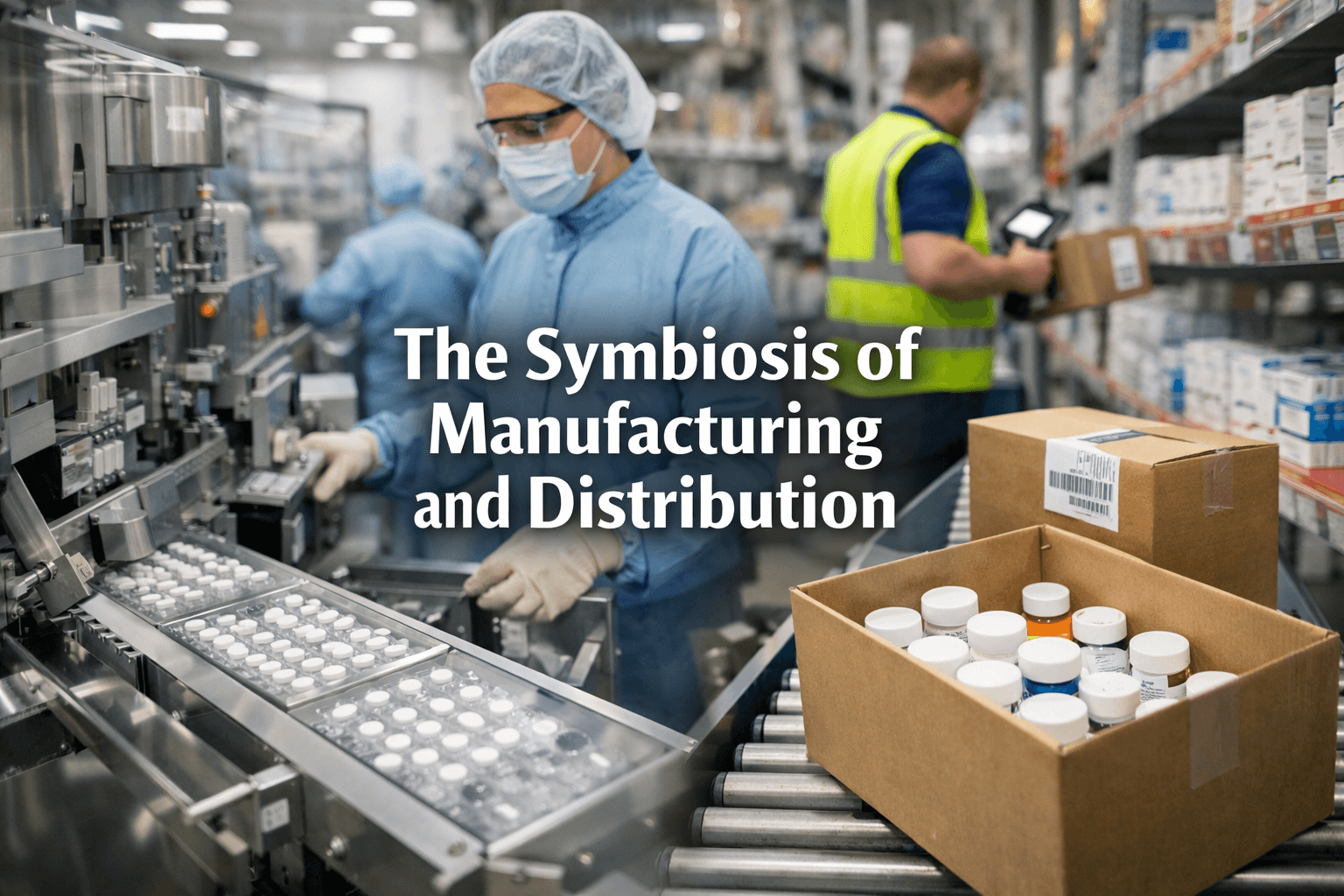
It is impossible to discuss pharmaceutical leadership without dissecting the relationship between the factory floor and the pharmacy counter. The leading drug manufacturers do not simply produce and forget. They actively shape the pharmacy distribution service in Malaysia through vendor-managed inventory (VMI) systems and direct-to-pharmacy (DTP) models. This bypasses traditional wholesale distributors, increasing margins and allowing for real-time demand sensing.
For instance, a multinational innovator launching a new cardiovascular drug cannot afford a six-month lag in pharmacy shelves. They deploy medical reps to detail the product to doctors, creating pull-demand. Simultaneously, their distribution partner ensures push-supply. This orchestration requires inventory buffer at strategic nodes—often in the Central Luzon or Selangor logistics hubs.
From the distributor’s perspective, handling a top 20 company’s portfolio is a double-edged sword. It offers high-volume, predictable revenue. However, it also demands strict compliance with the manufacturer’s storage protocols. Failure to maintain temperature logs can result in chargebacks. This is why reliable distributors invest heavily in warehouse management systems (WMS) that integrate with the manufacturer’s ERP.
The ecosystem is interdependent. A manufacturer’s market share is capped by the reach of its distributors. Conversely, a distributor’s reputation is tied to the quality of the manufacturers they represent. This symbiosis is the bedrock of Malaysia’s healthcare supply chain, ensuring that whether a product is made in Shah Alam or shipped from Switzerland, it arrives effective, sterile, and on time.
The Role of Independent Pharmacy Distributors in Shaping Market Dynamics
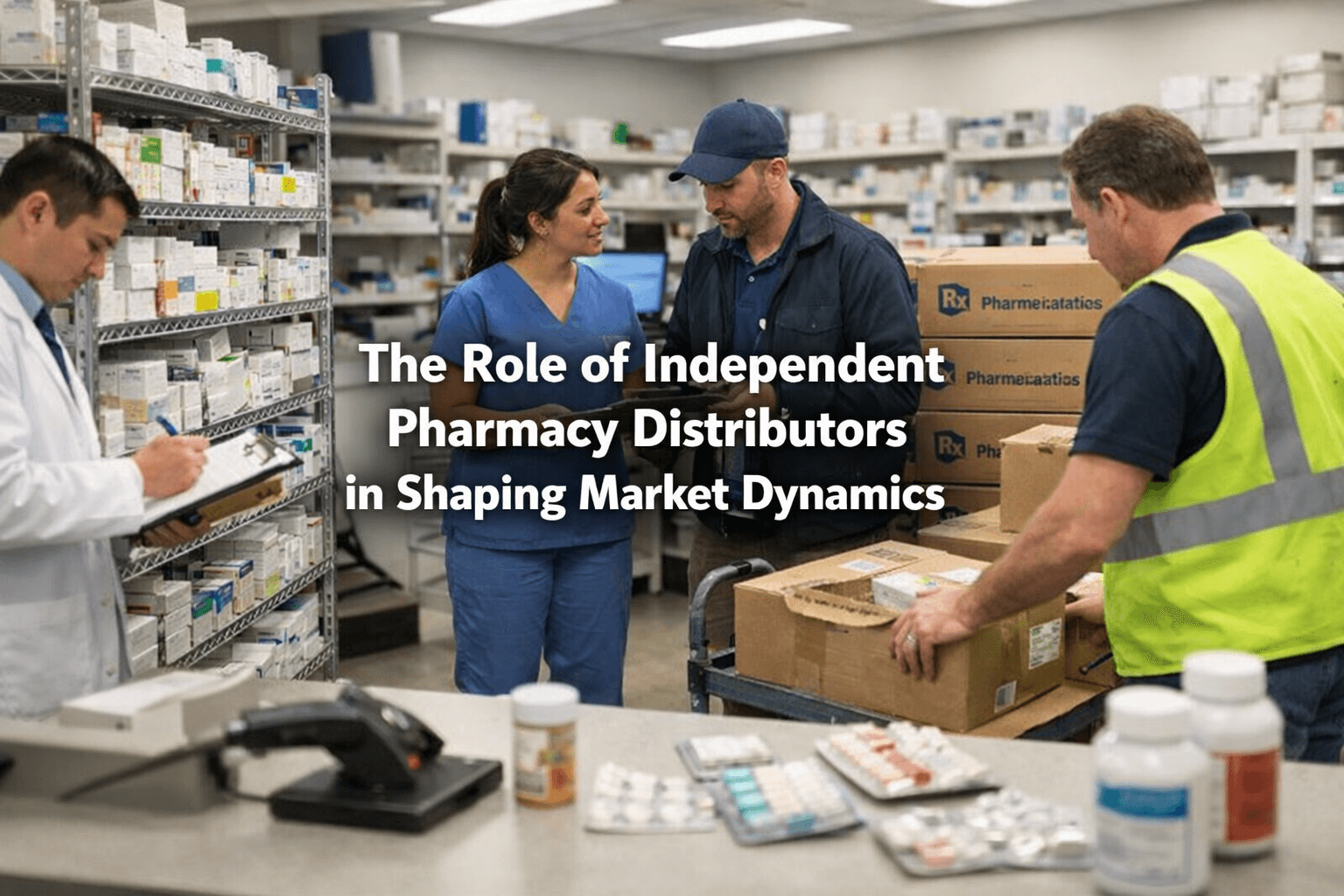
What truly defines the competitive edge of a pharmaceutical supply chain? It is often the independent pharmacy distributor who quietly yet decisively shapes the availability, affordability, and trustworthiness of medicines at the grassroots level. In Malaysia, these distributors do more than just move products from point A to point B. They function as strategic intermediaries who interpret market signals, absorb logistical pressure, and translate manufacturer ambitions into shelf-level reality. Without them, the journey from a GMP-certified production facility to a rural community pharmacy in Kelantan or Sabah would be fragmented, slow, and costly.
Independent distributors operate with a level of agility that larger wholesalers sometimes cannot match. They are hyper-local, often embedded within the communities they serve. This proximity allows them to understand prescribing habits, seasonal demand shifts, and even the preferred brands of specific clinic chains. For pharmaceutical brand managers, this intelligence is invaluable. It transforms distribution from a back-end function into a front-line growth lever. When an independent distributor reports that a particular generic antihypertensive is losing traction due to packaging confusion, the manufacturer can act swiftly—adjusting labels or launching educational interventions—before the issue escalates into a brand compliance crisis.
Take, for example, the operational reality in Sarawak. A prominent independent pharmacy distributor servicing the Sibu and Miri corridors recently collaborated with a multinational pharmaceutical company to improve access to insulin analogues in remote clinics. The terrain was challenging, and traditional cold-chain logistics providers were hesitant due to low volume predictability. Yet, the distributor, leveraging trusted local networks and modified delivery schedules, ensured that temperature-sensitive biologics reached end-users without a single cold-chain breach over twelve consecutive months. This is not merely logistics; this is public health enablement. Such scenarios underscore why independent distributors are not just participants in the pharmaceutical ecosystem—they are essential architects of healthcare access in Malaysia.
| Capability Area | Independent Pharmacy Distributor | Pharmacy Wholesale Distributor |
|---|---|---|
| Geographic Focus | Targeted, often state- or region-specific | National or multi-state coverage |
| Client Relationship | High-touch, personalized engagement | Volume-based, transactional |
| Product Mix | Specialized, niche, or exclusive brands | Broad portfolio, high-volume generics |
| Compliance Responsiveness | Rapid adaptation to local NPRA audits | Centralized, slower policy cascading |
| Role in Brand Compliance | On-ground merchandising and feedback | Bulk storage and channel filling |
From the perspective of a retail pharmacist, the independent distributor is often the difference between a well-stocked dispensary and frustrated patients. Pharmacists in Penang and Johor Bahru report that independent distributors frequently provide short-notice replenishment for fast-moving chronic disease medications—something centralised wholesalers may decline due to minimum order quantities. This reliable flexibility builds pharmacy loyalty, which in turn drives brand preference. A brand that is consistently available, even in small quantities, earns shelf-space commitment and, more importantly, prescriber confidence.
From the brand manager’s viewpoint, however, working with independent distributors requires a tailored approach. Unlike large wholesalers who operate on system-to-system integration, independent distributors may rely on semi-automated or even manual inventory tracking. This creates data latency—a lag between product movement and sales reporting. Yet, what they lack in digital sophistication, they compensate for in on-ground execution. Many brand managers now deploy hybrid models: using wholesalers for baseline stocking and independent distributors for high-touch outlets, new product introductions, and compliance-heavy launches. This segmented strategy is not just efficient; it is proven to accelerate time-to-shelf in Malaysia’s competitive pharmacy retail scene.
Learn more: Three Prescriptions for the Future of Biopharma Productivity
Market Trends and Regulatory Landscape: Compliance Challenges for Pharma Companies in Malaysia
Malaysia’s pharmaceutical regulatory environment is among the most structured in Southeast Asia—but it is also one of the most dynamic. The National Pharmaceutical Regulatory Agency (NPRA) and the Ministry of Health (KKM) continue to tighten standards around product registration, post-marketing surveillance, and advertising compliance. For companies operating through pharmacy distribution services, this means that compliance cannot be an afterthought. It must be embedded into the distribution workflow itself.
One of the most pressing challenges in 2024 is the regulation of online pharmacies. As e-commerce penetrates the healthcare sector, more Malaysian consumers are purchasing over-the-counter (OTC) products, health supplements, and even prescription medicines through digital platforms. While this expands access, it also introduces brand integrity risks. Unauthorised sellers, expired stock, and improper storage conditions threaten both patient safety and manufacturer reputation. Here, the pharmacy distributor Malaysia ecosystem plays a protective role. Ethical distributors now include digital channel audits in their service scope—flagging listings that violate NPRA advertising guidelines or pricing agreements.
Take the case of a European dermatology brand that entered the Malaysian market through a specialty pharmacy distributor. Within three months of launch, the distributor identified seven unauthorised online sellers offering the brand’s flagship moisturiser at discounted prices—without NPRA notification numbers clearly displayed. The distributor immediately activated a takedown protocol, coordinating with the brand’s legal team and e-commerce platforms. Within two weeks, brand compliance was restored. This is not an isolated incident; it is now a core expectation of pharmaceutical supply chain partner in Malaysia.
Regulatory compliance also extends to cold-chain management, track-and-trace systems, and product recall readiness. The NPRA Good Distribution Practice (GDP) guidelines require distributors to demonstrate end-to-end temperature control and documented deviation management. For independent pharmacy distributors, achieving and maintaining GDP certification is a significant investment—but it is also a competitive differentiator. Those who invest in GDP-compliant warehousing and validated transport solutions are increasingly preferred by multinational principals seeking reliable, audit-ready partners.
Yet, compliance is not solely about avoiding penalties. It is about building a sustainable business model in a market where healthcare transparency is becoming a consumer expectation. Patients today ask questions. They check expiry dates. They notice when packaging appears tampered or when leaflets are missing. A compliant distribution chain is, therefore, not just a regulatory requirement—it is a brand asset. Companies that treat compliance as a strategic function rather than a cost centre are better positioned to weather regulatory shifts and emerge as trusted market leaders.
Learn more: Challenges and Opportunities in Malaysia’s Pharmaceutical Supply Chain
The Future of Pharmaceutical Distribution in Malaysia: Strategic Agility as the New Benchmark
What will distinguish the next generation of pharmaceutical distributors in Malaysia? Not merely scale. Not legacy. The defining attribute will be strategic agility—the ability to pivot between wholesale volume and specialty care, between physical retail and digital pharmacy, between cost efficiency and compliance depth. The market is no longer linear. It is a network of interconnected demands, each requiring a tailored distribution response.
The rise of specialty pharmaceuticals, including biologics, oncology supportive care, and rare disease therapies, is reshaping logistics requirements. These products often require patient-level support, cold-chain precision, and reimbursement navigation—capabilities far beyond traditional stock-and-deliver models. Distributors who invest in specialty pharmacy capabilities, nurse counselling support, and patient assistance programmes will capture high-margin, high-impact partnerships. This shift also opens opportunities for collaborative distribution models, where pharmacy wholesale distributors and independent players form strategic alliances to serve complex therapy areas without duplicating infrastructure.
Simultaneously, the generic drug segment in Malaysia continues to expand, driven by public hospital tenders and private clinic demand. Here, the competitive advantage lies in supply continuity and price stability. Distributors who maintain buffer stocks and diversified sourcing—including local GMP-certified manufacturers and ASEAN-based suppliers—will buffer themselves against global supply disruptions. The lesson from recent API shortages and freight volatility is clear: efficient is no longer enough; resilient is essential.
Technology adoption, while uneven across the distribution tier, is accelerating. Early adopters among pharmacy distributor Malaysia players are deploying cloud-based inventory systems, real-time sales dashboards, and digital proof-of-delivery platforms. These tools do not merely reduce paperwork; they generate decision-grade data that brand managers can use to adjust trade promotions, forecast demand, and identify compliance gaps. For smaller distributors, even simple automation—such as barcode scanning at dispatch—can dramatically reduce dispensing errors and enhance pharmacy confidence.
Perhaps most importantly, the future will be defined by purpose. Distributors who view themselves purely as logistics operators will face margin compression and irrelevance. Those who embrace their role as healthcare partners—ensuring that essential medicines reach elderly patients in kampung pharmacies, supporting public health campaigns against non-communicable diseases, and maintaining product integrity from factory floor to patient hand—will earn not just contracts, but lasting trust. In a sector where reputation is currency, that trust is the ultimate competitive moat.
Frequently Asked Questions (FAQ)
Q1: What are the top 5 pharmacy in Malaysia?
Answer: The top 5 pharmacies in Malaysia are Watsons Malaysia, Guardian Malaysia, Caring Pharmacy, Health Lane Family Pharmacy, and BIG Pharmacy.
Q2: What are the top 10 largest pharma companies?
Answer: The top 10 largest pharmaceutical companies globally include Pfizer, Roche, Novartis, Merck & Co., Johnson & Johnson, GlaxoSmithKline, AstraZeneca, Eli Lilly, Sanofi, and Bayer.
Q3: What is the largest healthcare company in Malaysia?
Answer: The largest healthcare company in Malaysia is IHH Healthcare, known for its vast network of hospitals across Asia and Europe.
Q4: What are the big 5 pharma companies?
Answer: The big 5 pharma companies are Pfizer, Roche, Novartis, Johnson & Johnson, and Merck & Co.
Q5: Who are the big 3 in pharma?
Answer: The big 3 in pharma refer to Pfizer, Roche, and Novartis.
Q6: Which is the biggest company in Malaysia?
Answer: The biggest company in Malaysia by market capitalization is Maybank, the country’s largest financial services group.
Q7: What are the 7 stars of pharmacy?
Answer: The 7 stars of pharmacy are key qualities for a successful pharmacist: knowledge, professionalism, communication, empathy, responsibility, leadership, and continuous learning.
Q8: What is the big 4 in pharma?
Answer: The Big 4 in pharma refers to the top four largest pharmaceutical companies: Pfizer, Roche, Novartis, and GlaxoSmithKline.
Q9: Who is a 10 star pharmacist?
Answer: A 10-star pharmacist is a highly respected professional known for excellence in both technical skills and customer care.
Q10: Who owns BIG Pharmacy Malaysia?
Answer: BIG Pharmacy is owned by the Health Management International (HMI) Group.
PriooCare Malaysia
👋 Welcome to PriooCare Malaysia!
How can we assist you today? 😊
Just let us know—we’re here to help!
How can we assist you today? 😊
Just let us know—we’re here to help!
Open chat