

The pharmaceutical distribution network in Malaysia is far more than a logistical afterthought; it is the central nervous system of the entire healthcare ecosystem. While much of the public discourse focuses on manufacturers and their blockbuster drugs, it is the pharmacy distributor Malaysia relies on that determines whether a life-saving medication actually reaches a patient in rural Sabah or a specialty clinic in Johor Bahru. These distributors operate as essential intermediaries, bridging the gap between high-volume production and fragmented, last-mile delivery.
Consider the operational reality faced by a multinational pharmaceutical brand launching a new cardiovascular drug in Malaysia. Without an established distributor pharmacy network, the product remains trapped in a warehouse. The distributor executes the strategic deployment of inventory, ensuring that private chain pharmacies, government hospitals, and small, independent clinics all receive stock simultaneously. This is not merely transportation; it is territory management. A proven distributor understands that the Klang Valley requires a different inventory turnover strategy than the East Coast. They adapt. They segment. And in doing so, they ensure market penetration that the manufacturer alone could never achieve.
From the perspective of a community pharmacist, the distributor is often viewed as an extension of their own procurement team. A delayed shipment does not just represent a paperwork error; it translates directly into a missed therapeutic window for a hypertensive patient or a diabetic walking out without their medication. Therefore, the selection of a pharmacy wholesale distributor is frequently based on reliability metrics—order accuracy, cold-chain integrity, and emergency fill rates. It is a trusted partnership where consistency outweighs marginal cost savings. In this environment, the distributor pharmacy sector has evolved from a passive storage facility into an active compliance partner, ensuring that products arriving at the counter have maintained their efficacy throughout the supply chain journey.
Comparing Distribution Models: In-House vs. Third-Party Logistics
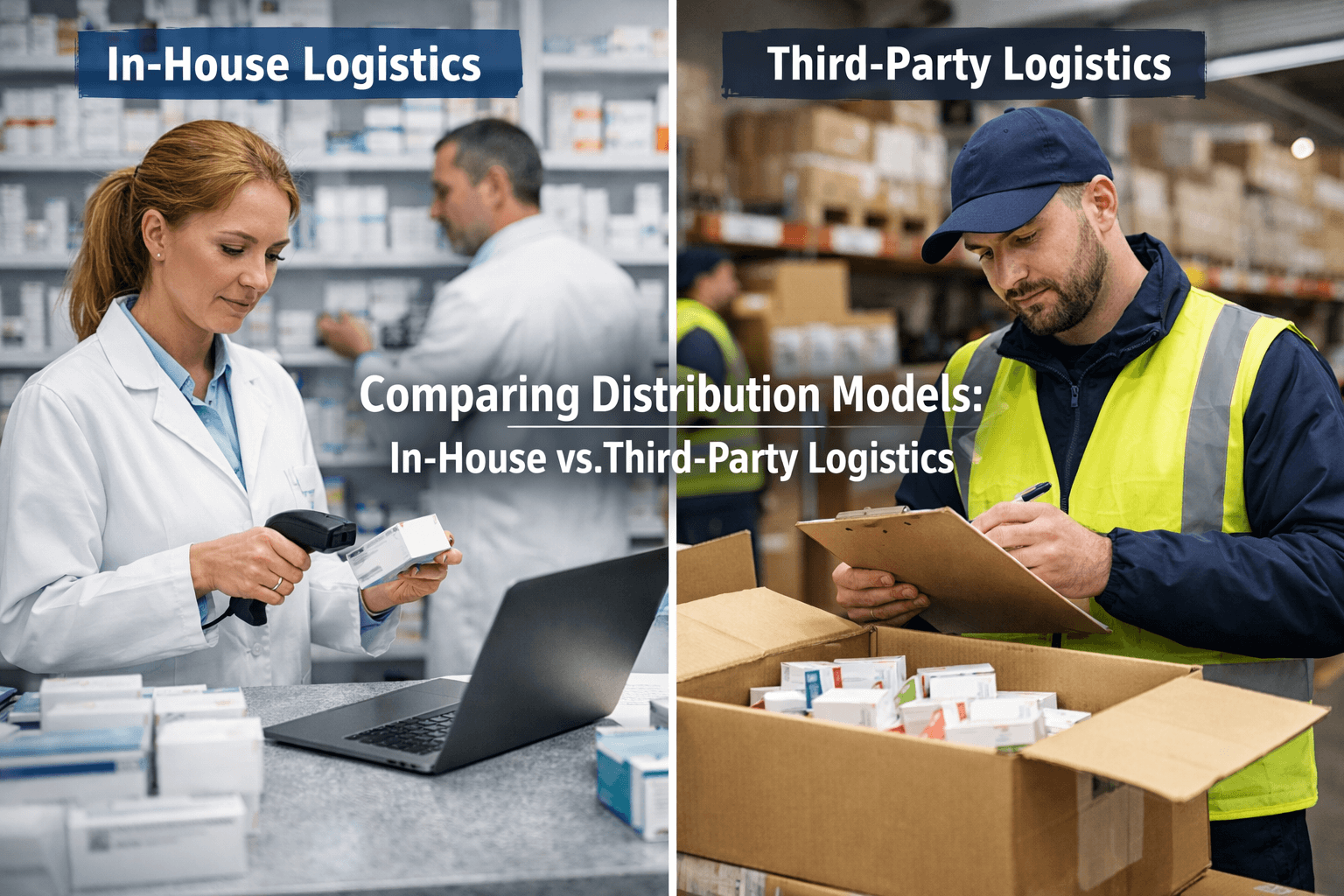
To truly understand the value proposition of the top pharmaceutical firms in Malaysia, one must dissect how they physically move goods. The debate between maintaining an in-house logistics fleet and outsourcing to specialized pharmaceutical distributors is a defining strategic choice for industry leaders. This decision directly impacts cash flow, regulatory liability, and scalability.
Below is a comparative framework illustrating the typical operational dynamics observed among the largest pharmaceutical companies in Malaysia:
| Operational Criteria | In-House Logistics Team | Specialized Third-Party Distributor |
|---|---|---|
| Cold-Chain Compliance | High control, but high capital expenditure for vehicle fleets and temperature monitoring systems. | Proven expertise in GDP (Good Distribution Practice); pre-certified equipment reduces regulatory risk. |
| Geographic Reach | Often concentrated in Peninsular Malaysia West Coast; limited penetration into Sabah/Sarawak interior. | Extensive reliable network reaching government health clinics (Klinik Kesihatan) in remote areas. |
| Cost Structure | Fixed overhead costs regardless of volume; less efficient during low-demand cycles. | Variable costing model; scales with demand volume, improving cash flow for brand owners. |
| Regulatory Burden | Principal License Holder assumes full liability for storage deviations. | Shared liability; distributor holds their own Distributor License, acting as a buffer during audits. |
| Inventory Financing | Rare; company capital is tied up in goods until sold to pharmacies. | Often offered; distributors purchase stock outright, converting manufacturer receivables into immediate cash. |
This comparison reveals a critical insight: pharmaceutical distributors in Malaysia are increasingly functioning as financial intermediaries. A brand manager at a mid-sized local manufacturer may view outsourcing as a loss of control, yet the strategic advantage of converting a 90-day receivable into a 7-day cash sale cannot be overstated. Conversely, a multinational corporation operating in Malaysia often deploys a hybrid model—retaining high-value oncology or biologics in-house due to extreme sensitivity, while channeling fast-moving consumer health goods through third-party distributor pharmacy networks to capture mass-market shelf space at Watsons and Guardian.
This dual approach is particularly effective in Malaysia’s dual-tier healthcare system. Government hospitals require rigorous tender compliance and fixed pricing, whereas private healthcare groups demand rapid replenishment and credit terms. Only expert distributors with dedicated government and private sector divisions can navigate this bifurcated landscape without friction.
The GMP Certification Imperative and Regulatory Navigation
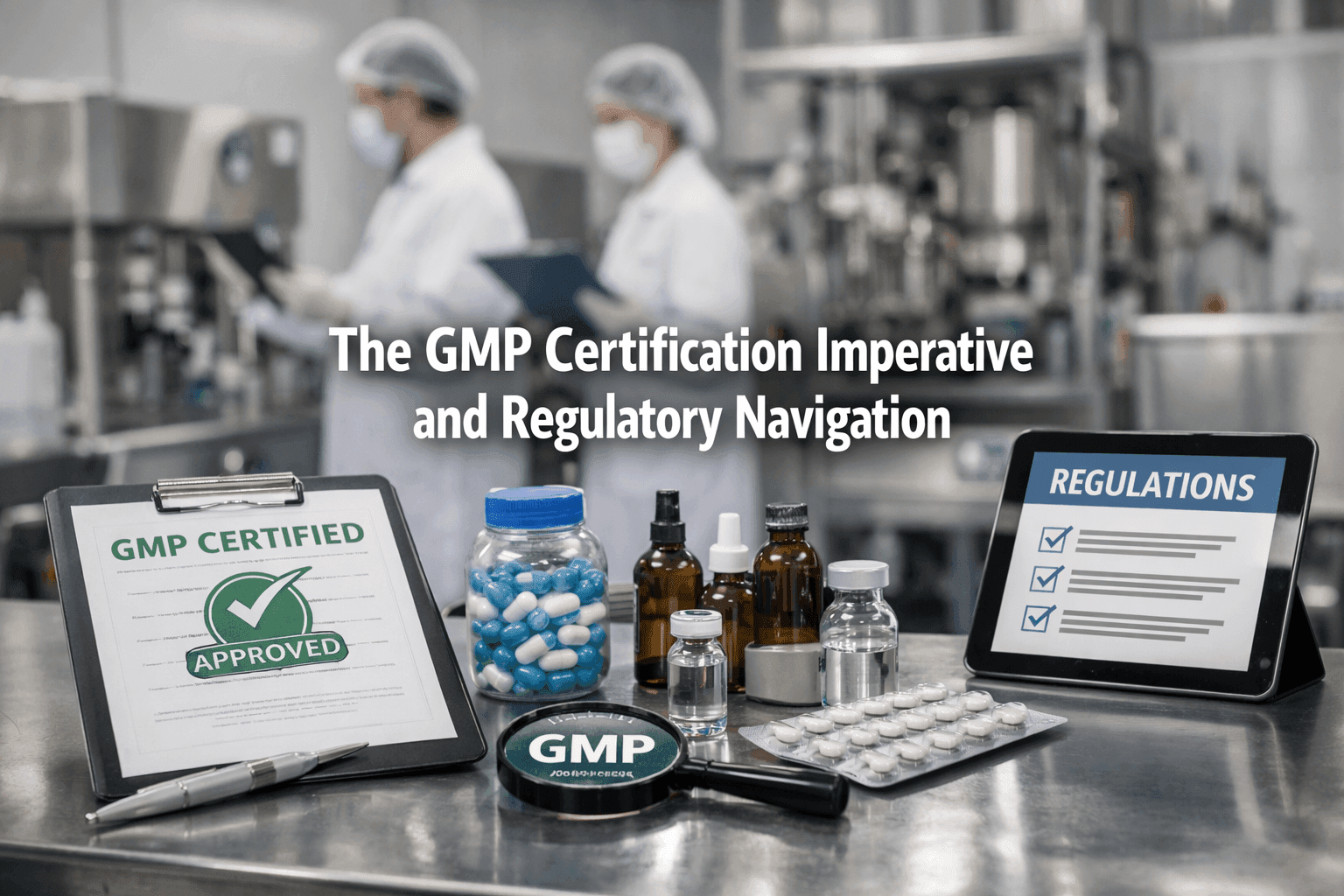
Within the hierarchy of pharmaceutical operations, GMP certification serves as the non-negotiable gateway to market participation. However, its role extends far beyond a certificate mounted on a wall. For the top pharmaceutical companies in Malaysia, Good Manufacturing Practice compliance is the baseline language spoken between regulators, buyers, and suppliers. The National Pharmaceutical Regulatory Agency (NPRA) , operating under the purview of the Ministry of Health (KKM), enforces these standards with increasing rigor. Consequently, a pharmacy distributor that handles GMP-certified products must itself adhere to GDP (Good Distribution Practice) , ensuring that the integrity established during manufacturing is not degraded during transit.
A relevant, Malaysia-specific scenario involves the storage of insulin and vaccines. These biological products are unforgiving; exposure to ambient temperatures for even thirty minutes can render an entire batch ineffective. A distributor pharmacy servicing the Kuching region must demonstrate proven cold-chain protocols—from the moment a truck leaves the warehouse to the minute a vaccine is received by a community nurse. Failure here is not a commercial loss alone; it is a public health incident. Therefore, when evaluating the 30 biggest pharmaceutical companies, their strategic investment in cold-chain infrastructure and GMP-certified warehousing is a direct reflection of their long-term viability.
From the regulator’s point of view, compliance is a spectrum. Companies that merely “check boxes” are often flagged during surprise audits for minor deviations—improper gowning procedures or incomplete documentation logs. In contrast, industry leaders embed a culture of quality where deviation reporting is encouraged rather than punished. Pharmacists working within these top firms often report that rigorous GMP adherence actually accelerates their time-to-market. How? Because a clean audit history with the NPRA facilitates faster product registration approvals for new molecules. The regulator’s trust, earned through years of reliable compliance, translates into shorter review queues.
Learn more: The Legal Framework of Pharmaceutical Companies in Malaysia | FDA Food Processing Regulations
R&D Investment and Innovation Pipelines
While Malaysia is not traditionally viewed as a global powerhouse for pharmaceutical R&D, the landscape is shifting. R&D investment among the top 10 pharmaceutical companies in Malaysia has seen a marked increase, particularly in the areas of biosimilars and generic complex formulations. This pivot is both defensive and offensive. On the defensive side, patent cliffs on blockbuster drugs force manufacturers to develop alternatives before revenue erosion begins. Offensively, Malaysian manufacturers are eyeing the export market within ASEAN, where cost-competitive, high-quality generics are in sustained demand.
Consider the case of a local pharmaceutical manufacturer investing in a specialized R&D center in Selangor. Their focus is on modified-release oral solids. Developing a once-daily formulation of a cardiovascular drug that previously required twice-daily dosing is not trivial. It requires expert biopharmaceutical modeling and precision manufacturing. However, the strategic payoff is substantial. Clinics prefer once-daily dosing due to higher patient compliance rates. Hospitals prefer it for formulary efficiency. The distributor then benefits from a product with a clear clinical advantage, making sales conversations with pharmacy buyers significantly easier.
It is important to note, however, that R&D investment in Malaysia often follows a tailored approach. Rather than competing with multinational giants on novel chemical entity discovery (which requires billions of ringgit and decade-long timelines), leading Malaysian pharmaceutical companies focus on process innovation and delivery mechanism enhancement. They ask: How can we make this existing drug more affordable? How can we reduce its side effect profile? This pragmatic innovation strategy is proven to yield high market share within the government hospital sector, where cost-effectiveness is a primary purchasing driver.
Learn more: 2026 Life Sciences Executive Outlook
Multiple Perspectives on Market Dynamics
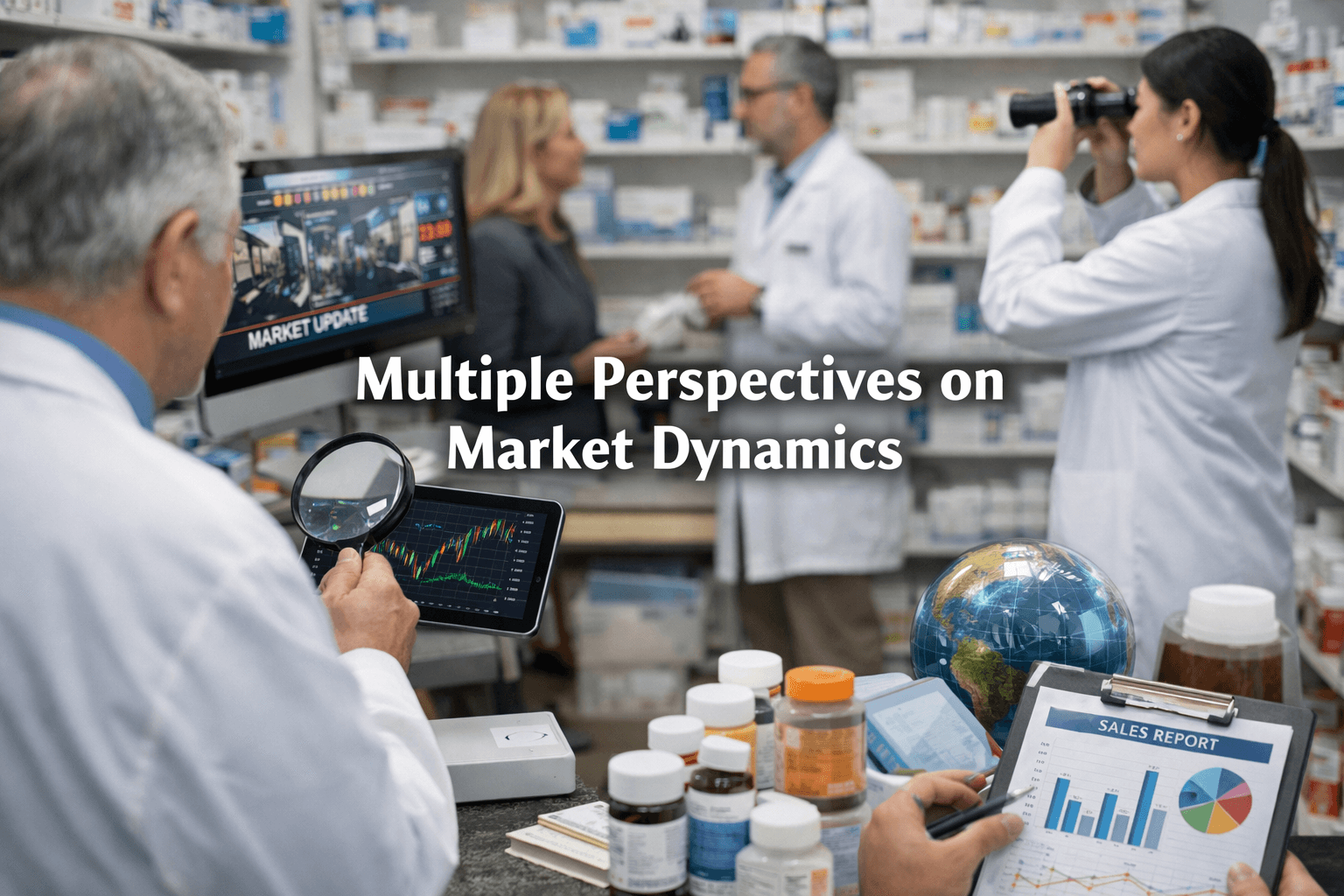
The pharmaceutical supply chain in Malaysia is not monolithic; it is experienced differently depending on one’s position within the ecosystem.
From the pharmacist’s viewpoint, the distributor is evaluated on stock-out recovery time. A pharmacist managing a busy retail outlet in Penang does not care about a manufacturer’s global revenue figures. They care that the hypertension medication their patient has taken for ten years is suddenly on backorder. The effective distributor communicates this shortage proactively, suggests therapeutically equivalent alternatives approved by the NPRA, and processes the alternative order instantly. This reliable responsiveness builds brand equity for the distributor, often leading to preferred vendor status.
From the brand manager’s perspective, the pharmacy distributor Malaysia engages is a reflection of their own brand. If a distributor frequently has expired stock, poor shelving, or untrained sales representatives, the manufacturer’s reputation suffers by association. Consequently, brand managers are increasingly conducting distributor audits that go beyond financial health. They assess training modules for merchandisers, CRM software capabilities, and data reporting accuracy. They demand insights: Which SKUs are gathering dust? Which clinic is rapidly increasing its diabetic patient load? The distributor that provides these actionable analytics transitions from being a logistics vendor to a strategic marketing partner.
From the distributor’s internal operations manager, the daily challenge is balancing efficiency with compliance. The pressure to dispatch orders quickly must be weighed against the requirement for secondary packaging integrity—ensuring that leaflets are correct, batch numbers are scanned, and tamper-evident seals are intact. A single mislabeled product reaching a pharmacy chain can trigger a batch recall, a costly and reputation-damaging event. Therefore, top-tier distributors invest heavily in warehouse automation and barcode scanning systems that reduce human error while increasing throughput speed.
The Essential Role of Merchandisers at Store Level
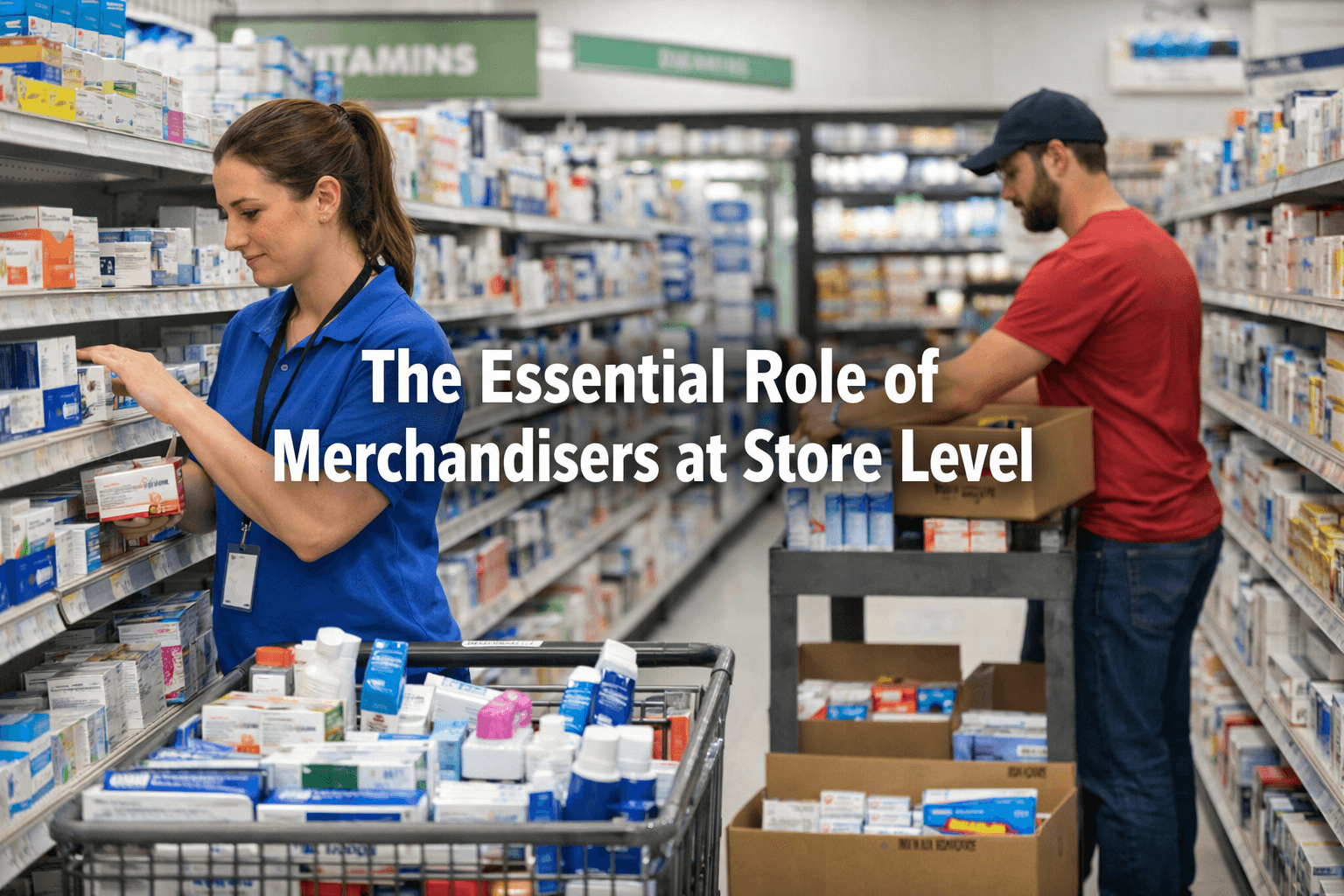
Often overlooked in discussions of big pharma is the merchandising team—the frontline soldiers of the pharmaceutical distribution network. While executives discuss revenue targets in boardrooms, the merchandiser is physically arranging over-the-counter (OTC) products on shelves, negotiating for eye-level positioning, and removing expired goods. Their relationship with the retail pharmacy manager is one of daily, low-stakes interactions that accumulate into high-stakes loyalty.
A pharmacy distributor that provides well-trained merchandisers offers immense value to brand owners. These merchandisers are not merely order-takers; they are micro-level market analysts. They observe which generic paracetamol brand is moving faster than the others. They notice when a competitor has launched a new variant with attractive packaging. This ground-level intelligence, when fed back to the manufacturer, informs packaging redesigns and promotional mechanics. It is a feedback loop that would be impossible to replicate through digital data alone.
In the context of Malaysia’s growing self-care trend, the role of the merchandiser is becoming even more critical. Consumers increasingly walk into pharmacies seeking advice on supplements, vitamins, and cough preparations. The merchandiser who positions these products logically—grouping immunity support items together, for instance—directly influences basket size. Consequently, leading pharmacy wholesale distributors are now conducting formal merchandising certification programs, ensuring their field teams understand not just product placement, but also basic pharmacology and regulatory restrictions on claims.
Ultimately, the pharmaceutical logistics landscape in Malaysia is defined by a complex interplay of regulatory rigor, commercial pressure, and public health responsibility. The top 30 pharmaceutical companies did not achieve their status through manufacturing excellence alone. They cultivated distribution ecosystems capable of weathering supply disruptions, adapting to evolving NPRA guidelines, and delivering measurable value to healthcare providers. It is this integrated capability—merging GMP-certified production with GDP-compliant logistics and retail-level execution—that separates market leaders from also-rans. The distributor is no longer a passive conduit; it is a strategic asset.
Export Footprint: Expanding Beyond Malaysia’s Borders
For many of Malaysia’s largest pharmaceutical companies, domestic success is merely the foundation. The real growth—the strategic leap—happens when these organisations extend their export footprint across continents. By aligning with international regulatory standards and securing globally recognised certifications, Malaysian pharmaceutical firms have successfully entered Southeast Asian markets, penetrated the Middle East, and established footholds in Africa. What makes this expansion possible is not just product quality, but Malaysia’s geographic advantage and its mature regulatory ecosystem.
Consider the trajectory of Pharmaniaga Berhad. Through consistent adherence to WHO Good Manufacturing Practices and ISO 9001:2015 certifications, the company has exported its products to Indonesia, Vietnam, and Turkey. They didn’t simply ship goods; they exported trust. This trust was built through years of compliance with NPRA standards and the ability to meet Maldives FDA and Yemeni regulatory requirements. In 2023, Malaysia’s pharmaceutical exports reached approximately RM 2.3 billion, reflecting a 12% year-on-year increase—a clear indicator that international buyers view Malaysian manufacturers as reliable, cost-effective partners.
For a mid-sized pharmacy distributor Malaysia looking to go global, the practical implication is clear: export readiness isn’t a switch you flip overnight. It requires pre-audit alignment, regulatory harmonisation, and cold chain validation long before the first shipment leaves Port Klang. Distributors must invest in ASEAN Sectoral Mutual Recognition Arrangements and halal pharmaceutical certification for Middle Eastern markets. These are not checkboxes; they are passports to credibility.
Local Giants vs Multinational Corporations: Comparing Market Strategies
When multinational corporations enter Malaysia, they arrive with global branding, substantial R&D war chests, and decades of institutional knowledge. But local giants—Duopharma, Hovid, CCM Pharmaceuticals—counter with something equally powerful: market intimacy. They understand how Malaysian physicians prescribe, what local pharmacists prioritise, and how patient behaviour shifts during monsoon season or festive holidays.
Take Duopharma Biotech Berhad. Their acquisition of Apex Pharmacy wasn’t just a financial move; it was a distribution consolidation strategy that gave them direct access to over 500 pharmacy touchpoints. Meanwhile, multinational entrants like Novartis or Sanofi often rely on third-party pharmacy wholesale distributors to bridge the local knowledge gap. This creates an interesting dichotomy: MNCs bring global protocols, local players bring hyperlocal execution.
From a brand manager’s lens, the difference often appears in shelf-space negotiations. Local companies can afford to be agile—adjusting credit terms, bundling fast-moving generics with slower specialty products, and deploying merchandisers weekly. Multinationals, constrained by global pricing architecture, move slower. Yet their clinical data and physician trust remain unmatched. The reliable strategy? Collaboration. An MNC may manufacture, but a pharmacy distributor Malaysia with local warehousing and DCA-licensed representatives can ensure the product actually reaches rural Terengganu before the expiry date.
Multiple Perspectives on Market Dynamics
Independent distributors are the unsung architects of Malaysia’s pharmaceutical accessibility. Without them, the supply chain between manufacturers and end-consumers would fracture, especially in Sabah, Sarawak, and the interior regions of Pahang. These agile intermediaries handle everything from cold chain integrity to regulatory submissions, often operating with margins that larger logistics providers would refuse.
A practical example: PriooCare Malaysia—a hypothetical but representative independent pharmacy distributor—manages last-mile delivery to community pharmacies in Kuching using GPS-enabled cold boxes and real-time temperature monitoring. They don’t just drop parcels; they conduct basic stock rotation, highlight expiry-prone batches, and relay pharmacist feedback to brand managers. This is distributor-led intelligence, and it’s invaluable.
For the pharmacist, this means fewer stockouts of insulin and vaccines. For the brand owner, it means field-level visibility without maintaining a costly in-house salesforce. Independent distributors are not merely logisticians; they are strategic multipliers. They extend the manufacturer’s reach without extending its payroll. In a country where geographical dispersion complicates healthcare delivery, their role is not just essential—it’s indispensable.
Key Challenges in the Malaysian Pharmaceutical Distribution Landscape
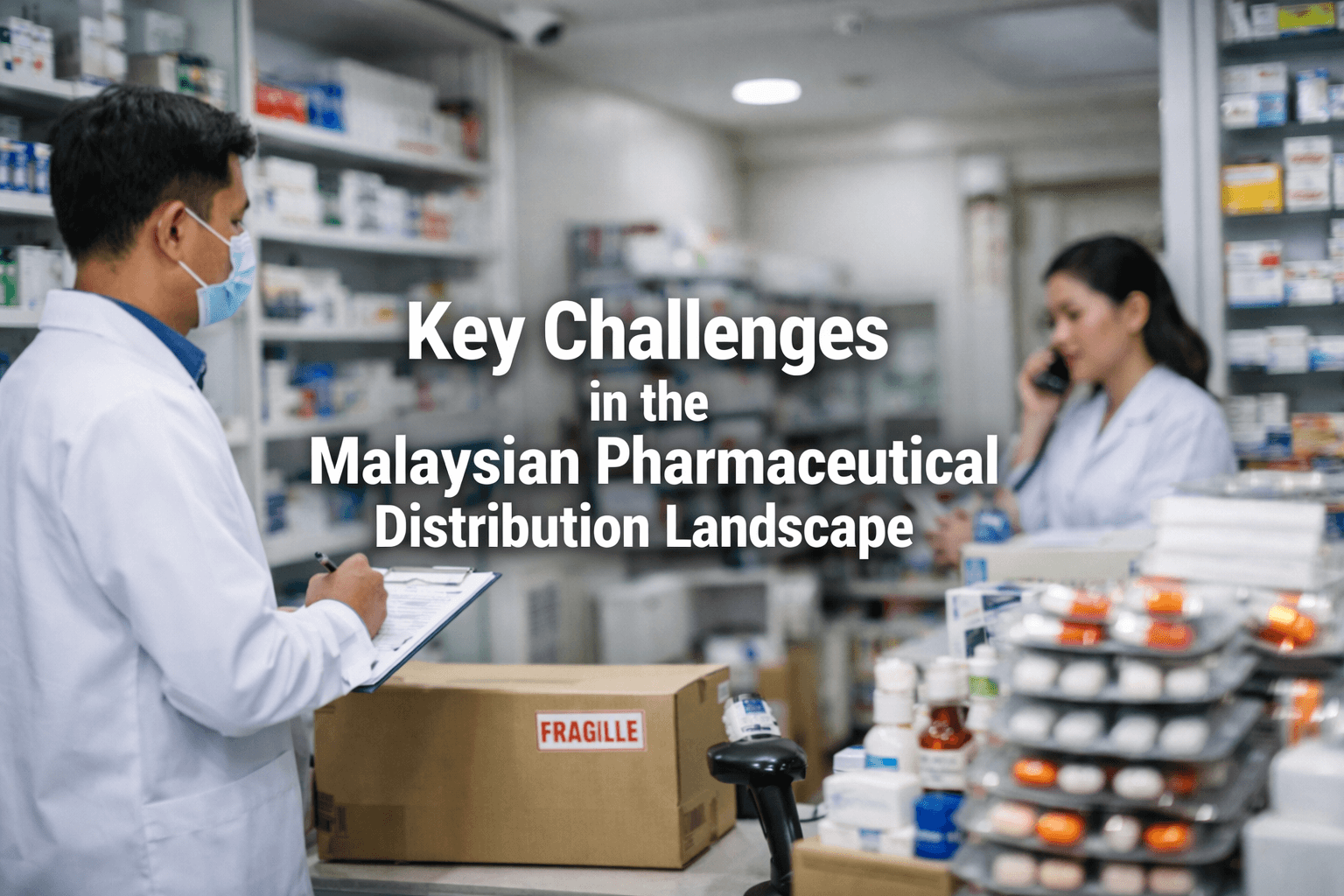
Despite its sophistication, Malaysia’s pharmaceutical distribution ecosystem is not immune to turbulence. Regulatory fragmentation remains a persistent headache. While NPRA oversees product registration, state health departments enforce their own interpretation of storage and transport rules. A distributor licensed in Selangor may face unexpected inspections when expanding to Johor. This patchwork of enforcement creates compliance fatigue, especially for smaller pharmacy wholesale distributors.
Then there is pricing compression. The Ministry of Health’s aggressive generics substitution policies and price capping mechanisms have squeezed margins across the board. A distributor carrying cardiovascular drugs may earn as little as 4% net margin on fast-moving items. Add to this the volatility of active pharmaceutical ingredient (API) sourcing—much of which still flows through China and India—and you have a recipe for supply discontinuity.
Yet adaptation is underway. Leading distributors now deploy AI-driven demand forecasting tools to preempt stockouts. Some have shifted to regional consolidation hubs in Penang and Johor Bahru to decongest the Klang Valley bottleneck. Others are adopting blockchain-enabled traceability to satisfy both regulators and brand owners demanding provenance data. The effective players don’t wait for policy perfection; they build resilience into their operating model.
| Compliance & Performance Indicator | In-House Distribution Team | Independent Pharmacy Distributor |
|---|---|---|
| Regulatory Liaison Efficiency | Moderate—requires dedicated legal staff | High—specialised in local NPRA/KKM protocols |
| Last-Mile Reach | Limited to urban centres | Extensive coverage, including rural clinics |
| Cold Chain Management | Often outsourced | In-house cold chain certified |
| Pharmacist Relationship | Transactional | Consultative and continuous |
| Cost per Drop | Higher due to fixed overhead | Lower—shared infrastructure model |
This comparison illustrates why many brand managers now prefer distributor-led models for expansion into East Malaysia. The tailored approach of independents often outperforms the rigid structures of internal teams.
Learn more: Challenges and Opportunities in Malaysia’s Pharmaceutical Supply Chain | Top 10 Pharmaceutical Companies in Malaysia 2026
The Future of Pharmaceutical Distribution in Malaysia
Looking forward, the sector is tilting toward phygital integration—the seamless blend of physical logistics and digital visibility. E-pharmacies like Alpro Pharmacy and Big Pharmacy are no longer just retailers; they are becoming distribution nodes themselves. This shift compels traditional pharmacy distributor Malaysia players to rethink their role. Are they merely transporters, or are they healthcare supply chain partners?
Sustainability is also moving from corporate social responsibility to operational necessity. Refrigerated trucks powered by diesel are being phased out in favour of electric cold chain vehicles. Packaging waste is under scrutiny. The forward-looking distributor is already piloting returnable insulated shippers and biodegradable gel packs. This is not greenwashing; it’s survival strategy in a procurement environment increasingly favouring ESG-compliant vendors.
Moreover, the rise of specialty therapeutics—from cell-based therapies to personalised oncology drugs—demands ultra-cold chain capabilities that did not exist in Malaysia a decade ago. Distributors investing in -70°C freezers and real-time location tracking are positioning themselves as premium, irreplaceable partners.
The pharmaceutical distribution landscape in Malaysia is no longer a back-office function. It is a competitive lever. Those who treat it as such will not only survive the next regulatory shift or supply shock—they will define the next decade of healthcare access in the region.
Frequently Asked Questions (FAQ)
Q1: What are the top 5 pharmacy in Malaysia?
Answer: The top 5 pharmacies in Malaysia are Watsons Malaysia, Guardian Malaysia, Caring Pharmacy, Health Lane Family Pharmacy, and BIG Pharmacy.
Q2: What are the top 10 largest pharma companies?
Answer: The top 10 largest pharmaceutical companies globally include Pfizer, Roche, Novartis, Merck & Co., Johnson & Johnson, GlaxoSmithKline, AstraZeneca, Eli Lilly, Sanofi, and Bayer.
Q3: What is the largest healthcare company in Malaysia?
Answer: The largest healthcare company in Malaysia is IHH Healthcare, known for its vast network of hospitals across Asia and Europe.
Q4: What are the big 5 pharma companies?
Answer: The big 5 pharma companies are Pfizer, Roche, Novartis, Johnson & Johnson, and Merck & Co.
Q5: Who are the big 3 in pharma?
Answer: The big 3 in pharma refer to Pfizer, Roche, and Novartis.
Q6: Which is the biggest company in Malaysia?
Answer: The biggest company in Malaysia by market capitalization is Maybank, the country’s largest financial services group.
Q7: What are the 7 stars of pharmacy?
Answer: The 7 stars of pharmacy are key qualities for a successful pharmacist: knowledge, professionalism, communication, empathy, responsibility, leadership, and continuous learning.
Q8: What is the big 4 in pharma?
Answer: The Big 4 in pharma refers to the top four largest pharmaceutical companies: Pfizer, Roche, Novartis, and GlaxoSmithKline.
Q9: Who is a 10 star pharmacist?
Answer: A 10-star pharmacist is a highly respected professional known for excellence in both technical skills and customer care.
Q10: Who owns BIG Pharmacy Malaysia?
Answer: BIG Pharmacy is owned by the Health Management International (HMI) Group.
How can we assist you today? 😊
Just let us know—we’re here to help!