

What is fundamentally changing in Malaysia’s healthcare distribution ecosystem? The answer, simply put, begins with structural transformation. It’s a shift that moves beyond mere logistics and into the realm of strategic partnerships. We are observing a recalibration of the entire pharmaceutical supply chain Malaysia, driven by a convergence of tighter regulations, evolving market pressures, and a new wave of technological adoption. This is not a distant future scenario; the foundations are being laid right now.
At the regulatory forefront, bodies such as the NPRA (National Pharmaceutical Regulatory Agency) are significantly tightening documentation expectations. Compliance with Good Distribution Practice (GDP Malaysia) guidelines is no longer a checkbox exercise; it’s an ongoing operational mandate. The requirements for cold chain management Malaysia are becoming more transparent and rigorously enforced. We are seeing that audit trails are increasingly digitised, leaving no room for manual errors or opaque processes. These sweeping changes are fundamentally pushing distributors, from large wholesalers to niche players, to completely rethink their operating models from the ground up. The era of simply moving boxes from point A to point B is ending.
Simultaneously, margin pressure within the pharmacy distribution service in Malaysia is intensifying at an unprecedented rate. Distributors are grappling with a perfect storm: rising logistics costs, unfavourable currency fluctuation impacting imported goods, and the ongoing consolidation of pharmacy retail groups. These factors have drastically altered the economics of traditional wholesaling. Distributors who once relied solely on volume-based spreads now face thinner buffers, making their old business models increasingly unsustainable. The trusted relationships of the past are no longer enough to guarantee profitability.
However, within this pressure cooker, opportunity is beginning to simmer. Many forward-thinking organisations are transitioning from being a pure distributor pharmacy—a simple conduit for products—toward becoming value-driven supply partners. This is a strategic pivot. Rather than focusing exclusively on product movement, these distributors are investing heavily in ancillary services. They are offering regulatory support to help brands navigate NPRA complexities, implementing sophisticated demand forecasting tools to optimise inventory, and deploying teams for retail execution monitoring to ensure products are visible and promoted effectively at the store level. These strategic shifts allow them to become essential intermediaries, bridging the gap between brand owners and the growing influence of retail pharmacy chains Malaysia.
In parallel, technology adoption is redefining stakeholder expectations across the board. Manufacturers increasingly demand more than just delivery confirmations; they want real-time data, compliance transparency, and granular sell-through reporting that reveals actual consumer demand. On the other end, pharmacies are no longer satisfied with erratic delivery schedules. They want reliable replenishment, shorter lead times, and a drastic reduction in frustrating stockouts. In this environment, innovation is no longer a nice-to-have; it is becoming an essential growth lever. For an independent pharmacy distributor network, especially those operating outside the hyper-competitive Klang Valley, this landscape presents a clear opportunity for geographic expansion. East Malaysia and secondary cities are seeing a marked increase in demand for supplements, health foods, and specialty products. A distributor that builds a reliable regional infrastructure—complete with compliant warehousing and efficient last-mile delivery—can effectively capture these underserved segments and build a loyal customer base. The landscape is not just shifting; it is recalibrating. The pharmaceutical supply chain Malaysia in 2027 will undoubtedly reward those organisations that can skilfully combine rigorous compliance discipline, savvy digital adoption, and genuine strategic collaboration. It’s a trusted, integrated approach that will define the winners.
Digital Transformation as a Core Opportunity for Pharmacy Distributor Malaysia
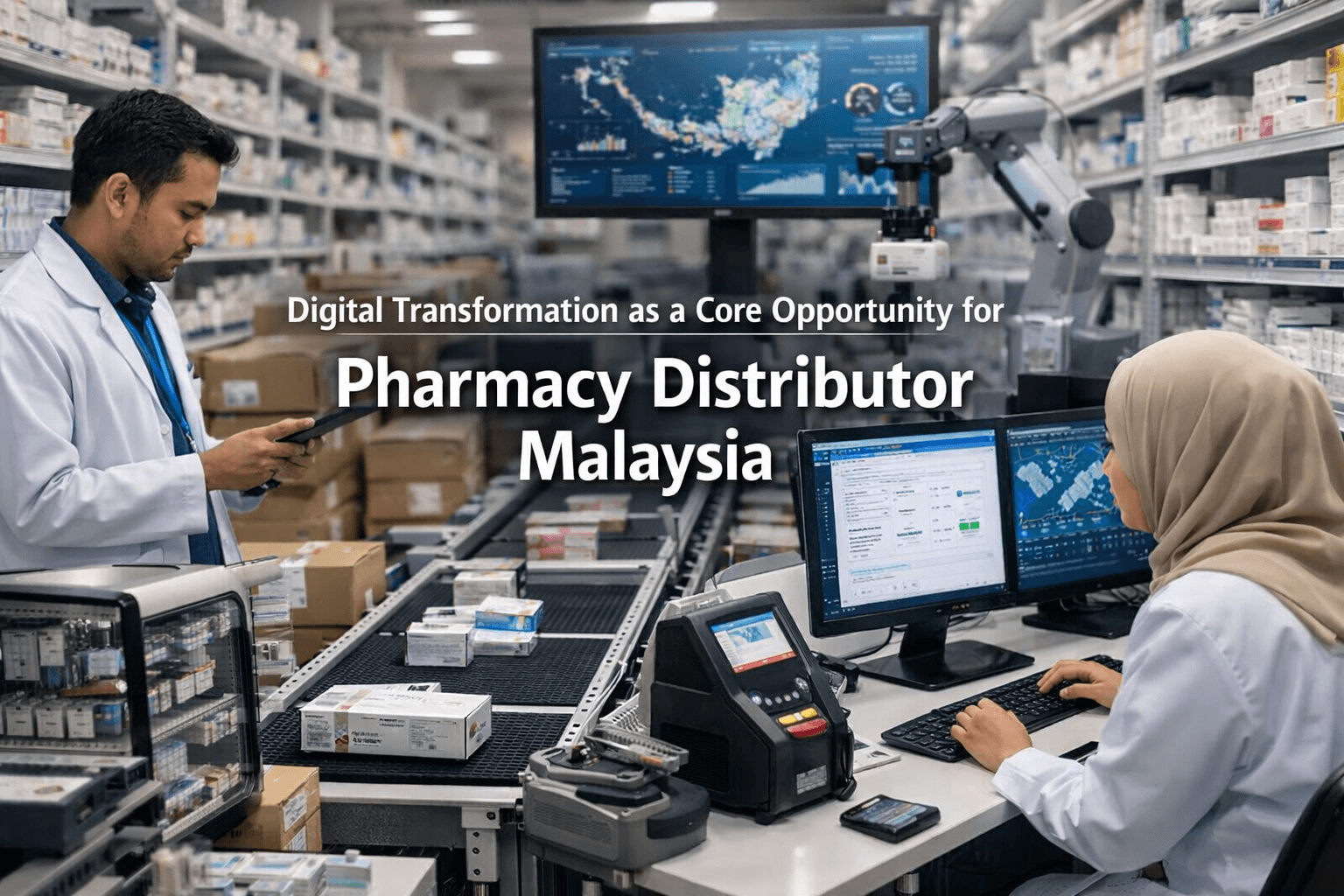
How can digitalisation reduce risk while simultaneously unlocking efficiency across the entire supply chain? This is the central question for modern distributors. The answer is becoming clear: digital transformation is no longer a future initiative or an IT project languishing on a roadmap; it is a proven operational differentiator that delivers tangible results today. The adoption of inventory visibility systems, integrated demand forecasting, and POS (Point of Sale) data synchronisation are enabling pharmacy wholesale distributors to operate with a level of precision that was unimaginable just a few years ago.
From a distributor’s perspective, these digital tools are a direct route to enhanced operational efficiency. Imagine an automated replenishment model that doesn’t just reorder based on a static minimum, but dynamically adjusts to sales velocity, seasonal trends, and promotional calendars. Such a system can dramatically reduce excess inventory—freeing up working capital—while simultaneously maintaining or even improving service levels. Furthermore, real-time dashboards empower managers to monitor SKU velocity across multiple outlets of retail pharmacy chains Malaysia. This creates a far more efficient allocation strategy. For instance, during a peak promotional period for a vitamin C brand, the distributor can instantly see which stores are selling through quickly and divert stock from slower-moving locations, preventing lost sales and maximising campaign impact.
For pharmacists, the benefit is profoundly tangible and directly impacts their daily workflow. Better data integration means a significant reduction in stock-out frequency on essential medicines and high-margin supplements. Improved forecast accuracy ensures that the right products are on the shelf when patients need them. A pharmacy that once relied on manually tracking reorder cycles by visually scanning shelves can now benefit from a synchronised distributor pharmacy system connected directly to their retail POS. This automation frees up pharmacist time, allowing them to focus on patient care rather than inventory management.
Brand managers also gain unprecedented clarity from this digital shift. Instead of waiting for end-of-month summaries that are already outdated, they receive near real-time insights into sell-through rates, the success of promotional campaigns, and geographic performance variations. This transparency supports more expert forecasting decisions for future product launches and more reliable campaign planning based on actual market data. Digital documentation further strengthens the all-important compliance pillar. Electronic batch tracking and digital audit logs simplify the arduous process of GDP Malaysia reporting and NPRA compliance support. In the event of an inspection or a product recall, a digitally-enabled distributor can accelerate response times dramatically and reduce the risk of manual errors. As more pharmaceutical logistics Malaysia providers adopt integrated ERP systems, the entire ecosystem becomes more coordinated and responsive. This data transparency builds a foundation of trust, and as we know, trust strengthens collaboration between brands, distributors, and pharmacies. Digital transformation, when implemented correctly, is not merely an IT upgrade. It is an efficient, expert-driven operational redesign that builds resilience across the entire pharmaceutical supply chain Malaysia.
| Feature | Manual/Traditional Approach | Digitally-Enabled Approach |
|---|---|---|
| Inventory Management | Periodic manual counts, spreadsheet-based tracking, prone to error and delays. | Real-time visibility across all warehouses, automated replenishment based on demand signals. |
| Order Processing | Phone calls, faxes, or manual entry, leading to long lead times and data entry mistakes. | Integrated EDI or web-based portals, enabling faster, accurate order placement and confirmation. |
| Cold Chain Monitoring | Spot checks, manual temperature logs, reactive to excursions. | Continuous, sensor-based monitoring with automated alerts for temperature deviations, ensuring GDP Malaysia compliance. |
| Compliance & Audits | Paper-based batch records and delivery notes, difficult and slow to retrieve. | Digital audit trails, electronic batch tracking, and instant document retrieval for NPRA audits. |
| Reporting & Insights | End-of-month sales summaries, lagging indicators of performance. | Real-time dashboards on sell-through, SKU velocity, and geographic performance for proactive decision-making. |
Learn more: Digital Transformation in Supply Chain
Compliance Infrastructure as a Competitive Advantage
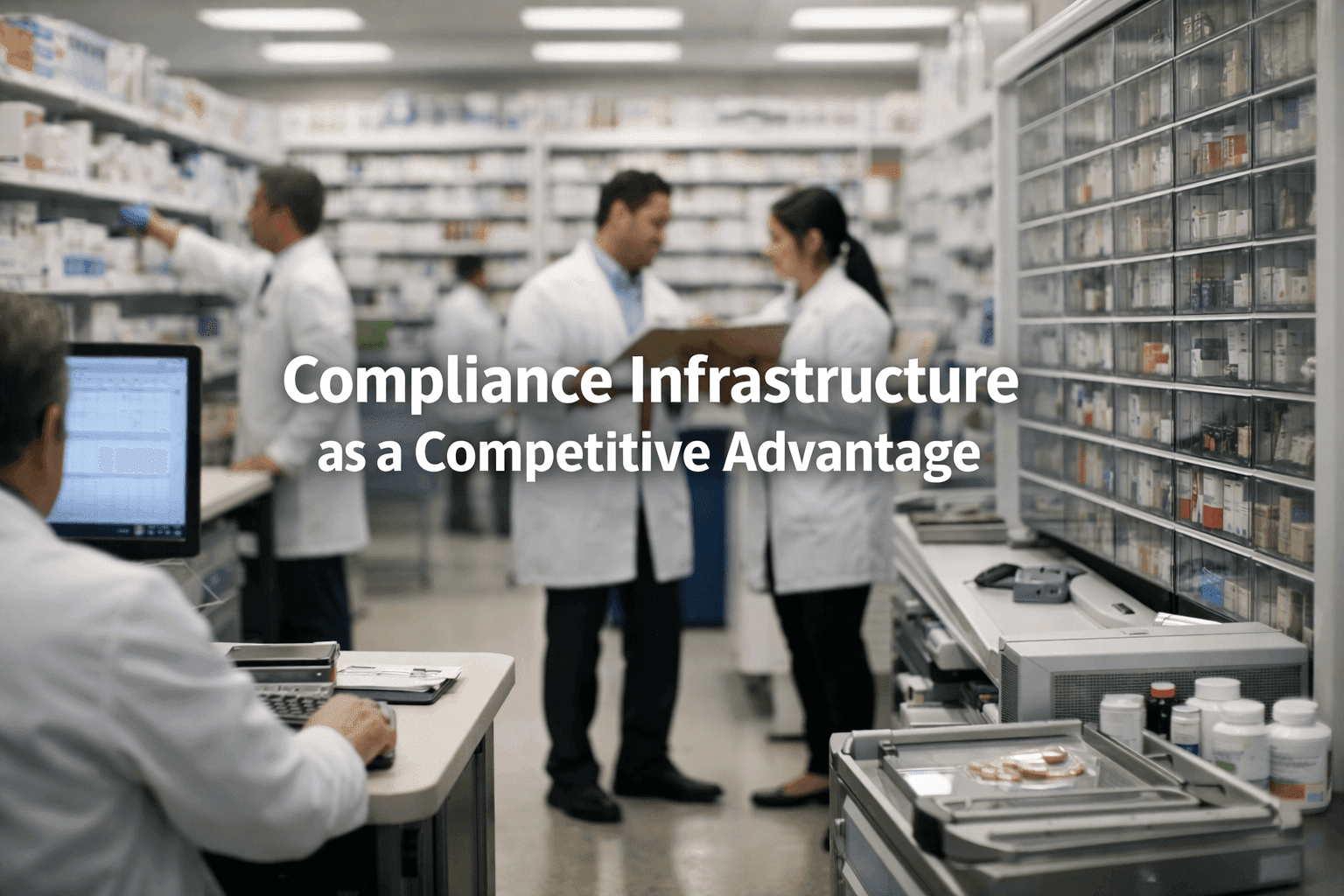
Can compliance truly move from being a perceived cost centre to a powerful value proposition? In Malaysia, the answer is a definitive yes. Regulatory compliance is increasingly becoming a key differentiator in a crowded market. GDP Malaysia audits, stringent cold chain management Malaysia standards, and detailed NPRA documentation checks are no longer occasional, once-a-year events—they are becoming routine, embedded expectations. A distributor that proactively builds a reliable compliance framework sends a powerful signal to both multinational principals and local brand owners, communicating professionalism, reliability, and a long-term orientation.
The contrast between a traditional model and a compliance-driven one is stark. In a traditional setup, you’ll often find manual documentation processes, a reactive approach to inspection findings, and limited visibility into the cold chain. This model is inherently risky. In a compliance-driven model, however, the approach is fundamentally different. It relies on digital audit trails that provide end-to-end transparency, proactive compliance tracking that identifies potential issues before they become problems, and real-time temperature monitoring that ensures product integrity from warehouse to pharmacy shelf.
This compliance-driven model offers a multitude of benefits. First and foremost, it reduces operational uncertainty. It builds trusted relationships with pharmacies, particularly those that dispense high-value biologics, vaccines, and insulin, which demand consistent temperature control. A single temperature excursion can destroy thousands of ringgit worth of product and damage a pharmacy’s reputation. Distributors that can provide documented assurance of their cold chain integrity become the preferred, essential partner.
Furthermore, robust risk mitigation frameworks are a critical component of this advantage. Having well-documented and practiced SOPs for product recall, batch isolation, and temperature excursion management ensures that any disruptions are contained quickly and efficiently. These processes are not just bureaucratic paperwork; they are essential in safeguarding both patient safety and the commercial continuity of the brands they represent. For international skincare companies and supplement brand owners looking to enter the Malaysian market, distributors who offer comprehensive NPRA compliance support and documentation guidance are invaluable. They reduce entry barriers, shorten product onboarding cycles, and help avoid costly registration delays caused by incomplete or incorrect submissions. Compliance, therefore, is not merely about ticking regulatory boxes. It is a reliable, essential foundation that strengthens the integrity and reputation of the entire pharmaceutical supply chain Malaysia.
Learn more: How to Identify a KKM Approved Cosmetic Label | GUIDELINE ON GOOD DISTRIBUTION PRACTICE
The Rise of the Independent Pharmacy Distributor Model
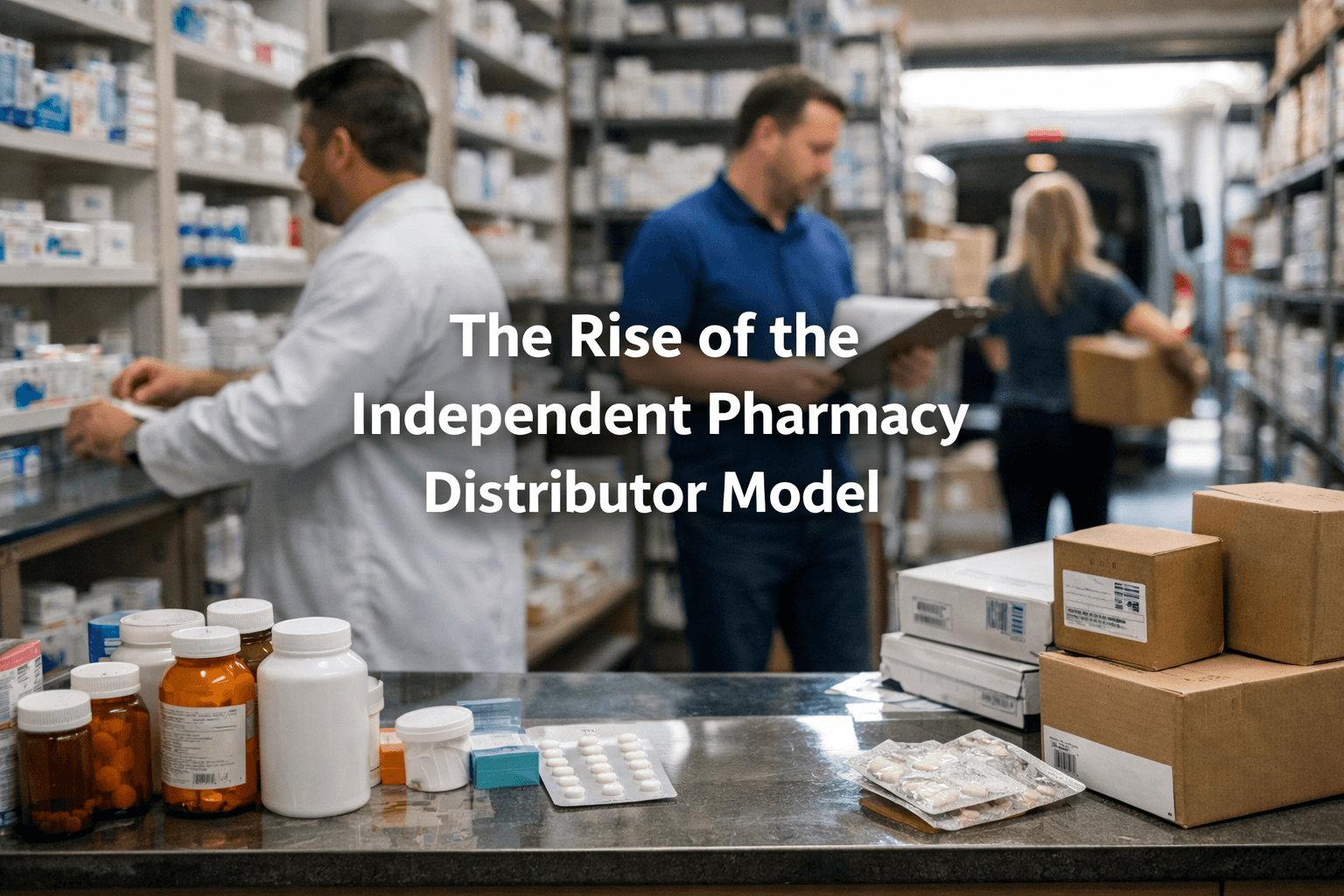
Why are independent pharmacy networks gaining renewed attention in an era of consolidation? While large pharmacy wholesale distributors often operate on immense scale efficiencies, the independent pharmacy distributor model is proving to be remarkably effective in serving niche markets, emerging brands, and the unique dynamics of secondary cities. These independent players are not trying to compete on volume alone; instead, they are competing on agility, relationships, and specialisation.
Their inherent advantages are compelling. They offer tailored onboarding for emerging local and regional brands that might get lost in the vast portfolio of a major distributor. Their processes are often less bureaucratic, allowing for faster listing approvals within their network of smaller, independent pharmacies. They can provide more flexible promotional structuring, working closely with individual pharmacy owners to create in-store campaigns that make sense for their specific customer base. Above all, they cultivate direct relationships with pharmacists, leading to better communication, higher trust, and more effective collaboration at the ground level.
For an emerging supplement brand, for instance, working with a mid-sized distributor pharmacy may provide far more strategic focus and dedicated attention compared to being just one SKU among hundreds in a massive, centralised warehouse. The procurement teams at growing regional chains also see the value. They often find that independent distributors provide better, more responsive communication and a willingness to customise promotional planning to fit local demographics. Geographic expansion outside the saturated Klang Valley—into fast-growing areas in Johor, Penang, Sabah, and Sarawak—offers significant room for growth. As retail pharmacy chains Malaysia expand into these suburban and rural areas, a distributor with established regional warehousing and local market knowledge is perfectly positioned to capture that demand efficiently and reliably. This model is not about replacing the large, national players. It is about carving out effective, strategic niches and providing a level of service and focus that adds immense value to a specific segment of the broader pharmaceutical supply chain Malaysia.
Learn more: Top 20 Pharmaceutical Companies in Malaysia (2026 Edition)
Strengthening Collaboration Across the Pharmacy Ecosystem

What happens when distributors make a concerted effort to move beyond simple, transactional relationships? The answer is the emergence of a truly integrated and resilient ecosystem. Collaboration is no longer a buzzword; it is emerging as one of the most powerful and strategic opportunities available to players across the supply chain. It represents a shift from viewing each other as vendors and customers to seeing each other as partners with shared goals.
This collaboration takes many forms. Joint business planning sessions between manufacturer and distributor pharmacy teams allow for the alignment of sales forecasts with marketing calendars. When campaigns are synchronised, it dramatically reduces the risk of inventory mismatch—either costly stockouts during a promotion or mountains of unsold goods afterwards. Furthermore, ensuring promotional compliance alignment guarantees that all marketing messaging, especially for regulated health products, is consistent and accurate across all pharmacy channels, mitigating regulatory risk for both parties.
Data-sharing partnerships further enhance this collaborative environment. When pharmacies are willing to share granular sell-through data and distributors share detailed replenishment analytics, the entire forecasting process becomes more accurate and reliable for everyone. This shared visibility allows for proactive problem-solving. Integrated merchandising also plays a key role. A distributor that provides not just products but also pharmacy inventory management tools and in-store audit reporting creates measurable improvements in shelf visibility, proper SKU rotation, and overall category management. This level of support helps the pharmacy sell more effectively. Collaboration, of course, is not always simple to implement. It requires a foundation of trust, a willingness to share KPIs, and a commitment to open, honest communication. But when executed with genuine intent, it builds a resilient supply network capable of weathering disruptions and capitalising on opportunities far more effectively than any single organisation could alone.
Future-Proofing Through Specialisation and Service Depth

As the Malaysian pharmaceutical distribution landscape matures, a clear trend is emerging: the generalist model is giving way to specialisation. The future belongs to distributors who can offer deep, expert knowledge and services in specific therapeutic categories or for particular types of customers. This is not just about being a logistics provider; it’s about being a category captain, a regulatory consultant, and a marketing ally rolled into one.
Consider the complex world of cold chain logistics. Distributing vaccines or biologic drugs requires a completely different skill set, infrastructure, and compliance mindset than moving boxes of paracetamol. A distributor that specialises in cold chain management Malaysia and invests in state-of-the-art, validated storage and transport solutions becomes an indispensable partner for companies bringing these sensitive, high-value products to market. Their expert status is a powerful commercial asset.
Similarly, specialisation can occur in the types of products handled. A distributor focusing on halal pharmaceuticals and supplements can develop unique expertise in navigating the specific certification and market access requirements, offering a tailored service that generalists cannot match. Others might specialise in serving a particular channel, such as clinics and specialist healthcare centres, developing a deep understanding of their unique ordering patterns, regulatory needs, and logistical challenges.
This depth of service also extends to brand support. A forward-thinking distributor acts as an extension of the brand’s own team. They don’t just sell in; they help craft the sell-out strategy. This involves providing insights on optimal pricing, recommending the most effective in-store merchandising tactics, and even feeding back consumer sentiments gathered at the pharmacy counter. This level of strategic partnership transforms the relationship from a transactional cost into a proven growth engine. By embedding themselves so deeply into the success of their partners’ brands, these specialised distributors build unassailable moats around their business, ensuring they remain essential players in the dynamic and ever-evolving pharmaceutical supply chain Malaysia for years to come.
Cold Chain and Specialty Logistics: High-Value Growth Areas

Are specialty therapies quietly redefining what distributors must deliver? The answer is a definitive yes. The rapid expansion of biologics, vaccines, and specialty injectables into the Malaysian market is fundamentally raising the bar for temperature control standards. For distributors who aspire to secure premium partnerships with innovative pharmaceutical companies, treating cold chain management Malaysia as an optional extra is no longer viable; it has become a core competency and a prerequisite for entry.
Consider the operational reality. A distributor handling a new immunotherapy drug cannot rely on a single, ageing refrigerator and a hope for the best. The expectation now demands significant investment in warehouse temperature zoning. This means creating distinct, validated environments—ranging from ambient to 2-8°C for vaccines, and even ultra-low temperatures for certain biologics. But infrastructure alone isn’t enough. The true differentiator lies in last-mile monitoring systems that provide end-to-end visibility. GPS-enabled temperature logging devices are becoming standard, offering real-time alerts and, crucially, documented proof of compliance throughout the entire journey. This creates an unbroken, auditable chain of custody.
For pharmacists, this reliable specialty logistics builds immense confidence. Dispensing a high-cost biologic where a patient’s health outcome depends on its viability is a serious responsibility. Knowing the product was maintained within its strict temperature parameters from the distributor’s warehouse to the pharmacy fridge removes a significant layer of anxiety. For brand managers, particularly those with multinational principals, this capability protects both product integrity and brand reputation. A single spoilage incident due to a broken cold chain can lead to patient harm, financial loss, and severe reputational damage. Distributors who proactively establish dedicated specialty divisions—complete with specialised staff, validated equipment, and robust SOPs—can successfully create premium service tiers. This specialised, expert focus becomes an essential magnet for attracting and retaining those high-value, complex product lines. It transforms the distributor from a generalist player into a trusted partner for the most demanding products in the modern pharmaceutical supply chain.
Learn more: Cold Chains in Developing Economies
Financial & Commercial Innovation in Distribution Models
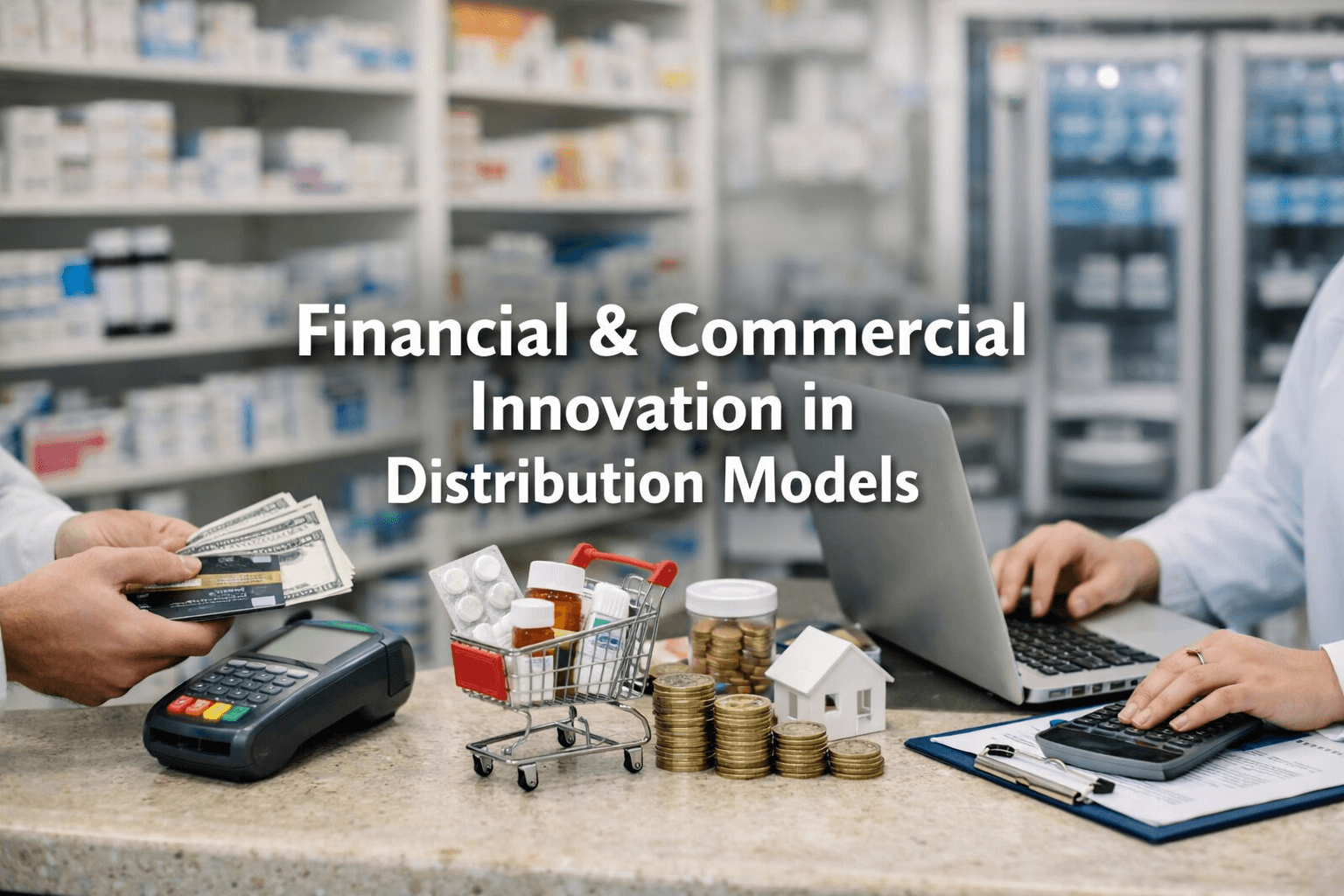
How can distributors realistically remain profitable when traditional margin buffers are evaporating before their eyes? The old playbook, heavily reliant on volume-based spreads, is no longer delivering the same returns. In response, a fundamental shift is occurring. Traditional margin models are being supplemented, and in some cases replaced, by innovative, service-based hybrid structures. This is not about charging customers more; it is about designing a more resilient and strategic value exchange.
The contrast is clear. A traditional model is almost entirely volume-dependent. Profit is a function of how many boxes are moved, creating a constant pressure to push more product, often leading to high inventory burden and significant cash flow strain. The emerging model, however, reimagines the relationship. It operates on a service + distribution hybrid, where revenue is generated not just from moving goods, but from the value-added services wrapped around that movement. This is supported by structured supply agreements that align incentives, improve forecast accuracy, and reduce the financial risk of excess stock for both parties.
| Financial Model Aspect | Traditional Volume-Based Model | Service-Based Hybrid Model |
|---|---|---|
| Primary Revenue Driver | Product mark-up and volume rebates | Combination of margin + service fees |
| Inventory Risk | High, borne primarily by distributor | Shared, with structured supply agreements |
| Commercial Focus | Moving units, achieving sales targets | Driving sell-through, category growth, compliance |
| Key Capabilities | Warehousing, transportation, sales force | + Compliance consulting, data analytics, merchandising |
| Stakeholder Benefit | Low-cost product movement | Tailored support, reduced risk, shared insights |
Data-driven rebate tracking and sophisticated A&P (Advertising and Promotional) cost optimisation are now central to improving overall efficiency. Distributor finance teams are no longer siloed; they are collaborating more closely with brand commercial managers to design proven commercial frameworks that are transparent and mutually beneficial. For retail pharmacy category managers, this financial innovation is a welcome development. They benefit from transparent rebate structures that simplify accounting and more reliable promotional planning based on shared data, not guesswork. The key takeaway is that commercial innovation is not about increasing the price of distribution. It is about fundamentally redesigning the partnership to create a more strategic and sustainable value exchange for brand owners, distributors, and pharmacies alike.
Store-Level Execution & Merchandising as a Differentiator
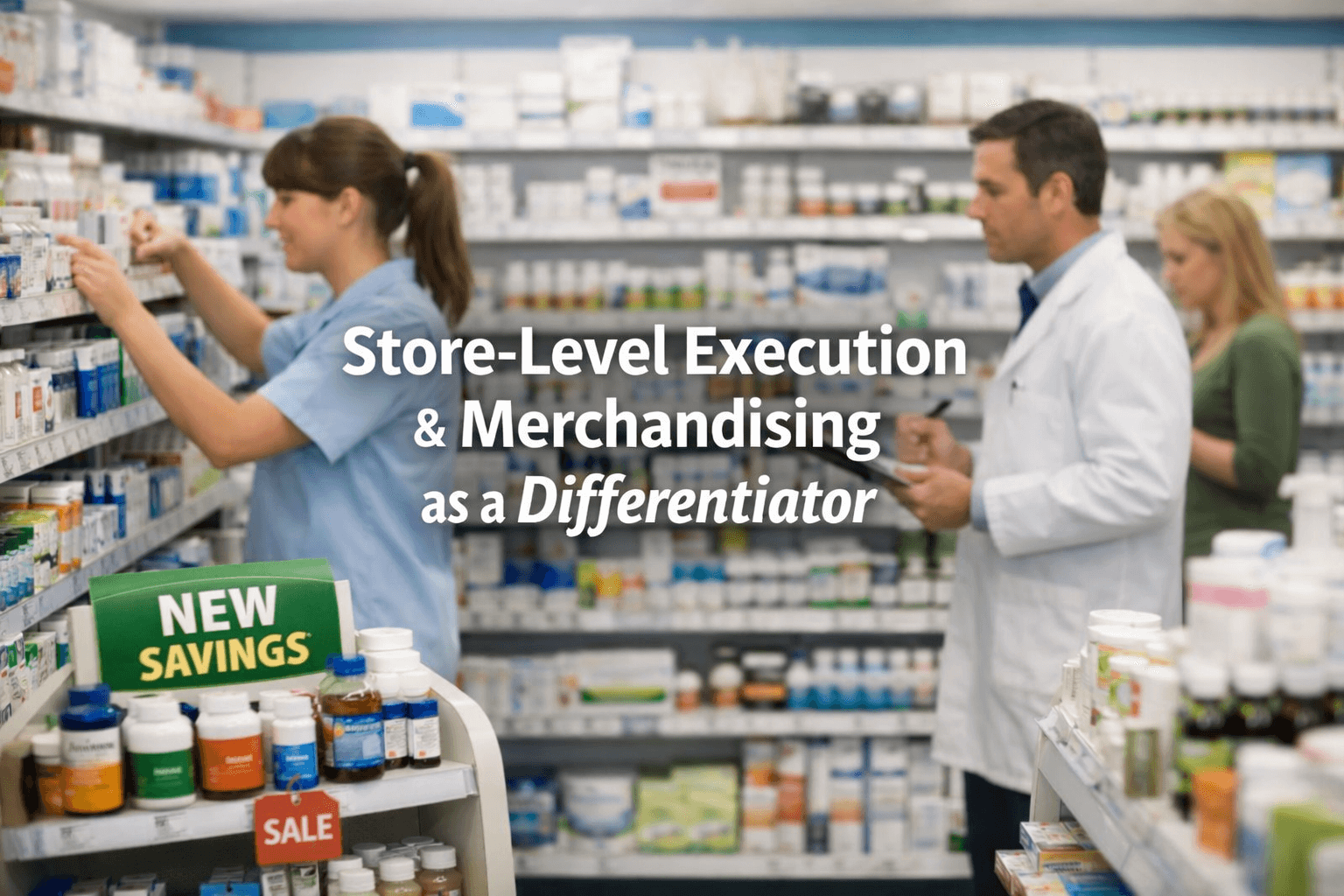
Is simply having a world-class warehouse and efficient delivery fleet enough to win in today’s hyper-competitive pharmacy environment? The answer, for an increasing number of brand owners, is a resounding no. The final few feet of the supply chain—the actual pharmacy shelf—are where the battle for consumer attention is won or lost. Consequently, pharmacy wholesale distributors are strategically extending their role far beyond the loading bay, moving into the realm of store-level audit systems and rigorous planogram compliance tracking.
This is a game-changer. A distributor’s responsibility now often includes ensuring that the product isn’t just delivered, but that it is actually visible, correctly positioned, and properly promoted. Sell-through data feedback loops are becoming critical. By feeding actual sales data from the pharmacy POS back to the brand, distributors help refine future merchandising strategy and identify which SKUs are winning and which are lagging. Distributor pharmacy teams conducting periodic in-store checks do more than just say hello; they are verifying that product placement aligns perfectly with the agreed brand standards, checking for out-of-stocks, and ensuring promotional materials are displayed correctly.
This focus on effective execution translates directly into tangible benefits. Improved SKU rotation on the shelf, driven by better data and in-store checks, directly leads to a reduced expiry risk, saving both the pharmacy and the distributor money. For brand managers, this level of support is invaluable. They gain an extra pair of eyes and ears on the ground, ensuring their investment in marketing and trade promotions isn’t wasted. This form of merchandising support is no longer just a nice add-on; it is evolving into a tailored, reliable, and essential extension of core distribution services, creating a powerful point of differentiation in a crowded market.
Learn more: Pharmacy Merchandising Services Vs In-House Sales Teams
ESG, Sustainability & Risk Governance in Malaysian Distribution
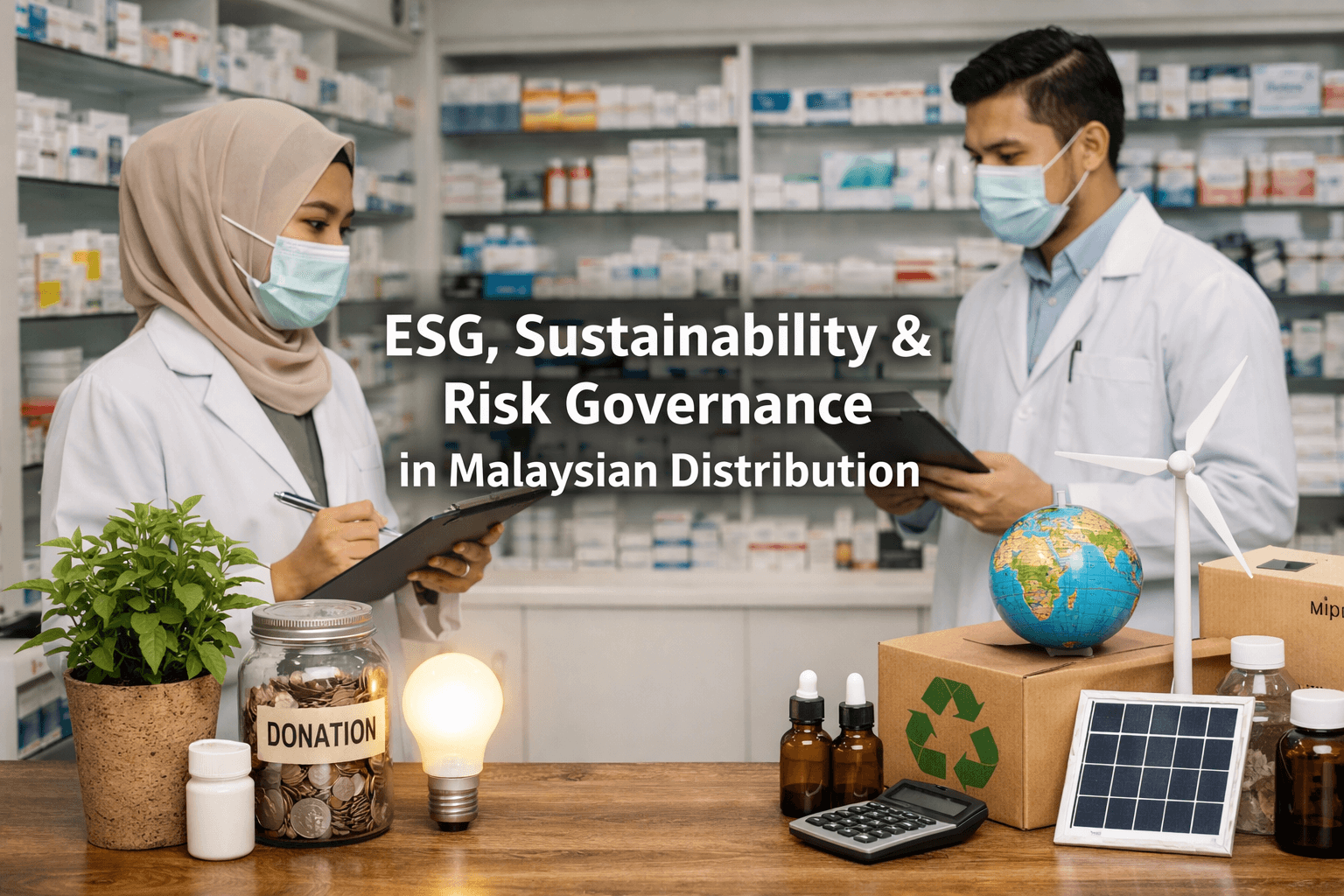
Does a distributor’s stance on sustainability actually influence tenders and partnership decisions? For a growing number of multinational principals, it absolutely does. We are seeing a clear trend where ESG (Environmental, Social, and Governance) alignment is becoming a significant factor in the evaluation process before appointing local partners. It is moving from a corporate social responsibility report filler to a core component of competitive positioning.
Practical measures are being implemented on the ground. Forward-looking distributors are investing in warehouse energy management, exploring options like solar panel integration on warehouse roofs to reduce their carbon footprint and long-term energy costs. There is a push towards more sustainable packaging, reducing plastic and using recyclable materials without compromising product integrity. Furthermore, there is a growing demand for ethical sourcing transparency, requiring distributors to verify and document that the products they handle come from responsible supply chains. These initiatives are not just altruistic; they contribute directly to responsible brand positioning for the companies they represent.
Beyond the environmental aspect, robust governance frameworks are crucial for reducing reputational risk. Distributors that maintain strategic documentation standards and implement transparent supplier verification processes build long-term trust with brand owners who are increasingly wary of supply chain disruptions and ethical lapses. Sustainability, in its broadest sense, is no longer a peripheral concern. It is an integral part of a trusted and mature business profile. A strong ESG profile signals professionalism, foresight, and a long-term orientation to international brand principals, effectively enhancing a distributor’s access to higher-value, exclusive contracts within the dynamic pharmaceutical supply chain Malaysia.
The Future Outlook: Building a Resilient Pharmacy Distribution Service in Malaysia
What core attributes will truly define resilience for pharmacy distributors beyond 2027? Looking ahead, it’s clear that the industry is on a trajectory of profound and permanent change. Consolidation trends among both pharmacy chains and distributor groups are expected to continue, creating larger, more powerful entities. In this environment, technology-first distributor pharmacy operations will shift from being a competitive advantage to the standard operational baseline. Those still relying on manual processes will find themselves increasingly marginalised.
However, scale and technology alone won’t be enough. We may also see the rise of independent pharmacy distributor collaboration networks. To compete with the giants, independent players could strengthen their position by forming alliances, sharing best practices, and potentially pooling resources for shared warehousing and compliance platforms. This collaborative approach would allow them to maintain their agility and local focus while achieving some of the economies of scale of their larger competitors.
Ultimately, long-term success for pharmacy wholesale distributors will depend on their ability to skilfully integrate three critical pillars: innovation, governance, and collaboration. Think of them as a three-legged stool. Innovation without compliance is fragile—a new, flashy system that fails a GDP audit is worthless. Compliance without collaboration is inefficient—following all the rules but failing to communicate with partners leads to a brittle, disconnected supply chain. And collaboration without digital infrastructure lacks transparency—good intentions cannot replace the clarity provided by shared, real-time data. Sustainable, resilient growth in this new era requires a harmonious alignment across all three pillars, creating a foundation strong enough to support whatever challenges and opportunities the future may hold.
Learn more: Supply chains: To build resilience, manage proactively
Frequently Asked Questions (FAQ)
Q1: What is pharmacy and why is it important?
Answer: Pharmacy is the health profession that links the health sciences with the chemical sciences. It is concerned with the discovery, production, disposal, safe and effective use, and control of medicines and drugs. It is important because pharmacists, as experts in medicines, ensure the safe and optimal use of medications to improve patient health outcomes, prevent disease, and provide essential healthcare advice.
Q2: What services does a pharmacy provide?
Answer: Pharmacies provide a wide range of services, including dispensing prescription medications, offering over-the-counter (OTC) products and advice, providing medication management and counseling, administering certain vaccinations, conducting health screenings, and offering pharmacy care services (e.g., managing minor ailments, chronic disease management support).
Q3: What are pharmacy care services?
Answer: Pharmacy care services, often interchangeable with pharmaceutical care or advanced services, are patient-centered and outcomes-oriented practices where pharmacists work to design, implement, and monitor a therapeutic plan that will produce specific patient outcomes. Examples include Medication Therapy Management (MTM), chronic disease state management, immunization services, and support for smoking cessation.
Q4: Why is pharmacy first important?
Answer: “Pharmacy First” is a common term for schemes that allow patients to seek treatment and advice for minor illnesses directly from a community pharmacy, often without needing to see a GP. It is important because it improves patient access to convenient care, utilizes the pharmacist as a highly accessible healthcare professional, and reduces pressure on other NHS or healthcare services like GP surgeries and emergency departments.
Q5: What is the function of the pharmacy services?
Answer: The primary function of pharmacy services is to ensure that patients receive the appropriate medicines in the correct dose, along with the necessary information and support for their safe, effective, and rational use. This includes inventory management, compounding, dispensing, patient education, and collaboration with other healthcare providers.
Q6: What is pharmacy first service?
Answer: The Pharmacy First service (as implemented in the UK, for example) is a scheme that enables pharmacists to provide advice and, when appropriate, treatment (including prescription-only medicines via Patient Group Directions or by prescribing) for a defined set of common minor ailments (e.g., earache, sore throat, uncomplicated UTIs) directly in the pharmacy, expanding the pharmacist’s clinical role.
Q7: What services are offered by retail pharmacy?
Answer: Retail (or community) pharmacies offer services directly to the public, including dispensing prescriptions, selling over-the-counter medicines and health products, providing medication consultation, administering vaccinations (e.g., flu shots), offering health screening (e.g., blood pressure checks), managing minor ailments, and providing advice on healthy living.
Q8: Why is a pharmacy important?
Answer: A pharmacy is important because it serves as the most accessible healthcare point in many communities. It is crucial for safe and accurate medication dispensing, preventing drug interactions, offering essential health advice, providing primary healthcare interventions, and bridging the gap between patients and prescribers, thereby playing a vital role in public health.
Q9: What are the three types of pharmacies?
Answer: The three main types of pharmacy practice are generally categorized as:
- Community (Retail) Pharmacy: Pharmacies that serve the public directly in a community setting.
- Hospital (Institutional) Pharmacy: Pharmacies located within hospitals and healthcare facilities, serving inpatients and medical staff.
- Industrial (Pharmaceutical) Pharmacy: Involving roles in drug research, manufacturing, quality control, marketing, and regulatory affairs within the pharmaceutical industry.
Q10: Why is good pharmacy practice important?
Answer: Good Pharmacy Practice (GPP) is important because it establishes the standards for quality pharmacy services worldwide, ensuring that pharmacists provide care focused on the patient’s well-being and their use of medicines. GPP ensures safe dispensing, accurate information, professional advice, ethical conduct, and the overall goal of maximizing the positive health outcomes of patients.
How can we assist you today? 😊
Just let us know—we’re here to help!