

December 24, 2024
The pharmaceutical distribution sector in Malaysia is undergoing a significant transformation, driven by technological advancements and evolving market demands. Independent pharmacy distributors and wholesale distributors play a vital role in ensuring the availability of medicines and healthcare products across the nation. However, traditional distribution systems often face challenges related to inefficiencies, high operational costs, and limited scalability.
To address these issues, digital transformation powered by automation, artificial intelligence (AI), and data analytics is reshaping the industry. This blog explores how Malaysia’s pharmaceutical distributors are leveraging technology to streamline operations, improve cost-efficiency, and remain competitive in a rapidly changing market.
The Current State of Pharmaceutical Distribution in Malaysia
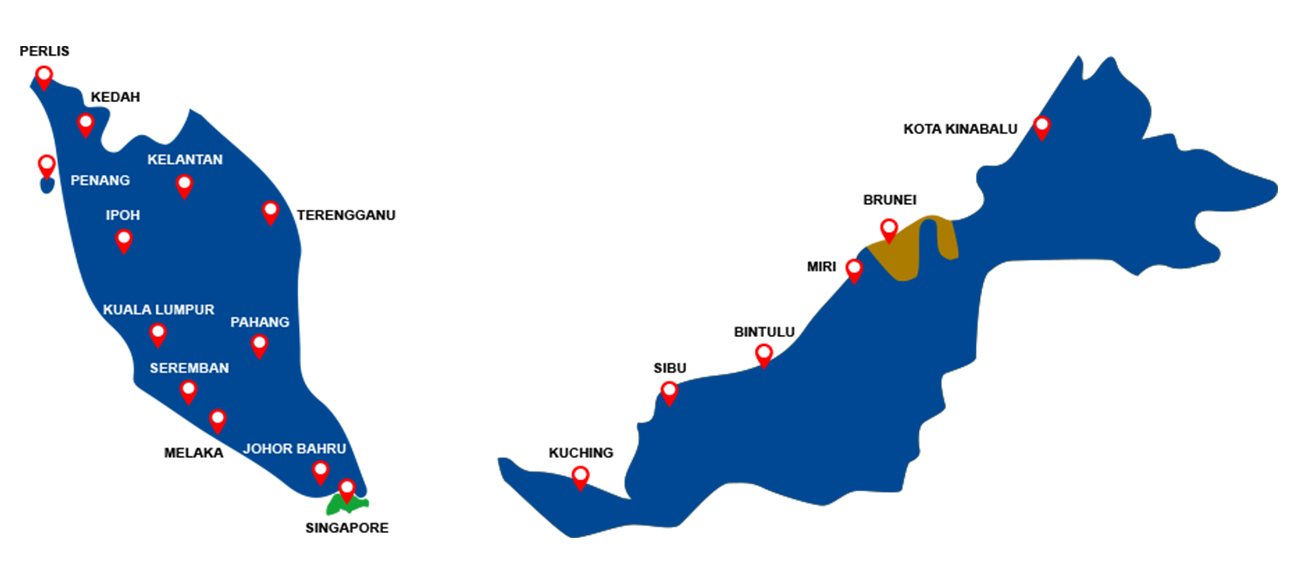
Overview of Independent Pharmacy Distributors and Wholesale Distributors
Malaysia’s pharmaceutical distribution network is comprised of independent pharmacy distributors and pharmacy wholesale distributors. These entities act as intermediaries, sourcing medicines and healthcare products from manufacturers and supplying them to pharmacies, clinics, and hospitals.
Independent pharmacy distributors often focus on serving niche markets, ensuring accessibility for smaller pharmacies. In contrast, wholesale distributors operate on a larger scale, catering to bulk orders and chain pharmacies. Both models face increasing pressure to modernize and improve efficiency to meet rising healthcare demands.
Challenges Faced by Traditional Pharmacy Distribution Systems

Traditional pharmaceutical distribution methods rely heavily on manual processes, leading to inefficiencies such as:
Poor inventory management.
High error rates in order fulfillment.
Delayed deliveries and stockouts.
Lack of real-time tracking and reporting.
These issues not only affect profitability but also impact patient care, highlighting the need for more agile and technology-driven systems.
Growing Demand for Efficiency, Scalability, and Transparency
With an increasing focus on healthcare accessibility and affordability, stakeholders are demanding better supply chain visibility and streamlined processes. Digital transformation is the key to achieving these goals, allowing distributors to adapt to industry shifts and regulatory requirements.
The Role of Digital Transformation in Pharmacy Distribution
Defining Digital Transformation in the Pharmaceutical Supply Chain
Digital transformation refers to the integration of modern technologies such as AI, automation, and cloud computing to enhance operational processes. In pharmaceutical distribution, this transformation enables better inventory tracking, demand forecasting, and cost optimization.
Key Drivers for Adopting Technology in Malaysia’s Pharmacy Distribution Sector
Regulatory Compliance: Stricter regulations require accurate data tracking and reporting.
Market Growth: Rising demand for healthcare services necessitates faster and more efficient distribution systems.
Cost Reduction: Automation and AI reduce operational expenses and minimize errors.
Consumer Expectations: Customers now expect faster deliveries and better service quality.
Case Examples of Digital Adoption in Similar Industries
Industries such as e-commerce and logistics have successfully adopted AI-powered analytics and automated warehousing. These examples provide a roadmap for pharmaceutical distributors to follow, demonstrating the tangible benefits of digital transformation.
Key Technologies Reshaping Pharmacy Distribution

a) Automation and Robotics
Streamlining Inventory Management and Logistics: Automation simplifies repetitive tasks such as sorting, labeling, and packaging, improving overall efficiency.
Reducing Errors and Improving Speed: Robotic systems enhance accuracy and minimize human error, ensuring faster deliveries and reducing costs.
b) Artificial Intelligence (AI) and Machine Learning
Predictive Analytics for Demand Forecasting: AI algorithms analyze historical data to predict demand trends, reducing overstock and stockouts.
Enhancing Supply Chain Decision-Making: Machine learning tools provide insights to optimize routing, delivery schedules, and resource allocation.
c) Cloud-Based Solutions and Data Analytics
Real-Time Tracking and Data-Driven Insights: Cloud platforms enable real-time monitoring of inventory, shipments, and performance metrics.
Improving Collaboration Among Distributors, Suppliers, and Retailers: Cloud solutions enhance communication, reducing delays and improving responsiveness.
Benefits of Digital Transformation for Cost-Efficiency
Lower Operational Costs Through Automation: Automated processes reduce labor expenses and improve accuracy.
Better Inventory Control and Reduced Wastage: Data-driven systems help optimize stock levels, minimizing waste and ensuring timely replenishment.
Faster Delivery Times and Improved Service Quality: Streamlined workflows enable quicker order processing and delivery, enhancing customer satisfaction.
Challenges and Barriers to Implementation
High Initial Investment and Adoption Costs: Implementing new technologies requires significant financial resources, which may deter smaller distributors.
Resistance to Change and Workforce Training: Employees need proper training to adopt and utilize new systems effectively.
Data Security Concerns and Regulatory Compliance Issues: Protecting sensitive data and adhering to compliance standards remain critical challenges.
Future Outlook: The Road Ahead for Malaysia’s Pharmaceutical Distributors

Trends Driving Continued Innovation in the Sector
Emerging trends such as telemedicine, e-pharmacies, and personalized medicine are pushing distributors to adopt smarter technologies.
Emerging Technologies Like Blockchain and IoT
Blockchain for Secure Data Sharing: Ensures data integrity and transparency throughout the supply chain.
IoT (Internet of Things) for Tracking and Monitoring: Provides real-time updates on product conditions, ensuring quality control.
Recommendations for Businesses Looking to Embrace Digital Transformation
Start with pilot programs to test new technologies.
Collaborate with technology providers for tailored solutions.
Invest in employee training and change management strategies.
Learn more: McKinsey & Company – Healthcare Systems and Services
Digital transformation is no longer a luxury but a necessity for Malaysia’s pharmaceutical distribution services. From independent pharmacy distributors to large-scale wholesale distributors, adopting automation, AI, and cloud technologies is key to achieving cost-efficiency, scalability, and reliability.
By embracing these innovations, distributors can reduce costs, streamline operations, and deliver superior service to customers. Moving forward, businesses must act proactively to stay competitive in this evolving landscape.
How can we assist you today? 😊
Just let us know—we’re here to help!