

March 25, 2025
Merchandising is the art and science of presenting products in a way that maximizes sales. In both traditional retail and pharmacy settings, it plays a critical role in shaping customer experience, boosting revenue, and improving product turnover. However, the strategies used in these two environments differ greatly.
Pharmacy merchandising is not just about aesthetics or product placement—it requires a deeper understanding of healthcare regulations, patient needs, and the importance of trust. On the other hand, traditional retail merchandising focuses heavily on visual appeal, impulse buying, and trend-based marketing.
In this article, we explore the key differences between pharmacy and traditional retail merchandising, the benefits of pharmacy-specific approaches, and the essential role of players like an independent pharmacy distributor, pharmacy distributor Malaysia, and pharmacy wholesale distributors in supporting effective pharmacy merchandising strategies.
What is Traditional Retail Merchandising?

Definition and Objectives
Traditional retail merchandising refers to the planning and promotion of product sales in a retail environment. It includes everything from how products are displayed to how promotions are executed. The main goals are to:
- Increase visibility of high-margin items
- Influence customer decisions
- Maximize basket size and average transaction value
Common Merchandising Strategies
Retailers use several tried-and-true methods to influence buyer behavior:
- Impulse displays near checkout counters encourage last-minute purchases.
- Endcaps (displays at the end of aisles) highlight promotional or seasonal products.
- Cross-merchandising involves placing related items together to boost sales (e.g., chips near dips).
- Visual merchandising emphasizes attractive layouts, color schemes, and signage.
These techniques are designed to stimulate spontaneous decisions and capitalize on consumer habits.
Target Consumer Behavior and Trends
Traditional retail capitalizes on fast-moving consumer goods (FMCGs), trend-driven purchases, and a high volume of foot traffic. Consumers in these environments often respond to emotion, visual appeal, and promotional pricing. Retailers also rely heavily on data analytics and seasonal shopping patterns to guide merchandising decisions.
Learn more: Pharmacy Times – Retail vs. Independent Pharmacy Trends | Statista – Consumer Behavior in Retail Pharmacies
What is Pharmacy Merchandising?

Definition and Unique Considerations
Pharmacy merchandising focuses on health-related products and services, which adds a layer of complexity. It’s not just about increasing sales—it’s about building trust, ensuring compliance, and supporting patient care.
Effective pharmacy merchandising includes prescription medications, over-the-counter (OTC) drugs, supplements, personal care items, and medical devices. It must follow stringent industry regulations and often caters to customers with specific health needs.
Focus on Health Regulations, Trust, and Product Knowledge
Unlike traditional retail, pharmacies must:
- Comply with health authority guidelines for drug placement and advertising
- Avoid promoting unapproved or restricted items
- Train staff to provide product education and guidance
- Create an environment that supports trust and professionalism
Pharmacy customers are not typical shoppers—they are patients seeking support. Merchandising must reflect a focus on well-being rather than impulse buying.
Role of Independent Pharmacy Distributors and Pharmacy Wholesale Distributors
This is where distribution partners play a vital role. An independent pharmacy distributor ensures that pharmacies have access to quality, compliant products tailored to their community. Pharmacy wholesale distributors streamline the supply chain, offering curated assortments and promotional programs to support effective in-store presentation.
Key Differences Between Pharmacy and Traditional Retail Merchandising
1. Regulatory Compliance and Product Restrictions
Pharmacies are bound by strict health and safety regulations. Unlike traditional retail, they cannot freely promote certain medications or use attention-grabbing displays for prescription drugs. Labeling laws, controlled substances, and advertising limitations make pharmacy merchandising more nuanced.
2. Customer Buying Behavior and Expectations
Retail shoppers often buy on impulse or emotion. In contrast, pharmacy customers are typically mission-driven—they come in with specific health concerns. This means:
- Pharmacy merchandising must emphasize education over persuasion
- Trust is more important than aesthetic appeal
- Clear product information and logical categorization are crucial
3. Store Layout and Shelf Management
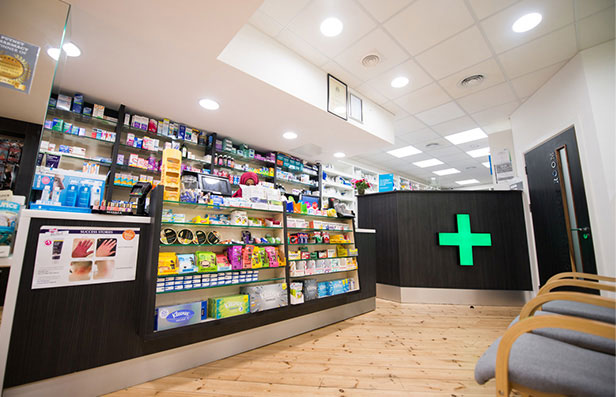
Traditional retail stores prioritize open layouts and creative displays. Pharmacies, however, need organized sections for OTC products, supplements, prescription pick-ups, and health consultations. Planograms in pharmacies often reflect health categories rather than just brand placement.
4. Staffing and Pharmacist Involvement
Retail stores often rely on sales associates. Pharmacies require licensed pharmacists and trained technicians who not only manage prescriptions but also assist with product recommendations. Their input is critical to merchandising decisions, especially for high-value or regulated items.
5. Product Education and Counseling
Pharmacies go beyond selling—they educate. Unlike in retail, where flashy signs may suffice, pharmacy merchandising includes well-placed literature, shelf talkers, and health guides that empower customers to make informed choices. This educational approach enhances credibility and customer loyalty.
Learn more: Regulatory Landscape for Pharmacy Distribution in Malaysia | World Health Organization (WHO) – Good Pharmacy Practices
The Role of Distributors in Pharmacy Merchandising
How Pharmacy Distributor Malaysia and Others Support Pharmacy Retail
A pharmacy distributor Malaysia plays a crucial role in connecting manufacturers with retail pharmacies. They help independent pharmacies:
- Source compliant and in-demand products
- Stay up to date with evolving regulations
- Access bulk purchasing and competitive pricing
Distributors also guide pharmacies in aligning their merchandising strategies with local trends and consumer health needs.
Importance of Reliable Supply Chain and Compliance Support
For pharmacies, an efficient and transparent supply chain is essential. Pharmacy wholesale distributors ensure timely deliveries, cold chain integrity, and accurate inventory tracking. They also offer compliance audits, documentation, and safety protocols to support pharmacy merchandising that meets regulatory standards.
Custom Merchandising Programs from Independent Pharmacy Distributors
Some independent pharmacy distributors go further by offering:
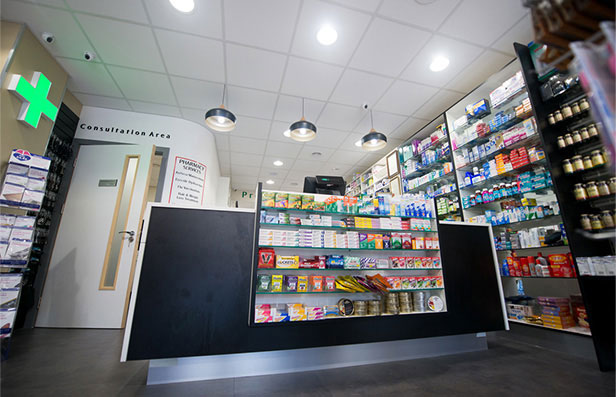
- Pre-designed shelf layouts
- Educational materials for in-store use
- Product bundling tailored to specific health concerns (e.g., diabetic care, immunity boosters)
These value-added services enhance the merchandising capabilities of small and medium-sized pharmacies, helping them remain competitive.
Learn more: Challenges and Opportunities in Malaysia’s Pharmaceutical Supply Chain | McKesson – Pharmacy Retail Solutions
Benefits of Pharmacy-Specific Merchandising Strategies

1. Enhanced Patient Trust and Loyalty
Clear, organized, and informative merchandising fosters a sense of care and reliability. When patients find the right products easily—and receive guidance from knowledgeable staff—they’re more likely to return.
2. Better Regulatory Alignment
Pharmacy-specific merchandising minimizes legal risks by adhering to health regulations. This protects the pharmacy’s reputation and ensures long-term sustainability.
3. Improved Product Turnover and Optimized Inventory
By working closely with pharmacy wholesale distributors, pharmacies can track what sells, avoid overstocking, and respond quickly to seasonal health trends (e.g., flu season, allergy months).
4. Stronger Relationships with Healthcare-Focused Distributors
Aligning with an independent pharmacy distributor builds long-term partnerships. These relationships offer tailored support, better pricing, and merchandising programs that go beyond generic retail strategies.
Learn more: Cost-Effective Strategies for Pharmacy Distribution in Malaysia
How Pharmacies Can Apply Effective Merchandising Tactics

Practical Tips for Independent Pharmacies
- Segment shelves by health condition (e.g., digestion, respiratory health) rather than brand
- Use shelf talkers and signage to educate customers about uses and benefits
- Rotate seasonal displays to reflect public health campaigns (e.g., vaccination drives)
- Designate zones for quick health tips, brochures, and sample stations
Leveraging Data from Pharmacy Wholesale Distributors
Distributors often provide valuable data on:
- Top-selling products by region
- Expiry tracking and restocking alerts
- Localized demand patterns
By analyzing this data, pharmacies can fine-tune their merchandising strategy for maximum ROI.
Collaborating with Pharmacy Distributor Malaysia for Localized Strategies
A pharmacy distributor Malaysia understands the unique needs of local communities—from cultural preferences to regulatory environments. Partnering with them enables pharmacies to:
- Offer culturally relevant products
- Stay ahead of policy changes
- Align merchandising with local healthcare initiatives
Pharmacy merchandising is a specialized discipline that requires a balance between compliance, trust, and sales optimization. Unlike traditional retail, where impulse and visual tactics dominate, pharmacies must adopt a patient-first approach backed by regulatory awareness and educational support.
By understanding the key differences—and leveraging the expertise of independent pharmacy distributors, pharmacy distributor Malaysia, and pharmacy wholesale distributors—pharmacies can create a merchandising strategy that not only drives revenue but also enhances patient outcomes.
Ready to optimize your pharmacy merchandising? Contact us today to explore customized strategies that align with your goals, regulatory requirements, and community needs.
How can we assist you today? 😊
Just let us know—we’re here to help!