

June 29, 2025
In Malaysia’s fast-changing pharmacy retail scene, the checkout area has transformed into an unexpected profit driver. Gone are the days when this space was just a waiting zone—today, it’s a carefully curated hotspot for impulse purchases. But what makes these small, strategically placed items so irresistible to shoppers?
The secret isn’t just about filling shelves with random products. Successful checkout merchandising requires a mix of smart placement, behavioral psychology, and data-driven strategy. Thanks to Malaysia’s robust pharmacy distribution network—including specialized independent pharmacy distributors and wholesale suppliers—brands now have the tools to turn even the tiniest shelf space into a revenue booster. It’s not enough to simply stock health supplements or skincare items; the real magic happens when distributors and retailers align product selection with spontaneous buying triggers.
For pharmacy merchandisers and distributors, mastering this art is crucial. A well-planned checkout zone doesn’t just increase sales—it also enhances the shopper’s experience, encouraging repeat visits. By leveraging bundle deals, eye-level placements, and seasonal promotions, businesses can tap into those last-minute decisions that add up to big profits. After all, in today’s competitive market, every inch of shelf space counts—especially the ones closest to the cashier.
What Is Impulse Buying in Pharmacy Retail?

Ever wondered why customers often toss an extra item into their basket right before checking out? In pharmacies, impulse buying involves unplanned purchases driven by quick, emotionally charged decisions rather than careful consideration. Unlike supermarkets that strategically place candy or batteries near checkout counters, Malaysian pharmacies capitalize on different products to spark those spontaneous grabs:
Health-conscious picks like hand sanitizers, antibacterial wipes, and travel-sized wellness kits
Personal care essentials such as lip balms, mini skincare, and herbal supplements
Quick relief items including eye drops, pain relief creams, and other on-the-go necessities
But what really fuels these impulsive decisions? It’s a blend of psychological and environmental triggers working together:
Emotional Drivers:
The urge to treat oneself, the desire for self-care, or even fear of missing out (FOMO) can override logical thinking. When shoppers see a small, affordable product that promises instant benefits—like smoother lips or pain relief—their brain registers it as a quick reward.
Situational Factors:
External pressures play a big role too. Limited time, crowded stores, or persuasive product promoters can nudge hesitant buyers into action. Even subtle retail cues—bright lighting, clear signage, and well-placed shelf displays—subconsciously guide decisions, making it harder to resist that last-minute addition.
By understanding these triggers, pharmacies can optimize product placement and marketing to align with natural buying behaviors. After all, even the most rational shopper isn’t immune to a well-timed impulse offer.
Learn more : Discover the power of consumer impulse buying
Placement Strategy: Maximizing Front-of-Counter Real Estate
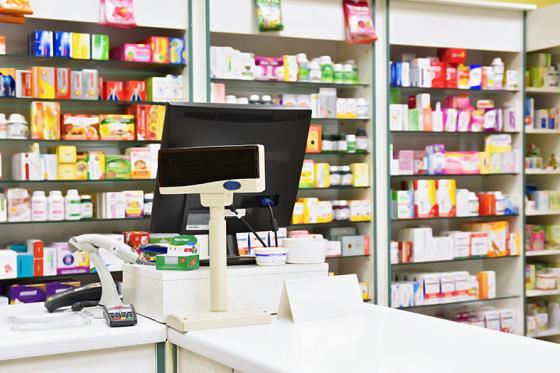
Location matters more than you might think. Studies throughout Southeast Asia reveal that items placed at eye level—whether for adults or children, based on the target audience—experience noticeably higher pickup rates. Major pharmacy chains in Malaysia, including Caring Pharmacy and Guardian, leverage both vertical and horizontal shelving strategies near checkout counters to capture customer interest effectively.
Here’s how they do it:
✔ Vertical Arrangement: Fast-moving products are stacked from top to bottom, often starting with premium options and descending to budget-friendly choices. This guides the shopper’s gaze naturally while maximizing exposure.
✔ Horizontal Displays: A varied layout accommodates different shopping behaviors, ensuring products align with how customers naturally browse. This approach caters to both quick grab-and-go buyers and those who linger.
✔ Strategic Product Pairing: A thoughtful mix of wellness essentials, beauty products, and first-aid items creates cross-category appeal, encouraging unplanned purchases.
Many pharmacies collaborate with distributors in Malaysia to implement these layouts, maintaining brand visibility and adherence to planogram standards. Additionally, frequent product rotations—often handled by distribution partners—keep displays dynamic and in sync with shifting consumer demand.
By refining checkout zone strategies, retailers can turn a mundane waiting area into a high-conversion sales driver. Are you making the most of yours?
Learn more : The retail pharmacy of the future
Understanding Consumer Psychology at Point-of-Sale

Ever wonder why shoppers grab certain items on a whim while completely overlooking others? The answer lies in behavioral economics—a fascinating field that explains how our brains make purchasing decisions, especially when we’re tired or distracted. After 15–20 minutes of browsing, decision fatigue kicks in, turning the checkout area into a hotspot for small, guilt-free indulgences.
So, what makes the impulse zone so effective? A few key triggers:
Urgency Tactics: Phrases like “limited-time offer” or “only 3 left!” create fear of missing out, nudging customers to act fast.
Strategic Colors & Packaging: Vibrant shades—think energizing orange or calming green—subconsciously signal health, vitality, or freshness.
Clever Messaging: Wording that frames the purchase as a reward (“Stay protected anywhere!”) helps justify the splurge.
In Malaysia, shoppers respond especially well to two things: value-driven pricing and health-conscious branding. Products featuring halal certification, KKM approval, or eco-friendly designs tend to perform better because they align with local values.
For pharmacies and retailers, this isn’t just about boosting sales—it’s about ethical merchandising. By tailoring impulse displays to consumer psychology and cultural preferences, businesses can create a win-win: shoppers leave satisfied, and stores see healthier profits.
Learn more : How Customer Behavior Influences Pharmacy Merchandising Strategies in Malaysia | To Keep Your Customers, Keep It Simple
Product Bundling: Driving Value Perception and Convenience

Bundling isn’t just a sales gimmick—it’s a powerful strategy to drive purchases while keeping customers happy. By offering thoughtfully paired products at checkout, like sample-sized combos or multi-item sets, brands can make shoppers feel they’re getting more for their money. Take these clever examples:
A vitamin C powder paired with an immunity-boosting herbal drink
A travel-friendly duo of lip balm and hand sanitizer
Colorful, themed wellness kits designed for kids
Beyond convenience, these bundles build credibility—especially when curated with input from trusted pharmacy distributors. Savvy retailers even tap into cultural moments, rolling out timely sets like “Ramadan Wellness Boxes” or “Back-to-School Essentials” to match local traditions.
In Malaysia’s competitive retail scene, bundling has emerged as a win-win. Stores use it to move excess inventory or spotlight new products, while shoppers love the extra value. The result? Stronger customer relationships and more repeat business.
Role of Pharmacy Distributors in Checkout Merchandising
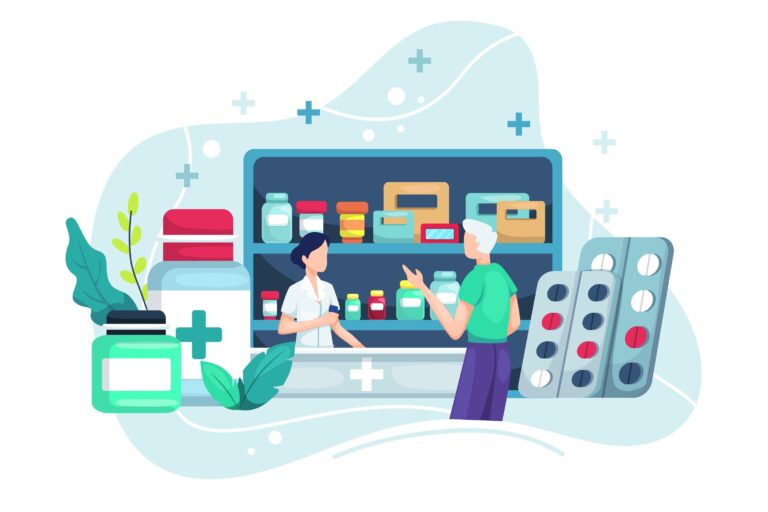
Ever wondered who makes sure the right healthcare products are always available when and where customers need them? In Malaysia, pharmacy distributors play this crucial role—going far beyond simple product delivery to become true merchandising partners.
These distributors handle everything from promotional campaign kits to customized in-store displays, ensuring brands stay visible and appealing. But what exactly do they do to keep pharmacies running smoothly?
The Multitasking Magic of Pharmacy Distributors
New Product Launches: They deploy trained promoters to introduce and activate new items, helping customers discover the latest healthcare solutions.
Shelf Management: Regular audits and SKU refreshes keep product displays tidy, up-to-date, and aligned with consumer demand.
Eye-Catching Merchandising: From wobblers to counter displays and shelf talkers, they provide the materials that make products stand out.
Unlike larger corporations, independent distributors often move faster—adapting strategies based on store size, customer preferences, or even local festivals. This agility means pharmacies get tailored support that boosts sales without unnecessary delays.
But their work doesn’t stop there. Distributors also streamline restocking, manage expiry dates, and ensure shelves stay compliant with regulations. The result? A shopping experience that’s not just attractive but also safe and profitable for both stores and shoppers.
By blending speed, strategy, and smart merchandising, Malaysia’s pharmacy distributors keep the healthcare retail ecosystem running seamlessly—one well-stocked shelf at a time.
Learn more : The Role of Pharmacy Distribution Services in Malaysia’s Healthcare System
Checkout Merchandising for Health Compliance and Product Trust

In Malaysia, retailers and pharmacies must follow strict guidelines to ensure that health products displayed near checkout areas meet NPRA/KKM standards. This means every item on the shelves must be properly registered and approved before reaching consumers.
To maintain compliance, distributors and pharmacies collaborate closely. Their responsibilities include:
Clear labeling – Every product must have accurate, visible labeling to avoid misleading customers.
Regulation-compliant claims – Marketing language should never overpromise benefits or violate Ministry of Health (MOH) rules.
Consumer education – Stores often integrate QR codes or small informational displays near products, linking to safety details or usage guidelines.
Many retailers enhance transparency by adding mini-displays with leaflets, infographics, or certification badges—especially for over-the-counter (OTC) items like vitamins, supplements, or personal care sprays. These small touches help shoppers make informed decisions, even during last-minute purchases.
Additionally, Malaysia’s pharmacy distribution services play a key role in balancing business growth with public health priorities. When promoting new products, they ensure safety messaging remains clear, preventing misleading promotions while still driving sales.
By combining smart retail strategies with strict regulatory adherence, Malaysia proves that convenience and compliance can go hand in hand—as long as oversight remains a top priority. (Some stores, for example, still struggle with consistency in labeling, but improvements are ongoing.)
Learn more : Ethical Criteria for Drug Promotion
Technology & Data: Tracking What Sells at the Counter

Ever wondered how pharmacies keep their shelves stocked with the right products? The secret lies in point-of-sale (POS) analytics and real-time feedback systems. By tracking which items sell best, when they’re purchased, and even the demographics of buyers, pharmacies gain a clear picture of customer preferences.
Sophisticated pharmacies, especially those collaborating with distribution partners, leverage tools like:
Weekly sell-through reports – Highlighting top-performing and underperforming SKUs
Planogram compliance checks – Ensuring shelf layouts match high-demand trends
Live inventory synchronization – Automatically updating stock levels with suppliers
This data-driven approach lets pharmacies pivot fast—whether it’s pulling slow sellers, replenishing popular items, or testing new product pairings. In markets like Malaysia, tech-savvy pharmacy distributors are empowering retailers with these digital tools, closing the loop between stock availability and real-world purchasing habits.
The result? Smarter inventory choices, happier customers, and less wasted shelf space. While traditional guesswork falls short, analytics-backed decisions keep pharmacies competitive in an ever-changing retail landscape.
Practical Strategies for Pharmacies: Turning Impulse into Incremental Revenue

Want to drive more spontaneous sales at your pharmacy? It’s easier than you think—small tweaks to your product selection and checkout strategy can make a big difference. Here’s a practical guide to maximizing those last-minute add-ons.
Stock These High-Impulse Products
Travel-sized sanitizers – Always in demand, especially near the register.
Single-use wellness sachets – Think vitamins, rehydration salts, or immune boosters.
Premium skincare minis – Small but high-margin, perfect for quick grabs.
Eye masks & cooling patches – Ideal for tired customers looking for instant relief.
Proven Tactics to Increase Checkout Conversions
Rotate displays frequently – Swap out your front-of-counter items every few weeks to keep them fresh.
Leverage branded signage – Distributor-provided shelf talkers can highlight promotions effectively.
Encourage staff recommendations – A simple “Would you like to add a hand cream today?” can work wonders.
Partner with suppliers for seasonal bundles – Holiday-themed packs or limited-time offers create urgency.
In Malaysia, many independent pharmacies still miss out on the full potential of checkout merchandising. But with the right wholesale partners and a few strategic adjustments, you can turn idle counter space into a steady revenue stream—no extra floor space or staffing needed.
Learn more : 7 Pharmacy Merchandising Tips
Gone are the days when the checkout counter in Malaysian pharmacies was just a transactional space—today, it’s a high-impact sales zone. Savvy retailers now leverage smart product positioning, behavioral psychology tactics, and region-specific product pairings to turn last-minute decisions into revenue-boosting opportunities.
So, what’s the secret behind a high-performing checkout area? Strategic alliances. Partnering with a dependable pharmacy distribution service in Malaysia can make all the difference, particularly when they provide in-store merchandising solutions, actionable retail insights, and hyper-localized campaign implementation. These elements are critical for capitalizing on impulse purchases and maximizing sales potential.
How can we assist you today? 😊
Just let us know—we’re here to help!