

July 2, 2025
In the bustling world of pharmacy retail, the difference between a forgettable transaction and an exceptional customer experience often comes down to one key factor: the promoter. More than just sales staff, well-trained promoters act as knowledgeable guides, building trust through genuine engagement and a deep understanding of customer needs.
Malaysia’s pharmaceutical sector is more competitive than ever, and the role of promoters has evolved. They’re no longer simply reciting product details—they’re brand ambassadors shaping customer perceptions. Whether you operate as an independent pharmacy, part of a larger pharmacy distributor Malaysia network, or collaborate with a pharmacy distribution service in Malaysia, investing in promoter training isn’t optional—it’s a necessity. The right training transforms promoters into assets who don’t just boost sales but also foster long-term loyalty.
In an industry flooded with similar products, a promoter’s expertise, confidence, and approachability can set your pharmacy apart. Structured training ensures consistency across locations, turning every interaction into an opportunity to strengthen your brand.
This article explores how to develop a pharmacy promoter training program that not only increases short-term revenue but also cultivates lasting customer relationships. Because in pharmacy retail, success isn’t just about what you sell—it’s about how you make your customers feel.
The Role of Pharmacy Promoters in the Distribution Ecosystem
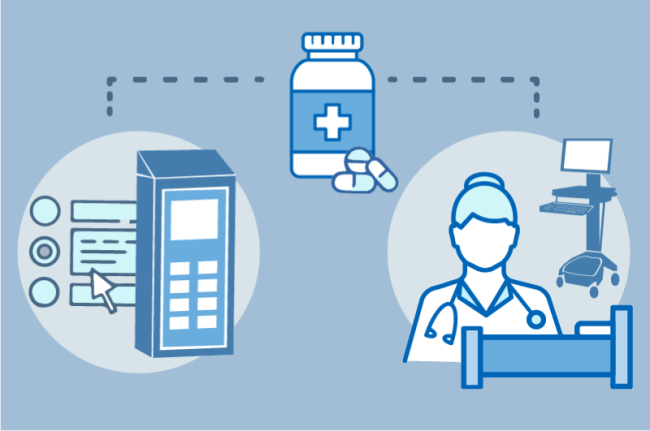
In the competitive world of pharmacy retail, promoters play a pivotal role—connecting brand strategies with actual shopper decisions. For wholesale distributors, a well-trained promoter team isn’t just about product placement; it’s a strategic advantage that ensures shelf-level impact. Rather than merely pushing merchandise, these professionals humanize brands, turning transactions into meaningful engagements right where it matters: the point of purchase.
Malaysia’s retail environment, still heavily reliant on in-person interactions, makes this function even more vital. Take major players like Guardian Malaysia or Caring Pharmacy, for example. Their promoters don’t just stock shelves—they actively advocate for wellness ranges, skincare solutions, and supplement lines. Acting as intermediaries, they represent diverse stakeholders, from global pharma brands to local skincare manufacturers, all funneled through a distributor’s network.
Smaller, independent pharmacy distributors can leverage promoter programs to compete with larger chains despite limited resources. By investing in proper training, these distributors empower promoters to foster trust within community pharmacies. The result? Stronger brand recognition, repeat purchases, and higher-value sales—all driven by genuine relationships rather than impersonal promotions.
In a market where personal touch still reigns, pharmacy promoters aren’t just salespeople; they’re the crucial link between brands and the customers who rely on them. And for distributors, that’s a game-changer worth prioritizing.
Learn more : The Role of the Pharmacy Channel in Healthcare Marketing: A Guide for Aspiring Pharmacy Students
Building a Structured Training Framework for Promoters

Launching a successful merchandising team begins with a clear, step-by-step training approach—one that equips promoters with the right skills while keeping Malaysia’s unique pharmacy landscape in mind. Here’s how to structure it for maximum impact:
1. Onboarding: Aligning with Company Values
New promoters need a solid introduction to your brand’s mission, the importance of merchandising, and what’s expected in their role. Instead of generic lectures, use real-world examples from Malaysian pharmacies—like handling customer interactions in busy urban outlets versus smaller neighborhood stores. This helps them grasp cultural and operational nuances early on.
2. Product Immersion: Knowing What You Sell
A deep dive into key product categories—supplements, over-the-counter meds, skincare, and medical devices—is non-negotiable. But in Malaysia, it’s not just about features; promoters must recognize KKM (Ministry of Health) labels and understand compliance messaging. Training should cover how to explain benefits without misleading claims, especially with health-conscious shoppers.
3. Sales Techniques: Engaging the Malaysian Customer
Pharmacies here face price-sensitive buyers and wellness-focused clients. Teach promoters needs-based selling—how to ask the right questions and address concerns without being pushy. Role-play common objections, like customers hesitating over higher-priced vitamins, and practice culturally appropriate responses.
4. Merchandising Exposure: Mastering Visual Impact
Shelf standards and displays can make or break sales. Train promoters on optimal product placement, eye-level positioning, and maintaining tidy setups—critical when collaborating with pharmacy merchandising services. Since outlet sizes vary, adaptability is key; what works in a large chain might need tweaking for a compact neighborhood pharmacy.
Why Consistency Matters
For pharmacy distribution service providers in Malaysia, standardizing this framework ensures every promoter—whether in a mega-city or smaller town—delivers the same brand message. It also boosts their confidence when handling diverse product ranges and customer personalities.
Learn more : The Role of Employee Training in Effective Pharmacy Merchandising
Developing Product Knowledge for Trust-Based Selling

When customers step into a pharmacy, they’re not just looking for a product—they’re searching for confidence in their purchase. They want to speak with someone who truly understands what they’re selling. That’s where well-trained promoters make all the difference.
What Should Promoters Master?
To earn customer trust, promoters need in-depth knowledge covering:
Key ingredients – What’s inside the product, and how do they work?
Ideal users – Is it formulated for kids, older adults, or those with specific skincare needs?
Usage guidelines – Clear instructions on how to apply, dose, or consume the product.
Expected benefits – Realistic timelines for seeing results.
Regulatory compliance – Whether it’s KKM-approved or carries a valid NOT number for legitimacy.
For instance, when Watsons Malaysia introduced a new collagen supplement, promoters who highlighted its KKM registration and science-backed advantages saw significantly better sales.
Tailored Training for Different Product Categories
Not all pharmacy products are the same, so training should adapt accordingly. Focus areas include:
Health supplements – Joint care, beauty boosters, and immune support.
Wellness essentials – Aromatherapy oils, relaxation sprays, and sleep aids.
OTC & first-aid – Pain relievers, wound care, and allergy medications.
Skincare & dermo-cosmetics – Solutions for acne, aging, or sensitive skin.
Leading pharmacies often partner with distributors to provide interactive training—think e-learning modules, instructional videos, or even role-playing exercises. These methods keep promoters sharp, ensuring they can answer questions with ease and close sales effectively.
By investing in thorough product education, pharmacies don’t just sell—they build long-term customer loyalty. After all, when shoppers feel informed, they’re far more likely to return.
Learn more : 6 Ways Product Knowledge Can Improve Sales Success
Teaching Effective Demo Skills and In-Store Engagement

Creating a memorable in-store experience hinges on interactive, sensory-driven demonstrations that captivate without overwhelming shoppers. A skilled pharmacy promoter strikes the perfect balance—engaging customers naturally while avoiding aggressive sales tactics.
Best Practices for Effective Product Demos
To leave a lasting impression, promoters should leverage these proven strategies:
Live product demonstrations – Let customers see creams, patches, or sprays in action.
Controlled sampling – Offer testers with clear hygiene protocols and consent.
Visual storytelling – Use before-and-after images or digital tools to highlight skincare transformations.
Scent marketing – Introduce fragrance strips for essential oils to enhance sensory appeal.
Tactile engagement – Allow comparisons between textures, like shea butter variants, to build trust.
Beyond product knowledge, emotional intelligence is key. Train promoters to read body language, initiate conversations politely, and recognize when to give shoppers space.
Enhancing Demos with Visual Merchandising
Many Malaysian pharmacy distributors support promoters with eye-catching merchandising tools, including:
Portable demo kits
Pop-up display stands
Shelf wobblers to highlight promotions
Common Mistakes to Avoid
Even the best promoters can slip up. Watch out for these pitfalls:
Overloading with technical details – Keep explanations simple and relatable.
Missing nonverbal cues – Train staff to notice when a customer feels rushed or disinterested.
Forgetting promotions – Always mention bundle deals or discounts before the customer leaves.
By blending hands-on demos, emotional awareness, and smart visuals, pharmacies can turn casual browsers into loyal customers. The key? Making every interaction feel personal, not transactional.
Learn more : 7 Pharmacy Merchandising Tips | How to perfect your demo skills with sales training courses
Monitoring Promoter Performance: KPIs & Field Support
Wondering if your promoter training is delivering real results? The key lies in consistent tracking, measurement, and refinement. Without proper evaluation, even the most well-designed training programs can fall short. To maximize your pharmacy merchandising success, you’ll need to identify which KPIs truly reflect promoter performance—and then monitor them closely.
Essential Metrics to Track
Not all metrics are created equal. Focus on these critical indicators to gauge promoter impact:
Conversion Rate – The ratio of customer interactions to actual sales
Engagement Time – How long promoters hold a customer’s attention
Sampling Redemption – Whether free samples translate into purchases
Cross-Sell Rate – Upselling success for complementary products
Product Knowledge Scores – Post-training quizzes to assess retention
Many pharmacy distribution services in Malaysia leverage digital dashboards or integrate with CRM platforms to streamline tracking. These tools help log promoter activities, customer feedback, and daily performance—giving you actionable insights at a glance.
The Human Touch: On-Ground Support
While data is crucial, hands-on supervision shouldn’t be overlooked. Team leaders play a vital role in maintaining high standards through:
Mystery Shopper Audits – Unbiased evaluations of real-world interactions
Refresher Sessions – Quick coaching to address knowledge gaps
Feedback Sharing – Highlighting both positive and constructive input
Incentive Programs – Friendly competitions to boost motivation
By combining data-driven analysis with proactive field support, you’ll keep promoters aligned with your pharmacy’s evolving goals. And remember—small tweaks based on real-time feedback can lead to significant improvements over time.
Learn more : Pharmacy Merchandising: Best Practices for Product Pricing and Promotion in Malaysia
Collaboration Between Brands, Distributors & Pharmacies

A promoter’s success isn’t just the brand’s responsibility—it’s a collaborative effort across the entire ecosystem. While brands provide the foundation with content and messaging, true effectiveness comes from seamless coordination among all stakeholders.
Key Players in the Promoter Success Chain
Brand Teams: They craft the core messaging and product knowledge, but their job doesn’t end there. They need to ensure their training materials resonate with real-world selling scenarios.
Distributors & Wholesalers: Pharmacy distributors in Malaysia, for instance, handle logistics and large-scale training rollouts. Without their support, even the best campaigns can stall before reaching retailers.
Retail Partners: Chains like Watsons or Guardian provide critical on-ground feedback. Their staff and promoters interact directly with customers, making their insights invaluable for refining strategies.
How Successful Campaigns Come Together
In Malaysia, top-performing brands often kick off with joint workshops—bringing together brand reps, distributors, and retail teams. Picture a skincare brand launching a new serum: they might organize a roadshow with interactive training sessions for both in-house staff and third-party promoters.
These workshops typically cover:
Deep-dive product demos (not just features, but real benefits)
Role-playing exercises to sharpen objection-handling skills
Merchandising best practices for maximizing shelf impact
Localized training to navigate cultural nuances
But the work doesn’t stop after the workshop. Pharmacy wholesale distributors play a behind-the-scenes role in maintaining standards—think routine outlet audits, updated SOPs, and constructive performance reviews. After all, consistency is what turns a one-time promotion into lasting sales growth.
Case Study: High-Performing Promoter Training in Malaysia

Let’s break down a real-life example of how effective promoter execution drove measurable results for a health brand.
The Scenario: Alpro Pharmacy’s Vitamin C Spray Campaign
A niche wellness brand teamed up with a mid-sized pharmacy chain to roll out an innovative vitamin C spray. To ensure success, they designed a structured three-phase promoter program—combining education, hands-on guidance, and motivation.
Phase 1: Intensive Training
The foundation was a full-day immersion workshop covering everything from the product’s scientific benefits to compliant demo techniques. Promoters left not just understanding the spray’s USP but also how to engage customers under regulatory guidelines.
Phase 2: On-Site Mentorship
For the critical first month, promoters received in-person coaching at high-traffic stores. This real-time feedback helped refine pitches, troubleshoot objections, and adapt to different customer personalities.
Phase 3: Gamified Performance Tracking
Weekly check-ins analyzed metrics like conversion rates, while friendly competitions (with cash prizes) kept promoters invested. The result? A near 80% retention rate—far above industry averages.
The Payoff
Within eight weeks, the spray became a standout performer:
28% more shelf visibility from dynamic demos
220% higher sales in staffed locations vs. control stores
Repeat adoption by other distributors for holiday campaigns
What made this work? A mix of thorough preparation, continuous support, and recognizing promoter efforts—a blueprint any brand can tweak for their next launch.
Common Training Gaps and How to Fix Them

Even with proper training, some brand promoters fail to meet expectations. The reasons often boil down to gaps in how training is delivered, retained, and reinforced. Let’s break down the common challenges—and practical ways to fix them.
Key Training Gaps Holding Promoters Back
Inconsistent Training Across Locations – When different outlets receive varying levels of instruction, promoter performance becomes uneven. A standardized approach ensures everyone gets the same foundation.
One-and-Done Training Doesn’t Stick – Single workshops rarely lead to long-term retention. Without reinforcement, critical product details are forgotten, hurting in-store execution.
Missing Soft Skills Development – Product knowledge alone isn’t enough. Many promoters lack coaching on communication, objection handling, or customer engagement—skills that make or break sales.
No Real-Time Feedback from Pharmacies – When promoters don’t hear directly from retail staff, they miss insights on what’s working (or not) with customers.
How to Fix These Issues
Swap Long Workshops for Bite-Sized Learning – Short, frequent lessons via WhatsApp or a mobile LMS improve retention and fit busy schedules.
Gamify Training – Quizzes, badges, and leaderboards make learning engaging while reinforcing key messages.
Rotate Trainers Regularly – Fresh coaching perspectives prevent stagnation and keep content dynamic.
Close the Feedback Loop – Regular check-ins with pharmacy teams help promoters adjust tactics based on real customer reactions.
Leading pharmacy distributors often assist by providing localized training videos, bilingual resources, and scheduled follow-ups—ensuring no region gets left behind.
Learn more : 5 Ways Companies Are Addressing Skills Gaps in Their Workforce
Gone are the days when pharmacy promoters were just an optional add-on—today, they’re a non-negotiable part of any successful retail pharmacy strategy. Without a well-trained promoter team, maintaining brand visibility and fostering customer trust at the shelf becomes an uphill battle.
Every detail matters, from structured onboarding to mastering in-store demonstrations, tracking key performance indicators (KPIs), and fostering seamless collaboration within the retail ecosystem. It doesn’t matter if you’re an independent distributor or partnering with a leading pharmacy distributor in Malaysia—investing in high-quality promoter training directly translates to stronger customer loyalty and increased sales.
At PriooCare, we specialize in empowering brand owners, merchandisers, and distributors with comprehensive pharmacy merchandising services and customized promoter training programs. Our solutions are designed to ensure your team not only engages customers effectively but also drives measurable results.
How can we assist you today? 😊
Just let us know—we’re here to help!