

August 27, 2025
In Malaysia’s fast-evolving retail healthcare sector, pharmacies—whether sprawling chain outlets or cozy independent setups—face relentless pressure to stand out. But it’s not just about stacking shelves; it’s about strategic alignment with brand standards, regulatory demands, and shopper behavior. A haphazard product display doesn’t just hurt sales—it erodes trusted relationships with customers who rely on pharmacies for reliable health solutions.
Consider this: A pharmacy distributor Malaysia team audits a well-known chain in Kuala Lumpur and discovers that 40% of promotional displays for a new vitamin brand are misplaced or missing entirely. The fallout? Lost revenue, frustrated manufacturers, and confused shoppers. This isn’t hypothetical—it’s a real-world example of why audits aren’t optional. They’re the proven backbone of effective retail execution.
Visibility: Proper merchandising ensures high-demand items (like pain relievers or baby care) are instantly findable.
Compliance: Aligns with KKM (MOH) guidelines, avoiding fines for mislabeled or expired stock.
Brand Integrity: Uniform displays reinforce professionalism, whether in a Johor Bahru independent pharmacy or a Penang mall outlet.
For pharmacy wholesale distributors, audits act as a strategic feedback loop. Field teams verify if marketing campaigns land as intended, whether planograms reflect real-world shopping habits, and if expiry dates are managed efficiently. In a market where 60% of Malaysians prioritize well-organized pharmacies (2023 Retail Health Survey)
The Role of Pharmacy Distributors in Merchandising Execution

Pharmacy distributors aren’t just delivery drivers—they’re essential connectors between manufacturers and retail reality. Imagine a scenario: A pharma distributor in Selangor restocks a suburban clinic’s shelves but overlooks a promotional endcap for diabetic care products. The result? A missed opportunity to capture a growing demographic (Malaysia’s diabetic population exceeds 4 million).
Here’s how distributor pharmacy teams elevate merchandising:
Planogram Precision: Translating manufacturer layouts into actionable shelf setups, accounting for space constraints in compact urban pharmacies like those in Georgetown.
Promotional Agility: Ensuring campaign materials (wobblers, shelf talkers) deploy on time—critical during peak seasons like Ramadan or back-to-school.
Stock Intelligence: Monitoring SKU velocity to prevent overstocking niche items (e.g., premium supplements) in rural areas like Sarawak, where demand skews toward essential OTC meds.
Local Example: A Kelantan-based independent pharmacy distributor partners with 50+ clinics, using audit data to adjust delivery frequencies for fast-moving items (e.g., prenatal vitamins in family-heavy neighborhoods). This tailored approach reduces stockouts by 30% (Internal 2022 Case Study).
Yet challenges persist. Urban-rural divides mean audits must adapt: A KL city center outlet might need weekly checks for new launches, while a Perak village pharmacy benefits from monthly reviews focused on reliable staples.
Learn More : Top 10 Pharmacy Distributors in Malaysia Ranking
Setting Audit Objectives: What to Measure and Why It Matters

Not all audits are created equal. A strategic audit zeroes in on KPIs that directly impact sales and compliance. Take Malaysia’s top-performing pharmacy merchandising services—they track:
✅ Planogram Compliance
Are products in the right aisle, shelf, and facing position?
Example: A Malacca audit revealed that 70% of stores placed cough syrup next to sleep aids (a proven cross-selling combo), boosting average basket size by 15%.
✅ Promotion Visibility
Are seasonal campaigns (e.g., “School Readiness” bundles) displayed at eye level?
Data Point: 58% of shoppers impulse-buy health items when signage is clear (Nielsen 2023).
✅ Stock Health
No gaps for top sellers (e.g., antihistamines during haze season).
Expiry dates rotated per FIFO—critical for infant formula or refrigerated items.
✅ Pricing Accuracy
Mismatched tags cause checkout delays and erode trust. A Johor audit found 12% of stores had outdated discount labels during Raya promotions.
For pharmacy distributor Malaysia teams, these metrics aren’t bureaucratic checkboxes. They’re expert tools to:
Negotiate better margins with brands by proving execution quality.
Redirect field teams to underperforming regions (e.g., prioritizing East Malaysia during monsoon-related demand spikes).
Learn More : Global State of Health & Wellness 2025
Designing a Tailored Field Visit Audit Checklist
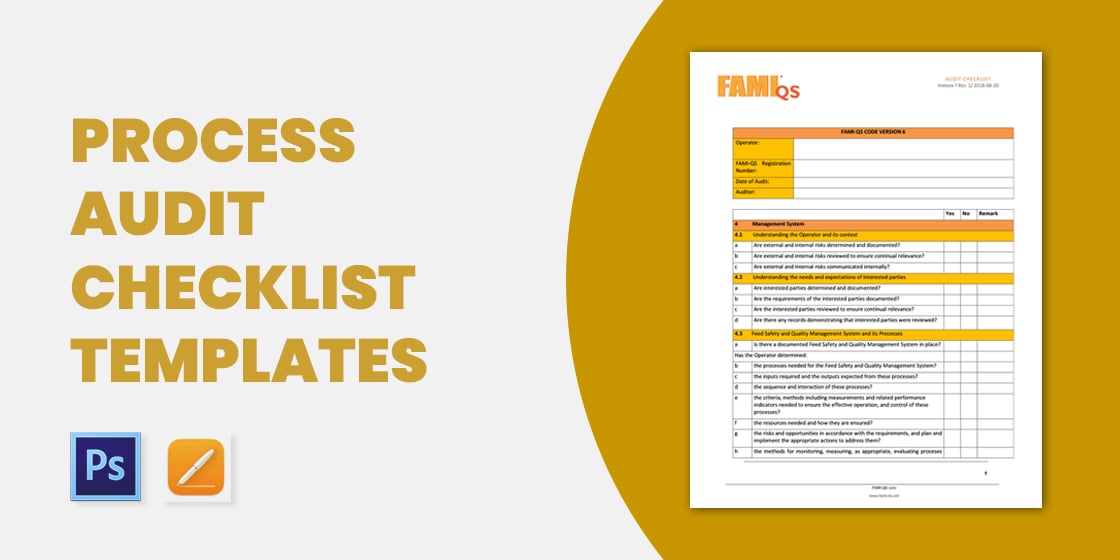
A one-size-fits-all checklist fails in a market as diverse as Malaysia. An efficient audit template balances structure with flexibility:
Core Components
Display Hygiene: Dusty shelves deter buyers—especially for premium skincare in affluent KL suburbs.
Multilingual Labels: Vital for Tamil/Mandarin-speaking communities in Ipoh or Penang.
Category-Specific Rules:
Infant care: Security-tagged items near counters.
OTC pain relief: Adjacent to heat patches for cross-merchandising.
Regional Adaptations
Urban: Compact stores need vertical space optimization (e.g., hanging displays for allergy meds).
Rural: Bulk packs of essential items (e.g., painkillers) at waist level for easier access.
Tech Integration
Mobile apps with photo uploads streamline audits for pharmacy wholesale distributors covering 100+ outlets. GPS timestamps prevent “ghost audits.”
Local Insight: A Sabah-based distributor reduced planogram errors by 25% after adding a checklist column for “Borneo-specific bestsellers” (e.g., travel-sized antiseptics for jungle trekkers).
Learn More : The Role of End-Cap Displays in Increasing Pharmacy Sales in Malaysia
Reporting Best Practices: From Observation to Action
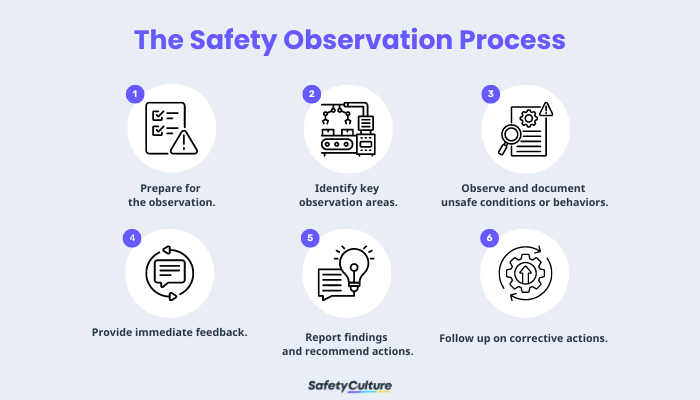
An audit is useless if the report gathers digital dust. Effective reporting bridges gaps between field teams, distributors, and brands:
Must-Have Elements
Visual Proof: Side-by-side photos of compliant vs. non-compliant displays.
Priority Flags: Color-coded alerts for urgent fixes (e.g., expired antibiotics).
Pharmacist Feedback: Comments on shopper complaints (e.g., “Customers can’t find glucose test strips”).
Operational Impact
A Kedah pharma distributor used heat maps in reports to identify clusters of pricing errors, revealing a training gap for temporary staff.
Integrated CRM alerts help distribution managers reroute promo materials—like sending extra fever relief displays to Pahang during dengue outbreaks.
Malaysia-Specific Nuance
Reports should account for cultural events: Post-Raya audits often show overstocked festive gift sets needing markdowns.
Learn More : The Execution Imperative for Consumer‑Goods Companies
Common Merchandising Execution Gaps in Malaysian Pharmacies
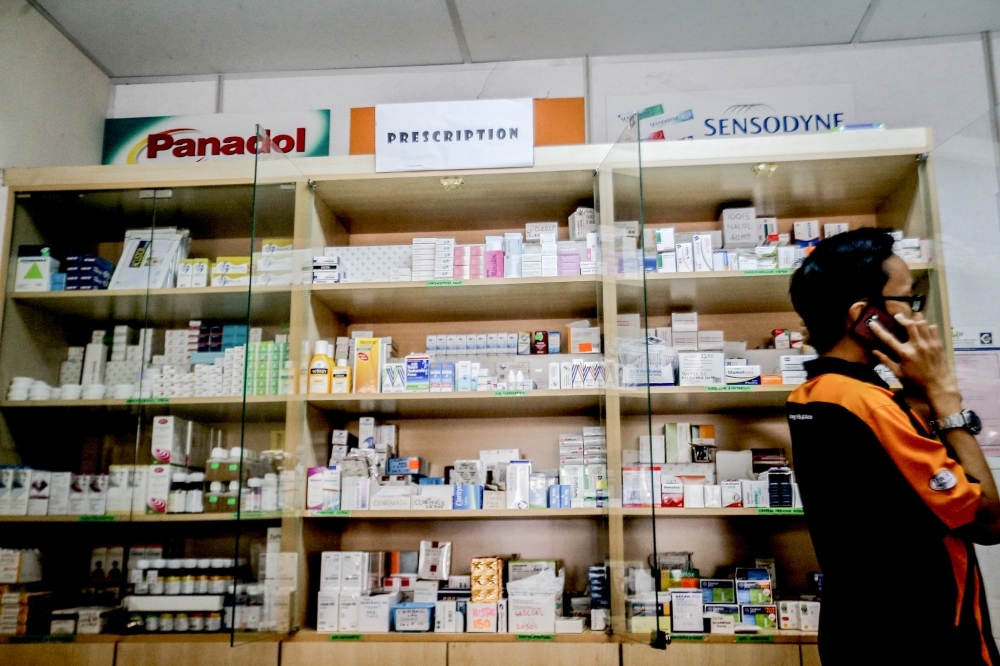
Even the most trusted pharmacy distributors in Malaysia face hurdles when translating plans into perfect shelf execution. Picture this: A shopper in a bustling Kuala Lumpur pharmacy reaches for a popular children’s fever syrup—only to find an empty spot where it should be. Nearby, last month’s promotional banner for a since-discontinued vitamin still hangs, frayed and outdated. These aren’t minor oversights; they’re strategic gaps that erode consumer confidence and sales.
Why does this happen?
Stockouts: Delayed shipments from central warehouses leave shelves bare, especially in East Malaysia where logistics face monsoon disruptions.
Promotional Lag: Campaign materials for Raya or Back-to-School often linger weeks past deadlines, cluttering spaces meant for new launches.
Display Chaos: Cross-merchandised items (e.g., sunscreen next to travel-size toiletries) get separated when staff prioritize restocking speed over planograms.
Hygiene Lapses: Dusty shelves or expired products—critical for regulated items like KKM-approved medical devices—signal neglect.
Local Example: A Johor Bahru pharma distributor audit revealed 25% of independent pharmacies mixed skincare and oral care products, confusing shoppers seeking expert category organization.
Mitigation Framework
Staff Engagement: Train pharmacy assistants during visits to adjust displays in real-time (e.g., repositioning diabetic care products to eye level).
Shared SOPs: Co-create checklists with retailers for campaign takedowns and restocking rhythms—essential for rural Sabah outlets with infrequent distributor visits.
Incentivize Compliance: Offer shelf-labeling tools or hygiene kits to high-performing stores, like a Melaka chain that reduced errors by 40% post-intervention.
Learn More : A World of Health and Beauty: Insights for Growth
Leveraging Data from Audit Reports for Strategic Improvement

Audit reports shouldn’t collect dust in some digital archive—they’re proven goldmines for operational refinement. Imagine a pharmacy distributor Malaysia team noticing that 60% of audit flags in Penang relate to misplaced allergy meds during haze season. That’s not just data; it’s a blueprint for effective change.
Transformative Uses of Audit Insights
Restocking Rhythms: Data from Kedah outlets showed stockouts peaked on weekends—now deliveries occur Fridays.
Planogram Tweaks: Heat maps revealed shoppers in Ipoh ignored bottom-shelf items, prompting a shift to waist-level displays for high-margin supplements.
Training Gaps: Recurring pricing errors in Klang Valley traced to temp staff—now, onboarding includes label-compliance drills.
Case Study: A pharmacy wholesale distributor used year-long audit trends to reallocate 20% of A&P budgets to top-performing stores in Seremban, lifting promo ROI by 35%.
Pro Tip: Dashboards that score outlets on compliance (e.g., color-coded by hygiene, stock accuracy) create healthy competition. One Sarawak chain now shares rankings with staff, tying bonuses to audit results.
Learn More : Understanding the ROI of Pharmacy Merchandising Investments in Malaysia | A Multi‑Lens Approach to Finding Growth in Consumer Goods
Tools and Technology for Streamlining Pharmacy Audit Processes

Gone are the days of clipboards and illegible notes. Today’s efficient audits leverage mobile tools to capture shelf conditions in real-time—a game-changer for pharmacy merchandising services covering 100+ stores.
Must-Have Tech Features
GPS Timestamps: Prevent fraudulent audits (e.g., reps falsely claiming visits to remote Pahang outlets).
Automated Scoring: Instantly flag stores failing hygiene or promo compliance—like a Negeri Sembilan chain that improved by 50% after digitizing checks.
Photo Evidence: Before-and-after shots of corrected displays (e.g., relocating pregnancy tests from behind counters to family-planning sections).
Malaysia-Specific Edge: Mobile apps with offline modes help auditors in areas like Kelantan with spotty internet, syncing data once back online.
Tool Comparison
| Platform | Best For | Local Adaptability |
|---|---|---|
| Repsly | Large chains (e.g., Caring, Guardian) | KL/Selangor urban centers |
| GoSpotCheck | Promo-heavy campaigns | East Coast seasonal demand shifts |
| Custom CRM Modules | Independent distributors | Tailored to Borneo’s logistics challenges |
Collaboration Between Distributors and Pharmacy Retailers

Merchandising isn’t a solo act—it’s a strategic partnership. When a pharmacy distributor Malaysia team arrives unannounced, armed with clipboards and a critical eye, pharmacists often bristle. But when the same reps train staff on maximizing shelf space or share shopper insights? That’s when magic happens.
Tactics to Foster Trust
Brief During Deliveries: 5-minute walkthroughs on new planograms prevent post-audit surprises.
Digital War Rooms: WhatsApp groups for pharmacists to report stock issues (e.g., a Malacca group reduced out-of-stocks by 22%).
Recognition Programs: Annual awards for stores with perfect audit scores—like a Kuching outlet featured in the distributor’s newsletter.
Local Win: A Klang Valley distributor pharmacy team introduced “Merchandising Champions”—pharmacists who train peers. Compliance soared, with one Petaling Jaya store hitting 95% promo visibility.
The best audits aren’t inspections; they’re rituals of continuous improvement. For Malaysian pharmacies, this means embedding reliable processes into daily workflows—not treating them as annual chores.
Long-Term Levers for Success
Training: Monthly micro-lessons for staff (e.g., “3 Steps to Perfect Planograms”).
Transparency: Shared dashboards let retailers track their audit history—a proven tactic to spur self-correction.
Regulatory Alignment: Use KKM guidelines as a baseline, not an afterthought (e.g., ensuring MOH-compliant supplement labeling in 100% of audits).
Final Thought: When a shopper walks into a pharmacy—whether in George Town’s heritage district or a Johor suburban strip—they should feel certainty, not chaos. Every well-stocked shelf, every accurate price tag, every fresh promo display is a silent promise kept.
How can we assist you today? 😊
Just let us know—we’re here to help!