

September 29, 2025
Drug shortages in Malaysia aren’t just a logistical hiccup—they’re a systemic challenge disrupting patient care, pharmacy operations, and public health outcomes. Walk into any urban hospital pharmacy or rural klinik kesihatan, and you’ll hear the same frustration: critical medications are often out of stock, delayed, or stuck in regulatory limbo. The issue spans chronic disease medications (like insulin or antihypertensives) to acute treatments (antibiotics, antipyretics), creating a ripple effect where pharmacists scramble to find alternatives while patients bear the brunt.
The trusted role of pharmacy distributors in Malaysia has never been more vital. With global supply chains still recovering from pandemic-era disruptions and local regulatory bottlenecks slowing approvals, pharmacies are leaning on strategic partnerships with wholesalers and medical affairs teams to preempt shortages. Consider this: A 2023 MOH report noted that 42% of surveyed pharmacies faced stockouts of at least one essential drug monthly, with rural areas experiencing 2.5× longer restocking delays than urban centers.
Why does this matter for Malaysia?
Patient trust erodes when pharmacies can’t deliver promised treatments.
Treatment adherence drops when substitutes aren’t readily available.
Operational costs spike due to emergency sourcing or last-mile delivery rerouting.
For example, during the 2022 dengue outbreak in Johor, clinics relied on distributor pharmacies to reroute oral rehydration salts (ORS) from low-demand zones like Penang to high-need areas within 72 hours—a feat impossible through centralized procurement alone. This proven agility underscores why Malaysia’s healthcare ecosystem needs tailored, localized solutions.
Root Causes of Drug Shortages in Malaysian Pharmacies
Behind every empty pharmacy shelf lies a web of structural inefficiencies. While global factors (e.g., API shortages, shipping delays) play a role, Malaysia’s shortages are often homegrown. Here’s a breakdown:
Regulatory Friction
The NPRA (National Pharmaceutical Regulatory Agency) maintains stringent quality controls, but approval backlogs—especially for new formulations or biosimilars—can stretch for months. In 2024, 17% of generic drug applications faced delays exceeding 6 months, per NPRA audit data.
Supply Chain Gaps
Import dependency: 68% of Malaysia’s pharmaceuticals are imported, leaving supplies vulnerable to customs holdups or currency fluctuations.
Bulk-ordering inefficiencies: Large hospital chains often over-order to hedge against shortages, inadvertently starving smaller pharmacies.
Demand Volatility
Seasonal outbreaks (e.g., flu, dengue) or policy shifts (e.g., sudden insulin subsidies) can trigger unpredictable demand spikes. During the 2023 hand, foot, and mouth disease (HFMD) surge in Sarawak, paediatric antipyretics sold out in 48 hours—a gap distributors mitigated by tapping reserve stocks from Perak.
Localized Logistics Challenges
Rural pharmacies—especially in Sabah and Kelantan—face cold-chain gaps and infrequent deliveries. A Kedah-based community pharmacy reported 21-day waits for refrigerated drugs like insulin, versus 3–5 days in Kuala Lumpur.
Operational Takeaway:
Pharmacies relying solely on centralized procurement risk deeper shortages. Partnering with independent distributors—who leverage multiple licensing channels and regional warehouses—can slash restocking times by 30–50%.
Learn more : Drug Shortage: Causes, Impact, and Mitigation Strategies
Strategic Role of Distributor Pharmacies in Managing Supply Volatility
Distributor pharmacies aren’t just middlemen—they’re supply chain shock absorbers. Their expert ability to forecast, allocate, and rebalance inventory keeps Malaysia’s pharmacies resilient. Here’s how:
Demand Forecasting
Using POS data and epidemiological trends, distributors predict shortages before they hit. For instance:
Pre-dengue season: Stockpiling ORS and NSAIDs in outbreak-prone states.
Post-festive periods: Boosting GI medications after Hari Raya feasting.
Dynamic Stock Allocation
A Klang Valley distributor averted a hypertension drug crisis by:
Identifying a manufacturer delay for valsartan.
Reallocating olmesartan stock (a therapeutically equivalent alternative) from Malacca to KL.
Issuing substitution guidelines to 120+ partner pharmacies within 24 hours.
Back-Order Systems
Reliable distributors use real-time tracking to:
Reserve upcoming batches for high-priority clients.
Trigger automatic rerouting if delays exceed 72 hours.
Case Study: During a 2023 paracetamol shortage, a Penang-based distributor partnered with 3 smaller wholesalers to pool reserves, ensuring 95% order fulfillment while larger chains struggled.
Why This Works:
Decentralized networks bypass single-point failures.
Localized decision-making responds faster than national procurement.
Learn more : Using Technology to Improve Supply-Chain Resilience
Substitution Protocols: Clinical and Regulatory Considerations

When a drug is out of stock, therapeutic substitution isn’t a free-for-all—it’s a regulated, patient-safety-critical process. Malaysia’s MOH and NPRA mandate:
Checklist for Legal Substitutions:
✓ Bioequivalence: Generic alternatives must match reference drugs in dosage, efficacy, and safety.
✓ NPRA approval: Substitutes must be registered locally (no off-label imports without approval).
✓ Patient consent: Documented communication if brand switches affect treatment (e.g., narrow-therapeutic-index drugs).
Real-World Example:
When atorvastatin supplies dipped in Pahang, pharmacists switched to rosuvastatin—but only after verifying:
MOH’s formulary compatibility.
Patient LDL-level monitoring plans.
Distributors support this by:
Sending substitution alerts with NPRA batch numbers.
Hosting CPD sessions on therapeutic interchangeability.
Emergency Sourcing and Reallocation Strategies

When dengue or HFMD spikes, pharmacies can’t wait for standard procurement cycles. Here’s how efficient distributors enable crisis response:
Framework for Emergency Sourcing:
Tiered Stock Reserves:
Level 1: 72-hour buffer stocks for high-demand essentials (e.g., paracetamol).
Level 2: Contracts with backup manufacturers in India/China for 30-day lead times.
Parallel Imports:
NPRA-fast-tracked imports from Singapore or Thailand during shortages (used in 2024 for paediatric antibiotics).
Public-Private Coordination:
MOH’s “Stock Rebalance Initiative”: Redistributes surpluses from private hospitals to klinik kesihatan.
Case Study: Selangor’s Dengue Response
Day 1: 12 clinics report ORS shortages.
Day 2: A Shah Alam distributor taps reserves from Melaka, dispatches refrigerated trucks.
Day 3: 90% of clinics restocked.
Learn more : Managing drug shortages: Best practices and lessons learned
Stock Transfer Networks and Inter-Pharmacy Collaboration

Managing pharmaceutical stock efficiently isn’t just about having enough supply—it’s about ensuring the right products are in the right place at the right time. Intra-network stock transfers have emerged as a trusted, strategic solution to balance inventory discrepancies without regulatory hiccups. Large pharmacy chains like Alpro Pharmacy and Guardian Malaysia leverage centralized digital inventory systems to monitor stock levels across all branches in real-time. These proven systems automatically detect surplus medications in low-traffic locations and reroute them to high-demand outlets, preventing both wastage and shortages.
For independent pharmacies, the challenge is different. Without the infrastructure of a chain, they rely on trusted pharmacy distributors and informal networks—often coordinated through WhatsApp groups—to facilitate stock transfers. These groups, backed by point-of-sale (POS) data, allow pharmacists to flag excess inventory or urgent needs before a crisis hits.
Key Operational Scenarios in Malaysia:
Urban Chains: Use AI-driven redistribution to optimize stock across 50+ branches, minimizing expiry risks.
Rural Independents: Depend on local pharmacy distributors to consolidate orders and share stock within a region.
Near-Expiry Alerts: Automated systems flag medications with shorter shelf life, prompting faster transfers to pharmacies where demand is higher.
This efficient approach ensures medicines remain accessible even when supply chains are strained.
Learn more : Understanding the ROI of Pharmacy Merchandising Investments in Malaysia
Technology in Forecasting and Inventory Management
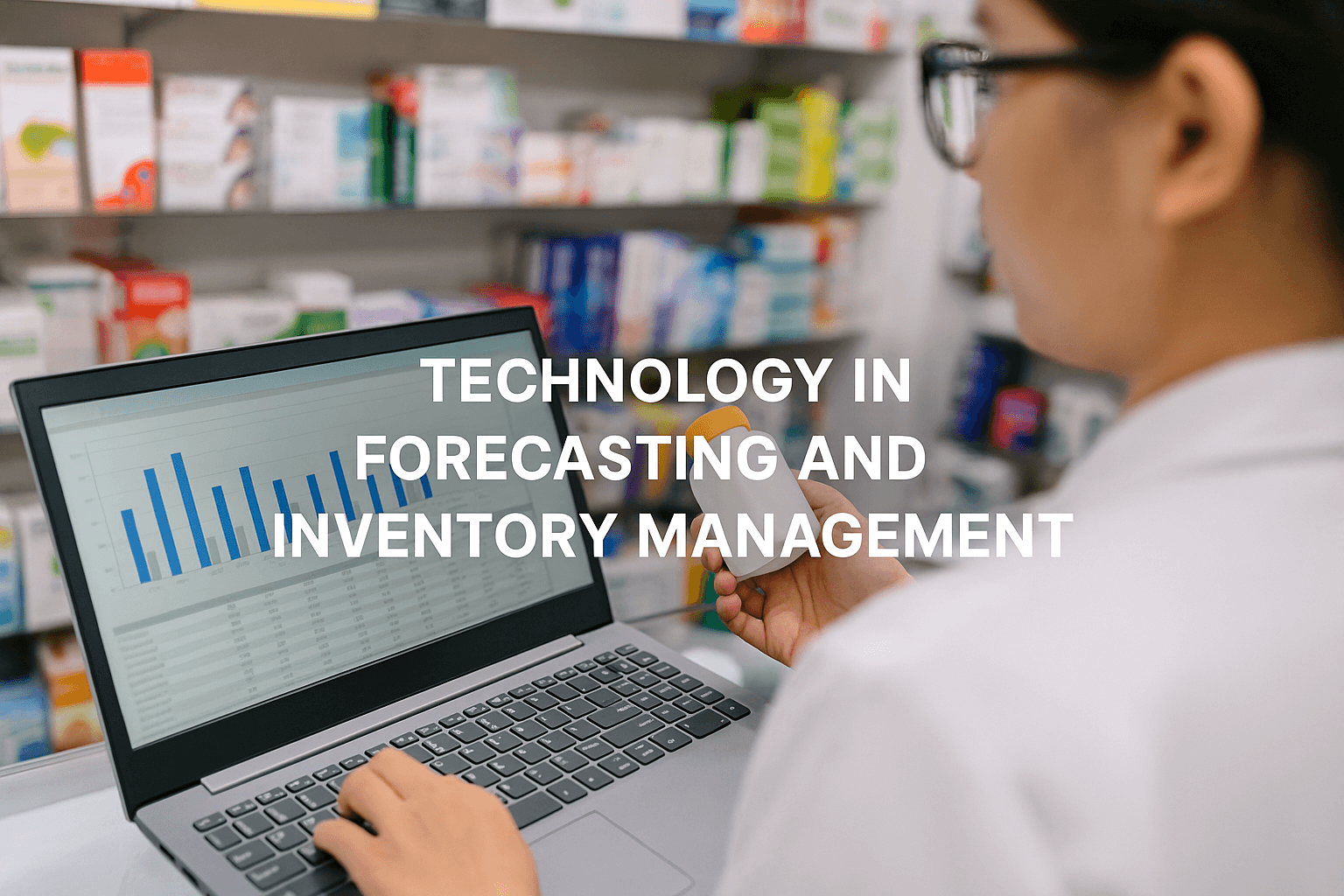
Can technology truly prevent pharmaceutical shortages? The evidence suggests it can—when implemented strategically. AI-powered forecasting tools now analyze historical sales data, seasonal illness trends, and supplier lead times to predict demand spikes before they happen. In Malaysia, urban pharmacies are leading the charge, integrating digital dashboards that sync with distributor inventories for seamless restocking.
Essential Technologies in Play:
✓ AI Demand Prediction – Flags potential shortages weeks in advance.
✓ Real-Time Inventory Sync – Ensures pharmacies and distributors operate with the same data.
✓ Batch & Expiry Tracking – Reduces waste by prioritizing stock with shorter shelf life.
However, adoption isn’t uniform. While major chains in Kuala Lumpur and Penang use cloud-based inventory portals, rural pharmacies often lag due to cost barriers. The National Pharmaceutical Regulatory Agency (NPRA) is pushing for wider compliance, but gaps remain.
Malaysian Case Study:
A pharmacy distribution service in Johor recently introduced a tailored inventory system for independent pharmacies, cutting stockouts by 30% within six months. Such effective solutions prove that even smaller players can benefit from smart tech—if given the right support.
Learn more : Merchandising Services: Top 10 Ways They Increase Sales in Pharmacies | Empower Healthcare with Insight, Precision and Care
Government, NGO, and Industry-Level Coordination

When local stock transfers and tech solutions aren’t enough, broader intervention becomes essential. The Ministry of Health (MOH), NPRA, and industry bodies like the Malaysian Pharmaceutical Society (MPS) play pivotal roles in stabilizing supply chains during crises.
Proven Strategies for Large-Scale Stability:
Stockpile Reserves – Emergency caches of critical drugs (e.g., insulin, antihypertensives).
Bulk Purchase Agreements – Leveraging government buying power during global shortages.
Fast-Track Approvals – Temporarily authorizing equivalent drugs when originals are scarce.
During COVID-19, these measures proved reliable. NGOs partnered with pharmacy distributors in Selangor to deliver oxygen concentrators and essential meds to underserved clinics. Such strategic collaborations highlight the need for public-private frameworks in healthcare resilience.
Challenges for Independent Pharmacies and Rural Distributors
Independent pharmacies—especially in rural Sabah and Sarawak—face unique vulnerabilities:
✔ Limited Negotiation Power – Big distributors prioritize chains.
✔ Higher Logistics Costs – Fewer deliveries mean tighter stock buffers.
✔ Space Constraints – Smaller storage capacity restricts bulk ordering.
Yet, expert-led pharmacy distributors are stepping in with tailored solutions:
Flexible Payment Terms – Helping independents manage cash flow.
Consolidated Deliveries – Grouping orders to cut transport costs.
Alternative Sourcing – Securing NPRA-approved stock from secondary suppliers.
Without these trusted partnerships, rural pharmacies would struggle to maintain consistent supply. Policymakers must explore subsidies or joint distribution hubs to level the playing field.
Learn more : Pharmacy Merchandising Services vs In-House Sales Teams: What Works Better?
The Malaysian pharmaceutical landscape demands more than reactive fixes—it requires integrated, forward-thinking strategies. From AI-driven forecasting to government-backed stockpiles, every layer of the supply chain must work in sync.
Three Pillars of Future-Proof Distribution:
Tech-Enabled Transparency – Real-time data for smarter decisions.
Collaborative Networks – Chains, independents, and distributors sharing resources.
Policy Support – Incentives for rural access and NPRA-compliant innovation.
Frequently Asked Questions (FAQ)
Q1: How to manage drug shortages?
Answer:
Pharmacies manage drug shortages by monitoring stock levels closely, identifying alternative brands or strengths, coordinating with suppliers, prioritizing high-needs patients, and communicating with prescribers for safe substitutions.
Q2: What is the pharmacy shortage protocol?
Answer:
A pharmacy shortage protocol outlines steps for handling limited supply. It includes checking alternative suppliers, verifying therapeutic substitutes, notifying healthcare providers, documenting shortage impact, and ensuring patient safety through proper counselling.
Q3: What to do if there is a medication shortage?
Answer:
During a shortage, pharmacies assess remaining inventory, source alternatives, consult prescribers for substitution approval, and inform patients about expected timelines or recommended alternatives.
Q4: How to manage drug inventory?
Answer:
Effective drug inventory management involves using automated systems, applying FEFO (First-Expired-First-Out), tracking fast-moving vs. slow-moving items, optimizing reorder points, and conducting regular stock audits.
Q5: What are the three main causes of shortage?
Answer:
The main causes are manufacturing disruptions, supply chain delays, and sudden increases in demand. Regulatory issues or raw material shortages also contribute.
Q6: What is pharmacy inventory management?
Answer:
Pharmacy inventory management is the process of controlling medicine stock levels to reduce waste, prevent shortages, optimize cash flow, and ensure medicines are always available and safe for dispensing.
Q7: How to manage overstocking in pharmacy?
Answer:
Overstocking is managed by reviewing sales trends, reducing unnecessary orders, rotating stock between branches, negotiating flexible return policies, and using data to forecast more accurately.
Q8: What drug is currently in shortage?
Answer:
Drug shortages vary by country and time. Commonly affected categories include antibiotics, ADHD medications, painkillers, and chronic disease treatments. Pharmacies rely on national health authorities for current updates.
Q9: How can pharmacy management improve inventory?
Answer:
They can improve inventory by using digital forecasting tools, setting optimal par levels, reviewing supplier performance, improving staff training, and integrating real-time stock tracking systems.
Q10: What are the challenges of pharmacy inventory?
Answer:
Challenges include expiry losses, unpredictable demand, supply chain delays, limited storage space, high-cost medications, and maintaining compliance while ensuring consistent availability.
The path forward isn’t just about surviving shortages—it’s about building a resilient, efficient system that serves every Malaysian, urban or rural.
Need Strategic Support for Your Pharmacy’s Supply Chain?
If you’re a pharmaceutical brand manager, skincare company, or pharmacy owner, navigating Malaysia’s complex distribution landscape requires proven, expert-led solutions. Contact us today to explore tailored strategies that enhance inventory resilience and ensure seamless patient access.
How can we assist you today? 😊
Just let us know—we’re here to help!