

June 27, 2025
Forget treating Southeast Asia as a monolith. Pharmaceutical and wellness brands chasing serious growth are sharpening their focus on a massive, interconnected, yet distinct segment: the vast Malay-speaking population. But why exactly is this market surging to the top of the strategic agenda? The reasons are compelling and demand more than just surface-level tactics.
Think about sheer scale. Over 300 million people across the region communicate primarily in Malay, creating a truly significant consumer base hungry for health solutions. Sitting right at the heart of this linguistic landscape is Malaysia, a powerhouse commercial hub known for its sophisticated infrastructure and pivotal role in regional pharmaceutical distribution. It’s a natural springboard for brands aiming to make an impact across neighboring Malay-speaking territories.
However, here’s the crucial insight too many brands overlook: cracking this market goes far beyond simple translation of packaging or marketing slogans. Success hinges on a deep, respectful understanding of local culture and customs – what resonates positively in one area might fall flat, or even offend, in another. Furthermore, navigating the complex web of regional regulations governing pharmaceuticals and wellness products is non-negotiable. A distribution strategy that isn’t meticulously aligned with these specific legal and cultural frameworks is practically doomed from the start. For any business serious about scaling sustainably in Malaysia and beyond, grasping these local nuances isn’t just helpful; it’s absolutely essential for long-term viability.
So, whether you’re running an independent pharmacy distributor operation, steering a growing skincare brand looking to expand its pharmacy footprint, or you are a major pharmacy distributor Malaysia relies on, mastering the dual challenges of logistics and language within Malay-speaking regions is fundamental. You simply can’t afford to underestimate the complexities involved in moving products efficiently while ensuring your messaging lands perfectly.
This article dives deep into the core strategies you need. We’ll explore the essential distribution services required to overcome logistical bottlenecks and ensure your products reach shelves reliably. Plus, we’ll unpack effective merchandising services approaches designed to maximize visibility and appeal specifically within Malay-speaking retail environments. The goal? Equipping you not just to avoid common pitfalls, but to unlock the truly substantial, and often untapped, market opportunities waiting across this dynamic region. Getting it right means significant rewards
Understanding the Pharmacy Distribution Landscape in Malaysia
Ever wondered how that prescription medication reliably arrives at your local pharmacy? Malaysia’s pharmaceutical distribution network operates as a carefully orchestrated system, ensuring vital medicines flow efficiently from manufacturers to patients across the nation. Understanding this complex supply chain reveals the intricate mechanics behind healthcare delivery.
The journey typically begins with pharmaceutical manufacturers. From there, products move primarily through licensed pharmacy wholesale distributors, acting as the central hubs. These distributors then channel supplies onward to various endpoints. This might involve supplying distributor pharmacies (who often serve specific regions or institutions) or delivering directly to retail pharmacies, hospitals, and clinics. The ecosystem thrives on a strategic mix of players, each fulfilling distinct roles:
Branded National Distributors: These large-scale operators provide extensive nationwide reach. Their established infrastructure guarantees broad geographical coverage, crucial for widespread medication access. Furthermore, they bring significant regulatory expertise, offering manufacturers assurance that complex compliance requirements are meticulously managed across the country.
Independent Pharmacy Distributors: Agility and deep local market knowledge are the hallmarks of these players. They often excel at introducing niche therapies, specialized products, or supporting emerging pharmaceutical brands that require a more tailored, responsive approach within specific Malaysian regions or segments.
Specialized Pharmacy Wholesale Distributors: Focused on handling substantial bulk orders, these distributors possess the infrastructure for complex logistics. This includes managing critical cold chain transport for temperature-sensitive biologics and vaccines, ensuring product integrity remains uncompromised from warehouse to final destination.
Governance is paramount. The entire system operates under the strict watch of Malaysia’s National Pharmaceutical Regulatory Agency (NPRA) and the Ministry of Health (KKM). Pharmacy distributors face rigorous obligations. These encompass mandatory product registration (using identifiers like MAL/NOT numbers), adherence to exacting storage conditions (like temperature and humidity controls), and meeting stringent delivery protocols to guarantee medicine safety and efficacy throughout the supply chain.
Meanwhile, digital transformation is actively reshaping Malaysia’s pharmaceutical landscape. To boost efficiency and transparency, especially across diverse Malay territories, more distributors are integrating sophisticated Enterprise Resource Planning (ERP) systems. These platforms streamline inventory, ordering, and financial processes. Complementing this, last-mile tracking tools are becoming increasingly common. They provide real-time visibility into deliveries, enhancing reliability and allowing for better management of the crucial final step to pharmacies and healthcare facilities. This tech adoption is key to meeting modern healthcare demands.
Learn More : Annex 5: WHO Good Distribution Practices for Pharmaceutical Products
Language and Cultural Barriers in Distribution

Could a single word, poorly chosen or misunderstood, actually sink your carefully planned product launch? Absolutely. History is littered with campaigns derailed not by product flaws, but by linguistic and cultural stumbles. The intricate link between language, deeply held beliefs, and consumer trust cannot be underestimated – it fundamentally shapes how any offering is perceived and embraced.
This is especially critical in regulated sectors like health and supplements. In Malaysia, adhering to KKM (Ministry of Health) guidelines is non-negotiable. Packaging must feature mandatory descriptions in Bahasa Melayu. Yet, ticking the regulatory box through basic translation is a dangerous starting point, not the finish line. Truly connecting requires understanding how specific terms resonate within local cultural frameworks. Consider the word “relief”: its emotional weight and implied benefit shifts dramatically depending on context – whether it’s positioned for pain management or digestive comfort. The core meaning translates, but the cultural interpretation? That’s a whole different layer.
Ignoring these cultural nuances isn’t just ineffective; it risks appearing insensitive or completely out of touch. One pharmacy distributor experienced this directly with a digestive product struggling in the Kelantan market. Their initial reliance solely on English materials simply didn’t land. Recognizing the disconnect, they overhauled the approach. By introducing visuals that reflected local contexts and crafting compelling Malay taglines, they saw a remarkable turnaround – consumer uptake surged significantly. This pivot wasn’t about fancier graphics; it was about speaking the audience’s language, literally and figuratively.
Furthermore, in many communities, particularly outside major urban centers, pharmacists aren’t just dispensers; they act as vital trusted mediators between consumers and products. Their endorsement carries immense weight. Therefore, equipping these frontline professionals is paramount. Training them to clearly articulate product benefits in fluent Bahasa Melayu, using terminology that aligns with local understanding, becomes a powerful driver of adoption. When a pharmacist can explain why something works in terms the customer inherently relates to, trust deepens, and acceptance grows. It bridges the gap between regulatory compliance and genuine market penetration. Getting this right isn’t just good practice; it’s essential for sustainable success where cultural sensitivity matters most.
Learn More : Research: How Cultural Differences Can Impact Global Teams
Infrastructure and Regional Access Limitations
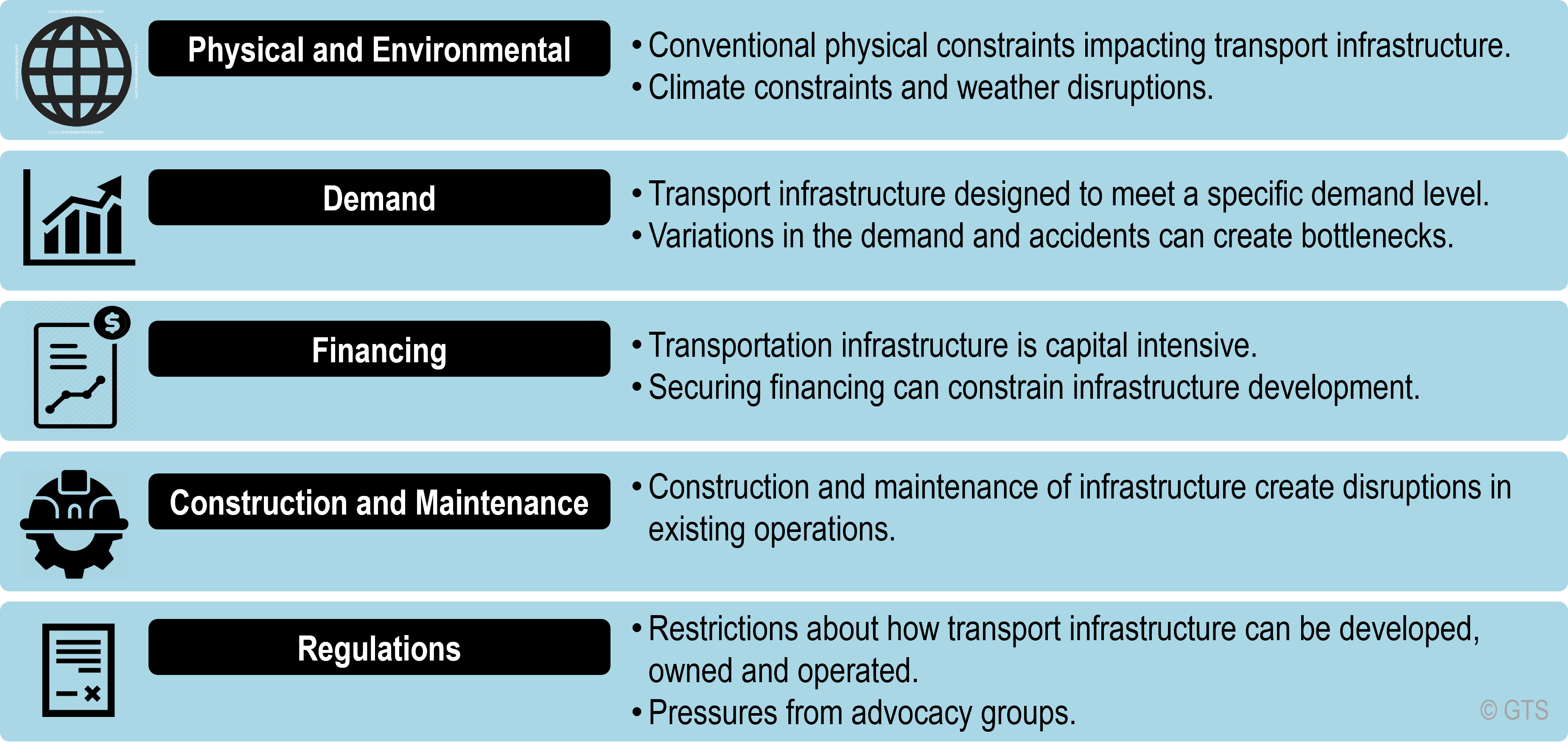
Reaching customers in rural Sarawak with essential pharmacy products demands innovative solutions amidst unique logistical hurdles. Malaysia’s distribution landscape is divided starkly by geography. While Peninsular Malaysia (the West) benefits from extensive, modern road networks, East Malaysia—specifically the vast territories of Sabah and Sarawak—presents significantly tougher accessibility obstacles.
For distributors aiming to serve Sarawak’s interior villages, several critical issues must be tackled head-on:
The Last-Mile Bottleneck: That final delivery leg to remote clinics or community pharmacies is notoriously slow and complex, causing frustrating delays for patients needing medication now.
Temperature Control Under Pressure: Ensuring consistent, unbroken cold chains becomes exponentially harder over long distances and rough terrain, which is absolutely vital for sensitive items like vaccines or insulin that lose effectiveness if compromised.
Predicting the Unpredictable: Stocking the right inventory in rural towns is a constant struggle. Unpredictable demand patterns often lead to shortages, leaving communities without crucial treatments when they need them most.
Interestingly, smaller, independent pharmacy distributors frequently demonstrate greater agility in navigating these East Malaysian complexities. They often cultivate strong, personal relationships directly with the remote pharmacies they serve, fostering trust and enabling more responsive, flexible supply chains that understand local nuances.
To truly optimize distribution across these challenging territories, progressive wholesale distributors are implementing strategic changes. Key approaches include establishing dedicated regional warehousing hubs closer to demand points within East Malaysia itself. Furthermore, forging collaborations with established community health posts leverages existing local infrastructure. A prime example is emerging in interior Sabah, where a pioneering mobile pharmacy initiative now conducts biweekly medication restocking runs. This regular, reliable schedule is proving effective, directly reducing dangerous gaps in the supply of chronic care medications for isolated populations. Reaching every corner requires adaptable, localized strategies and commitment.
Learn More : Cost-Effective Strategies for Pharmacy Distribution in Malaysia
Regulatory and Documentation Hurdles

So, you’ve developed a fantastic pharmaceutical product, ready to reach patients across Malaysia. But what unseen legal barriers might slam the warehouse gate shut just as you’re ready to launch? Understanding Malaysia’s regulatory landscape is non-negotiable for market entry success. Honestly, it’s a precise and demanding framework governed by the National Pharmaceutical Regulatory Agency (NPRA).
The Absolute Basics:
Before anything hits shelves or pharmacies, mandatory registration with the NPRA is step one. You simply cannot bypass this. Products need both the official MAL registration number and strict adherence to the Ministry of Health’s (KKM) comprehensive documentation standards. Missing this foundational step guarantees your product stays locked away.
Common Stumbling Blocks:
The Registration Queue: Securing that crucial MAL number or Notification (NOT) number isn’t always swift. Unexpected delays in the NPRA approval process can derail meticulously planned launch timelines, leaving products stranded at the warehouse. It’s frustrating, but common.
Language Labyrinth: Every single piece of text facing the consumer or healthcare professional – product labels, package inserts, promotional materials – must flawlessly comply with Bahasa Malaysia requirements. Overlooking translation nuances or specific formatting rules (even something seemingly minor, like exact font size!) is a fast track to rejection.
The Reformulation Lag: Think tweaking an existing product is simple? Think again. Even minor formulation changes often trigger a fresh, full review cycle by the NPRA. This means significant approval delays for updated SKUs, disrupting supply chains and potentially creating stockouts of the older version while you wait.
Why Local Expertise is Your Lifeline:
This is where experienced pharmacy distributor Malaysia partners become invaluable. They act as essential gatekeepers, possessing deep, practical knowledge of the NPRA’s often-unwritten expectations and procedural intricacies. Brands that forge strong partnerships with these local experts consistently navigate the maze more smoothly. Consider the skincare brand whose entire shipment faced rejection purely over incorrect label font size – a problem their distributor identified and resolved almost immediately, saving costly delays and headaches. That local insight? Priceless.
One More Curveball: Regional Nuances. Here’s a critical detail easily missed: regulations exhibit slight variations between Peninsular Malaysia and the states of East Malaysia (Sabah & Sarawak). What flies in Kuala Lumpur might need adjusted documentation for Kuching! This often means the exact same product requires region-specific paperwork versions to clear customs and distribution hubs in both areas. It adds another layer of complexity requiring careful attention and local know-how.
Navigating these hurdles demands proactive planning, meticulous attention to NPRA/KKM details, and crucially, leveraging the on-the-ground intelligence of seasoned Malaysian pharmaceutical distribution partners. Don’t let avoidable paperwork issues keep your life-changing products stuck behind the warehouse gate.
Learn More : Drug Registration Guidance Document (DRGD)
Partnering with the Right Distributor Pharmacy: Strategic Considerations

Choosing the right partner to get your consumer health products onto pharmacy shelves across Malaysia isn’t just a logistical decision – it’s a strategic cornerstone for your brand’s success. But how do you navigate the options? The landscape isn’t one-size-fits-all. Sure, massive logistics giants offer impressive scale, potentially moving huge volumes. However, don’t overlook the unique strengths of smaller, regional independent pharmacy distributors. These players often bring serious market agility and deep, personal relationships with pharmacists that larger firms can sometimes struggle to match. That local insight and flexibility? It can be pure gold.
So, what really matters when sizing up a potential pharmacy distributor partner? Go beyond the basic capabilities and dig into these critical factors:
Regulatory Mastery & NPRA Savvy: Seriously, how experienced are they with Malaysia’s specific regulations? A proven track record navigating the National Pharmaceutical Regulatory Agency (NPRA) is non-negotiable. Delays here sink launches.
True Geographic Reach: Does their coverage map align with your ambition? Look beyond just major cities like KL or Penang. Can they effectively service suburban areas and penetrate the crucial rural pharmacy market? Understanding their actual reach prevents gaps in your visibility.
Category Focus & Expertise: Are they specialists or generalists? Distributing over-the-counter (OTC) meds requires different knowledge than skincare, supplements, or chronic medications. Partnering with someone who truly understands your category nuances means better sell-in and advocacy.
Value-Added Retail Support: It’s not just about dropping off stock. Do they offer merchandising support? Can they provide valuable retail insights or help with promotions? This level of partnership actively drives sales at the point of purchase, not just moves boxes.
Consider this real-world insight: One savvy health brand targeting the Halal wellness segment ditched the big players for a boutique distributor specializing in exactly that niche. The result? They doubled their shelf presence across Negeri Sembilan pharmacies in just six months! Proof that the right specialized fit accelerates growth faster than sheer size alone.
Ultimately, while operational capability is essential, trust and a genuinely shared vision for the market are equally vital. Successful pharmacy distribution in Malaysia is fundamentally relational, not merely transactional. You need a partner who gets your brand’s goals, communicates transparently, and is invested in mutual success for the long haul. Choose wisely – your market entry depends on it.
Learn More : Top 50 Pharmacy Near Me
Leveraging Digital Tools for Distribution Efficiency
Let’s tackle that pressing question head-on: in today’s hyper-competitive pharmacy distribution landscape, where physical distance and complex regulations constantly throw up hurdles, is technology just a nice-to-have, or a genuine game-changer? The resounding answer is yes. Embracing digital transformation isn’t merely about keeping up; it’s evolving into a crucial differentiator for distributors determined to thrive.
So, what specific technologies are actively reshaping this space and dismantling those stubborn barriers? Let’s break it down:
Seamless ERP Integration: Imagine distributors and brands operating from a single, unified digital playbook. Integrating Enterprise Resource Planning (ERP) systems creates real-time order visibility across the entire supply chain. No more frantic calls or delayed emails chasing order status – everyone sees the same data instantly.
Mobile Ordering Power for Remote Pharmacies: Reaching pharmacies tucked away in rural or underserved areas has always been tough. Purpose-built mobile ordering apps empower these remote pharmacists. They can place orders, check stock, and get support directly from their smartphones or tablets, anytime, anywhere, bridging the physical gap effortlessly.
Intelligent POS Synchronization: Simply knowing what’s sold now isn’t enough. Syncing Point-of-Sale (POS) systems directly with distributor platforms unlocks powerful stock level forecasting. This means predicting future needs based on actual, real-time sales data from the pharmacy floor, preventing both frustrating stockouts and costly overstocking.
AI-Driven Demand Planning: Anticipating surges for trending supplements or seasonal products was once guesswork. Now, sophisticated AI algorithms analyze vast datasets – sales history, market trends, even local factors – to generate incredibly accurate demand forecasts. This allows for smarter purchasing and allocation, especially for those hard-to-predict SKUs.
Proof in Practice:
Consider the impact even simple tech can have. One independent distributor focused on the Kelantan region implemented a basic WhatsApp ordering bot for its rural pharmacy clients. This seemingly small change? It slashed their average order processing lag by a full 24 hours. That’s a massive efficiency gain just from streamlining communication.
Furthermore, the digital advantage extends beyond traditional channels. Savvy distributors are forging strategic e-commerce partnerships. This hybrid approach allows brands to maintain visibility and ensure product continuity even when customer footfall dips at physical pharmacies. It’s about meeting customers wherever they choose to shop, online or offline, creating a resilient and far-reaching distribution network that truly overcomes traditional limitations. The future belongs to those blending physical reach with digital intelligence.
Learn more : Leveraging AI and Automation for Faster Pharmacy Distribution Services in Malaysia | Harnessing the Power of AI in Distribution Operations
Opportunities for Growth in Malay-Speaking Communities

Everyone knows Klang Valley dominates Malaysia’s commercial landscape. Yet, savvy pharmacy brands searching for untapped potential should shift their gaze north, east, and beyond. Often neglected are vibrant Malay-speaking communities thriving in secondary cities like Alor Setar, Kota Bharu, and Tawau. Here, a distinct surge in demand is unfolding, specifically for health supplements, chronic care medications (think diabetes, hypertension management), and trusted traditional wellness products. This represents a significant, under-served market ripe for strategic expansion.
So, where exactly do the opportunities lie for pharmacy chains and health brands aiming to capture this growth? Several key pathways emerge:
Bumiputera Pharmacy Focus: Local pharmacy chains deeply embedded within these communities prioritize Halal-certified products and brands already earning local trust. Partnering with these chains or ensuring your offerings meet their stringent criteria is paramount.
Aligning with Government Initiatives: Active government health campaigns targeting widespread concerns like diabetes prevention, hypertension control, and maternal wellness present perfect alignment opportunities. Brands that support these messages resonate powerfully.
Cultural Acceptance of Traditional Products: Don’t underestimate the deep-rooted demand for traditional and herbal remedies. Products with strong cultural acceptance and proven efficacy within Malay wellness practices hold immense sway.
Crucially, success hinges on hyper-localized merchandising. Generic national strategies fall flat. Display strategies, store formats, and even product bundles must reflect specific local preferences and seasonal rhythms. A stellar example? One brand launched a special Ramadan-centric supplement bundle in Perlis. Distributed and merchandised by knowledgeable local partners using targeted display kits, it achieved record-breaking sales – proving the power of local insight.
Ultimately, distributors and brands that invest the time to genuinely understand the unique needs, cultural nuances, and purchasing habits of these communities don’t just make a sale; they unlock deep customer loyalty. This isn’t a quick win, but a strategic investment in substantial, sustainable long-term growth potential across Malaysia’s diverse regions. Ignoring these secondary cities means leaving significant revenue and market share firmly on the table.
Case Studies: What Works in Real-World Distribution

Ever wonder why some brands conquer new regions while others stall? Looking at real-world wins and stumbles in Malaysia reveals crucial lessons. Let’s examine two telling examples.
Case Study: Kelantan Skincare Breakthrough
A skincare brand faced a tough reality: national pharmacy listings weren’t translating to actual sales in Kelantan. Despite prime shelf space, customers just weren’t buying. The turning point came when they ditched generic national distribution. Instead, they partnered with a local Malaysian pharmacy distributor known for exceptional, on-the-ground merchandising support. This savvy move unlocked hyper-local execution. The distributor crafted eye-catching in-store displays perfectly timed for major festive seasons and crucially, improved all communication using Bahasa Melayu. The impact was dramatic. Within just six months, the brand saw sales triple – proving that national reach means little without local relevance and cultural connection.
Case Study: Sabah OTC Medication Recovery
Meanwhile, an OTC medication launch in Sabah hit major snags. Delays piled up due to last-mile delivery failures and confusing product labelling that didn’t meet local regs. These weren’t small hiccups; they risked trust and product integrity. The solution was switching gears to an independent distributor with deep expertise specifically in East Malaysia’s unique regulatory landscape and logistical challenges. This partner acted fast. They resolved the critical labelling compliance issues and significantly upgraded cold-chain handling procedures – essential for product safety. The outcome? A potential disaster was averted. The brand avoided a costly product recall and, importantly, rebuilt essential trust with Sabah pharmacists. It was a close call highlighting the non-negotiable need for regional expertise.
The Vital Takeaway
These contrasting journeys underscore a powerful truth for market expansion: Simply having your product available isn’t enough. Sustainable growth hinges on localized partnerships that understand the terrain, genuine cultural alignment in how you communicate and engage, and operational readiness to handle specific regional demands like logistics or regulations. These elements, often overlooked in the rush to scale, are frequently the decisive factors between market leadership and costly retreat. Getting them right isn’t just smart; it’s essential for winning in diverse markets like Malaysia.
Navigating the pharmacy distribution landscape across Malay-speaking regions? While the journey isn’t always straightforward, it’s brimming with significant potential for brands ready to engage authentically. Success here demands more than just showing up; it requires a deep, culturally attuned strategy. Simply translating materials isn’t enough – genuine connection comes from thoughtful localization of every message and piece of marketing collateral, ensuring true cultural resonance with diverse communities.
Beyond messaging, choosing the right distribution partners is absolutely critical. Prioritize working with established, tech-savvy pharmacy wholesale distributors who not only move product efficiently but also guarantee strict regulatory compliance across different jurisdictions. This tech backbone is essential for visibility and control in complex markets. Furthermore, building strong relationships with agile independent pharmacy distributors offers a crucial advantage. These partners often possess unparalleled local market knowledge and the flexibility needed to respond quickly to shifting demands or unique regional requirements, something larger entities sometimes struggle with.
Ultimately, the brands that truly thrive, moving beyond mere presence to achieve real scale, are those that invest in understanding the intricate, real-world details of distribution within specific Malay communities. It’s this granular insight – recognizing local preferences, logistical nuances, and community dynamics – that separates the market leaders from the also-rans. Grasping these subtleties allows for smarter inventory placement, better merchandising execution, and stronger retailer relationships.
How can we assist you today? 😊
Just let us know—we’re here to help!