

August 30, 2025
Imagine walking into a pharmacy during peak flu season and finding empty shelves where cold remedies should be. Or launching a back-to-school vitamin campaign weeks after parents have already stocked up. Timing isn’t just everything—it’s the only thing in Malaysia’s competitive healthcare retail space. A strategic merchandising calendar isn’t a luxury; it’s the backbone of effective promotion planning, ensuring campaigns hit shelves when demand is highest.
For pharmacy distributors in Malaysia, this goes beyond sticking to dates. It’s about weaving together seasonal trends, regional health patterns, and operational realities into a reliable, actionable blueprint. When brand owners, merchandisers, and independent distributor pharmacy partners sync their efforts, the result is a seamless, high-impact promotional engine.
Understanding the Malaysian Pharmacy Landscape: Timing, Trends, and Constraints

Malaysia’s healthcare retail rhythm dances to two beats: cultural festivals and public health trends. Miss one, and your campaign drowns in irrelevance.
The Festival Effect
-
Hari Raya: Sales of digestive aids and energy boosters spike as families prepare for feasts.
-
Chinese New Year: Gifting drives demand for premium wellness bundles and multivitamins.
-
Deepavali: Skin and haircare products see a surge, tied to traditional pre-celebration routines.
But it’s not just festivals. Seasonal health shifts dictate tailored promotions:
-
Flu season (March–September): Antipyretics and immunity boosters fly off shelves.
-
Haze season (June–October): Masks and respiratory meds become essential.
-
Dengue spikes (varies by region): Mosquito repellents and fever management kits dominate.
The Operational Reality
While timing is proven to drive sales, Malaysian pharmacies face hurdles:
✅ Limited shelf space: Prioritizing high-demand items is non-negotiable.
✅ Understaffed outlets: Promotions fail without trained staff to push them.
✅ Regional variability: A dengue campaign in Johor may flop in Penang if rolled simultaneously.
For pharmacy wholesale distributors, this means layering national trends with hyper-local insights. A trusted distributor doesn’t just deliver stock—they preempt bottlenecks by aligning with outlet-level traffic patterns and staffing gaps.
Learn More : How to Prepare Your Pharmacy for Seasonal Health Trends
Key Elements of an Effective Pharmacy Merchandising Calendar
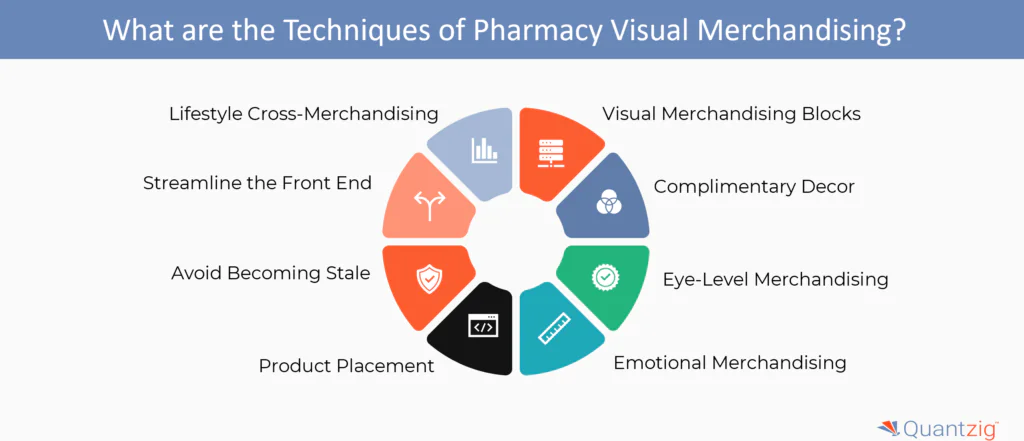
A calendar that merely lists dates is a missed opportunity. The expert approach integrates every stakeholder’s role into a cohesive timeline.
The Framework
-
Pre-Campaign Phase
-
POSM production: Flyers, shelf talkers, and banners must arrive before stock.
-
Stock buffering: Anticipate 15–20% extra demand for high-traffic periods.
-
Staff training: Briefings should wrap 3–5 days pre-launch.
-
-
Live Campaign Phase
-
Daily stock checks: Avoid “out-of-stock” losses during critical windows.
-
Promoter schedules: Align part-time staff with peak footfall hours.
-
-
Post-Campaign Review
-
Sell-through analysis: Which SKUs outperformed? Why?
-
Retailer feedback: Adjust future plans based on outlet-level pain points.
-
Real-World Example: Vitamin C Launch
-
Feb 10: Finalize POSM designs with brand team.
-
Feb 18: Confirm stock levels with pharmacy distributor Malaysia partners.
-
Feb 24: Train staff on product benefits and upsell scripts.
-
March 1: Launch with in-store demos and bundled discounts.
This efficient workflow minimizes chaos and maximizes sell-through.
Learn More : Strengthening Health Care’s Supply Chain: A Five‑Step Plan
Seasonal Planning and Promotion Alignment: Monthly and Quarterly Strategies
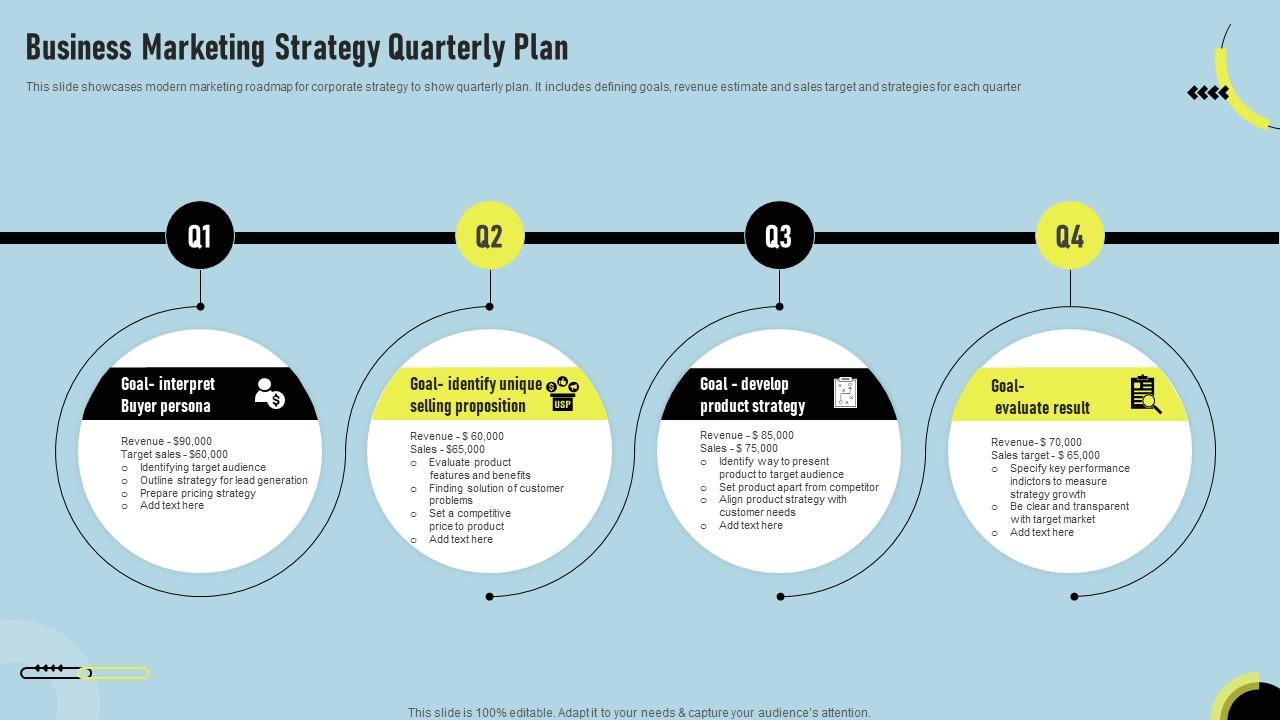
Malaysia’s climate and health calendar offer a goldmine of strategic promo windows.
Quarterly Breakdown
| Quarter | Key Focus | Regional Nuances |
|---|---|---|
| Q1 | Back-to-school (Jan), CNY wellness | Northern states prioritize flu prep |
| Q2 | Pre-Ramadan detox, haze prep | Coastal areas stock allergy relief |
| Q3 | Dengue prevention, post-Raya replenish | Urban centers push slimming products |
| Q4 | Year-end detox, breast cancer awareness | East Malaysia focuses on travel meds |
Anchoring to National Campaigns
-
World Diabetes Day (November): Bundled glucose monitors + supplements.
-
Malaysia Healthy Month (April): Free BP checks driving OTC sales.
A reliable calendar syncs with these events while allowing flexibility for regional tweaks. For instance, Kelantan’s monsoon-driven demand for antifungal creams won’t mirror Kuala Lumpur’s haze-related needs.
Collaborating with Pharmacy Distributors: Roles, Timelines, and Expectations
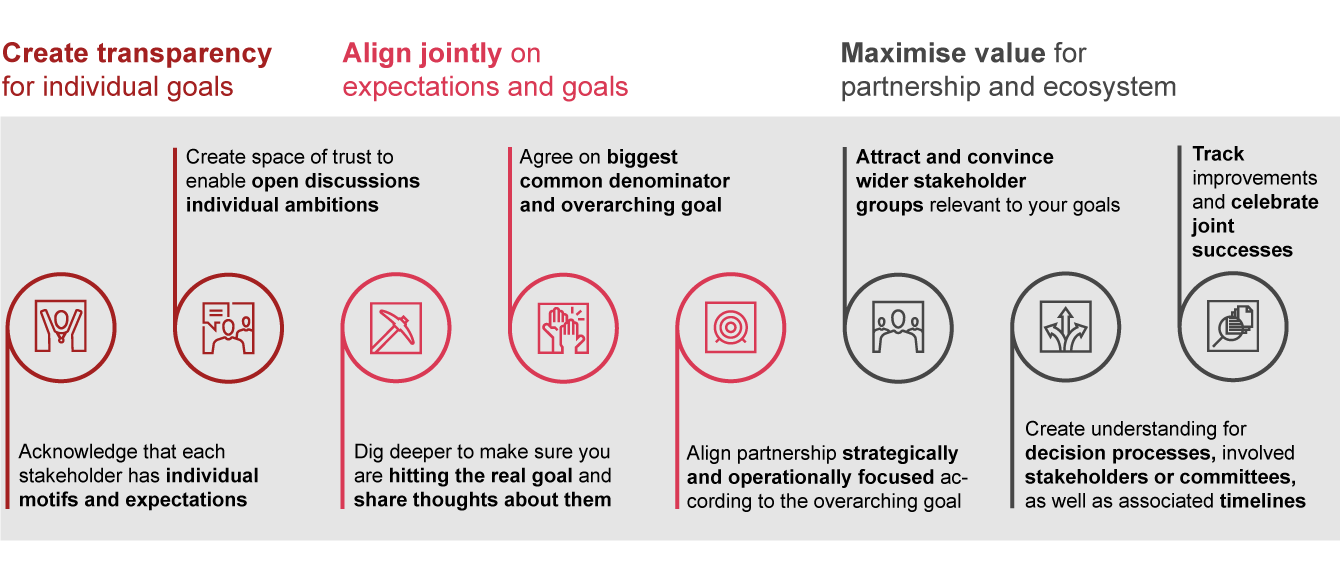
The difference between a promo that soars and one that stumbles? Distributor alignment.
The Distributor’s Checklist
-
12 weeks out: Share draft calendars with brand teams.
-
8 weeks out: Confirm POSM quantities and delivery dates.
-
4 weeks out: Conduct joint staff training with retailers.
-
Launch week: Deploy field teams to assist in-store setup.
Pitfalls to Avoid
❌ Late POSM arrivals: Empty displays kill momentum.
❌ Overstocking: Excess inventory ties up capital.
❌ Under-communication: Pharmacies can’t promote what they don’t understand.
When pharmacy distributors in Malaysia act as trusted partners—not just logistics vendors—they transform campaigns into revenue drivers. For example, a distributor pre-stocking haze kits in Selangor before API levels spike demonstrates proactive collaboration.
Localizing Promotions: Malaysia-Specific Success Stories
Case 1: Dengue Preparedness in Johor (2023)
-
Challenge: Late campaigns missed peak outbreak windows.
-
Solution: Distributors analyzed 5-year dengue data to time pre-season stock drops.
-
Result: 37% higher sell-through vs. previous ad-hoc promos.
Case 2: Ramadan Wellness Bundles
-
Tactic: Bundled dates with digestive enzymes and energy supplements.
-
Execution: POSM featured Malay-language usage tips.
-
Impact: 22% uplift in average basket size during Ramadan.
These examples prove: tailored timing beats generic scheduling.
The Human Factor: Staff Training and In-Store Execution
A calendar is only as effective as the team executing it.
Training Must-Haves
-
Product knowledge: Staff should explain benefits, not just read labels.
-
Upsell scripts: “Pair this vitamin C with zinc for better absorption.”
-
Crisis handling: How to manage stockouts gracefully.
The Checklist
✅ Pre-campaign briefing (1 week prior)
✅ Mid-campaign refresher (Day 10)
✅ Post-campaign debrief (Collect retailer insights)
When staff understand the “why” behind promotions, compliance jumps. One Klang Valley pharmacy saw a 40% boost in promo SKU sales after role-playing customer objections during training.
The Digital Layer: Syncing Online and Offline Promotions
Modern calendars must bridge physical and digital.
Tactical Integration
-
QR codes on shelf talkers: Link to e-commerce pages for OOS items.
-
Social media teasers: Countdown posts priming demand pre-launch.
-
Geo-targeted ads: Drive traffic to nearby participating pharmacies.
A strategic omnichannel approach ensures no customer touchpoint is wasted. For instance, a cough syrup promo paired with Facebook ads targeting haze-affected areas saw 15% higher redemption rates.
Measuring Success: Beyond Sell-Through Rates
KPIs That Matter
-
Sell-through velocity: Units sold per day during promo vs. baseline.
-
Staff compliance: % of outlets executing displays correctly.
-
Customer recall: Post-campaign surveys on promo awareness.
The Data Dive
A 2023 study of 50 Malaysian pharmacies revealed:
-
Campaigns with pre-launch staff training had 28% higher compliance.
-
Regionalized promotions outperformed national ones by 19% in revenue.
This isn’t guesswork—it’s proven strategy.
Learn More : Pharmacy Merchandising Services vs In‑House Sales Teams: What Works Better?
Integrating In-Store Execution: POS Materials, Sampling Days, and Staff Briefing

The difference between a promotional campaign that thrives and one that barely survives often comes down to what happens inside the pharmacy itself. No matter how brilliant the strategy looks on paper, real success is measured by how effectively it translates to the sales floor. This is where the rubber meets the road—where strategic planning transforms into tangible results.
The Execution Checklist: Turning Plans into Action
For any pharmacy distributor in Malaysia, ensuring flawless in-store execution requires meticulous attention to detail. Here’s what separates the effective campaigns from the forgettable ones:
✅ POS Material Delivery & Placement
-
Timing is everything: Banners, shelf talkers, and posters should arrive 3–5 days before launch—early enough to set up, but not so early they get lost in backroom clutter.
-
Placement precision: Eye-level displays near checkout counters boost impulse buys. A trusted merchandiser ensures compliance, avoiding last-minute scrambling.
✅ Sampling Events Done Right
-
Pre-book promoters: Malaysia’s part-time promoter pool gets booked fast—secure them at least 4 weeks ahead.
-
Sample kit prep: Include not just the product but quick-reference FAQ cards for staff.
✅ Retail Staff Training That Sticks
-
Briefing kits: Summarize key selling points in Bahasa Malaysia and English for wider comprehension.
-
Demo scripts: Role-play objections like “Why should I buy this brand?” to build confidence.
Real-World Example: A Vitamin Brand’s Missed Opportunity
A well-known supplement brand planned a major Ramadan promo across 50 pharmacies. The concept was solid—bundling energy boosters with hydration sachets. But:
-
POSM arrived late (2 days post-launch).
-
Staff weren’t briefed on bundle benefits.
-
Samples ran out by Week 2.
Result? A 22% lower sell-through than projected. The fix? Their pharmacy wholesale distributor later implemented a proven 30-day pre-launch checklist, preventing repeats.
Why Buffer Time is Non-Negotiable
Adding a buffer week before launch isn’t paranoia—it’s pragmatism. Delays happen:
-
Printing errors in POS materials
-
Last-minute stock shortages
-
Staff turnover requiring retraining
An efficient calendar accounts for these. For instance, a Johor-based chain now builds in 10 extra days for monsoon-related logistics delays—a tailored adjustment that’s boosted on-time executions by 35%.
Learn More : Retail Execution 101: How Professional Merchandisers Elevate Shelf Presence
Digital Coordination and CRM: Tracking Promotions via Software or Sheets
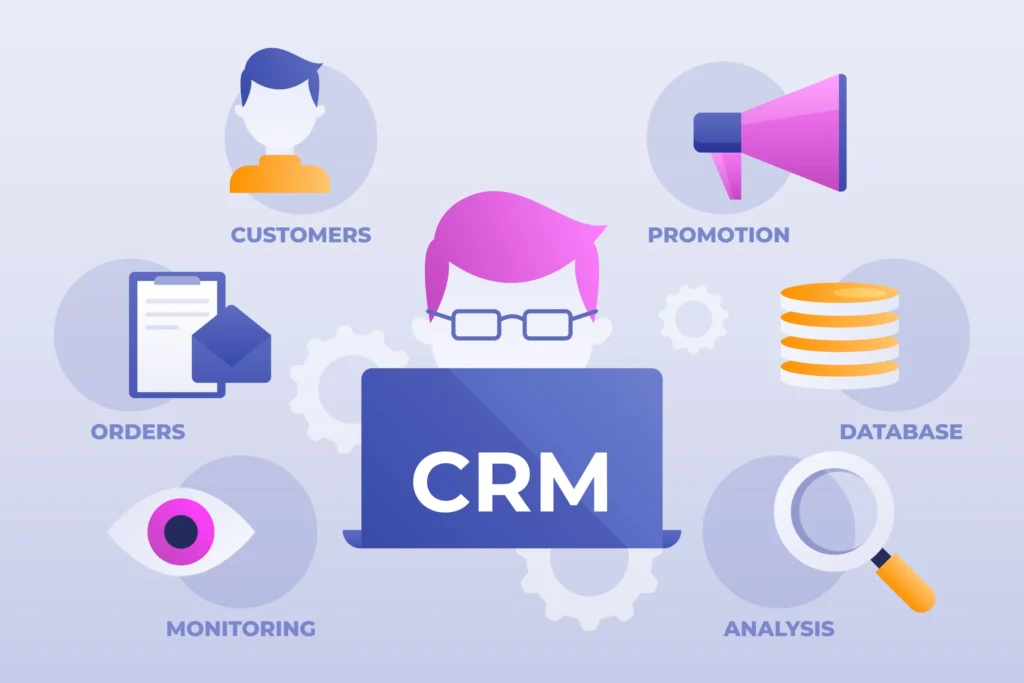
Gone are the days when sticky notes and scattered spreadsheets could manage complex campaigns. In Malaysia’s fast-moving pharmacy retail space, disorganized tracking isn’t just inconvenient—it’s costly.
The Manual vs. Digital Divide
| Manual Tracking | Digital Dashboards |
|---|---|
| Error-prone data entry | Real-time updates |
| Version control issues | Single source of truth |
| No historical insights | Trend analysis built-in |
Many distributor pharmacy teams still rely on Google Sheets (and chaos ensues when three people edit the same file). But forward-thinking players are switching to tools like:
-
Trello/Asana: Visual workflow boards for task delegation.
-
Zoho CRM: Tracks POSM deliveries, stock levels, and retailer feedback in one place.
Key Integration Points
Your merchandising calendar should seamlessly connect to:
-
POSM production logs (to flag delays early)
-
Inventory movement reports (preventing stockouts)
-
Outlet-level A&P budgets (avoiding overspend)
Case in Point: A Klang Valley pharmacy distributor Malaysia partner reduced campaign miscommunications by 40% after migrating to a shared HubSpot dashboard. Staff could instantly see which stores received training, which needed restocks, and which promotions were underperforming.
The Human Touch in Digital Systems
Technology isn’t a magic fix—it’s a tool. Successful teams:
-
Train staff on new systems (not just assume they’ll adapt).
-
Assign a “CRM champion” per region to troubleshoot.
-
Sync digital timelines with physical operations (e.g., POSM printing deadlines).
Learn More : Seasonal Consumer Trends in OTC Allergy Medications
Measuring Success and Adjusting Your Calendar Based on Results

If you’re not reviewing, you’re guessing. And in Malaysia’s competitive healthcare retail market, guesses don’t drive growth.
The Metrics That Matter
📊 Sell-through vs. forecasted sales: Did demand meet projections? If not, was it timing, placement, or awareness?
📊 Retailer feedback: Pharmacies will tell you—often bluntly—what worked (“Customers loved samples”) and what flopped (“Flyers were confusing”).
📊 Execution gaps: Track recurring issues like “POSM not displayed” or “Staff unaware of promo.”
Data-Driven Adjustments: A Malaysian Example
A Kuala Lumpur pharmacy group noticed their dengue prevention kits consistently sold out by mid-June—weeks before the usual July peak. By analyzing:
-
Historical sales data (5-year trends showed earlier outbreaks).
-
Weather patterns (earlier monsoon rains).
Their independent pharmacy distributor helped shift the promo to late May the following year—resulting in a 28% revenue increase.
The Iterative Calendar Mindset
A static calendar is a stale one. Proven improvements come from:
-
Quarterly reviews: What underperformed? Why?
-
Regional tweaks: Penang’s back-to-school demand starts earlier than Kota Kinabalu’s.
-
Visual refreshes: Rotate POSM designs annually to prevent “banner blindness.”
Learn More : How to Maximize ROI from Pharmacy Merchandising Services in Malaysia | The Next Era in Pharmacy: Five Key Consumer Insights
Common Pitfalls in Merchandising Calendar Planning—and How to Avoid Them
Even expert teams stumble. But the best learn—fast.
The Usual Suspects
❌ POSM arrives post-launch: A campaign without visuals is invisible.
❌ No stock buffer: 10–15% extra inventory prevents empty shelves during surges.
❌ Untrained staff: Customers won’t buy what employees can’t explain.
The Prevention Playbook
-
Joint pre-launch reviews: Gather brand, distributor, and pharmacy reps to confirm readiness.
-
Escalation paths: Designate who fixes issues (e.g., late POSM → marketing lead; stockouts → logistics team).
-
Tailored checklists: Urban stores may need more sampling staff; rural ones need earlier deliveries.
How a Trusted Distributor Saved a Campaign
When a major fever medication promo in Malacca nearly derailed due to a printing delay, their pharmacy wholesale distributor:
-
Rerouted stock from nearby warehouses to priority outlets.
-
Deployed field teams to handwrite temporary shelf labels.
-
Extended the promo period to recoup lost days.
Result? Zero sales dip despite the hiccup.
The best merchandising calendars aren’t just schedules—they’re living frameworks that adapt, improve, and drive consistent results. For pharmacy distributors in Malaysia, this means blending strategic foresight with street-level practicality.
Whether you’re a healthcare brand launching a new product or a retail chain optimizing seasonal promotions, the principles remain:
-
Align early with supply chain partners.
-
Train thoroughly—confused staff sink campaigns.
-
Measure relentlessly—data sharpens future plans.
Frequently Asked Questions (FAQ)
Q1: What are merchandising services?
Answer:
Merchandising services refer to professional support activities that ensure products are displayed, stocked, priced, and promoted correctly in retail stores. These services improve product visibility, maintain planogram compliance, and help retailers and brands boost sales performance.
Q2: What is an example of a merchandising service?
Answer:
An example is planogram execution, where a merchandiser arranges products on shelves according to a layout provided by the brand or retailer to ensure correct placement, facings, and category alignment.
Q3: What are the 4 types of merchandise?
Answer:
The four main types are convenience goods, shopping goods, specialty goods, and unsought goods, each classified based on consumer buying behavior and decision-making effort.
Q4: What are 5 examples of merchandising companies?
Answer:
Five examples include retail chains or service providers such as Walmart, Tesco, Aeon, Advantage Solutions, and Premium Retail Services, which offer both in-store merchandising and retail execution services.
Q5: What is a merchandising service team?
Answer:
A merchandising service team consists of trained personnel who visit stores to restock products, arrange shelves, update point-of-sale materials, check inventory levels, and ensure brand compliance.
Q6: What is a merchandise management system?
Answer:
A merchandise management system is a retail software platform that handles product planning, inventory control, pricing, purchasing, and sales tracking to optimize stock flow and reduce operational errors.
Q7: What is an example of a merchandising company?
Answer:
An example is Advantage Solutions, a global provider that offers in-store merchandising, retail support, product resets, and promotional execution for brands and retailers.
Q8: Is merchandising part of the supply chain?
Answer:
Yes. Merchandising is linked to the supply chain because it ensures the final step of product availability—making sure goods delivered by distributors are correctly displayed and accessible to customers.
Q9: What is merchandising in logistics?
Answer:
Merchandising in logistics refers to coordinating product flow from warehouses to retail shelves, ensuring timely replenishment, accurate stock levels, and correct placement to support sales and operational efficiency.
Q10: What is merchandising of goods and services?
Answer:
It involves presenting goods and services in a way that attracts customers, improves understanding, and increases purchase likelihood through proper placement, clear information, and consistent presentation across retail touchpoints.
How can we assist you today? 😊
Just let us know—we’re here to help!