
How to Identify a KKM Approved Cosmetic Label (2026 Edition)

March 10, 2026
In today’s complex retail environment, can your pharmacy operation truly guarantee the legitimacy of every cosmetic product on its shelves? This isn’t a rhetorical question but a foundational business challenge. For pharmacy wholesale distributors and distributor pharmacy teams across Malaysia, navigating the compliance-driven market has evolved from a routine administrative task into a strategic necessity central to operational integrity. The alarming rise in unregistered cosmetics—spanning both imported goods and locally manufactured items—has exposed significant regulatory blind spots, particularly within independent pharmacy outlets. This reality transforms KKM approval from a mere checkbox into a critical pillar of trusted product integrity and robust consumer protection. The consequences of non-compliance extend far beyond fines, striking at the heart of consumer trust and brand reputation. Therefore, mastering the nuances of label verification is not just about avoiding penalties; it’s about building a reliable, efficient, and trusted supply chain that safeguards all stakeholders.
Understanding the Bedrock: Malaysia’s Cosmetic Notification System (NOT)
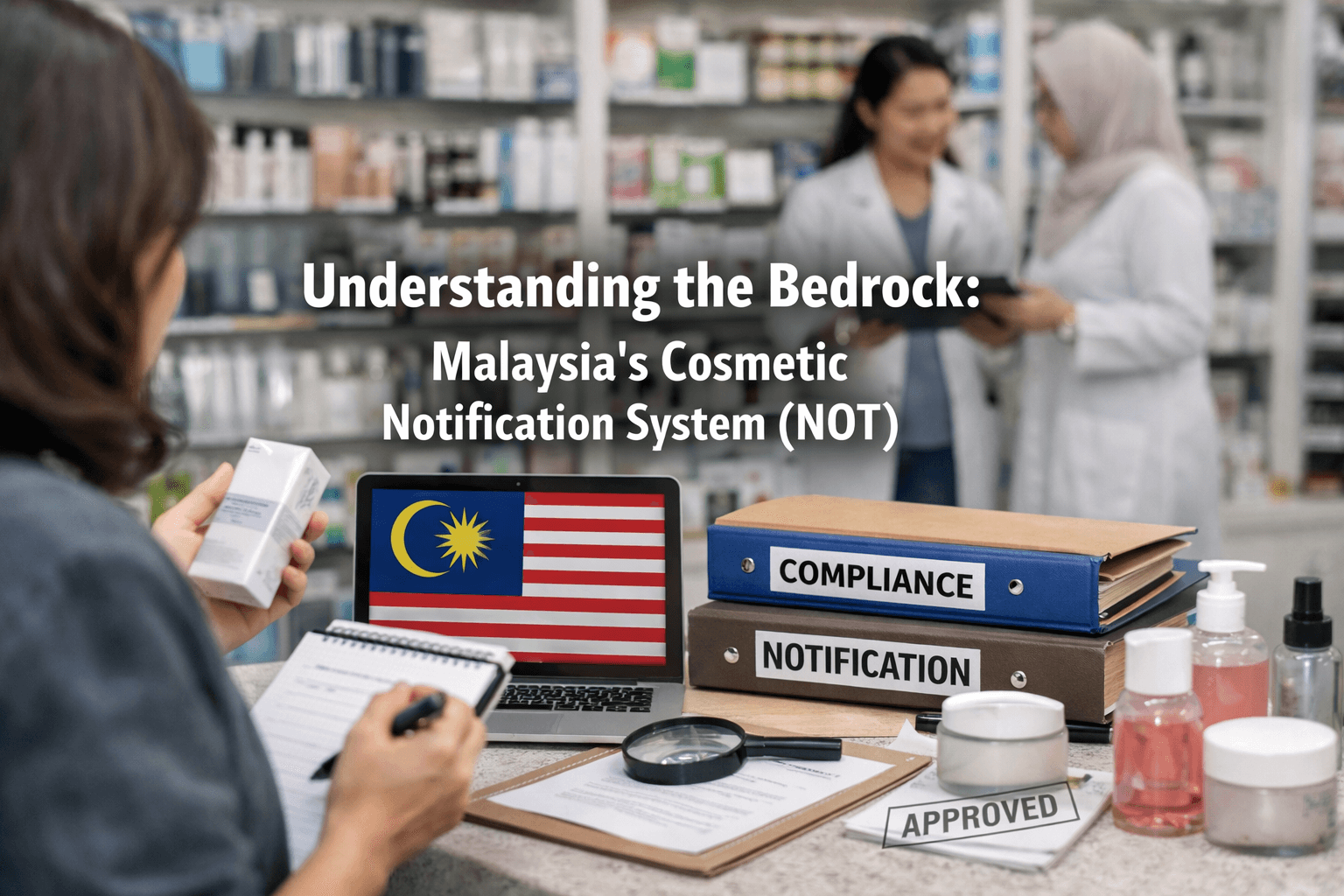
Why does the NOT system form the absolute cornerstone of cosmetic compliance in Malaysia? To grasp its essential role, one must understand its regulatory genesis and operational mechanics. Governed by the Control of Drugs and Cosmetics Regulations 1984, the National Pharmaceutical Regulatory Agency (NPRA) administers this mandatory notification framework. Unlike the more stringent Drug Registration (MAL) pathway required for therapeutic drugs and certain supplements, the NOT system is specifically designed for cosmetics, encompassing categories from skincare and haircare to makeup and deodorants. This system provides a proven and efficient mechanism to confirm that a product has been assessed for key parameters: safety, quality, and label accuracy. Upon successful verification, the product is issued a unique NOT number and listed in the NPRA’s public database, a trusted resource for verification.
For a pharmacy distributor Malaysia operation, this number is the first and most crucial line of defense. The approval workflow typically spans two to four weeks, assuming all documentation—including comprehensive product safety data and accurate ingredient lists—is complete and correct. However, this process is not immune to delays. Common pitfalls like last-minute label changes, incorrect declarations, or incomplete dossiers frequently lead to rejections. These hurdles must be conclusively resolved before any product enters the supply chain. The practical implication is clear: distributors must adopt a proactive stance.
Expert Tip: Implementing a pre-listing compliance audit conducted by expert teams within the distribution company is a strategic move that pays dividends. This audit, conducted before a product even enters the warehouse, meticulously cross-references submitted documents with physical samples, drastically reducing the risk of post-market enforcement action and costly recalls. This proactive verification is what separates a reliable supply chain partner from a mere order-fulfillment service.
Learn more: Do You Need a License to Sell Supplements in Malaysia? | Guidelines for Control of Cosmetic Products in Malaysia
The Definitive Checklist for a KKM-Approved Cosmetic Label
What exactly constitutes a legitimate, KKM-approved cosmetic label? Misconceptions persist, making a clear, actionable checklist an essential tool for every stakeholder, from brand managers to pharmacy merchandisers. A compliant label is a detailed document, not just marketing material. Below are the mandatory packaging elements that must be present and correct.
First, the NOT number (e.g., NOT230101234K) must be prominently displayed, usually on the outer packaging’s back or bottom. This is the product’s unique digital fingerprint in the NPRA’s system. The product name must be in either Bahasa Malaysia or English, ensuring clarity for the Malaysian consumer. Crucially, the ingredients list must use International Nomenclature of Cosmetic Ingredients (INCI) names, presented in descending order of concentration. Furthermore, the batch number and manufacture and expiry dates are non-negotiable for traceability. Usage instructions and any necessary warnings (e.g., “For external use only”) must be included if applicable. Finally, the name and address of the Malaysian Notification Holder—which could be the manufacturer, importer, or authorized distributor—must be clearly stated.
From the perspective of a pharmacy distributor Malaysia team, responsibility extends beyond checking for the mere presence of these elements. The team must confirm label alignment with the exact specifications approved by the NPRA during notification. This involves verifying artwork consistency—ensuring every font, logo, and claim matches the submitted record—and checking the legibility and permanence of the label printing. A smudged batch number or a peeling label is itself a compliance failure. For distributor pharmacy teams on the ground, this meticulous verification at the point of receipt is the bedrock of downstream compliance, influencing everything from shelf approval by pharmacists to ultimate customer safety.
A Quick Verification Framework for Receiving Teams:
Step 1: NOT Number Scan. Locate and note the NOT number on the physical product.
Step 2: Database Cross-Check. Access the NPRA’s public portal via mobile or terminal to validate the number’s active status and match it to the product name.
Step 3: Physical Label Audit. Systematically compare each mandatory element (ingredients, dates, company info) against the database entry and internal purchase orders.
Step 4: Documentation & Tagging. Log the verification, flag any discrepancies immediately, and tag approved inventory with a validation code for easy tracking.
Learn more: Cara Semak Produk Supplement Lulus KKM | Annex I, Part 7 – Cosmetic Labeling Requirements
Spotting the Red Flags: Authentic vs. Non-Compliant Labels in Practice
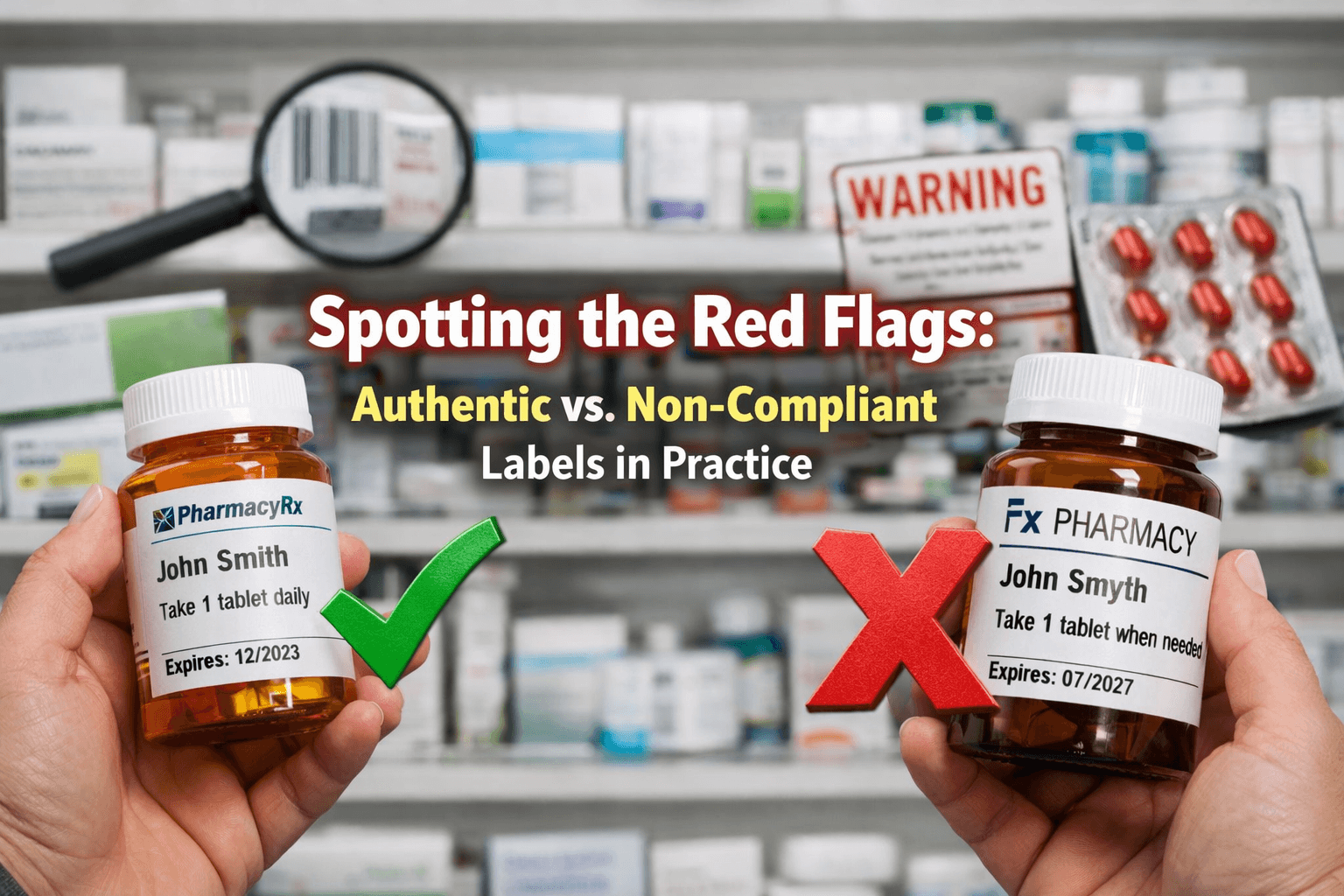
How can you, in the hustle of daily operations, reliably distinguish a compliant label from a problematic one? Practical, visual cues are key. Let’s compare the hallmarks of each.
A compliant label exhibits consistency and clarity. The NOT number is physically printed (not stickered) in a clear location. The INGI ingredient list is comprehensive and correctly formatted. Product claims are accurate and within cosmetic boundaries—for example, stating “moisturising” rather than making a prohibited therapeutic claim like “cures eczema.” Most importantly, the company name and address on the label match the Notification Holder details listed in the NPRA public database.
Conversely, a non-compliant label often reveals itself through omission or deception. The most glaring red flag is the absence of a NOT number or the use of a fake identifier, such as a label stating only “KKM APPROVED” without the official NOTxxxxx format. Other warnings include generic health claims with no scientific basis (“magically removes wrinkles”), missing manufacturer or distributor information, or the use of misleading graphics (like a red cross symbol) that imply medical efficacy. A trusted pharmacy wholesale distributor develops an instinct for these anomalies.
Local Operational Scenario in Malaysia:
Consider a 2025 audit conducted across several Klang Valley pharmacy chains. Investigators discovered over 17 different skincare products, primarily targeting the whitening segment, that lacked valid NOT numbers. These products often bore labels with phrases like “Herbal Whitening Cream – KKM Certified” but provided no verifiable documentation. The enforcement outcome was severe: immediate product seizures, substantial fines for the retailers, and significant reputational damage that eroded consumer confidence. This case underscores a vital lesson: mere shelf presence in a reputable store does not automatically equate to compliance. It is the strategic and effective diligence of the pharmacy distribution service in Malaysia that acts as the primary filter, preventing these non-compliant goods from ever reaching the retail floor.
Learn more: Cosmetics Labeling Guide
Shared Accountability: The Critical Roles of Pharmacists and Distributors
What proactive safeguards must be in place to create an impermeable barrier against non-compliant products? The answer lies in a strategic partnership with clearly defined, overlapping responsibilities between pharmacists and distributors. This dual-layer verification system is the most reliable defense against infiltration.
The pharmacist’s role is that of the final gatekeeper at the point of care. Their duties extend beyond dispensing to include rigorous inventory checks. During product intake, the pharmacist must actively confirm the NOT number against the NPRA database. They are also responsible for comparing the physical label—ingredient lists, claims, manufacturer details—with the official database information. Perhaps most critically, pharmacists serve as the last line of reporting; any irregularities must be promptly escalated to internal quality assurance teams and, ultimately, to the distributor and authorities.
From the distributor’s perspective, responsibility begins much earlier in the supply chain. The distributor’s responsibility includes performing systematic receiving checks at their warehouse or distribution centre before products are allocated to pharmacies. This involves the tagging of approved inventory with validation codes or barcodes that streamline future audits. Furthermore, a strategic distributor invests in training in-store pharmacy teams and merchandisers to conduct spot audits, creating a culture of continuous compliance vigilance.
Comparative Table: Verification Responsibilities Across the Supply Chain
| Checkpoint | Distributor’s Primary Actions | Pharmacist’s / Retailer’s Primary Actions | Shared Goal |
|---|---|---|---|
| Pre-market | Conduct pre-listing compliance audits; verify NOT documents with NPRA. | Review product dossiers and compliance certificates from distributors. | Ensure only notified products are considered for supply. |
| Warehouse Receiving | Physically validate labels, batch numbers, and NOT numbers; tag approved stock. | N/A | Prevent non-compliant stock from entering the distribution network. |
| Store Receiving | Supply verified products with clear documentation. | Conduct independent NOT verification; inspect physical label integrity. | Confirm product legitimacy before shelf placement. |
| Ongoing Monitoring | Provide updated compliance alerts; perform scheduled joint audits. | Conduct routine shelf audits; monitor customer feedback on products. | Maintain continuous compliance and swiftly address any lapses. |
This model of shared accountability is not just theoretical. Consider a case from Johor Bahru, where a vigilant community pharmacist noticed a slight discrepancy in the NOT number format on a popular lotion. By escalating this finding to their pharmacy wholesale distributor, a joint investigation was launched. It was confirmed the entire batch was counterfeit, mimicking a legitimate product. The efficient and expert response from the distributor—issuing an immediate recall notice to all supplied outlets—prevented wider circulation and protected public health. This incident powerfully illustrates how a tailored, collaborative approach between distributor and pharmacist transforms compliance from a cost centre into a proven value driver that protects revenue, reputation, and, most importantly, the patient.
Understanding the Real-World Landscape of Labeling Failures in Malaysian Pharmacies
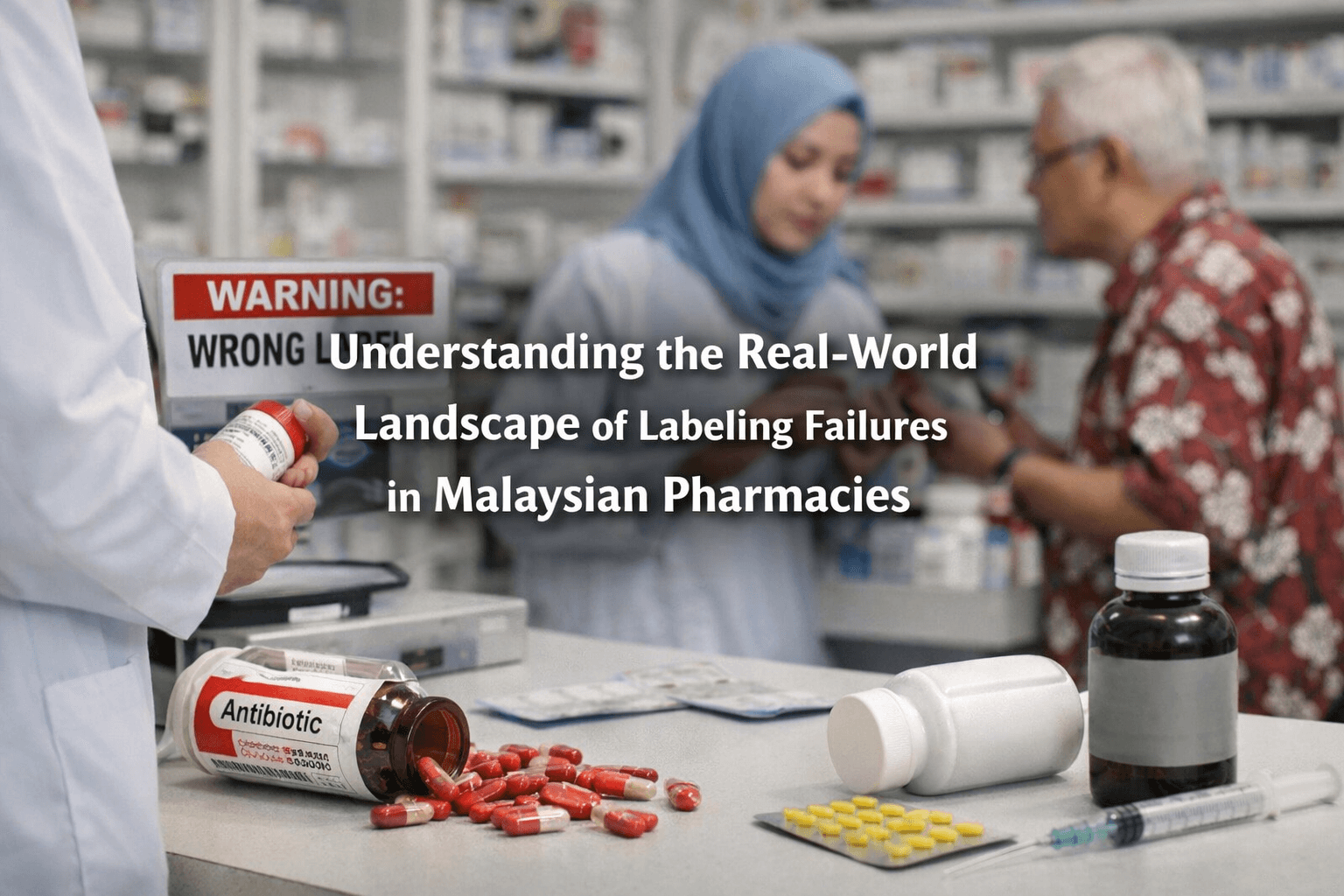
To grasp the true scale of the challenge, we must move beyond abstract regulations and examine the common, everyday scenarios where labeling compliance unravels. These are not mere hypotheticals but recurring situations that pharmacy operators, distributors, and brand managers encounter. The root cause is rarely malicious intent, but rather a critical gap in strategic alignment between the brand’s obligations, the distributor’s due diligence, and the pharmacy’s last-mile verification. This disconnect creates vulnerabilities that can have severe consequences, undermining the very trusted healthcare environment that pharmacies are built upon.
Scenario 1: The Hidden Perils of Parallel Imported Cosmetics
The allure of parallel imports—bringing in popular international cosmetic brands from secondary markets—is often tempered by a dangerous oversight in regulatory re-compliance. A frequent pitfall occurs when these products are relabeled for the Malaysian market without securing the mandatory Notification (NOT) number from the NPRA. The label itself may appear professional, even convincing, but it masks a fundamental mismatch: the information on the label does not correspond with any data submitted to the authority. For instance, a high-end Korean sunscreen might be imported from a regional distributor and given a Bahasa Malaysia sticker that translates the ingredients but completely omits the crucial “NOT” registration code. From a pharmacist’s perspective, the product looks genuine, but it exists in a regulatory blind spot, putting the entire store’s compliance status at risk. This scenario highlights why visual checks alone are utterly insufficient; they must be backed by systematic digital verification.
Scenario 2: Local Brand and SME Oversights with Major Ramifications
While multinational corporations often have robust compliance frameworks, local Malaysian brands and SMEs can sometimes operate under dangerous misconceptions. A common, and often costly, assumption is that NOT registration is optional for smaller batch production or niche products. This leads to brands skipping the notification process entirely. Subsequently, when these products are picked up by pharma distributors eager to support local businesses, the non-compliant stock enters the supply chain unnoticed. The distributor, acting in good faith, may lack the expert processes to catch this omission before the products reach pharmacy shelves. This creates a chain of liability: the brand is non-compliant, the distributor has inadvertently enabled the breach, and the pharmacy is now stocking and selling an unapproved product. The commercial and legal fallout from such an oversight can be devastating for all parties, especially for the SME whose business may not recover from the fines and reputational harm.
Scenario 3: The Critical Impact of Translation and Copy Errors
Label compliance is not just about having a NOT number; it’s about the absolute accuracy of every word on that label. A deceptively simple failure point is in the translation from English to Bahasa Malaysia. Direct, unverified translations can inadvertently omit critical warnings, alter usage instructions, or misstate ingredient concentrations. Consider a powerful acne treatment containing a regulated active ingredient. A mistranslation in the “Directions for Use” could minimize the required precautions, potentially leading to consumer harm. For the pharmacist, this error turns a reliable medical product into a liability. For the brand manager, it represents a catastrophic failure in market adaptation. These errors often slip through because the validation process is siloed; the regulatory team checks for the NOT, the marketing team approves the design, but no strategic workflow exists for a final, pharmacy-minded linguistic and content review against the original NPRA submission.
Building a Fortified Internal Audit Strategy for Merchandising Teams
Given these real-world vulnerabilities, pharmacy merchandising teams transform from sales facilitators into frontline compliance auditors. Their role is essential in creating a consistent, enforceable barrier against non-compliant products. This requires moving beyond ad-hoc checks to implementing tailored Standard Operating Procedures (SOPs) that are deeply integrated into every store visit and stock rotation activity. The goal is to make compliance verification an inseparable part of the merchandising workflow, not an added bureaucratic step.
A proven framework for these SOPs includes:
A mandatory, physical-digital hybrid label checklist executed during every store visit.
The use of mobile devices to instantly QR-scan or manually input the NOT number for cross-verification against the live NPRA Quest3+ portal.
Direct cross-referencing of the label data with the pharmacy’s own stock entry records to catch discrepancies.
Furthermore, efficient compliance cannot be shouldered by the pharmacy team alone. It demands proactive distributor support. Forward-thinking pharmacy wholesale distributors now provide shared digital dashboards that offer real-time verification statuses of products and a complete digital audit trail of all compliance documentation. This shared responsibility model closes the alignment gap and builds a trusted partnership.
Internal Team vs. Distributor-Led Compliance: A Responsibility Matrix
| Compliance Activity | In-House Pharmacy Merchandising Team | Distributor’s Merchandising & Logistics Team |
|---|---|---|
| Visual & Physical Label Checks | ✅ Primary responsibility during store visits | ✅ Secondary check during delivery & merchandising |
| NOT Number Verification | ✅ Spot-check via mobile portal | ✅ Systematic pre-delivery verification for all stock |
| KKM/NPRA Document Review & Archiving | ❌ Typically not required or feasible | ✅ Essential pre-shipment responsibility |
| Regulatory Audit Readiness & Documentation | ❌ Limited to in-store records | ✅ Primary holder of full product dossiers and NOT certificates |
Leveraging Digital Tools for Real-Time Verification (2026 Outlook)
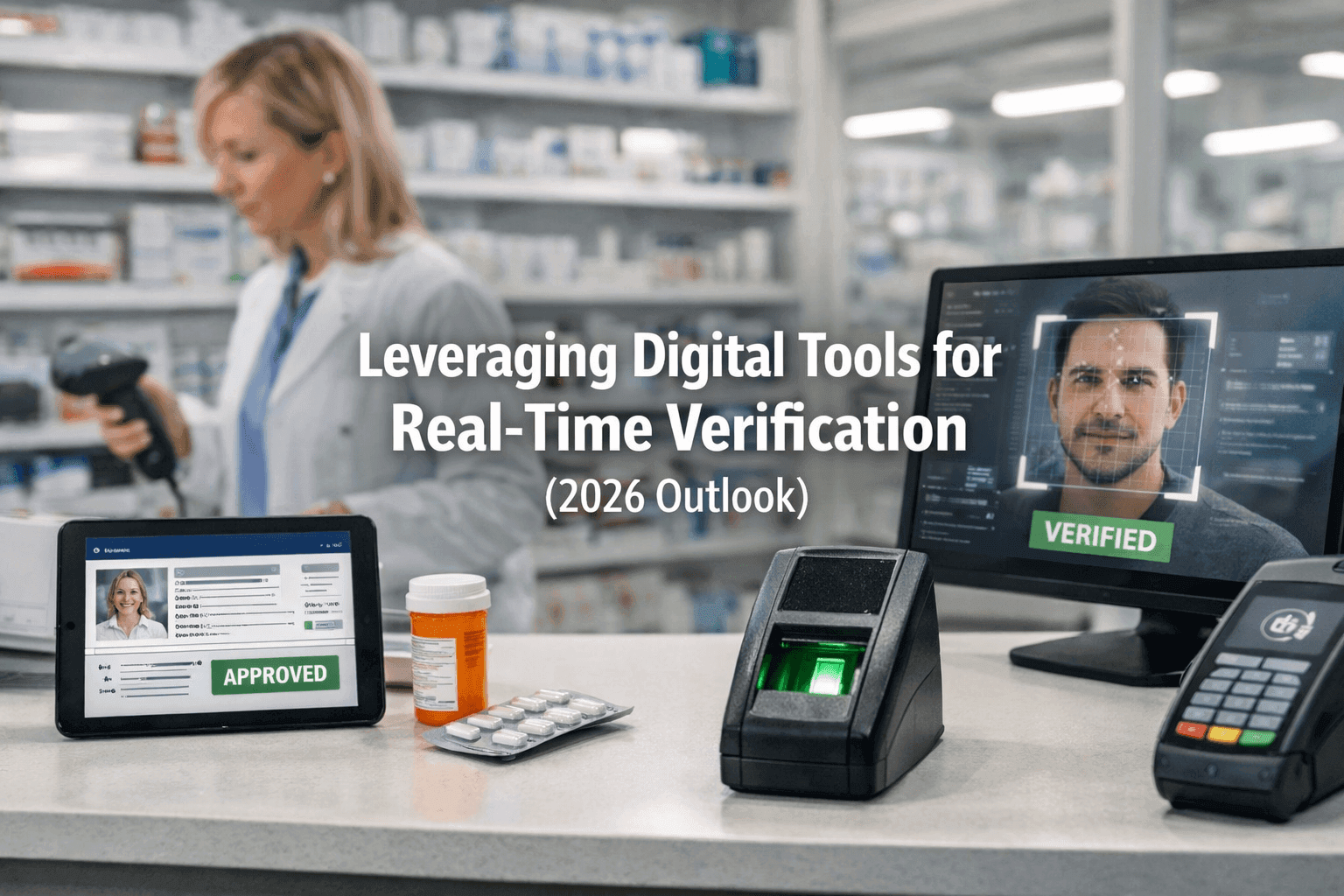
The digital transformation of regulatory compliance provides powerful levers for prevention. In Malaysia, the NPRA’s ongoing digital initiatives, like the enhanced Quest3+ portal and its mobile-friendly verification pages, offer a direct line to authoritative data. These official tools are the first and most effective port of call for any verification need.
However, true operational efficiency is achieved when verification is embedded directly into business systems. This is where third-party solutions and integrated platforms show their strategic value. Modern Pharmacy Management Systems (PMS) and Point-of-Sale (POS) systems can be configured with product compliance tagging, where a NOT number is a required field for adding a new SKU. At the distributor level, sophisticated verification apps and platforms go further, offering batch-level traceability that links a physical product’s barcode directly to its digital NOT certificate and KKM approval status. This creates a seamless, automated checkpoint within the supply chain.
A compelling Malaysian use case involves a major retail pharmacy chain that integrated barcode scanning at goods receipt with automatic NOT database checks. This strategic integration, supported by their pharmacy distribution service partner, led to a documented 40% reduction in mislabeled and non-compliant product incidents within a single half-year period, safeguarding their shelves and their reputation.
The Tangible Consequences of Non-Compliance for All Stakeholders
Overlooking label verification is a risk with multidimensional repercussions. The legal and regulatory consequences are severe and immediate. Under Malaysia’s Control of Drugs and Cosmetics Regulations 1984, fines for non-compliant cosmetics can reach up to RM50,000, and enforcement officers have the power to conduct seizures, leading to direct inventory loss and operational disruption.
The commercial impact is equally brutal. A single compliance failure can result in the loss of hard-won listing approvals with major retail chains. The process of stock returns and recalls is logistically chaotic and financially draining, rendering all associated merchandising effort a complete waste. Most damaging, however, is the erosion of consumer trust. When customers question the authenticity or safety of products on a pharmacy’s shelf, the damage to credibility is long-lasting and difficult to repair.
From a brand reputation perspective, the stigma of non-compliance lingers. Even if an incident was unintentional—a mistake by a supplier or a translation error—it reflects poorly on every entity in the chain. For a pharmacy distributor in Malaysia, being associated with a compliance scandal can severely damage future collaboration potential with both brands and retailers, making a proven track record of compliance a core commercial asset.
Learn more: KKM Produk Tidak Berdaftar: Bahaya dan Risiko | 2026 Retail Industry Global Outlook
A Path Forward: Integrated Vigilance as an Operational Pillar
Ultimately, cosmetic label compliance transcends a simple regulatory checkbox. It is a fundamental pillar of trusted, professional pharmacy operations in Malaysia. A reliable distribution process is one that seamlessly weaves together diligent visual checks, systematic digital validation, and a culture of shared responsibility. By adopting this strategic and structured approach, stakeholders do more than avoid fines; they build a resilient operation that streamlines market entry, earns the confidence of partners and consumers, and sustains credibility throughout the entire product lifecycle. In an industry where trust is the currency, proactive compliance is the most effective investment one can make.
Frequently Asked Questions (FAQ)
Q1: How to check if a product is KKM approved?
Answer: You can check a product’s KKM approval by searching its registration number (MAL for medicines, NOT for cosmetics) on the NPRA Product Search portal. Ensure the product name, holder, and status match the actual product.
Q2: How do I verify a product’s KKM status?
Answer: Verify the KKM status by entering the product name or registration number in the NPRA database. Only products listed as “Active” or “Approved” are legally allowed to be sold in Malaysia.
Q3: How to check if a cosmetic product is original?
Answer: Check for a valid NOT number on the label, confirm it on the NPRA portal, and ensure the brand owner and product details match exactly. Mismatched or missing information is a red flag.
Q4: What does KKM certified mean?
Answer: “KKM certified” means the product has been registered or notified with Malaysia’s Ministry of Health through NPRA, meeting safety, labeling, and regulatory requirements for sale.
Q5: What is a KKM approved product?
Answer: A KKM approved product is one that has successfully passed NPRA registration (for medicines) or notification (for cosmetics) and is legally allowed for distribution in Malaysia.
Q6: How to check if a cosmetic is FDA approved?
Answer: Cosmetics sold in Malaysia are regulated by NPRA, not the US FDA. FDA approval applies mainly to the US market. For Malaysia, always verify via NPRA instead of FDA claims.
Q7: Is KKM approval required for all products?
Answer: No. KKM approval is required for regulated products such as medicines, cosmetics, supplements, and medical devices, but not for general consumer goods like food containers or clothing.
Q8: How to check if a product is legit?
Answer: Check the product’s NPRA registration or notification number, verify the company details, review labeling compliance, and avoid products making exaggerated medical claims.
Q9: What products need a KKM check?
Answer: Products that need KKM checks include medicines, cosmetics, health supplements, traditional products, and medical devices sold in Malaysia.
Q10: How to check if a product is registered in Malaysia?
Answer: Use the NPRA Product Search system to confirm whether the product is registered or notified and legally listed under Malaysia’s regulatory framework.
Our Services
Our marketing and sales teams use their strong relationships with the channel to create demand for your product at every stage of its lifecycle.
Demand creation services we offer:
Market Access Services
Regulatory Registration Services
Pharma Product Listing Services
Merchandising services (RSMS)
Brand Management
Logistic & Warehousing
Exclusive Merchandising Services
Visual Merchandising
Discover More About Our Solution
How PriooCare Can Help
If you found this article useful, see how we put these insights into practice for our clients:
Or contact our team for a tailored consultation.
How can we assist you today? 😊
Just let us know—we’re here to help!