

September 3, 2025
The strategic role of merchandising in new product testing cannot be overstated—especially in Malaysia’s fast-evolving pharmacy market, where consumer preferences shift rapidly, and competition is fierce. Gone are the days when brands could rely on gut instinct or generic market assumptions to guarantee success. Today, the difference between a product that thrives and one that fizzles out often lies in how well it’s tested before a full-scale launch. This is where expert merchandising steps in, acting as the bridge between a product’s conceptual promise and its real-world performance. By collaborating with a trusted pharmacy distributor Malaysia relies on, brands gain access to real-time shelf data, consumer behavior insights, and efficient testing frameworks that minimize risk while maximizing product-market fit.
Consider this real-world scenario: A Malaysian skincare brand wanted to test a new anti-acne range before committing to a nationwide rollout. Instead of flooding the market blindly, they partnered with a pharmacy wholesale distributor to place the product in select stores across Kuala Lumpur, Penang, and Johor Bahru. The merchandising team tracked sell-through rates, observed customer interactions, and collected pharmacist feedback—revealing that consumers preferred travel-sized versions for trial purposes. Armed with this data, the brand adjusted its packaging strategy, leading to a 40% increase in adoption upon full launch. This example underscores why strategic merchandising isn’t just helpful—it’s essential for mitigating risk and refining product appeal.
The Core Components of Merchandising Services: Beyond Shelf-Stocking
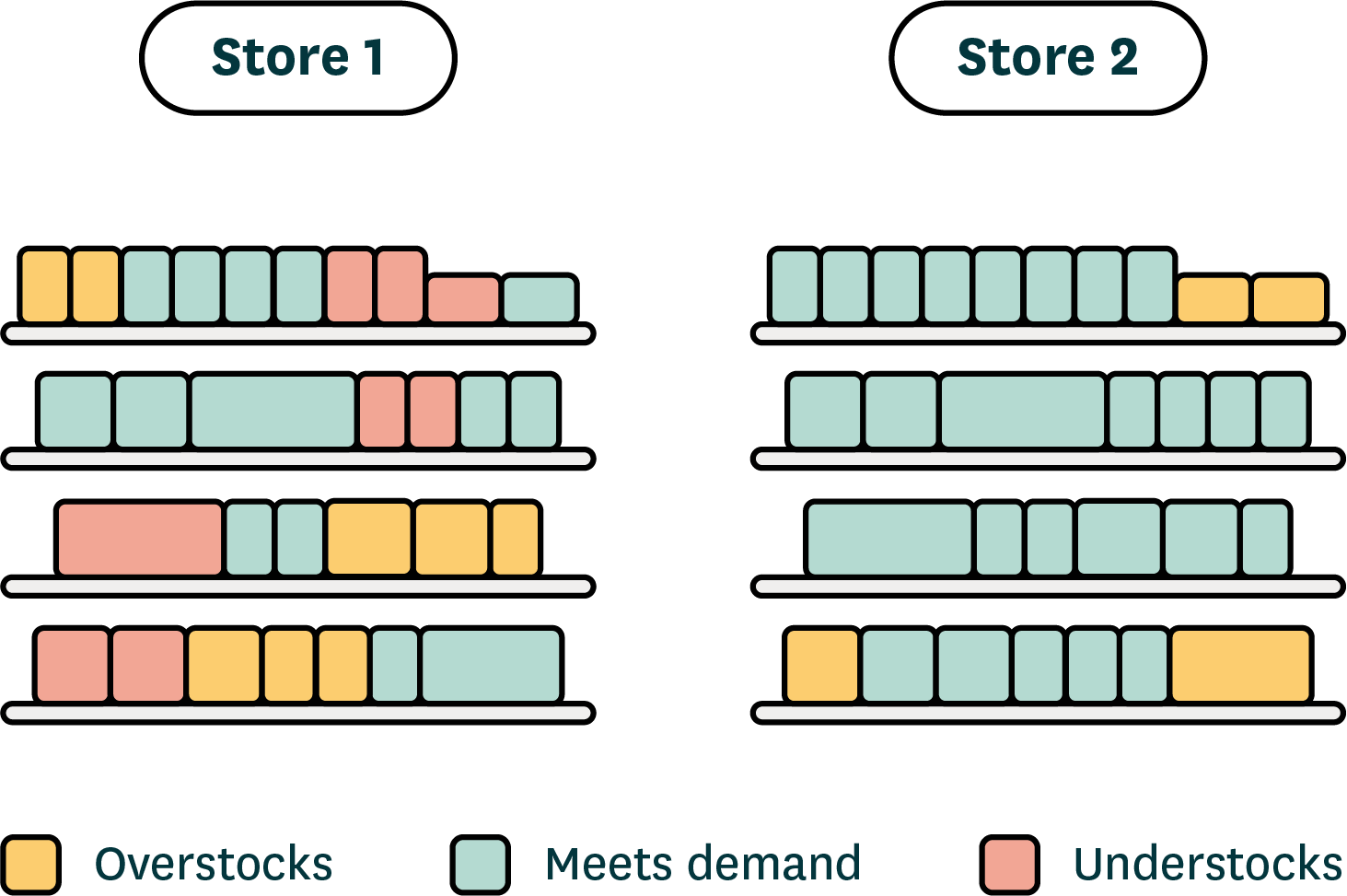
Merchandising in the pharmacy sector is often misunderstood as merely keeping shelves stocked. In reality, it’s a multilayered process that influences every stage of a product’s journey—from initial placement to final purchase. When brands engage with independent pharmacy distributors, they unlock a suite of tailored services designed to optimize visibility, compliance, and consumer engagement. Here’s a breakdown of the key components that make merchandising a proven driver of test-market success:
Shelf Placement & Planograms
Eye-level positioning can boost sales by 15–20%, as products within direct sightline attract more attention.
Category adjacency matters—placing a new immune-boosting supplement next to vitamins, for example, capitalizes on existing shopping habits.
Malaysian pharmacy wholesale distributors use heat-mapping tools to identify high-traffic zones, ensuring test products get maximum exposure.
Point-of-Sale Material (POSM) Execution
Wobblers, shelf talkers, and display units aren’t just decorative—they increase product visibility by 30–50% in cluttered retail environments.
A reliable merchandising partner ensures POSM is deployed correctly, avoiding common pitfalls like obscured branding or misplaced signage.
Compliance Audits
Regular checks prevent out-of-stock scenarios, pricing errors, or misplaced items—critical for accurate test-market data.
In Malaysia, audits often reveal regional variations; for instance, urban pharmacies may prioritize premium health supplements, while rural outlets focus on essential OTC medications.
Consumer Education Integration
For healthcare products, informational leaflets or pharmacist training sessions build trust and drive trial.
A trusted distributor pharmacy in Malaysia might organize in-store demos for a new diabetic-friendly snack, helping consumers understand its benefits firsthand.
By leveraging these components, brands transform merchandising from a logistical afterthought into a strategic tool for product validation.
Learn More : Why Pharmacy Merchandising Services Are a Game-Changer for Product Visibility in Malaysia | 11 Retail Merchandising Best Practices to Follow in Your Store
Why Distributor Pharmacies Are the Gold Standard for Test-Marketing
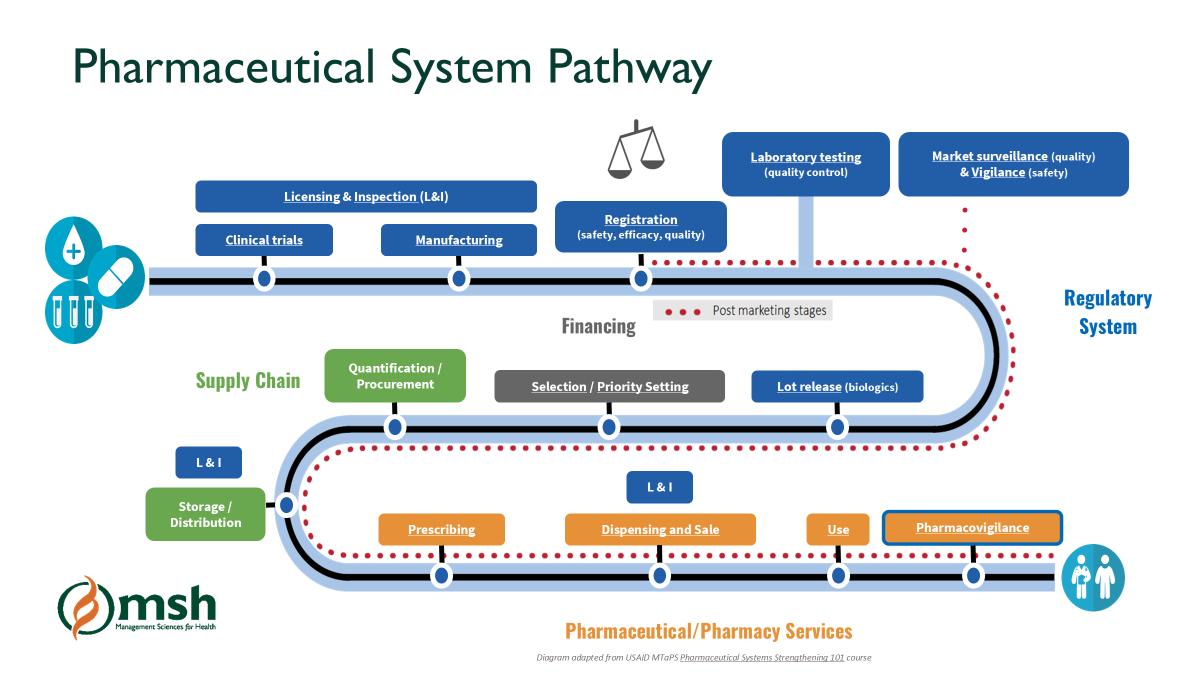
What makes distributor pharmacies the ideal testing ground for new products? Unlike mass-market retail chains, pharmacies cater to a health-conscious demographic, offering precise consumer insights that generic supermarkets can’t match. Here’s why Malaysian brands are increasingly turning to pharmacy wholesale distributors for effective test campaigns:
Targeted Consumer Access
Pharmacies attract shoppers with specific health needs, whether they’re seeking allergy relief, prenatal vitamins, or chronic disease management products.
Example: A probiotic brand testing a new gut-health formulation in Malaysian pharmacies found that 70% of buyers were women aged 30–45—data that shaped their national marketing strategy.
Actionable Shelf Data
Distributors provide metrics like purchase frequency, basket affinity (e.g., customers buying a new sleep aid often pair it with herbal tea), and seasonal demand shifts.
A strategic partnership with a pharmacy distributor Malaysia trusts can reveal whether a product’s price point aligns with local purchasing power.
Cost Efficiency
Testing in 50–100 pharmacies through a distributor costs fraction of a nationwide launch, reducing financial risk.
Case Study: A local pain-relief gel brand saved RM 250,000 by identifying packaging flaws during a small-scale test, avoiding a costly recall.
Pharmacist Influence
In Malaysia, 60% of consumers trust pharmacist recommendations over ads.
Training pharmacists to advocate for a test product (e.g., “This new antihistamine has fewer side effects”) can double trial rates.
Designing a High-Impact Test-Market Campaign: A Step-by-Step Framework

Creating a successful test campaign requires more than just placing products on shelves. It demands strategic collaboration with merchandising experts to simulate real-world conditions while maintaining control over variables. Here’s how brands can structure their approach:
✅ Step 1: Define Clear Objectives
Is the goal to test packaging appeal, flavor acceptance, or price sensitivity?
Example: A Malaysian herbal tea brand focused on label clarity after initial tests showed confusion over brewing instructions.
✅ Step 2: Select Pilot Locations Wisely
Urban (KLCC pharmacies) vs. suburban (Puchong outlets) can yield different usage patterns.
Partner with a pharmacy distributor Malaysia wide to ensure geographic and demographic diversity.
✅ Step 3: Optimize In-Store Presentation
Use A/B testing for shelf placements—does the new energy supplement sell better near checkout counters or in the vitamins aisle?
Tailored POSM, like bilingual leaflets for multilingual regions, enhances engagement.
✅ Step 4: Train Pharmacy Staff
A 5-minute product briefing can turn pharmacists into brand ambassadors.
Example: A cold remedy saw 3x faster sell-through after pharmacists highlighted its non-drowsy formula.
✅ Step 5: Monitor and Iterate
Real-time adjustments—like swapping underperforming POSM or tweaking pricing mid-test—refine outcomes.
Digital tools (e.g., barcode-linked feedback forms) streamline data collection.
Learn More : Pharmacy Merchandising for New Product Launches in Malaysia
Measuring What Matters: Turning Data into Decisions

The true power of test-marketing lies in data interpretation. Brands must track quantitative metrics (sales volume, repeat purchases) and qualitative feedback (pharmacist notes, customer queries) to paint a full picture.
📊 Key Metrics to Track
Sell-Through Velocity: How quickly does stock move? A new vitamin brand in Ipoh averaged 8 units/week—below the 12-unit benchmark for scalability.
Basket Analysis: Are buyers pairing the test product with complementary items? (e.g., magnesium supplements often sell with sleep aids.)
Return Rates: High returns on a new protein powder flagged flavor dissatisfaction, prompting a recipe tweak.
🗣️ Human Insights
Pharmacist Observations: “Customers ask if this joint pain cream is suitable for arthritis” → Reveals a need for label adjustments.
Customer Complaints: “The child-proof cap is too hard to open” → Leads to ergonomic redesign.
In Malaysia’s complex pharmacy landscape, these insights are invaluable for avoiding costly missteps. A reliable pharmacy distributor doesn’t just move products—they provide the strategic intelligence needed to win long-term.
Localized Success Stories: Merchandising in Action
Klang Valley’s Allergy Relief Boom
A nasal spray brand tested two variants (fragrance-free vs. menthol) through a Selangor-based distributor.
Data showed urban shoppers preferred unscented options, while rural areas favored menthol for its perceived potency.
The brand tailored regional SKUs, boosting overall sales by 22%.
Penang’s Herbal Supplement Lesson
A traditional jamu product struggled until merchandisers repositioned it from the “ethnic remedies” shelf to the mainstream wellness section.
Sales jumped 180% after aligning with modern health trends.
East Malaysia’s Pricing Sensitivity
A premium multivitamin underperformed in Sabah until pharmacists highlighted monthly installment plans (a proven tactic in the region).
Adoption rates tripled after addressing affordability barriers.
Interpreting Results: From Shelf Data to Market Decisions
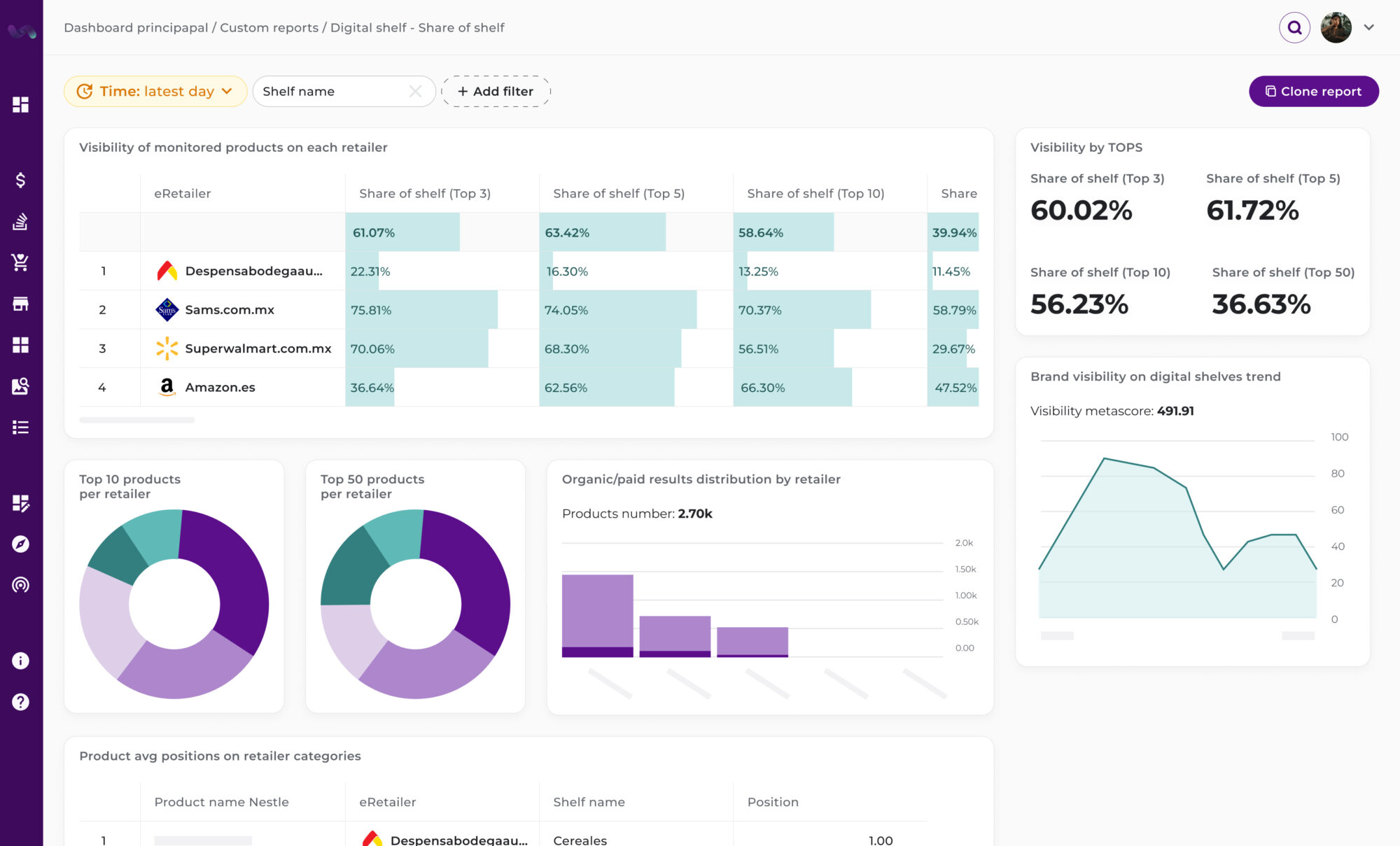
Turning test-market data into actionable strategies is where many brands stumble—not because the insights aren’t there, but because they lack a structured framework to decode them. In Malaysia’s competitive pharmacy landscape, raw numbers alone won’t cut it. The real magic happens when brands dissect shelf performance, consumer behavior patterns, and pharmacist feedback to refine their go-to-market playbook.
Take the case of a local herbal skincare brand that tested a new anti-inflammatory lotion in 30 independent pharmacy distributors across Penang and Selangor. The sell-through rates were strong, but the data revealed a critical nuance: 85% of purchases were for the 100ml size, while the larger 250ml bottles gathered dust. Without this insight, the brand might’ve pushed forward with a nationwide launch skewed toward bulk packaging—a move that could’ve led to RM100,000+ in dead stock and rebranding costs. Instead, they adjusted their SKU mix, emphasizing the smaller size, and saw a 22% uplift in repeat purchases post-launch.
How to Extract Strategic Value from Test Data
✅ Compare Against Objectives
Did the product meet its trial KPIs? For example, if the goal was pharmacist endorsements, track how many recommendations translated to sales.
A probiotic brand in Johor Bahru found that while 60% of pharmacists promoted their product, only 30% of customers acted on it—signaling a price sensitivity issue.
✅ Identify Improvement Levers
Packaging: Is the design intuitive? A KL-based supplement brand revised its label font size after audits showed elderly shoppers struggled to read dosage instructions.
Pricing: Test markets in East Malaysia often reveal regional affordability thresholds. One pain-relief gel brand reduced its RRP by 12% after feedback from Kota Kinabalu pharmacies.
✅ Forecast Nationwide Potential
Use per-outlet sell-through averages to project demand. If a product sells 50 units/month in 10 pilot stores, scaling to 500 stores could mean 25,000 units monthly—but only if distribution logistics are reliable.
Pro tip: Factor in seasonality. A cold-and-flu syrup tested in Q3 might underestimate its Q4 peak demand.
Partnering with a trusted pharmacy distributor Malaysia wide ensures brands don’t just collect data—they leverage it strategically.
Learn More : How product design can yield ‘triple wins’: Growth, margin, and sustainability | Visual merchandising | Studying Customer Behavior in Retail Stores
Common Pitfalls and How to Avoid Them in Test-Market Merchandising

Even the most promising products can flop during testing if brands fall into these avoidable traps. The difference between successful trials and costly missteps often boils down to executional discipline—something expert merchandising partners help safeguard against.
Pitfall 1: Unclear Objectives
Example: A Malaysian vitamin startup tested a new multivitamin gummy without defining whether they were evaluating flavor acceptance or repeat purchase intent. The result? Inconclusive data that delayed their launch by 6 months.
Solution: Set SMART goals (e.g., “Achieve 200 trial purchases per store within 8 weeks”).
Pitfall 2: Insufficient Outlet Coverage
Example: Testing a diabetic-friendly snack only in urban KL pharmacies missed feedback from rural populations (who represented 40% of the target market).
Solution: Work with pharmacy wholesale distributors with nationwide reach, like those covering Pahang’s semi-urban areas or Sarawak’s community pharmacies.
Pitfall 3: Weak In-Store Execution
Example: A new toothpaste brand lost 35% of potential sales because merchandisers placed it on bottom shelves, invisible to shoppers.
Solution:
Checklist for Merchandisers:
🔹 Ensure eye-level placement (or secondary displays near checkout).
🔹 Verify POSM is installed correctly (no crooked shelf talkers).
🔹 Train pharmacists to mention the product during consultations.
Collaborating with a strategic distributor pharmacy helps brands preempt these risks through proven processes.
Case Studies: Successful New Product Tests in Malaysian Pharmacies

Case Study 1: Digestive Health Sachets
Approach: A Singaporean brand tested stick-pack vs. bottled formats in 50 Malaysian distributor pharmacies.
Outcome: Sachets outsold bottles 3:1—especially in urban commuter hubs like KL Sentral.
Lesson: Convenience drives compliance for on-the-go consumers.
Case Study 2: Herbal Energy Capsules
Approach: Used merchandiser-led sampling to gauge taste tolerance.
Outcome: 42% of testers disliked the bitter aftertaste; the brand reformulated before launch.
Lesson: Sensory attributes can make or break nutraceutical adoption.
Case Study 3: Senior-Friendly Calcium Chews
Approach: Combined eye-level displays with pharmacist training on bone health benefits.
Outcome: 50% higher uptake vs. passive shelf placement.
Lesson: Pharmacist credibility is essential for elderly-targeted products.
These real-world examples prove that tailored merchandising isn’t just about logistics—it’s a growth accelerator.
Best Practices for Partnering with Pharmacy Wholesale Distributors

Not all distributors are created equal. Brands must evaluate partners based on three strategic criteria:
Coverage Depth
Can they access key regions? For instance, a Klang Valley-focused distributor might miss East Malaysia’s unique preferences.
Ideal: Partners with 500+ pharmacy touchpoints nationwide.
Category Expertise
A distributor skilled in OTC medications may lack insights for wellness snacks.
Ask: “Have you handled similar product launches?”
Data Capabilities
Basic: Sell-through reports.
Advanced: Heat maps of shelf engagement, basket affinity analytics.
Building a Reliable Partnership
Strategic Alignment: Share your brand vision (e.g., “We prioritize halal-certified wellness”).
Tailored Execution: Adapt merchandising tactics to local norms (e.g., Bahasa Malaysia leaflets for Kelantan).
Transparent Communication: Monthly performance reviews prevent surprises.
A trusted partner like PriooCare Malaysia doesn’t just move products—they de-risk launches through strategic collaboration.
Learn More : Understanding the Distribution Landscape in Malaysia’s Malay-Speaking Areas
Test-market merchandising isn’t a checkbox—it’s the most reliable way to validate demand, refine positioning, and optimize investments before a full launch. In Malaysia’s fragmented pharmacy sector, the brands that win are those who treat merchandising as a strategic ally, not a backend function.
Frequently Asked Questions (FAQ)
Q1: What are merchandising services?
Answer:
Merchandising services refer to professional support activities that ensure products are displayed, stocked, priced, and promoted correctly in retail stores. These services improve product visibility, maintain planogram compliance, and help retailers and brands boost sales performance.
Q2: What is an example of a merchandising service?
Answer:
An example is planogram execution, where a merchandiser arranges products on shelves according to a layout provided by the brand or retailer to ensure correct placement, facings, and category alignment.
Q3: What are the 4 types of merchandise?
Answer:
The four main types are convenience goods, shopping goods, specialty goods, and unsought goods, each classified based on consumer buying behavior and decision-making effort.
Q4: What are 5 examples of merchandising companies?
Answer:
Five examples include retail chains or service providers such as Walmart, Tesco, Aeon, Advantage Solutions, and Premium Retail Services, which offer both in-store merchandising and retail execution services.
Q5: What is a merchandising service team?
Answer:
A merchandising service team consists of trained personnel who visit stores to restock products, arrange shelves, update point-of-sale materials, check inventory levels, and ensure brand compliance.
Q6: What is a merchandise management system?
Answer:
A merchandise management system is a retail software platform that handles product planning, inventory control, pricing, purchasing, and sales tracking to optimize stock flow and reduce operational errors.
Q7: What is an example of a merchandising company?
Answer:
An example is Advantage Solutions, a global provider that offers in-store merchandising, retail support, product resets, and promotional execution for brands and retailers.
Q8: Is merchandising part of the supply chain?
Answer:
Yes. Merchandising is linked to the supply chain because it ensures the final step of product availability—making sure goods delivered by distributors are correctly displayed and accessible to customers.
Q9: What is merchandising in logistics?
Answer:
Merchandising in logistics refers to coordinating product flow from warehouses to retail shelves, ensuring timely replenishment, accurate stock levels, and correct placement to support sales and operational efficiency.
Q10: What is merchandising of goods and services?
Answer:
It involves presenting goods and services in a way that attracts customers, improves understanding, and increases purchase likelihood through proper placement, clear information, and consistent presentation across retail touchpoints.
How can we assist you today? 😊
Just let us know—we’re here to help!