

Why does regulatory clarity matter even before your product reaches a distributor? In Malaysia’s pharmacy ecosystem, it’s the bedrock upon which all successful distribution is built. The landscape is governed primarily by the Ministry of Health (KKM) and operationally managed by the National Pharmaceutical Regulatory Agency (NPRA) . Together, these bodies form the nation’s drug control authority, meticulously overseeing product safety, quality, efficacy, and labeling standards across cosmetics, supplements, and medicines. For any brand planning to penetrate the lucrative pharmacy channel, a deep understanding of how KKM approval frameworks operate in real-world distribution isn’t just a legal formality; it’s a strategic necessity.
Consider the viewpoint of a pharmacist in Penang. Their professional reputation and the pharmacy’s hard-earned trust hinge on the safety and compliance of every item on their shelf. When a consumer picks up a box, they are making a silent trusted transaction, believing implicitly that the product has passed all necessary checks. From the distributor’s perspective, compliance is a critical risk management issue. A pharmacy distributor Malaysia acts as a gatekeeper; they are increasingly cautious, conducting rigorous internal audits before onboarding a new SKU. If a product fails regulatory screening after being stocked, it triggers a cascade of disruptions: costly recalls, disruption of merchandising schedules, and a severe blow to retailer confidence.
For brand owners, especially those new to the market, delays are often self-inflicted. Documentation that doesn’t meet NPRA Malaysia guidelines—missing ingredient declarations, non-compliant health claims, or incomplete safety files—can postpone market approval by months, not weeks. This isn’t just a bureaucratic hold-up; it’s a direct hit to your revenue forecast and distributor relationships. A single enforcement action against a non-compliant product can irreparably damage a pharmacy’s carefully cultivated reputation. Ultimately, grasping this regulatory structure is not an administrative chore; it is the absolute foundation for efficient, reliable, and sustainable distribution execution in Malaysia.
Cosmetic, Supplement, or Poison: Why Accurate Classification is Essential
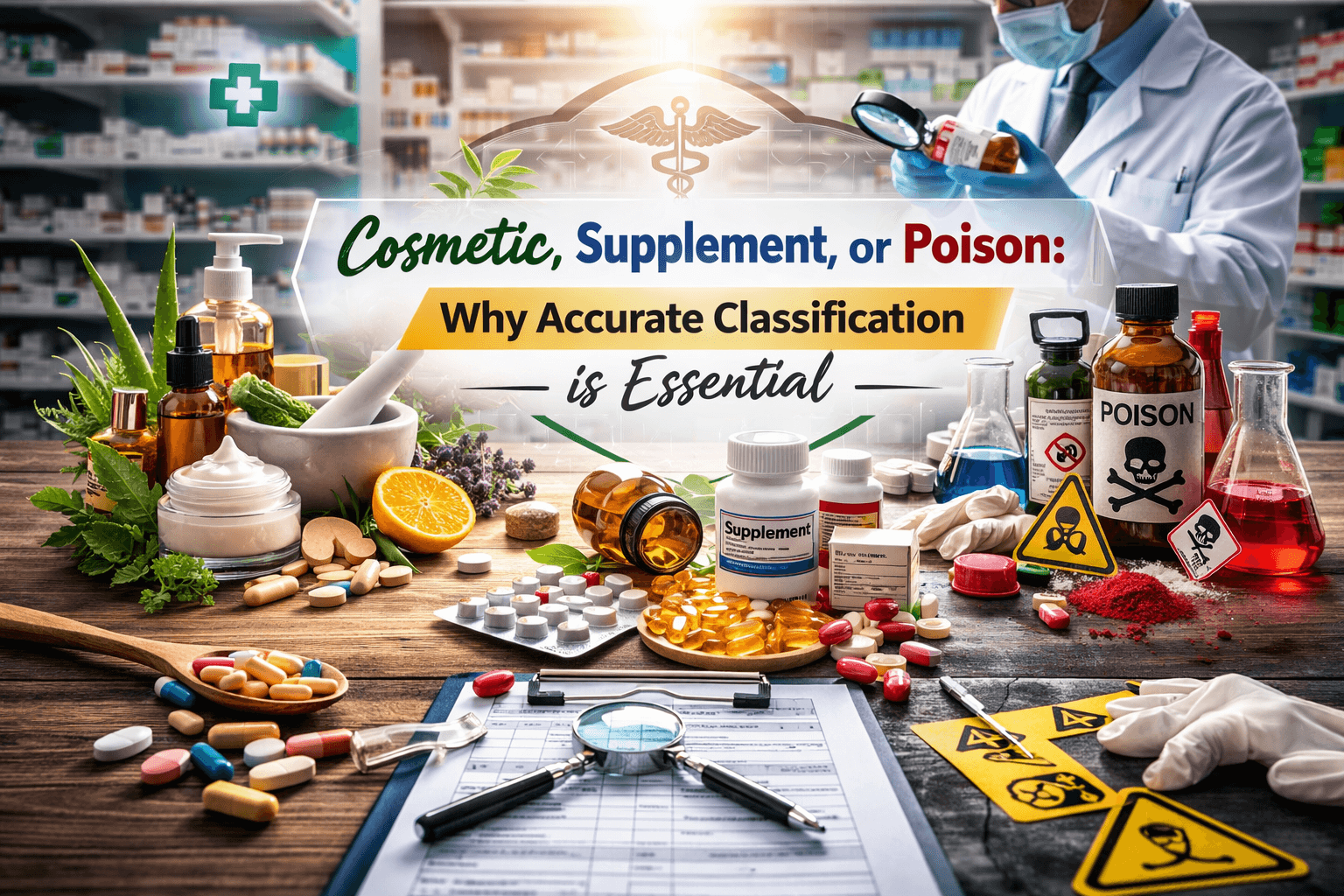
Is your product truly a cosmetic, or does its formulation and marketing push it into the realm of a therapeutic health supplement? This question is far more than a semantic exercise. Misclassification remains one of the most frequent and costly regulatory errors in Malaysia. Brands often get excited about marketing “functional skincare” or “nutricosmetics” without fully assessing whether the product qualifies under the simpler cosmetic notification Malaysia pathway or the more stringent health supplement registration Malaysia.
The NPRA Malaysia framework is clear, but its application requires nuance. The cosmetic notification (NOT) pathway is specifically for products applied externally to cleanse, beautify, or alter appearance without influencing the body’s structure or functions. However, the moment you introduce therapeutic claims—such as “treats acne,” “reduces eczema inflammation,” or “prevents hair loss”—the classification shifts. A whitening serum containing active acids above a regulatory threshold isn’t a simple cosmetic if it’s peeling the skin therapeutically. Similarly, a probiotic supplement that claims to “treat Irritable Bowel Syndrome” moves far beyond a general wellness claim like “supports digestive health.”
From the perspective of a pharmacy wholesale distributor, classification accuracy is a non-negotiable prerequisite. An incorrect classification exposes their entire distribution network to significant risk during a pharmacy compliance audit. An independent pharmacy distributor will almost always request the official notification or registration letter before even considering a product for listing. An expert compliance professional advising a brand manager would stress the importance of a proactive regulatory review at the concept stage. This early assessment ensures a smooth retail pharmacy listing process down the line. Getting it wrong can lead to product seizure or forced recall—events that shatter brand equity and distributor confidence. Accurate classification, therefore, builds a proven and reliable path toward sustainable market access.
Learn more: NPRA Cosmetic Check Online | FDA Cosmetic Registration & Compliance Guidance
A Step-by-Step Guide to the NPRA/KKM Submission Process
What exactly happens behind the scenes after you submit your product dossier, and before approval is granted? The process is systematic and structured, following a defined framework under NPRA Malaysia guidelines. While many SMEs perceive it as a paperwork-heavy ordeal, understanding each step demystifies the journey and sets realistic timelines for market entry. This is the pillar content that every brand manager should internalize.
Step 1: Appointing a Responsible Person (RP)
Every product application requires a locally designated Responsible Person (RP) Malaysia. This can be a company representative or a contracted consultant. The RP is the single point of accountability for product safety and ongoing compliance, maintaining all documentation and communicating with authorities. Without a designated RP, your QUEST system submission cannot even begin.
Step 2: Preparing the Product Dossier & Ingredient Review
This is where most groundwork is laid. The dossier must include:
Full ingredient list with International Nomenclature of Cosmetic Ingredients (INCI) names and percentages.
Comprehensive safety assessments.
Stability data to validate shelf-life under tropical conditions.
Full claims substantiation, with scientific backing for any efficacy claims.
Manufacturing certifications, typically Good Manufacturing Practice (GMP) .
Brands frequently underestimate the required dossier depth. For cosmetics, a Product Information File (PIF) is mandatory. For supplements, the registration documentation is far more demanding, often requiring clinical data.
Step 3: Stability and Safety Data
Stability studies are not just a formality; they scientifically validate your product’s shelf-life and safety profile. For health supplements, this becomes complex. Laboratory testing must simulate real-world conditions, including the high humidity and temperatures common in pharmaceutical warehousing Malaysia. If your stability data doesn’t match local climate realities, approval will be denied.
Step 4: QUEST System Submission
All applications are channeled through the QUEST system submission portal. Accuracy here is paramount. Incomplete entries, incorrect product categories, or mismatched ingredient lists are common reasons for immediate rejection. Common documentation gaps also include a missing Certificate of Analysis (COA) from the manufacturer or unclear labeling mock-ups that don’t meet Bahasa Malaysia requirements.
Step 5: Navigating Approval Timelines
Timelines vary significantly. Cosmetic notification Malaysia follows a shorter review period, while health supplement registration Malaysia involves a longer, more in-depth evaluation. Delays often occur not from a lack of product efficacy, but from the need to answer clarification queries from NPRA reviewers.
Step 6: Post-Approval Obligations
Receiving your notification or registration letter is not the finish line. Ongoing compliance monitoring is required. Any changes to formulation, manufacturing site, or product claims must be notified to the NPRA. For Malaysian SMEs, these documentation gaps are the primary cause of delayed market entry. Distribution schedules must be aligned with regulatory clearance. A strategic, efficient, and proven submission plan prevents costly disruptions and ensures your product is ready for planned pharmacy merchandising Malaysia campaigns.
Essential Documentation for Pharmacy Market Entry
Before you even schedule a meeting with a major distributor, you must ask yourself: is your compliance file truly complete and audit-proof? A professional distributor will conduct thorough pre-listing checks to protect their own operations and their pharmacy clients. Therefore, brands must prepare a comprehensive compliance file that includes:
The official Product Information File (PIF) or full registration dossier.
A valid Certificate of Analysis (COA) for each manufacturing batch.
Up-to-date GMP certification from the manufacturer.
Finalized artwork compliant with Bahasa Malaysia labeling laws (including mandatory cautionary labels).
Relevant import permits if the product is manufactured overseas.
To illustrate the varying levels of scrutiny, consider this comparative overview:
| Requirement | Cosmetic (NOT) | Health Supplement (MAL) | Impact on Pharmacy Distributor Malaysia |
|---|---|---|---|
| Approval Type | Notification | Registration | Determines listing eligibility in different pharmacy tiers. |
| Approval Timeline | Shorter (weeks) | Longer (months) | Directly impacts market entry planning and cash flow. |
| Dossier Complexity | Moderate | High | Influences the depth of the distributor risk review process. |
| Key Document | Product Information File (PIF) | Full Registration Dossier | Required for the distributor’s own compliance monitoring files. |
Pharmacy distributors use this documentation to ensure that the compliance status of a product is not just claimed, but is verifiable and reliable. Something as seemingly minor as a missing Bahasa Malaysia translation on an outer carton can delay onboarding by weeks, as the product would be technically non-compliant at the point of sale. This level of tailored documentation preparation isn’t just about ticking boxes; it’s a strategic investment that supports smoother retail expansion and protects both the brand and its distribution partners from future liability.
The Direct Impact of KKM Approval on Distribution Strategy
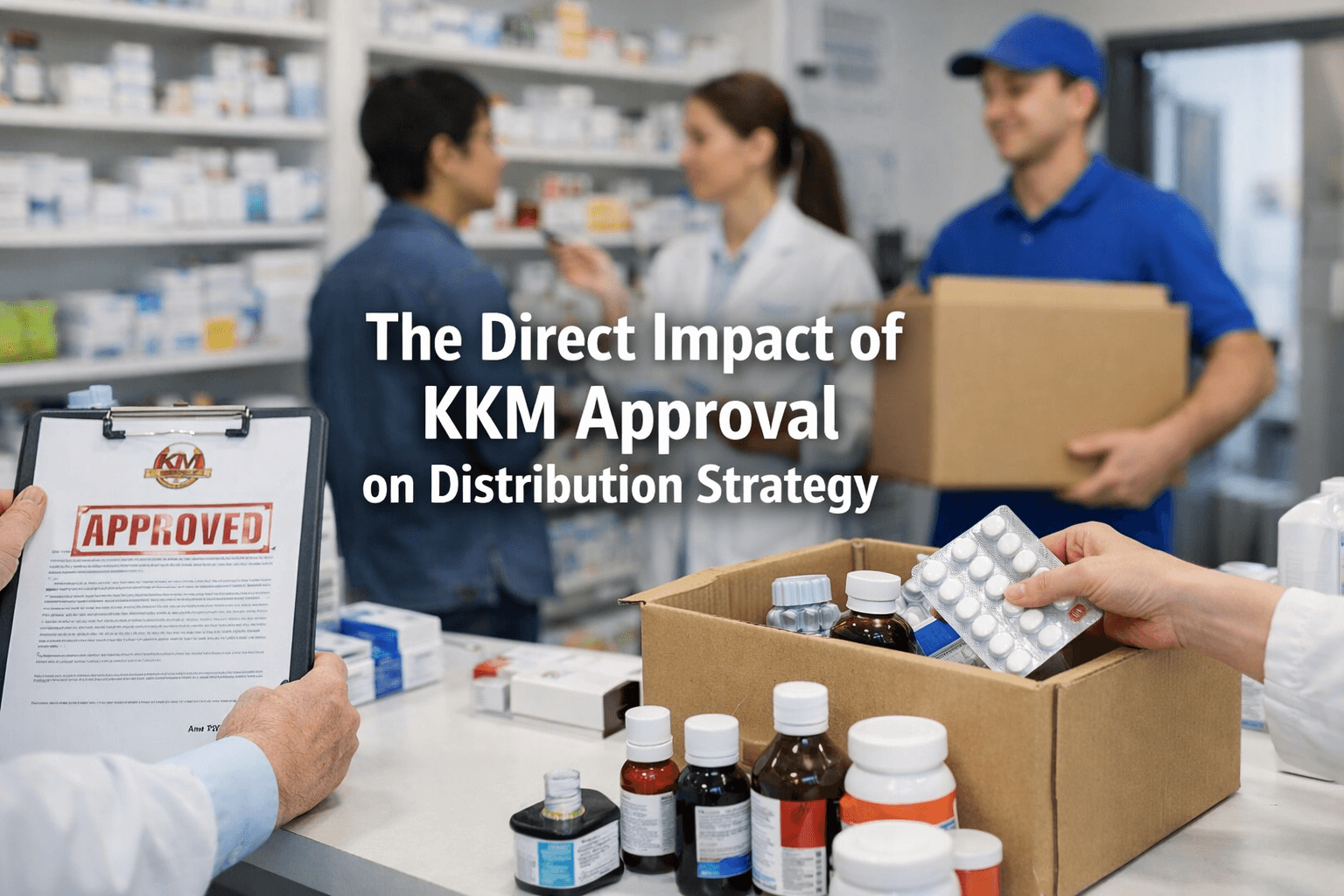
What does holding that official KKM approval letter truly mean for your distribution strategy on the ground? It is the key that unlocks the entire pharmacy channel. A pharmacy distribution service in Malaysia operates under a strict mandate of compliance. Distributors in this space are far more than just logistics providers; they are the compliance gatekeepers for the entire supply chain, from warehouse to patient.
Why do pharmacy wholesale distributors insist so vehemently on complete and accurate documentation? Because enforcement inspections by the Pharmacy Enforcement Division are increasing in frequency and rigor. Distributor warehouses themselves are subject to inspection, and they must be able to demonstrate that every single product stored within their facility meets every regulatory standard. A compliance failure traced back to a distributor’s warehouse can lead to severe penalties, including license suspension. This is where specialized services like cold chain logistics Malaysia become critically relevant for probiotics or temperature-sensitive biologics. Your stability studies must align perfectly with the actual, monitored conditions of the distributor’s warehouse. If your documentation is incomplete or your stability data is weak, your product increases the distributor’s operational risk profile, making them far less likely to take it on.
From a pharmacist’s perspective, the ability to maintain consumer trust is directly linked to transparent KKM product verification. Modern shoppers are informed; many will conduct a quick KKM check online via the QUEST system to verify a product’s registration status before making a purchase. A product that doesn’t have a proper, verifiable record in the national database instantly raises a red flag and damages the store’s hard-won credibility. For brand managers, this regulatory alignment is the foundation for predictable business growth. It ensures a smooth retail pharmacy listing process, enabling confident promotional planning and nationwide merchandising rollouts without the fear of an unexpected stop-sale order. This entire framework supports a strategic, trusted, and ultimately sustainable expansion within the competitive landscape of Malaysian pharmacies.
Learn more: KKM Product Verification: What You Need to Know

Frequently Asked Questions (FAQ)
Q1: How do I verify a product’s KKM status?
Answer:
You can verify a product’s KKM (Ministry of Health Malaysia) status by searching the NPRA QUEST database. Enter the product name, registration number (MAL number), or company name. If the product appears in the system, it is officially registered or notified under Malaysian regulations.
Q2: How to check if a medicine is KKM approved?
Answer:
Look for a MAL registration number printed on the packaging (e.g., MALxxxxxx). Then confirm it through the NPRA QUEST portal. Registered medicines must also display a hologram security label issued by the Ministry of Health.
Q3: How do I check my NPRA product registration?
Answer:
Visit the NPRA QUEST website and search using the product name, registration holder, or MAL number. The database will show approval status, dosage form, and registration validity.
Q4: What is a KKM approved product?
Answer:
A KKM-approved product is one that has been evaluated by NPRA for quality, safety, and efficacy. Medicines are registered, while cosmetics are notified under Malaysian health regulations.
Q5: How do I spot a fake KKM label?
Answer:
Check for missing MAL numbers, poor print quality, spelling errors, or mismatched company details. Always cross-verify the registration number in NPRA QUEST because counterfeit labels may look genuine.
Q6: How can I check if a product is legit?
Answer:
Verify the product through NPRA QUEST, check the importer or manufacturer details, confirm expiry dates, and purchase only from licensed pharmacies or authorised distributors.
Q7: How to verify a product?
Answer:
Confirm registration via NPRA, inspect packaging authenticity, review ingredient labeling, and ensure the seller is legally licensed in Malaysia.
Q8: How to check if a product is registered?
Answer:
Search the product name or registration number in the NPRA QUEST system. Registered products will show official approval information.
Q9: How to check if the product is original?
Answer:
Compare packaging with official brand images, scan QR or security labels (if available), and verify batch details with the manufacturer or distributor.
Q10: How do I know if my KCM is active?
Answer:
Check the product notification or registration status in NPRA QUEST under the responsible company name. Active products will show a valid status and approval period.
How can we assist you today? 😊
Just let us know—we’re here to help!