
Learn more: Future of pharma operations

What happens when a product sitting on your shelf is suddenly questioned—not just by an enforcement officer conducting a routine inspection, but worse, by a patient who claims an adverse reaction? In Malaysia’s rapidly maturing pharmaceutical landscape, this scenario is no longer a distant possibility; it is a stark, operational reality. The Ministry of Health (KKM), through the National Pharmaceutical Regulatory Agency (NPRA) , has significantly tightened its grip on the market. By 2027, the implementation of enhanced digital tracking systems, more accessible public reporting portals, and rigorous cross-border monitoring has transformed the compliance environment. Consequently, product verification has evolved from a simple regulatory checkbox into an essential, non-negotiable operational layer for every entity involved in pharmacy distribution services in Malaysia.
For the pharmacist behind the counter, the stakes are intensely personal: it is about patient safety and professional liability. A misclassified health supplement or a cosmetic product that inadvertently makes a therapeutic claim can expose the entire outlet to severe regulatory action, including fines or public reprimands. On the other side of the supply chain, distributors face a different kind of pressure. For them, sourcing accountability is a strategic business safeguard. Brands that arrive at the warehouse door without crystal-clear regulatory status often find themselves facing frustrating listing delays or, in the worst-case scenario, sudden and costly delisting by major retail chains. From a holistic distribution perspective, rigorous product verification acts as the shield that protects the integrity of the entire pharmacy supply chain in Malaysia. Independent pharmacy distributor networks now depend on reliable, verified documentation to scale their operations seamlessly across diverse regions—from the competitive heart of Klang Valley to the bustling corridors of Johor Bahru and the unique logistical challenges of East Malaysia—without falling victim to inconsistent compliance standards.
2027 Enforcement Trends
Increased digital scrutiny via the NPRA QUEST system and data-sharing initiatives.
Expanded public complaint tracking, giving consumers a direct line to report suspicious products.
Stronger monitoring of exaggerated claims made on online marketplaces and social media.
A higher frequency of regulatory audit pharmacy Malaysia visits, with a focus on traceability.
In practical terms, compliance now directly impacts merchandising support, dictates buyer confidence, and determines the long-term viability of partnerships. Distribution professionals who proactively treat verification as a front-end screening tool—rather than a tedious afterthought—are the ones best positioned to protect both brand equity and operational continuity. It’s a shift from reactive compliance to strategic, efficient risk management.
Understanding KKM Product Categories: Medicines, Health Supplements, and Cosmetics
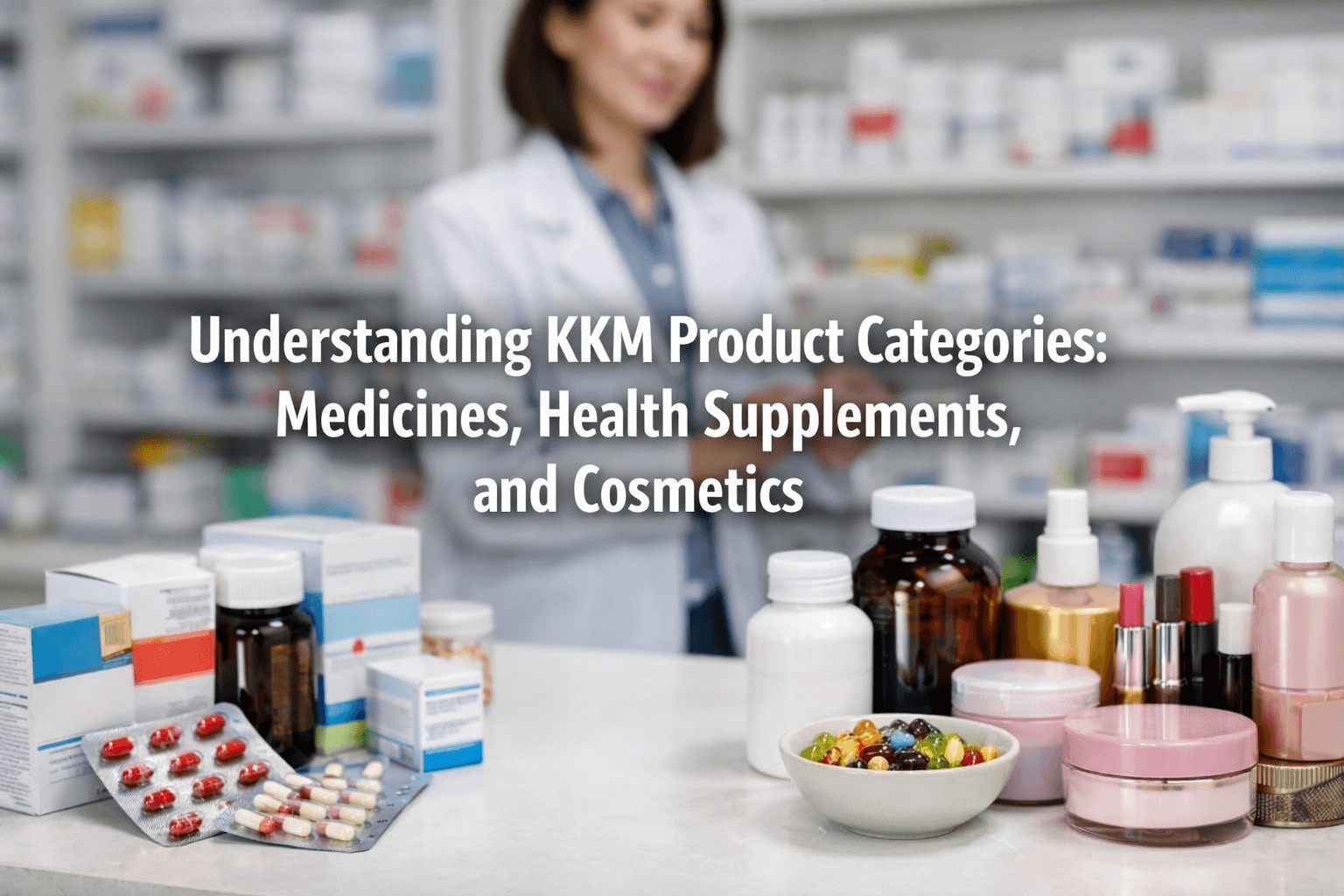
Is your best-selling acne gel actually a cosmetic under the law, or does its formulation classify it as a medicine? And more importantly, does that distinction fundamentally alter how you are allowed to distribute and market it within Malaysia’s borders? This is not merely a semantic exercise. Correct classification is the absolute foundation of compliant and successful distribution. Malaysia’s regulatory framework, governed by the Pharmacy Registration Act 1984 and the Control of Drugs and Cosmetics Regulations 1984, meticulously separates products into three main categories, each with its own set of rules, registration pathways, and post-market obligations.
First, there are Registered Medicines. These products carry a distinct pharmaceutical product registration MAL number (e.g., MALxxxxxxxx). They have undergone a stringent, evidence-based evaluation by the NPRA’s Drug Control Authority to prove their safety, efficacy, and quality. This category includes everything from prescription-only antibiotics to certain topical steroids and regulated dermatology treatments. Distributing a product in this category without the proper importer or wholesaler license is a serious offence.
Then, we have Health Supplements. Governed by specific health supplement registration Malaysia guidelines, these products—think vitamins, herbal capsules, and nutraceutical blends—are evaluated primarily for ingredient safety and quality. The critical distinction here is that they cannot make explicit therapeutic or disease-treatment claims. They are designed to support health, not treat illness. This is a common area of confusion where marketing language can easily overstep.
Finally, there are Cosmetics. Products falling under cosmetic notification Malaysia requirements—such as moisturizers, sunscreens, and serums—must be notified to the NPRA. They are not “approved” in the same way medicines are, but they must comply with the ASEAN Cosmetic Directive standards. The golden rule? They must avoid any claims of treating diseases. A moisturizer can hydrate, but it cannot claim to cure eczema.
Misclassification remains a frustratingly common pitfall in the industry. For instance, a depigmentation cream marketed aggressively for “treating” melasma might unintentionally cross into medicinal territory if its wording implies a therapeutic effect. This is precisely where understanding cara check produk lulus KKM (how to check products approved by KKM) becomes a vital skill for both buyers and distributors. Ensuring a product falls into the right category provides a trusted and proven compliance baseline. It smooths the path for product listing compliance Malaysia processes, especially when retail buyers conduct their rigorous internal reviews before approving new SKUs. Borderline products—such as functional beverages with added vitamins or topical pain patches—demand deeper regulatory interpretation. Experienced compliance teams now recognize that an early classification review is an essential, cost-saving step, ideally conducted before any marketing materials are printed or merchandisers are deployed to the field.
Learn more: How to Get KKM Approval for a Product?
Step-by-Step Guide: How to Verify a Product in 2027
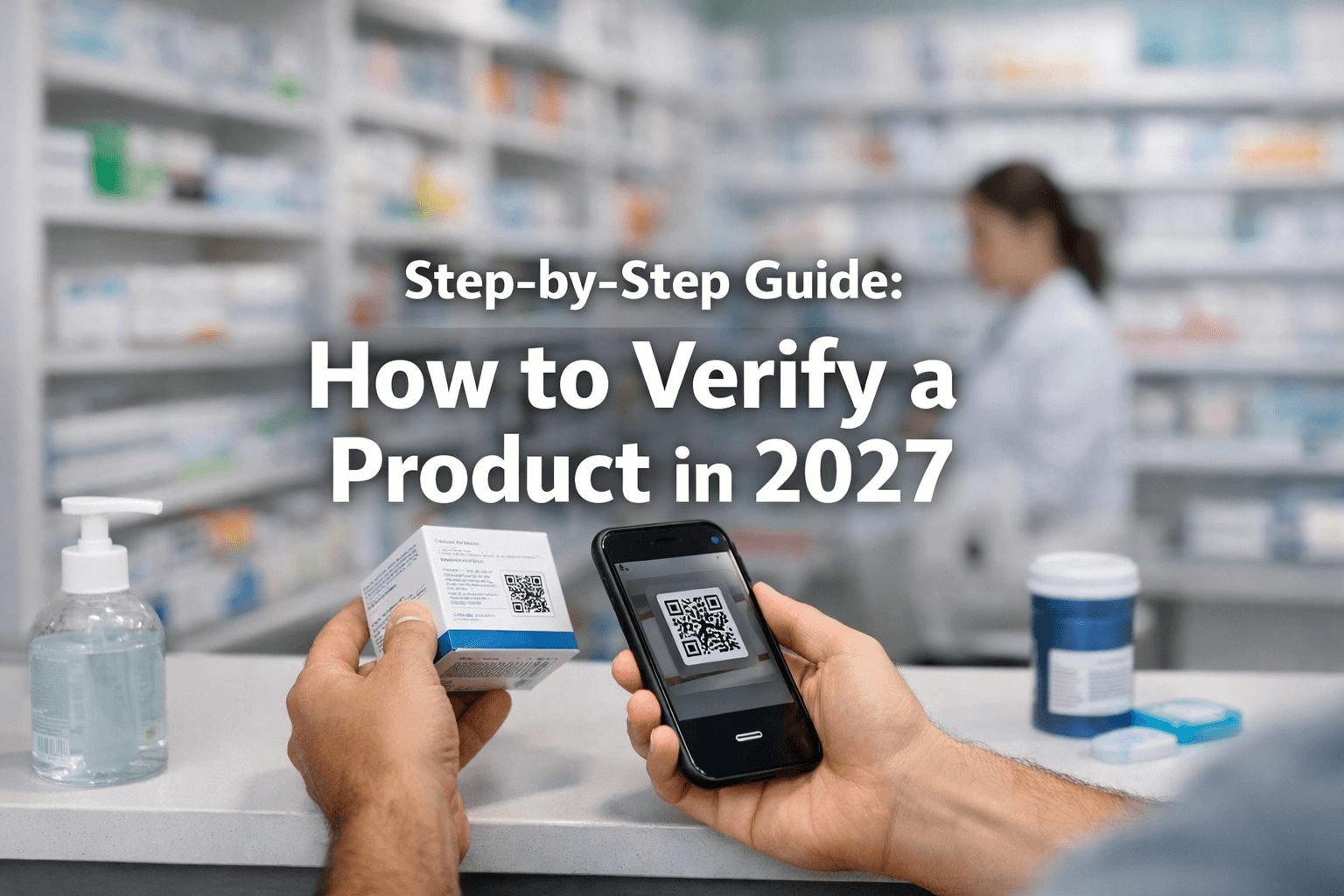
When was the last time your team conducted a truly structured product status verification before onboarding a new SKU, relying on more than just a supplier’s assurance? In the current regulatory climate, a reactive approach is a recipe for disruption. Verification must follow a clear, efficient, and documented process. Here is a proven, expert-driven workflow for 2027:
Step 1: Utilize the NPRA QUEST System
This is your primary tool. Go beyond a simple name search. Verify the product by its unique MAL number, its active ingredients, or the manufacturer’s name. Scrutinize the approval validity date and ensure the registered product details match the physical goods exactly.
Step 2: Cross-Reference with the Cosmetic Notification Portal
For all skincare and personal care items, verify the notification reference number. Confirm that the Responsible Person (RP) for Malaysia listed in the portal is an active, legitimate entity. An expired notification is as good as no notification at all.
Step 3: Validate Importer and RP Information
This is a critical due diligence step. Ensure the Responsible Person or importer listed on the NPRA portal matches the business documentation provided to your company. Any discrepancy here can break the chain of accountability, a key failure point in any distributor compliance SOP Malaysia.
Step 4: Conduct a Detailed Labeling and Claims Review
Print out the approved artwork or physically inspect the packaging. Cross-check every claim against the product’s regulatory category. Look for hidden therapeutic words. A phrase like “reduces inflammation” on a cosmetic moisturizer is a major red flag.
Step 5: Implement Offline Verification Protocols
Technology is crucial, but human vigilance is irreplaceable. Pharmacy floor staff and warehouse receivers must be trained to confirm batch numbers, expiry dates, and label integrity against the invoice and delivery order during the goods receiving process.
Practical Verification Checklist for Pharmacy Wholesale Distributors
Confirm MAL number or cosmetic notification reference matches NPRA database.
Verify Responsible Person (RP) documentation is current and matches the supplier.
Match batch numbers on products with those listed on invoices and delivery orders.
Review all marketing claims (on-box and collateral) for compliance with category restrictions.
Archive all verification documentation digitally for easy retrieval during audits.
Building this reliable internal SOP is no longer optional. It prevents the frantic, reactive scrambling that occurs during an unexpected regulatory audit pharmacy Malaysia visit. Teams that are trained with this expert level of understanding can dramatically reduce onboarding delays, protect valuable brand relationships, and ensure their operations remain both strategic and compliant.
Learn more: Cara Semak Produk Berdaftar KKM atau Tidak?
The Role of Pharmacy Distribution Service in Malaysia in Compliance Control
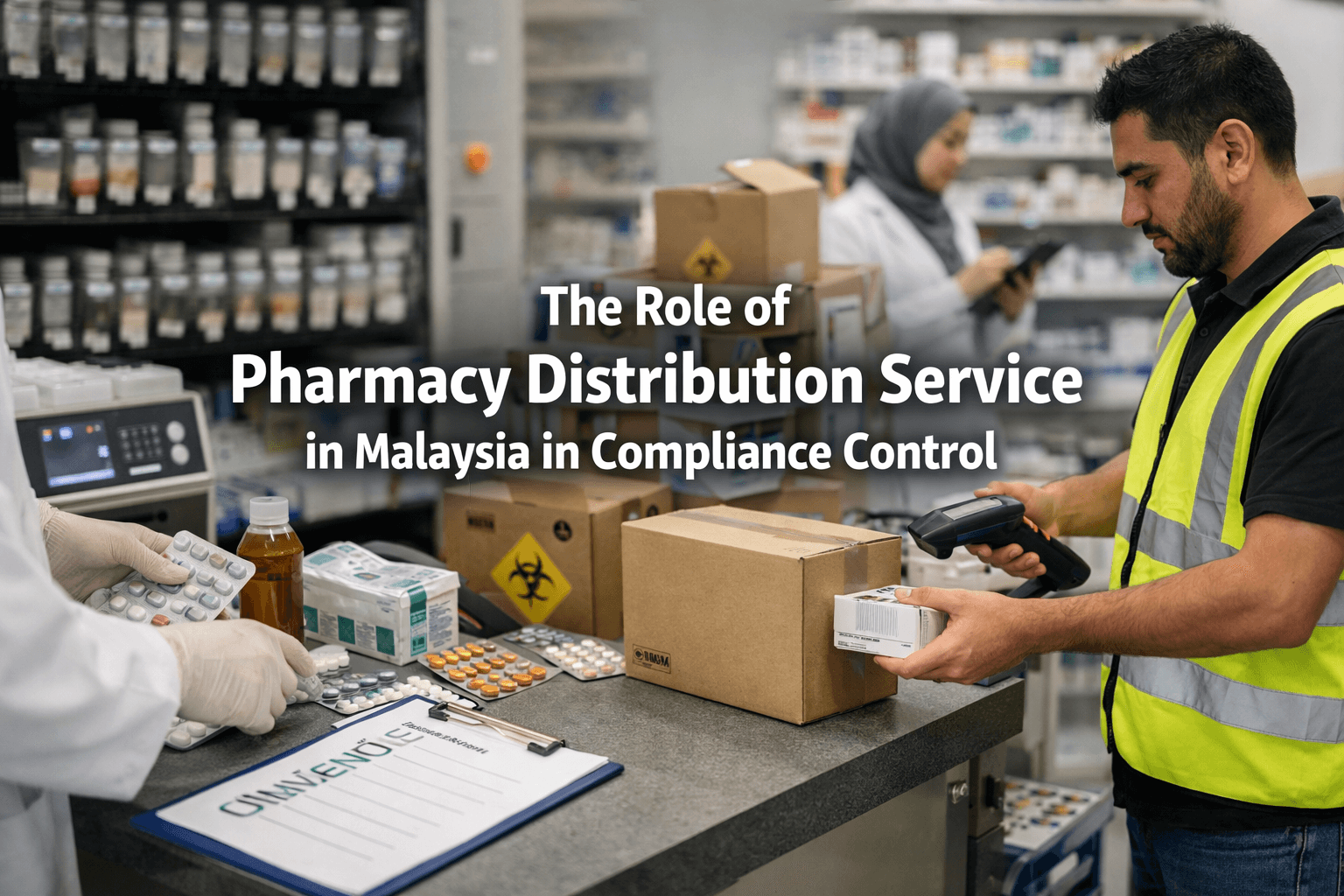
Who truly bears the operational responsibility when a non-compliant product somehow slips through the cracks and lands on a retail shelf? While the legal onus for regulatory approval rests squarely with the brand principal or the importer of record, the pharmacy distribution service in Malaysia acts as the critical operational gatekeeper for the entire downstream channel. A professional, structured pharmacy distributor Malaysia company builds its reputation on a robust system of screening new SKUs before they ever enter the warehouse.
This begins with rigorous due diligence before onboarding. It’s not enough to simply trust the documentation provided. A strategic distributor will:
Independently verify the regulatory category of the product using the NPRA tools.
Review the authenticity of the provided certificates and licenses.
Evaluate the physical labeling against current regulations, not just past practices.
Confirm the authorization of the importer to bring that specific product into the country.
The documentation trail must flow seamlessly from the brand principal to the importer, then to the distributor, and finally to the retail outlet. Without a tailored document management system, traceability becomes dangerously weak. This is a growing concern for retail pharmacy buyers. In 2027, they are increasingly demanding pre-submission compliance packets—a complete dossier of verified documents—before they will even consider approving a new product for their shelves. Distributors that can offer this trusted screening and documentation support gain a significant competitive advantage, securing faster listing approvals for their brand partners.
For brand principals looking to enter or expand within the Malaysian market, engaging a distribution partner with this level of governance is not just an added service; it is a essential component of a successful market entry strategy. A partner with a proven track record in compliance control can prevent costly re-labeling exercises, avoid the reputational damage of a product recall, and ensure that sales rollout momentum is never halted by preventable regulatory holds. Compliance, in this context, is a powerful business enabler.
Learn more: What Are the Requirements for Pharmaceutical Distributors
Common Compliance Gaps Found in Malaysian Pharmacies (And How to Avoid Them)
Why is it that, despite the availability of sophisticated online databases like QUEST, some pharmacies still find themselves caught with products that cannot be traced in the official records? The answer lies not in a lack of tools, but in persistent operational gaps that undermine even the best-intentioned compliance efforts. These gaps are the silent risks hiding in plain sight.
The most frequent issues uncovered during inspections include:
Products not found in NPRA database: Items on shelves that, upon verification, show no valid registration or notification.
Expired or mismatched labeling: Packaging that features old logos, incorrect ingredient lists, or batch numbers that don’t align with the product inside.
Misleading therapeutic claims: Cosmetic products with names or descriptions that imply they can treat medical conditions.
Grey import pharmaceutical Malaysia activities: Genuine products brought into the country through unofficial channels, bypassing the authorized importer and the associated quality and traceability controls.
In highly competitive urban centers like Klang Valley, large pharmacy chains typically maintain strong internal SOPs and dedicated compliance teams to catch these issues. However, in smaller town pharmacies or newer outlets, the process often relies heavily on trust in the supplier’s word. Without a proven screening structure embedded in their receiving process, their risk profile increases significantly.
Misleading claims are a particularly sensitive area. A cosmetic lotion marketed for “eczema relief” or “psoriasis care” may unintentionally violate the strict regulatory guidelines that reserve such language for registered medicines. Preventing this requires a reliable layer of documentation and marketing review before the product is ever sent to the merchandising team. Similarly, grey import activities completely disrupt the traceability chain. Products sourced from outside the official, authorized importer channels often lack proper alignment with the kelulusan KKM (KKM approval) documentation. In such cases, the distributor and the retailer are left exposed. The solution lies in implementing an essential supplier verification policy—a commitment to only source from authorized, verifiable channels and to conduct that initial verification check every single time.
| Compliance Scenario | Role of Distributor’s Compliance Team | Impact on Retail Pharmacy Buyer |
|---|---|---|
| New SKU Onboarding | Conducts full NPRA QUEST verification; reviews RP docs; screens claims. | Receives a complete compliance packet; approves listing faster with confidence. |
| Routine Replenishment | Spot-checks batch numbers against documentation; monitors for label changes. | Trusts that incoming stock matches approved specifications; reduces need for re-inspection. |
| Regulatory Audit | Provides immediate digital access to all archived verification records. | Can confidently demonstrate due diligence to enforcement officers; avoids liability. |
| Suspect Product Query | Investigates source; verifies against master database; advises on removal if needed. | Relies on distributor’s expert guidance to make swift, compliant decisions. |
Learn more: Trade in Counterfeit Pharmaceutical Products
Why Verification Matters: Protecting Brand Integrity Across the Pharmacy Supply Chain Malaysia
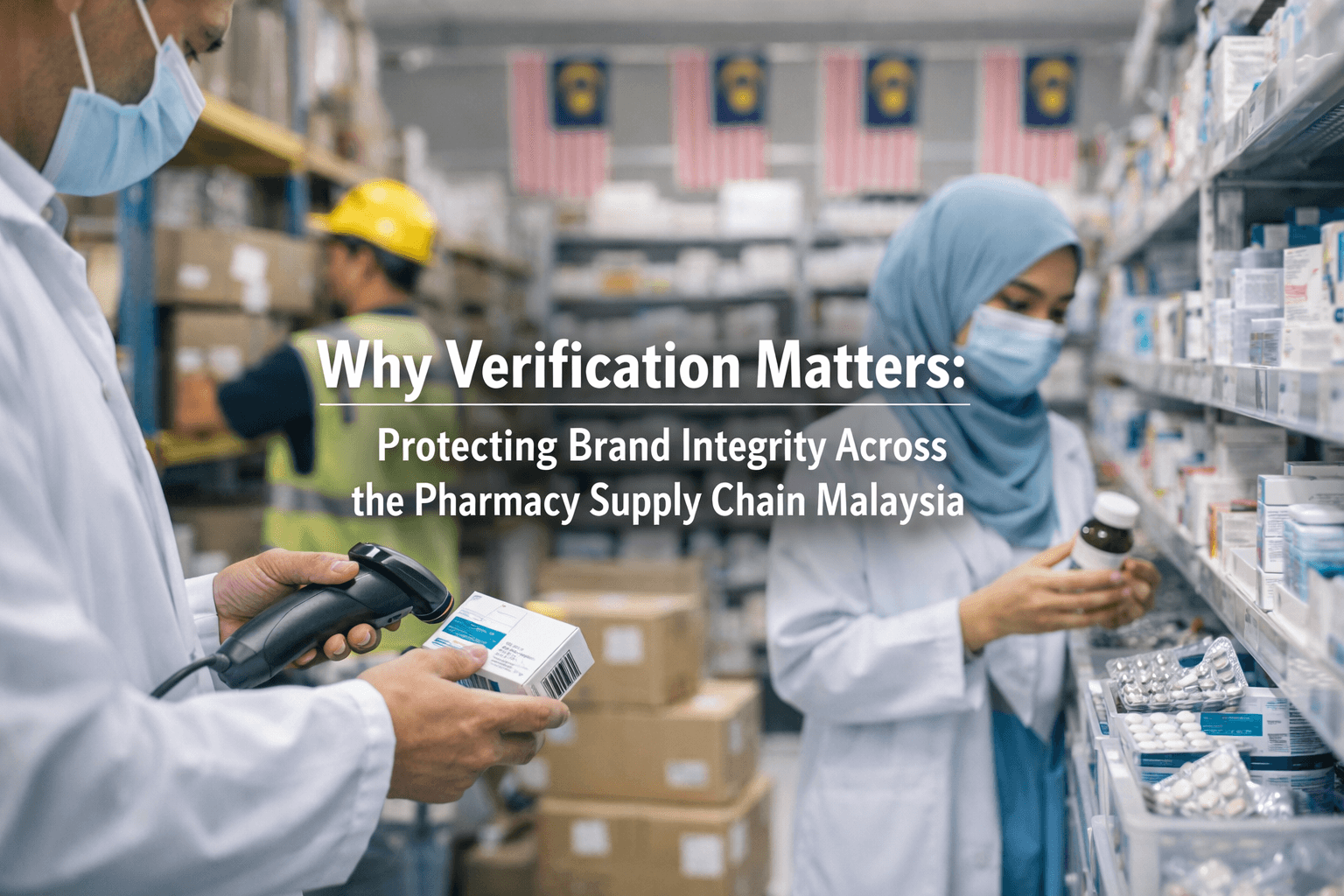
The pharmaceutical and health supplement landscape in Malaysia has grown increasingly complex, with thousands of products competing for shelf space across modern pharmacies, traditional medicine shops, and emerging online platforms. Yet beneath the surface of this bustling market lies a fundamental challenge that brand managers, distributors, and pharmacists grapple with daily: verification integrity. When a product enters the pharmacy supply chain Malaysia without proper documentation or regulatory clearance, the repercussions extend far beyond a simple compliance oversight. It threatens patient safety, erodes professional credibility, and exposes every stakeholder along the distribution chain to significant regulatory action.
Product verification isn’t merely about checking boxes on a government database. It represents the first line of defence against counterfeit goods, unregistered health supplements, and misleading therapeutic claims that could harm consumers. For pharmacy distributors Malaysia, establishing robust verification protocols has become a defining characteristic of operational excellence. Those who treat compliance as a peripheral activity rather than core business function increasingly find themselves on the wrong side of National Pharmaceutical Regulatory Agency (NPRA) enforcement actions.
Learn more: Substandard and falsified medical products
Real-World Consequences: When Verification Fails in the Malaysian Market
Consider what happened in early 2024 when a popular health supplement distributor discovered that one of their imported SKUs contained undeclared prescription-strength ingredients. The product had passed through multiple hands—importers, wholesalers, and retail pharmacies—before anyone thought to cross-reference the NPRA registration number against the official database. By the time the issue surfaced, the product had already reached consumers across three states, triggering a costly recall and damaging relationships with pharmacy partners who felt misled.
This scenario plays out more frequently than industry professionals care to admit. A pharmacy distributor Malaysia handling hundreds or thousands of SKUs faces immense pressure to move products quickly, especially during peak seasons or promotional periods. Yet rushing verification creates blind spots. In another case, a cosmetic notification oversight led to a prominent skincare brand facing temporary suspension from several major pharmacy chains after it was discovered their marketing materials made unauthorised therapeutic claims. The brand lost months of shelf placement—all because someone assumed verification was someone else’s responsibility.
Effective compliance requires viewing verification not as a hurdle but as a strategic filter that protects everyone involved. When distributors implement structured documentation review processes, they aren’t just safeguarding their own operations—they’re providing value to pharmacists who trust that products arriving at their stores are ready for sale without last-minute compliance surprises.
Data Speaks: Why Verification Errors Persist Despite Digital Tools
The numbers tell a compelling story about verification challenges in Malaysia’s pharmaceutical distribution sector. According to NPRA enforcement data, approximately 15-20% of products inspected during routine pharmacy audits between 2023 and 2024 revealed some form of compliance discrepancy. These ranged from expired registrations and incorrect labelling to more serious issues involving products that should never have reached retail shelves in the first place.
What’s particularly striking is that the majority of these violations weren’t sophisticated counterfeiting operations. They stemmed from basic verification failures—products where the responsible person had changed without updating records, items where the product registration number belonged to a completely different formulation, or health supplements making claims that exceeded their food category classification.
For pharmaceutical distributors, these statistics highlight an uncomfortable reality: digital databases alone don’t solve verification problems. The NPRA QUEST system and cosmetic notification Malaysia portals are powerful tools, but they require trained eyes to interpret results correctly. A distributor might confirm that a product appears in the database while missing that the registration expired six months ago. Or they might verify the product itself but overlook that the importer details don’t match their supplier’s documentation—a red flag that could indicate parallel imports or unauthorised supply chains.
Practical Implications: Building Verification into Daily Operations
How does this translate to ground-level operations for a pharmacy wholesale distributor? The practical implications touch every aspect of the business, from warehouse receiving to sales team training.
When products arrive at the distribution centre, verification should begin before boxes are opened. A structured verification framework ensures that incoming shipments are cross-referenced against approved SKU lists, with any discrepancies flagged immediately. This prevents the costly scenario of storing and managing inventory that ultimately cannot be sold due to compliance gaps.
For merchandising teams working in retail pharmacies, verification extends to shelf-level monitoring. Products that were compliant at the time of shipment might face issues months later—perhaps the registration wasn’t renewed, or the manufacturer changed formulations without updating regulatory filings. Reliable distributors build feedback loops where merchandisers can flag concerns and trigger re-verification processes before problems escalate.
The most efficient operators integrate compliance checks into their enterprise resource planning (ERP) systems, creating automated alerts when registrations approach expiration dates or when regulatory updates impact specific product categories. This transforms verification from a periodic audit activity into a continuous monitoring function that protects the entire pharmacy supply chain Malaysia.
Comparative Table: In-House Verification vs Distributor-Led Compliance Support
Is it better to manage compliance internally—or rely on distributor oversight? The answer depends on scale, expertise, and risk appetite. This comparison helps brand managers and pharmacy operators evaluate their options:
| Criteria | In-House Pharmacy Team | Independent Pharmacy Distributor Support | Pharmacy Wholesale Distributors (Centralised Model) |
|---|---|---|---|
| Database Verification | Manual search, dependent on individual staff training | Structured SOP with documented review process | Centralised compliance team using integrated systems |
| Risk Exposure | Higher if team lacks regulatory expertise | Shared compliance responsibility across stakeholders | Distributed oversight with multiple verification layers |
| Documentation Archive | Stored at store level, often inconsistent | Centralised distributor records with backup systems | Regional warehouse-level tracking with digital access |
| Efficiency | Highly variable based on workload | More efficient through standardised workflows | Standardised and scalable across large networks |
| Regulatory Audit Preparedness | Depends heavily on individual training | More reliable documentation trail available | Structured audit response system with dedicated personnel |
For scalability, distributor-led models are often more efficient and reliable, especially when operating across multiple states. Centralised systems improve traceability within the pharmacy supply chain Malaysia and strengthen audit preparedness. Brand managers seeking to expand nationwide should evaluate whether their internal resources can match the compliance infrastructure that experienced distributors provide as part of their core service offering.
Multi-Stakeholder Perspective: What Verification Means for Each Role
Does compliance carry the same weight for pharmacists and brand managers? Understanding these different perspectives reveals why verification touches every part of the pharmaceutical ecosystem.
a) Pharmacists
For the dispensing pharmacist, compliance protects two things simultaneously: their professional license and the patient trust they’ve spent years building. When a pharmacist recommends a health supplement or dispenses a medication, they’re staking their reputation on that product’s safety and efficacy. A structured verification SOP becomes more than paperwork—it’s a trusted operational safety net that allows them to focus on patient care rather than worrying about whether their suppliers cut corners.
b) Distributor Pharmacy Operators
Distribution operators view verification through a portfolio lens. Every SKU they carry represents potential risk alongside potential revenue. Verification filters portfolio risk, allowing for strategic SKU selection that balances commercial opportunity with compliance exposure. Operators who master this balance find that smoother audit processes become a competitive advantage—pharmacy chains prefer working with distributors who don’t trigger regulatory scrutiny.
c) Brand Managers / Importers
For brand owners, verification is market access. Clear documentation ensures faster listing approvals with major pharmacy chains and long-term positioning within preferred supplier programmes. Brands that demonstrate regulatory clarity build expert market credibility that differentiates them from competitors who treat compliance as an afterthought. When disputes arise or questions surface, the brand with impeccable documentation wins every time.
When viewed collectively, compliance transforms from an obligation into a business asset. Each stakeholder’s verification efforts reinforce the others, creating a resilient system that benefits everyone.
Building a Structured Verification Framework for 2027 and Beyond
How do you future-proof your verification process in an environment where regulations constantly evolve? The answer lies in building systems flexible enough to adapt while maintaining rigorous standards.
Digital documentation systems reduce manual errors that plague paper-based approaches. Integrating compliance tracking within ERP platforms strengthens cold chain integrity Malaysia monitoring and enables batch-level tracking that satisfies even the most demanding auditors. When a regulator asks for proof that a specific product remained within temperature parameters throughout distribution, digital systems provide answers in minutes rather than days.
Staff training modules should include several critical components:
Category differentiation: Understanding the verification requirements for pharmaceuticals versus traditional medicines versus food-classified supplements
Documentation validation: Recognising authentic supporting documents and identifying red flags in supplier paperwork
Marketing claim screening: Identifying potentially problematic language before products reach retail shelves
Regulatory update awareness: Staying current with NPRA circulars and enforcement priorities
Periodic internal audits maintain operational discipline even as teams grow and evolve. The best distributors conduct unannounced compliance spot-checks, verifying that receiving teams still follow correct procedures and that merchandising staff can identify compliance issues during store visits.
Risk scoring models for SKU approval help prioritise higher-risk categories for deeper review. A new entrant in the health supplement space with manufacturing facilities overseas might warrant more scrutiny than an established brand with decades of compliance history. By focusing resources where risk is highest, distributors maintain effective oversight without creating bottlenecks for low-risk products.
Verification must be treated as an essential, tailored, and effective operational function. When embedded into distribution workflow, it enhances efficiency rather than slowing it down. The most successful distributors discover that strong compliance actually accelerates decision-making—because everyone knows what good looks like, and there’s no ambiguity about what requires approval versus what can move forward immediately.
Learn more: Strengthening health care’s supply chain: A five-step plan
Future Outlook: Regulatory Trends Impacting Pharmacy Distribution in Malaysia
What will compliance look like between 2027 and 2030? Several trends already visible today will shape the verification landscape for years to come.
Digital enforcement expansion is expected across all regulatory agencies. The days of paper-based submissions and manual database searches are numbered. NPRA has signalled its intent to move toward more integrated digital oversight, potentially including real-time access to distribution data for high-risk products.
Cross-border monitoring will likely tighten, especially for online marketplaces that currently operate in regulatory grey areas. E-commerce platforms selling health products into Malaysia face increasing scrutiny, and distributors must verify not just the products themselves but the digital channels through which they reach consumers.
Data transparency requirements may increase for import documentation. Regulators are exploring systems that would allow them to track products from point of entry through to final sale, creating an unbroken chain of custody that deters diversion and counterfeiting.
Cold chain integrity Malaysia standards may integrate more digital tracking mechanisms, with temperature monitoring becoming continuous rather than point-in-time. For pharmacy wholesale distributors, this means investing in technology that provides real-time visibility into storage and transport conditions.
For pharmacy distributors Malaysia, adopting strategic and efficient compliance systems will determine competitiveness. Those who wait until regulations force change will find themselves scrambling to catch up with competitors who built verification infrastructure years earlier.
Ultimately, regulatory compliance will increasingly intertwine with commercial success. Distribution companies that build reliable governance structures today will adapt more smoothly to future reforms. They’ll also find that pharmacy partners prefer working with them—because in a world of increasing scrutiny, a trusted distributor reduces everyone’s stress.
Conclusion: Strengthening Compliance as a Competitive Advantage
In 2027, conducting a proper review process is no longer optional. Whether evaluating a new skincare launch or onboarding a supplement portfolio, structured documentation and verification protects every layer of the pharmacy supply chain Malaysia. The distinction between commercial success and regulatory failure increasingly hinges on getting verification right before products reach the market, not after problems surface.
Verification builds credibility. It strengthens buyer confidence. And it reduces regulatory exposure across retail networks. For pharmaceutical companies, skincare brand owners, and distribution professionals navigating Malaysia’s evolving regulatory landscape, establishing structured governance is not only smart—it is necessary for long-term sustainability.
The organisations that thrive will be those who recognise compliance not as a cost centre but as a strategic function that opens doors, protects relationships, and creates competitive separation from less disciplined competitors. They’ll build systems that make verification automatic rather than arduous, and they’ll find that their pharmacy partners notice the difference.
Frequently Asked Questions (FAQ)
Q1: How do I verify a product’s KKM status?
Answer:
You can verify a product’s KKM (Ministry of Health Malaysia) status by searching the NPRA QUEST database. Enter the product name, registration number (MAL number), or company name. If the product appears in the system, it is officially registered or notified under Malaysian regulations.
Q2: How to check if a medicine is KKM approved?
Answer:
Look for a MAL registration number printed on the packaging (e.g., MALxxxxxx). Then confirm it through the NPRA QUEST portal. Registered medicines must also display a hologram security label issued by the Ministry of Health.
Q3: How do I check my NPRA product registration?
Answer:
Visit the NPRA QUEST website and search using the product name, registration holder, or MAL number. The database will show approval status, dosage form, and registration validity.
Q4: What is a KKM approved product?
Answer:
A KKM-approved product is one that has been evaluated by NPRA for quality, safety, and efficacy. Medicines are registered, while cosmetics are notified under Malaysian health regulations.
Q5: How do I spot a fake KKM label?
Answer:
Check for missing MAL numbers, poor print quality, spelling errors, or mismatched company details. Always cross-verify the registration number in NPRA QUEST because counterfeit labels may look genuine.
Q6: How can I check if a product is legit?
Answer:
Verify the product through NPRA QUEST, check the importer or manufacturer details, confirm expiry dates, and purchase only from licensed pharmacies or authorised distributors.
Q7: How to verify a product?
Answer:
Confirm registration via NPRA, inspect packaging authenticity, review ingredient labeling, and ensure the seller is legally licensed in Malaysia.
Q8: How to check if a product is registered?
Answer:
Search the product name or registration number in the NPRA QUEST system. Registered products will show official approval information.
Q9: How to check if the product is original?
Answer:
Compare packaging with official brand images, scan QR or security labels (if available), and verify batch details with the manufacturer or distributor.
Q10: How do I know if my KCM is active?
Answer:
Check the product notification or registration status in NPRA QUEST under the responsible company name. Active products will show a valid status and approval period.
If your organisation requires structured pharmacy distribution solutions, merchandising compliance support, or guidance on product listing readiness within Malaysia, we invite you to connect with us.
PriooCare Malaysia
👋 Welcome to PriooCare Malaysia!
How can we assist you today? 😊
Just let us know—we’re here to help!
How can we assist you today? 😊
Just let us know—we’re here to help!
Open chat