
Marketing plan for skin care products pdf

What truly makes the Malaysian pharmacy channel such a critical and competitive arena for skincare brands today? The answer lies in a profound retail transformation. Pharmacies have evolved from passive dispensaries of medications into dynamic health and wellness hubs. This shift is not merely a trend; it is a fundamental change in consumer behavior and retail infrastructure. Outlets such as Guardian, Watsons, Alpro Pharmacy, and Multicare now function as trusted destinations where health-conscious individuals seek expert advice on skincare solutions alongside their pharmaceutical needs. This evolution is powered by several key drivers: the growing consumer preference for clinically endorsed and dermatologically tested products, the elevated role of pharmacists and frontliners as beauty advisors, and the sophistication of pharmacy distributor Malaysia networks that prioritize in-store brand experience. To simply extend a general consumer marketing plan into this channel is a recipe for missed opportunity and inefficient spend. What is required is a strategic, tailored framework—a dedicated, actionable blueprint often best packaged as a shareable PDF—that is built from the ground up for the unique mechanics of pharmacy retail. This document must seamlessly integrate merchandising protocols, stringent NPRA skincare requirements, and collaborative frameworks with distributor pharmacy partners. Developing such a structured plan is not an administrative task; it is a strategic investment that drives expert alignment, ensures field team readiness, and enables an efficient rollout across Malaysia’s diverse and sometimes fragmented pharmacy ecosystem.
Core Components of an Effective Pharmacy Skincare Marketing Plan (PDF Blueprint)
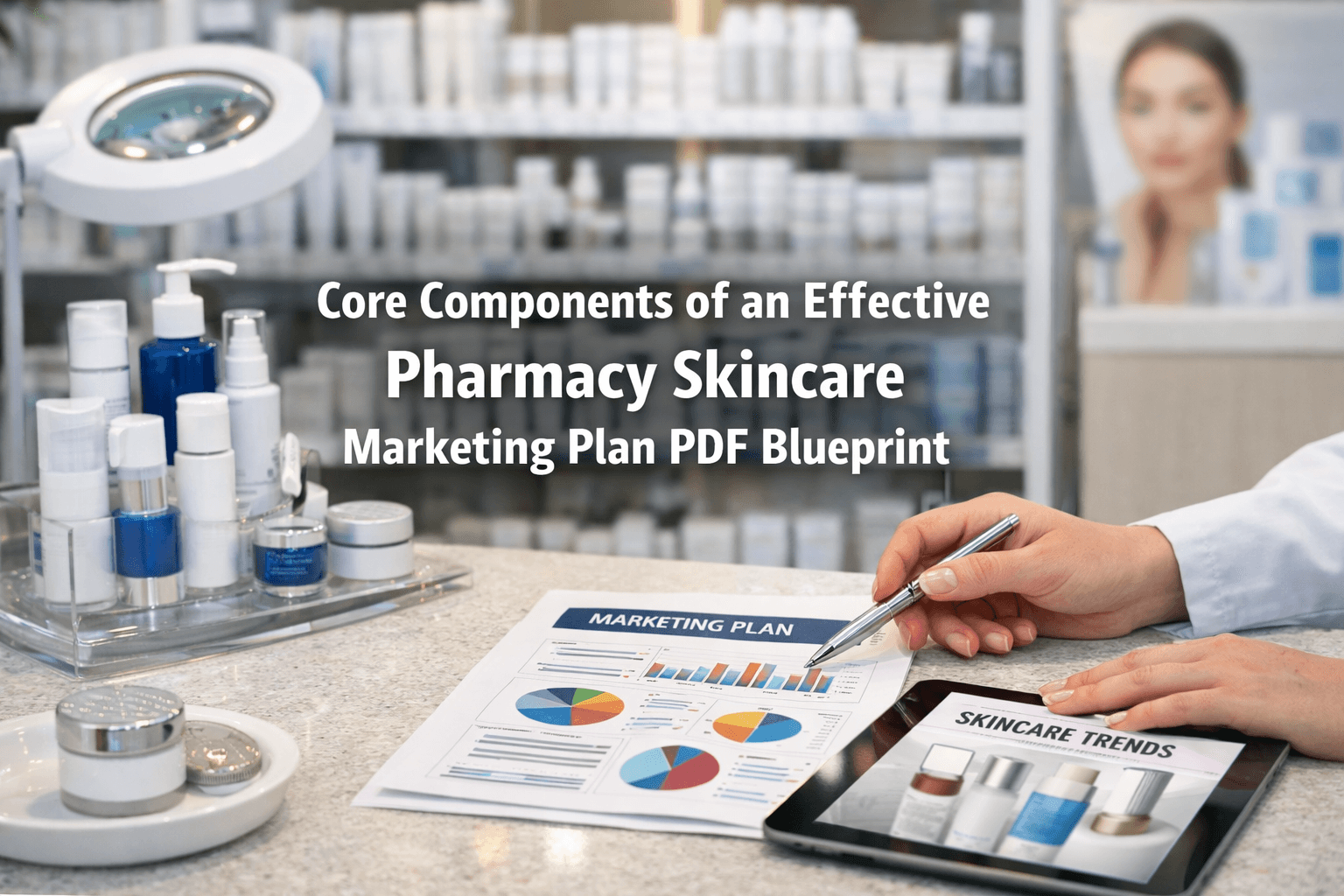
What essential elements transform a generic marketing document into a powerful execution tool for the pharmacy channel? A skincare marketing plan Malaysia professionals can rely on must function as both a strategic guide and an operational manual. Its structure should provide clarity and accountability for every stakeholder, from brand managers to the pharmacy frontliner. The following components are non-negotiable for a plan that delivers real-world impact.
Defining Clear Commercial and Regulatory Objectives
The foundation of any effective plan is a set of clearly defined objectives that go beyond basic sales targets. These goals must be SMART (Specific, Measurable, Achievable, Relevant, Time-bound) and address the tripartite nature of pharmacy success: commercial, regulatory, and educational. From a commercial standpoint, objectives may include achieving a specific sell-through rate or securing planogram compliance in target outlets. Regulatory goals are equally critical, ensuring all activities adhere to NPRA and KKM (Ministry of Health Malaysia) guidelines from day one. Furthermore, awareness objectives should focus on pharmacist advocacy and consumer education. Crucially, these objectives cannot be set in isolation; they must be aligned early and often with your pharmacy wholesale distributors and their sales teams, ensuring buy-in and a unified direction.
Precision in Target Audience Segmentation for Malaysian Demographics
A broad demographic approach wastes precious resources. The skincare consumer in a Kuala Lumpur urban pharmacy differs vastly from one in a Kota Bharu community outlet. Your plan must define detailed target segment profiles relevant to the Malaysian context. For instance:
Urban Young Professionals: Seeking efficient, science-backed solutions for concerns like pollution defense or acne, often influenced by digital research but trusting pharmacy validation.
Health-Conscious Mothers: Prioritizing gentle, hypoallergenic skincare for themselves and their children, valuing pharmacist recommendations highly.
Mature Consumers: Focused on dermatologist-recommended anti-aging or restorative products, often with specific ingredient queries.
Understanding these segments allows for tailored messaging, strategic product placement, and targeted promotions that resonate on a local level, making your pharmacy merchandising plan far more potent.
Strategic Budget Allocation for Pharmacy-Specific Activities
A budget built for general trade will falter in the pharmacy channel. Allocation must be strategically earmarked for activities unique to this environment. This includes, but is not limited to:
Pharmacist & Frontliner Engagement: Budget for expert training sessions, incentive programs, and educational materials to build trusted advisor relationships.
Pharmacy-Specific POSM (Point-of-Sale Materials): Funds for compliant testers, counter displays, informational leaflets, and window decals that meet often-strict chain pharmacy specifications.
In-Store Activation: Resources for launch events, sampling drives, and beauty advisor days within selected pharmacies.
| Budget Category | General Trade Focus | Pharmacy Channel Focus |
|---|---|---|
| Key Investment Area | Mass media advertising, broad promotions | Pharmacist training, compliant POSM, in-store sampling |
| Relationship Target | Consumer | Pharmacist/Frontliner AND Consumer |
| Compliance Cost | Low | High (NPRA/KKM claim approvals for all materials) |
A Detailed Timeline Synchronized with Pharmacy Operations
Timing is everything. Your plan must detail a phased timeline that synchronizes with pharmacy operations and Malaysian retail cycles. This includes identifying key launch windows (avoiding holiday periods where pharmacies are crowded with OTC medication shoppers), scheduling monthly merchandising cycles aligned with distributor sales visits, and planning field team briefings well in advance of any in-store activity. Consider local factors like festive seasons (Raya, CNY) which may affect staffing and consumer footfall. A proven timeline ensures all moving parts—from regulatory submission to stock arrival to frontliner training—happen in the correct sequence for a smooth rollout.
Establishing Channel-Relevant Key Performance Indicators (KPIs)
Measuring success requires metrics that reflect pharmacy dynamics. Vanity metrics are replaced by tangible, channel-specific KPIs:
Visibility Score: Percentage of target outlets where your product is displayed according to planogram.
Sell-Through Rate: The speed at which inventory sells at pharmacy level, indicating consumer uptake.
Planogram Compliance Rate: A measure of how well the agreed shelf layout is maintained.
Pharmacist Engagement Score: Tracked through survey feedback or participation in training programs.
These KPIs provide reliable data for all stakeholders—brand, distributor marketing Malaysia teams, and pharmacy management—to assess performance and make agile adjustments.
Integrating a Mandatory Regulatory Compliance Checklist
This is the cornerstone of any Malaysia-focused plan. Your PDF must attach, or explicitly reference, all NPRA skincare and KKM documentation. An embedded compliance checklist is essential to prevent costly missteps. Key items include:
Product Notification Status (NOT/MAL Number): Confirmation the product is notified and classified correctly with NPRA.
KKM Claim Approval Letters: Ensuring all product benefits communicated in-store or on POSM are pre-approved.
Cosmetic Product Notification Form & Supporting Documents: Readily available for audit.
Distributor Declaration & Compliance Handover: Confirmation your pharmacy distributor Malaysia partner has received and acknowledged all compliant artwork and documents.
Standard Operating Procedures for Consistent In-Store Execution
Finally, the plan must translate strategy into store-level action through clear SOPs (Standard Operating Procedures). These guidelines ensure every field team member, whether from the brand or the distributor pharmacy, executes tasks uniformly. SOPs should cover:
POSM Deployment: How and where to correctly install displays and testers.
Stock Check and Rotation: Procedures during a pharmacy visit to monitor inventory.
Planogram Reset Instructions: Step-by-step visuals for setting up the shelf.
Pharmacist Engagement Protocol: A consistent approach for sharing product knowledge and updates.
This operational bridge between brand HQ, the distributor marketing team, and the pharmacy frontliner is what turns a well-written PDF into sales velocity.
Learn more : The Impact of Marketing Strategies in Healthcare Systems | Driving Healthcare Growth with a Consumer-Led Strategy
The Indispensable Role of Distributor Pharmacy Networks in Malaysia
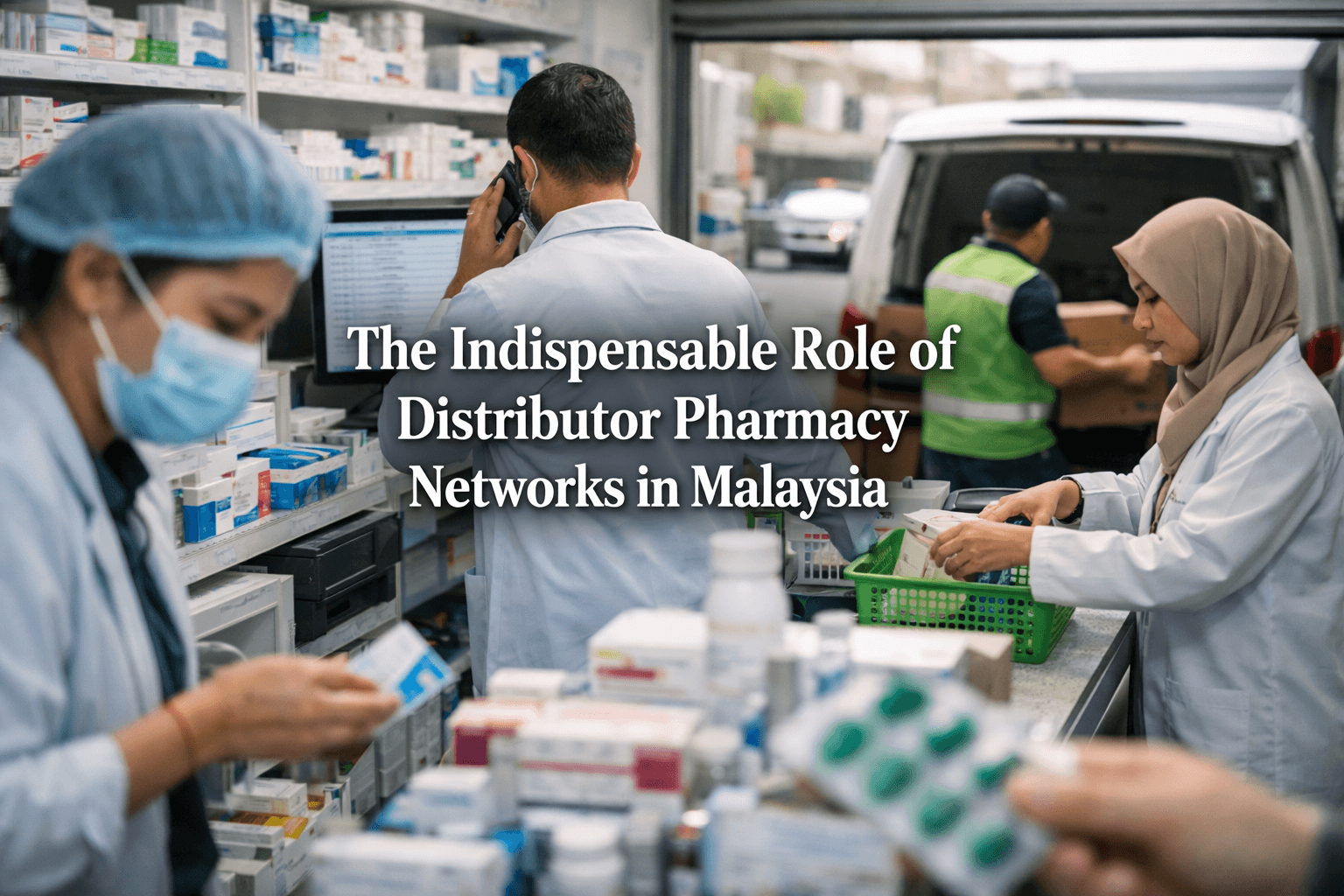
Why is partnering with a distributor pharmacy network not just an option, but an operational necessity for skincare brands in Malaysia? The complexity and geographical spread of the pharmacy landscape make a direct-to-retail approach highly inefficient for most brands. These distributors are the essential logistical and strategic backbone, providing far more than just warehousing and delivery. A reliable and expert distributor pharmacy partner delivers strategic value through critical on-ground functions that are almost impossible to replicate internally. Their field force acts as the brand’s ambassador, executing the pharmacy merchandising plan daily. Their role encompasses outlet profiling to match products with the right store demographics, planogram execution to secure and maintain precious shelf visibility, and pharmacist training to equip frontliners with knowledge for trusted recommendations. Furthermore, they provide vital data reporting on visibility, stock levels, and competitive activity. For a skincare brand, whether engaging a national powerhouse like PriooCare or a regional specialist with deep roots in East Malaysia, this partnership is the key to translating a marketing PDF into tangible, effective shopper experiences at the counter.
Learn more : What Is Pharmacy Distribution
Navigating Regulatory Essentials: NPRA Compliance as a Foundational Pillar
What is the single point of failure that can derail even the most creatively brilliant skincare campaign Malaysia rollout? Regulatory non-compliance. In Malaysia, the National Pharmaceutical Regulatory Agency (NPRA) governs all cosmetics, including skincare, sold in pharmacies. Your marketing plan must treat compliance not as a separate legal hurdle, but as an integrated foundational pillar. Every aspect of the plan—from product claims on packaging to promotional leaflets to social media posts tagged for pharmacy—must be vetted against NPRA skincare and KKM guidelines. The proven approach is to embed regulatory checkpoints throughout the plan’s timeline. Key questions must be answered upfront: Is the product’s Notification Status (NOT/MAL) active and correct? Are all label claims pre-approved and do the POS materials use only approved language? Has a complete Cosmetic Notification Checklist been prepared? Finally, has there been a formal compliance handover to your distributor pharmacy partner? From the pharmacist’s perspective, stocking a product with questionable compliance is a direct risk to their license, making them hesitant to engage. For the distributor, it poses operational and reputational risks. Therefore, a plan that prioritizes and transparently documents compliance is one that builds trust with all channel partners and ensures smooth market access.
Strategic Channel Segmentation and Outlet Profiling for Maximum ROI
How can brands ensure their marketing resources are invested wisely across Malaysia’s diverse pharmacy landscape? A one-size-fits-all approach is fundamentally flawed. A strategic and effective skincare marketing plan Malaysia must include a dedicated section on channel segmentation and outlet profiling. The Malaysian pharmacy channel is broadly split between large chain pharmacies (e.g., Guardian, Watsons) and numerous independent pharmacies. Each requires a distinct tactical approach. Chain pharmacies operate with centralized procurement and strict, corporate-level merchandising SOPs. Success here hinges on navigating head-office negotiations and adhering to their precise planogram and marketing calendar. In contrast, independent pharmacies, while more flexible, present a fragmented challenge with varying levels of engagement and compliance. This is where outlet profiling becomes a powerful tool. By assessing factors such as store size, location, surrounding neighborhood demographics, existing category clutter, and the pharmacist’s personal interest in skincare, brands can prioritize high-potential outlets. For instance, a pharmacy in a trendy Bangsar neighborhood might be ideal for a new acne-fighting serum, while a family-oriented pharmacy in Subang Jaya may be better for a gentle ceramide moisturizer. An experienced independent pharmacy distributor is invaluable here, as their teams often maintain real-time outlet profiles and possess the relational equity to secure prime placement. This tailored, data-informed strategy prevents wasted spend and ensures every ringgit of the pharmacy merchandising plan works harder to drive engagement and sales.
The Pivotal Influence of Pharmacists: Beyond Dispensing to Driving Trusted Recommendations
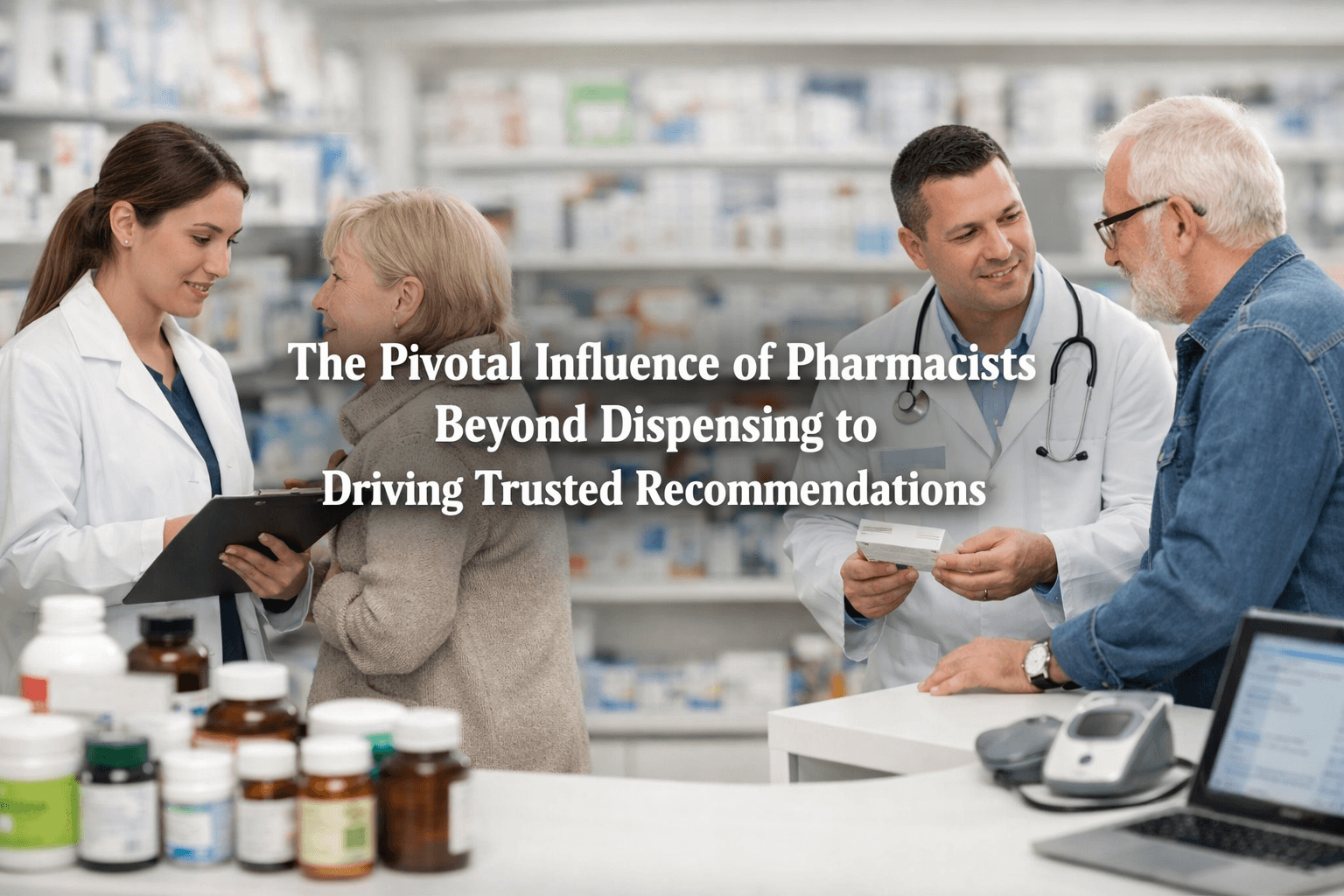
The role of the pharmacist in Malaysia transcends traditional healthcare provision, positioning them as authoritative retail influencers and a critical conversion point for skincare brands. Their dual identity as regulated healthcare professionals and frontline retail advisors creates a unique, powerful bridge between clinical credibility and consumer purchase decisions. In a market where consumers are increasingly discerning and overwhelmed by choice, the pharmacist’s voice cuts through the noise, offering a trusted validation that pure advertising cannot buy. For brands, this means the pharmacist engagement strategy is not a peripheral activity but a central pillar of any effective pharmacy channel marketing plan. Their endorsement transforms a product from a mere commodity into a credible, expert-recommended solution, directly impacting shelf velocity and building long-term brand loyalty in a competitive landscape.
This influence is particularly potent within specific consumer segments that frequent pharmacy channels. For instance, new parents, navigating the sensitive needs of infant care, consistently seek the expert counsel of pharmacists for baby skincare, valuing safety and efficacy over brand familiarity. Similarly, the growing elderly demographic relies on pharmacists for guidance on dermaceutical solutions targeting mature skin concerns, from moisture retention to managing age-related dermatological conditions. These interactions are not transactional; they are consultative, building a foundation of trust that directly guides purchasing behavior. Therefore, a brand’s success hinges on empowering these key opinion leaders with the right tools, information, and motivation to become proactive brand advocates within their community.
A strategic pharmacist empowerment program should be deeply embedded within your Pharmacy Marketing Plan PDF and must include several proven components:
Comprehensive Training Modules: Moving beyond simple product knowledge sheets to structured education on ingredient benefits, NPRA-approved claims, and common consumer skin concerns.
Accessible Support Tools: Providing quick-reference guides or digital cheat sheets that pharmacists can use during patient consultations to reinforce key messaging accurately.
Data-Driven Incentive Structures: Developing performance-linked programs that recognize and reward pharmacists for growth in recommendation rates and customer feedback, not just bulk sales.
By investing in these areas, brands convert pharmacists from passive inventory handlers into active marketing partners. This strategic partnership enhances the overall effectiveness of your pharmacy channel strategy, ensuring that shelf visibility is consistently translated into reliable sales traction and deeper market penetration.
Learn more : Consumer Trust in Local Pharmacists and Retail Health Settings
Real-World Impact: Pharmacist Influence in the Malaysian Context
The theoretical power of pharmacist influence becomes undeniable when observed in the daily operations of Malaysian pharmacies. Consider a scenario in a suburban Kuala Lumpur independent pharmacy: a customer enters, confused by the array of anti-aging serums. A pharmacist, equipped with training from a brand’s distributor marketing team, can confidently explain the science behind a peptide formulation, reference its NPRA notification status, and demonstrate its use. This expert intervention directly sways the purchase decision, building a tailored solution for the customer’s needs. Another relevant example is seen in East Malaysia, where pharmacists often serve as primary healthcare touchpoints in smaller communities. Their recommendation for a specific sunscreen or eczema cream for a child carries immense weight, often dictating the brand preference for entire families and creating a localized brand stronghold.
Furthermore, the rise of pharmacy-owned skincare clinics in urban centers like Penang and Johor Bahru presents a powerful operational scenario. Here, pharmacists are not just advisors but active prescribers of in-clinic treatments and take-home skincare regimens. Their ability to seamlessly integrate a specific product into a professional treatment plan creates an unparalleled cross-selling opportunity and reinforces product efficacy through clinical observation. This deep integration makes the pharmacist an essential link in the patient’s skincare journey, fostering loyalty that extends far beyond a single product purchase. For brands, aligning with these clinics through targeted training and support offers a strategic pathway into a high-engagement, high-trust environment.
Quantifying Trust: The Data Behind Pharmacist Recommendations
Ignoring the quantitative impact of pharmacist advocacy is a significant oversight in market planning. Studies consistently show that consumer purchase intent increases dramatically when a product is recommended by a healthcare professional versus a standard advertisement. While specific Malaysian data is evolving, regional trends indicate that in pharmacy retail settings, products with active pharmacist endorsement programs can see a sell-through rate improvement of 20-35% compared to those relying solely on passive merchandising. This metric is a key performance indicator (KPI) that directly correlates to retailer satisfaction and supply chain efficiency, as faster-moving stock improves inventory turnover for both the pharmacy and the pharma distributor.
Moreover, pharmacist feedback collected through distributor survey tools or Relationship Management Systems (RSMS) provides a goldmine of real-time market intelligence. This data can reveal emerging skin concerns, competitor weaknesses, or usage misconceptions about products. For example, consistent feedback from pharmacists across Sarawak about a product’s texture in humid weather can trigger a localized educational campaign or even inform future R&D. This transforms the pharmacist network from a sales channel into a vital sensory organ for the brand, capturing ground-level insights that are invisible from a corporate head office. Monitoring recommendation rate growth over time, therefore, is not just a sales metric but a primary gauge of brand health and professional community trust within the Malaysian pharmacy landscape.
Strategic Implication: Integrating Pharmacists into Your Core Marketing Engine
The practical implication for brand owners is clear: pharmacist empowerment must be systematically woven into the fabric of your Malaysia marketing execution, not treated as an optional add-on. This requires a shift from seeing them as an audience to be marketed to, towards engaging them as partners in co-marketing. Your Pharmacy Marketing Plan PDF must detail a sustained engagement roadmap, outlining not just a one-time training but continuous support, communication, and reward cycles. This involves collaborating closely with your distributor marketing Malaysia partner, as their field teams hold the existing relationships and logistical access to execute these programs with localized finesse.
An effective integration framework involves these connected actions:
Joint Business Planning: Include your distributor’s key account managers and their trainer leads in quarterly planning sessions to align brand goals with on-ground pharmacist capabilities.
Knowledge Co-creation: Develop training content that addresses both the scientific profile of your product and the frequent queries Malaysian pharmacists receive, making it immediately applicable.
Closed-Loop Feedback Systems: Establish a simple, reliable channel for pharmacists to report consumer reactions and compliance, feeding insights directly back to brand and marketing teams for agile strategy adjustment.
By implementing this integrated approach, you leverage the pharmacist’s trusted authority to build brand credibility, accelerate customer acquisition, and create a sustainable competitive moat. In a regulated environment where many brands achieve NPRA compliance, the quality of your professional relationship network often becomes the true differentiator for long-term success and market leadership.
Learn more : Health Communication — Centers & Research
Mastering the Retail Canvas: Precision in Planograms, POS, and Promotions
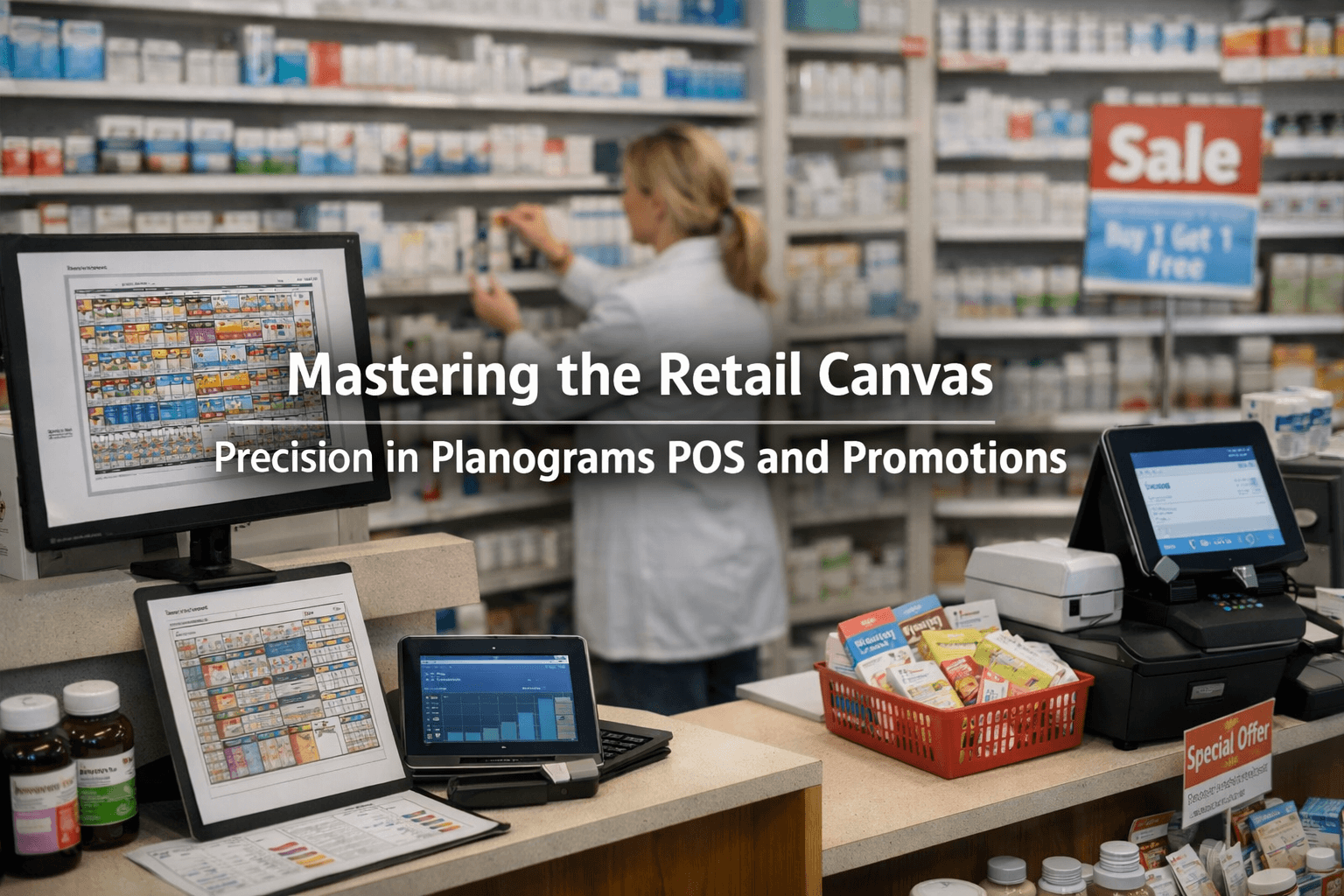
A brilliant strategy holds no value if it fails at the final, critical moment of consumer choice. In-store marketing execution is the decisive arena where brand positioning collides with shopper behavior, and in the crowded pharmacy environment, visibility is currency. A comprehensive pharmacy merchandising plan must surgically address three core components to ensure your brand not only occupies shelf space but actively commands attention and drives conversion. This requires moving beyond generic placement to a tactical blueprint that considers the specific psychology and flow of the Malaysian pharmacy shopper.
The first component, planogram compliance, is the foundational layer of in-store success. It answers critical questions: Is your product placed at the optimum eye level for your target demographic? Is it positioned alongside complementary SKUs to encourage cross-purchase, such as placing a sensitive facial cleanser next to a matching moisturizer? In chain pharmacies like Caring or Guardian, securing an approved planogram is a formal, non-negotiable process requiring detailed submissions. For independent outlets, while there may be more flexibility, the absence of a clear plan leads to haphazard placement. This is where the expert local knowledge of your distributor pharmacy team becomes essential; they understand the store layouts, owner preferences, and can physically ensure your products are placed for maximum impact according to an efficient, strategic plan.
Learn more : Pharmacy Merchandising Services in Malaysia: What You Should Know
Activating the Point of Decision: Strategic POS and Promotional Leverage
Once shelf placement is secured, the next layer is activation through Point-of-Sale (POS) materials and targeted retail promotions. POS support acts as a silent salesperson, guiding and convincing the consumer. This includes eye-catching shelf talkers that highlight NPRA-approved claims, functional testers that allow for product experience (crucial for skincare texture and scent), and educational leaflets that provide at-a-glance information about ingredients and benefits. For dermaceutical brands, this educational component is particularly effective, as it bridges the gap between clinical evidence and consumer understanding directly at the point of purchase.
Concurrently, strategic retail promotions provide the immediate impetus to buy. In the Malaysian context, bundle deals (e.g., a cleanser and moisturizer kit), limited-time price offers, and in-store vouchers redeemable on the next purchase are powerful drivers. These promotions must be tailored to the outlet type—a volume-driven promotion for a large chain store in a shopping mall will differ from a community-focused bundle for an independent neighborhood pharmacy. The practical implication is that your plan must allocate resources and provide clear guidelines for your distributor’s merchandisers to deploy these materials correctly and track their usage. Effective in-store execution ultimately differentiates your brand from competitors who may share the same regulatory approval but fail to engage the shopper’s imagination and urgency.
The Cycle of Improvement: Metrics, Monitoring, and Agile Adjustment
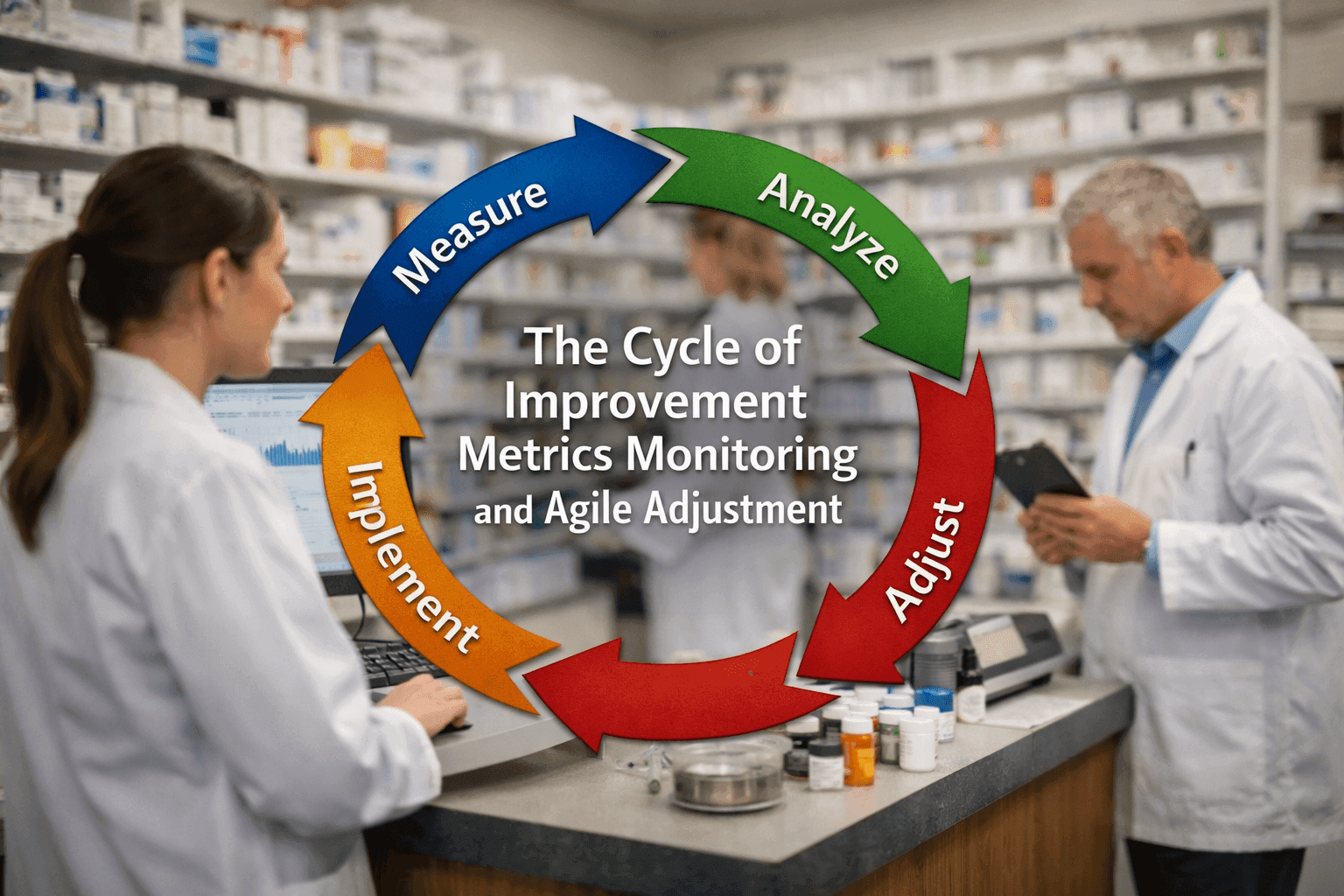
A plan, once rolled out, is not a finished artifact but the beginning of an iterative improvement cycle. The critical question shifts from “Is it live?” to “Is it working?” In the dynamic skincare marketing plan Malaysia ecosystem, tracking key performance metrics is a non-negotiable discipline that separates static documents from living strategy tools. This process transforms your PDF from a proposal into a proven management system, enabling data-driven decisions and continuous optimization of your market approach.
Central to this are several definitive KPIs that provide a clear picture of performance. The sell-through rate, measured as velocity per store per week, is the ultimate indicator of consumer demand and campaign effectiveness. A visibility score, assessed through photo audits or field reports, confirms whether POS materials are present, undamaged, and correctly positioned. Planogram compliance percentage reveals executional discipline at the store level. Perhaps most qualitatively valuable is structured pharmacist feedback, gathered via distributor pharmacy survey tools or digital platforms, which provides context behind the numbers. Your distributor marketing Malaysia partner typically leads this reporting function, offering on-ground visibility that is impossible to replicate remotely.
Therefore, your plan must explicitly mandate a reporting and adjustment protocol:
Regular Field Updates: Weekly or bi-weekly reports from distributor merchandisers summarizing observations, competitor activity, and material status.
Real-Time Adjustments: Empowering local teams with the authority to make swift changes, such as replenishing depleted testers, swapping the placement of slow-moving SKUs, or addressing minor compliance issues immediately.
Structured Quarterly Reviews: Formal touchpoints to analyze aggregated KPI data, review pharmacist feedback, and make strategic pivots to the plan for the next cycle, ensuring it remains a relevant and potent tool.
Comparative Analysis: In-House Execution Versus Distributor-Led Partnership
Choosing the right operational model for executing your pharmacy strategy is a pivotal decision that significantly impacts agility, cost, and results. The table below contrasts the common capabilities of an In-House Brand Team versus a specialized Distributor Pharmacy Team, highlighting where each model excels and where challenges may arise.
| Feature | In-House Brand Team | Distributor Pharmacy Team |
|---|---|---|
| NPRA Compliance Oversight | Centralized, but may lack daily on-ground verification. | Full, integrated oversight via shared SOPs and constant field interaction. |
| Outlet Segmentation & Profiling | Often limited to broad chain vs. independent categorization. | Granular, hyper-local profiling based on traffic, community demographics, and historical performance. |
| POS Material Execution & Maintenance | Typically requires outsourcing or complex coordination with third-party agencies. | Seamlessly integrated into daily merchandising routes, ensuring efficient deployment and upkeep. |
| Pharmacist Training & Engagement | Can be inconsistent or optional due to resource constraints and access challenges. | Deeply embedded as a core service, leveraging existing trusted relationships for higher engagement. |
| Reporting & Market Intelligence | Provides centralized data aggregation, but may lack qualitative, real-time context. | Delivers rich, on-ground visibility with immediate insights into shopper behavior and competitor moves. |
This comparison underscores the operational leverage that pharmacy wholesale distributors provide. They are not merely a logistics channel but a strategic partner offering efficient execution, expert local adaptation, and a proven infrastructure to navigate the complexities of the Malaysian pharmacy trade. For most brands, especially those without an extensive local establishment, this partnership model offers a more reliable and effective path to achieving consistent in-store excellence and building sustainable shelf presence.
Frequently Asked Questions (FAQ)
Q1: How to create a skincare plan?
Answer: A skincare plan starts with identifying skin goals, understanding skin types, selecting suitable products, setting a routine (AM/PM), ensuring product compatibility, tracking results, and adjusting based on skin response.
Q2: What are the 7 steps of a marketing plan?
Answer: The seven steps are situation analysis, target market identification, goal setting, strategy development, tactical planning, budget allocation, and performance measurement.
Q3: How to do marketing of a skincare product?
Answer: Skincare marketing involves clear positioning, compliance with regulations, education-led content, influencer and pharmacist advocacy, strong visual merchandising, digital engagement, and consistent brand messaging.
Q4: How to write a skincare business plan?
Answer: A skincare business plan includes market analysis, product concept, regulatory requirements, sourcing and manufacturing, marketing strategy, distribution plan, financial projections, and growth strategy.
Q5: What is the 4-2-4 rule in skincare?
Answer: The 4-2-4 rule is a cleansing method: 4 minutes oil cleanse, 2 minutes foam cleanse, and 4 minutes rinsing, commonly used in Korean skincare routines.
Q6: What is the 1% rule in skincare?
Answer: The 1% rule refers to focusing on one active ingredient at a time to reduce irritation and better track skin improvements.
Q7: What are the 7 steps of skincare?
Answer: The typical seven steps are cleanser, toner, essence, serum, moisturizer, eye care, and sunscreen (daytime).
Q8: What are the 4 types of marketing strategy?
Answer: The four main types are product strategy, pricing strategy, place (distribution) strategy, and promotion strategy.
Q9: What are the 5 key marketing strategies?
Answer: They include market segmentation, brand positioning, value proposition, customer engagement, and performance optimization.
Q10: What is Gen Z looking for in skincare?
Answer: Gen Z prioritizes transparency, ingredient safety, sustainability, inclusivity, affordability, and brands that align with their values.
Forging a successful path in Malaysia’s pharmacy sector requires a strategic, nuanced approach that blends regulatory diligence with human-centric engagement. It involves viewing your marketing plan as a dynamic framework, your distributors as executional partners, and pharmacists as foundational influencers. The brands that thrive are those that commit to this integrated, adaptive, and locally intelligent model.
Our Services
Our marketing and sales teams use their strong relationships with the channel to create demand for your product at every stage of its lifecycle.
Demand creation services we offer:
Market Access Services
Regulatory Registration Services
Pharma Product Listing Services
Merchandising services (RSMS)
Brand Management
Logistic & Warehousing
Exclusive Merchandising Services
Visual Merchandising
Discover More About Our Solution
How can we assist you today? 😊
Just let us know—we’re here to help!