

September 3, 2025
In Malaysia’s fast-evolving pharmacy distribution sector, the interplay between merchandising services and field sales isn’t just complementary—it’s the backbone of sustainable growth. While many pharmacy distributor Malaysia teams mistakenly treat these functions as interchangeable, their strategic distinctions hold the key to unlocking higher sales, better shelf presence, and long-term brand loyalty.
Take a typical scenario in a trusted retail chain like Caring Pharmacy or Health Lane Family Pharmacy. A well-executed merchandising strategy—eye-catching displays, flawless stock rotation—can mean the difference between a product gathering dust or flying off the shelves. Meanwhile, a reliable field sales team ensures those same products are consistently available, pharmacists are educated on their benefits, and orders are replenished before stockouts hurt revenue.
But why does this synergy matter so much in Malaysia’s competitive landscape?
The Silent Power of Merchandising Services in Malaysian Pharmacies
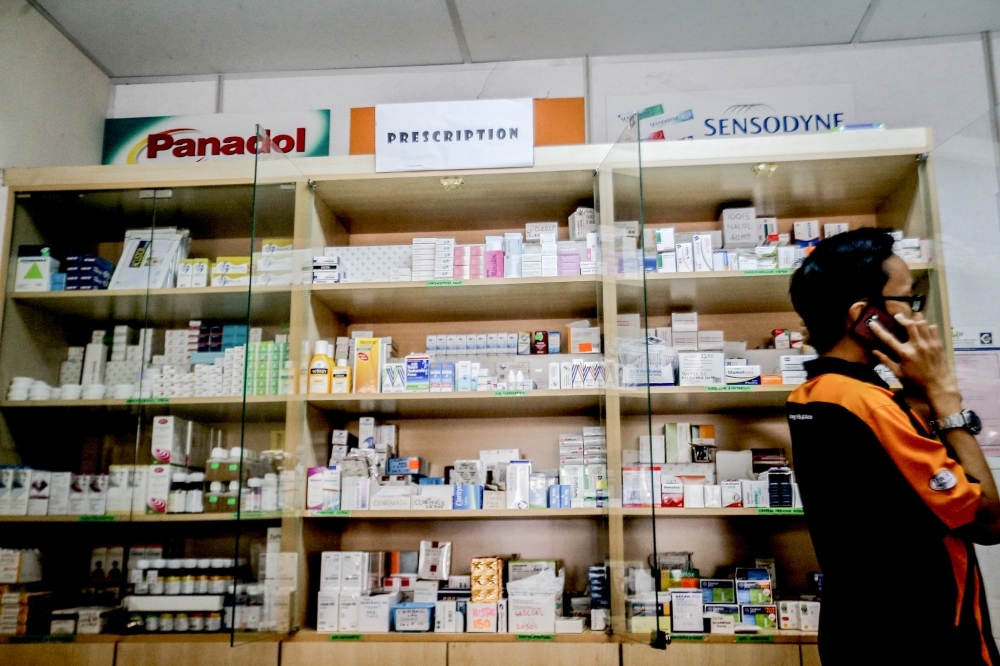
Merchandising isn’t just about making products look pretty—it’s a proven science that directly influences purchase decisions. When shoppers walk into a pharmacy, their attention is subconsciously drawn to certain placements, colors, and promotional triggers. A strategic merchandising approach capitalizes on these behaviors, turning passive browsing into active buying.
Consider these essential functions of merchandising in Malaysia’s pharmacy sector:
✅ Visual Displays & Planogram Compliance
Eye-level placements for high-margin products
Seasonal or thematic arrangements (e.g., flu season displays)
Compliance with retailer-specific planogram rules (e.g., Watson’s vs. Guardian)
✅ Stock Rotation & Expiry Management
Moving older stock forward to prevent wastage
Identifying slow-moving items for promotional pushes
Reducing instances of out-of-stock or expired products
✅ POSM (Point-of-Sale Materials) Effectiveness
Banners, wobblers, and shelf talkers that highlight promotions
Ensuring materials aren’t obstructed or outdated
Tracking which POSM types drive the highest engagement
A real-world example from Kuala Lumpur illustrates this perfectly. A leading pharma distributor partnered with a skincare brand to redesign shelf layouts in 20 MyCare pharmacies. By shifting products to prime eye-level spots and adding bilingual signage, sales jumped 18% in four weeks—without discounts or ads.
Yet, even the most effective merchandising can’t compensate for poor inventory or disengaged staff. That’s where field sales steps in.
Learn More : The Impact of Lighting, Layout, and Store Design on Pharmacy Merchandising in Malaysia
Field Sales: The Driving Force Behind Pharmacy Distribution

If merchandising is about sell-out (convincing shoppers to buy), field sales focuses on sell-in (convincing pharmacies to stock). In Malaysia, where personal relationships heavily influence B2B transactions, a skilled field sales rep can make or break a product’s success.
Here’s what separates expert field sales teams from average ones:
✔ Order Management & Replenishment
Preventing stockouts with timely restocking
Analyzing sales data to adjust order quantities
Negotiating bulk purchases during peak seasons (e.g., Ramadan)
✔ Pharmacist & Store Manager Relationships
Regular check-ins to address concerns or requests
Training staff on product benefits (e.g., differentiating between similar supplements)
Gathering competitor insights for brand adjustments
✔ Market Intelligence & Feedback Loop
Identifying emerging trends (e.g., demand for immune boosters post-pandemic)
Reporting competitor promotions or pricing shifts
Suggesting localized merchandising tweaks
For instance, a top-tier field rep covering Penang noticed that smaller independent pharmacies struggled with excess inventory of a particular vitamin brand. By introducing a tailored bundle deal and training pharmacists on cross-selling techniques, they turned stagnant stock into a 25% revenue boost for those stores.
Key Differences: Merchandising vs. Field Sales
While both functions are essential, their KPIs and focus areas differ drastically:
| Aspect | Merchandising Services | Field Sales |
|---|---|---|
| Primary Goal | Maximize in-store appeal & visibility | Secure orders & build relationships |
| Core Activities | Shelf arrangement, POSM, stock audits | Order taking, staff training, negotiations |
| Success Metrics | Planogram compliance, share of shelf | Sales volume, new distribution points |
A common mistake among pharmacy distributor Malaysia teams is over-investing in one while neglecting the other. For example:
A brand might pour resources into merchandising, but if field sales fails to secure shelf space in new outlets, growth stalls.
Conversely, a field team might excel at getting products into stores, but poor merchandising leads to weak sell-through, causing pharmacies to drop the product.
Learn More : Future of B2B Sales: Building the Right Team and Talent to Drive Growth
How They Work Together for Maximum Impact
.jpg "Merchandising Services Vs Field Sales: What’s The Difference? - Prioocare")
The magic happens when both functions operate in sync. Imagine this operational scenario in Johor Bahru:
Field sales negotiates a new listing for a premium probiotic in 10 independent pharmacies.
Merchandisers follow up with compliant displays, sample placements near counters, and expiry date checks.
Pharmacists—already briefed by the field team—recommend the product confidently.
Sales jump 30% in a month, and reorder rates climb.
This isn’t theoretical. Brands like XX Supplement Co. (name anonymized) used this dual approach to dominate the digestive health category in East Malaysia, even outperforming multinational competitors.
Local Challenges & Adaptations in Malaysia

Malaysia’s pharmacy supply chain isn’t without hurdles. Here’s how strategic integration of merchandising and field sales tackles them:
🔹 Urban vs. Rural Disparities
In cities like KL, merchandisers focus on high-traffic zones and impulse buys near cashiers.
In rural Sarawak, field sales might prioritize educating pharmacists due to lower consumer health literacy.
🔹 Regulatory Constraints
Certain health products require specific POSM approvals from MoH.
Field teams must ensure compliance during product trainings to avoid fines.
🔹 Competitor Saturation
With countless supplement brands vying for attention, tailored merchandising (e.g., grouping related products) helps stand out.
Field reps counter private-label threats by emphasizing brand trust and pharmacist loyalty programs.
A notable case involved a Malaysian skincare distributor struggling with low visibility in Kedah pharmacies. By combining data-driven field sales (identifying high-potential stores) and hyper-local merchandising (adjusting displays to match regional preferences), they achieved double-digit growth in a stagnant market.
Learn More : Understanding the ROI of Pharmacy Merchandising Investments in Malaysia | How to Build a Sales Force That Delivers
Actionable Frameworks for Pharmacy Distributors

For pharmacy distributor Malaysia teams aiming to optimize both functions, consider these proven frameworks:
📌 The 4-Pillar Merchandising Checklist
Visibility – Is the product at eye level?
Accessibility – Can shoppers easily grab it?
Promotion – Are POSMs fresh and relevant?
Stock Health – No expired or nearly-out items?
📌 Field Sales Efficiency Map
High-Value Outlets (HVOs): Prioritize chains with multiple branches.
Training Focus: Equip pharmacists with simple, memorable product pitches.
Route Optimization: Cluster nearby stores to maximize daily visits.
When a trusted pain relief brand implemented these systems, their merchandising compliance rose from 62% to 89%, while field sales productivity improved by 40%—proof that structure drives results.
Challenges in Managing Merchandising and Field Sales Teams
Even the most efficient pharmacy distribution teams in Malaysia face operational hurdles that can derail performance if left unaddressed. One of the most common yet overlooked issues is resource allocation conflicts—where merchandisers are pulled into sales tasks or field reps are asked to handle in-store displays. This blurring of roles dilutes focus, leading to inconsistent execution and missed KPIs.
For example, a trusted health supplement brand in Penang struggled with stockouts despite high demand. Why? Their merchandising team was frequently reassigned to assist field sales with order collection, leaving shelves poorly maintained. The result? A 15% drop in sell-through within two months.
Other critical challenges include:
✅ Training Gaps
Merchandisers lacking expert knowledge on product differentiators (e.g., explaining why Brand A’s vitamin absorbs faster than Brand B’s).
Field sales reps unfamiliar with retailer-specific planogram rules, causing compliance issues.
✅ Strategic Misalignment
Merchandising teams prioritizing eye-level placements, while field sales pushes for bulk discounts that require secondary displays.
Conflicting KPIs (e.g., merchandisers rewarded for compliance, field sales for volume—creating internal competition).
A proven solution? Structured role definitions paired with cross-functional training. One pharmacy distributor Malaysia team in Klang Valley reduced stockouts by 40% after implementing:
📌 A Unified Playbook
Clear guidelines on who handles shelf audits (merchandising) vs. order negotiations (field sales).
Monthly joint workshops to align on campaign goals.
📌 Collaborative KPIs
Shared metrics like “sell-out growth per outlet” to incentivize teamwork.
Without these fixes, even the most strategic brands risk losing shelf space to competitors.
Best Practices for Optimising Merchandising and Field Sales Integration
.jpg "Merchandising Services Vs Field Sales: What’s The Difference? - Prioocare")
The difference between mediocre and market-leading pharmacy distribution often boils down to how well these two functions collaborate. Top-performing brands in Malaysia—from skincare giants to niche supplement distributors—follow these tailored best practices:
1. Role Clarity Prevents Chaos
Merchandising teams should focus solely on executional excellence: planogram compliance, stock rotation, POSM freshness.
Field sales teams must prioritize relationship-building and sell-in targets, not in-store audits.
A real-world case from Johor Bahru shows why this matters: A probiotic brand saw a 22% sales lift after banning field reps from rearranging shelves (a common time-waster) and instead tasking them with pharmacist education.
2. Joint Planning = Fewer Surprises
Weekly syncs to align on:
✅ Promotional calendars (e.g., ensuring merchandisers install POSM before field sales launches discounts).
✅ High-priority outlets (e.g., coordinating visits to HVOs before month-end).
For instance, a Malaysian pharmacy wholesaler avoided a festive season disaster by having both teams review Chinese New Year displays and stock levels simultaneously—preventing empty shelves during peak demand.
3. Performance Reviews That Reward Collaboration
Instead of siloed metrics, track combined outcomes:
“Display compliance + reorder rate” (e.g., Did perfect merchandising lead to repeat orders?).
“Pharmacist recommendations + sell-through” (e.g., Did field sales training boost conversions?).
When a trusted pain relief brand adopted this approach, their outlet-level revenue grew 35% YoY—proof that teamwork drives numbers.
4. Leverage Agencies with Dual Expertise
Many pharma distributors waste resources managing disjointed freelancers. The strategic alternative? Partnering with full-service agencies (like PriooCare) that offer:
Merchandisers trained in retailer-specific guidelines (e.g., Guardian’s allergy aisle rules).
Field reps fluent in both sales and basic merchandising support.
A Kuala Lumpur-based supplement company cut costs by 30% while improving compliance scores after switching to an integrated partner.
Learn More : Top 10 Most Trusted Merchandising Services for Healthcare Brands in Malaysia | The Ultimate Guide to Merchandising & Assortment
Case Study: Malaysian Pharmacy Distributor Success Stories

What does tangible success look like? Consider this probiotic launch by a leading pharmacy distributor Malaysia:
The Challenge
Low awareness in a saturated market.
Pharmacists hesitant to allocate fridge space (critical for probiotic efficacy).
The Integrated Solution
Field Sales Team
Secured trial orders by offering exclusive bundle deals.
Trained pharmacists on clinically proven strain benefits (using MoH-approved materials).
Merchandising Team
Installed fridge decals with temperature-stability claims.
Created “gut health” endcaps near related products (e.g., digestive enzymes).
The Results
50% reduction in out-of-stocks (field sales’ replenishment + merchandisers’ expiry checks).
40% sell-out uplift in target outlets—without price cuts.
This proven strategy works because it taps into both functional strengths: field sales ensures product availability, while merchandising ensures shopper appeal.
Future Trends: The Evolving Role of Merchandising and Field Sales in Malaysia

The pharmacy distribution landscape is shifting fast. Brands clinging to manual processes will struggle against data-driven competitors. Here’s what’s coming:
1. Digital Shelf Analytics
AI-powered cameras scan shelves in real-time, flagging:
Planogram deviations.
Competitor encroachments.
Stock-level discrepancies.
A pilot project in Selangor’s Caring Pharmacy outlets reduced compliance issues by 60% using this tech.
2. Hybrid Field Sales Models
E-ordering platforms handle routine replenishment.
Human reps focus on high-value tasks:
New product introductions.
Relationship-building with key accounts.
One Malaysian healthcare logistics firm saved 200+ hours monthly by automating reorders for 80% of their SKUs.
3. AI-Driven Merchandising Audits
Apps that grade display quality using image recognition (e.g., scoring POSM visibility from store photos).
Predictive analytics to suggest optimal shelf layouts.
A vitamin brand testing this in Malacca saw 12% higher engagement at redesigned shelves.
Learn More : Reinventing the Future of Retail
Merchandising and field sales aren’t just support functions—they’re growth engines. The brands dominating Malaysia’s pharmacy sector treat them as interdependent, not isolated. From hyper-local merchandising tweaks in Ipoh to AI-augmented field reps in Penang, the future belongs to those who integrate smarter.
Frequently Asked Questions (FAQ)
Q1: What are merchandising services?
Answer:
Merchandising services refer to professional support activities that ensure products are displayed, stocked, priced, and promoted correctly in retail stores. These services improve product visibility, maintain planogram compliance, and help retailers and brands boost sales performance.
Q2: What is an example of a merchandising service?
Answer:
An example is planogram execution, where a merchandiser arranges products on shelves according to a layout provided by the brand or retailer to ensure correct placement, facings, and category alignment.
Q3: What are the 4 types of merchandise?
Answer:
The four main types are convenience goods, shopping goods, specialty goods, and unsought goods, each classified based on consumer buying behavior and decision-making effort.
Q4: What are 5 examples of merchandising companies?
Answer:
Five examples include retail chains or service providers such as Walmart, Tesco, Aeon, Advantage Solutions, and Premium Retail Services, which offer both in-store merchandising and retail execution services.
Q5: What is a merchandising service team?
Answer:
A merchandising service team consists of trained personnel who visit stores to restock products, arrange shelves, update point-of-sale materials, check inventory levels, and ensure brand compliance.
Q6: What is a merchandise management system?
Answer:
A merchandise management system is a retail software platform that handles product planning, inventory control, pricing, purchasing, and sales tracking to optimize stock flow and reduce operational errors.
Q7: What is an example of a merchandising company?
Answer:
An example is Advantage Solutions, a global provider that offers in-store merchandising, retail support, product resets, and promotional execution for brands and retailers.
Q8: Is merchandising part of the supply chain?
Answer:
Yes. Merchandising is linked to the supply chain because it ensures the final step of product availability—making sure goods delivered by distributors are correctly displayed and accessible to customers.
Q9: What is merchandising in logistics?
Answer:
Merchandising in logistics refers to coordinating product flow from warehouses to retail shelves, ensuring timely replenishment, accurate stock levels, and correct placement to support sales and operational efficiency.
Q10: What is merchandising of goods and services?
Answer:
It involves presenting goods and services in a way that attracts customers, improves understanding, and increases purchase likelihood through proper placement, clear information, and consistent presentation across retail touchpoints.
How can we assist you today? 😊
Just let us know—we’re here to help!