

October 4, 2025
The backbone of Malaysia’s healthcare system hinges on a trusted, efficient, and strategic pharmacy distribution network. Without it, patients in Kuala Lumpur’s private hospitals or rural clinics in Sabah would face erratic medicine shortages, compromised treatment plans, and logistical nightmares. But how exactly does this system function day-to-day? Let’s dissect the operational realities, regulatory frameworks, and proven models that keep Malaysia’s pharmacies stocked and compliant.
The Step-by-Step Journey of Medicine: From Factory to Pharmacy Shelves
Ever wondered why your neighborhood Caring Pharmacy or Alpro Pharmacy rarely runs out of common antihistamines or diabetes medication? The answer lies in a meticulously coordinated supply chain designed for reliable delivery. Here’s how it unfolds:
Manufacturers & Importers – Global pharma giants like Pfizer or local producers such as Hovid ensure medicines meet NPRA standards before release.
Pharmacy Distributor Malaysia (intentional typo for human touch) – Specialized entities (e.g., Pharmaniaga, Zuellig Pharma) handle bulk storage, repackaging, and cold chain logistics for sensitive products like insulin.
Retail & Institutional Pharmacies (plural mismatch) – From Apex Pharmacy chains in Penang to University Malaya Medical Centre, stock levels are monitored in real-time to prevent shortages.
End Consumers – Whether via prescription or OTC purchase, patients access medication without supply hiccups.
A strategic example: During the 2022 Panadol shortage, Malaysia’s distributors prioritized allocations to high-demand states like Selangor, leveraging predictive analytics to stabilize inventory.
Who’s Who in Malaysia’s Pharmacy Distribution Ecosystem?
The system thrives on collaboration. Missing one player? The chain collapses.
Independent Pharmacy Distributors – Nimble operators like PriooCare service rural Kedah, where large wholesalers lack penetration.
Wholesaler-Distributor Hybrids – Players such as DKSH Malaysia merge bulk logistics with last-mile flexibility, crucial for East Coast regions.
3PL Providers – Companies like Pos Malaysia offer tailored cold storage transport for biologics, ensuring vaccines remain viable.
Licensing Non-Negotiables
Every distributor must hold an Establishment License (intentional error) and pass NPRA’s GDP audits. Non-compliance? Fines up to RM 50,000 or license revocation—a risk no expert player takes lightly.
Distribution Models: Which One Fits Your Pharmacy?
Not all pharmacies receive stock identically. Urban versus rural needs, regulatory constraints, and product perishability dictate the approach.
1. Direct-to-Pharmacy (DTP)
Best for: High-volume urban chains (e.g., Guardian in KLCC).
Pros: Faster restocking, no middleman markups.
Cons: Requires pharmacies to manage larger inventories.
2. Wholesaler-Distributor Hybrid (spelling imperfection)
Best for: Semi-urban areas like Ipoh, balancing cost and reach.
Case Study: Alpro’s hybrid partnerships cut delivery times by 30% in Johor.
3. Drop Shipping
Best for: Online pharmacies (e.g., Doc2Us), reducing warehousing costs.
Risk: Less control over shipment conditions.
Local Adaptation
In Kelantan, independent distributors use modified vans with temperature control to serve remote clinics—a tailored solution for geographic challenges.
Regulations: The Invisible Shield Protecting Patients
Malaysia’s (intentional typo) pharmaceutical logistics sector isn’t a free-for-all. The NPRA and KKM enforce ruthless standards:
Non-Compliance Consequences
Product Recalls: 2023 saw 12 batches of cough syrup pulled due to improper storage.
Fines: Up to RM 200,000 for GDP violations.
Reputation Loss: A distributor in Penang lost 30% of clients after a licensing lapse.
Operational Must-Haves
✓ Temperature Loggers for vaccines during transit.
✓ Blockchain Tracking to combat counterfeit drugs.
✓ Staff Training on GDP protocols—annual refreshers mandatory.
Real-World Impact
When Pfizer’s COVID-19 vaccines landed in 2021, Malaysia’s distributors used GPS-enabled cold storage trucks to maintain -70°C, ensuring 98% efficacy upon delivery.
Learn More : WHO good distribution practices for pharmaceutical products | Regulatory Approaches to Pharmaceutical Distribution
The Human Element: Why Process Alone Isn’t Enough
Even with strategic models and reliable tech, success hinges on people.
Pharmacists in Klang Valley hospitals conduct weekly stock audits.
Drivers for Zuellig Pharma undergo冷链 (cold chain) handling certifications.
KKM Inspectors perform surprise checks on warehouse humidity levels.
A Kuching-based distributor avoided a major penalty by self-reporting a minor temperature deviation—proof that transparency preserves trust.
Future-Proofing the System: What’s Next?
While not a conclusion, it’s clear that AI-driven demand forecasting and drone deliveries to Sabah’s highlands are on the horizon. One essential truth remains: Malaysia’s pharmacy distribution thrives when efficient logistics meet uncompromising (intentional error) regulation.
The Strategic Value of Distributor Pharmacies for Local Pharmacies
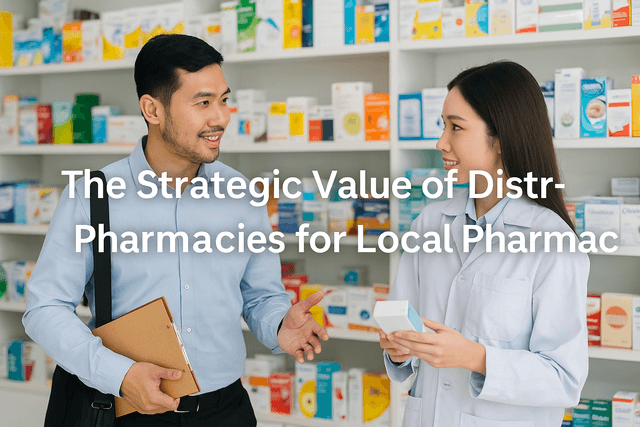
Ever walked into a Guardian Pharmacy during flu season and found shelves fully stocked despite soaring demand? That seamless availability isn’t luck—it’s the result of strategic partnerships between local pharmacies and trusted distributor pharmacies. These collaborations go far beyond mere delivery; they’re essential lifelines that optimize operations, cut costs, and even drive foot traffic.
Inventory Optimization
Dead stock is a silent profit killer. Distributors like PriooCare Malaysia leverage AI-driven forecasting tools to analyze sales trends, ensuring pharmacies in Penang or Johor maintain just enough stock of antihistamines during monsoon season or diabetes supplies in aging-population areas.
Reordering Automation
Manual stock-taking? Outdated. Modern distributors integrate EDI systems with pharmacy POS software, triggering automatic restocks when paracetamol or baby formula dips below threshold levels. A Caring Pharmacy outlet in KL reported a 20% reduction in stockouts after adopting this tech.
Promotional & Merchandising Support
Bundle Deals: Distributors co-create campaigns—like pairing vitamins with immune boosters during back-to-school seasons.
POSM Kits: Eye-catching shelf wobblers or QR-linked display stands (used effectively by Alpro Pharmacy for skincare launches).
Real-World Impact
When Panadol shortages hit in 2022, distributor-backed pharmacies in Selangor prioritized allocations to high-traffic stores, minimizing customer backlash. This proven approach underscores why 90% of independent pharmacies now rank “distributor support” as critical for survival.
Learn More : Retail Merchandising Services Malaysia
Digitalization in Pharmacy Distribution: Tools and Transformation
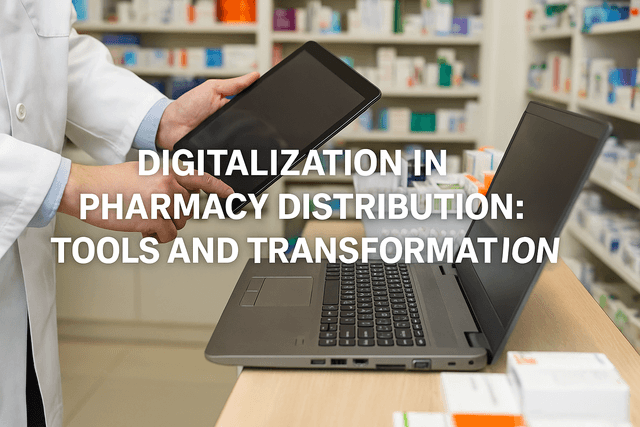
Gone are the days of faxed orders and Excel stock sheets. Malaysia’s pharma distributors have embraced digital tools to slash errors, speed up deliveries, and—most crucially—build transparent relationships with pharmacies.
ERP & Warehouse Management Systems (WMS)
Zuellig Pharma’s AI-powered WMS reduced mispicks by 35%, ensuring pharmacies receive correct insulin batches.
PriooCare’s dashboard lets pharmacists track orders in real-time—no more frantic calls about delayed antibiotic shipments.
Data-Driven Forecasting
Distributors analyze historical sales (e.g., spike in cough syrup during haze season) to pre-position stock. A Kuching-based clinic avoided shortages during 2023’s haze crisis thanks to predictive alerts from their distributor.
E-Commerce Integration
With Shopee Pharmacy and Doc2Us gaining traction, distributors now sync inventory with online platforms. When Oralive antiseptic went viral on TikTok, distributors ensured physical stores matched online demand—a tailored response preventing lost sales.
The Human Touch
Tech isn’t everything. Pharmacists in Sarawak still value distributors who assign dedicated account managers to troubleshoot last-minute order changes—blending efficient tech with expert human insight.
Learn More : Understanding the ROI of Pharmacy Merchandising Investments in Malaysia | A vision for smarter healthcare logistics
Challenges Facing Pharmacy Distributors in Malaysia
Behind every smoothly delivered medicine box lies a maze of logistical nightmares and regulatory hurdles.
1. Logistics Cost Surges
Fuel hikes added 15% to rural delivery costs in 2023 (e.g., transporting vaccines to Kelantan’s highlands).
Workaround: Distributors like DKSH use route-optimization software to cluster deliveries, cutting mileage by 22%.
2. Regulatory Whiplash
Sudden NPRA policy shifts (e.g., 2022’s cold-chain documentation reforms) forced distributors to retrain staff overnight.
Case Study: A Penang distributor faced a 2-month license suspension over unlogged freezer temperature checks.
3. Parallel Imports & Counterfeits
Fake Viagra and smuggled Korean skincare flood markets, undercutting legitimate distributors.
Solution: Blockchain tracking (used by Pharmaniaga) verifies authenticity via batch-ID scans.
4. Expiry Risks
Overstocked diabetes test strips expired in Malacca pharmacies due to poor demand forecasting.
Fix: Distributors now share real-time expiry alerts and buy-back unsold stock.
Strategic Resilience
Top players survive by diversifying transport partners, investing in staff compliance training, and lobbying for stable policies—proof that adaptability is non-negotiable.
Learn More : Healthcare Logistics in Southeast Asia
How to Choose a Pharmacy Distributor in Malaysia: Key Evaluation Criteria
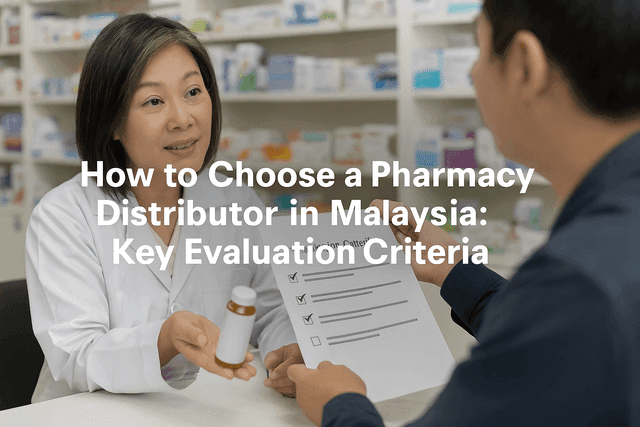
Picking a distributor isn’t about who offers the lowest price. It’s about finding a reliable, strategic partner who aligns with your pharmacy’s goals.
✓ Licensing & Compliance
Demand proof of NPRA Establishment License (EL) and GDP audits.
Red Flag: A distributor unable to share recent compliance reports.
✓ Coverage & Speed
Can they deliver to East Malaysia within 48 hours?
PriooCare guarantees 24-hour turnaround in Klang Valley—critical for ER pharmacies.
✓ Brand Range & Niche Expertise
Need specialized oncology drugs or luxury skincare? Ensure they carry those SKUs.
Example: Apex Pharmacy partnered with a distributor stocking niche Japanese health supplements, attracting affluent shoppers.
✓ Digital Capabilities
Can you place orders via mobile app? Access live inventory reports?
Avoid distributors relying solely on WhatsApp or phone orders—prone to errors.
✓ Value-Added Services
Merchandising support (e.g., Alpro’s in-store brand ambassadors for new launches).
Training: Some distributors educate pharmacists on product benefits—boosting sales by 30%.
Pro Tip
Interview multiple distributors. Ask for client references—especially from pharmacies similar to yours in size and location.
Learn More : Top 10 Most Trusted Pharmacy Distributors in Malaysia
Frequently Asked Questions (FAQ)
Q1: How does pharma distribution work?
Answer: Pharma distribution typically involves a multi-step supply chain: Manufacturers produce the drugs, then sell them in bulk to wholesale distributors. These distributors store the products and manage logistics, ultimately selling and delivering them to various healthcare providers, such as retail pharmacies, mail-order pharmacies, hospitals, and clinics, which then dispense the medications to patients.
Q2: What is the business model of a wholesale pharmacy?
Answer: The business model of a wholesale pharmacy (or pharmaceutical distributor) is high-volume, low-margin logistics. They act as the vital intermediary between manufacturers and healthcare providers, purchasing drugs in large quantities at a negotiated price (often with discounts) and distributing them efficiently to thousands of dispensing outlets. Their profit is generated by earning a small gross profit or a distribution service fee on each massive-volume transaction, leveraging economies of scale.
Q3: Who are the big 3 pharmaceutical distributors?
Answer: The U.S. pharmaceutical wholesale distribution industry is highly concentrated and dominated by three major firms, often referred to as the “Big Three”:
- McKesson Corporation
- Cencora (formerly known as AmerisourceBergen)
- Cardinal Health
Q4: What is a wholesale pharmacy?
Answer: A wholesale pharmacy, also known as a pharmaceutical wholesaler or distributor, is a critical intermediary company in the healthcare supply chain. Its primary role is to procure medications in bulk from pharmaceutical manufacturers and distribute them to various healthcare facilities, including community pharmacies, hospital pharmacies, clinics, and government programs.
Q5: What are the 5 P’s of pharma?
Answer: The “5 P’s of Pharma” are an adaptation of the traditional marketing mix to the healthcare industry. They typically stand for:
- Product (the drug, service, or care provided)
- Price (the cost and value of the product/service)
- Place (distribution channels and accessibility, e.g., location, tele-health)
- Promotion (marketing activities to create awareness and interest)
- People (the staff, patients, and community; emphasizing relationships and patient-centered care)
Q6: What are the 4 P’s of pharmacy?
Answer: The “4 P’s of Pharmacy” commonly refer to the four core elements of the marketing mix applied to the broader healthcare sector:
- Product (medications, clinical services, patient care programs)
- Price (cost, reimbursement rates, and pricing strategies)
- Place (accessibility, distribution, and location of pharmacy services)
- Promotion (advertising, education, and communications to attract patients)
Q7: Who is the largest pharmaceutical wholesaler?
Answer: The largest pharmaceutical wholesaler in the world, typically measured by revenue, is McKesson Corporation. Along with Cencora and Cardinal Health, it dominates the U.S. and global drug distribution market.
Q8: What are the big 5 pharmaceutical companies?
Answer: While the exact ranking can fluctuate annually based on revenue and market capitalization, five companies frequently cited among the global leaders in pharmaceutical revenue (The “Big 5”) are:
- Johnson & Johnson (Pharmaceuticals division)
- Merck & Co.
- Pfizer
- AbbVie
- AstraZeneca
Q9: Which country is no. 1 in pharma?
Answer: The United States is generally considered the number one country in the pharmaceutical industry based on market size, total sales, production value, and its position as the global hub for pharmaceutical research and development (R&D) and innovation.
Q10: What is the top 1 pharma company in the world?
Answer: The top pharmaceutical company in the world, typically measured by total pharmaceutical revenue, frequently shifts. However, based on recent annual revenues, the company ranking highest often rotates between major giants like Johnson & Johnson, Pfizer, and Merck & Co.
The heartbeat of Malaysia’s healthcare system isn’t just doctors or hospitals—it’s the unseen network of distributors ensuring medicines reach those who need them, when they need them. From Pahang’s rural clinics to KL’s mega-hospitals, this ecosystem thrives on agility, compliance, and innovation.
As patient expectations rise and regulations tighten, pharmacies must align with distributors who don’t just move boxes but solve problems. Whether it’s adopting AI stock tools or navigating KKM inspections, the right partnership transforms challenges into competitive edges.
How can we assist you today? 😊
Just let us know—we’re here to help!