

November 7, 2025
The Core Concept: How Strategic Product Bundling Transforms Pharmacy Retail
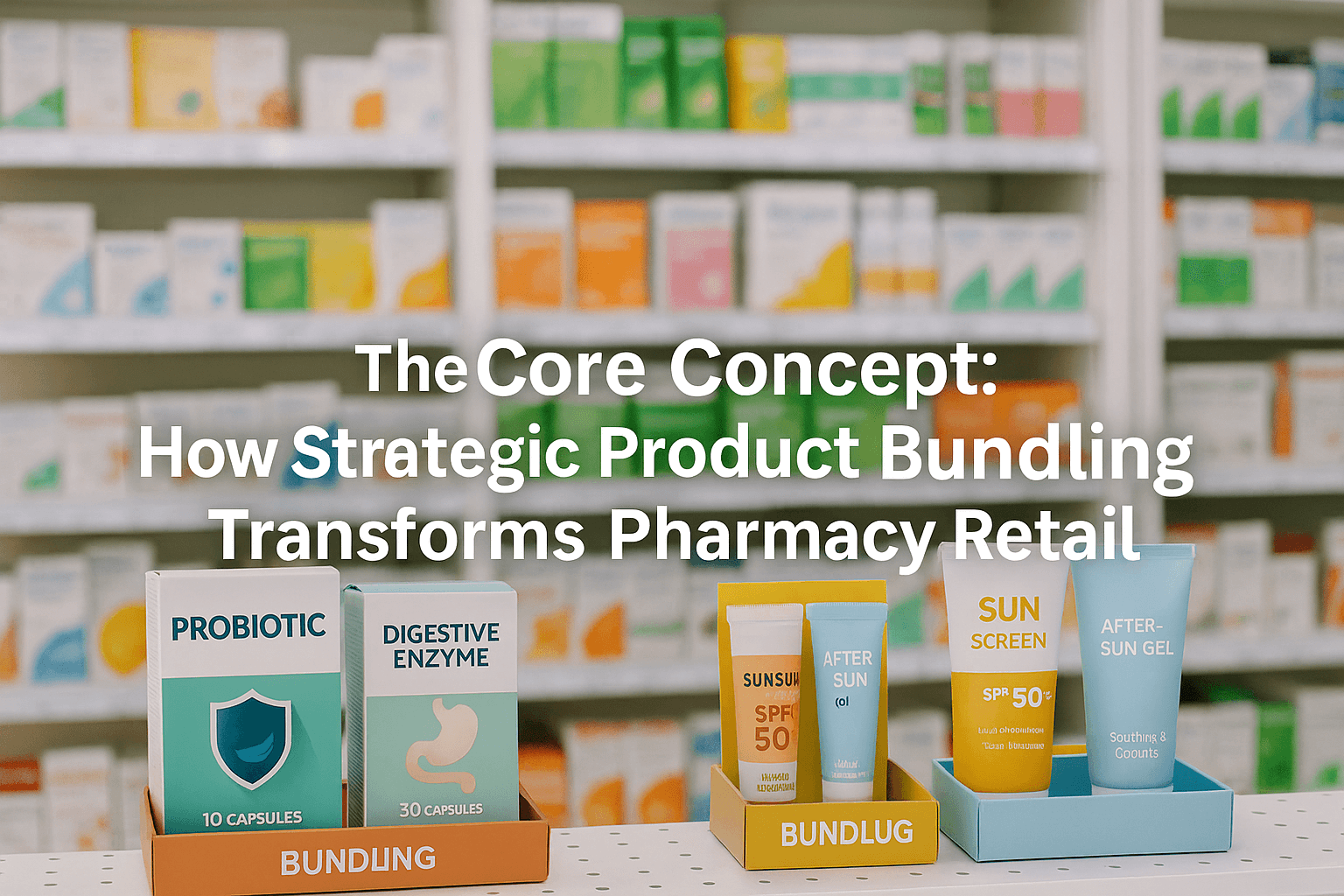
At its heart, product bundling is a deceptively simple proposition. What if, instead of a single item, a customer leaves with a curated set of products that collectively address a broader health need? This approach has quietly evolved from a occasional promotional tactic into an essential strategy within Malaysia’s vibrant retail healthcare landscape. The fundamental idea is to combine related health and personal-care items—such as pairing a high-quality probiotic with a complementary digestive enzyme, or a trusted sunscreen with a soothing after-sun gel. These combinations do more than just increase the price tag; they provide visible value to the consumer. By presenting a complete solution, pharmacies and their partners actively strengthen brand trust and move beyond mere transactionalism. This strategy transforms the shopping experience from one of potential confusion into a guided, educational journey, fostering loyalty and reinforcing the pharmacy’s role as a health advisor.
Learn more: The Ultimate Guide to Pharmacy Merchandising Services in Malaysia | “Global State of Health & Wellness 2025” – Findings from 19 Countries
The Strategic Role of Distributors in Pharmacy Bundling
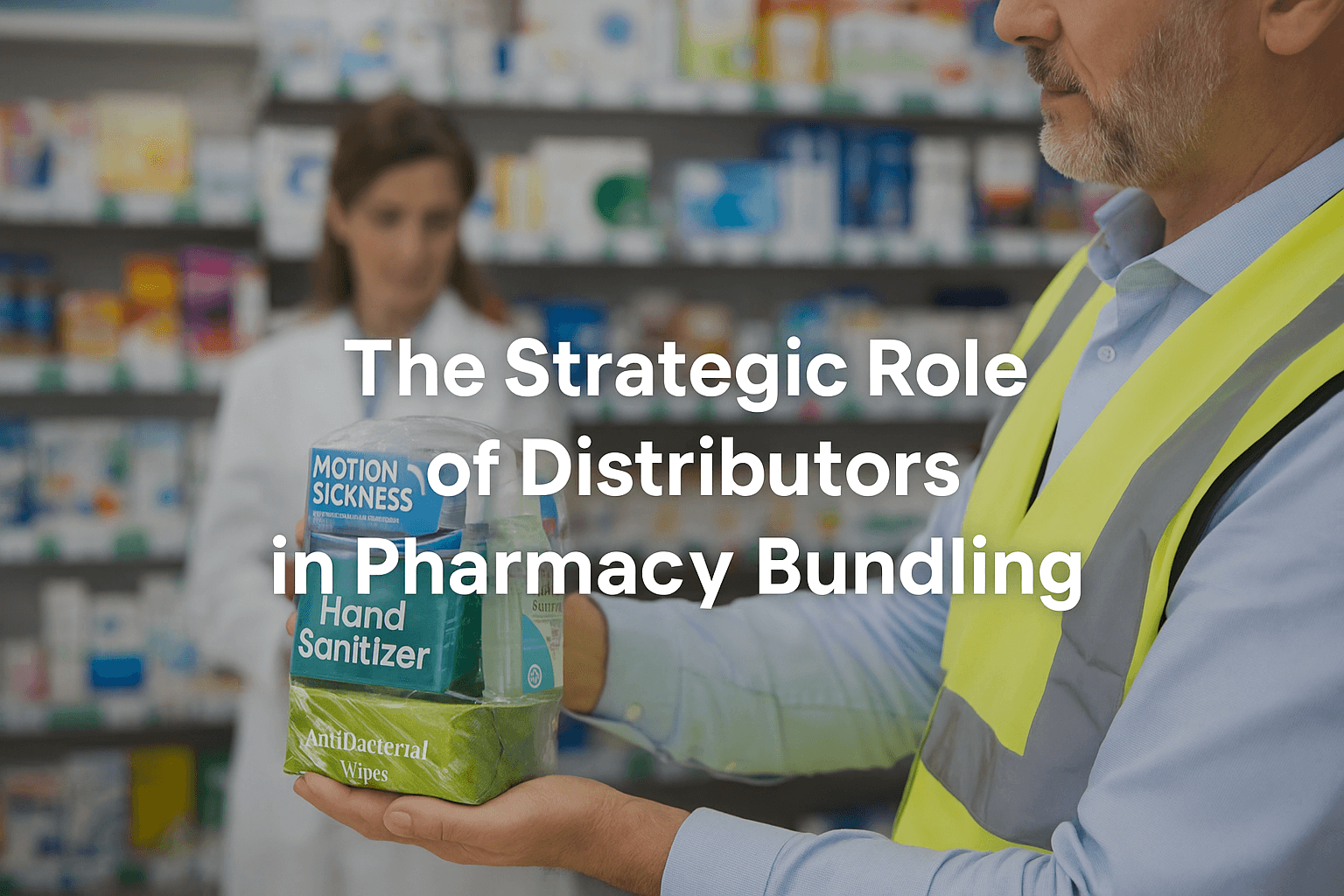
How does a thoughtfully designed bundle actually materialize on the pharmacy shelf? The journey rarely begins at the store level; it is meticulously orchestrated by the pharmacy distributor, the critical bridge that connects manufacturer innovation with on-the-ground retail execution. In Malaysia’s complex pharmaceutical ecosystem, these distributors are the operational backbone. They coordinate the intricate processes of sourcing, packaging, and logistics, all while ensuring every combined product offering adheres to the strict guidelines set by the National Pharmaceutical Regulatory Agency (NPRA). This is a non-negotiable aspect of their role. They manage the vital, behind-the-scenes details like barcoding, labeling, and SKU tracking, ensuring that bundled products remain fully traceable and compliant throughout the entire supply chain.
From the perspective of a pharmacy distributor in Malaysia, bundling is not a one-dimensional sales trick. It serves two powerful, interconnected purposes that benefit the entire chain. First, it drives inventory efficiency by strategically pairing slower-moving SKUs with fast-moving hero products, thus optimizing stock turnover and reducing dead inventory. Second, it ensures market relevance by allowing bundles to be adapted to seasonal health needs, such as creating “immunity booster” kits during the monsoon season or “travel wellness” packs ahead of holiday exodus periods like Balik Kampung. For brand managers, distributors provide a reliable and efficient network for co-packaging and timely delivery. For pharmacists, they offer the peace of mind that comes from working with a partner who guarantees compliance and product freshness. This strategic, coordinated approach is what separates a haphazard promotion from a clinically sound, consumer-friendly bundle that genuinely supports patient health outcomes.
Learn more: How Merchandising Services Improve In-Store Experience
A Framework for Effective Bundle Types in Malaysian Pharmacies
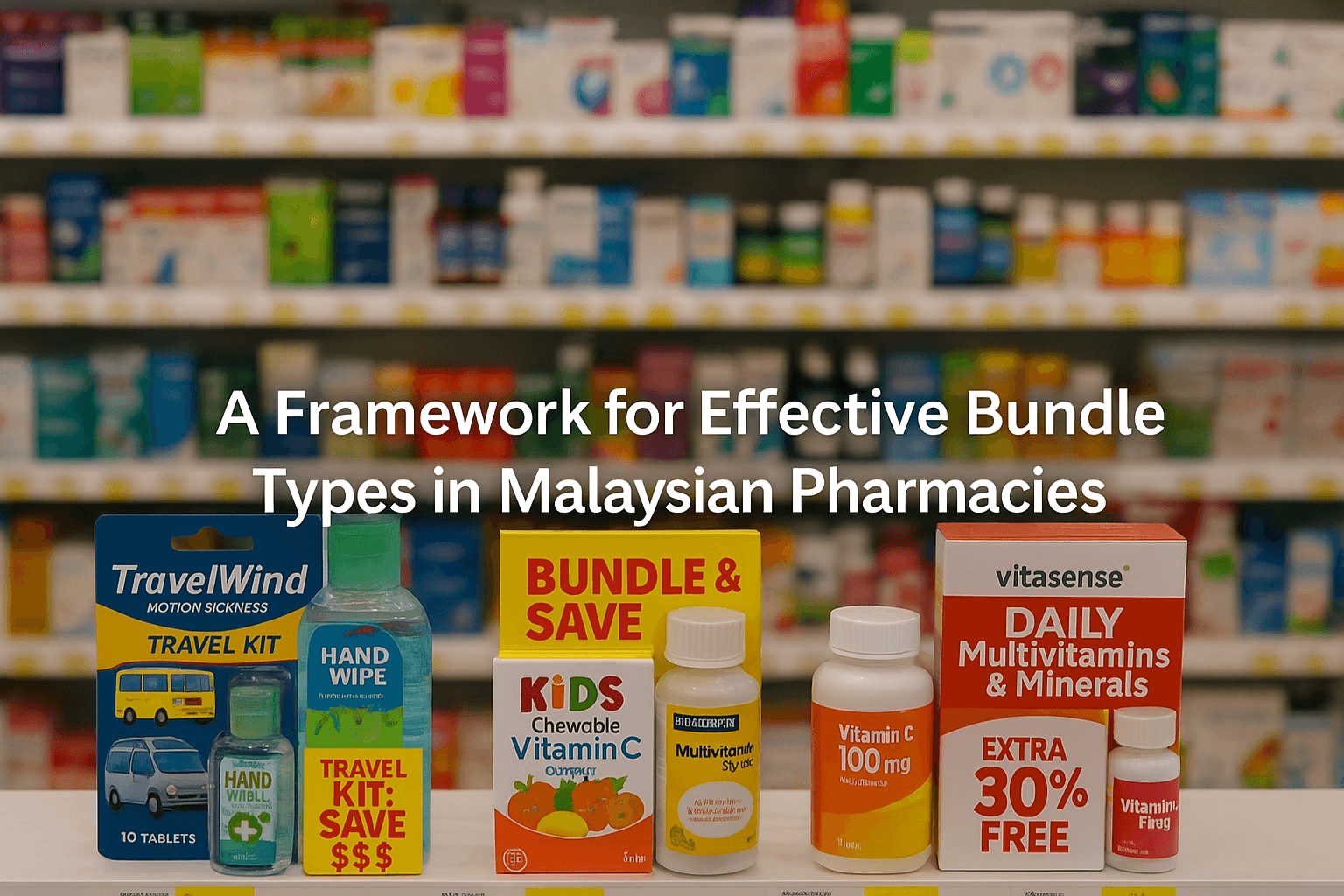
Understanding the different archetypes of product bundling is the first step toward designing offers that truly resonate with Malaysian consumers. Not all bundles are created equal, and applying the right type to the right situation is key to maximizing impact and profitability. A clear framework helps merchandisers and pharmacists plan their displays and promotions with greater precision and effectiveness. The most effective bundles are those that feel intuitive and valuable to the shopper, solving a problem or fulfilling a desire in a way a single product cannot.
Complementary Bundling: This is the most common and clinically sound approach. It involves pairing two or more products that enhance each other’s core benefits. Think of calcium supplements paired with Vitamin D for improved absorption, or an antihistamine medication alongside a saline nasal spray for comprehensive allergy relief. These are proven combinations that are easily recommended by pharmacists and readily understood by consumers, reinforcing the pharmacy’s authority.
Seasonal Bundling: This type leverages the calendar to meet predictable, time-sensitive consumer needs. It is exceptionally effective in the Malaysian context due to the nation’s distinct cultural and seasonal cycles. For instance, a “Raya Relief” bundle before Hari Raya could include pain relief patches for long drives and digestive aids for the festive feast. Similarly, a “Back-to-School” bundle in December might feature immunity supplements and hand sanitizers. These tailored offers demonstrate an understanding of local lifestyles and build relevance.
Value Bundling: This classic approach focuses directly on cost savings to drive purchase decisions. Structures like “Buy 2 Get 1 Free” or multi-unit deals (e.g., three months’ supply of a vitamin) are clear and compelling. While per-unit margins may tighten slightly, the overall basket value and inventory turnover rate typically see a significant increase, making it a reliable tactic for volume-driven growth.
Cross-Category Bundling: This advanced strategy links products from different but related categories to introduce customers to new items and increase exposure. An example would be bundling a popular facial cleanser from the skincare aisle with an acne-fighting supplement from the wellness section. This not only boosts sales but also helps break down category silos within the consumer’s mind. Large chains like Guardian or Watsons often excel at this, while independent pharmacies can leverage their distributor’s expertise to access pre-packed, cross-category solutions.
| Bundle Type | Primary Goal | Malaysian Example | Key Consideration |
|---|---|---|---|
| Complementary | Enhance product efficacy & consumer outcomes | Probiotic + Digestive Enzyme | Requires strong pharmacist knowledge for recommendation. |
| Seasonal | Capitalize on time-sensitive demand | Travel Kit (Motion Sickness pills + Hand Sanitizer) for school holidays. | Must be planned well in advance with the distributor. |
| Value | Increase volume & clear inventory | “Buy 2 Pain Relief Sprays, Get 1 Heat Rub Free” | Margin management is critical; the discount must be perceptible. |
| Cross-Category | Introduce new categories & increase spend | Baby Shampoo + Diaper Rash Cream | The link between products must be logical and easy to communicate. |
The Multifaceted Benefits: Why Bundling is a Strategic Imperative
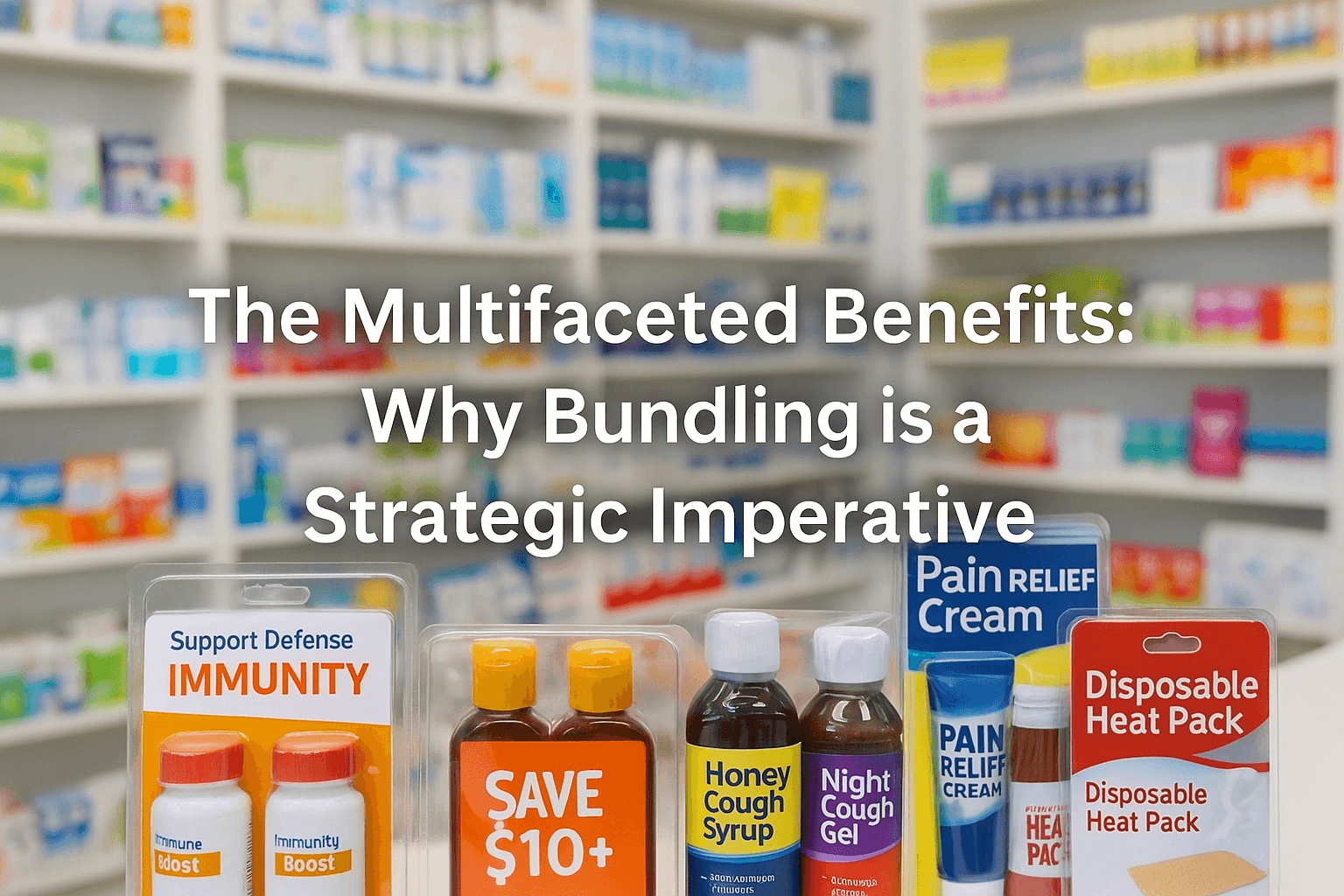
Why should pharmacies and their distribution partners invest significant time and resources into building bundles instead of focusing on individual SKU promotion? The advantages are multi-layered, creating a powerful ripple effect that enhances profitability, operational efficiency, and customer relationships. The benefits extends far beyond the immediate sales lift, embedding themselves into the very fabric of a successful retail health business.
From the pharmacist’s point of view, bundling is a direct tool for enhancing patient care and trust. It allows them to present a complete solution, ensuring the patient has all the necessary components for their health regimen. This expert guidance transforms a simple sales interaction into a valuable consultation. For the distributor, bundling is a key lever for supply chain optimization, helping to balance inventory levels across their entire network. For the brand manager, the data generated from bundle performance is pure gold, revealing powerful insights into consumer purchasing habits and product affinities that can guide future innovation and marketing strategy.
Elevated Basket Value and Improved Margins: When shoppers perceive a genuine value and convenience in a bundle, their resistance to spending a larger amount decreases. This psychological effect is powerful. Bundling naturally encourages cross-selling, moving multiple units in a single transaction. This is a proven method for increasing the average transaction value and, when structured correctly, can protect or even enhance overall profit margins compared to selling items individually on discount.
Superior Inventory Management and Optimization: This is a crucial benefit from the distributor and pharmacy backend perspective. Bundles provide a strategic mechanism for managing stock levels. Slower-moving items can be given a new lease on life by pairing them with popular, high-demand products. A reliable pharmacy distributor will integrate expiry date monitoring into their bundling services, ensuring that this tactic is used to optimize inventory rather than to simply dump aging stock, thereby protecting the pharmacy’s reputation for freshness and quality.
Enhanced Customer Experience and Trust Building: This is perhaps the most significant long-term benefit. A well-curated bundle, especially when recommended by a knowledgeable pharmacist, serves as an educational tool. It simplifies the consumer’s decision-making process and can improve treatment adherence by providing all the needed components. For example, a customer buying a cold medication is more likely to recover effectively if they also have a recommended throat lozenge and vitamin C supplement. This expert touch builds immense brand trust and positions the pharmacy as a trusted health partner, not just a retail outlet.
Data-Driven Insights for Category Growth: The performance of different bundles provides a rich source of data. Tracking which combinations drive the highest sell-through or generate repeat purchases offers invaluable insights for all stakeholders. A real-world example from a Klang Valley distributor showed that a probiotic and soluble fiber bundle achieved a 28% higher weekly sell-through rate than the probiotic sold alone. This kind of intelligence is essential for making informed decisions about assortment planning, promotional strategies, and future bundle development.
Learn more: What Are Pharmaceutical Distribution Companies Responsible For
Crafting a Winning Bundling Strategy: A Step-by-Step Guide for the Malaysian Market
Designing a bundle that flies off the shelves requires more than just guesswork; it demands a disciplined, analytical, and customer-centric approach. What separates a high-performing bundle from one that languishes in obscurity is a strategic process that aligns data with a deep understanding of the local consumer psyche. Success hinges on a collaborative effort between the brand, the distributor, and the frontline pharmacy staff.
Here is a practical, step-by-step guide to designing an effective bundling strategy:
Step 1: Deep-Dive into Sales Data and Consumer Trends
The foundation of any good bundle is solid data. Begin by analyzing Point-of-Sale (POS) systems, loyalty program data, and direct feedback from pharmacists. Look for patterns: what products are frequently purchased together? Are there seasonal spikes for certain items? This analysis will reveal natural, data-backed pairing opportunities that are already validated by consumer behavior.
Step 2: Select Intuitively Compatible Product Categories
Once you have data-driven candidates, apply the logic test. Pair products that share a clear functional, situational, or emotional connection. A sleep support supplement bundled with a calming aromatherapy roll-on makes perfect sense. A random mix of, say, foot powder and a pregnancy vitamin does not. The link must be immediately obvious and beneficial to the consumer.
Step 3: Develop Strategic Pricing and Prominent Placement
The pricing must communicate a clear value proposition—a perceptible saving compared to buying the items separately—while still preserving a healthy margin for the pharmacy. Visibility is then key. Place these bundles in high-traffic zones to maximize impact:
Power aisles and end-caps
Near the pharmacy counter
At eye-level on relevant category shelves
The presentation should be clean, professional, and the value message should be instantly understandable.
Step 4: Empower Your Pharmacists and Frontline Staff
The most beautifully designed bundle will underperform if the staff cannot explain its value. Comprehensive training is essential. Ensure your pharmacists and sales assistants understand the rationale behind each bundle and are equipped to confidently recommend them. A trusted pharmacist explaining the synergistic benefits of a bundle is far more influential than any printed tag or poster. Their endorsement adds a layer of credibility that signage alone can never achieve.
Step 5: Leverage the Full Support of Your Distributor Partner
A reliable pharmacy distributor is more than just a delivery service; they are a strategic ally. Proactively engage with them. The right distributor partner can provide invaluable support, including:
Pre-designed planogram templates for optimal shelf display
Ready-made promotional materials and signage
Regular compliance and performance reports
Insights on successful bundles from other markets
Their proven expertise in logistics, compliance, and market trends can transform a good bundling idea into a flawlessly executed, high-performing retail reality. Ultimately, successful product bundling in the Malaysian pharmacy sector is a tailored process that merges the science of merchandising with a nuanced understanding of local consumer psychology, all supported by a robust and collaborative supply chain.
Learn more: “Future of Wellness 2025: The $2 Trillion Market Gets a Millennial and Gen Z Glow-Up”
The Critical Role of Visual Merchandising in Bundle Performance
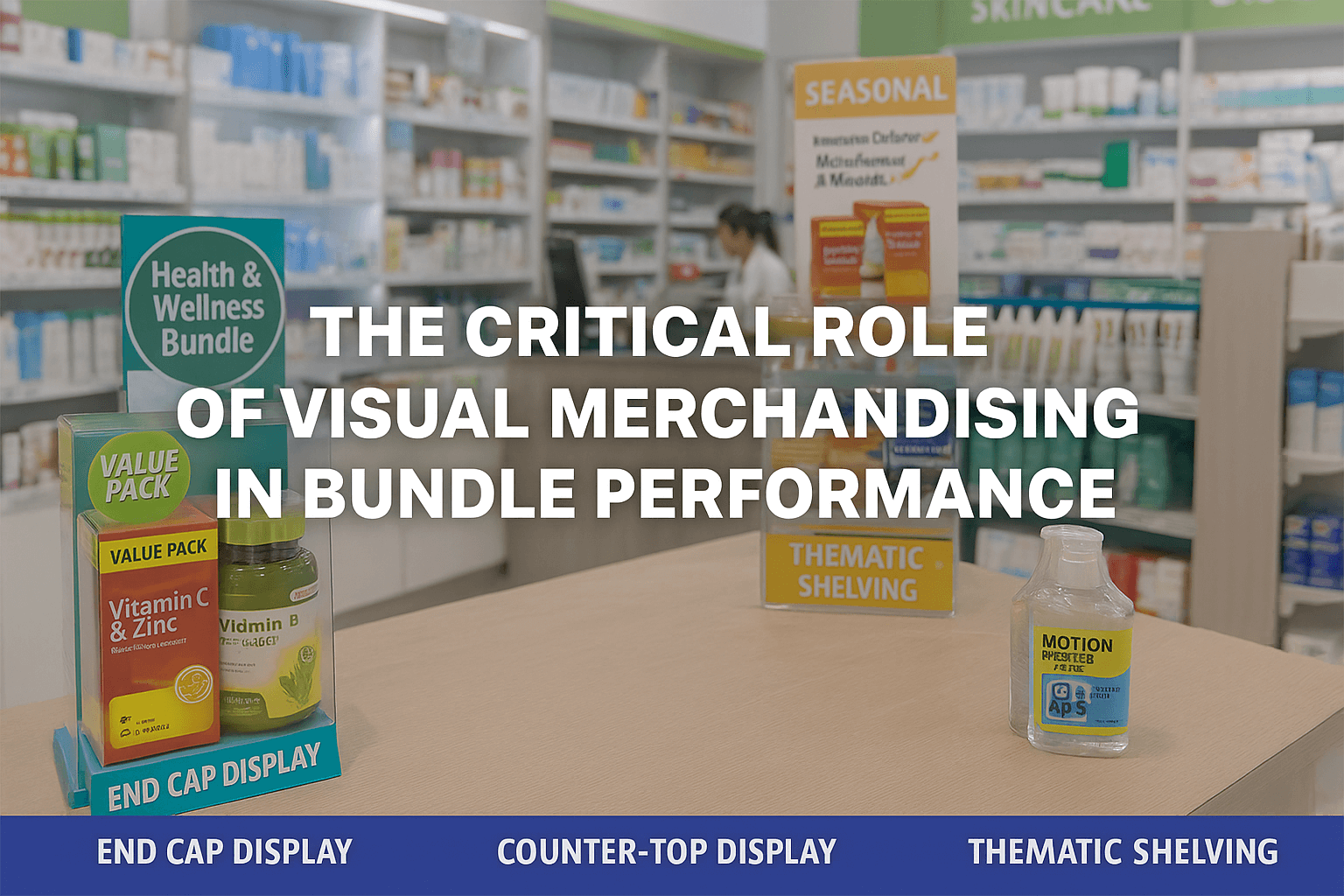
How much influence does physical placement wield over a bundle’s ultimate success? In the competitive aisles of Malaysian pharmacies, visual merchandising often serves as the decisive factor between a product that captures attention and one that fades into the background. A brilliantly conceived product pairing can still deliver disappointing results if its in-store presentation is haphazard or inconsistent. The science of shelf optimization goes beyond mere visibility; it involves aligning the product with the natural shopper flow to create moments of discovery and impulse. Strategic placement at eye-level, the use of cohesive color schemes, and unambiguous pricing labels are not minor details—they are essential components that work in concert to spark consumer interest and drive conversion. For brand managers, this visual consistency is paramount to maintaining brand integrity across a diverse network of retail outlets, from large chains in KLCC to independent pharmacies in smaller towns.
A reliable merchandising partner, often integrated within the pharmacy distributor function, provides the expertise and manpower to execute these displays with precision. They transform a basic commercial offer into a compelling visual story that resonates with the local consumer. The most effective display techniques are those that match the bundle’s purpose with its position within the store.
End-cap displays are perfect for promoting themed bundles focused on specific health goals, such as a “Family Flu Defense” kit during the rainy season. Counter-top placement is ideal for smaller, high-impulse items like travel-sized hand sanitizer and mask combinations. Thematic shelving involves creating a dedicated zone that groups related items, like a “Diabetes Care” section that bundles glucose monitors with test strips and dietary supplements, telling a complete wellness story. Integrated POS materials, such as QR codes that link to short video explanations or pharmacist recommendations, add a layer of digital engagement and authority. Large chains like Caring and Watsons often deploy centralized, standardized display templates, while smaller, independent pharmacies benefit immensely from the tailored guidance and hands-on support provided by their distributor’s merchandising services, ensuring a professional and efficient setup without the need for a large in-house team.
| Aspect | In-House Merchandising | Distributor-Led Merchandising |
|---|---|---|
| Cross-Outlet Consistency | Varies significantly by location and staff capability. | Uniform execution and brand standards upheld across the entire network. |
| Regulatory Compliance | Highly dependent on individual staff awareness and availability. | Proactively monitored and managed by dedicated compliance experts. |
| Execution Speed & Scale | Slower, more resource-intensive rollout, often store-by-store. | Rapid, synchronized, and standardized deployment across all targeted outlets. |
| Cost & Logistics Management | Costs are incurred per branch, with fragmented logistics. | Leverages shared logistics and resources, creating a more efficient cost structure. |
| Performance Reporting | Typically relies on manual updates and spotty communication. | Provides centralized, digital dashboards with real-time data on sell-through and engagement. |
Navigating the Complexities of Compliance and Labelling for Bundles
Could two fully approved, compliant products inadvertently become a regulatory concern once combined into a single offer? In the tightly regulated Malaysian healthcare market, this is a genuine risk that demands meticulous attention. Regulatory compliance is not a one-time checkpoint but an ongoing, essential consideration throughout the entire bundling process, especially when over-the-counter medications or supplements are involved. The Ministry of Health (KKM) and the National Pharmaceutical Regulatory Agency (NPRA) set forth clear mandates governing product labeling, safety, and marketing claims, all of which remain fully in effect for any product within a bundled package.
When a pharmacy wholesale distributor takes on the task of assembling these bundles, they assume a strategic responsibility for upholding these standards. This involves a rigorous process to ensure each product’s original KKM registration number remains entirely visible and unaltered, that no packaging is obscured by additional promotional sleeves or stickers in a non-compliant way, and that any marketing language used for the bundle itself does not make unapproved health claims. For instance, a bundle combining a registered vitamin C supplement with an unregistered herbal tea must be carefully presented to avoid implying the tea has therapeutic properties approved by the NPRA. This is where the distributor’s role becomes invaluable. A trusted distributor pharmacy acts as a gatekeeper, conducting thorough checks before any bundled product ever reaches the retail shelf, thereby mitigating legal risks and protecting the brand reputation of both the manufacturer and the retailer. This effective compliance framework, complete with clear audit trails, is a cornerstone of a reliable pharmaceutical supply chain.
Learn more: “Asia-Pacific Pharmaceutical Logistics Market Size & Growth to 2030”
Real-World Case Studies: Bundling Success in the Malaysian Market
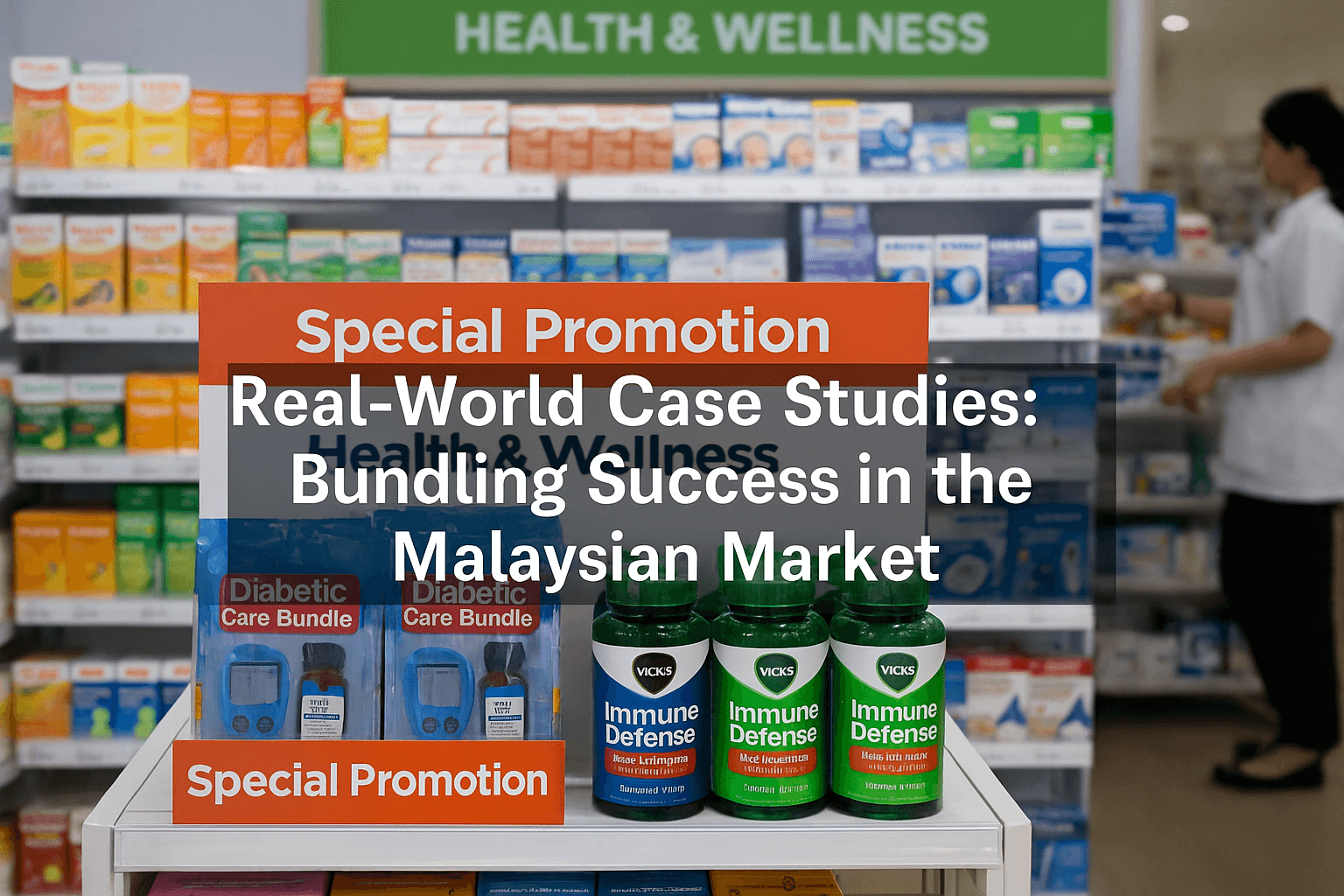
Does strategic product bundling genuinely translate into measurable shifts in consumer purchasing behavior? The evidence from the field provides a resounding yes. Analyzing specific case studies from the Malaysian pharmacy sector reveals how a well-orchestrated bundling strategy, supported by a reliable distribution partner, can yield significant commercial and engagement wins. These examples highlight the importance of aligning product selection with local consumer insights and cultural nuances.
One notable example was a nationwide campaign by a major retail chain, which collaborated with its pharmacy distributors to launch a “Diabetic Care Kit.” This strategic bundle included a blood glucose monitor, test strips, and a specially formulated dietary supplement. The distributors managed the complex logistics of ensuring all components were available simultaneously across hundreds of locations. The kit was given prominent placement in dedicated health aisles and supported by informational leaflets. This proven approach resulted in a 40% increase in sales for the entire category during the promotion period, demonstrating how bundling can elevate a routine purchase into a comprehensive health management solution.
Another compelling case comes from an independent pharmacy in Penang that wanted to compete with larger chains on the topic of maternal health. They partnered with a pharmacy distributor in Malaysia to create a tailored “New Mother Wellness Box.” This bundle included prenatal vitamins, stretch mark cream, and soothing herbal balms, all from brands known for their natural ingredients. The distributor provided the pharmacy with attractive display units and trained the staff on the benefits of each component. This expert local execution, which felt personal and community-focused, led to the bundle becoming one of the pharmacy’s top-selling categories, fostering immense brand trust and customer loyalty.
A further case involved a strategic initiative by a vitamin manufacturer to increase penetration for a newer product. They worked with their distributor to create a bundle that paired their established best-selling fish oil with their newer coenzyme Q10 supplement, marketed as a “Heart Health Duo.” The distributor’s sales team effectively communicated the complementary benefits of the combination to pharmacists, who in turn recommended it to relevant customers. This effective push-and-pull strategy, facilitated by the distributor’s network, led to a 150% uplift in sales for the newer product, successfully seeding it into the market.
Addressing Common Operational Hurdles in Bundle Execution
Given the clear benefits, what are the typical obstacles that can derail a promising bundling program? The challenges are seldom about the concept itself but almost always related to operational friction and a lack of synchronized execution between the various stakeholders—brand managers, distributors, and pharmacy staff. A proven strategy must account for and overcome these practical realities to be successful.
One of the most frequent issues is inconsistent stock availability. If a key component of a popular bundle runs out in one store but not another, the entire promotional offer collapses, leading to customer frustration and missed sales opportunities. A reliable distributor employs advanced forecasting systems and maintains clear communication channels to ensure inventory levels for bundle components are balanced and synchronized across the distribution network, creating a seamless customer experience.
Another critical hurdle is variation in staff execution. A beautifully planned bundle can fail if the pharmacy team is not adequately trained or motivated to promote it. The solution lies in providing clear, visual guides and simple checklists that ensure every staff member, from the cashier to the expert pharmacist, understands the bundle’s value proposition and can communicate it consistently. This transforms the staff from passive stockers into active brand advocates.
Furthermore, a lack of consumer understanding can stifle a bundle’s potential. If the in-store signage is confusing or fails to clearly articulate the health benefit—answering the “what’s in it for me?” question—shoppers will simply pass it by. The most effective bundles are those where the concept is instantly graspable, often reinforced by a brief explanation from a trusted pharmacist. From the brand manager’s perspective, overcoming these challenges requires data transparency. Modern pharmacy distribution services in Malaysia are increasingly providing digital dashboard reporting that offers insights into bundle-specific ROI, regional sales performance, and SKU movement analytics. This data-driven approach enables all parties to make strategic adjustments in near real-time, optimizing campaigns for maximum impact and efficiency.
Learn more: “2025 Global Health Care Outlook: Centres of Efficiency, Productivity & Patient Engagement”
Strengthening the Pharmacy Ecosystem Through Strategic Collaboration
The practice of product bundling represents far more than a transient sales tactic; it is an essential component of a modern, patient-centric pharmacy retail model. When executed with precision and care, it successfully bridges the gap between tangible healthcare value and sustainable retail performance. By leveraging complementary product pairing through a trusted and strategic distributor network, pharmacies of all sizes can elevate their role from simple retailers to essential health advisors, creating genuine, solution-oriented experiences for their customers.
For the entire Malaysian pharmacy ecosystem, this collaborative approach builds profound efficiency and resilience. Manufacturers gain a powerful tool for educating the market and optimizing product lifecycles, pharma distributors can manage logistics and inventory with greater intelligence and foresight, and pharmacists are equipped with better tools to engage with and support their community’s health. As the retail landscape continues to evolve, those who master the art and science of strategic bundling, backed by a reliable supply chain partner, will be best positioned to achieve lasting growth, unwavering customer loyalty, and a reputation for quality and compliance.
Frequently Asked Questions (FAQ)
Q1: What is product bundling in pharmacy merchandising?
Answer: Product bundling is the practice of combining two or more related health or personal care items into one package or promotion. It helps pharmacies offer better value to customers while increasing sales and optimizing shelf space.
Q2: Why is product bundling important for Malaysian pharmacies?
Answer: In Malaysia, product bundling allows pharmacies to meet local consumer needs, improve inventory turnover, and promote complementary health solutions. It’s also a proven way to strengthen brand trust and encourage repeat purchases.
Q3: What are the most common types of product bundles?
Answer: The main types include complementary bundles (e.g., calcium + Vitamin D), seasonal bundles (e.g., flu kits), value bundles (“Buy 2 Get 1”), and cross-category bundles (e.g., skincare + supplement).
Q4: How do pharmacy distributors support bundling strategies?
Answer: Distributors manage sourcing, labeling, logistics, and compliance, ensuring that bundled products meet NPRA and KKM regulations while maintaining consistent supply and presentation across outlets.
Q5: How does product bundling benefit customers?
Answer: Customers save money, receive complete health solutions, and enjoy a simplified shopping experience with pharmacist guidance on how bundled products work together effectively.
Q6: Are bundled health products regulated by KKM?
Answer: Yes. Each product within a bundle must maintain valid KKM registration, and labeling must remain visible and unaltered. The overall bundle cannot make unapproved therapeutic claims.
Q7: How can visual merchandising improve bundle performance?
Answer: Attractive displays, end-cap setups, and consistent signage make bundles more visible and appealing. Effective visual merchandising helps communicate value and encourages impulse buying.
Q8: What challenges do pharmacies face when creating bundles?
Answer: Common challenges include stock imbalance, inconsistent staff training, unclear communication to customers, and ensuring all bundled items meet compliance requirements.
Q9: How can independent pharmacies compete with big chains using bundling?
Answer: Independent pharmacies can create tailored, community-focused bundles—like wellness or family care kits—and rely on trusted distributors for efficient execution and regulatory compliance.
Q10: How can a pharmacy measure the success of its bundling strategy?
Answer: Key performance metrics include bundle sell-through rates, increase in basket value, customer feedback, and inventory turnover. Tracking these helps refine future bundling campaigns effectively.
Achieving consistent success with product bundling requires more than just a good idea—it demands strategic partnership, expert execution, and a deep understanding of the Malaysian regulatory landscape. PriooCare Malaysia offers a reliable, integrated solution for brands and pharmacies seeking to optimize their retail performance through effective merchandising, efficient distribution, and data-driven insights.
How can we assist you today? 😊
Just let us know—we’re here to help!