

September 5, 2025
Why does store-level execution remain such a critical focus for Malaysia’s pharmacy distributors? In an industry where consumer trust and product availability directly impact sales, even the most strategic supply chain plans can fail if execution falters at the retail level. Whether it’s an independent pharmacy in Penang or a major chain like Caring Pharmacy in Kuala Lumpur, the ability to maintain efficient stock replenishment, reliable merchandising, and effective retailer relationships determines long-term success.
Consider this real-world scenario: A shopper walks into a pharmacy looking for a specific brand of cough syrup, only to find an empty shelf. Frustrated, they leave and purchase from a competitor. This isn’t just a missed sale—it’s a dent in brand loyalty and a breakdown in the supply chain partnership between distributor and retailer. In Malaysia’s competitive healthcare market, where pharmacy wholesale distributors serve both urban hubs and rural communities, store-level execution isn’t just operational—it’s essential for sustaining growth.
Understanding Store-Level Challenges in Malaysian Pharmacies
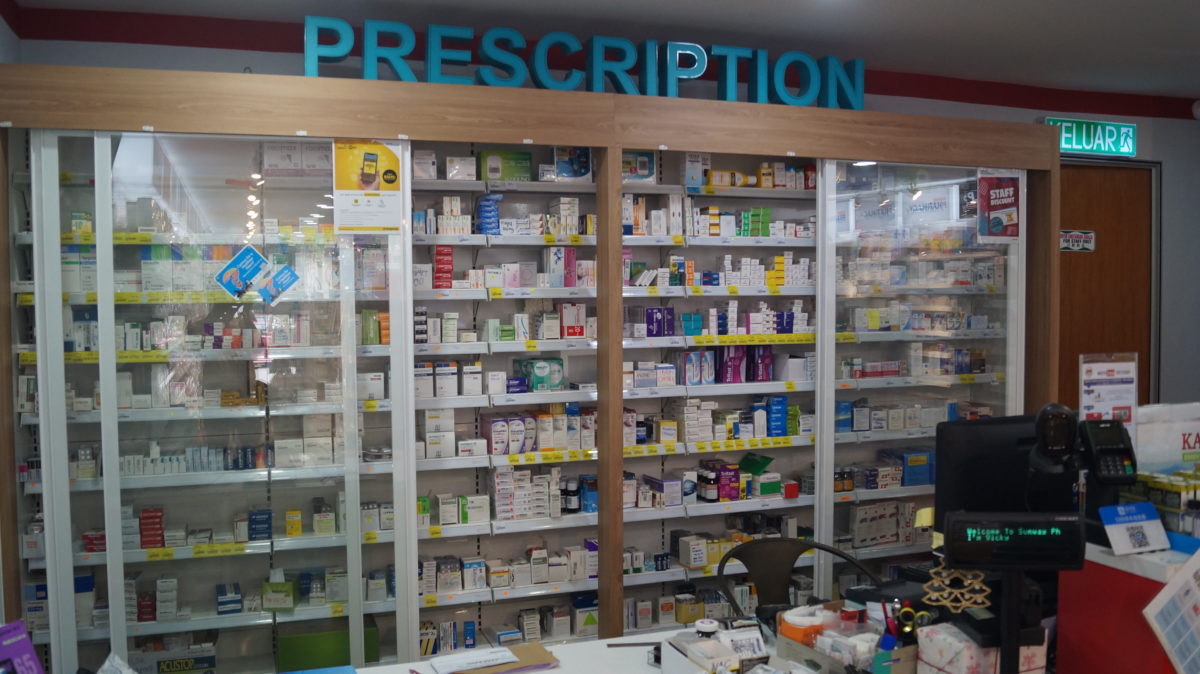
Have you ever noticed how some pharmacies maintain flawless product displays while others struggle with inconsistent stock or disorganised shelves? The difference often comes down to expert merchandising strategies tailored to the unique challenges of Malaysia’s pharmacy landscape.
Key Challenges Across Different Pharmacy Models
Independent Pharmacies
Limited storage space, requiring efficient stock rotation
Smaller shelf areas, demanding strategic product placement
Direct relationships with local pharmaceutical distributors, meaning fewer buffer stocks
Chain Pharmacies (e.g., Watsons, Guardian, Alpro Pharmacy)
Centralised planograms that require strict compliance
Higher foot traffic, increasing wear and tear on POSM (Point-of-Sale Materials)
Complex agreements with pharmacy distributor Malaysia teams on promotions and displays
Common Store-Level Hurdles
Out-of-Stock (OOS) Situations – A leading cause of lost sales, often due to delayed deliveries or poor demand forecasting.
Damaged POSM – Faded shelf strips, knocked-over displays, or missing promotional tags weaken brand impact.
Retailer Conflicts – Misaligned expectations on product placement, promotional slots, or stock prioritisation.
For example, a trusted health supplement brand in Ipoh found that humidity caused their cardboard standees to warp within days. By switching to water-resistant materials, they extended display lifespan by 70%, ensuring consistent brand visibility.
Learn More : Future of Retail Pharmacy
Out-of-Stock Management: Strategies for Minimising Supply Disruptions
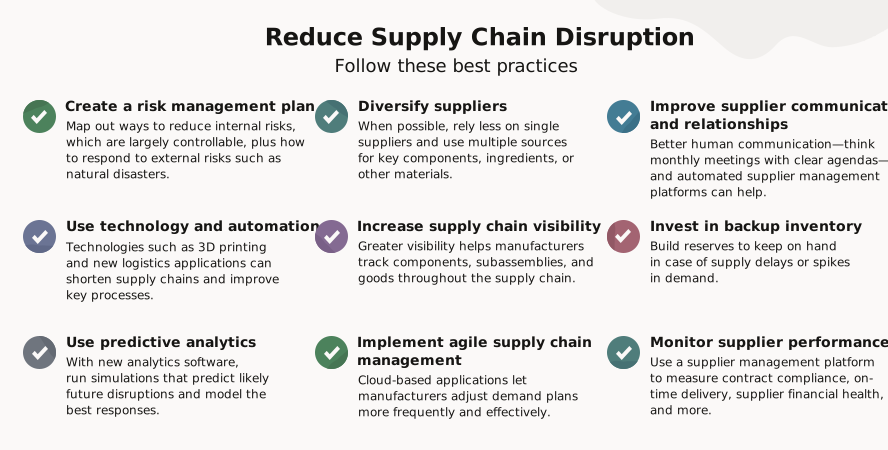
How do pharmacy merchandisers tackle stock shortages before they frustrate customers and hurt sales?
Root Causes of OOS in Malaysia
Supplier Delays – Customs clearance, transport bottlenecks, or bulk shipping constraints.
Forecast Gaps – Underestimating demand spikes during flu season or festive promotions.
Poor Shelf Replenishment – Infrequent checks leading to unnoticed low inventory.
Proven Tactics to Reduce Stockouts
✔ Real-Time Stock Audits – Merchandisers use mobile apps to log inventory levels with timestamps.
✔ Dynamic Replenishment Cycles – Aligning restocks with peak shopping hours (e.g., evenings or weekends).
✔ Smart Facing Adjustments – Rotating short-expiry items forward to prevent waste.
A strategic case study: A pharmacy distributor Malaysia team servicing Kedah noticed that diabetic test strips frequently sold out by month’s end. By analysing sales data, they adjusted delivery schedules to bi-weekly instead of monthly, cutting OOS incidents by 65%.
Learn More : Ideas to Increase Pharmacy Sales | Retail Execution in Emerging Markets
Handling Damaged POSM: Maintaining Brand Presence and Compliance

Why is a torn shelf strip or a faded standee more than just an eyesore?
Why POSM Damage Hurts Pharmacy Sales
Lost Impulse Purchases – Shoppers are 40% less likely to notice promotions if displays are damaged.
Brand Perception Decline – Consumers associate messy POSM with poor product quality.
Regulatory Risks – Blocked expiry dates or safety labels can lead to fines.
Effective POSM Maintenance Strategies
✔ Humidity-Proof Materials – Laminated tags in coastal areas like Langkawi.
✔ Backup Kits in Delivery Vans – Immediate replacement of damaged items.
✔ Compliance Checks – Ensuring displays don’t obstruct mandatory pharmacy labels.
A reliable example: A popular pain relief brand in Selangor reduced POSM replacement costs by 50% by switching to sturdy acrylic holders instead of paper wobblers.
Learn More : Pharmacy Merchandising: Best Practices for Product Pricing and Promotion in Malaysia | Shopper Marketing: Capturing Consumers In‑Store
Resolving Retailer Conflicts: Building Trusted Distributor-Pharmacy Relationships

What happens when a retailer refuses to honour a display agreement?
Common Conflict Triggers
Shelf Space Disputes – Pharmacies may prioritise higher-margin products over contracted placements.
Promotional Delays – Retailers launching campaigns late due to staffing shortages.
Unauthorized Competitor Displays – A rival brand paying for premium placement last-minute.
Expert Conflict Resolution Tactics
✔ Photo Documentation – Before-and-after shots of agreed displays.
✔ Data-Driven Negotiations – Showing past sales lift from compliant placements.
✔ Tailored Compromises – Offering exclusive POSM designs in exchange for adherence.
In Johor Bahru, a pharmacy wholesale distributor resolved a clash over omega-3 supplement placement by providing custom acrylic shelves that fit the retailer’s layout—securing the agreed spot without friction.
By mastering these proven execution strategies, pharmacy distributor Malaysia teams can ensure seamless operations, stronger retailer partnerships, and unshakeable consumer trust.
The Strategic Role of Merchandisers in Supporting Pharmacy Distributor Malaysia Operations

What separates a high-performing pharmacy distributor Malaysia operation from one that struggles with inconsistent sales and frustrated retailers? The answer often lies in the strategic work of merchandisers—the unsung heroes who bridge the gap between warehouses and retail shelves. These frontline experts don’t just stack products; they ensure efficient stock flow, reliable brand visibility, and effective compliance with ever-changing retail demands.
Take, for example, a busy Guardian Pharmacy in Penang during the flu season. A merchandiser notices that cough syrup stocks are depleting faster than anticipated. Instead of waiting for the next scheduled delivery, they immediately flag the issue through a mobile reporting app. Within hours, the pharmacy wholesale distributor dispatches an emergency restock, preventing lost sales and maintaining consumer trust. This level of proactive execution doesn’t happen by accident—it’s the result of tailored merchandising strategies that keep Malaysia’s pharmacies running smoothly.
Core Responsibilities of Pharmacy Merchandisers
✔ Planogram Compliance – Ensuring products are displayed according to brand and retailer agreements.
✔ POSM Maintenance – Replacing damaged shelf strips, wobblers, or standees to uphold brand professionalism.
✔ Stock Rotation – Prioritizing short-expiry items like probiotics or eye drops to minimize waste.
✔ Real-Time Reporting – Capturing competitor activities, pricing changes, and emerging consumer trends.
A trusted merchandiser’s impact goes beyond shelf organization. During the COVID-19 test kit surge, many Malaysian pharmacies faced regulatory scrutiny. Merchandisers played an essential role by verifying that all displayed kits had visible MDA (Medical Device Authority) labels and correct usage instructions—preventing compliance penalties and safeguarding consumer safety.
Learn More : Top 10 Pharmacy Distributors in Malaysia Ranking
Leveraging Data and Technology for Effective Store-Level Execution

How are Malaysia’s top pharmaceutical distributors staying ahead in an increasingly digital retail environment? The shift from manual audits to AI-driven insights is revolutionizing store-level execution.
Digital Tools Transforming Merchandising
Mobile Audit Apps – Geotagged photos and instant reporting eliminate paperwork delays.
Real-Time Dashboards – Distributor managers track stock levels, compliance rates, and merchandiser activity live.
Predictive Analytics – AI forecasts out-of-stock risks before they occur, adjusting orders dynamically.
A proven case: A pharmacy distributor Malaysia team servicing Sarawak integrated a merchandising app that reduced manual report processing from 72 hours to real-time updates. When a popular children’s vitamin ran low across multiple locations, the system triggered automatic replenishment orders—cutting OOS incidents by 40% during peak school seasons.
Learn More : Using Data to Improve Retail Execution
Case Studies: Real-Time Solutions by Merchandisers in Malaysian Pharmacies

Case Study 1: Preventing Festive Season Stockouts
A probiotic brand in Johor Bahru faced recurring shortages every Chinese New Year. Their merchandiser analyzed historical sales data and recommended pre-stocking high-demand SKUs two weeks early. Result? A 30% sales boost and zero empty shelves during the critical holiday period.
Case Study 2: POSM Crisis Management
In a KL-based Watsons, a premium skincare brand’s acrylic tester was cracked by shoppers. The merchandiser had a backup unit in their van—replacing it within 90 minutes to maintain campaign momentum.
Case Study 3: Negotiating Shelf Space
A Kedah pharmacy refused to allocate space for a new diabetic-friendly snack line. The merchandiser presented category growth stats and offered exclusive sampling events, securing prime placement within a week.
Key Takeaways: Enhancing Store-Level Execution for Stronger Pharmacy Distribution

✅ Invest in Training – Equip merchandisers with strategic problem-solving skills.
✅ Adopt Digital Tools – Real-time data beats guesswork every time.
✅ Document Retailer Agreements – Avoid conflicts with photo evidence and signed terms.
✅ Preempt POSM Failures – Humidity-resistant materials in coastal regions, durable stands for high-traffic stores.
✅ Localize Strategies – Ramadan, CNY, and back-to-school seasons demand tailored approaches.
As e-commerce and omnichannel retail grow, merchandisers must adapt—balancing physical shelf execution with digital shelf optimization. Brands that prioritize AI-powered inventory tools and expert-led merchandising teams will dominate Malaysia’s pharmacy distribution landscape.
Frequently Asked Questions (FAQ)
Q1: What are merchandising services?
Answer:
Merchandising services refer to professional support activities that ensure products are displayed, stocked, priced, and promoted correctly in retail stores. These services improve product visibility, maintain planogram compliance, and help retailers and brands boost sales performance.
Q2: What is an example of a merchandising service?
Answer:
An example is planogram execution, where a merchandiser arranges products on shelves according to a layout provided by the brand or retailer to ensure correct placement, facings, and category alignment.
Q3: What are the 4 types of merchandise?
Answer:
The four main types are convenience goods, shopping goods, specialty goods, and unsought goods, each classified based on consumer buying behavior and decision-making effort.
Q4: What are 5 examples of merchandising companies?
Answer:
Five examples include retail chains or service providers such as Walmart, Tesco, Aeon, Advantage Solutions, and Premium Retail Services, which offer both in-store merchandising and retail execution services.
Q5: What is a merchandising service team?
Answer:
A merchandising service team consists of trained personnel who visit stores to restock products, arrange shelves, update point-of-sale materials, check inventory levels, and ensure brand compliance.
Q6: What is a merchandise management system?
Answer:
A merchandise management system is a retail software platform that handles product planning, inventory control, pricing, purchasing, and sales tracking to optimize stock flow and reduce operational errors.
Q7: What is an example of a merchandising company?
Answer:
An example is Advantage Solutions, a global provider that offers in-store merchandising, retail support, product resets, and promotional execution for brands and retailers.
Q8: Is merchandising part of the supply chain?
Answer:
Yes. Merchandising is linked to the supply chain because it ensures the final step of product availability—making sure goods delivered by distributors are correctly displayed and accessible to customers.
Q9: What is merchandising in logistics?
Answer:
Merchandising in logistics refers to coordinating product flow from warehouses to retail shelves, ensuring timely replenishment, accurate stock levels, and correct placement to support sales and operational efficiency.
Q10: What is merchandising of goods and services?
Answer:
It involves presenting goods and services in a way that attracts customers, improves understanding, and increases purchase likelihood through proper placement, clear information, and consistent presentation across retail touchpoints.
How can we assist you today? 😊
Just let us know—we’re here to help!