

August 30, 2025
The moment a customer steps into a pharmacy, their perception of a brand begins to form—not through advertisements or word of mouth, but through what they see on the shelves. In Malaysia’s bustling retail pharmacy sector, planogram compliance has evolved from a mere operational task to a strategic necessity for brand success. A planogram, at its core, is a meticulously designed blueprint that dictates where and how products should be displayed. But its impact goes far beyond just keeping shelves tidy. For pharmacy distributors in Malaysia, maintaining strict adherence to these visual guidelines is a proven method to enhance brand visibility, foster consumer trust, and ultimately drive sales.
Consider this: When a shopper walks into a Guardian outlet in Kuala Lumpur and later visits an independent pharmacy in Johor Bahru, finding their preferred pain reliever in the same shelf position creates a sense of familiarity. This consistency isn’t accidental—it’s the result of reliable collaboration between brands and their trusted distribution partners. In a market as diverse as Malaysia, where retail formats range from sprawling urban chains to modest rural shops, uniformity in product placement becomes an essential tool for building long-term brand equity.
The Role of Pharmacy Distributors in Enforcing Visual Standards
Why are pharmacy wholesale distributors increasingly shouldering the responsibility for visual compliance? The answer lies in their unique position as the bridge between brands and retail outlets. Distributors don’t just move products from warehouses to shelves—they act as the frontline enforcers of brand presentation, ensuring every item is placed according to the agreed planogram. This requires a disciplined approach, especially in a fragmented market where independent pharmacies may interpret guidelines differently.
For example, a pharmacy distributor Malaysia network servicing both chain stores like Watsons and smaller outlets in Penang faces distinct challenges. Without centralized control, inconsistencies can creep in—products might end up on lower shelves or get overshadowed by competitors. To combat this, strategic partnerships are key. Equipping field teams with digital tools, such as compliance apps or visual checklists, can streamline execution. Here’s a quick framework distributors use to maintain standards:
✅ Visual Aids: Provide store managers with planogram mockups or augmented reality tools.
✅ Training Modules: Conduct quarterly sessions for retail staff on shelf organization principles.
✅ Audit Systems: Implement photo-based reporting to track compliance remotely.
By taking an expert intermediary role, distributors ensure branding integrity remains intact, whether in a high-end Kuala Lumpur pharmacy or a neighborhood store in Kuching.
Learn More : Retail Execution 101: How Professional Merchandisers Elevate Shelf Presence | Why Retailers Fail to Adopt Advanced Data Analytics | ‘Power partnerships’: Manufacturer–retailer collaborations that work
How Visual Consistency Enhances Brand Visibility Across Outlets

Ever noticed how some brands seem to “pop” on shelves, even without flashy promotions? The secret lies in visual consistency. In pharmacies, where shelf space is limited and competition fierce, a uniform layout helps products stand out and stick in customers’ minds. This principle holds true whether you’re in a bustling Guardian in Mid Valley Megamall or a family-run pharmacy in Alor Setar.
Take the case of a popular Malaysian vitamin brand. By securing consistent eye-level placement across multiple outlets, they achieved a 22% increase in repeat purchases over six months (source: Malaysian Retail Pharmacy Report 2023). This isn’t luck—it’s the effective use of planograms to create mental availability. When shoppers repeatedly see a product in the same spot, it builds subconscious trust, making them more likely to reach for it without hesitation.
Learn More : The Impact of Visual Merchandising on Consumer Behavior
Common Compliance Gaps Faced by Pharmacy Distributor Networks
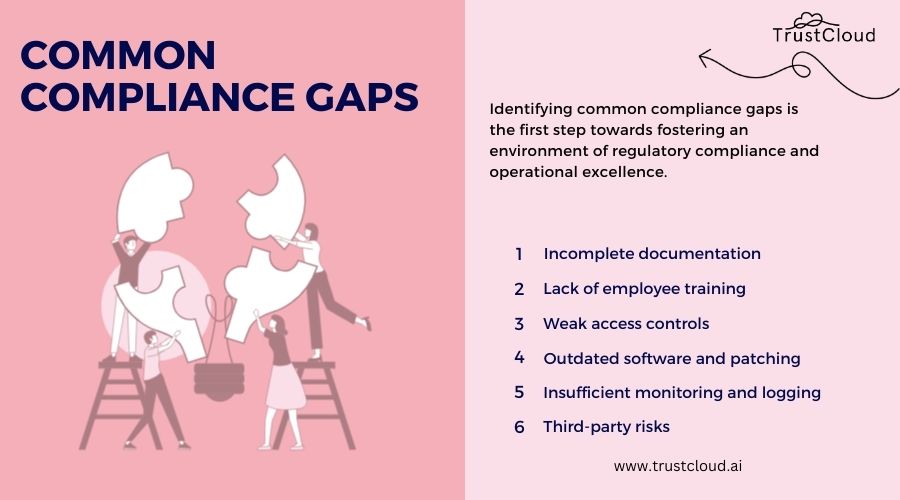
Even with the best intentions, maintaining planogram compliance isn’t without hurdles. Pharmacy distributor Malaysia teams frequently encounter these challenges:
-
Untrained Staff: High turnover rates mean new employees may not understand placement rules.
-
Layout Variations: A shelf in a Kota Kinabalu store might differ from one in Ipoh, disrupting uniformity.
-
Stock Shortages: Empty spaces force retailers to improvise, breaking the planned sequence.
-
Regional Differences: Urban pharmacies prioritize convenience, while rural ones focus on affordability, affecting product grouping.
To mitigate these issues, reliable monitoring systems are non-negotiable. For instance, a leading distributor in Selangor reduced compliance gaps by 40% by introducing monthly audits via a mobile dashboard. The lesson? Consistency demands proactive measures, not just passive guidelines.
Learn More : Guidelines: Distribution – Health products policy and standards
Strategic Planogram Design for Malaysian Pharmacy Formats

Should a pharmacy in a high-traffic KL mall follow the same planogram as a rural outlet in Perak? Absolutely not. Efficient planograms are tailored to fit each store’s unique context. Here’s how savvy distributors approach this:
-
Shelf Dimensions: Adjust placements based on height (eye-level for bestsellers) and width (wider shelves allow for thematic grouping).
-
Consumer Flow: Track foot traffic patterns—place impulse buys near checkout counters.
-
Product Categories: Segment OTC medications, supplements, and skincare into distinct zones for easier navigation.
A case in point: A skincare brand saw a 30% sales lift in Melaka after repositioning their products near the entrance during monsoon season, capitalizing on increased demand for moisturizers. This level of localization isn’t just smart—it’s essential for resonating with Malaysia’s diverse consumer base.
Operational Scenarios: Local Examples from Malaysia
Let’s ground these principles in real-world scenarios:
-
Klang Valley Chains: In busy outlets like Caring Pharmacy, planograms prioritize fast-moving items like masks and sanitizers at the front, aligning with urban health trends.
-
East Coast Rural Pharmacies: In Kelantan, family-sized supplement packs are placed prominently during Ramadan to cater to communal gifting habits.
-
Tourist Hotspots: Pharmacies in Langkawi allocate extra space for travel-sized essentials, a strategic move to capture holidaymaker demand.
These examples underscore the need for flexibility—a rigid, one-size-fits-all approach won’t cut it in Malaysia’s dynamic market.
Final Thought
While the intricacies of planogram compliance might seem overwhelming, the payoff is undeniable. For pharmacy distributors Malaysia wide, mastering this art means not just delivering products, but shaping how brands are perceived—one shelf at a time.
The Role of Technology and Data in Monitoring Compliance

Keeping shelves compliant across hundreds of pharmacies isn’t just about manpower—it’s about smart tools. Imagine trying to manually verify product placements in 300 outlets from Penang to Sabah. Without technology, the task would be nearly impossible. Today, digital solutions are transforming how pharmacy distributors in Malaysia maintain consistency, turning what was once a logistical headache into a streamlined, data-driven process.
Take mobile auditing apps, for instance. Field teams can now snap photos of shelves, which are instantly uploaded to a centralized dashboard. These images are analyzed using AI to detect deviations—whether a product is misplaced, missing, or incorrectly faced. This isn’t futuristic speculation; it’s already happening. A trusted Malaysian merchandising agency reported a 60% improvement in compliance rates after implementing such a system for a multinational skincare brand. The key advantage? Real-time corrections. If a store in Johor Bahru has a stockout, the brand and distributor can address it before sales dip.
But technology’s role goes beyond just spotting errors. Advanced systems assign compliance scores to each outlet, creating a measurable benchmark for performance. For example, a strategic partnership between a Kuala Lumpur-based distributor and a health supplement brand used these scores to identify top-performing stores—and replicate their tactics chain-wide. The result? A 35% faster product turnover in underperforming locations within six months.
Here’s how tech bridges the gap in planogram execution:
✅ Image-Based Verification: Field reps use smartphones to capture shelf conditions, eliminating guesswork.
✅ Automated Alerts: AI flags inconsistencies (e.g., a competitor’s product encroaching on designated space).
✅ Performance Dashboards: Brands and distributors track adherence trends over time, spotting regional weaknesses.
In Malaysia, where pharmacy formats vary wildly—from hypermodern chains in KLCC to compact neighborhood shops in Seremban—these tools aren’t just helpful. They’re essential for ensuring no outlet falls through the cracks.
Training, Support & Collaboration Between Distributors and Pharmacy Staff

Technology alone won’t guarantee compliance. The human element is just as critical. Even the most sophisticated planogram fails if store staff don’t understand its importance. That’s why leading pharmacy wholesale distributors treat training as a core service, not an afterthought.
Consider this scenario: A new employee at a busy Watsons outlet in Petaling Jaya unpacks a shipment but isn’t sure where to place a niche supplement brand. Without guidance, it might end up buried on a bottom shelf. But with proper training—say, a 15-minute module during onboarding—that same employee learns to prioritize eye-level placement for high-margin items. This small difference can swing sales by 20% or more.
The most effective distributors go beyond one-off training sessions. They embed support into the daily workflow:
-
Bilingual Shelf Maps: Visual guides in Malay and English reduce misinterpretation.
-
WhatsApp Quick Reference: Store managers can message field reps with real-time questions.
-
Role-Playing Drills: Staff practice restocking during low-traffic hours to build muscle memory.
A proven example? A Penang-based distributor reduced compliance errors by 50% after introducing quarterly “refresher” workshops. But the real win was collaboration. When pharmacy teams feel equipped—not policed—they become active partners in maintaining brand standards.
Learn More : Pharmacy Merchandising Services vs In‑House Sales Teams: What Works Better?
Measuring ROI of Planogram Compliance for Brand Visibility

If you can’t measure it, you can’t improve it. That adage rings especially true for planograms. Compliance isn’t just about aesthetics; it’s a reliable predictor of sales performance. But how do you quantify something as seemingly subjective as shelf appeal?
Start with these KPIs:
📊 Eye-Level Share: What percentage of your products sit at shoppers’ natural sightlines? Brands with 70%+ eye-level placement report 2x faster sales velocity.
📊 Facings per Outlet: More facings = more visibility. A leading pain-relief brand in Malaysia increased facings from 3 to 5 per store and saw a 28% revenue bump.
📊 Adherence Rate: The golden metric. One strategic distributor found that outlets with 90%+ compliance sold 40% more units than non-compliant peers.
The data doesn’t lie. When a supplement brand in Selangor noticed slipping sales, a compliance audit revealed their products had been shifted to lower shelves in 60% of outlets. After course-correcting, they regained 15% market share in Q3.
For independent pharmacy distributors, sharing these insights with brands is a game-changer. A dashboard showing before/after compliance stats—paired with sales correlations—turns abstract concepts into actionable strategies.
Learn More : How to Maximize ROI from Pharmacy Merchandising Services in Malaysia
Local Success Stories: Malaysian Case Studies and Field Examples

Theory is great, but results speak louder. Let’s look at two homegrown examples where planogram discipline drove tangible wins:
-
The Supplement Turnaround: A Malaysian herbal brand struggled with inconsistent placement in Kedah’s independent pharmacies. By working with a trusted distributor to implement tailored planograms (including Ramadan-themed displays for Malay-majority areas), they boosted visibility by 45% in 90 days. The secret? Localized flexibility—urban stores emphasized single-unit sales, while rural outlets highlighted family packs.
-
The Chain Pharmacy Revolution: A Klang Valley pharmacy group used AI shelf analytics to optimize their OTC section. By repositioning cough syrups and lozenges nearer to checkout counters during flu season, they reduced customer search time by 30% and increased add-on purchases by 22%.
These cases prove compliance isn’t about rigid rules—it’s about strategic adaptation to local buying habits.
In Malaysia’s crowded pharmacy landscape, standout brands don’t leave their shelf presence to chance. They treat planograms as essential infrastructure—a silent salesforce working 24/7. For distributors, this means moving beyond logistics to become execution partners. For retailers, it’s about recognizing that a well-organized shelf isn’t just pretty; it’s profitable.
How can we assist you today? 😊
Just let us know—we’re here to help!