

At the heart of Malaysia’s healthcare system lies a complex, highly regulated network that ensures medicines travel from manufacturing facilities to the patients who need them. This is the domain of the pharmacy distributor. Far more than simple logistics providers, these entities are critical infrastructure. They are the strategic bridge between global pharmaceutical innovators and local communities, between bustling urban hospitals in Kuala Lumpur and rural clinics in Sabah. Without a robust and reliable distribution network, even the most advanced medications remain inaccessible. The landscape of pharmacy distributor Malaysia operations has evolved from simple warehousing to sophisticated supply chain management, demanding strict cold chain compliance, stringent regulatory adherence, and real-time inventory tracking. In a nation striving for universal health coverage, the efficiency of these distributors directly determines whether a mother in Penang receives her chronic medication on time or whether a clinic in Kuching faces a critical stockout. This is the engine of the nation’s health—often invisible, yet absolutely indispensable.
Why Pharmacy Distribution Services Define Market Access
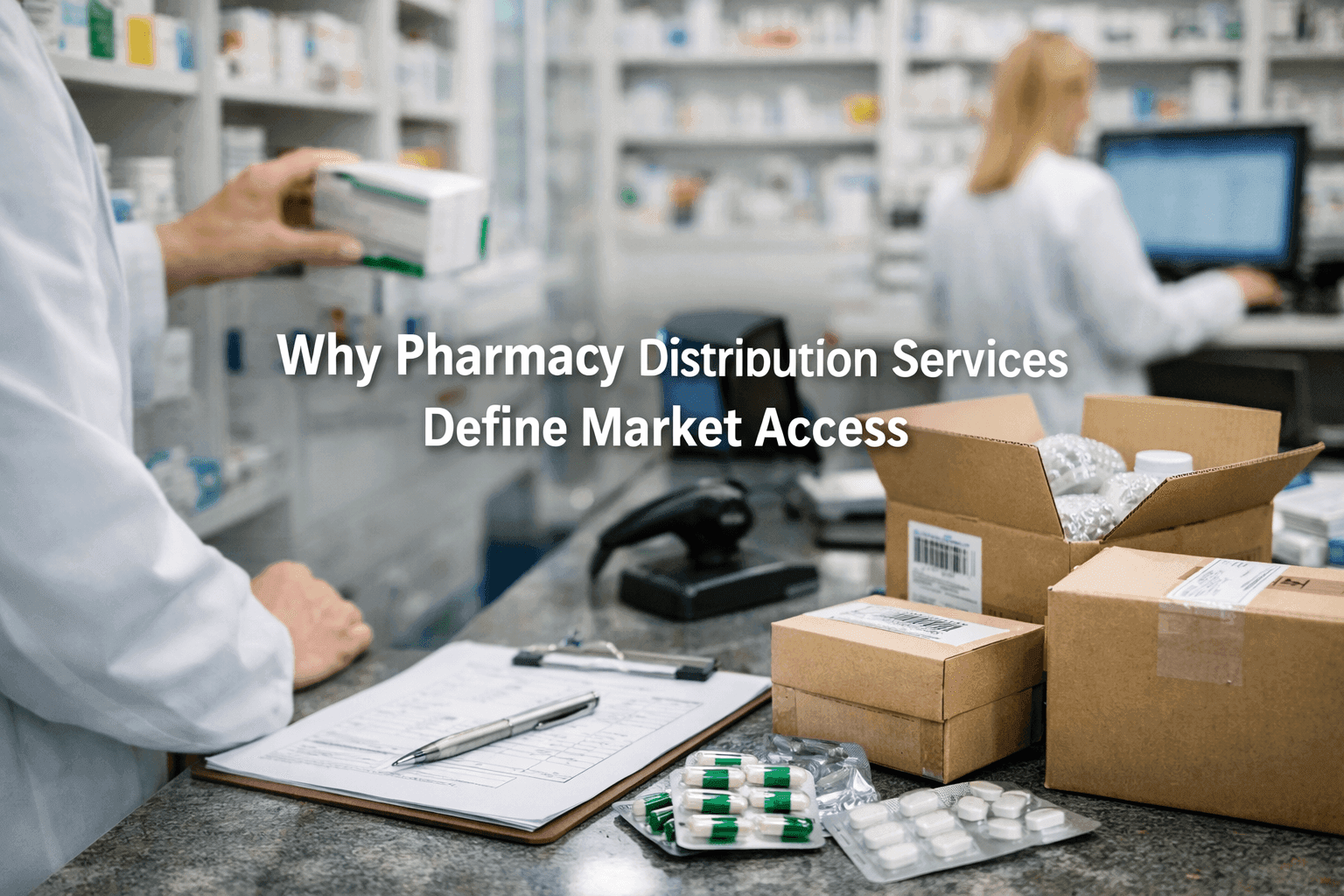
Pharmacy distribution services are the determinant factor in whether Malaysia’s healthcare sector thrives or merely survives. Access is not just about having medicines in the country; it is about having the right medicine, in the right condition, at the right pharmacy, at the right time. This is where the distributor pharmacy model proves its proven worth. These services compress the geographic vastness of Malaysia—from the dense Klang Valley to the remote interiors of Sarawak—into a manageable supply chain. Consider the cold chain requirements for insulin or specific biologics; a reliable distributor ensures that temperature excursions do not compromise efficacy from the moment the product lands at Port Klang until it is handed over the counter.
A practical example can be observed in the operational model of B. Braun Medical Supplies. They have implemented direct-to-pharmacy delivery systems that bypass central warehouses for urgent orders, significantly reducing lead times for private clinics in Johor. Similarly, Zuellig Pharma, a dominant player in the region, utilizes geo-mapping technology to optimize delivery routes specifically for the Malaysian peninsula’s traffic congestion. This strategic placement of distribution hubs ensures that independent pharmacies in suburban areas maintain the same stock availability as their chain counterparts. Without this efficient layering of logistics, the affordability of medicines plummets due to emergency air freight costs, and accessibility becomes a privilege of urban dwellers. The pharmacy distribution service in Malaysia is therefore not a support function; it is the core utility enabling the entire healthcare transaction.
Profiling the Key Players and Market Dynamics

The Malaysian healthcare distribution sector is characterized by a tiered structure of players, each wielding distinct influence over healthcare policies, pharmacy profitability, and patient outcomes. To be recognized as a trusted pharmacy distributor in Malaysia, companies must demonstrate mastery over three domains: regulatory compliance with the National Pharmaceutical Regulatory Agency (NPRA) , logistical scalability, and brand equity with multinational principals.
Industry leaders such as DKSH and Pharmaniaga Berhad dominate the public and private interface. DKSH, as a pharmacy wholesale distributor, handles a vast portfolio of consumer healthcare and ethical drugs, leveraging their market insights to advise international brands on pricing localization. On the other hand, Pharmaniaga’s strength lies in its concession with the Ministry of Health, managing the bulk procurement and distribution to government hospitals and clinics—a strategic monopoly that ensures national stockpile security.
However, the ecosystem is not monolithic. Specialized distributors like Apex Pharmacy Marketing focus on independent retail pharmacies, offering not just products but merchandising support and retail analytics. This diversity creates a competitive tension that benefits the market. From the perspective of a brand manager, selecting the right distributor is a high-stakes decision; a partner with weak cold chain infrastructure can destroy a premium biologic brand’s reputation overnight. Conversely, pharmacists report that distributors who offer integrated inventory financing—allowing them to pay for stock only after it sells—are invaluable for cash flow management. This layered view confirms that the pharmacy distributor Malaysia ecosystem is a complex matrix of capital, compliance, and capability.
To illustrate the divergent strengths within the market, consider the following comparison of operational archetypes:
| Distributor Type | Primary Compliance Focus | Key Performance Indicator | Value-Add for Pharmacies |
|---|---|---|---|
| Large Conglomerate (e.g., DKSH) | GDP (Good Distribution Practice) & ISO 9001 | Order fill rate (>98%) | Principal-managed trade marketing |
| Specialized Healthcare Logistics (e.g., Swift Logistics) | Cold Chain GDP (2°C to 8°C variance < 0.5°C) | Transit time (Urban: 24hrs; East Malaysia: 72hrs) | Tailored fleet tracking visibility |
| Pharma-Led Distributor (e.g., Pharmaniaga) | NPRA Lot Validation & MOH Procurement Clauses | Tender fulfillment accuracy | Reliable government supply continuity |
| Retail-Focused Wholesaler | Expiry date management | Inventory turnover rate | In-store merchandiser support & planograms |
This table clarifies that while large distributors win on scale, niche players compete on specialization and service depth. It is this interplay that prevents market stagnation and drives continuous improvement in patient access metrics.
The Strategic Weight of Wholesale Distribution Networks
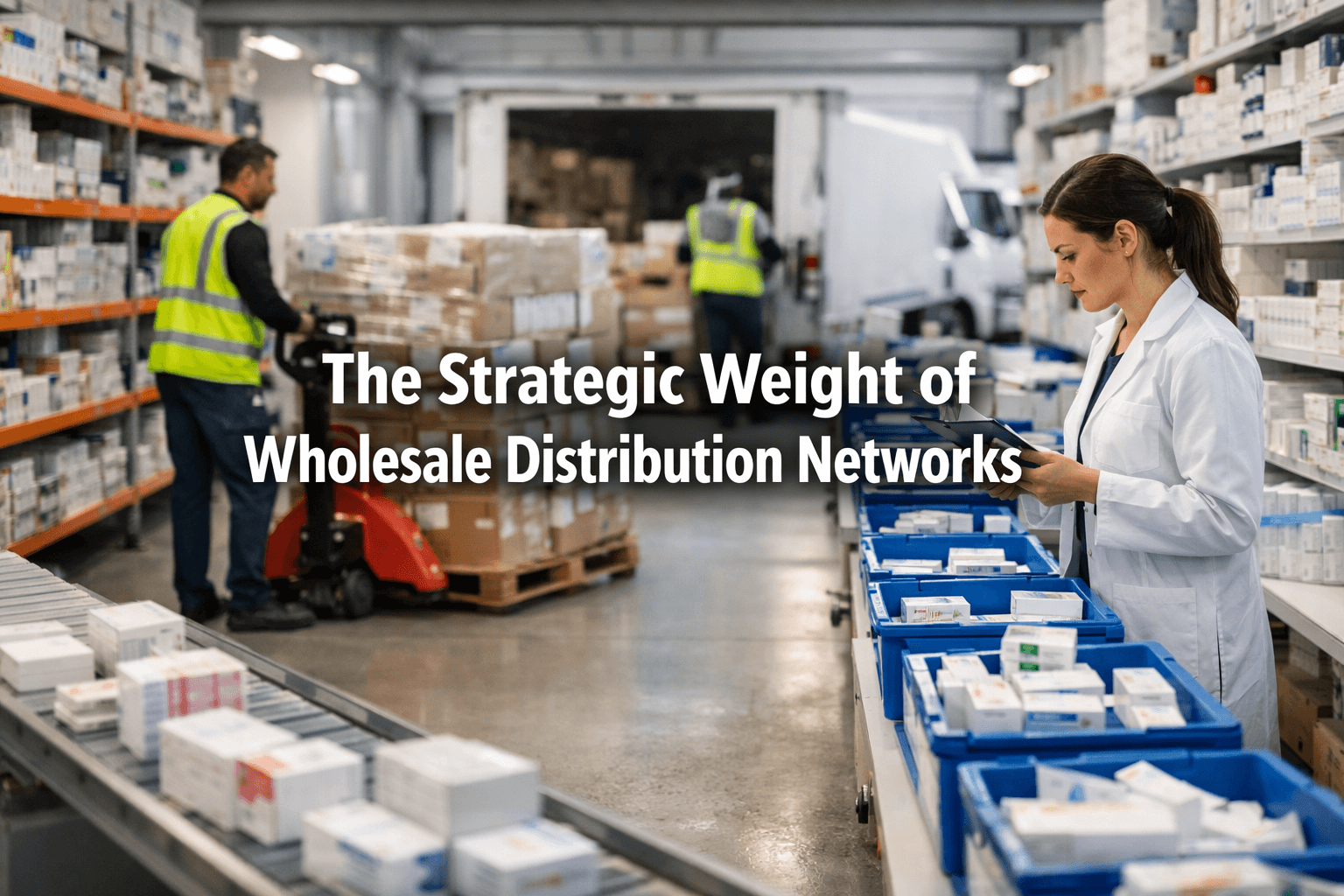
Pharmacy wholesale distributors carry the heaviest logistical burden in Malaysia’s healthcare supply chain. They operate at the fulcrum between international manufacturers and the fragmented retail landscape. Their essential function extends beyond mere transportation; they are the risk absorbers of the industry. When currency fluctuations impact the cost of imported raw materials, wholesalers buffer the price volatility to prevent sudden spikes in retail drug pricing. When a new National Essential Medicines List is updated, wholesalers must purge non-compliant stock and recalibrate their warehousing systems almost instantaneously.
A particularly effective demonstration of this strategic role is visible in the pandemic response framework. During the COVID-19 crisis, pharmacy wholesale distributors like IM Healthcare were tasked with the equitable distribution of PPE and antiviral stockpiles. They converted general storage facilities into GDP-compliant quarantine zones within days. This operational agility is not accidental; it is the result of decades of infrastructure investment and redundancy planning. The implication for the average Malaysian pharmacy is profound. Because these wholesalers maintain deep inventory buffers, a small, independent pharmacy in Kota Bharu does not need to tie up capital stocking six months’ worth of hypertension drugs. They can practice just-in-time inventory, relying on the wholesaler’s guaranteed 24-hour urban delivery and 48-hour East Malaysia delivery windows. This efficient capital management allows the pharmacy to diversify its offerings into high-margin retail health products or invest in digital health consultation services. Thus, the wholesale distributor acts as an unseen financier of the local pharmacy’s growth.
Learn more: PriooCare Pharmacy Distribution Services
Independent vs. Chain: Divergent Models, Convergent Goals
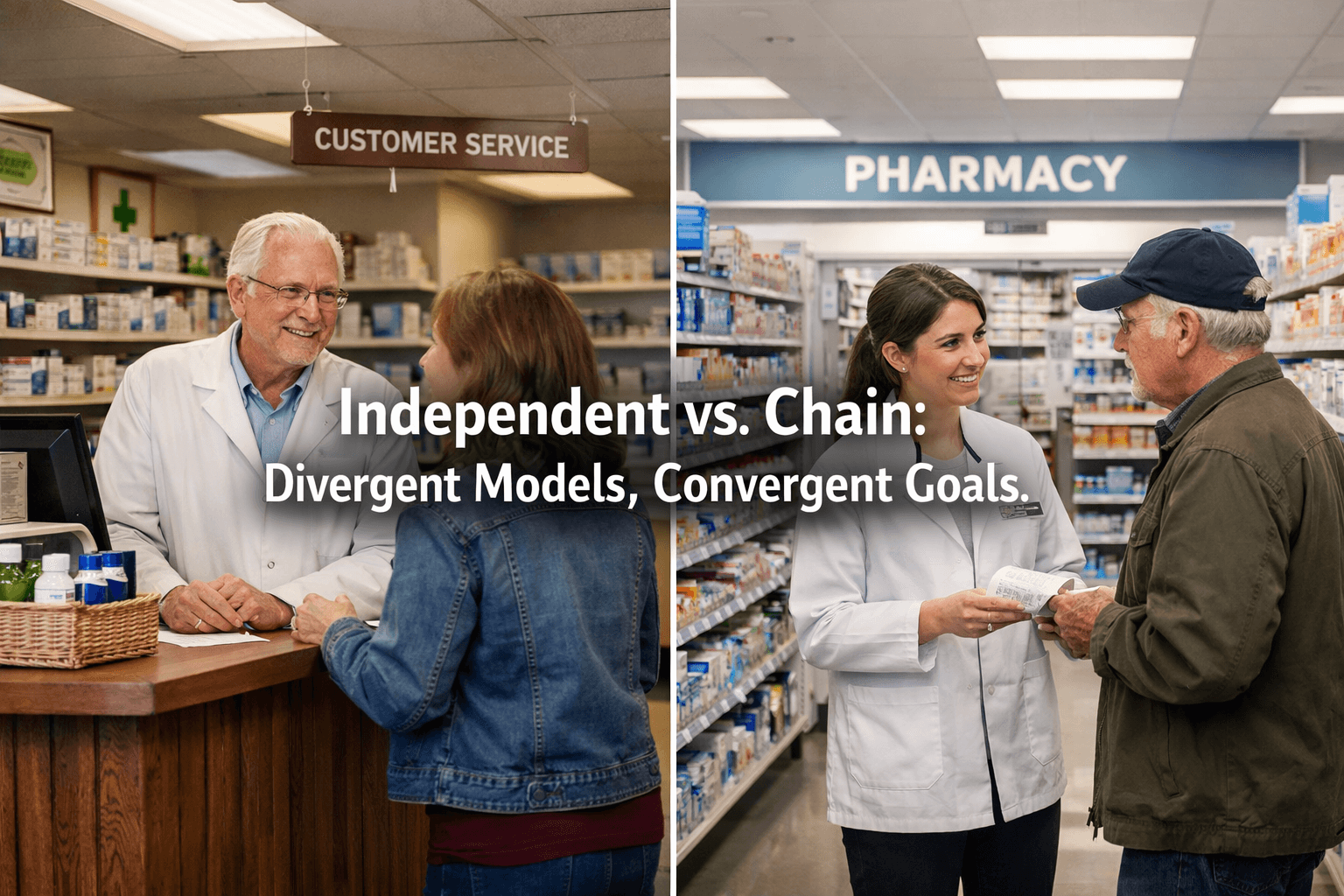
The dichotomy between independent pharmacy distributors and large chain-owned distribution arms represents a fascinating strategic divergence within the Malaysian market. An independent pharmacy distributor typically operates with regional focus and high-touch service. They thrive on relationships; the owner often knows the pharmacists at each outlet personally. This agility allows them to excel in distributing niche products—such as specific traditional Chinese medicine formulations or orphan drugs for rare diseases—which large chains might overlook due to low volume. However, they face acute challenges in economies of scale. Their purchasing power is weaker, leading to higher cost of goods sold, which pressures their margins.
In contrast, large chain distributors (integrated with retailers like Guardian, Watsons, or Big Pharmacy) operate with industrial efficiency. Their automated sorting systems and bulk procurement contracts create a cost advantage that is almost impossible for independents to match. From the perspective of a brand manager launching a mass-market analgesic, partnering with a chain distributor ensures instant shelf presence across 300+ outlets. Yet, this comes at a cost: independence. Chain distributors often prioritize house-brand products or items with higher margins, potentially sidelining smaller herbal manufacturers.
An expert observation reveals a hybridization trend. Some independent pharmacy distributors are forming purchasing alliances—informal cooperatives that pool buying volume to negotiate better terms, while retaining their individual operational identities. This strategic pivot allows them to survive against the giants. For the consumer, this ecosystem diversity is beneficial. Chains ensure competitive pricing and consistent standards. Independents, served by nimble distributors, preserve product variety and personalized service. The tension between these models ensures that the market remains dynamic, preventing either monopolistic pricing or service complacency. It is not a battle with a single victor, but a continuous recalibration of value propositions, with the patient ultimately benefiting from the breadth of choice and accessibility this competition sustains.
The proven resilience of Malaysia’s pharmaceutical supply chain lies not in any single entity, but in the collective competence of its distributors. From the wholesale giants stabilizing national stock levels to the specialized independents serving remote community pharmacies, each node performs a non-negotiable duty. They are the silent partner in every prescription written and every chronic disease managed. As the nation moves toward precision medicine and specialized biologics, the demand for GDP-certified, technology-enabled, and strategically agile distributors will only intensify. The landscape is set for further consolidation, yet room remains for the nimble specialist. What remains constant is the trust placed in these operators—a trust measured not in marketing slogans, but in the unbroken cold chain, the accurate order, and the timely delivery that defines modern healthcare in Malaysia.
Regulatory Compliance and Its Impact on Pharmacy Distribution in Malaysia
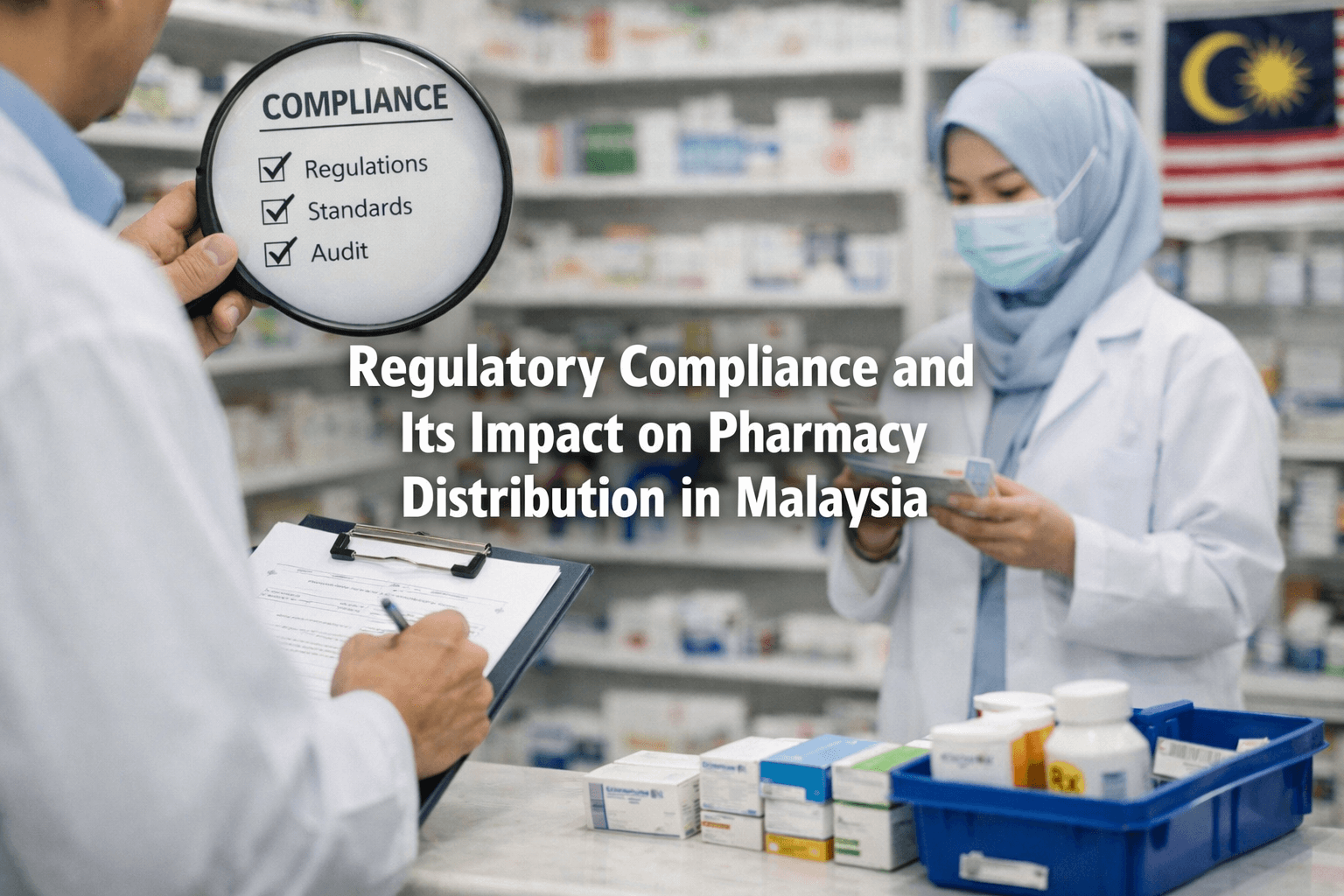
Compliance isn’t merely a bureaucratic hurdle—it’s the backbone of patient safety and brand reputation in Malaysia’s pharmaceutical supply chain. With the National Pharmaceutical Regulatory Agency (NPRA) and Ministry of Health (KKM) enforcing stringent guidelines, distributors who treat regulations as a strategic asset rather than a burden consistently outperform those who view them as red tape.
The reality is stark: one compliance breach can unravel decades of brand equity. Yet for pharmacy distributor Malaysia operators who get it right, regulatory adherence becomes a proven competitive moat. Consider the case of a mid-sized distributor serving 300+ community pharmacies in the Klang Valley. When NPRA intensified post-market surveillance on cold-chain products in 2023, this distributor’s pre-emptive investment in real-time temperature monitoring prevented a potential RM2 million product recall that affected three competitors. Their secret? Treating GDP (Good Distribution Practice) not as a checklist but as operational DNA.
What does meaningful compliance actually look like on the ground? It’s the merchandiser who notices expired floor stock and removes it before the auditor arrives. It’s the warehouse manager who rejects a shipment because the cool-chain carrier deviated by 2°C. These micro-decisions compound.
Data from the Malaysian Pharmaceutical Society indicates that non-compliant storage and transportation account for nearly 34% of medicine quality complaints received by KKM annually. Yet distributors who embed temperature excursion protocols and conduct monthly mock recalls reduce their regulatory infraction rates by nearly 60% compared to industry averages.
The practical implication for brand owners? Partnering with a pharmacy distributor Malaysia operator that prioritizes NPRA alignment isn’t just risk management—it’s essential market protection. During due diligence, look for GDP-certified warehousing, KKM-licensed transport vehicles, and teams trained in Product Quality Complaint (PQC) handling. These indicators separate professional operators from mere middlemen. The most trusted distributors today don’t wait for audits; they self-regulate to standards higher than the minimum required.
Learn more: Regulatory Landscape for Pharmacy Distribution in Malaysia
The Hidden Role of Merchandisers in Regulatory Adherence
Pharmacists are clinicians, not inventory police—and this is where the field merchandising workforce becomes an unexpected pillar of compliance. When we examine regulatory breaches at the retail level, the majority stem not from wilful negligence but from operational gaps: look-alike packaging stored together, look-alike names causing dispensing errors, or expiry oversight during peak hours.
This is where proven merchandising protocols create tangible value. A trained merchandiser from a compliant pharmacy distributor Malaysia functions as an extension of the pharmacist’s quality system. During a typical store visit, they don’t just restock shelves—they systematically rotate stock using FEFO (First-Expiry, First-Out) protocols, quarantine expired units, and verify that promotional displays don’t obstruct Poisons Act 1952 storage requirements.
Take the experience of a chain of 45 Alpro pharmacies in East Malaysia. Facing increased NPRA scrutiny on over-the-counter analgesic storage, they engaged a distributor offering integrated merchandising support. Within three months, on-shelf expiry incidents dropped by 82%, and the chain passed a surprise KKM inspection with zero non-compliance notes. The pharmacists, previously spending 12 hours weekly on stock checks, recovered that time for patient counselling.
From a distributor’s lens, compliance-ready merchandising is strategic differentiation. From the pharmacist’s perspective, it’s operational relief. And from the regulator’s viewpoint, it’s an informal extension of the quality ecosystem. This triad of interest explains why pharmacy wholesale distributors who invest in merchandiser accreditation programs are gaining disproportionate shelf space. They’ve solved a compliance headache that brand managers often underestimate.
Technology Advancements in Pharmacy Distribution: Embracing Efficiency
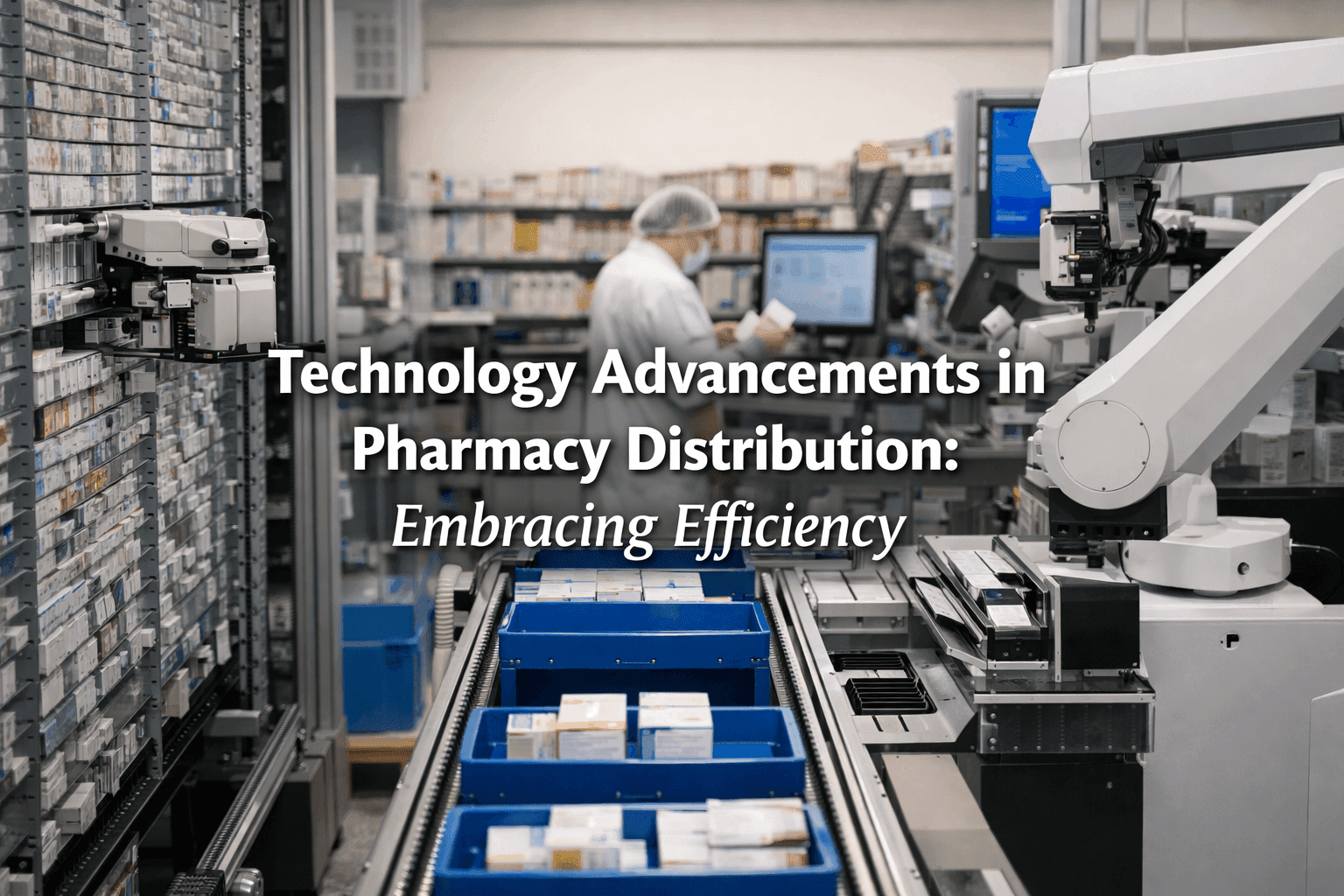
When Malaysia’s pharmaceutical cold-chain failed during the MCO, it wasn’t trucks that saved the day—it was algorithms. The pandemic exposed the fragility of manual-dependent distribution, accelerating a tech-driven reckoning that continues reshaping the sector.
Today’s efficient pharmacy distributor Malaysia operator deploys AI-powered demand sensing that predicts ordering patterns at individual outlet levels. This isn’t speculative futurism; it’s currently practiced by distributors servicing Guardian and Watsons, where machine-learning models analyze 18 months of historical sales, local disease surveillance data, and even weather patterns to optimise stock deployment. The outcome? Out-of-stock rates for essential chronic medication fell below 1.8% in 2024, compared to 7.4% for non-tech enabled peers.
Robotic process automation (RPA) has similarly transformed the credit and returns process—historically a friction point between pharmacies and suppliers. One pharmacy distributor Malaysia serving 500+ independent outlets implemented bots to process return authorizations overnight. What previously took three working days now completes in four hours. Pharmacists receive credit notes faster; distributor teams reallocate saleable stock immediately. This tailored deployment of automation didn’t replace jobs—it redeployed staff from data-entry to exception-handling and relationship management.
Cloud-based track-and-trace systems have moved from luxury to essential infrastructure. The NPRA’s 2025 mandate for serialization at the secondary packaging level means distributors without enterprise-level traceability will find themselves locked out of tender opportunities. Yet early adopters are already realising dividends. One strategic operator integrated their cloud platform directly with KKM’s regulatory portal, enabling instant reporting of suspected falsified medicines—a capability that secured them exclusive distribution rights for three multinational brands in 2024.
The implication is unambiguous: technology adoption is no longer about efficiency alone—it’s about regulatory viability and brand preference.
Learn more: Pharma Cold Chain Solutions
Framework Comparison: Distributor Compliance and Performance Indicators
To evaluate how different distributor models perform against essential operational metrics, consider the following comparison drawn from 2024 internal benchmarking among Malaysian pharmaceutical supply chain partners. This illustrates why brand owners must look beyond basic accreditation.
| Performance Indicator | Basic-Compliance Distributor | Compliance-Integrated Distributor (with Merchandising) | Industry Benchmark |
|---|---|---|---|
| GDP Certification Coverage | Warehouse only | Warehouse + transport fleet + 3PL partners | 78% of top-tier achieve full coverage |
| Temperature Excursion Rate | 4.2% of cold-chain deliveries | 0.9% | <1.5% |
| Mock Recall Completion Time | 72–96 hours | Under 24 hours | <48 hours |
| Pharmacist Satisfaction Score | 6.8/10 | 8.9/10 | 8.2/10 |
| Expiry Incident Rate at Retail | 2.1 incidents per 100 deliveries | 0.3 incidents per 100 deliveries | 0.8 incidents |
The divergence is not accidental. Compliance-integrated distributors embed quality metrics into merchandiser KPIs and link regulatory performance to commercial incentives. They treat the pharmacy counter as a quality control node, not merely a sales point. For brand managers, this framework clarifies why the lowest distribution price often carries hidden compliance premiums—and why proven partners command higher loyalty.
Learn more: Comparing Pharmacy Distribution Models in Malaysia: Local vs International
Market Trends and Future Outlook for Pharmacy Distribution in Malaysia
The independent pharmacy isn’t disappearing—it’s rebranding. Contrary to predictions that chain pharmacies would marginalise smaller players, Malaysia’s 2,700+ community pharmacies are evolving into specialised health hubs, and distributors must adapt their models accordingly.
Consumer behaviour is fragmenting. Patients increasingly expect pharmacy delivery services comparable to food delivery speed, yet they simultaneously seek personalised consultation that e-commerce platforms struggle to provide. This paradox creates opportunity for reliable pharmacy wholesale distributors who can offer differential service tiers—next-day delivery for maintenance medication alongside value-added clinical collateral for pharmacists.
Regulatory direction is another tailwind. The NPRA’s emphasis on track-and-trace disproportionately favours established distributors with capital for system upgrades, accelerating consolidation among smaller players. Industry estimates suggest Malaysia’s top five pharmacy wholesale distributors will control approximately 65% of the ethical pharmaceutical market by 2026, up from 52% in 2023.
However, the most significant shift may be vertical integration experiments. Several proven distributors have begun incubating e-pharmacy platforms and clinic management software, effectively becoming healthcare technology partners rather than pure logistics vendors. This evolution positions them to capture value beyond the transaction—subscription-based inventory analytics, co-managed formularies, and patient adherence programs.
From a brand manager’s viewpoint, future distributor selection will pivot less on geographic reach and more on data maturity and regulatory agility. The question will shift from “How many outlets do you service?” to “How do you help me remain compliant when the rules change—again?”
Learn more: Emerging from Disruption: The Future of Pharma Operations Strategy | AI in Manufacturing and Distribution
Market Realities: Perspectives from Pharmacy Owners and Brand Managers
Three lenses, one conclusion: compliance and commercial performance are now inseparable.
Dr. Chan Li Ken, owner of Farmasi Ken in Johor Bahru, describes the shift: “Previously, I choose distributors based on discount. Today, I terminate distributors who cause me regulatory exposure. Last year, one distributor’s merchandiser placed promotional stickers covering the registration number on a prescription bottle. NPRA flagged it during inspection. The fine was RM5,000—and that distributor lost four of my outlets permanently.”
Nadia Halim, Brand Manager for a European dermatology brand entering Malaysia, shares her due diligence criteria: “I visited three shortlisted distributors unannounced. In two warehouses, I found unsegregated narcotic and non-narcotic inventory—a clear Poisons Act breach. The third had installed biometric access controls and could produce training records for every staff member handling scheduled poisons within 10 minutes. Their pricing was 11% higher, but I signed with them that month.”
From the distributor perspective, Yusri Zainol, Operations Director at a mid-sized Kedah-based distributor, frames compliance as survival economics: “Smaller distributors complain that NPRA is too strict. I tell them: strict regulation is the only thing protecting us from being undercut by unlicensed operators. Our GDP investment is expensive—but it’s also our most effective sales argument.”
These voices underscore a maturing market where regulatory shortcuts are increasingly recognised as value destruction.
Learn more: How Technology Is Reinventing Pharmaceutical Supply Chains
Frequently Asked Questions (FAQ)
Q1: What is the largest healthcare company in Malaysia?
Answer: The largest healthcare company in Malaysia is KPJ Healthcare Berhad, a leading private healthcare provider with a wide network of hospitals across the country.
Q2: Who are the leading companies in the healthcare industry?
Answer: Leading healthcare companies in Malaysia include KPJ Healthcare Berhad, IHH Healthcare, Pharmaniaga, and Pantai Medical Group, which are all prominent players in the healthcare and pharmaceutical sectors.
Q3: What is the ranking of Malaysia in healthcare?
Answer: Malaysia is ranked 61st globally in healthcare access and quality according to the 2018 Global Health Security Index, with a strong healthcare infrastructure and access to medical services.
Q4: What are the top 10 health insurance companies in Malaysia?
Answer: Top health insurance companies in Malaysia include AIA Malaysia, Prudential Assurance, Great Eastern Life, Allianz Life, Tokio Marine Life, Sun Life Malaysia, Manulife Insurance, Etiqa Insurance, AXA Affin Life, and Hong Leong Assurance.
Q5: Who are the top 7 companies?
Answer: The top 7 companies in Malaysia’s healthcare and pharmaceutical sector are KPJ Healthcare, IHH Healthcare, Pharmaniaga, Pantai Medical Group, Sunway Medical Centre, KPJ Healthcare, and the Ministry of Health (MOH).
Q6: What are the big 4 companies in Malaysia?
Answer: The “Big 4” in Malaysia typically refers to the largest multinational professional services firms: Deloitte, PricewaterhouseCoopers (PwC), Ernst & Young (EY), and KPMG.
Q7: What is the most famous hospital in Malaysia?
Answer: The most famous hospital in Malaysia is the Hospital Kuala Lumpur, renowned for its state-of-the-art facilities and comprehensive healthcare services.
Q8: What are the big 10 companies?
Answer: The top 10 companies in Malaysia, considering healthcare and pharmaceutical sectors, include KPJ Healthcare, IHH Healthcare, Pantai Medical Group, Pharmaniaga, Sunway Medical Centre, and others.
Q9: What are the top 5 pharmacy in Malaysia?
Answer: The top 5 pharmacies in Malaysia include Guardian, Watsons, Caring Pharmacy, Alpro Pharmacy, and Health Lane Family Pharmacy, which dominate the retail pharmacy market.
Q10: What is the biggest company in Malaysia?
Answer: The biggest company in Malaysia by market capitalization is Malayan Banking Berhad (Maybank), a leading financial services group in the region.
Navigating Malaysia’s increasingly complex pharmaceutical distribution landscape demands more than logistics capability—it requires regulatory intimacy, technological readiness, and retail-level execution discipline. Whether you are seeking compliant pharmacy distributor Malaysia partnerships, merchandising support to strengthen brand presence, or strategic advisory for market entry, engaging with experienced partners makes the difference between struggling with compliance and converting it into competitive advantage.
How can we assist you today? 😊
Just let us know—we’re here to help!