

November 29, 2025
The consistent affordability of healthcare products in Malaysia is not a happy accident. It is the direct result of a highly developed and strategically managed pharmaceutical distribution ecosystem. This network, operating largely behind the scenes, is the fundamental engine that drives down costs while upholding stringent quality standards. At its heart, the core claim is that a strategic and efficient distributor network is the single most critical factor in enabling retail pharmacy brands to offer trusted, low-cost products to the budget-conscious Malaysian public. These distributors function as the vital link, the essential conduit between global manufacturers and local community pharmacies, ensuring that the flow of goods is both reliable and cost-optimized. Without this sophisticated logistical backbone, the promise of affordable healthcare would be unsustainable, leading to frequent stockouts, price volatility, and compromised product integrity.
How Distribution Efficiency Directly Translates to Retail Price Reduction
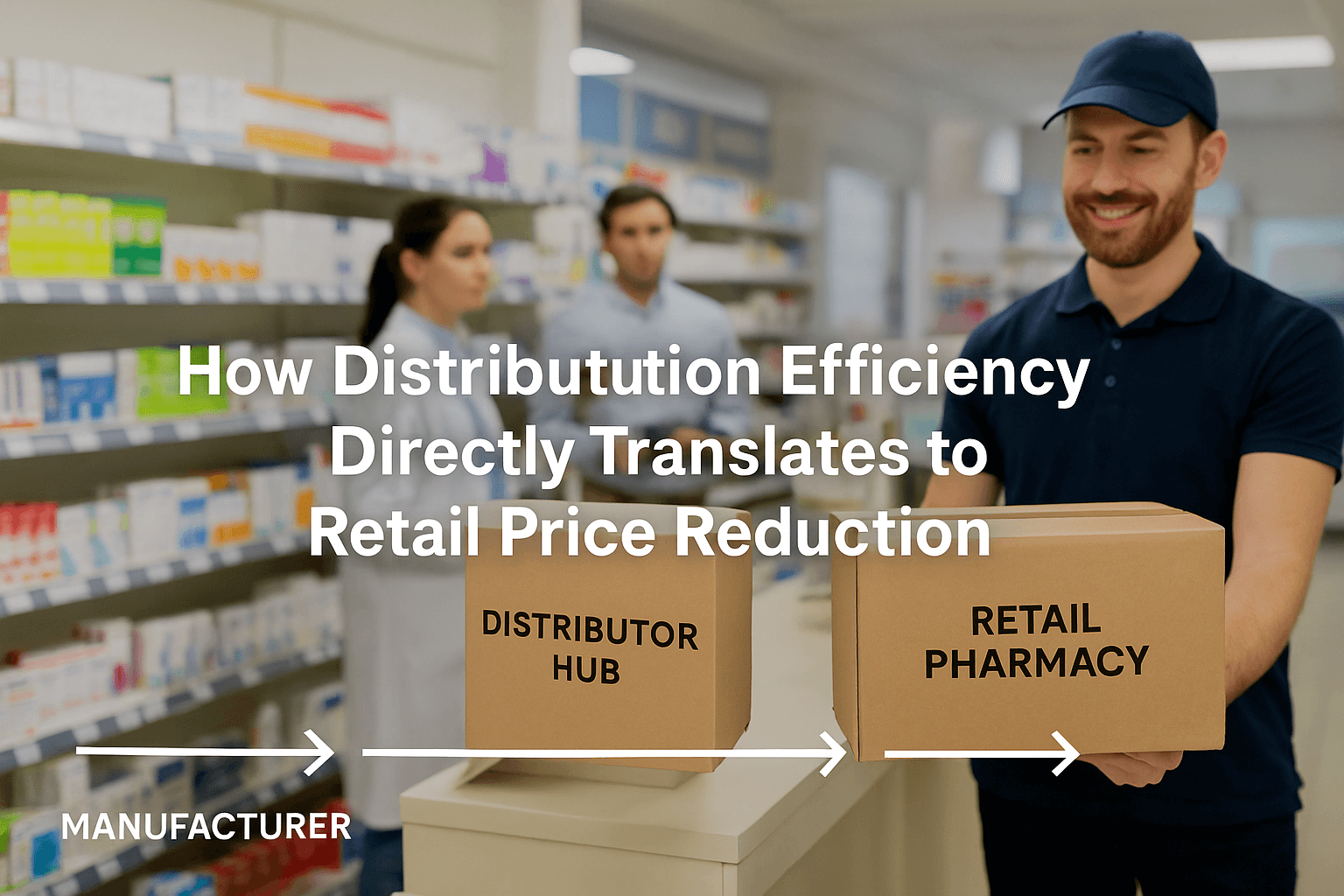
The journey from a manufacturer’s warehouse to a pharmacy shelf is fraught with potential costs, and each inefficiency adds a premium to the final product price. An efficient pharmacy distribution service systematically dismantles these cost barriers through several proven operational methodologies. Consolidated procurement is the first major step; by purchasing in massive volumes directly from manufacturers, distributors secure significantly lower per-unit costs, a saving that is then passed down the chain. Furthermore, a reliable distributor implements rigorous inventory rotation systems like FIFO (First-In, First-Out), which drastically reduces financial losses from product expiry. The strategic placement of regional warehouses and hubs across Malaysia, from the industrial zones in Selangor to the logistical centers in Johor Bahru, cuts down last-mile delivery costs. This is especially crucial for serving the communities in East Malaysia, where streamlined logistics prevent transportation fees from inflating the price of essential medicines in rural Sabah and Sarawak.
A Framework for Sustainable Affordability in Pharmaceutical Retail
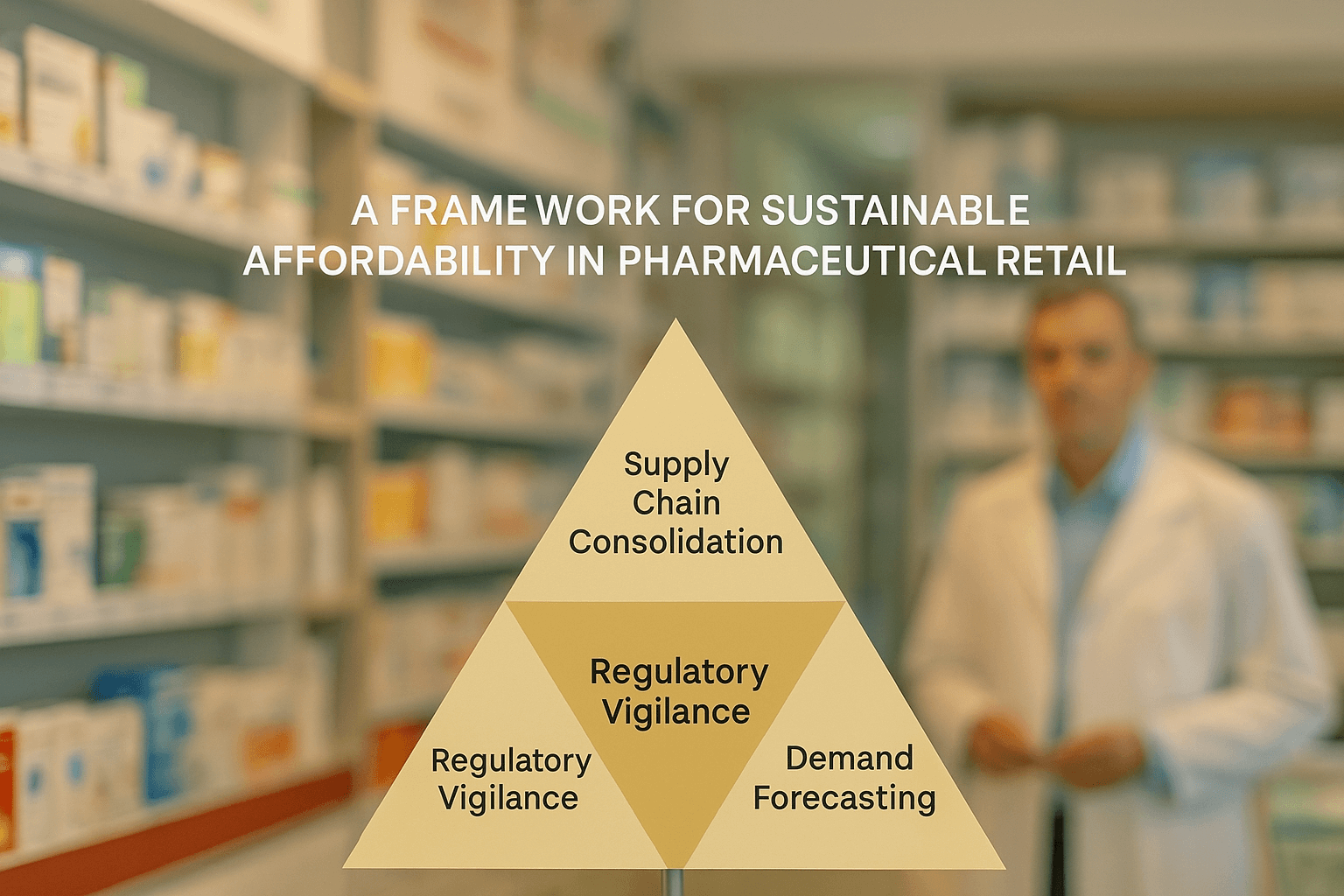
Achieving lasting affordability requires more than just low purchase orders; it demands a structured approach that balances cost, compliance, and availability. The most effective distributors and retailers in Malaysia adhere to an implicit framework built on three interconnected pillars. The first is Supply Chain Consolidation, which involves minimizing the number of touchpoints a product goes through before reaching the consumer. The second is Regulatory Vigilance, ensuring that every cost-saving measure is executed within the strict boundaries set by the Ministry of Health Malaysia (KKM) and the National Pharmaceutical Regulatory Agency (NPRA). The third pillar is Demand Forecasting, where data analytics are used to predict purchasing trends, preventing both costly overstocking and availability crises that lead to price gouging.
Streamlined Logistics & Transportation
Bulk Purchasing and Volume Discounts
Strict Adherence to Good Distribution Practices (GDP)
Data-Driven Inventory Management
The Malaysian Landscape: Operational Scenarios in Action
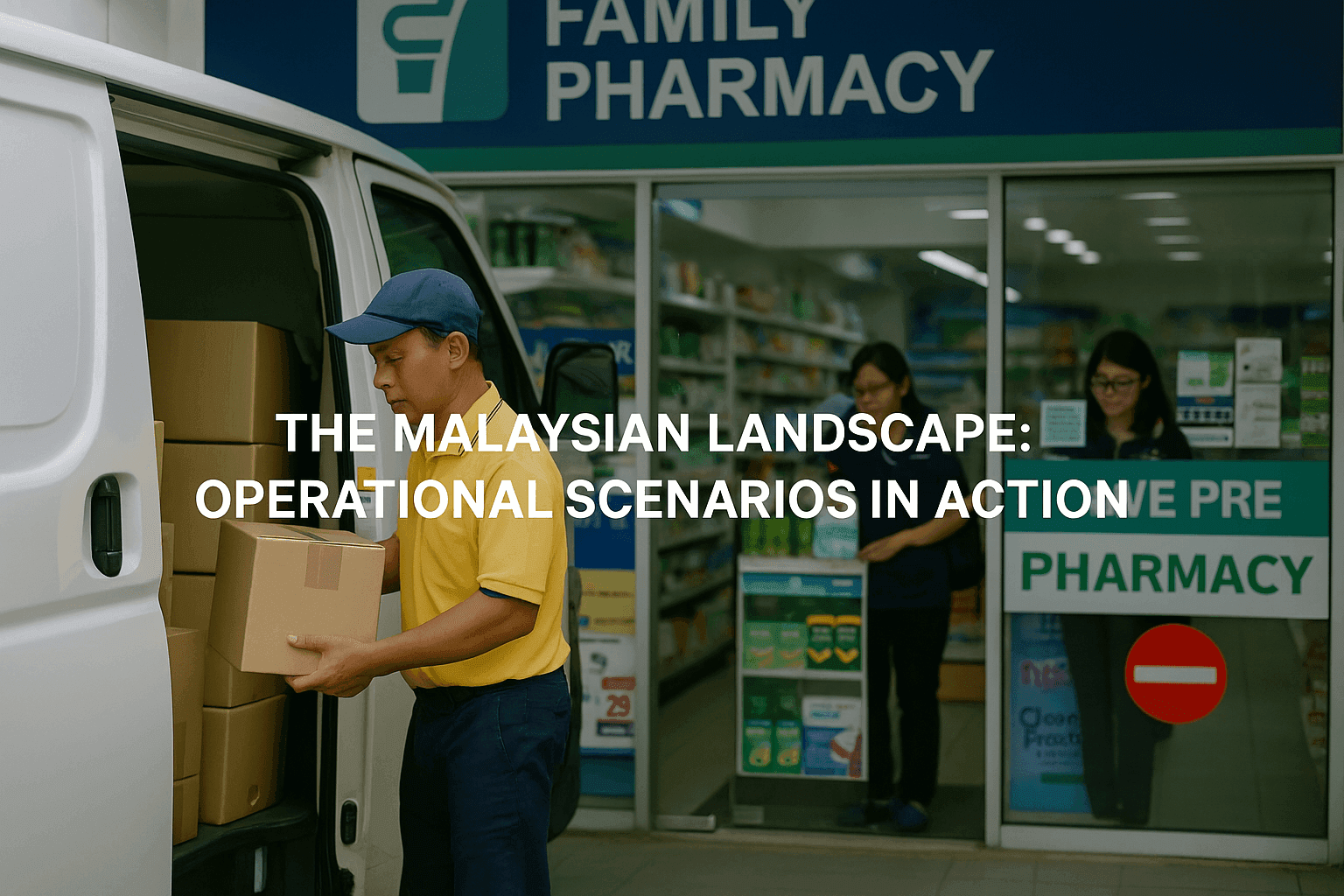
The theoretical benefits of an efficient distribution network become tangible when observed in the context of local operations. Consider the scenario of a major independent pharmacy distributor based in the Klang Valley. By specializing in a niche category like over-the-counter vitamins and supplements, they can offer smaller retail chains, such as a growing Multicare Pharmacy outlet, a product range that competes directly with larger players. This is possible because the distributor’s focused approach allows for tailored inventory and faster restocking cycles. Another classic Malaysian scenario involves the distribution of generic medicines. A pharmacy wholesale distributor partnering with AA Pharmacy can supply KKM-approved generic equivalents of common drugs, which are often 30-50% cheaper than their branded counterparts. This partnership makes chronic disease management far more affordable for long-term patients. A third scenario highlights the importance of regional hubs; a distributor with a warehouse in Penang can ensure that pharmacies across the northern states, including Wellings Pharmacy branches, receive their stock within hours, not days, thereby keeping logistics fees low and shelves consistently full.
Learn more: Distribution Challenges and Opportunities in Malay-Speaking Markets
Quantifying the Impact: Data and Statistics on Distribution-Led Savings
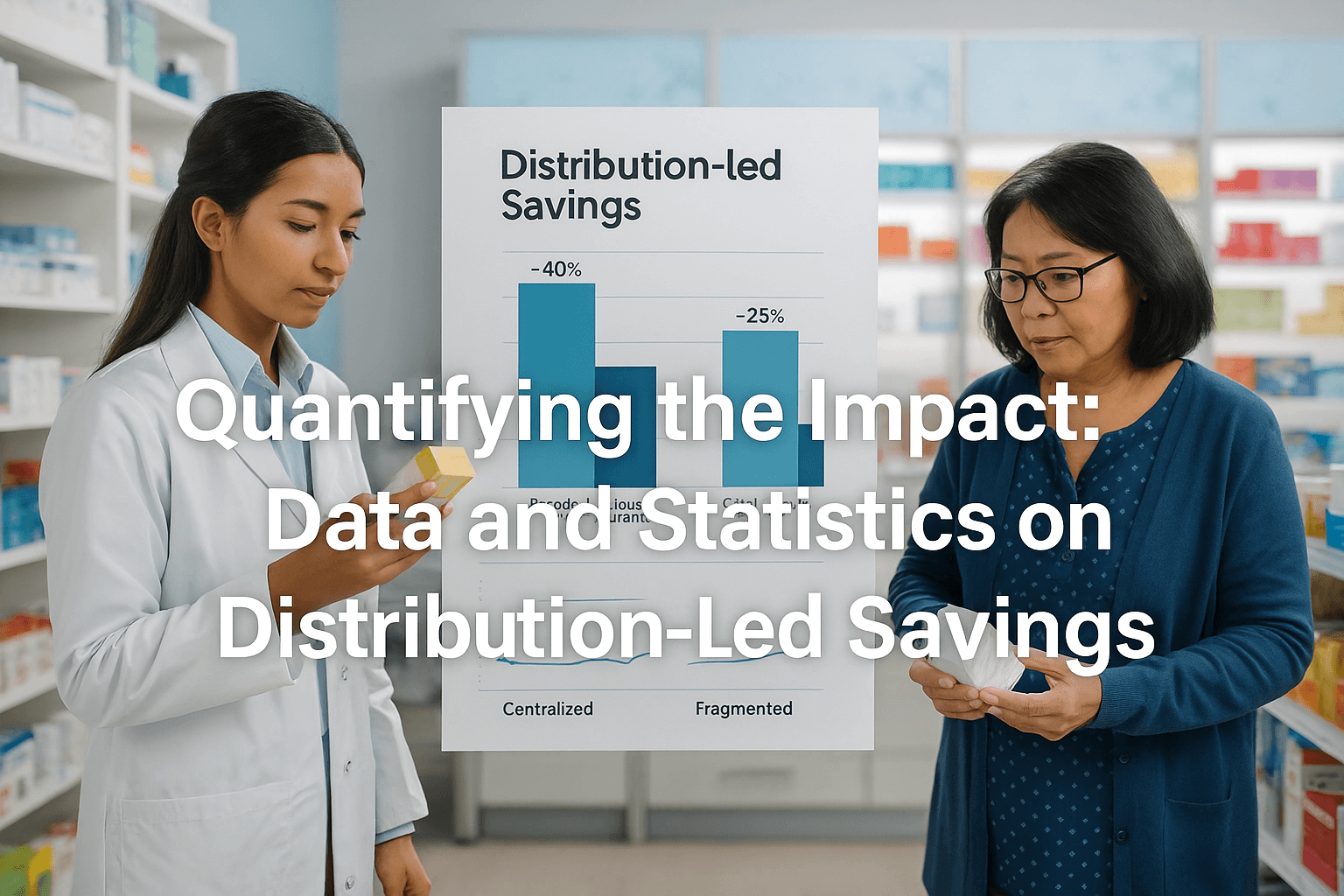
The financial impact of a optimized distribution network is not merely anecdotal; it is quantifiable and significant. While specific proprietary data is closely guarded, industry analyses and reports reveal compelling trends. For instance, pharmacies that leverage a strategic partnership with a top-tier pharmacy distributor in Malaysia can reduce their inventory carrying costs by up to 15-20% annually. Furthermore, the adoption of automated inventory management systems by these distributors has been shown to reduce stockout instances for high-demand OTC products by over 30%, ensuring stable pricing and availability. The most telling statistic, however, lies in the pricing of house-brand products. Retailers like Guardian and Watsons, supported by their powerful distribution networks, can offer their own brand of essentials—from paracetamol to multivitamins—at prices 25% to 40% lower than imported equivalents, all while maintaining full compliance with Good Manufacturing Practice (GMP) standards.
Learn more: Pricing in Healthcare Retail: Balancing Accessibility and Sustainability
Comparative Analysis: In-House vs. Outsourced Distribution Models
Malaysian pharmacy brands typically adopt one of two primary distribution models, each with distinct implications for affordability and operational control. The choice between an in-house distribution team and partnering with external pharma distributors is a strategic decision that shapes a brand’s pricing flexibility. Larger chains like Big Pharmacy often utilize a hybrid model, leveraging their own warehouses for high-volume products while relying on specialized distributors for niche or regional items. This allows them to maximize control where it matters most and maintain efficient cost structures for specialized goods. In contrast, smaller chains and independent cooperatives like Tigas Alliance Pharmacy almost exclusively depend on external pharmacy wholesale distributors. This shared wholesale model pools the purchasing power of many small players, allowing them to access bulk pricing and logistics networks that would otherwise be impossible, making their competitive pricing strategy viable.
Learn more: Pharmacy Wholesale Distributors: How to Select the Right Partner
The table below illustrates the core trade-offs between these two primary models:
| Feature | In-House Distribution Model | Outsourced Distributor Partnership |
|---|---|---|
| Cost Control | Direct control over major logistics costs, but requires high capital investment. | Lower upfront cost; pay-for-service model improves cash flow for retailers. |
| Operational Flexibility | High flexibility for urgent restocks and custom promotions for a single brand. | Flexibility is shared across multiple clients; less brand-specific customization. |
| Expertise & Compliance | Requires building internal expertise in GDP and regulatory compliance. | Leverages the expert knowledge and proven compliance systems of the distributor. |
| Geographic Reach | Expanding reach is slow and capital intensive. | Immediate access to an established nationwide or regional network. |
| Impact on End-Price | Can lead to the lowest costs at scale, but risk is borne entirely by the retailer. | Creates a reliable and consistently affordable pricing structure through shared efficiency. |
The Multi-Stakeholder Perspective: Distributors, Pharmacists, and Brand Managers
The ecosystem of affordable pharmacy retail is viewed through different lenses by its key players, each with unique priorities that align through effective distribution. From the viewpoint of a pharmacy distributor in Malaysia, the primary goal is to achieve maximum logistical efficiency and inventory turnover. Their success is measured by their ability to move products quickly and reliably through their warehouses, minimizing holding time and maximizing the value they deliver to both manufacturers and retailers. For the registered pharmacist managing a Caring Pharmacy outlet, the distribution partner is the guarantor of product authenticity and consistent availability. Their trust in the distributor allows them to confidently advise patients on affordable generic alternatives, knowing the products are sourced from legitimate channels and handled according to GDP standards, which is essential for patient safety. Meanwhile, the brand manager for a large pharmaceutical company sees the distributor as a market access channel. A strategic partnership with a distributor like Zuellig Pharma or DKSH ensures their products, including more affordable generic lines, gain shelf space in a competitive retail environment, making them accessible to a broad segment of the Malaysian population.
Practical Implications for the Malaysian Budget-Conscious Shopper
For the everyday consumer in Malaysia, the sophisticated interplay of distributors and retailers translates into very practical benefits. The most immediate implication is price stability. Because efficient distributors prevent the shortages that cause price spikes, shoppers can budget for their healthcare needs with greater confidence, knowing that a bottle of cough syrup or a month’s supply of vitamins will not suddenly become prohibitively expensive. Secondly, it ensures product diversity and access. The robust competition between different distributors and retail chains means that consumers have a wide choice of products, from premium international brands to more affordable local generics, all within a short distance from their homes. This is a direct outcome of a distribution network that can profitably serve both urban centers and smaller towns. Finally, it builds a foundation of trust. When a consumer walks into a Health Lane Family Pharmacy or an Alpro Pharmacy, they may be drawn by the low price, but their repeat business is secured by the confidence that the product is authentic, safe, and stored correctly—a guarantee upheld by the distributor’s compliance with Malaysia’s strict regulatory framework.
The Non-Negotiable Link Between Regulatory Compliance and Consumer Trust
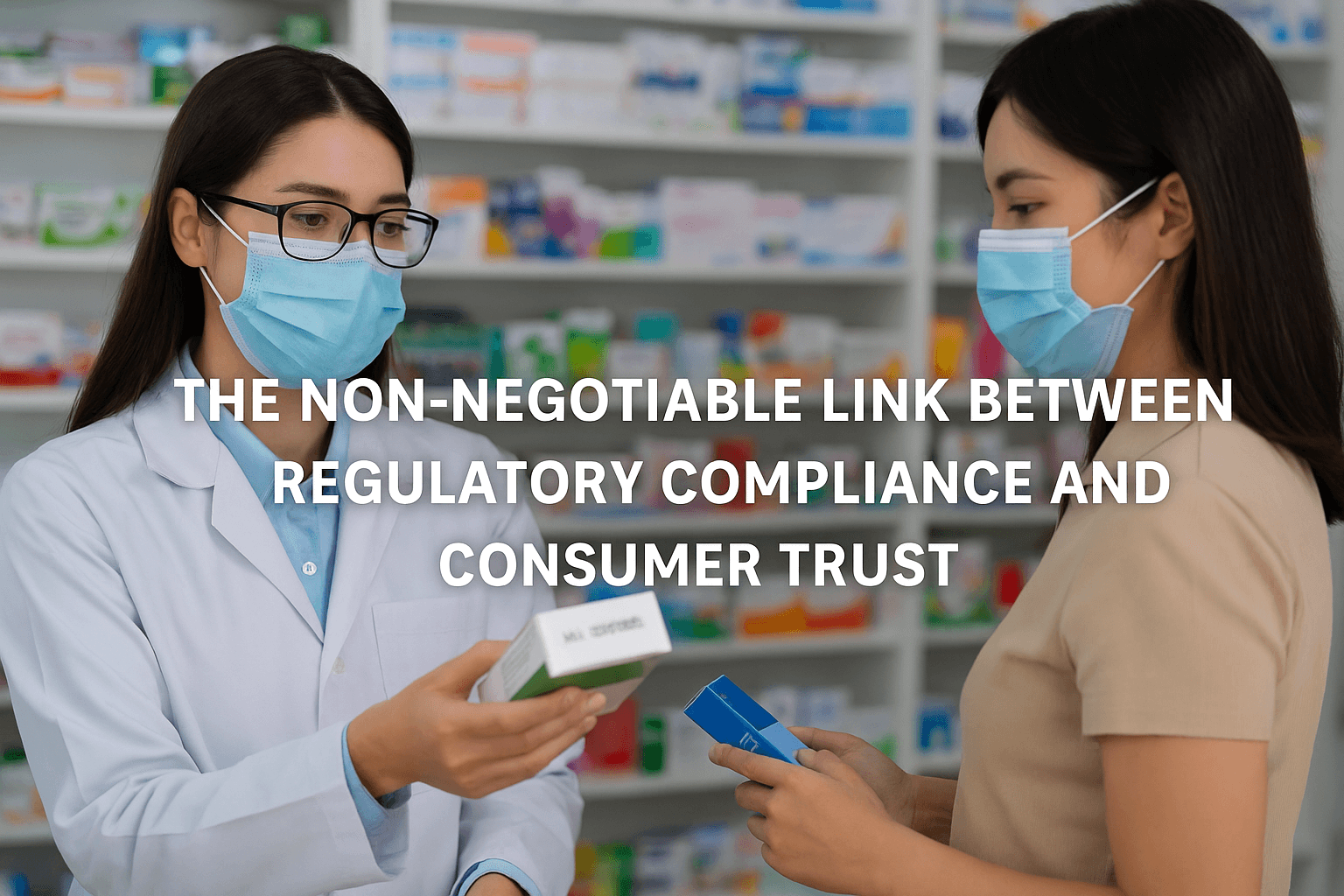
The question of whether a product can be considered affordable without being compliant has a simple, unequivocal answer in the Malaysian context: it cannot. Regulatory compliance is not a separate feature but the absolute bedrock upon which consumer trust and, by extension, sustainable affordability are built. For budget-conscious shoppers, a low price tag can sometimes trigger doubts about a product’s authenticity or safety. This is where a pharmacy’s unwavering commitment to KKM and NPRA frameworks transforms from a legal obligation into a powerful strategic asset. It is the critical mechanism that reassures customers that their health is not being compromised for the sake of savings. A trusted pharmacy brand understands that its reputation is its most valuable currency, and this reputation is forged through transparent, proven adherence to the nation’s strictest safety standards, making compliance an essential marketing tool in itself.
Learn more: Building Trust in Pharmaceutical Supply Chains
The Practical Mechanics of Building Trust Through Verification
So, how does this abstract concept of compliance translate into tangible actions that build consumer confidence? It begins with visible, verifiable proof. Every product on the shelf that carries a valid NOT or MAL registration number provides immediate, government-backed assurance of its legitimacy. This simple string of characters is a powerful signal that cuts through consumer skepticism. Beyond the label, transparent sourcing practices are paramount. Pharmacies and their pharma distributors maintain meticulous batch traceability systems, allowing them to track a product’s journey from the manufacturer to the point of sale. This is not merely an administrative task; it is a reliable safeguard against counterfeit goods and a crucial tool for swift recalls if ever necessary. For instance, when a customer at a Caring Pharmacy asks about the origin of a house-brand supplement, the pharmacist can access documentation provided by their pharmacy distributor in Malaysia, confirming its journey from a GMP-certified facility to their store. This level of operational transparency is what separates a trusted affordable brand from a merely cheap one.
The Distributor’s Critical Role as the Guardian of Compliance
The responsibility for maintaining this chain of trust does not rest solely with the retail pharmacy. The pharmacy wholesale distributor acts as a vital checkpoint, a gatekeeper ensuring that only compliant products enter the supply chain. Before any shipment leaves their warehouse, a reliable distributor verifies all necessary documentation, including the Certificate of Analysis (CoA) and import permits, from the manufacturers. This due diligence is a non-negotiable part of their expert service. Consider the operational scenario of an independent distributor supplying various generic medicines to AA Pharmacy outlets across the country. Their strategic value lies not just in logistics efficiency but in their rigorous vetting process, which prevents non-compliant products from ever reaching the retailer’s shelves. This protective function is essential for maintaining the integrity of the entire ecosystem and is a key reason why successful retail chains form deep, long-term partnerships with their distributors.
Navigating the Evolving Landscape of the Malaysian Consumer
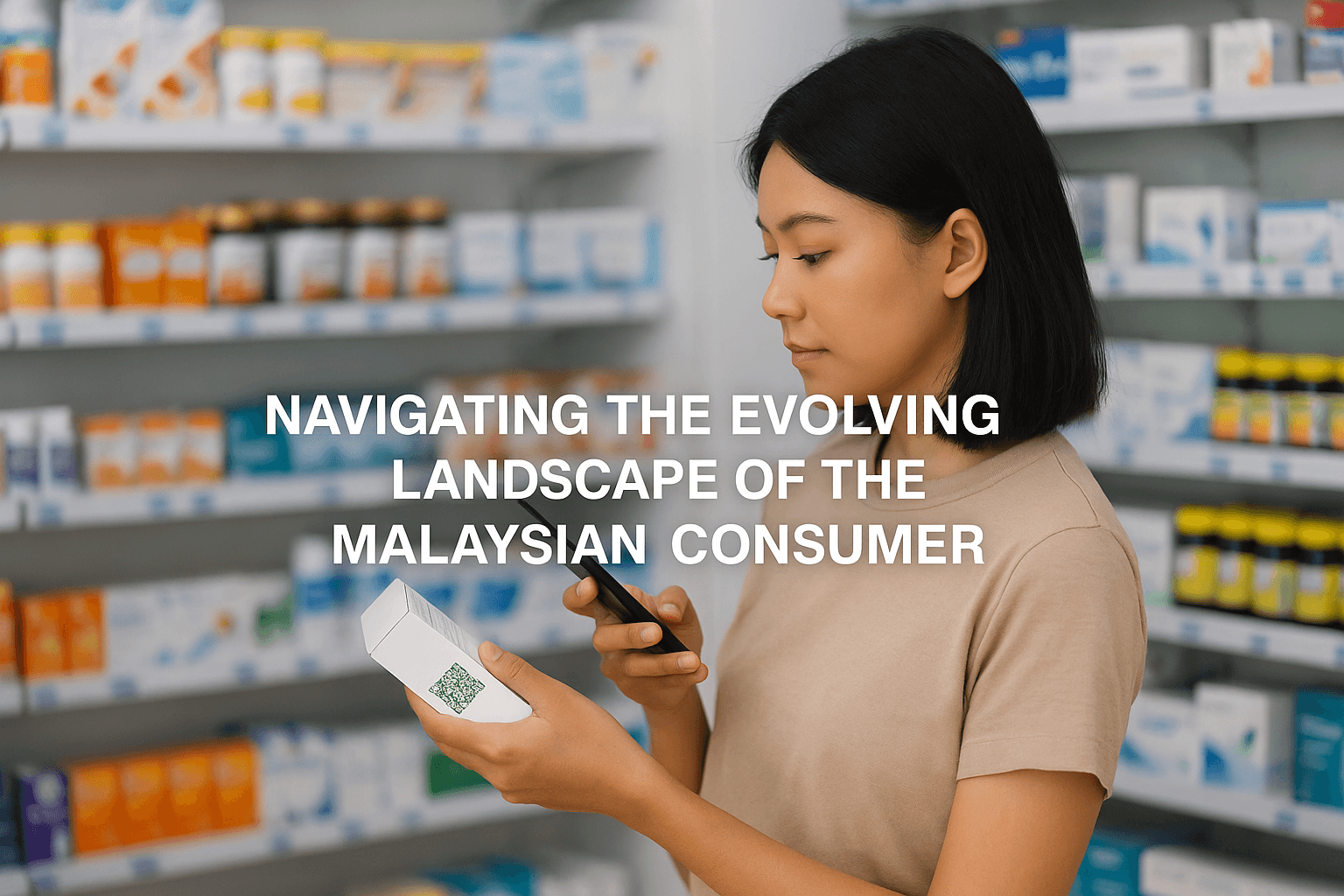
The modern Malaysian shopper is increasingly informed, digitally savvy, and value-driven. Rising living costs have not diminished their demand for quality; instead, they have sharpened their ability to seek out the best possible value. This has led to a significant behavioral shift where consumers actively compare prices online, scrutinize product reviews, and increasingly favor effective local or house-brand alternatives over more expensive imported labels. The definition of “value” has expanded beyond mere cost to encompass a product’s proven efficacy and the brand’s overall transparency. This is particularly evident in categories like skincare and supplements, where consumers frequently use QR codes on packaging to verify a product’s NPRA status before purchase. This trend underscores a fundamental change: affordability is no longer a concern exclusive to lower-income groups but a strategic priority for a broad swath of the population, including higher-income individuals who appreciate the smart savings of bundled “value packs” and loyalty rewards.
Learn more: Beauty and Personal Care in Malaysia
A Framework for Strategic Adaptation in a Competitive Market
To thrive in this new environment, pharmacies and distributors must adopt a forward-thinking, collaborative approach. The goal is to build a business model that is both resilient and responsive to these nuanced consumer demands. This requires moving beyond traditional tactics and embedding intelligence and agility into every aspect of the operation. A successful framework for adaptation is built on several interconnected pillars that balance cost, consumer trust, and operational excellence.
Data-Driven Assortment Planning: Utilizing Point-of-Sale (POS) analytics to identify fast-moving, high-value items and adjusting inventory accordingly.
Strategic Portfolio Balancing: Curating a mix of reputable imported brands and high-quality, higher-margin private label products to offer consumers choice and maintain profitability.
Investment in Consumer Education: Training pharmacy staff to be trusted advisors who can confidently explain the quality and compliance of affordable alternatives.
Agile and Efficient Logistics: Continuously optimizing inventory turnover through partnerships with expert distributors to minimize carrying costs and prevent stockouts or expiry.
Learn more: How Merchandising Services Help Brands Compete With Giants
A Multi-Angle View on Delivering Sustainable Value
The challenge of delivering affordable healthcare is viewed through different yet interconnected lenses by the key players in the ecosystem. For the Brand Manager of a pharmaceutical company, the objective is to achieve wide market penetration for their products. A strategic partnership with a national pharmacy distributor is essential for ensuring their affordable generic lines gain prominent placement on pharmacy shelves, competing effectively against other brands. From the perspective of the Pharmacist on the front lines at a store like Health Lane Family Pharmacy, their role is that of a trusted healthcare advisor. Their confidence in recommending a more affordable generic product is directly tied to their trust in the supply chain partner that provided it, knowing the products are backed by full compliance documentation. Meanwhile, the Distribution Logistics Manager focuses on the seamless, efficient flow of goods. Their performance is measured by metrics like order accuracy and on-time delivery, which are the foundational elements that enable retailers to maintain stable, low prices and avoid the lost sales that hurt both the business and the consumer.
Choosing the Right Operational Model for Growth and Stability
A critical strategic decision for any pharmacy brand in Malaysia is selecting the distribution model that best supports its growth ambitions and affordability goals. There is no one-size-fits-all solution; the optimal choice depends on the brand’s scale, geographic focus, and internal capabilities. The table below compares the primary models to illustrate the core trade-offs involved.
| Feature | In-House Distribution | Outsourced Distributor Partnership | Hybrid Model |
|---|---|---|---|
| Cost Structure | High fixed capital investment but greater direct cost control. | Lower fixed costs, variable pay-for-service fees; improves cash flow. | A balanced approach, blending capital expenditure with operational flexibility. |
| Scalability | Scaling requires significant investment in new warehouses and fleet. | Highly scalable, leveraging the partner’s existing nationwide network. | Strategic and highly scalable, allowing for regional control with national reach. |
| Operational Control | Maximum control over inventory, branding, and delivery schedules. | Control is shared; reliant on the partner’s systems and performance. | Offers a tailored level of control, often keeping core logistics in-house while outsourcing for new regions or product lines. |
| Expertise & Compliance | Requires building and maintaining internal expert teams for GDP and regulations. | Leverages the proven compliance frameworks and expert knowledge of the distribution partner. | Allows the brand to focus internal expertise on core areas while relying on partners for specialized needs. |
| Best Suited For | Large, established chains with significant volume and existing infrastructure, like Big Pharmacy. | Mid-sized and growing chains, or independents seeking rapid national reach without heavy investment. | Established brands looking to expand into new markets or categories efficiently without a full infrastructure build-out. |
Conclusion: The Path Forward for Accessible Malaysian Healthcare
The journey toward a truly robust and affordable pharmacy ecosystem in Malaysia is a continuous one, built on the foundation of strategic collaboration and a shared commitment to integrity. The interplay between reliable distributors, compliant retailers, and informed consumers creates a virtuous cycle that drives both value and public health outcomes. As the market evolves, the brands that will lead are those who view affordability not as a race to the bottom but as a sophisticated operational discipline. This discipline hinges on efficient supply chains, expert partnerships, and an unwavering dedication to the safety and trust of every customer who walks through the door. By reinforcing these collaborative bonds, the industry can ensure that accessible, effective, and trusted healthcare remains a sustainable reality for all Malaysians.
Frequently Asked Questions (FAQ)
Q1: Why is distribution efficiency considered the biggest driver of affordable pharmacy pricing in Malaysia?
Because every inefficiency adds cost, and distributors are the only entity that touches every step before retail shelves. When they optimize logistics, bulk purchasing, and warehousing, the final retail price drops significantly.
Q2: How do regional distribution hubs help reduce pharmacy product prices?
By shortening last‑mile delivery distances. When Selangor, Penang and Johor have active distribution hubs, pharmacies avoid extreme transport fees, especially for East Malaysia.
Q3: Is using an independent pharmacy distributor risky for compliance?
No — as long as they follow GDP, NPRA verification and traceability. Many independents are actually more specialized and more efficient inside their categories compared to mega distributors.
Q4: Why are generic medicines usually much cheaper even though they are compliant?
Because generic manufacturers do not need to repeat the same R&D cost as innovator brands. With bulk distribution support, their cost becomes 30%–50% lower and still remain NPRA‑approved.
Q5: Who is responsible if a distributor supplies a non‑compliant product?
Both the retail pharmacy AND the distributor can be liable. This is why compliance verification at batch level is essential before any stock moves.
Q6: How does FIFO rotation directly contribute to affordability?
FIFO prevents expiry losses. When expiry waste is reduced, the pharmacy does not have to inflation‑offset that loss into future consumer pricing.
Q7: Is hybrid distribution the best model for every pharmacy brand?
Not always. Large chains benefit from hybrid because of scale control. Smaller chains benefit more from outsourced wholesale shared power because it increases affordability faster.
Q8: How can consumers verify NPRA compliance instantly?
Check MAL or NOT codes on pack — then cross verify directly through NPRA official portal / scanning app.
Q9: Does price competition between local pharmacy chains actually benefit the end shopper long‑term?
Yes, when the supply chain is compliant. Competition pushes distributors to optimize logistics — which results in stable nationwide affordability without compromising safety.
Q10: Why will affordability continue to be a strategic priority and not just a trend?
Because Malaysian consumers are now value‑intelligent, digitally informed, and price comparative. This permanently forces pharmacies + distributors to maintain operational discipline, not temporary discounts.
Building a sustainable and compliant presence in the Malaysian pharmacy market requires a strategic and reliable supply chain partner. At PriooCare Malaysia, we offer tailored distribution solutions designed to enhance your market reach while ensuring the highest standards of regulatory compliance and operational efficiency. If you are a pharmaceutical manufacturer or brand manager looking to navigate the complexities of the local landscape, we invite you to connect with our team of expert to explore how our network can support your growth and contribute to a more accessible healthcare ecosystem for Malaysia.
Get in touch with PriooCare Malaysia today to discuss your distribution needs.
How can we assist you today? 😊
Just let us know—we’re here to help!