
Top 10 Distributors in Malaysia for Vitamin and Wellness Products (2027 Edition)

What truly separates a vitamin brand that merely survives from one that scales nationwide? It is a question that keeps brand managers awake at night and dictates the strategic direction of countless product launches. In 2027, Malaysia’s vitamin and wellness sector isn’t just growing; it is maturing. The market continues to expand steadily, fueled by a powerful confluence of rising preventive healthcare awareness and shifting demographics. From immunity boosters and probiotics to herbal supplements and functional foods, consumer demand has evolved. It is no longer a seasonal spike tied to flu season or major holidays. It is sustained, informed, and increasingly sophisticated.
However, a harsh reality persists in the pharmaceutical and wellness supply chain: market demand alone does not guarantee pharmacy presence. A great product with compelling packaging and a clear brand story can still fail. The reason? Distribution. It is the invisible hand that determines visibility, ensures compliance integrity, and secures long-term sustainability. You cannot simply will a product onto a shelf anymore. The days of relationship-based, transactional placements are fading. Today, pharmacy distribution is the gatekeeper, and understanding its mechanics is the only path to retail success.
The landscape is further complicated by Malaysia’s regulatory environment. Governed by the NPRA (National Pharmaceutical Regulatory Agency) , KKM (Ministry of Health Malaysia) , and the stringent requirements of Good Distribution Practice (GDP) , the pathway from warehouse to shelf has become more structured and demanding. Brands cannot simply “place products” into pharmacies anymore. They must align with a reliable pharmacy distributor Malaysia partner that possesses a deep, working knowledge of licensing protocols, meticulous documentation, and, where applicable, cold chain handling for temperature-sensitive items like certain probiotics or omega-3 oils. This partner must also intuitively understand the nuanced expectations of retailers, from the large chains to the neighbourhood independent pharmacy.
For the pharmacists themselves, the issue is binary: product availability and stock continuity. An out-of-stock (OOS) situation is more than a missed sale; it is an event that damages patient trust. When a customer walks in expecting their daily supplement and leaves empty-handed, that confidence erodes, potentially driving them to a competitor permanently. For brand owners, distribution directly affects margin sustainability and the ability to achieve national coverage. It dictates cash flow and market share. Meanwhile, for a distributor pharmacy, operational control—spanning accurate forecasting, efficient warehousing, and optimized logistics routing—is not just back-end work. It is a strategic function that determines profitability and service levels.
In this ecosystem, national pharmacy wholesale distributors play an essential role in reaching chain outlets in the dense markets of Klang Valley, Penang, Johor, and the challenging geographies of East Malaysia. They bring scale and systemization. Conversely, an independent pharmacy distributor often excels where relationships and flexibility are paramount, driving reliable expansion into rural communities where trust is currency. The strategic balance between these models ultimately shapes which brands ascend to become category leaders. Distribution, therefore, is not background logistics. It is the strategic engine that determines whether vitamin products achieve consistent retail execution and market dominance across Malaysia’s diverse landscape.
Learn more: Global Consumer Trends in Health Care
Ranking Methodology: How We Evaluated the Top Distributors
How do you fairly rank distributors in an environment as complex and compliance-driven as Malaysia’s in 2027? It requires a framework that prioritises substance over flash. Transparency is essential. Our 2027 evaluation framework was deliberately designed to focus on operational strength, regulatory alignment, and pharmacy credibility, rather than simply ranking by pure revenue, which can often be a misleading metric.
The goal was to cut through marketing noise and identify distributors that demonstrate proven operational systems, reliable fulfillment performance, and trusted pharmacy relationships. To achieve this, we built our assessment around a set of core criteria:
Product Portfolio Breadth: The range of vitamins, herbal supplements, and wellness devices a distributor can effectively manage and market.
GDP Warehouse Malaysia Compliance: Adherence to the latest GDP standards for storage and handling.
Cold Chain Capabilities: For distributors handling temperature-sensitive nutraceuticals, this is non-negotiable.
National and Regional Coverage Strength: Their ability to reach both urban centers and remote outposts.
Merchandising and In-Store Execution Support: Do they just deliver, or do they help products sell?
Pharmacist Reputation and Payment Reliability: Feedback from the pharmacy community on trust and financial dealings.
Digital Ordering and Supply Chain Forecasting Systems: The technological backbone for modern efficiency.
This multi-faceted approach ensures our rankings are grounded in measurable, operational reality. It also directly supports the needs of Malaysian pharmacies that prioritise strategic sourcing and risk mitigation in their supply chain decisions. The following table summarises our assessment framework, showing how each criterion impacts the pharmacy partner.
Table 1: Distributor Evaluation Framework (2027 Edition)
| Criteria | Assessment Focus | Strategic Impact on Pharmacy |
|---|---|---|
| Compliance (GDP, NPRA) | Audit readiness, documentation accuracy, temperature logs | Risk Reduction; minimizes regulatory and patient safety issues |
| Coverage | National scale vs. regional depth, penetration in East Malaysia | Outlet Penetration; enables network expansion strategy |
| Warehousing | Centralized hub vs. multi-hub strategy, GDP certification | Delivery Speed & Reliability; ensures product freshness |
| Merchandising | In-store activation support, shelf management, planogram compliance | Shelf Visibility; drives sell-through and brand presence |
| Market Reputation | Pharmacist feedback on reliability, communication, and trust | Long-Term Partnership; ensures smooth, predictable business |
Understanding the Role of Pharmacy Distribution Service in Malaysia
What does a distributor pharmacy actually do beyond moving cartons from Point A to Point B? To the uninitiated, it might seem like a straightforward logistics function. In reality, a pharmacy distributor Malaysia partner operates across four integrated and highly specialized layers. First, there is procurement and brand onboarding, which involves vetting products for market fit and regulatory compliance. Second, they manage the complex web of regulatory documentation, ensuring all products meet NPRA requirements. Third, they execute the physical warehousing and logistics, adhering to strict GDP standards. Finally, and perhaps most critically, they handle retail execution and sales coordination, ensuring the product not only arrives but also sells.
From a pharmacist’s point of view, the nuances of these layers boil down to two key metrics: turnover rate and supply consistency. Does the distributor ensure the right product is there when the patient asks for it? The size of the distributor matters less than their proven ability to maintain this delicate balance. A large wholesaler with poor local stock management is less effective than a smaller, focused distributor with a perfect fulfillment record. Pharmacists need partners who understand their specific customer base and can guarantee that trusted brands are always available.
From a brand manager’s perspective, the conversation is different. Their SKU expansion strategy is directly tied to the distributor’s sales team capability. Can the distributor’s merchandisers and sales representatives effectively communicate the value of a new product line to pharmacists? Can they secure prime shelf space and execute promotional campaigns? This is where the debate between distribution models becomes critical.
Centralized vs. Decentralized Warehousing: A centralized GDP warehouse Malaysia model offers superior cost efficiency and allows for tighter quality control. However, it can extend delivery timelines, particularly to East Malaysia (Sabah and Sarawak), where infrastructure poses challenges. In contrast, decentralized regional hubs improve delivery speed and responsiveness but significantly increase operational overhead and complexity.
Independent vs. Wholesale Models: An independent pharmacy distributor thrives on relationship selling. They offer flexible credit terms and can tailor in-store activations to the specific needs of a local pharmacy. A pharmacy wholesaler, on the other hand, leverages large-scale purchasing power and structured, system-driven processes, making them incredibly efficient for rolling out products across national chain stores.
The integration of forecasting tools and inventory planning has also become a major strategic differentiator. Distributors who have moved beyond spreadsheets to implement data-driven replenishment systems provide immense value. They reduce costly OOS incidents for pharmacies and improve sell-through efficiency for brand owners by ensuring stock is aligned with actual consumption patterns. This technological edge is what separates a transactional logistics provider from a true strategic supply chain partner.
Learn more:Challenges and Opportunities in Malaysia’s Pharmaceutical Supply Chain (2026 Edition)
Top 10 Distributors in Malaysia for Vitamin and Wellness Products
Which companies in Malaysia consistently demonstrate the operational strength and pharmacy credibility required to lead the market in 2027? Based on our expert evaluation framework, which prioritises compliance, coverage, and capability, the following ranking identifies the top performers. Each company listed has demonstrated a capacity to not just move goods, but to act as a true partner in the healthcare logistics ecosystem.
Zuellig Pharma Malaysia: Remains the benchmark for large-scale regional coverage. Their strength lies in deeply integrated digital supply chain systems and robust, audit-ready GDP compliance across all their facilities. They offer brand owners a reliable pathway to national scale.
DKSH Healthcare Malaysia: Continues to be the expert choice for managing complex consumer health and wellness portfolios. Their strength is in market intelligence and their ability to drive growth for both established and emerging brands through strategic marketing support.
AA Pharmacy Healthcare Distributor: Has solidified its position as a powerhouse in the independent channel. Their deep relationships with standalone pharmacies across the country provide brand owners with a trusted route to markets often overlooked by larger wholesalers.
Hovid Distribution Division: Operates a powerful integrated manufacturer-distributor hybrid model. This allows them to offer competitive pricing and a deep understanding of product development, making them an effective partner for complementary brands.
Xepa-Soul Pattinson Distribution: Known for its reliable compliance standards and a solid regional footprint. Pharmacists trust the consistency of their service, and brand managers value their straightforward, no-surprises operational approach.
YSP Industries Distribution: Demonstrates an efficient approach to portfolio expansion. They have become a go-to partner for nutraceutical brands looking to scale quickly within Malaysia’s regulatory framework, leveraging their strong manufacturing background.
Caring Pharmacy Wholesale Division: As a chain-focused distributor, they offer unparalleled insight into the needs of modern retail pharmacy. Their systems are optimized for the high-volume, fast-moving environment of their own outlets and select external partners.
Apex Healthcare Distribution: Provides tailored support for emerging wellness brands. They are often the launchpad for innovative products, offering the mentorship and flexible operational support that smaller brands need to gain their first foothold.
Sunway Multicare Distribution: Has carved a niche with urban-focused strategic retail execution. Their strength is in making products visually appealing and accessible in competitive city pharmacies, driving impulse purchases and brand awareness.
Regional Independent Pharmacy Distributor Networks: This category represents the collective power of smaller, regionally focused players. Their proven collaborative models are effectively supporting rural pharmacy growth in areas like Kelantan, Terengganu, and interior Sabah and Sarawak, where national distributors struggle to operate efficiently.
This ranking is a reflection of measured operational capability, market feedback, and long-term viability, not merely advertising visibility or short-term sales spikes.
Learn more:Top 10 Pharmacy Distributors in Malaysia Ranking (2027 Edition)
Independent Pharmacy Distributor vs Large-Scale Wholesale Networks
In the quest for market dominance, a fundamental question arises for every brand owner: Is scale more important than flexibility? The answer, unsurprisingly, is not a simple binary choice. It depends entirely on your brand’s specific objectives, stage of growth, and target market. Scale offers efficiency and reach, while flexibility offers depth and loyalty.
To help clarify the decision-making process, it is useful to compare the two models directly. Both have distinct advantages and potential drawbacks, and understanding these is key to crafting a winning market access strategy.
Table 2: Independent Pharmacy Distributor vs Large-Scale Wholesale Network
| Factor | Independent Pharmacy Distributor | Large-Scale Wholesale Network |
|---|---|---|
| Coverage | Regional depth; excels at penetrating specific states or rural areas. | National scale; efficient for reaching all major chains simultaneously. |
| Flexibility | High. Can adapt terms, promotions, and order sizes for individual pharmacies. | Moderate. Operates with standardized processes and systems for efficiency. |
| Credit Terms | Negotiable. Will often work with pharmacists and smaller brands on a case-by-case basis. | Structured. Terms are clearly defined and less open to individual negotiation. |
| Merchandising | Tailored. In-store support is customized to the pharmacy’s unique layout and clientele. | Standardized. Execution is consistent across all outlets, following a set planogram. |
| Compliance Systems | Variable. Can range from excellent to basic; requires due diligence from the brand. | Strong Centralized. Usually have dedicated compliance officers and robust, audit-ready GDP systems. |
Independent distributors are particularly effective in markets where personal relationships and local knowledge are paramount. For example, a vitamin brand targeting the heartland of Kelantan or the rural interiors of Sabah will find an independent pharmacy distributor an invaluable ally. They know the local community, they understand the credit cycles of small business owners, and they have the trust of the pharmacists in these areas.
Conversely, for a brand aiming for rapid, high-volume penetration in the urban corridors of Klang Valley, Penang, or Johor Bahru, a wholesale network is often the only way to achieve the necessary scale. Their logistical power and ability to service hundreds of outlets efficiently is unmatched.
For most brands aiming for long-term, sustainable growth, a reliable strategy often involves a hybrid approach. This means leveraging a large wholesaler to secure national chain listings while simultaneously partnering with one or more independent distributors to ensure deep, relationship-driven coverage in specific strategic regions. This layered approach, though more complex to manage, provides the most strategic market coverage, ensuring a vitamin brand can achieve both the width of distribution and the depth of retail execution required for true market leadership.
Compliance & Regulatory Alignment: The Non-Negotiable Factor
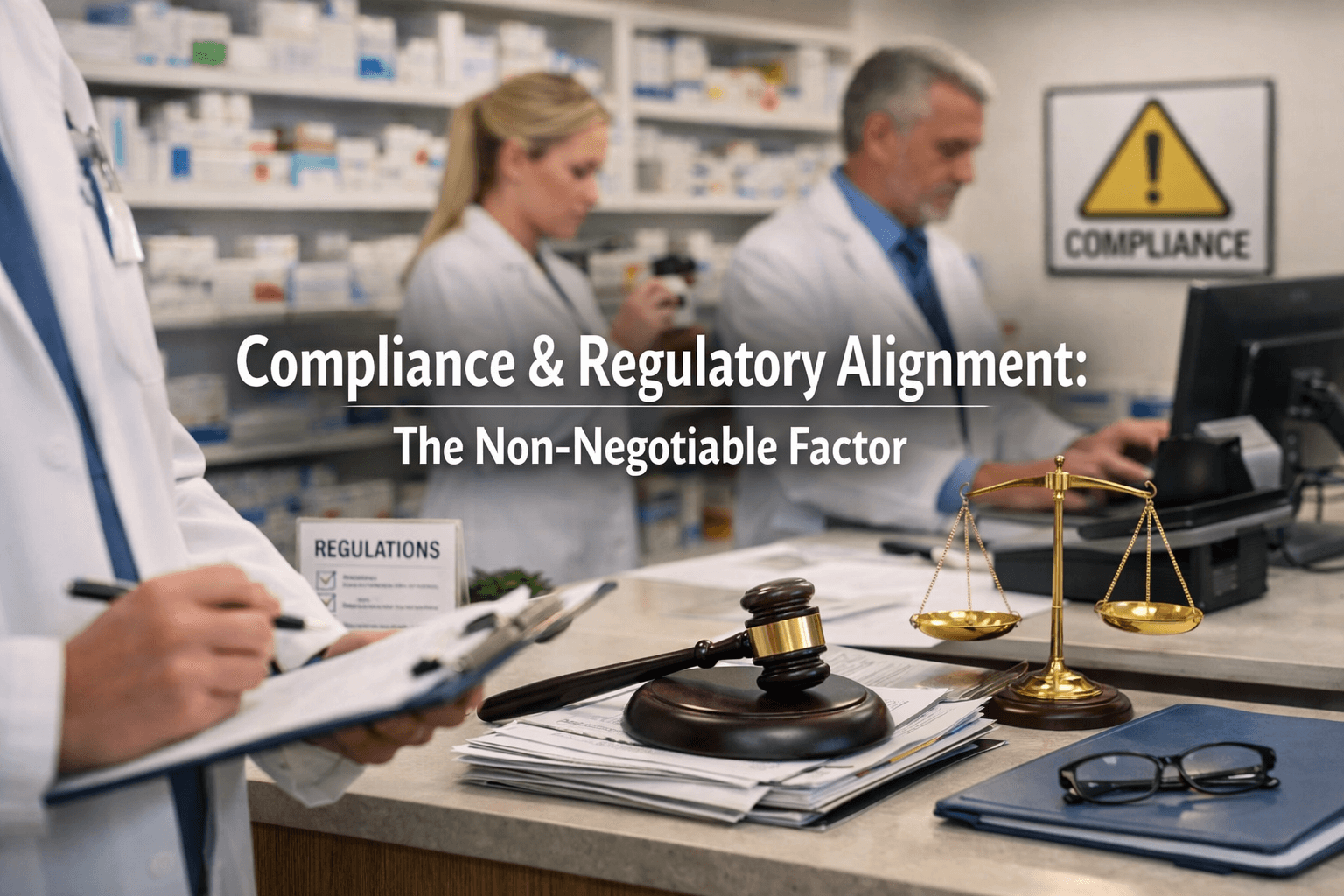
Why is regulatory compliance considered essential rather than optional for any player in the pharmaceutical supply chain? The answer lies in the very fabric of patient safety and brand integrity. In Malaysia, the health supplement and pharmaceutical landscape is not a self-regulated market; it is a tightly controlled environment overseen by the National Pharmaceutical Regulatory Agency (NPRA) . Operating outside this framework isn’t just risky—it’s a direct threat to business continuity. The framework itself is structured to protect the end-consumer, requiring every product to have a MAL number for registered medicines or a NOT notification for cosmetic and certain wellness categories. These aren’t mere bureaucratic stamps; they are the product’s passport to legitimacy.
For a distributor, maintaining compliance is a multi-layered operational commitment. It involves securing GDP warehouse Malaysia certification, which mandates specific storage conditions, security measures, and documentation processes. For temperature-sensitive items, cold chain integrity isn’t optional—it’s a scientific necessity. A broken cold chain can render a probiotic or insulin worthless, or even dangerous. Furthermore, robust product recall protocols and meticulous batch tracking documentation are the backbone of a responsible operation. Imagine a contamination scare; the ability to trace a specific batch from the warehouse to the exact pharmacy shelf within hours, not days, is what defines a reliable partner. From a pharmacist perspective, sourcing from trusted distributors drastically reduces their legal exposure. They are putting their license on the line with every product they stock. Conversely, from a brand owner perspective, strict compliance ensures long-term sustainability. It protects the brand equity they’ve worked years to build. Audit readiness is not a once-a-year event triggered by an authority; it is a continuous, embedded practice. Effective distributors implement proven SOP documentation and conduct regular internal quality checks as a matter of routine. Failure in compliance may not show immediate impact on monthly sales figures, but eventually, enforcement inspections can disrupt entire product lines overnight, leading to stock seizures and reputational damage that takes years to repair.
Learn more:How to Identify a KKM Approved Cosmetic Label (2026 Edition) | WHO Guidelines on Good Distribution Practices (GDP) for Pharmaceutical Products
Beyond Logistics: Merchandising, Retail Execution & Brand Visibility

Does distribution stop at the point of delivery? Absolutely not. In the bustling aisles of Malaysian pharmacies, a product’s journey is just beginning when it leaves the delivery crate. The modern pharmacy is a battlefield for consumer attention. A humble vitamin bottle now competes for shelf space against trendy functional beverages, established imported brands, and a flood of new probiotics. To win here, you need more than a logistics provider; you need a retail execution partner.
Effective merchandising in this context is a strategic discipline. It goes far beyond just stacking boxes. It includes the negotiation and management of secondary displays at checkout counters, the organization of in-store health awareness campaigns, conducting pharmacist education sessions to ensure the staff can confidently recommend the product, and coordinating sampling drives to convert curious shoppers into loyal customers. A real-world example of this in action involved an immunity booster brand that was struggling with stagnant sales despite having wide distribution. By partnering with a distributor who prioritized instore execution, they secured planogram compliance in over 200 outlets. This meant their product was always at eye level, in the right section, and with updated promotional materials. The result wasn’t just a marginal uptick; they achieved significantly stronger reorder rates compared to brands that relied solely on delivery and hoped for the best. In Malaysia’s competitive market, retail execution is a strategic differentiator that separates market leaders from the also-rans.
Learn more:Retailers and Health Systems Can Improve Care Together
Choosing the Right Distributor for Your Vitamin or Wellness Brand
Given the complexities of compliance and the importance of retail visibility, how should brand owners evaluate potential partners? This decision is a critical determinant of market success. It requires moving beyond surface-level promises and asking probing questions.
Key Questions to Ask a Potential Distributor:
Does the distributor specialize in the vitamin supply chain Malaysia, or are vitamins just a side line to their main business?
How many active pharmacy accounts do they currently manage, and are these accounts aligned with your brand’s target market?
What is their average delivery turnaround time from order placement to shelf arrival?
Do they deploy their own merchandisers, or is that responsibility left to the pharmacy staff?
While asking these questions, it’s equally important to be aware of red flags. These include a lack of transparency regarding GDP documentation, inconsistent invoice structures that make financial reconciliation difficult, and weak or sporadic sales reporting that leaves you blind to market performance. From one perspective, start-ups and emerging brands often benefit from tailored independent distributor support that offers flexibility and personalized attention. From another, multinational corporations may prefer large wholesale networks with proven nationwide reach and standardized systems. Matching the distributor type to your product complexity is essential. A premium probiotic, which requires cold chain logistics and strong pharmacist engagement to explain its unique benefits, is a poor fit for a high-volume, low-touch wholesaler focused on moving boxes of generic multivitamins.
Future Outlook (2027–2030): What Vitamin Distribution Trends Mean for Malaysia
The pharmaceutical distribution landscape is not static. As we look toward 2027 and beyond, several key shifts are poised to redefine how vitamins move from factory to consumer in Malaysia. The future belongs to distributors who are agile and forward-thinking. One of the most significant shifts is the rise of digital ordering portals for pharmacies, moving away from phone calls and faxes to efficient, data-rich platforms. This is coupled with the adoption of data-driven forecasting tools that help predict demand, reducing costly stockouts and overstock situations. We are also seeing a growing emphasis on ESG-aligned logistics systems, where distributors optimize delivery routes to lower carbon emissions and use sustainable packaging. The business models themselves are evolving, with more hybrid independent-wholesale collaboration models emerging. These partnerships aim to combine the flexibility of an independent operator with the scale of a wholesale network. Ultimately, supply chain optimization is becoming more effective and technology-driven. Distributors who are proactively investing in data systems and sustainability initiatives will be the ones who remain trusted long-term partners in an increasingly discerning market.
Strategic Takeaways for Malaysian Pharmacies & Brand Owners
Navigating the pharmaceutical supply chain in Malaysia requires a clear-eyed view of what truly drives success. Distribution determines sustainability, ensuring your product is available where and when it’s needed. Compliance protects credibility, shielding your brand and your pharmacy partners from regulatory risk. And finally, retail execution drives growth, turning availability into actual sales. Selecting among the best distributors in Malaysia is not simply a matter of finding the one with the largest fleet of trucks or the longest client list. It is about evaluating operational alignment, the robustness of their documentation, and their commitment to a long-term partnership stability. A pharmacy distributor Malaysia partnership should be rigorously assessed based on regulatory robustness, sophisticated forecasting capability, and tangible merchandising support. Brands that align themselves strategically with such capable partners are significantly more likely to achieve stable and profitable expansion across Malaysia’s dynamic and competitive pharmacy landscape.
Frequently Asked Questions (FAQ)
Q1: Which supplement brand is best in Malaysia?
Answer: There is no single “best” brand, as suitability depends on health needs. Popular and trusted brands in Malaysia include Blackmores, Appeton, and 21st Century. Consumers should check product registration and ingredients before choosing.
Q2: Who is the best company to buy vitamins from?
Answer: Reputable companies with strong quality control and regulatory compliance are recommended. International brands like Blackmores and Nature Made are widely recognized for manufacturing standards and research backing.
Q3: Who are Blackmores competitors?
Answer: Major competitors of Blackmores include Nature’s Way, Swisse, and GNC.
Q4: Who is the biggest manufacturer of vitamins?
Answer: Globally, companies like DSM-Firmenich and Nestlé Health Science are among the largest producers of vitamins and nutritional ingredients.
Q5: What are the big 3 supplements?
Answer: The most commonly consumed supplements worldwide are multivitamins, omega-3 fish oil, and vitamin D.
Q6: Is Amway Malaysia ethical?
Answer: Amway Malaysia operates legally under Malaysian direct selling regulations. Ethical views vary, but the company is licensed and regulated by authorities.
Q7: What is the #1 vitamin brand?
Answer: Globally, brands such as Blackmores, Nature Made, and Centrum are often ranked among top-selling vitamin brands based on market share.
Q8: How do I know if a vitamin brand is good?
Answer: Look for regulatory approval, transparent ingredient labeling, GMP-certified manufacturing, third-party testing, and clear dosage information.
Q9: How do I know if a multivitamin is high quality?
Answer: A high-quality multivitamin should contain clinically supported dosages, bioavailable forms of nutrients, minimal unnecessary fillers, and proper certification.
Q10: What is the number one selling supplement brand?
Answer: Sales rankings vary by region, but brands like Centrum, Nature Made, and Blackmores frequently rank among global best sellers.
Our Services
Our marketing and sales teams use their strong relationships with the channel to create demand for your product at every stage of its lifecycle.
Demand creation services we offer:
Market Access Services
Regulatory Registration Services
Pharma Product Listing Services
Merchandising services (RSMS)
Brand Management
Logistic & Warehousing
Exclusive Merchandising Services
Visual Merchandising
Discover More About Our Solution
How can we assist you today? 😊
Just let us know—we’re here to help!