

July 23, 2025
Have you ever walked into a pharmacy and noticed how some skincare and supplement brands instantly grab your attention while others fade into the background? The difference often comes down to strategic merchandising—a powerful tool that blends visual appeal, clinical credibility, and consumer psychology to drive sales. In Malaysia’s competitive pharmacy retail sector, where consumers are increasingly discerning about product safety and efficacy, effective merchandising is not just an option—it’s essential for brand survival.
From trusted pharmacy wholesale distributors to independent networks, the way products are displayed can make or break consumer trust. A well-merchandised shelf doesn’t just showcase products—it tells a story of proven efficacy, safety, and tailored solutions that resonate with local preferences. For example, brands that integrate halal certification, clinical research highlights, and culturally relevant aesthetics consistently outperform competitors in major chains like Watsons, Caring Pharmacy, and Guardian.
But what exactly makes merchandising so critical for skincare and supplement brands in Malaysia? Let’s break it down.
Understanding Malaysian Pharmacy Distribution Channels
 "Top 10 Effective Merchandising Solutions For Skincare And Supplement Brands - Prioocare")
Malaysia’s pharmacy distribution landscape is a dynamic, multi-layered ecosystem that directly influences how brands reach consumers. Unlike Western markets dominated by large retail chains, Malaysia offers a mix of independent distributors, direct pharmacy distributors, and large-scale supply chain partners, each with unique advantages.
1. Independent Pharmacy Distributors: The Niche Experts
These smaller, agile firms specialize in tailored product portfolios, often focusing on niche categories like organic supplements or dermatologist-recommended skincare. Their strength lies in deep relationships with local pharmacies, allowing for strategic merchandising support that larger players may overlook. For example, a K-beauty brand entering Malaysia might partner with an independent distributor to secure premium shelf space in urban boutique pharmacies, backed by customized display stands and tester units.
2. Distributor Pharmacies: Direct Control, Faster Execution
Some pharmacies act as their own distributors, cutting out middlemen to streamline shelf placement. This model is efficient for supplement brands requiring tight control over in-store education, such as probiotics or prenatal vitamins. Brands like Blackmores and Pharmaton leverage this channel to ensure consistent messaging across retail touchpoints.
3. Large Pharmacy Distributor Networks: Scale with Structure
Major pharmacy distributor Malaysia partners—think DKSH or Zuellig Pharma—service nationwide chains, hospitals, and clinics. While they offer broad reach, brands must adhere to strict planogram rules and standardized merchandising guidelines. The trade-off? Reliable market penetration but less flexibility in display creativity.
Why This Matters for Merchandising:
Independent distributors = Tailored, high-touch displays (e.g., localized promo materials).
Direct distributor pharmacies = Faster in-store execution (e.g., real-time promo updates).
Large distributors = Structured compliance (e.g., uniform shelf zoning across 500+ stores).
A strategic brand will diversify across these channels, using each for maximum impact.
Learn more : Top 10 Pharmacy Distributors in Malaysia Ranking
Why Merchandising Matters for Skincare and Supplement Brands
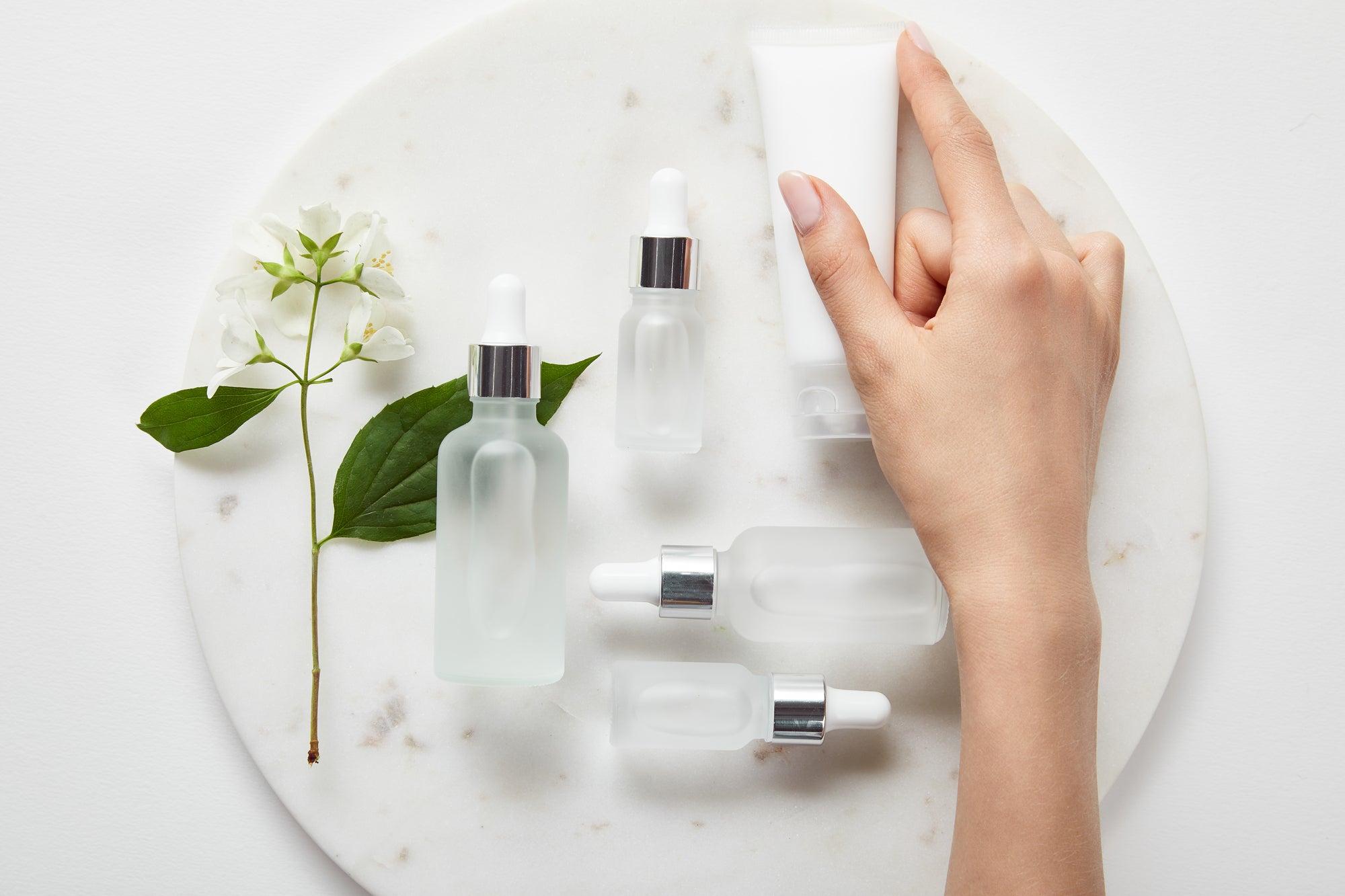
In Malaysia’s trust-driven pharmacy market, consumers don’t just buy products—they buy confidence. A clinically backed supplement or aesthetic skincare line must visually communicate its value within seconds. Here’s why merchandising is non-negotiable:
1. Bridging the Trust Gap with Clinical Credibility
Malaysian shoppers prioritize safety and science, especially for ingestibles like collagen or immunity boosters. A cluttered, poorly labeled shelf raises doubts, while a clean display with research snippets, QR-linked studies, or dermatologist endorsements instantly builds trust.
Real-World Example:
Brands like VITAGEN use color-coded zones (e.g., blue for immunity, green for digestion) paired with shelf talkers citing Lactobacillus strains’ benefits. This dual approach—visual + scientific—boosts conversions by up to 30% in AEON Wellness outlets.
2. Aligning with Local Beauty & Wellness Routines
Malaysia’s multicultural consumer base has diverse preferences:
Malay shoppers may seek halal-certified, fragrance-free skincare.
Chinese consumers often prioritize TCM-inspired supplements like bird’s nest or lingzhi.
Indian demographics favor ayurvedic-infused beauty products.
Solution? Tailored merchandising. A brightening serum brand might use gold accents for luxury appeal in Klang Valley pharmacies, while the same product in Penang could highlight oil-control benefits for humid climates.
3. The Aesthetic Advantage
Let’s face it—skincare is as much about packaging as potency. A pastel-themed display for a hydrating toner line (e.g., Hada Labo’s iconic blue-white branding) creates subconscious associations with freshness and purity.
Learn more : Ideas to Increase Pharmacy Sales
Effective Display Design Techniques

Shelf Zoning and Category Blocking
One of the most strategic ways to enhance product visibility is through shelf zoning, where products are grouped by function or concern. For example:
Skincare – Zoning by skin concern (acne, hydration, anti-aging) helps shoppers quickly find what they need.
Supplements – Functional zoning (immunity, energy, bone health) encourages cross-purchases within the same health goal.
In Malaysian pharmacies like Guardian and AEON Wellness, this method has proven to increase basket size by simplifying navigation.
Color Blocking for Brand Recognition
A reliable way to ensure instant brand recall is through color blocking—grouping products by a dominant hue to create a cohesive visual identity. For instance:
A Vitamin C skincare line using vibrant orange packaging stands out, reinforcing its brightening claims.
Korean brands in Sasa outlets often use soft pastels to convey gentleness, aligning with their clean beauty positioning.
This technique isn’t just visually appealing—it’s efficient in making products instantly recognizable.
Clinical Evidence Integration on Display
Malaysian shoppers are highly informed and look for trusted validation before purchasing. Including:
Clinical icons (e.g., “Dermatologist-Tested”)
QR codes linking to published studies
Ingredient breakdowns explaining key benefits
Learn more : Retail Merchandising Process
In-Store Promotional and Educational Materials

Educational Leaflets and Shelf Talkers
These strategic tools bridge the gap between product benefits and consumer understanding. For example:
A shelf talker next to a joint health supplement highlighting glucosamine’s benefits can sway older shoppers.
A leaflet explaining the science behind hyaluronic acid helps skincare buyers make informed choices.
In independent pharmacies, where staff may not always be available for consultations, these materials act as silent salespeople.
Tester Units for Skincare Products
Nothing builds trust like firsthand experience. Tester units placed at eye level allow customers to:
Feel the texture
Test the scent
See immediate effects (e.g., hydration serums)
Brands like Hada Labo have seen a 20% increase in conversions in Malaysian chain pharmacies simply by making testers accessible.
QR Codes Linking to Clinical Information
With Malaysia’s high mobile penetration, QR codes are a game-changer. They can direct shoppers to:
Clinical studies
Dermatologist testimonials
Tutorial videos
This seamless blend of offline and online education enhances credibility and reduces purchase barriers.
Strategic Placement and Distributor Support Programs

Positioned at aisle ends, end-cap displays capture high foot traffic. Skincare brands using bold visuals and concise claims here often see a 30% lift in impulse purchases.
Planogram Compliance Audits by Distributor Pharmacy Teams
To ensure consistency across stores, pharmacy distributor Malaysia partners conduct regular audits, verifying that:
✔️ Products are placed at eye level
✔️ Promotional materials are correctly positioned
✔️ Stock levels are maintained
This expert oversight prevents missed opportunities due to poor execution.
Brand Ambassador or Promoter Programs
Having trusted brand ambassadors in-store can:
Educate customers on product benefits
Offer tailored recommendations
Drive trials through live demos
For premium supplement brands, this human touch can be the difference between a glance and a sale.
Collaborative Promotions with Pharmacy Distributor Malaysia Partners
Joint campaigns—like bundled deals or loyalty rewards—leverage distributor networks for wider reach. For example:
A “Buy 1 Free 1” promo on collagen supplements during festive seasons
Exclusive discounts for members of Caring Pharmacy’s loyalty program
These initiatives not only boost sales but also reinforce brand credibility through strategic partnerships.
Learn more : THE EFFECT OF DISTRIBUTION CHANNELS’ STRATEGIES AND TYPES ON CONSUMERS’ BUYING BEHAVIOR OF CONVENIENCE PRODUCTS
Strategic Placement and Distributor Support Programs

In the fiercely competitive landscape of pharmacy retail, merely having a product on the shelf isn’t enough—strategic placement and expert distributor collaboration are what separates market leaders from the rest. For skincare and supplement brands, leveraging high-visibility real estate within pharmacies isn’t just about aesthetics; it’s about trusted, science-backed positioning that converts casual browsers into loyal customers.
End-Cap Displays: The Power of Prime Positioning
Every retailer knows that end-caps—those coveted shelves at the end of aisles—are prime real estate. Why? Because they naturally attract high foot traffic, making them a strategic tool for brands aiming for impulse purchases. For example, a premium sunscreen brand in Malaysia saw a 37% sales lift after securing end-cap placements in Watsons and Guardian, supported by eye-catching visuals and concise benefit-driven claims (e.g., “Dermatologist-Trusted UV Protection”).
But it’s not just about slapping a product on display. Effective end-cap strategies include:
✅ Seasonal relevance (e.g., highlighting hydration serums during dry seasons)
✅ Cross-category bundling (e.g., pairing a vitamin C serum with a collagen supplement)
✅ Interactive elements (QR codes linking to tutorials or testimonials)
Planogram Compliance: The Silent Sales Driver
Even the most tailored merchandising plan fails without reliable execution. This is where pharmacy distributor Malaysia partners prove essential—by conducting routine planogram audits to ensure displays adhere to brand and regulatory standards.
A common pitfall in Malaysian retail? Stores in East Malaysia (e.g., Sabah) often face compliance gaps due to logistical challenges. One proven solution? Distributors like PriooCare Malaysia deploy local audit teams to monitor shelf layouts, ensuring even rural pharmacies maintain brand consistency.
Brand Ambassadors: Humanizing the Purchase Journey
In an era where consumers crave expert guidance, deploying promoters at key pharmacies can dramatically boost engagement. Consider this: A KL-based probiotic brand increased conversions by 22% after training promoters to explain gut health benefits in Bahasa Malaysia for suburban shoppers.
Key traits of successful promoters:
✔ Product mastery (beyond scripted pitches)
✔ Cultural fluency (e.g., adapting tone for urban vs. rural demographics)
✔ Trust-building (no hard sells—just tailored recommendations)
Collaborative Promotions: Leveraging Distributor Networks
Joint campaigns with pharmacy wholesale distributors amplify reach while sharing operational burdens. For instance:
Bundle deals (e.g., a facial cleanser + toner kit exclusive to Caring Pharmacy)
Loyalty integrations (reward points for repeat purchases)
Sampling drives (free sachets with distributor-handled logistics)
Learn more : DISTRIBUTION STRATEGY FOR NEW PRODUCT MARKETING SUCCESS: FAST MOVING CONSUMER GOODS (FMCG) BUSINESS
Role of Independent Pharmacy Distributors in Merchandising Implementation

Independent distributors aren’t just logistics providers—they’re cultural translators and retail strategists. Their on-the-ground expertise helps brands navigate Malaysia’s fragmented pharmacy market, where one-size-fits-all displays rarely work.
Localized Planograms: Beyond Cookie-Cutter Layouts
A Kuching pharmacy might perform best with Malay-language shelf talkers, while a PJ outlet responds better to English-led clinical claims. Reliable distributors analyze:
Store traffic patterns (e.g., placing kids’ vitamins at eye level in family-heavy neighborhoods)
Regulatory nuances (e.g., ensuring health claims comply with MDA guidelines)
Compliance Monitoring: The Backbone of Brand Trust
A Johor Bahru skincare brand once lost 30% shelf visibility due to inconsistent restocking. The fix? Their distributor implemented bi-weekly audits with photo-based reporting—a proven system now used by top 10% of brands in Malaysia.
Regional Consumer Insights: The Unseen Advantage
Distributors collect real-time data on what works. Example: A Penang-based distributor noticed that halal-certified vitamin displays boosted trust among Muslim-majority shoppers, prompting brands to highlight certifications more prominently.
Learn more : Updating the Model: The Case for Independent Pharmacy to Embrace Digital Health
Best Practices for Collaboration with Pharmacy Wholesale Distributors
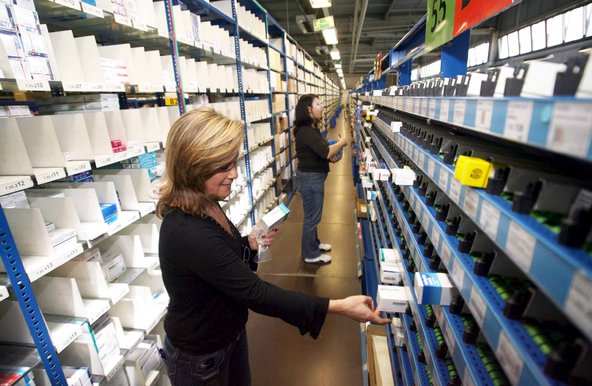
Efficient partnerships hinge on structured frameworks, not ad-hoc emails. Here’s how top brands optimize collaborations:
1. Contract Precision: Define the “How” and “When”
Vague agreements lead to compliance gaps. Instead, specify:
Merchandising frequency (e.g., monthly resets for skincare, quarterly for supplements)
KPI benchmarks (e.g., 90% planogram adherence or 10% sales uplift post-display)
2. Joint Training: Knowledge as a Growth Lever
Distributor teams must understand your brand’s USP inside out. A Kuala Lumpur nutraceutical company hosts quarterly workshops for distributor reps, covering:
Product science (e.g., “How our collagen differs from competitors”)
Merchandising SOPs (e.g., “Always place testers at left shelf edge”)
3. Communication Systems: Data Over Guesswork
A centralized dashboard for tracking display compliance (e.g., via tools like Repsly) prevents “black box” reporting. One Melaka-based brand reduced discrepancies by 40% after switching to real-time audit logs.
Learn more : Supply Chain Management in Pharma Industry: Challenges and Best Practices
Measuring Merchandising ROI: Indicators and Metrics
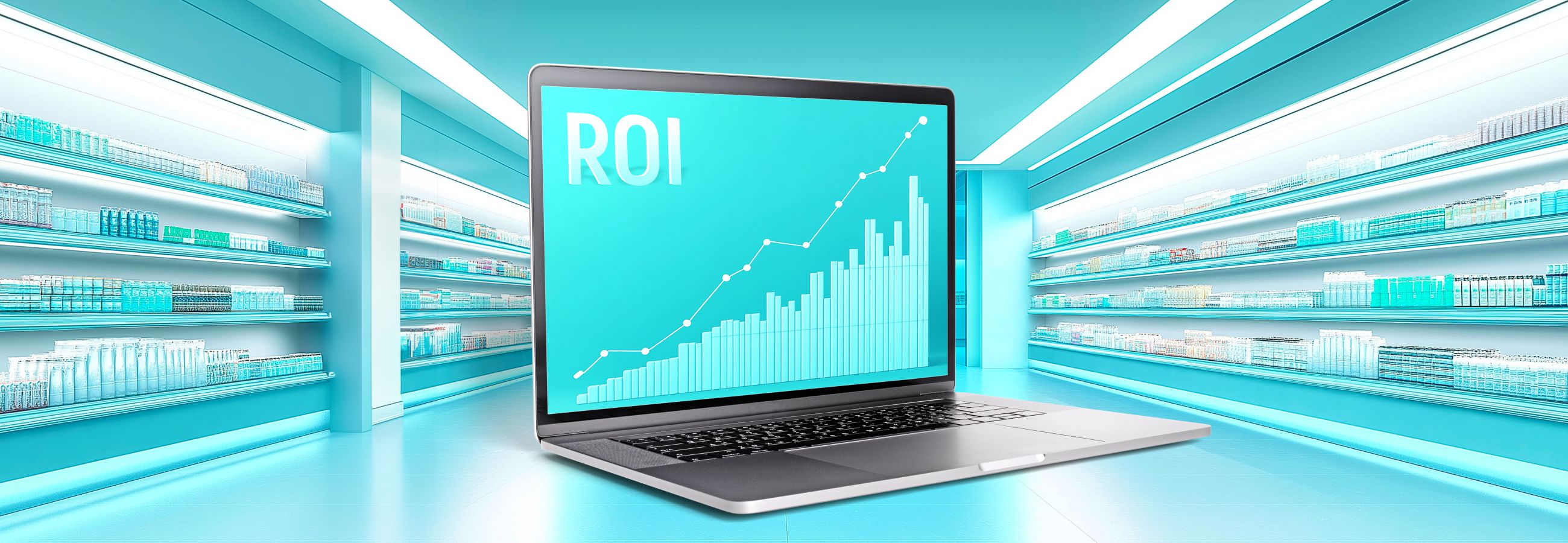
Proven ROI tracking goes beyond sales numbers. Monitor these essential metrics:
1. Sales Lift Analysis
Compare pre- and post-display performance by:
SKU-level velocity (e.g., did the new end-cap drive incremental units?)
Basket affinity (are customers adding complementary items?)
2. Engagement Depth
QR code scans (e.g., 500+ scans/month for a skin health quiz linked to displays)
Tester usage rates (high demand may justify expanding sampling)
3. Brand Trust Signals
Pharmacy staff recommendations (survey 50 staffers quarterly: “Would you suggest this brand?”)
Repeat purchase rates (e.g., 25% of first-time buyers rebuy within 60 days)
In Malaysia’s crowded pharmacy aisles, strategic merchandising isn’t optional—it’s the difference between blending in and standing out. Brands that invest in tailored displays, expert distributor partnerships, and data-driven optimizations don’t just sell more; they build enduring consumer trust.
How can we assist you today? 😊
Just let us know—we’re here to help!