

July 18, 2025
In Malaysia’s competitive pharmacy landscape, over-the-counter (OTC) product placement plays a critical role in driving sales and brand recall. OTC placement involves strategic merchandising decisions about where and how products are positioned on shelves and displays to influence consumer purchase behaviour efficiently.
For pharmacy distributor Malaysia professionals, distributor pharmacy teams, and pharmacy wholesale distributors, learning from trusted international merchandising strategies is essential to remain competitive. This article unveils 10 proven global merchandising tactics—including eye-level shelfing, cross-promotions, and smart digital integration—that can be tailored for the Malaysian market to maximise OTC sales performance and strengthen distribution impact.
The Role of Merchandising in Pharmacy Distribution

Merchandising isn’t just about making shelves look appealing—it’s a strategic driver of consumer behavior, purchase decisions, and ultimately, sales performance. In Malaysia’s highly competitive pharmacy landscape, where retail space is often limited and consumer attention spans short, the way over-the-counter (OTC) products are displayed can mean the difference between steady sales and stagnant inventory. For pharmacy distributor Malaysia professionals, mastering merchandising isn’t optional; it’s an essential component of staying ahead in a crowded market.
Globally, leading pharmacy wholesale distributors rely on proven merchandising frameworks to optimize shelf space and maximize consumer engagement. These frameworks include:
✅ Planogram compliance – Ensuring consistent brand positioning across different retail outlets.
✅ Cross-promotional displays – Increasing average basket size by pairing complementary products.
✅ Seasonal and thematic merchandising – Aligning product placement with health awareness campaigns or cultural events.
Take, for example, multinational distributors like McKesson, which use data-driven shelf adjustments tailored to store-specific shopper behavior. In Malaysia, adopting similar strategies can significantly enhance product visibility, build brand trust, and foster consumer loyalty.
Learn more : The Impact of Lighting, Layout, and Store Design on Pharmacy Merchandising in Malaysia
Strategy 1: Eye-Level Shelf Placement for Maximum Visibility

Does shelf height really influence what consumers buy? The answer is a resounding yes. Research shows that products placed at eye level experience a 20%–40% increase in sales compared to those positioned higher or lower. This isn’t just a random observation—it’s rooted in retail psychology.
The Science Behind Eye-Level Placement
When shoppers scan shelves, their gaze naturally settles at eye level—a zone retail experts call the “Golden Zone.” This area, which spans from knee to shoulder height, is where consumers are most likely to focus, making it the most effective spot for high-demand OTC products. Items placed here are perceived as more accessible, desirable, and even trusted due to their prominent positioning.
Global Success Stories
Major pharmacy chains worldwide capitalize on this principle:
Walgreens (US) places fast-moving OTC items like pain relievers and cold medicine at eye level to encourage quick purchases.
Boots (UK) ensures bestsellers in digestive health and skincare dominate this prime real estate.
Adapting Eye-Level Strategy for Malaysian Pharmacies
For pharmacy distributor Malaysia teams, implementing this tactic requires localization:
📌 Analyze store demographics – Adjust shelf heights based on the primary customer base (e.g., older shoppers may have a slightly lower eye level).
📌 Prioritize hero SKUs – Reserve eye-level slots for top-performing products to maintain steady sales.
📌 Rotate strategically – Temporarily position new or underperforming products at eye level to boost trial rates.
To ensure consistent execution, distributor pharmacy teams should:
Train merchandisers to identify optimal shelf heights for different store formats.
Conduct weekly planogram audits to prevent retailers from rearranging displays haphazardly.
Integrate digital shelf tags for eye-level products to further capture shopper attention.
Learn more : Pharmacy Merchandising for New Product Launches in Malaysia
Strategy 2: Cross-Promotions and Product Bundling

What’s the secret to increasing basket value without aggressive discounting? Cross-promotions. This strategic merchandising tactic pairs complementary products, creating a seamless shopping experience that encourages consumers to buy more.
Why Cross-Promotions Work
Bundling related items taps into consumer convenience—shoppers appreciate finding everything they need in one place. It also introduces them to new products they might not have considered otherwise.
Global Inspiration
Japan: Pharmacies bundle Vitamin C supplements with cold relief products during flu season, driving sales in both categories.
UK: Digestive enzymes are often displayed next to probiotics, reinforcing the idea of a complete gut health solution.
Tailoring Bundles for the Malaysian Market
For distributor pharmacy teams, here’s how to implement this proven tactic locally:
🔥 Pain relief bundles – Pair pain relief sprays with heat patches for a complete muscle pain solution.
🔥 Hydration kits – Combine oral rehydration sachets with electrolyte drinks, targeting athletes or elderly shoppers.
🔥 Skincare sets – Bundle acne cleansers with spot treatment gels to enhance perceived value.
Best Practices for High-Impact Bundling
✅ Two-for-one trial packs – Ideal for new or low-familiarity OTC products.
✅ Thematic promotions – Align bundles with health campaigns (e.g., “Digestive Health Week”).
✅ QR-code enabled bundles – Link to usage guides or tutorials, boosting consumer confidence.
Learn more : NACDS 2025: Tariffs, Trust, and the Future of Pharmacy
Strategy 3: Seasonal Merchandising and Thematic Displays

Consumer needs shift with seasons, holidays, and health trends. Expert pharmacy distributors leverage these fluctuations through seasonal merchandising, a trusted method to drive sales spikes.
How Global Markets Do It
Australia: Allergy products take center stage in spring.
Europe: Immune boosters dominate shelves from September to February.
Localizing Seasonal Strategies in Malaysia
For pharmacy distributor Malaysia teams, cultural relevance is key:
🌙 Ramadan – Bundle digestive aids with dates or fasting-friendly nutrition products.
🧧 Chinese New Year – Feature detox teas and liver supplements for post-celebration wellness.
🎉 Hari Raya Aidilfitri – Highlight weight management and skin rejuvenation products after festive feasting.
Real-World Success
Companies like DKSH Malaysia use seasonal gondola displays—combining eye-catching branding with product education—to maximize engagement. This approach doesn’t just boost sales; it strengthens brand trust by showing consumers you understand their needs.
Strategy 4: Digital Integration and Smart Shelf Technology
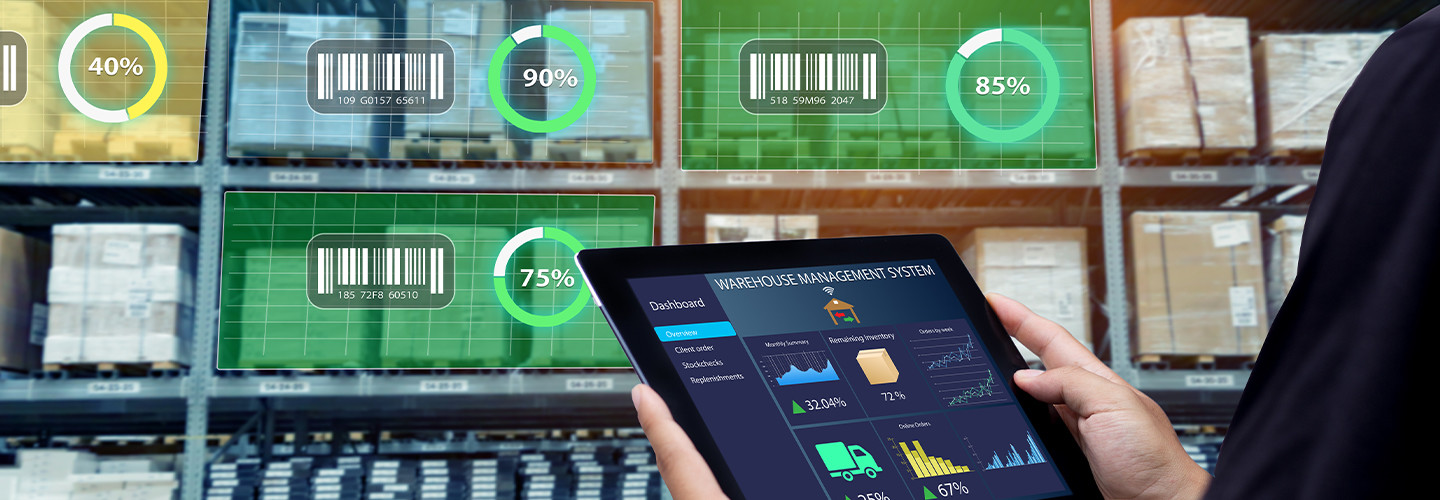
Is digital shelf technology worth the investment for pharmacy distributor Malaysia businesses? The answer is a resounding yes—when implemented strategically. Across the globe, digital shelf labels, QR codes, and smart displays are revolutionizing how over-the-counter (OTC) products are merchandised. For pharmaceutical distributors in Malaysia, these innovations present a golden opportunity to enhance pricing flexibility, improve consumer education, and execute promotions with efficient precision.
Global Trends in Digital Shelf Technology
The shift toward digital merchandising isn’t just a passing trend—it’s a proven method for reducing pricing errors and boosting operational agility. Consider these key advantages:
Dynamic Pricing Adjustments: Digital shelf labels allow real-time price updates, eliminating manual errors and ensuring compliance with promotional strategies.
Interactive Consumer Engagement: QR codes bridge the gap between offline and online experiences, directing shoppers to product tutorials, reviews, and usage videos—enhancing trust and purchase confidence.
Data-Driven Merchandising: Smart displays track shopper interactions, providing reliable insights into dwell time, product interest, and promotional effectiveness.
A study by Retail TouchPoints found that stores using digital shelf technology saw a 12% increase in promotional lift due to faster, more accurate price changes. For pharmacy wholesale distributors, this means fewer missed opportunities and stronger in-store conversions.
Feasibility in the Malaysian Market
While the benefits are clear, the question remains: How feasible is digital shelf technology for Malaysian pharmacies, especially independent operators with tighter budgets? The answer lies in a tailored, phased approach:
Pilot Testing in High-Traffic Locations: Urban hubs like KLCC and Mid Valley pharmacies serve as ideal testing grounds due to higher foot traffic and tech-savvy consumers.
Cost-Benefit Analysis: Initial investments in digital labels may seem steep, but long-term savings from reduced labor and pricing errors justify the expenditure.
Regulatory Compliance: Ensuring QR-linked content adheres to NPRA guidelines is essential to avoid compliance pitfalls.
A strategic rollout—starting with pilot programs—helps validate ROI before scaling nationally.
Strategic Benefits for Malaysian Distributors
Why should pharmacy distributor Malaysia professionals prioritize digital integration? The advantages extend beyond operational efficiency:
Transparent Pricing Builds Trust: Real-time updates prevent customer frustration over mismatched prices, fostering loyalty.
Interactive Displays Increase Dwell Time: Engaging content keeps shoppers longer, boosting cross-selling opportunities.
Promotional Agility: Flash sales or inventory-driven discounts can be deployed instantly, maximizing revenue during peak periods.
Learn more : Retail insights: global trends in merchandising and consumer behaviour | A Step‑by‑Step Guide to Real‑Time Pricing
Strategy 5: Planogram Optimisation and Space Management
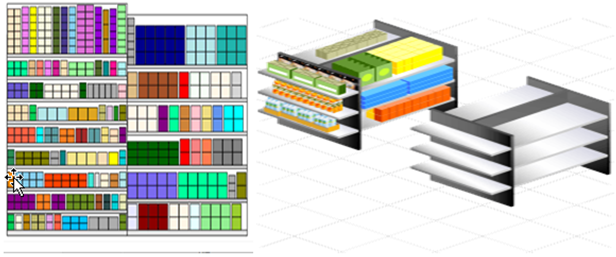
Does planogram compliance truly impact sales? Absolutely. Research from Nielsen reveals that well-executed planograms can increase category sales by up to 15%, making efficient space management a strategic lever for growth.
Efficient Space Utilization Techniques
Optimizing shelf layouts isn’t just about aesthetics—it’s a science that influences buying behavior. Here’s how top retailers maximize shelf productivity:
Vertical Blocking: Grouping products by brand creates visual cohesion, guiding shoppers’ eyes effortlessly.
Horizontal Blocking: Placing complementary SKUs (e.g., vitamins next to immune boosters) encourages add-on purchases.
Pyramid Layouts: Tiered arrangements balance visual appeal with accessibility, ensuring high-margin items get prime placement.
A Malaysian health & beauty retailer saw a 11% sales boost after reorganizing shelves using these principles—proof that small tweaks yield big returns.
Expert Insights for Malaysian Pharmacies
While global frameworks provide a foundation, local adaptation is essential. Consider these tailored strategies:
Demographic-Driven Adjustments: Urban stores (e.g., Pavilion Kuala Lumpur) may prioritize premium brands, while suburban outlets focus on value-driven bundles.
Shopper Mission Alignment: A pharmacy near clinics might highlight pain relief products at eye level, whereas a mall-based store emphasizes wellness supplements.
Compliance Audits: Regular checks ensure planogram execution matches corporate guidelines—reliable data shows compliant stores outperform peers by 8–10%.
Learn more : Customer‑Centric Retail Space Planning
Strategy 6: Staff Training and In-Store Execution Excellence

Even the most effective merchandising plan fails without trusted, well-trained staff. Global leaders like Boots UK attribute 15–20% of their OTC sales growth to rigorous training programs—proof that human execution remains irreplaceable.
Global Best Practices in Training
What separates expert retailers from the rest? A commitment to continuous learning:
Weekly Refreshers – Covering planogram compliance, product knowledge, and customer engagement.
Blended Learning – Combining in-person workshops with digital micro-modules for scalability.
Incentive Programs – Recognizing top performers boosts morale and adherence.
Tailored Solutions for Malaysian Teams
To replicate this success locally, pharmacy distributor Malaysia leaders should:
Implement Modular Training – Break down complex merchandising skills into digestible units (e.g., “Shelf Tag Placement 101”).
Leverage Local Case Studies – Use examples from Caring Pharmacy or Alpro Pharmacy to illustrate best practices.
Certify Merchandisers – Standardized credentials ensure consistency across outlets.
A leading Malaysian distributor reduced planogram deviations by 30% after introducing quarterly certification—demonstrating the power of structured training.
Overcoming Local Challenges

Adopting global strategies in Malaysia isn’t without hurdles. Common barriers include:
Limited Store Space – Smaller pharmacies can’t replicate hypermarket-style displays.
Regulatory Hurdles – NPRA rules restrict certain promotional claims.
Consumer Preferences – Price sensitivity may outweigh premium placement appeal.
Strategic Solutions
To navigate these challenges:
Adapt, Don’t Adopt – Modify global tactics to fit local store sizes (e.g., mini-planograms for kiosks).
Pre-Approved Content – Work with regulatory teams to pre-clear QR code materials.
Localized Insights – Research shows Malaysian shoppers respond well to “value bundles” near checkout counters.
Essential Success Factors
Leadership must prioritize:
✅ Collaboration – Distributors and retailers aligning on shared KPIs.
✅ Agility – Willingness to tweak strategies based on real-time data.
Learn more : Understanding the ROI of Pharmacy Merchandising Investments in Malaysia
The future of OTC merchandising in Malaysia lies in blending trusted global frameworks with tailored local execution. Whether through digital integration, planogram precision, or staff empowerment, the goal remains the same: efficient growth that serves both brands and consumers.
For pharmacy distributor Malaysia teams ready to elevate their merchandising, the time to act is now.
How can we assist you today? 😊
Just let us know—we’re here to help!