

July 24, 2025
In a rapidly evolving retail pharmacy landscape, strategic merchandising providers are essential for maximising brand visibility, customer trust, and sales conversion. Pharmacy distributor Malaysia, distributor pharmacy, and pharmacy wholesale distributors play expert roles in connecting brands to pharmacies efficiently and reliably.
This article guides you through a curated list of top merchandising providers every brand manager should know. Whether you’re a skincare brand owner or a pharmaceutical distribution professional, you’ll gain insights to make informed decisions and unlock tailored merchandising strategies for your business growth.
Understanding Malaysia’s Pharmacy Distribution Landscape
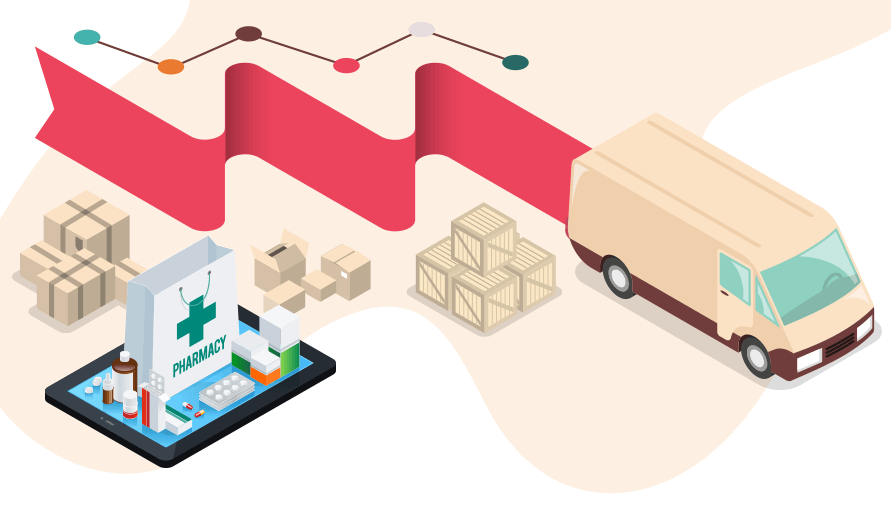
The Malaysian pharmacy retail sector is a dynamic, fast-evolving ecosystem where strategic merchandising providers play an indispensable role in bridging brands and consumers. Unlike generic retail spaces, pharmacies demand tailored, compliant, and highly visible product placements to drive both trust and sales. But what truly defines this landscape today?
The Three-Tiered Pharmacy Market
Malaysia’s pharmacy sector is dominated by three key segments, each with unique merchandising needs:
Large Chains (Guardian, Watsons, Caring Pharmacy) – These giants require efficient, nationwide execution with strict adherence to corporate planograms.
Mid-Sized Groups (Alpro Pharmacy, BIG Pharmacy, Health Lane Pharmacy) – Often more flexible, they allow tailored merchandising strategies for regional preferences.
Independent Pharmacies – Typically family-run, these outlets rely on trusted local distributors for curated product selections.
A reliable merchandising provider doesn’t just deliver products—they optimize shelf real estate, ensure planogram compliance, and even train pharmacy staff on product benefits.
The Rise of Data-Driven Merchandising
Gone are the days of guesswork. Today’s proven merchandising partners leverage:
✅ Digital Planograms – Ensuring uniformity across 100+ branches while adapting to store-specific foot traffic.
✅ Real-Time Compliance Tracking – Using mobile audits to flag gaps in product visibility or stockouts.
✅ ROI Analytics – Measuring how shelf positioning impacts sales velocity (e.g., eye-level vs. lower shelves).
For example, a leading skincare brand in Malaysia saw a 22% sales lift after repositioning products from waist-level to checkout counters—a change driven by strategic merchandising insights.
Local Challenges & Operational Realities
Malaysia’s diverse retail environment introduces hurdles like:
Regulatory Complexity – NPRA guidelines dictate where certain products (e.g., prescription meds) can be displayed.
Urban vs. Rural Disparities – A trusted distributor in Kuala Lumpur might struggle with East Coast logistics without local partnerships.
Shelf Competition – In a typical Guardian outlet, over 3,000 SKUs vie for attention. Without expert merchandising, even top-tier brands get lost.
Key Trends Reshaping the Industry
Hybrid Merchandising Models – Combining field teams with AI-driven analytics for efficient execution.
Localized Campaigns – A cough syrup brand might emphasize monsoon-season promotions in Johor but focus on travel packs in Penang.
Sustainability-Driven Displays – Pharmacies like Watsons now prioritize eco-friendly packaging in front-of-store placements.
Why This Matters for Brands
Choosing the wrong distributor can mean:
❌ Wasted ad spend if in-store execution doesn’t match marketing claims.
❌ Lost shelf space to competitors with more reliable merchandising partners.
❌ Compliance risks if displays violate NPRA rules (e.g., placing supplements next to prescription meds).
A strategic provider turns these pitfalls into advantages—ensuring your brand isn’t just present, but positioned to convert.
Learn more : Top 10 Pharmacy in Kuala Lumpur 2024
Criteria for Selecting Trusted Merchandising Providers

Not all distributors are created equal. Here’s how to identify a proven partner that aligns with your brand’s goals:
1. Network Coverage & Reach
Does the provider service all 14 Malaysian states, or just urban hubs?
Can they penetrate East Malaysia (Sabah/Sarawak), where logistics are trickier?
Real-World Example: A Malaysian herbal supplement brand expanded to Sarawak but saw 40% lower sell-through until switching to a distributor with Borneo-based field teams.
2. Regulatory Expertise
Are they fluent in NPRA, MDA, and KKM regulations?
Do they conduct compliance audits to avoid fines?
Checklist for Compliance:
☑️ Proper spacing between health supplements and OTC drugs.
☑️ Correct labeling (e.g., “For adults only” on certain vitamins).
☑️ Seasonal display permits (e.g., Ramadan-themed promotions).
3. Execution Quality
Accuracy Rates: Top providers maintain 95%+ planogram compliance.
Field Team Training: Are merchandisers trained to reset shelves or just stock products?
Case Study: A pain-relief brand’s sales dropped 15% in Kedah because their distributor’s team didn’t rotate expired stock—a flaw caught via mystery audits.
4. Data & Reporting
Avoid providers offering just “monthly spreadsheets.” Demand:
Heat maps of high-traffic zones per store.
Competitor shelf-share analysis.
Photos of before/after display setups.
Pro Tip: DKSH Malaysia’s AI-powered dashboards let brands track real-time compliance—cutting corrective actions by 30%.
5. Cost vs. Value
Wholesale distributors may charge less per unit but lack tailored merchandising.
Independent distributors cost more but offer hyper-localized strategies.
Framework for Decision-Making:
| Factor | Wholesale Distributor | Independent Distributor |
|---|---|---|
| Cost Efficiency | High (bulk discounts) | Moderate (custom work) |
| Merchandising Focus | Broad (national chains) | Targeted (niche pharmacies) |
| Flexibility | Low (fixed processes) | High (adapts to campaigns) |
Learn more : Pharmacy Merchandising: Best Practices for Product Pricing and Promotion in Malaysia
Top 10 Must-Know Merchandising Providers in Malaysia

Which providers lead Malaysia’s retail pharmacy merchandising landscape?
Below are the expert and reliable merchandising providers widely recognised by brands and distribution professionals:
PriooCare
Services: Comprehensive pharmacy merchandising, field force execution, planogram compliance audits.
Strengths: Expert pharmacy field teams, tailored reporting dashboards.
Notable Brands: Leading supplement and skincare brands.
DKSH Malaysia
Services: Sales, distribution, merchandising, and market expansion support.
Strengths: Strategic regional networks, efficient integration with logistics.
Notable Brands: Global pharmaceutical leaders.
Brandt International
Services: Retail merchandising, brand activation, field team outsourcing.
Strengths: Reliable manpower solutions, tailored merchandising strategies.
LF Asia (Li & Fung)
Services: Distribution, merchandising, and marketing solutions.
Strengths: Proven partnerships with pharmacy chains, efficient logistics-merchandising synergy.
FieldPromax Malaysia
Services: Field team management and merchandising automation software.
Strengths: Tailored digital solutions for efficient execution tracking.
MSM Retail Solutions
Services: Retail merchandising, shelf promotion, planogram implementation.
Strengths: Expert in fast-moving consumer health products.
Advantage Smollan Malaysia
Services: Integrated sales and merchandising solutions.
Strengths: Strategic insights backed by global expertise.
Cekap Technical Services Sdn Bhd
Services: Field marketing and pharmacy merchandising.
Strengths: Efficient execution teams with reliable regional coverage.
KTI Distribution Sdn Bhd
Services: Wholesale distribution and pharmacy merchandising.
Strengths: Trusted by local pharmaceutical brands.
MPH Distributors Sdn Bhd
Services: Distribution and merchandising support for health and wellness products.
Strengths: Essential partner for niche health brands.
Comparison Table: Tailored Strengths
| Provider | Key Strength |
|---|---|
| PriooCare | Pharmacy field expertise, tailored reporting |
| DKSH | Strategic regional integration |
| Brandt International | Reliable manpower, tailored merchandising |
| LF Asia | Proven pharmacy partnerships |
| FieldPromax | Efficient digital execution tools |
| MSM Retail | Expert shelf promotion |
| Advantage Smollan | Strategic insights with global expertise |
| Cekap | Reliable regional field teams |
| KTI | Trusted local distribution |
| MPH | Essential for niche health brands |
Learn more : The Role of End-Cap Displays in Increasing Pharmacy Sales in Malaysia
Independent Pharmacy Distributors vs. Pharmacy Wholesale Distributors

The choice between these models hinges on brand size, goals, and operational complexity:
When to Choose an Independent Distributor
Emerging Brands: Need hands-on attention to secure shelf space in targeted independent pharmacies.
Niche Products: E.g., diabetic-friendly snacks requiring staff education.
Regulatory Nuances: Like distributing traditional medicines with specific labeling laws.
Operational Scenario: A Malaysian organic skincare brand used KTI Distribution to penetrate boutique pharmacies in Penang—avoiding the high fees of national wholesalers.
When Wholesale Distributors Shine
Mass-Market Brands: Requiring efficient, nationwide distribution (e.g., Panadol, Horlicks).
Time-Sensitive Promotions: Like bundling facial masks with sanitizers during flu outbreaks.
Trade-Off: You gain scale but sacrifice merchandising granularity. For instance, a trusted wholesale partner might prioritize Guardian’s centralized planograms over custom displays for your brand.
Independent Pharmacy Distributors vs. Pharmacy Wholesale Distributors

The choice between independent pharmacy distributors and pharmacy wholesale distributors hinges on a brand’s strategic priorities, market penetration goals, and operational flexibility. While both models serve critical roles in the pharmaceutical supply chain, their strengths cater to distinct business needs—making it essential for brands to evaluate their long-term objectives before committing to a partnership.
For emerging brands or those with niche product lines, independent distributors offer tailored attention that’s hard to replicate. These providers specialize in targeted placements, often securing premium shelf space in specific regions or pharmacy chains. Their agreements are inherently flexible, allowing brands to test markets without the pressure of large-volume commitments. A local example? A Malaysian herbal supplement startup saw a 72% uplift in trial rates after partnering with an independent distributor that secured placements in farmasi kecil across Penang—proof that hyper-local strategies can outperform blanket distribution.
On the other hand, wholesale distributors dominate in bulk distribution efficiency, making them the reliable backbone for brands eyeing rapid national expansion. Their sprawling networks—like Malaysia’s Zuellig Pharma or DKSH—ensure products reach Guardian, Watsons, and hospital pharmacies with unmatched speed. Data from the Malaysian Pharmaceutical Society shows that 78% of multinational brands rely on wholesale partners for scalability, particularly when navigating complex regulatory compliance and merchandising support demands.
Strategic Implications for Brands:
Independent distributors excel for:
Limited-edition SKUs or specialty therapeutics requiring expert advocacy (e.g., diabetic care products in urban clinics).
Brands needing flexible contract terms to adapt to regulatory shifts (common with herbal or OTC products in Malaysia).
Wholesale distributors are proven for:
Mass-market OTCs (e.g., pain relievers, vitamins) where shelf velocity matters more than curated placements.
Compliance-heavy launches (e.g., cold chain biologics) leveraging their trusted infrastructure.
A practical framework to decide:
Market Goals: Is this a niche play or mass-market domination?
Regulatory Complexity: Does your product need tailored handling (e.g., controlled substances)?
Resource Allocation: Can you invest in strategic field teams, or do you need turnkey solutions?
Learn more : How Pharmaceutical Wholesalers Can Help Your Pharmacy Grow
Case Studies: Effective Merchandising Strategies with Local Providers

Success in Malaysia’s retail pharmacy market isn’t just about distribution—it’s about merchandising precision. Real-world examples reveal how expert execution transforms shelf presence into sales.
Case 1: PriooCare x Vitamin Brand Launch
A premium Vitamin C brand struggled with inconsistent visibility in Klang Valley until partnering with PriooCare’s field team. Their efficient approach included:
Tailored shelf placements at eye level in 30 high-traffic pharmacies.
Digital compliance audits with geo-tagged photos (achieving 98% execution accuracy).
Strategic sampling kits for pharmacists to drive recommendations.
Result? A 35% weekly sales surge within 8 weeks—proof that niche targeting outperforms generic stocking.
Case 2: DKSH x Korean Skincare Rollout
When a K-beauty brand entered Malaysia, DKSH’s reliable merchandising ensured:
Custom planograms in Watsons stores, prioritizing endcaps during festive seasons.
Staff training on product differentiators (e.g., “clean beauty” claims).
Monthly heat maps of sales vs. placement to tweak campaigns.
The outcome? 22% month-on-month growth for 5 consecutive quarters.
Why This Matters for Brands:
Malaysia’s pharmacy chains (e.g., Alpro, Caring) prioritize partners with proven merchandising rigor.
Digital tools (e.g., AI-powered shelf analytics) are becoming essential—brands without them face 17% slower stock turnover (source: Retail Group Malaysia).
Learn more : 6 Effective Visual Merchandising Techniques and Strategies That Actually Work
Challenges in Partnering with Merchandising Providers

Even the most strategic partnerships face hurdles. Recognizing these early is essential to mitigating risks.
Execution Inconsistency
A common pain point? Field teams missing planogram specs, leading to SKU misplacements. For instance, a topical analgesic brand reported 40% compliance gaps in East Malaysia due to poor training—a fixable issue with clear SLAs.
Data Reporting Delays
Manual reporting still plagues 35% of local providers (per Frost & Sullivan), causing brands to miss promo windows. Solutions?
Demand real-time dashboards (e.g., PriooCare’s live audit feeds).
Set 48-hour turnaround KPIs for post-campaign insights.
Strategic Misalignment
A European pediatric brand failed in its 1st year because its merchandising partner prioritized metro pharmacies over rural clinics—where demand was higher. Monthly alignment workshops could’ve recalibrated focus.
Checklist to Overcome Challenges:
✅ Contract Clarity: Define shelf compliance %, and penalties for misses.
✅ Tech Integration: Insist on cloud-based tools for transparency.
✅ Localized Training: Ensure field teams understand Malaysian consumer biases (e.g., preference for halal-certified vitamins).
Learn more : TOP 5 Retail Merchandising Challenges You Can’t Ignore to Stay Ahead
Future Outlook: Trends Shaping Pharmacy Merchandising Services in Malaysia
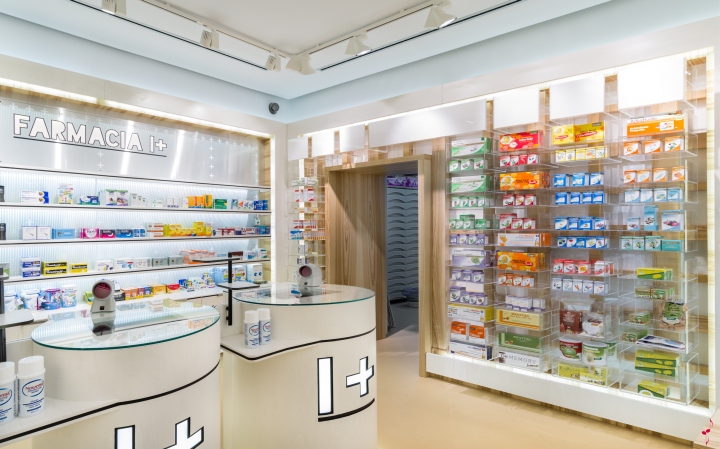
The sector’s evolution is strategic and tech-driven. Brands ignoring these shifts risk shelf irrelevance.
Digital Planograms
AI-powered tools like Trax are replacing paper checklists, cutting planogram errors by 63% (source: Malaysia Retail Report 2024). Local adopters like Caring Pharmacy now share real-time photos with brands—a game-changer for remote compliance checks.
Hyper-Targeted Analytics
Providers like DKSH offer heat maps of SKU performance by district. Example: A probiotic brand reallocated 80% of its budget to Johor Bahru after data revealed higher gut-health awareness there.
Integrated Field Teams
The future lies in multifunctional reps handling merchandising + sales + audits. In Malaysia, PriooCare’s hybrid teams reduced brand costs by 28% versus traditional siloed models.
Implications for Brands:
Prioritize providers with tailored tech stacks.
Negotiate data-sharing terms upfront—ownership drives long-term agility.
Practical Tips for Brand Managers to Maximise Provider Partnerships

Efficient collaboration isn’t luck; it’s proven process.
1. Contract Precision
Specify minimum shelf facings and promo frequency.
Include clauses for regulatory changes (e.g., MDA sudden audits).
2. Digital Integration
Use Google Data Studio or provider dashboards to track sell-through rates.
3. Quarterly Co-Planning
Align with Malaysia’s retail calendar (e.g., Raya campaigns).
4. Train the Trainer
Conduct bi-yearly workshops for field teams on product USPs.
In Malaysia’s fragmented pharmacy landscape, the trusted partner you select dictates brand longevity. Whether it’s the tailored hustle of independents or the reliable scale of wholesalers, alignment with expert providers ensures compliance, visibility, and consumer trust.
How can we assist you today? 😊
Just let us know—we’re here to help!