

April 11 , 2026
What truly guarantees that essential medicines and critical wellness products are delivered to pharmacies across Malaysia in a timely, secure, and fully compliant manner? The answer lies not in a single entity, but within a sophisticated, often unseen network of trusted pharmacy distributors. These organizations are the vital connective tissue within the nation’s healthcare ecosystem, ensuring that the gap between pharmaceutical manufacturers and the end patient is bridged with unwavering reliability. In Malaysia, a pharmacy wholesale distributor is far more than a simple logistics provider; it is a strategic partner embedded deeply within the operational and regulatory fabric of healthcare delivery. From an independent pharmacy distributor navigating the logistical challenges of serving rural clinics in Sabah and Sarawak to a large-scale operator managing just-in-time deliveries for nationwide retail chains, their function is fundamentally pivotal to market stability and, ultimately, patient access. This role has evolved into a complex discipline that demands mastery over sensitive regulatory documentation, precise cold chain pharmacy Malaysia protocols for temperature-sensitive biologics, and the navigation of an increasingly stringent licensing landscape. The post-pandemic era has further cemented this reality, elevating standards such as NPRA compliance Malaysia and GDP-certified handling from best practices to non-negotiable, mandatory requirements. In this high-stakes environment, pharmacy distributors operate as the essential lifeline, making them the true, reliable backbone of the nation’s pharmacy distribution service.
Regulatory Compliance: The Non-Negotiable Foundation of Trust
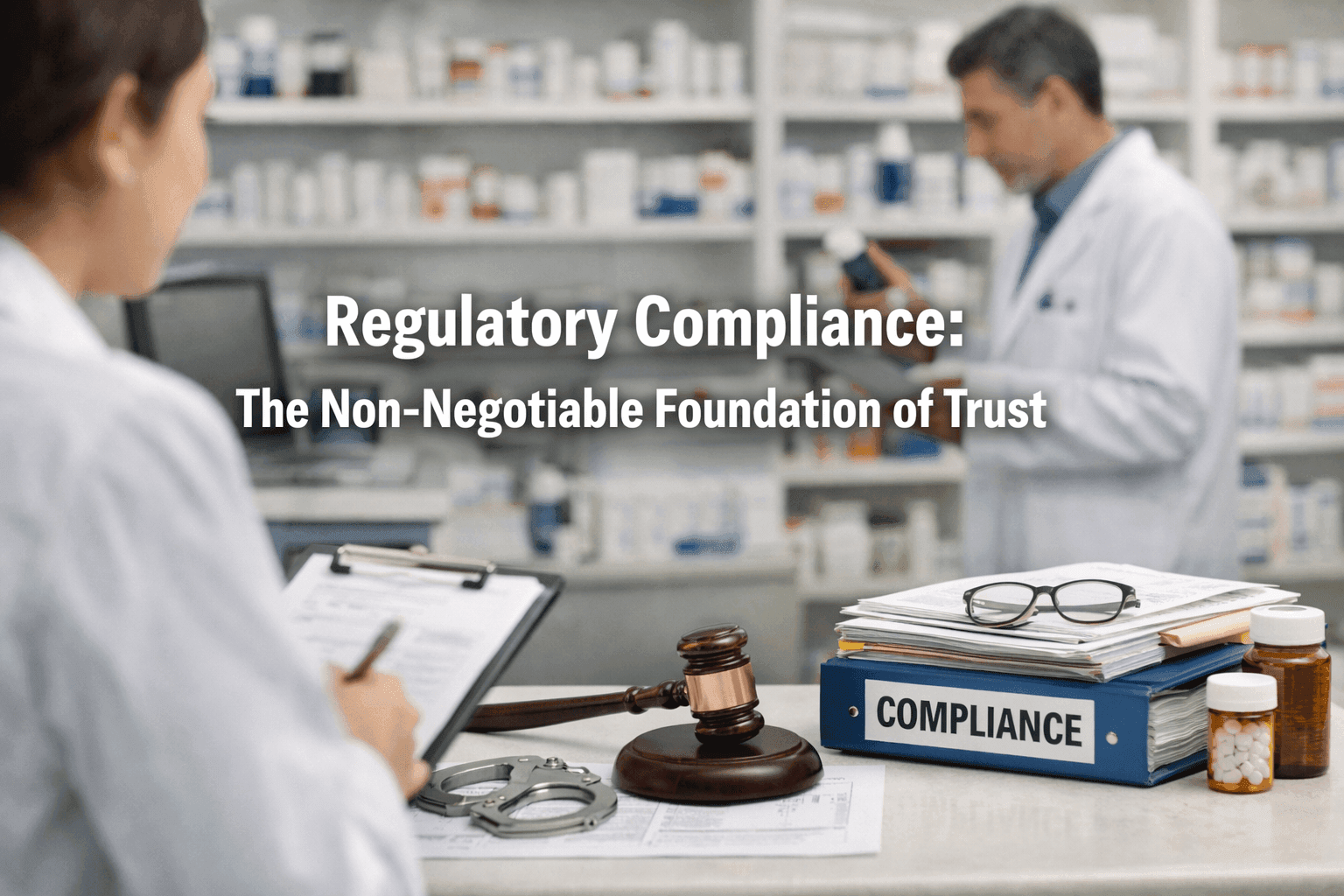
The foremost and most critical pillar in evaluating any pharmacy distribution partner is their demonstrable commitment to regulatory compliance. This is not merely a box-ticking exercise but the absolute bedrock of operational integrity and patient safety. In Malaysia, the regulatory framework is multifaceted, governed primarily by the National Pharmaceutical Regulatory Agency (NPRA) under the Ministry of Health (KKM). A trusted distributor must possess and maintain all necessary KKM licensing, ensuring every product handled is tracked and documented according to stringent NPRA guidelines. Beyond basic licensing, the gold standard is achieved through Good Distribution Practice (GDP) certification. This proven framework outlines the rigorous standards for the storage, transportation, and documentation of pharmaceuticals, ensuring product quality and integrity are preserved throughout the supply chain. For instance, a distributor managing insulin or vaccines must not only claim cold chain capability but must provide auditable proof of GDP-certified warehousing and fleet management. From the perspective of a brand manager for an international pharmaceutical company, partnering with a GDP-certified distributor mitigates immense regulatory risk and safeguards product efficacy. Conversely, for a pharmacist in Penang, working with a fully compliant distributor means confidence in the authenticity and proper storage of every product received, which is essential for patient trust and clinic reputation.
Inline Checklist: Core Compliance Credentials for a Trusted Distributor:
Valid and up-to-date KKM license for pharmaceutical products.
Comprehensive NPRA compliance in product registration and serialization.
GDP certification for warehousing and distribution operations.
Adherence to FSQD protocols for handling cosmetics and nutraceuticals.
Robust documentation and recall systems for full traceability.
Learn more : KKM Product Search: Cara Guna Sistem QUEST | Good distribution practices for pharmaceutical products
Geographical and Segment Coverage: Ensuring Universal Access
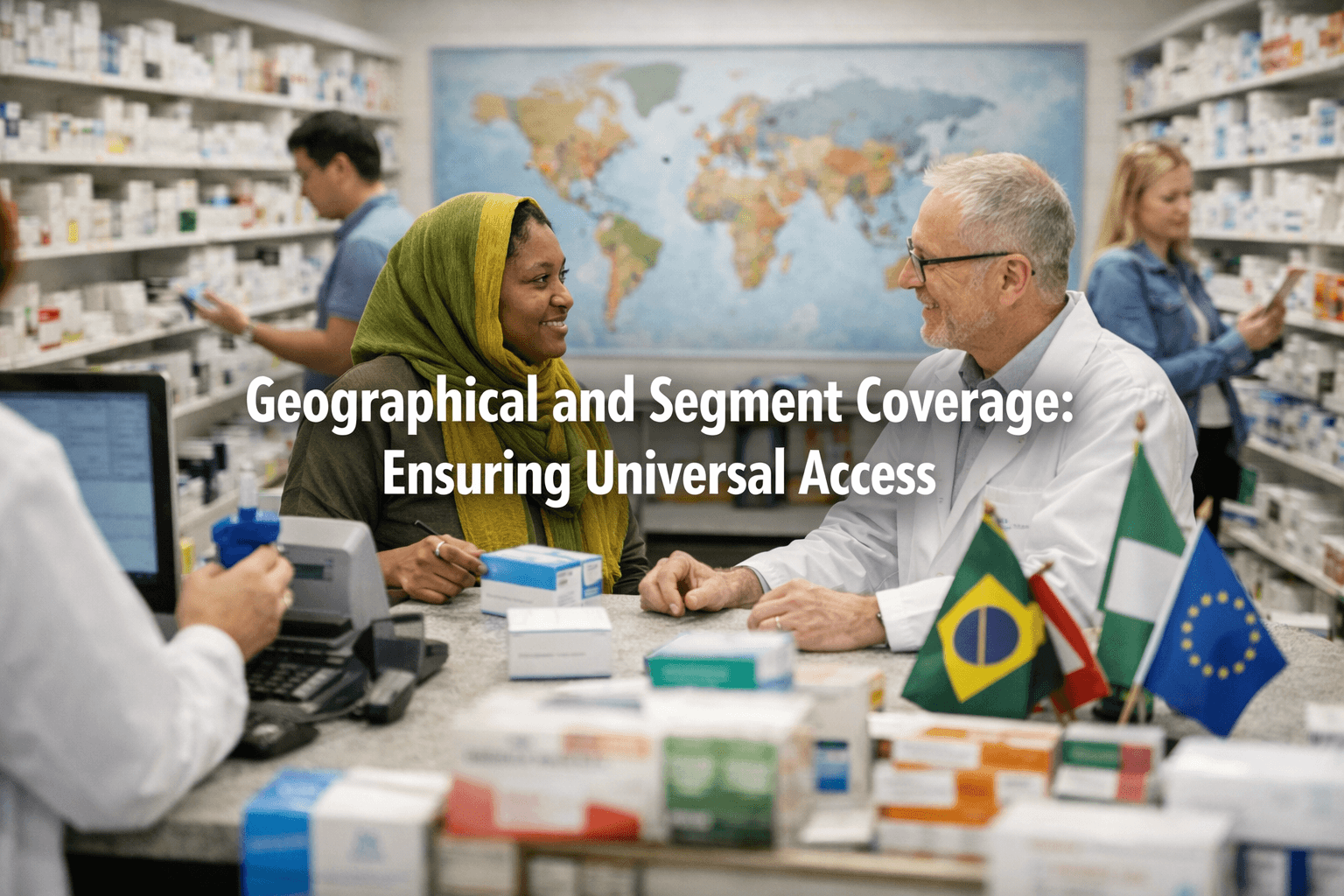
A distributor’s logistical reach is a direct indicator of its capability and strategic value. Geographical coverage refers to the physical ability to deliver consistently across both Peninsular and East Malaysia—a challenge given the varied infrastructure and distances involved. A top-tier pharmacy wholesale distributor doesn’t just serve major urban hubs like Kuala Lumpur and Johor Bahru; it also has the network and strategic partnerships to ensure a clinic in Kapit, Sarawak, or a pharmacy in rural Kelantan receives its order intact and on schedule. This coverage is intrinsically linked to the pharmacy segments served. The needs of a large retail chain like Guardian or Watsons, requiring nationwide, consolidated deliveries, are vastly different from those of an independent pharmacy in Melaka needing smaller, more frequent shipments with flexible terms. Furthermore, a distributor’s efficient network must also extend to serving clinics, hospitals, and even online pharmacy platforms. Consider PriooCare Malaysia, which has carved a niche as an independent pharmacy distributor by offering tailored logistics solutions specifically for independent and mid-sized chain pharmacies, ensuring they are not underserved by larger players focused on big accounts. This multifaceted coverage ensures the entire healthcare distribution in Malaysia remains resilient and inclusive.
Product Scope and Specialized Handling Capabilities
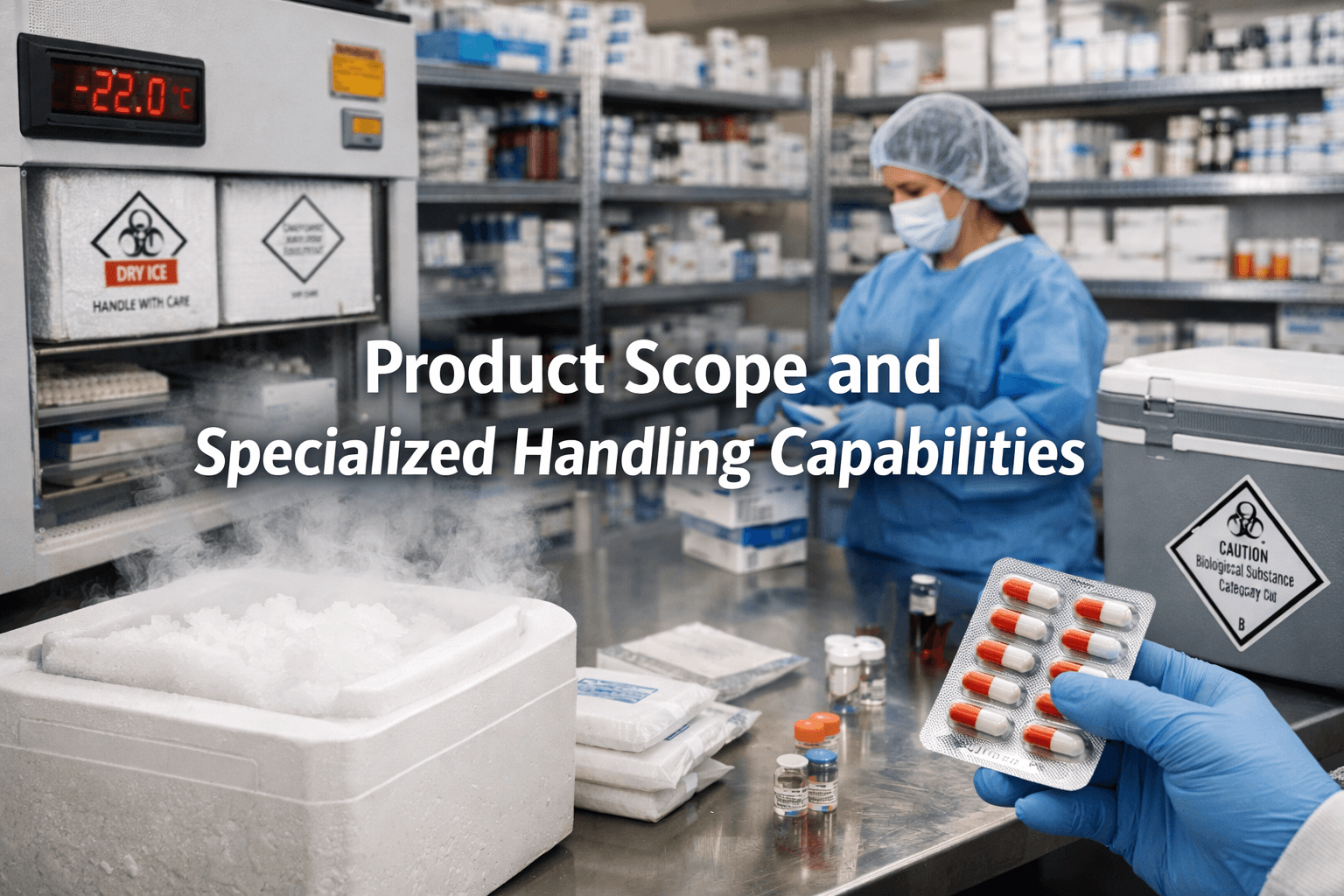
The diversity of products flowing through Malaysia’s retail pharmacy supply chain today is staggering. Therefore, a distributor’s product scope is a key differentiator. The ability to seamlessly handle a mixed SKU portfolio is a mark of operational excellence. This includes:
Prescription (Rx) medicines: Requiring the highest level of regulatory control and security.
Over-the-counter (OTC) products: Often high-volume, fast-moving consumer goods.
Nutraceuticals and supplements: Governed by specific labeling and FSQD standards.
Skincare and cosmeceuticals: A booming category where cosmetic product distributors must understand both regulatory and retail merchandising nuances.
Within this broad scope, specialized handling capabilities become paramount. The most effective example is cold chain management. For a distributor like Zuellig Pharma Malaysia, their expert investment in temperature-controlled pharmaceutical warehousing Malaysia facilities and a dedicated refrigerated fleet is not an added service but a core competency, essential for modern biologics and vaccines. Similarly, a distributor focusing on premium dermatological lines, like Global Science Sdn Bhd, must have protocols to protect product integrity from heat and humidity. The practical implication is clear: a pharmacy or clinic can consolidate its purchasing with a distributor possessing a wide yet expertly managed product scope and specialized handling, leading to simpler procurement, reduced risk, and assured product quality.
Value-Added Services: The Evolution from Logistics to Partnership
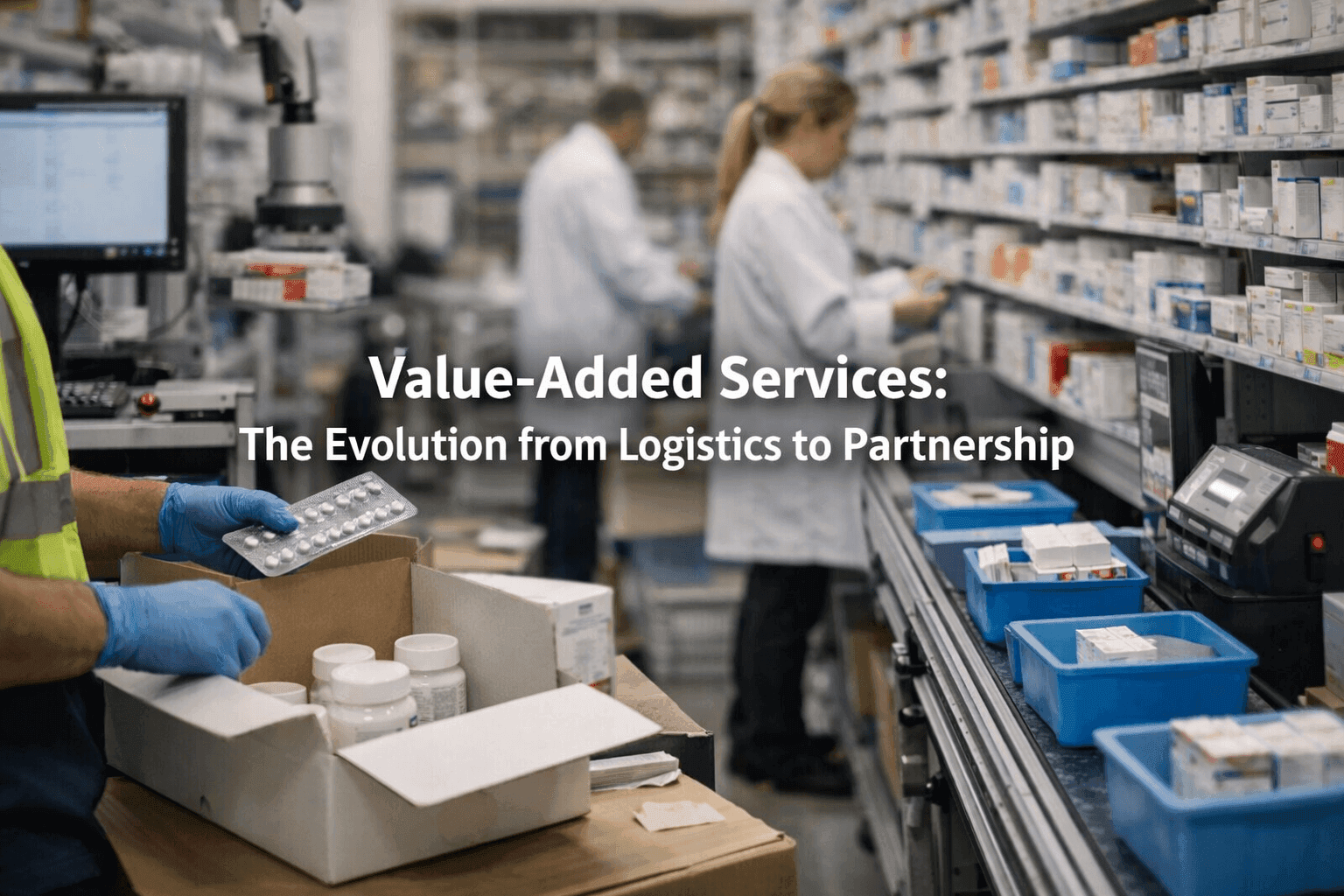
The modern pharmacy distributors role has transcended pure storage and delivery. Today, value-added services are what transform a vendor into a strategic partner. These services directly enhance the commercial performance and operational efficiency of the retail pharmacy. The most impactful include:
Merchandising and Planogram Support: Helping pharmacies optimize shelf space to increase sales, a service DKSH Malaysia is renowned for.
POSM (Point-of-Sale Materials) Provision: Supplying banners, shelf talkers, and testers to drive in-store promotions.
In-Store Training and Product Knowledge Sessions: Educating pharmacy staff on new products, which improves customer consultation and sales.
Inventory Management and Analytics: Providing data-driven insights to optimize stock levels and reduce wastage.
From the pharmacist’s perspective, these services are invaluable. An independent pharmacy owner in Ipoh may have limited time and resources for store layout optimization; a distributor that provides tailored merchandising support directly contributes to that pharmacy’s revenue and customer experience. From the brand manager’s point of view, a distributor with strong merchandising arms acts as a force multiplier, ensuring their marketing investments are executed flawlessly at the store level. This shift from a transactional to a partnership model is what defines the leading pharmacy distribution service in Malaysia today.
| Distributor Name | KKM/NPRA Compliance | Cold Chain Capable | Merchandising Support Level | Primary Pharmacy Types Served | Operational Strength Summary |
|---|---|---|---|---|---|
| Zuellig Pharma Malaysia | Full GDP Certification | Expert-Level | Expert Training & Audit Support | Large Chains, Hospitals, Clinics | Efficient, Trusted leader in regulatory & cold chain logistics |
| DKSH Malaysia | Full Compliance | Yes | Full POSM & Planogram Services | All Sectors (Chains, Independent, Hospitals) | Strategic, Proven partner with deep market reach |
| PriooCare Malaysia | Full Compliance | Yes | Tailored Merchandising for Independents | Independent & Mid-Sized Chains | Reliable, Expert focus on the independent pharmacy segment |
| Apex Pharma | Full Compliance | Limited | Limited Promotional Support | Clinics & Retail Pharmacies | Proven, Efficient in OTC and clinic supply networks |
| Global Science Sdn Bhd | Full Compliance | (Ambient Focus) | Visual Merchandising Tools | Wellness Retailers, Derma Clinics | Trusted, niche-focused cosmetic product distributor |
Learn more : What is the Role of Merchandising?
The Operational Realities of Pharmaceutical Warehousing in Malaysia
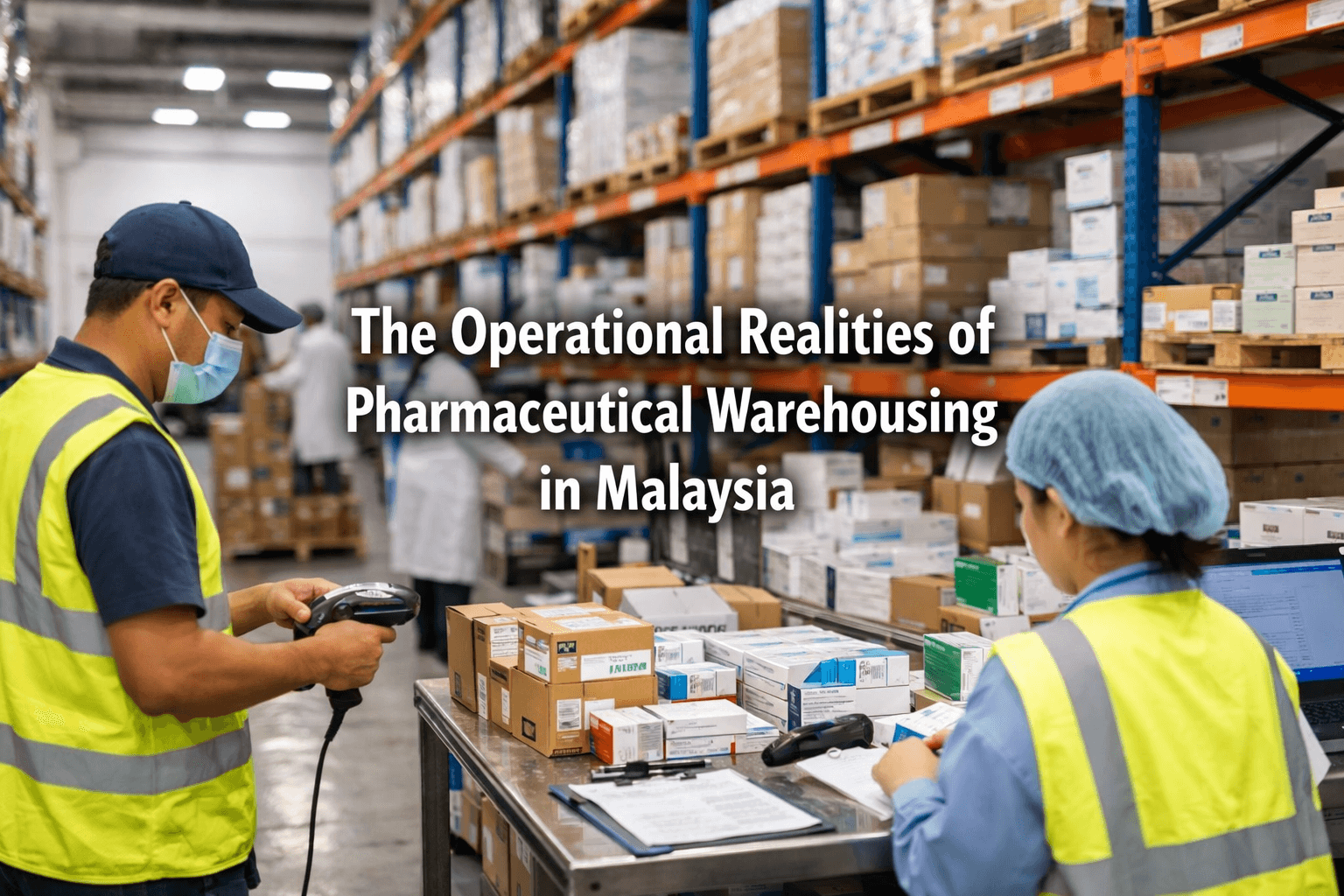
The quality of a distributor’s pharmaceutical warehousing Malaysia facilities is where theory meets practice. These are not standard storage units; they are highly engineered environments designed to protect public health. A GDP-certified warehouse incorporates stringent zone controls—separating quarantined, approved, and rejected goods—alongside continuous environmental monitoring for temperature and humidity. This is especially critical in Malaysia’s tropical climate. For cold chain products, the warehouse must have validated cold rooms (2-8°C) and possibly freezer sections (-20°C or lower) with backup power systems and 24/7 monitoring alerts. The practical implication of this is immense. A failure in warehouse conditions can lead to massive product spoilage, regulatory penalties, and most gravely, compromised patient treatments. Distributors like Alpro Alliance Sdn Bhd, which supports the Alpro pharmacy chain, leverage their GDP-certified internal warehousing not just for their own network but often as a reliable service for other brands, showcasing how advanced infrastructure becomes a marketable asset. The warehouse is the silent, beating heart of the healthcare supply chain, and its design and management are a true test of a distributor’s commitment.
Learn more : Logistics Performance Index (LPI)
Navigating the Multi-Tiered Retail Pharmacy Supply Chain
Understanding the landscape requires mapping the entire pharmaceutical supply chain in Malaysia. It is a multi-tiered system originating with local manufacturers (like Duopharma Biotech) and multinational corporations. The products then flow through licensed pharmacy distributors, who act as the critical aggregation and regulatory clearance point. From here, the journey diverges: to large retail chains with their own central warehouses, to direct deliveries for hospital tenders, or to the shelves of standalone community pharmacies. This system operates under the dual oversight of the NPRA for medicinal safety and the Food Safety and Quality Division (FSQD) for allied health products. While the public sector often utilizes bulk tenders, the private sector thrives on the agility of tailored distribution models. Within this ecosystem, pharmacy wholesale distributors coexist with niche players like specialized cosmetic product distributors. As healthcare distribution expands to encompass holistic wellness and preventive care, the demand for scalable, trusted partners who can manage this complexity only grows. Whether it’s ensuring the consistent supply of a life-saving prescription drug or launching a new premium aesthetic brand, the distributor’s role in providing regulatory clarity, logistical consistency, and seamless regional reach remains the common, essential denominator for success across the entire chain.
Learn more : Top 10 Medicine Distributors in Malaysia for Pharmacies and Clinics
The Strategic Imperative: Selecting a Distribution Partner That Drives Market Growth
For brand custodians in Malaysia’s competitive healthcare and skincare landscape, the choice of a distribution partner transcends a simple logistical contract. It is a foundational strategic decision that directly influences market penetration, brand equity, and long-term viability. The common pitfall of prioritizing upfront cost savings over operational capacity and compliance robustness can erode brand value swiftly. An expert partner functions as a true extension of your commercial team, navigating the complex tapestry of Malaysia’s pharmacy network with precision. The assessment criteria have evolved; today’s smart brand managers scrutinize a potential partner’s mastery over KKM (Ministry of Health) and NPRA (National Pharmaceutical Regulatory Agency) compliance documentation, the proven integrity of their cold chain logistics, the depth and breadth of their retail coverage across both major chains and independent pharmacies, and their capability for tailored merchandising. This includes sophisticated point-of-sale material (POSM) activation and strategic shelf space negotiations. The modern expectation is a collaborative alliance where the distributor provides not just wheels on the road, but actionable data feedback, transparent sales audit dashboards, and a seat at the table for collaborative market strategy development. Brands that have aligned with strategic distributors equipped with these capabilities frequently experience accelerated product uptake and superior shelf positioning, a clear competitive edge in crowded retail environments.
Malaysia-Focused Operational Scenario: Consider a Singapore-based dermaceutical brand launching its first serum in Malaysia. A distributor with mere nationwide reach is insufficient. The strategic partner would need to demonstrate a mapped-out plan detailing which Caring Pharmacy outlets in Klang Valley and Healthlane branches in Johor Bahru would receive the first shipment, backed by a merchandising schedule for trained personnel to install testers and ensure planogram compliance. Their data dashboard should provide the brand manager in Singapore real-time insights into sell-through rates at these key locations, enabling swift promotional adjustments.
The Ground-Truth Metric: How Pharmacists Define a Dependable Distributor
While brand managers view distribution from a strategic height, the pharmacist’s perspective offers the ground-truth metric for a distributor’s performance. For a pharmacist at a busy outlet in Kepong or Kuching, a distributor’s value is measured in daily operational reliability. The absolute bedrock of trust is delivery accuracy and batch integrity. A single incident where a cold chain solution fails during transit, compromising a vaccine or a probiotic, can permanently damage that relationship. Pharmacists prioritize stock turn optimization and a healthy expiry buffer to protect their inventory investment. Beyond flawless delivery, they value efficient communication channels, particularly critical during urgent product recalls or scheduled planogram resets. Distributors who augment their service with product training sessions for pharmacy staff, enhancing awareness of new ingredients or protocols, add significant value. Furthermore, reliable post-sales support for handling damaged returns or swiftly supplying promotional assets transforms a vendor into a trusted partner. From this frontline view, trusted logistics manifest as fewer frustrating stock-outs, consistent product availability, and ultimately, stronger brand recall and patient satisfaction.
Inline Checklist: What Pharmacists in Malaysia Value Most:
Accurate & On-Time Delivery: Correct products, quantities, and invoices every time.
Unbroken Cold Chain: Visual proof of temperature control for sensitive products.
Clear Expiry Management: Products supplied with ample shelf life remaining.
Responsive Communication: A dedicated contact for issues, often via WhatsApp for speed.
Proactive Support: Offering training, planogram assistance, and easy return processes.
Independent Agility vs. Chain Scale: Navigating the Distribution Model Spectrum
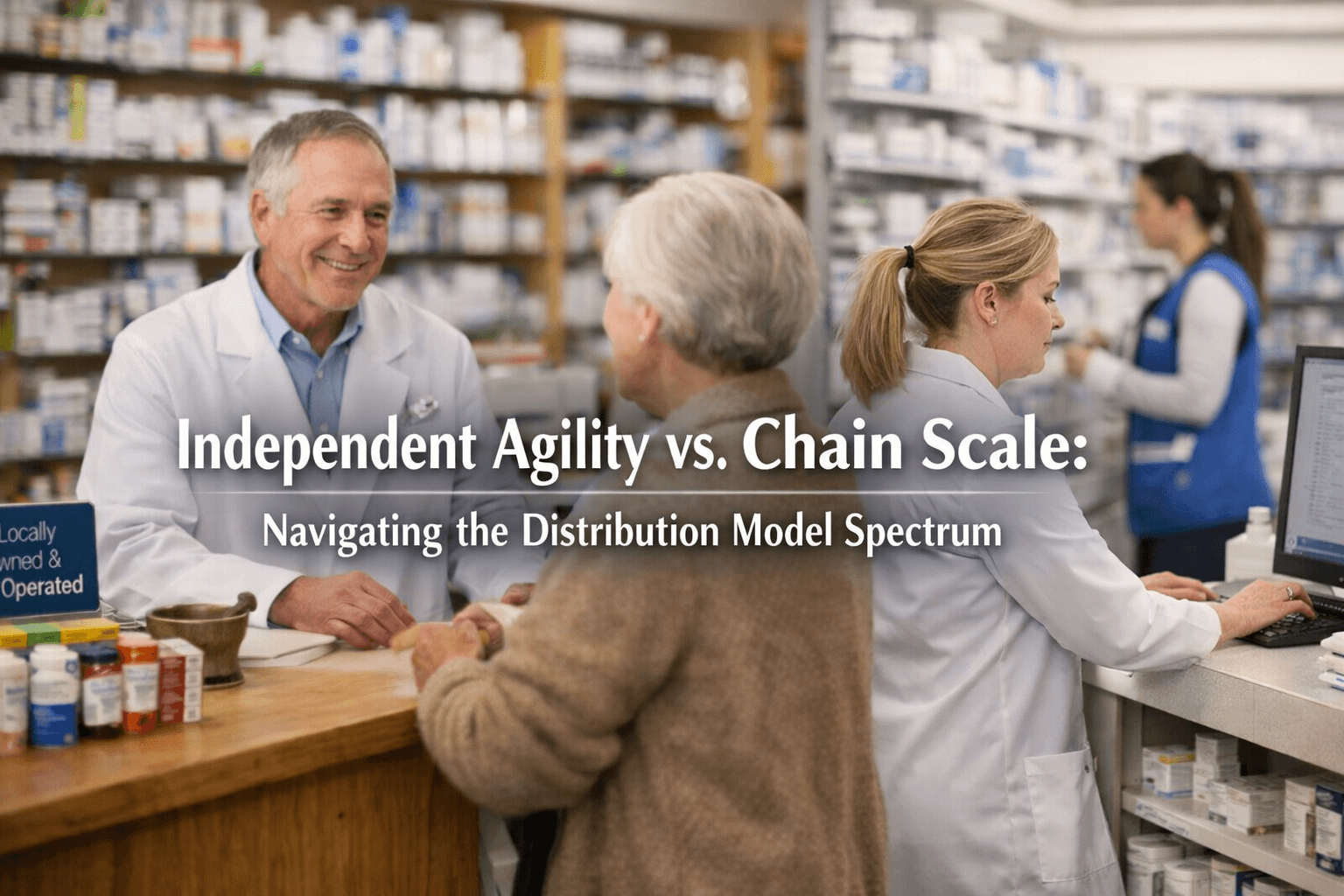
A pivotal consideration for brands is choosing between distributors specializing in independent pharmacies and those built for large chain operations. The assumption that bigger is always better is a misconception. Independent pharmacy distributor teams often operate with greater agility, providing tailored, high-touch support perfectly suited for standalone pharmacies or small local chains. Their strengths lie in flexible delivery cycles that match the pharmacy’s cash flow, personalized planograms that maximize a small store’s layout, and relationship-driven merchandising. Conversely, chain-focused logistics teams are engineered for volume throughput and operational consistency. They excel in managing the complex requirements of giants like Watsons or Guardian, with centralized invoicing, Electronic Data Interchange (EDI) synchronization, and execution of nationwide bulk promotions. Their systems are efficient for scale but can sometimes lack the nuance required for localized market tactics.
| Aspect | Independent-Focused Distributor | Chain-Focused Distributor |
|---|---|---|
| Core Strength | Relationship agility, customized service | Systemic efficiency, volume handling |
| Ideal Client | Standalone pharmacies, small local chains | Large national pharmacy chains |
| Service Model | High-touch, flexible, personalized | Automated, standardized, centralized |
| Merchandising | Hands-on, store-by-store adaptation | Broad planogram execution, bulk POSM |
| Key Advantage | Deep local market knowledge & adaptability | Speed, scale, and integrated tech systems |
The most effective opportunity for many brands lies in hybrid distribution models. These are partners who maintain a pharma distribution network with nationwide reach and the systems to service chains, but who also deploy regional support teams. These teams can provide the localized, hands-on attention required for independents and ensure regional compliance handling across different states, offering brands the best of both worlds without needing multiple partners.
Bridging the Gaps: Unlocking Future Opportunities in Malaysia’s Network
Despite advancements, significant distribution gaps persist within Malaysia’s pharmacy supply chain, presenting both challenges and opportunities for forward-thinking brands. East Malaysia (Sabah and Sarawak) continues to grapple with persistent issues like delivery lags, higher incidences of cold chain failures due to extended transit times, and inconsistent POSM execution. In more remote areas, rural clinics may have minimal to no direct distributor touchpoints, relying on fragmented supply routes. Furthermore, the availability of specialized pharmaceutical warehousing with stringent climate control, particularly in high-humidity coastal zones, remains limited. From a digital perspective, the industry’s digital transformation is uneven. While some leaders have adopted advanced systems, many distributors still operate without full EDI integration or predictive restocking models, leading to manual errors and expired stock issues. These gaps highlight areas for competitive differentiation.
Emerging product categories represent fertile ground for growth. Sectors like women’s health, advanced dermaceuticals, and halal-certified wellness products are experiencing surging demand. However, few distributors are strategically positioned with the specific regulatory expertise, merchandising nuance, and consumer education capabilities these categories demand. Brands looking to capitalize on these trends should seek partners who are actively investing in future-ready infrastructure: real-time performance dashboards, expansion of regional hub networks to improve East Malaysia coverage, and automated compliance reporting tools. This strategic investment in capability is what separates a basic logistics provider from a true growth lever.
Malaysia-Focused Operational Scenario: A halal-certified prenatal vitamin brand from Indonesia wants to expand into Malaysia. The ideal distributor wouldn’t just handle customs clearance. They would have the expertise to navigate both NPRA compliance for supplements and the nuances of JAKIM halal certification logistics. They would also have a merchandising team that can effectively communicate the product’s dual value proposition to pharmacists in predominantly Muslim areas like Kelantan or Terengganu, and ensure products are placed appropriately within the wellness aisle.
Learn more : Four ways pharma companies can make their supply chains more resilient
The Concluding Perspective: Distribution as a Catalyst for Sustainable Success
The intricate relationship between a brand and its pharmacy distributor is undeniably a defining factor in commercial success within the Malaysian market. This partnership influences everything from the critical initial market access to the sustained strength of shelf presence. Whether navigating the meticulous requirements of NPRA compliance for a new pharmaceutical or launching a novel skincare line in a saturated market, a reliable and strategic distribution ally provides more than just transportation. They deliver regulatory peace of mind, actionable market intelligence, and the operational excellence that builds brand trust with both pharmacists and end consumers. For pharmaceutical companies, skincare brand owners, and commercial teams, periodically re-evaluating your distribution network is not an administrative task—it is a strategic review. The next phase of growth in Malaysia’s healthcare logistics sector will be won by those who partner with entities demonstrating tech agility, impeccable audit readiness, and genuine regional flexibility.
Learn more : Good distribution practice and good manufacturing practice (GMP and GDP)
Frequently Asked Questions (FAQ)
Q1: Who are the big 3 pharmaceutical distributors?
Answer: Globally, the “Big 3” pharmaceutical distributors are McKesson, AmerisourceBergen (now Cencora), and Cardinal Health. These companies dominate large-scale pharmaceutical wholesaling, logistics, and healthcare supply chain services worldwide.
Q2: What are the top 5 pharmacy in Malaysia?
Answer: The top pharmacy chains in Malaysia are generally recognised as Watsons, Guardian, Caring Pharmacy, BIG Pharmacy, and Alpro Pharmacy, based on store count, nationwide presence, and consumer reach.
Q3: Which is the largest retail pharmacy in Malaysia?
Answer: Watsons is widely regarded as the largest retail pharmacy chain in Malaysia, with the highest number of outlets nationwide and a strong presence in both health and beauty retail.
Q4: Who are pharmaceutical distributors?
Answer: Pharmaceutical distributors are licensed entities that purchase medicines, supplements, and healthcare products from manufacturers and distribute them to pharmacies, hospitals, clinics, and other healthcare providers while ensuring regulatory compliance and supply continuity.
Q5: Who is the largest medical distributor?
Answer: On a global scale, McKesson is considered the largest medical and pharmaceutical distributor by revenue and distribution volume.
Q6: What are the big 3 pharmacy chains?
Answer: In Malaysia, the three largest pharmacy chains are Watsons, Guardian, and Caring Pharmacy, based on footprint, brand recognition, and retail dominance.
Q7: What are the big 5 pharma companies?
Answer: The global “Big 5” pharmaceutical companies are typically Pfizer, Roche, Novartis, Johnson & Johnson, and Merck & Co., based on revenue, R&D scale, and global market influence.
Q8: Who are the three big wholesalers?
Answer: The three biggest pharmaceutical wholesalers globally are McKesson, AmerisourceBergen (Cencora), and Cardinal Health.
Q9: What is the big 4 in pharma?
Answer: The “Big 4” in pharma usually refers to Pfizer, Roche, Novartis, and Johnson & Johnson, which consistently rank among the world’s largest pharmaceutical companies.
Q10: Who is Pfizer’s biggest competitor?
Answer: Pfizer’s biggest competitors include Roche, Novartis, Merck & Co., and Johnson & Johnson, depending on the therapeutic area and market segment.
How can we assist you today? 😊
Just let us know—we’re here to help!