Top 5 Biggest Pharmaceutical Companies in Malaysia
Malaysia’s pharmaceutical industry has quietly transformed into one of Southeast Asia’s most dynamic healthcare markets. It is a landscape defined not only by rising demand for prescription drugs and over-the-counter (OTC) medications, but also by a fast-growing appetite for wellness products, cosmeceuticals, and specialised biologics. With a public-private healthcare duality that functions relatively well, and a population demographic that is greying faster than regional peers, the country presents a fertile—though highly regulated—terrain for both local manufacturers and multinational pharmaceutical giants. Recent projections estimate Malaysia’s pharmaceutical market will expand from RM15.7 billion in 2025 to RM21.4 billion by 2029, reflecting a five-year compound annual growth rate (CAGR) of 6.4% . This is not merely incremental growth; it signals a structural shift in how medicines and therapies are consumed, procured, and distributed.
Within this intricate web of manufacturing, regulation, and consumption, the pharmacy distributor has emerged as far more than a middleman. They are, in many ways, the central nervous system of the healthcare supply chain. A trusted distributor pharmacy ensures that essential drugs—whether it is life-saving insulin for a diabetic patient in Johor or a seasonal flu vaccine for a clinic in Penang—arrive not just on time, but in perfect condition, fully documented, and compliant with the National Pharmaceutical Regulatory Agency (NPRA) mandates. Yet, despite this strategic importance, the role of distributors is often misunderstood. They are not passive warehouses; they are active compliance gatekeepers, inventory strategists, and, increasingly, commercial growth partners for pharmacies and hospitals alike . In Malaysia, where geographic fragmentation between Peninsular and East Malaysia remains a stubborn logistical puzzle, an efficient distributor with regional hubs can mean the difference between a fully stocked pharmacy and a critical stockout lasting days.
Learn more: Challenges and Opportunities in Malaysia’s Pharmaceutical Supply Chain | The Legal Framework of Pharmaceutical Companies in Malaysia
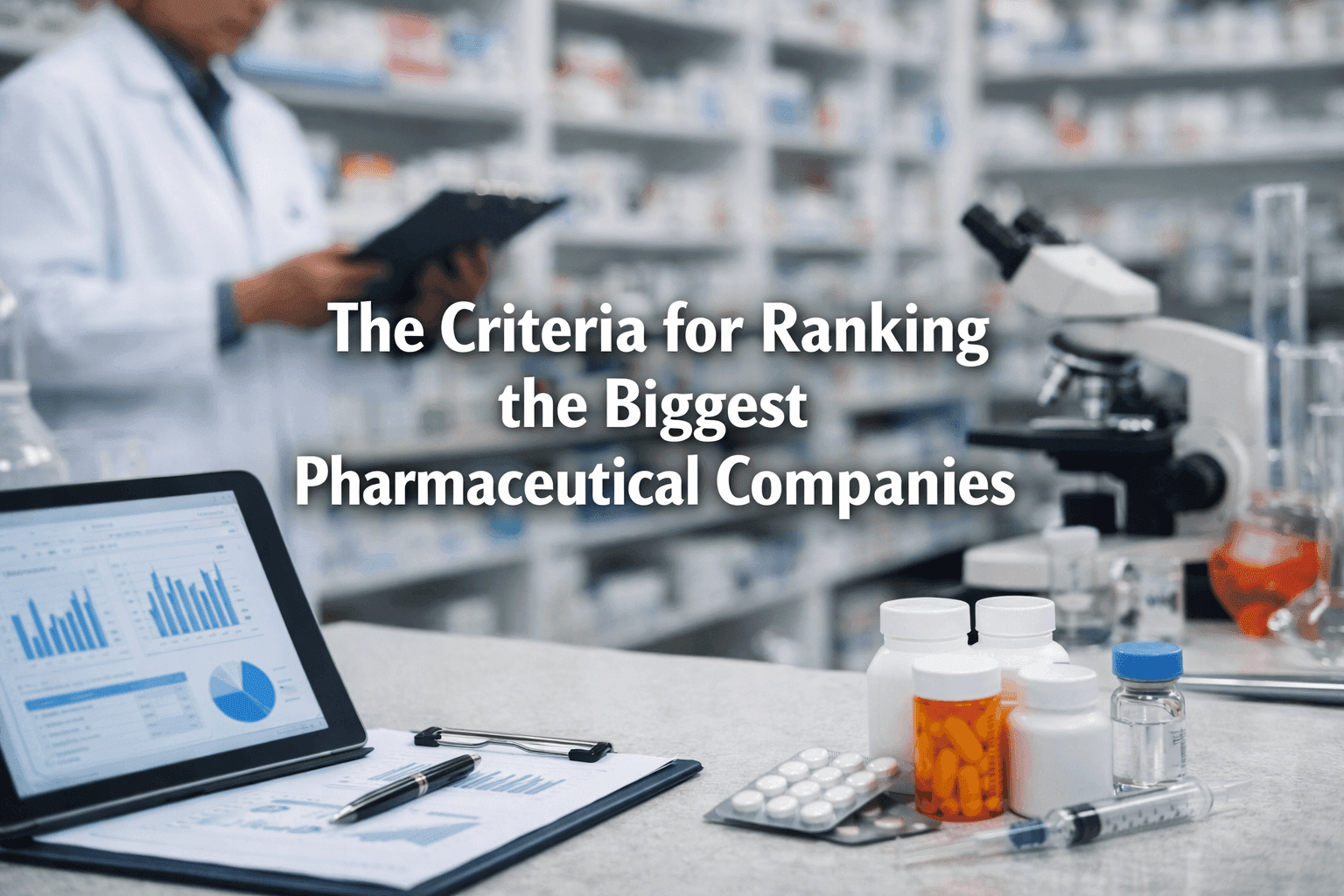
The Criteria for Ranking the Biggest Pharmaceutical Companies

How does one separate industry titans from merely large players in Malaysia’s crowded pharmaceutical arena? Ranking the biggest pharmaceutical companies is not a simple exercise in tallying annual revenue. It demands a multidimensional lens—one that captures financial muscle, yes, but also operational integrity, global competitiveness, and commitment to innovation. The methodology employed by industry analysts typically anchors on several core pillars.
Revenue and market share remain the most visible indicators. They reflect a company’s ability to capture wallet share from both public hospitals and private retail chains. Yet revenue alone can be misleading. A company might sell high volumes of low-margin generics; another might move smaller quantities of high-value biologics. Both can be leaders, but in very different arenas.
Then there is GMP certification. Good Manufacturing Practice is not a badge to be dusted off during audits. It is the universal passport for pharmaceutical manufacturers. In Malaysia, the NPRA mandates strict adherence to GMP standards, and companies that fail to maintain this certification are effectively locked out of both domestic and export markets . GMP certification signals that a facility operates with proven quality systems, from raw material sourcing to final product release.
Export footprint is another critical yardstick. Malaysian manufacturers that successfully register their products in PIC/S member countries or penetrate ASEAN neighbours demonstrate global competitiveness. They are not just surviving on domestic tender wins; they are winning on quality and price in international arenas .
Finally, R&D investment separates short-term players from long-term industry architects. Companies that allocate significant capital to drug formulation research, bioavailability studies, or bioequivalence (BE) trials are building moats around their market position . They are not merely reacting to market trends; they are setting them. For pharmacy distributors, understanding which manufacturers excel in these areas is essential. It allows them to strategically align with partners who offer not just volume, but regulatory reliability and pipeline strength.
| Ranking Criteria | What It Measures | Why It Matters to Distributors |
|---|---|---|
| Revenue & Market Share | Financial dominance and commercial scale | Predicts demand stability and procurement leverage |
| GMP Certification | Adherence to global manufacturing quality | Reduces compliance risk; ensures NPRA acceptance |
| Export Footprint | Ability to compete in regulated foreign markets | Indicates manufacturing maturity and cost efficiency |
| R&D Investment | Innovation pipeline and long-term relevance | Signals future product differentiation |
Learn more: Top 10 Pharmaceutical Companies in Malaysia 2026
Top Pharmaceutical Companies in Malaysia: A Snapshot

The upper echelon of Malaysia’s pharmaceutical industry is a study in contrasts. On one side stand multinational corporations (MNCs) with deep R&D pockets and portfolios rich with patented biologics and oncology therapies. On the other side sit local champions—homegrown manufacturers that have mastered the art of cost-efficient generic production and, in several cases, built export-led business models reaching over 50 countries.
Company 1, a global titan with significant regional headquarters operations in Kuala Lumpur, dominates the consumer healthcare and prescription drug interface. Its strength lies in physician trust and decades of brand equity. Company 2, in contrast, is a Malaysian powerhouse that built its reputation on generics but has quietly pivoted towards specialty medications. Its R&D facility, one of the largest in Southeast Asia, focuses on modified-release formulations—a technical niche that commands better margins than plain generics.
Company 3 has carved a distinct identity through innovation in oncology and diabetes care. It is not the largest by revenue, but its pipeline of biosimilars has made it a favoured partner for pharmacy distributors looking to offer cost-effective alternatives to branded biologics. Company 4, a multinational with a focus on high-end biologic treatments, targets Malaysia’s affluent urban demographic—patients willing to pay premium out-of-pocket for newer therapies. Meanwhile, Company 5 represents the backbone of public sector medicine supply. As one of the largest local manufacturers supplying Ministry of Health (MOH) facilities, its tenders are high-volume, low-margin, but operationally massive.
What is striking about these five entities is not just their scale, but their interdependence with the distributor network. None of them, regardless of size, can bypass the need for a capable pharmacy distributor Malaysia-based partner to achieve last-mile penetration. Even the mightiest MNC relies on distributors to navigate the regulatory submission process, manage retail pharmacy planograms, and ensure cold chain integrity for temperature-sensitive biologics .
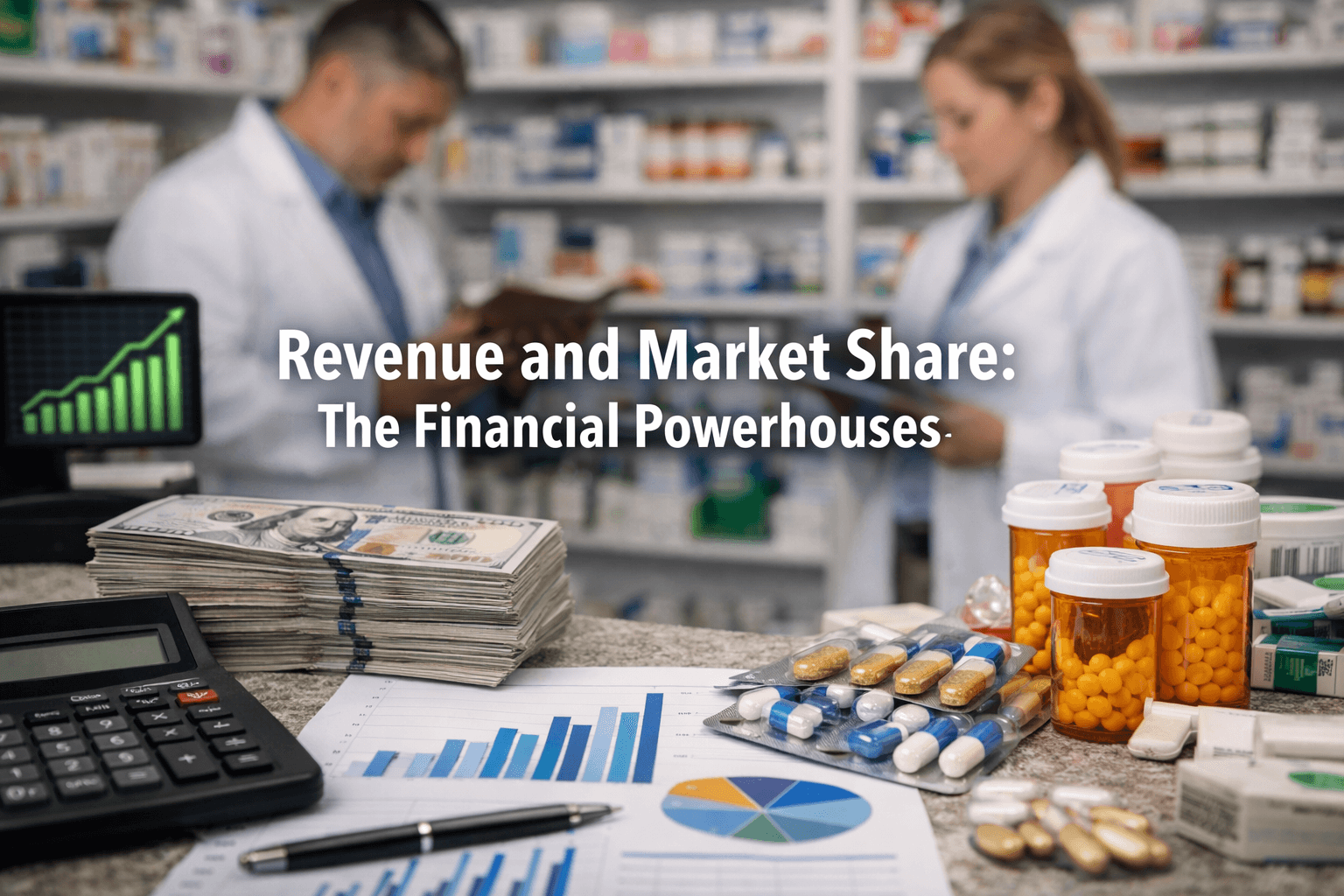
Revenue and Market Share: The Financial Powerhouses

The correlation between financial strength and supply chain influence is unmistakable. Companies that command the largest market share in Malaysia do not merely enjoy bragging rights; they wield asymmetric bargaining power over procurement, logistics pricing, and even pharmacy shelf space.
Company 1, with annual revenues comfortably exceeding the billion-ringgit threshold, uses its scale to secure favourable raw material pricing from global API suppliers. This cost advantage is partially passed down to distributors, allowing them to compete aggressively on tender prices. Company 2, while slightly smaller in absolute revenue, boasts superior profitability margins—a reflection of its specialty generics pivot. It has deliberately shed low-margin commodity products to focus on therapeutic areas with fewer competitors.
The financial muscle of these companies yields tangible operational spillovers. They invest in automated warehousing, track-and-trace systems, and fleet management technologies that smaller manufacturers simply cannot afford. For a distributor pharmacy, partnering with a financially robust manufacturer means fewer supply disruptions, better credit terms, and access to new product launches earlier than competitors. A distributor aligned with a strategic manufacturer can also leverage joint business planning—sharing sales data to co-create demand forecasts that reduce both stockouts and overstocks .
Yet, financial dominance is not static. The recent Malaysia-US Agreement on Reciprocal Trade (ART) , which mandates automatic recognition of FDA-approved products, is expected to intensify competitive pressures . Local manufacturers, long protected by regulatory friction that delayed foreign entrants, now face faster US drug launches in their home market. This will compress margins and force cost restructuring. Distributors must therefore monitor not just who is big today, but who is financially resilient enough to withstand margin erosion.
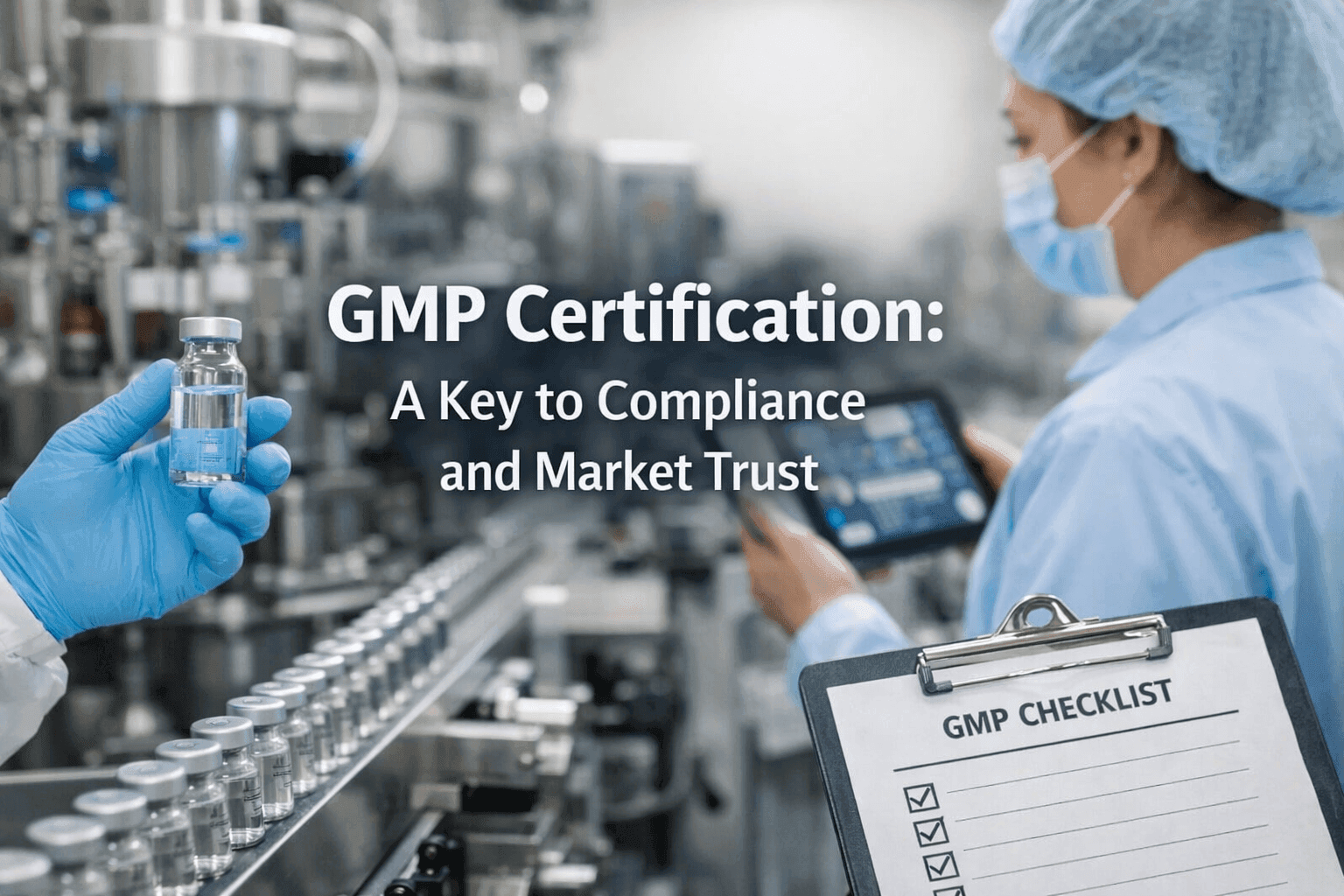
GMP Certification: A Key to Compliance and Market Trust

If revenue is the engine, GMP certification is the seatbelt. In Malaysia’s pharmaceutical ecosystem, operating without valid GMP status is not just risky—it is illegal for registered products . The NPRA has progressively tightened GMP inspection protocols, including for foreign manufacturers seeking to import into Malaysia. For non-PIC/S member countries, a physical inspection by NPRA auditors is often mandatory before product registration is approved .
Why does this matter so acutely to distributors? Because a distributor who unknowingly accepts non-GMP-compliant stock is storing regulatory poison. The 2023 skincare seizures, where MOH confiscated over 200 products due to invalid registrations, were a brutal reminder that compliance liability does not stop at the factory gate . Pharmacies and distributors were left holding unsellable inventory, facing both financial loss and reputational tarnish.
A trusted pharmacy distributor therefore embeds compliance checks into its procurement workflow. Before issuing a purchase order, the distributor’s regulatory affairs team verifies the manufacturer’s GMP certificate validity through NPRA’s QUEST 3+ system. They cross-check product registration (MAL) numbers, expiry dates, and any safety alerts issued by the Pharmacovigilance Section . This is not bureaucratic overreach; it is strategic risk mitigation.
Moreover, GMP certification is increasingly a competitive differentiator in export markets. Malaysian manufacturers aiming to penetrate PIC/S member states must demonstrate equivalence with international standards . Distributors with an export arm can thus use a manufacturer’s GMP pedigree as a selling point to overseas buyers. In an environment where medicine price regulation continues to compress margins on basic drugs , compliance excellence becomes one of the few remaining vectors for premium positioning.
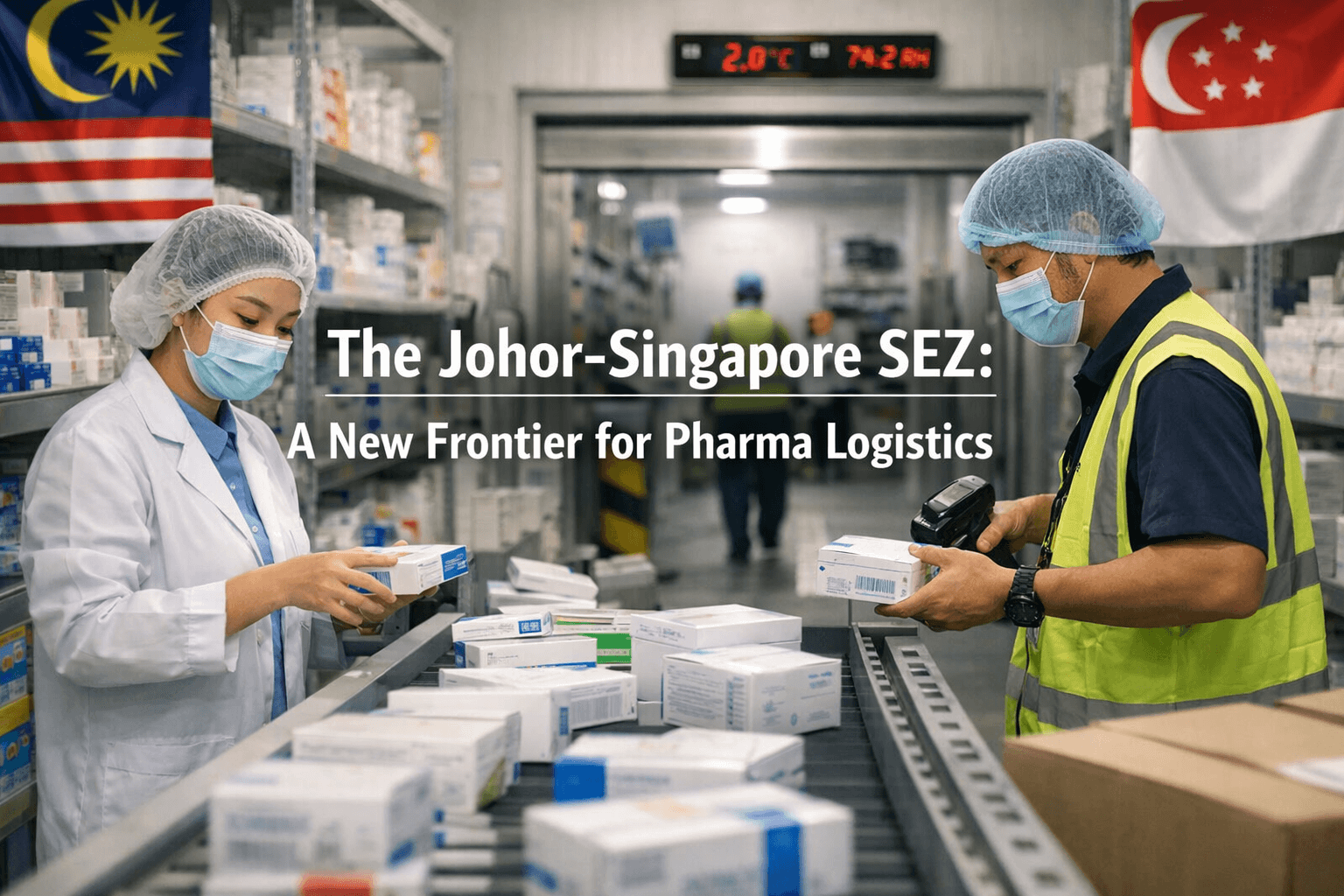
The Johor-Singapore SEZ: A New Frontier for Pharma Logistics

A significant structural development is reshaping the operational calculus for pharmaceutical distributors: the Johor-Singapore Special Economic Zone (JS-SEZ) . While much of the public discourse has focused on semiconductor manufacturing and data centres, the healthcare and pharmaceutical sectors are explicitly named as priority industries within the SEZ framework .
For a pharmacy distributor Malaysia-based, the JS-SEZ presents a tailored opportunity. The zone’s enhanced cross-border logistics integration—including proposed QR code clearance and streamlined customs procedures—directly addresses a chronic pain point: the movement of temperature-sensitive pharmaceuticals between Singapore’s advanced logistics hub and Malaysia’s consumption centres. Currently, even minor delays at the Causeway can compromise cold chain integrity, especially for biologics and vaccines requiring strict 2–8°C maintenance .
With financial incentives such as reduced corporate tax rates for companies establishing regional distribution centres in the JS-SEZ, the economics of locating pharma warehousing in Johor become compelling . A distributor operating from a CEIV Pharma-certified facility within the SEZ could receive FDA-approved products flown into Singapore Changi, clear them through a simplified customs regime, and dispatch them to pharmacies across Malaysia within hours—not days. This is not speculative; DHL’s dual-certified KLIA facility has already demonstrated how dedicated pharma infrastructure reduces turnaround time and minimises third-party handling . The JS-SEZ extends this logic southward, potentially creating a compliant logistics corridor spanning Singapore, Johor, and the rest of Peninsular Malaysia.
From a brand manager’s perspective, this means faster product launch velocity. From a pharmacist’s perspective, it means fewer stock interruptions for high-value biologics. And from a distributor’s perspective, it represents a proven pathway to differentiate through infrastructure investment rather than price competition alone.
Learn more: Supply Chain Consulting Services
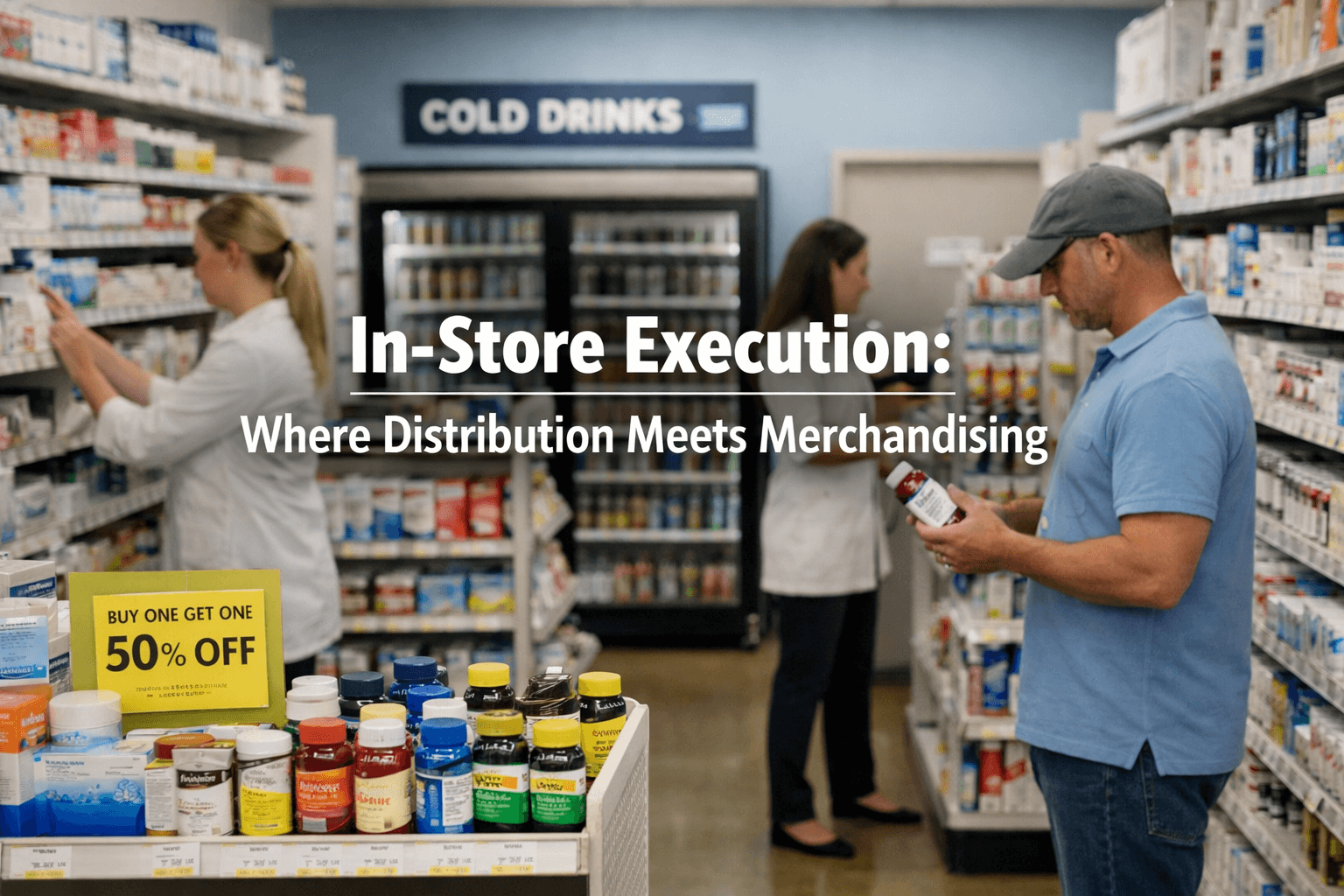
In-Store Execution: Where Distribution Meets Merchandising

One of the most underexamined dimensions of pharmaceutical distribution in Malaysia is the post-delivery phase. Once a carton of OTC cough syrup or diabetic test strips arrives at a pharmacy loading bay, the distributor’s job—in the traditional sense—is complete. But the most sophisticated pharmacy wholesale distributors do not stop there.
They recognise that shelf-level execution is a critical determinant of sell-through. A product buried on the bottom shelf, or missing a price tag, or stocked without accompanying point-of-sale material (POSM) , will underperform regardless of its clinical efficacy. This is where merchandising support becomes a value-added service that separates transactional suppliers from strategic partners .
Consider the case of a mid-sized pharmacy chain in Shah Alam that partnered with a distributor offering planogram execution and pharmacist training for a new anti-aging serum. The results—a 41% sales surge within three weeks—were not attributable to the product alone . They were driven by visible shelf placement, informed staff who could explain the serum’s benefits confidently, and promotional displays timed to weekend foot traffic.
Large-scale distributors with automated systems sometimes struggle with this agility. Their strength is bulk delivery, not micro-merchandising. Yet retail pharmacy chains, particularly those operating 200+ stores, increasingly demand both . The Head of Merchandising role in modern pharmacy retail now explicitly includes responsibility for supplier collaboration on space planning and category performance. Distributors who fail to develop in-store execution capabilities risk being relegated to low-margin, high-volume commodity logistics.
Conversely, regional distributors with dedicated merchandising teams can offer tailored support that aligns with a pharmacy’s specific patient demographic—whether it is a clinic-based pharmacy in Kelantan serving chronic disease patients or a high-traffic outlet in Bangsar catering to health-conscious young adults. This proven adaptability explains why many independent pharmacies prefer smaller, localised partners despite higher per-unit costs .
Cold Chain Integrity: Lessons from High-Stakes Failures
The margin for error in cold chain logistics is zero. Malaysia’s tropical climate, with year-round ambient temperatures exceeding 30°C, makes the storage and transport of thermolabile pharmaceuticals a high-wire act.
Vaccines, insulin, biologics, and even certain probiotics require unwavering adherence to 2°C–8°C parameters. Deviations, even for minutes, can render products sub-potent—or completely inert. The probiotic recall incident of 2021, where a major distributor faced nationwide returns and millions in losses after a shipment was exposed to ambient temperatures during transit, remains a cautionary tale etched into the industry’s memory .
In response, best-in-class distributors have adopted hospital-grade cold chain protocols. This includes 24/7 automated temperature monitoring with real-time alerts, GPS-tracked refrigerated vehicles, and validated storage facilities with redundant cooling systems. DHL’s KLIA facility, with its IATA CEIV Pharma and Air GxP dual certifications, sets the benchmark—offering segregated cold rooms, secure cages with biometric access, and seamless reefer truck transfers .
Yet certification alone is insufficient. The human factor—drivers trained to pre-cool vehicles, pharmacists who promptly transfer deliveries into pharmacy fridges, and dispatchers who prioritise cold chain shipments—remains the weakest link. An expert distributor bridges this gap through pharmacist education and last-mile accountability protocols. They do not assume that a pharmacy’s cold storage is functioning; they request temperature logs during delivery handovers.
From the perspective of a brand manager launching a new vaccine, a distributor’s cold chain competency is the single most important selection criterion. Without it, the most sophisticated supply chain planning collapses at the pharmacy doorstep.
Regulatory Traceability: From QUEST 3+ to Pharmacy Counter
Traceability in Malaysia’s pharmaceutical supply chain is no longer aspirational; it is mandated. The NPRA’s QUEST 3+ system has evolved into a comprehensive digital ecosystem for product registration, variation applications, licence renewals, and post-market surveillance .
For distributors, this translates into audit-ready documentation obligations. Every batch of registered products moving through the supply chain must be traceable from manufacturer to end-user. This is not merely to satisfy inspectors during GMP audits. It is a operational necessity during product recalls.
The 2023 skincare seizures again serve as an instructive case. Pharmacies that had purchased affected stock from distributors with robust batch tracking systems were able to quarantine specific lot numbers within hours. Those relying on manual records or fragmented supplier documentation faced weeks of inventory reconciliation—and absorbed significant write-offs .
A reliable distributor therefore maintains digital traceability integrated with the pharmacy’s own inventory system. They provide electronic delivery orders cross-referenced with NPRA registration numbers, expiry dates, and certificates of analysis where required. This proven capability not only protects patient safety but also insulates pharmacy partners from regulatory penalties.
For overseas manufacturers seeking to enter the Malaysian market, navigating QUEST 3+ requirements—including the purchase of digital USB tokens and submission of GMP certificates—can be daunting . An expert distributor often assumes the role of regulatory liaison, preparing dossiers, coordinating with compliance consultants, and managing the submission workflow. This value-added service accelerates time-to-market and reduces the administrative burden on principals.
Comparative Table: Distributor Capability Profiles
| Capability Area | Basic Distributor | Strategic Partner Distributor | Impact on Pharmacy Partner |
|---|---|---|---|
| Compliance & Traceability | Manual documentation; reactive to recalls | QUEST 3+ integrated; proactive batch tracking | Lower regulatory risk; faster recall response |
| Cold Chain Management | Basic refrigerated storage; limited monitoring | 24/7 temp monitoring; CEIV/GDP certified facilities | Product integrity assurance; reduced wastage |
| Inventory Intelligence | Periodic stock reviews | Real-time dashboards; expiry alerts; demand forecasting | 22–30% reduction in out-of-stocks; less expired write-off |
| Commercial Support | Order-taking only | Planogram execution; POSM deployment; pharmacist training | 41% sales uplift on new launches; better category performance |
| Geographic Reach | Peninsular focus | Regional hubs in Sabah/Sarawak; East Malaysia coverage | 24–48 hr delivery to rural pharmacies; improved patient access |
The Human Element: Relationships as Infrastructure
Amidst the discourse on digital dashboards, cold chain automation, and regulatory technology, it is easy to overlook a stubborn truth: pharmaceutical distribution remains a relationship business.
Pharmacists remember which distributor helped them during the Movement Control Order (MCO) shortages. They remember the account manager who answered a WhatsApp message at 10 p.m. to confirm an urgent insulin delivery. They remember the credit terms extended when cash flow was tight, and the flexible MOQs offered for slow-moving but essential paediatric formulations .
This is not sentimentality; it is strategic economics. Switching distributors involves switching costs—retraining staff on new ordering platforms, revalidating cold chain handover protocols, and rebuilding commercial trust. Pharmacies are therefore loyal to distributors who demonstrate operational empathy; who understand that a stockout of antihypertensives is not just a lost sale, but a patient unable to control their blood pressure.
From the distributor’s perspective, this relational capital is a defensible moat against low-cost competitors. A competitor may undercut on price, but they cannot instantly replicate years of accumulated trust with a network of 500 pharmacy owners. This is why dedicated account management is not a cost centre; it is a revenue retention function.
For brand managers evaluating distributor partners, the presence of experienced account managers with deep pharmacy relationships is a reliable predictor of new product acceptance rates. A distributor who is welcomed into a pharmacy’s back office can secure premium shelf placement in ways that a transactional supplier cannot.
Research and Development: Innovators of the Malaysian Pharmaceutical Market
Investment in Research and Development (R&D) is far more than a line item on a balance sheet; it is the lifeblood of long-term competitiveness in the pharmaceutical industry. For companies operating within Malaysia’s rapidly maturing healthcare ecosystem, the ability to innovate—whether through the synthesis of novel chemical entities or the optimization of existing manufacturing processes—directly dictates market leadership. Without a strategic commitment to R&D, even the largest firms risk stagnation, relegated to producing commoditized generics while rivals capture the premium segments. The core claim is undeniable: innovation is the primary differentiator separating market followers from market leaders.
Consider the proven trajectory of key players like Company 3 and Company 4. These organizations have deliberately channeled substantial capital into developing cutting-edge therapies, focusing specifically on high-burden therapeutic areas such as oncology, diabetes management, and infectious diseases. In the Malaysian context, where diabetes prevalence is significantly higher than the global average, an expert focus on metabolic disorders is not just commercially savvy—it is essential. These companies are not merely copying existing formulas; they are engaging in formulation science and bioequivalence studies to bring tailored, high-quality alternatives to market.
From the perspective of a pharmacy distributor, this wave of R&D output creates a distinct competitive advantage. When a leading manufacturer launches a novel insulin analog or a targeted cancer therapy, distributors who have nurtured strong relationships gain exclusive or preferred access to these portfolios. For a distributor pharmacy operating in a crowded market, access to unique, high-margin offerings is the difference between being a mere order-taker and being a solutions provider. However, this requires vigilance. A distributor that fails to stay updated on the drug development pipeline risks being blindsided when a blockbuster patent expires or when a superior therapy renders their existing stock obsolete.
The statistical correlation here is robust. Data from the Malaysian Organisation of Pharmaceutical Industries (MOPI) indicates that companies allocating more than 5–7% of annual revenue to R&D consistently outperform peers in export growth and brand equity. The practical implication for the supply chain is clear: R&D-driven portfolios command higher trust from clinicians. When a hospital pharmacist in Kuala Lumpur sees a product backed by local R&D rigor, the perceived efficacy increases. Therefore, strategic distributors align themselves with innovators, not just manufacturers. This symbiosis ensures that the Malaysian healthcare system receives effective solutions rather than outdated substitutes.
Learn more: Pharmaceutical Industry Trends
Export Footprint: Expanding Beyond Malaysian Borders
Global expansion is the ultimate validation of a pharmaceutical company’s quality and operational maturity. Within the hierarchy of the biggest pharmaceutical companies in Malaysia, those that successfully navigate cross-border regulatory landscapes are unequivocally viewed as the industry’s elite. It is one thing to satisfy the National Pharmaceutical Regulatory Agency (NPRA) ; it is quite another to consistently meet the stringent demands of European Medicines Agency (EMA) inspectors or the logistical chaos of emerging African markets.
Proven leaders such as Company 1 and Company 2 have demonstrated that Malaysian manufacturing can compete on the world stage. Their export footprints span diverse geographies—Asia, Europe, and Africa—driven by a value proposition rooted in international compliance and cost efficiency. These companies have successfully positioned Malaysian-made pharmaceuticals as both reliable and affordable. In Indonesia and Vietnam, for instance, Malaysian products are often preferred over Western alternatives due to closer cultural alignment and supply chain agility.
Yet, a factory cannot export itself. This is where the pharmacy wholesale distributor transforms into a logistics diplomat. The role of the distributor in international trade extends far beyond shipping. They are the architects of compliance, managing the labyrinth of import permits, country-specific pharmacopoeia standards, and temperature-controlled logistics. When a shipment of antibiotics leaves Penang for Nigeria, it is the distributor’s expert knowledge of African port congestion and bonded warehouse regulations that ensures the product arrives potent, not degraded.
The financial implications are staggering. Expanding beyond Malaysia diversifies revenue streams, insulating giants from local currency fluctuations. More importantly, it enhances intangible assets: credibility. A GMP-certified company shipping to 30 countries is perceived as inherently more reliable than a domestic-only player. For distributors, piggybacking on these export operations allows them to scale their own infrastructure. By handling re-export documentation and multi-lingual labeling, distributors become indispensable partners. They are not just moving boxes; they are carrying the reputation of Malaysian healthcare across oceans.
Learn more: Regulatory Challenges in Pharmaceuticals: Navigating Global Compliance and Approval | Pharmaceutical Outlook in Southeast Asia
The Role of Pharmaceutical Distributors in Supporting Industry Giants
To view pharmaceutical distributors in Malaysia as mere logistics providers is to fundamentally misunderstand the modern healthcare supply chain. These entities are strategic force multipliers. They function as the operational backbone that allows manufacturing giants to sleep soundly, knowing their cold-chain vaccines and high-schedule drugs are reaching Penang, Johor, or Sabah without incident. The relationship is not vendor-customer; it is co-dependency.
The core responsibility lies in logistics and regulatory adherence. A distributor must navigate the strict mandates of GMP certification and the specific licensing requirements of a pharmacy distributor Malaysia. This involves GDP (Good Distribution Practice) compliance, ensuring that a biologic requiring 2–8°C storage never experiences a thermal excursion. The efficiency here is invisible to the patient but critical to the outcome. When a distributor fails, it results in stock-outs at government hospitals; when they succeed, it is simply assumed as the baseline.
To enrich depth, we must examine multiple perspectives:
The Pharmacist’s View: For a busy community pharmacist in Ipoh, a reliable distributor reduces anxiety. They don’t need to chase backorders or verify product provenance. They trust that the antihypertensives arriving are stored correctly and sourced ethically.
The Brand Manager’s View: At the manufacturer level, brand managers view distributors as salesforce multipliers. A distributor with a robust field merchandising team can ensure shelf-space optimization at chain pharmacies, executing planograms that highlight the manufacturer’s newest launch.
The Distributor’s View: For distributors, aligning with giants like Company 1 provides the volume necessary to justify investment in warehouse robotics and fleet management systems. It is an essential economy of scale.
Distributors absorb the complexity of the last mile. They manage the credit terms with clinics and the reverse logistics for expired goods. By handling these friction points, they grant pharmaceutical companies the freedom to focus on R&D and geographic conquest. Without this layer of strategic support, the industry giants would be bogged down in the mud of operational trivia. It is a partnership where the distributor provides the scaffolding, and the manufacturer builds the skyscraper.
Comparative Analysis: Pharmaceutical Supply Chain Performance Metrics
To objectively assess how distributors support the top players, we must move beyond anecdotes and look at operational metrics. The following table contrasts the operational capabilities and compliance standards visible across typical top-tier versus standard distribution setups in Malaysia. This comparison offers a snapshot of why strategic partnerships yield superior results.
| Performance Indicator | Top-Tier Strategic Distributor | Standard Regional Distributor |
|---|---|---|
| GDP Compliance Rate | 100% adherence; real-time temperature monitoring | Intermittent monitoring; manual logs |
| Inventory Turnover Ratio | High (8–10x annually); minimal dead stock | Moderate (4–6x); frequent expiry write-offs |
| Pharmacy Reach (Peninsular & East Malaysia) | Full coverage including remote Sabah/Sarawak | Concentrated in urban West Coast |
| Value-Add Services | Merchandising, regulatory liaison, digital ordering platforms | Basic order-to-delivery only |
| Response to Regulatory Changes (e.g., NPRA updates) | Proactive; expert interpretation | Reactive; often requires manufacturer intervention |
Insight: The data suggests that the efficiency of a supply chain is no longer just about speed. It is about intelligence. Top distributors use predictive analytics to forecast demand for influenza vaccines, preventing both shortages and wastage. They offer tailored inventory solutions for independent pharmacies that cannot afford to tie up capital in bulk stock. This proven capability transforms them from a cost center into a revenue driver for pharmaceutical giants. The implication is clear: when selecting a distribution partner, pharmaceutical companies should audit for technology adoption and regulatory intelligence, not just fleet size.
Frequently Asked Questions (FAQ)
Q1: What is pharmacy and why is it important?
Answer: Pharmacy is the health profession that links the health sciences with the chemical sciences. It is concerned with the discovery, production, disposal, safe and effective use, and control of medicines and drugs. It is important because pharmacists, as experts in medicines, ensure the safe and optimal use of medications to improve patient health outcomes, prevent disease, and provide essential healthcare advice.
Q2: What services does a pharmacy provide?
Answer: Pharmacies provide a wide range of services, including dispensing prescription medications, offering over-the-counter (OTC) products and advice, providing medication management and counseling, administering certain vaccinations, conducting health screenings, and offering pharmacy care services (e.g., managing minor ailments, chronic disease management support).
Q3: What are pharmacy care services?
Answer: Pharmacy care services, often interchangeable with pharmaceutical care or advanced services, are patient-centered and outcomes-oriented practices where pharmacists work to design, implement, and monitor a therapeutic plan that will produce specific patient outcomes. Examples include Medication Therapy Management (MTM), chronic disease state management, immunization services, and support for smoking cessation.
Q4: Why is pharmacy first important?
Answer: “Pharmacy First” is a common term for schemes that allow patients to seek treatment and advice for minor illnesses directly from a community pharmacy, often without needing to see a GP. It is important because it improves patient access to convenient care, utilizes the pharmacist as a highly accessible healthcare professional, and reduces pressure on other NHS or healthcare services like GP surgeries and emergency departments.
Q5: What is the function of the pharmacy services?
Answer: The primary function of pharmacy services is to ensure that patients receive the appropriate medicines in the correct dose, along with the necessary information and support for their safe, effective, and rational use. This includes inventory management, compounding, dispensing, patient education, and collaboration with other healthcare providers.
Q6: What is pharmacy first service?
Answer: The Pharmacy First service (as implemented in the UK, for example) is a scheme that enables pharmacists to provide advice and, when appropriate, treatment (including prescription-only medicines via Patient Group Directions or by prescribing) for a defined set of common minor ailments (e.g., earache, sore throat, uncomplicated UTIs) directly in the pharmacy, expanding the pharmacist’s clinical role.
Q7: What services are offered by retail pharmacy?
Answer: Retail (or community) pharmacies offer services directly to the public, including dispensing prescriptions, selling over-the-counter medicines and health products, providing medication consultation, administering vaccinations (e.g., flu shots), offering health screening (e.g., blood pressure checks), managing minor ailments, and providing advice on healthy living.
Q8: Why is a pharmacy important?
Answer: A pharmacy is important because it serves as the most accessible healthcare point in many communities. It is crucial for safe and accurate medication dispensing, preventing drug interactions, offering essential health advice, providing primary healthcare interventions, and bridging the gap between patients and prescribers, thereby playing a vital role in public health.
Q9: What are the three types of pharmacies?
Answer: The three main types of pharmacy practice are generally categorized as:
- Community (Retail) Pharmacy: Pharmacies that serve the public directly in a community setting.
- Hospital (Institutional) Pharmacy: Pharmacies located within hospitals and healthcare facilities, serving inpatients and medical staff.
- Industrial (Pharmaceutical) Pharmacy: Involving roles in drug research, manufacturing, quality control, marketing, and regulatory affairs within the pharmaceutical industry.
Q10: Why is good pharmacy practice important?
Answer: Good Pharmacy Practice (GPP) is important because it establishes the standards for quality pharmacy services worldwide, ensuring that pharmacists provide care focused on the patient’s well-being and their use of medicines. GPP ensures safe dispensing, accurate information, professional advice, ethical conduct, and the overall goal of maximizing the positive health outcomes of patients.
Our Services
Our marketing and sales teams use their strong relationships with the channel to create demand for your product at every stage of its lifecycle.
Demand creation services we offer:
Market Access Services
Regulatory Registration Services
Pharma Product Listing Services
Merchandising services (RSMS)
Brand Management
Logistic & Warehousing
Exclusive Merchandising Services
Visual Merchandising
Discover More About Our Solution
How PriooCare Can Help
If you found this article useful, see how we put these insights into practice for our clients:
Retail Solution →Pharmacy distribution and merchandising across Malaysia.Market Entry →Market entry support for healthcare brands.
Or contact our team for a tailored consultation.
💬 Need help?
PriooCare Malaysia
👋 Welcome to PriooCare Malaysia!
How can we assist you today? 😊
Just let us know—we’re here to help!
How can we assist you today? 😊
Just let us know—we’re here to help!
Open chat