

Determining which pharmacy chains truly dominate the global stage requires more than a simple store count. The evaluation is multidimensional, blending hard financial metrics with service-based differentiation. At the core, annual revenue, global outlet density, and prescription volume serve as the foundational pillars of comparison. Chains like CVS Health and Walgreens Boots Alliance consistently report revenues exceeding $100 billion, a scale that allows them to influence manufacturing timelines, negotiate aggressive procurement pricing, and set service benchmarks that ripple across borders.
Yet, revenue alone does not capture the full picture. Market share—particularly within prescription drug dispensing and OTC pharmaceutical sales—reveals how deeply embedded these giants are in daily healthcare delivery. For instance, in the United States, the top three pharmacy chains control over 60% of the retail prescription market, a concentration that shapes everything from drug pricing to patient access models. From the perspective of pharmacy distributors Malaysia, these metrics matter because they signal where global supply chains are likely to tighten or expand. When a global leader opens 500 new clinics, it shifts demand for specific cold-chain logistics and urgent care inventory, pressures that eventually reach Southeast Asian suppliers and independent pharmacy distributors.
Equally critical is the evaluation of healthcare service penetration. The world’s largest pharmacies no longer function solely as dispensaries; they are evolving into community health hubs. Services such as in-store vaccinations, chronic disease monitoring, and telepharmacy consultations have transformed their revenue composition. These offerings not only increase dwell time and customer loyalty but also redefine the inventory mix. A pharmacy that administers flu shots requires a steady supply of vaccines, syringes, and topical antiseptics—products that must flow through certified pharmaceutical distributors. For local players in Malaysia, this signals a clear shift: the future of pharmacy is service-anchored retail, and distributor pharmacies must be prepared to support clinical-grade inventory alongside traditional OTC goods.
Perspectives on Market Metrics:
From the Distributor’s View: A brand manager at a pharmacy wholesale distributor in Selangor notes that global rankings often overlook regional compliance burdens. While CVS can deploy a centralized distribution center in Ohio, Malaysian distributors must navigate state-level storage licenses and halal certification variants, making pure revenue comparisons misleading.
From the Pharmacist’s View: Independent pharmacy owners in Kuala Lumpur view global rankings as benchmarks for service speed. They compare their average prescription wait time against international standards, pushing local distributors to offer express delivery lanes for high-turnover items.
Comparative Table: Global Pharmacy Ranking Metrics vs. Local Operational Realities in Malaysia
| Metric | Global Application | Relevance to Malaysia | Local Adaptation Challenge |
|---|---|---|---|
| Annual Revenue | Indicates procurement power & market influence | Hard to compare directly; local players focus on regional turnover | Data privacy; privately held local chains do not disclose revenues |
| Store Count | Measures physical reach | Relevant for rural health access | Urban concentration in Klang Valley vs. under-served East Malaysia |
| Healthcare Services | Vaccinations, clinics, wellness screenings | Growing but fragmented; community pharmacist-led services still emerging | Regulatory scope-of-practice limitations |
| Prescription Volume | Scale indicator for distributors | Directly impacts working capital needs for stock holding | Delayed reimbursement from insurers affects cash flow |
| Digital Adoption | Online refills, telehealth integration | High mobile penetration but legacy system integration is slow | Cost of upgrading POS and inventory management systems |
Learn more: The Legal Framework of Pharmaceutical Companies in Malaysia
The Engine Room: Why Pharmacy Wholesale Distributors Are Indispensable to Global Health Supply Chains
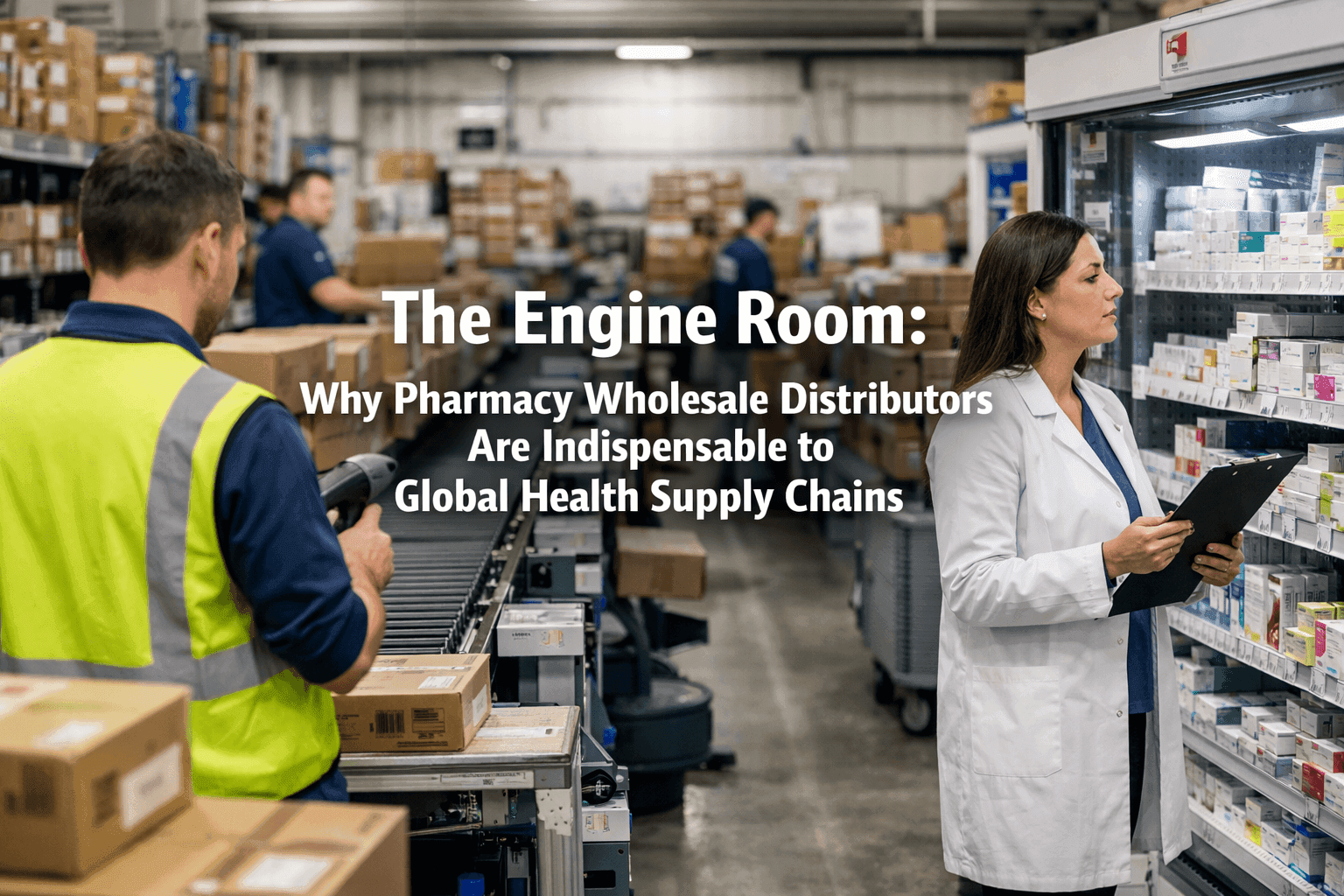
Beneath the branded storefronts and patient-facing services lies a high-stakes logistical machine. Pharmacy wholesale distributors are the unsung architects of medicine availability. They do not merely move boxes; they orchestrate temperature-controlled fleets, manage expiry-driven inventory rotations, and buffer against manufacturing disruptions. In mature markets, distributors operate on razor-thin margins—often between 1% and 3%—yet their failure to deliver can paralyze an entire healthcare region.
The global distribution model has shifted toward centralized consolidation. Giants like McKesson Corporation and AmerisourceBergen aggregate massive volumes into regional mega-warehouses, then deploy cross-docking techniques to minimize storage time. This asset-light, velocity-heavy approach ensures that pharmacies receive just-in-time inventory, reducing capital lockup in back-of-store stockrooms. For pharmacy distributors Malaysia, adopting this model requires significant investment in warehouse management systems (WMS) and real-time tracking interfaces. However, the payoff is reliable: reduced wastage, better compliance with Good Distribution Practices (GDP), and stronger negotiation leverage with multinational manufacturers.
The Malaysian Operational Reality:
Malaysia presents a layered distribution challenge. Peninsular operations benefit from relatively developed highways, enabling next-day delivery to most towns. However, servicing Sabah and Sarawak introduces maritime logistics complexity. Here, pharmacy wholesale distributors often rely on hub-and-spoke models with consolidation points in Kota Kinabalu and Kuching. Weather disruptions, limited cold-chain storage at smaller ports, and the higher cost of last-mile delivery to remote clinics demand a hybrid strategy—part global best practice, part local improvisation.
Proven Framework: The 4-Tier Distribution Efficiency Checklist for Malaysian Distributors
Inventory Segmentation: Classify SKUs by velocity (fast, medium, slow) and storage requirements (ambient, cold-chain, controlled substances). Apply differentiated replenishment cycles.
Route Optimization Analytics: Use GPS and traffic pattern data to reduce fuel costs and delivery windows. Strategic for congested urban routes in Johor Bahru and Georgetown.
GDP Compliance Audits: Schedule quarterly internal audits for temperature excursion logs and vehicle calibration records. Essential for retaining manufacturer contracts.
Customer Communication Protocols: Automate delivery status alerts. A simple SMS reduces “where is my order” calls by up to 35%.
By integrating these layers, distributors move from being order-takers to supply chain partners. This elevates their role from logistics vendors to strategic assets for pharmacy chains aiming to scale.
Learn more: Challenges and Opportunities in Malaysia’s Pharmaceutical Supply Chain | Top 10 Pharmaceutical Companies in Malaysia 2026
CVS Health: Deconstructing the Blueprint of a Pharmacy-Retail Hybrid
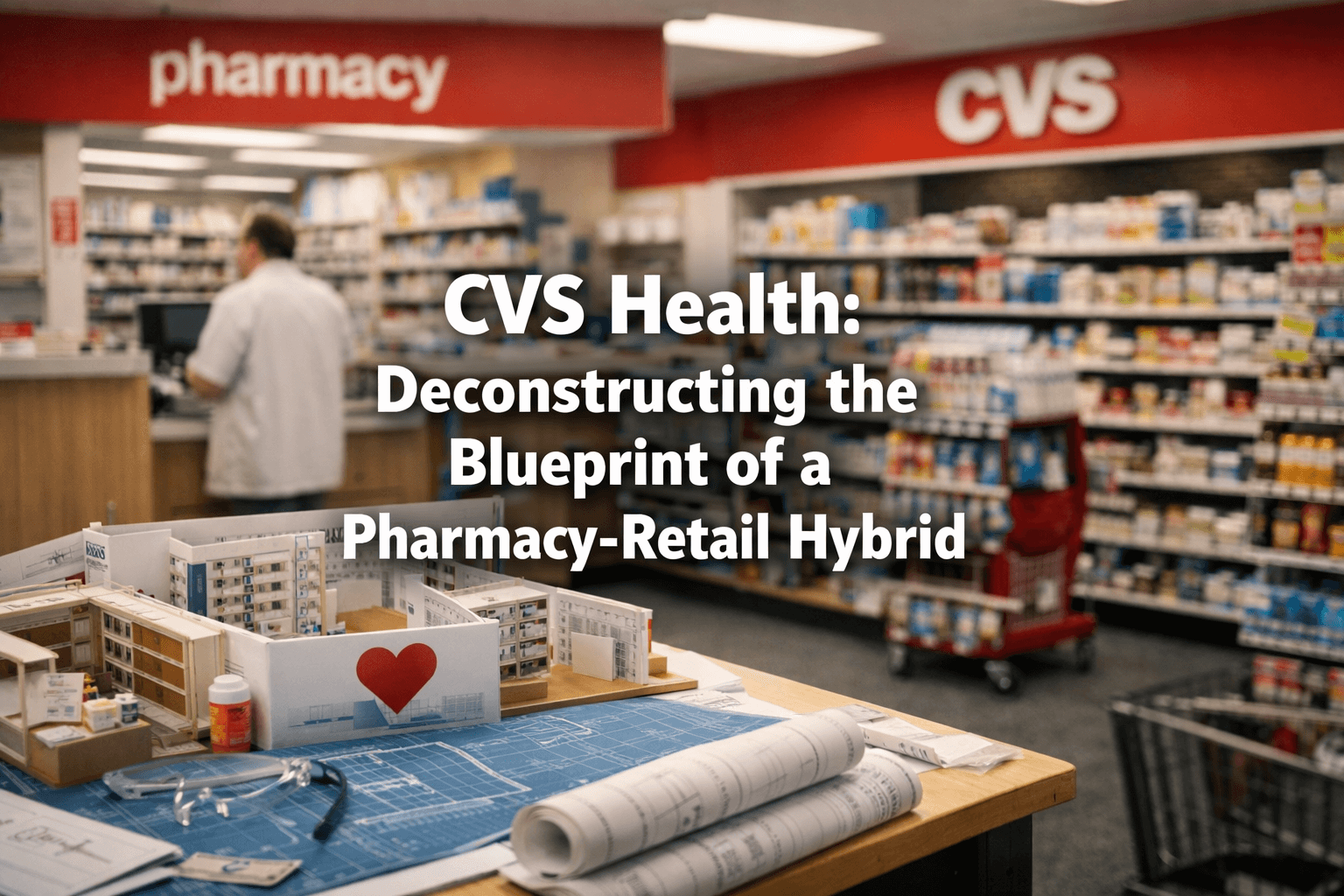
CVS Health represents the archetype of vertical integration in modern pharmacy retail. Its acquisition of Aetna, a health insurance giant, blurred the traditional lines between payer, provider, and dispenser. This consolidation allows CVS to influence patient behavior across the care continuum—from prescribing habits to medication adherence follow-ups. For the observer in Malaysia, the headline is not the store count; it is the data loop. CVS uses prescription claims data to predict which patients need refills, then deploys automated calls and pharmacist interventions. This reduces non-adherence, a US$500 billion problem globally.
From a distribution perspective, CVS operates a network of high-throughput distribution centers (DCs) that serve specific geographic clusters. Each DC is engineered for rapid sortation, handling over 50,000 SKUs with automated conveyor systems. Importantly, CVS does not own all its logistics; it relies on a tiered partnership model. Primary distributors handle bulk pharmaceuticals, while specialty logistics providers manage rare, high-cost biologics. This layered partnership strategy is highly effective for managing cost and risk.
Relevance to Malaysian Stakeholders:
For Pharmacy Chains: The CVS model demonstrates that owning the supply chain is less important than controlling the data. Malaysian chains can partner with third-party logistics (3PL) providers while retaining prescription pattern intelligence to optimize stock.
For Distributors: CVS’s specialty drug model is instructive. As Malaysia sees a rise in specialized treatments for oncology and autoimmune conditions, pharmacy distributors must develop cold-chain expertise and patient support logistics—delivering not just drugs, but also administration kits and educational materials.
A senior supply chain manager at a Malaysian hospital group observed that the local market often over-indexes on cost-per-delivery, neglecting service-per-delivery. CVS’s success underscores that reliable delivery windows and proven error rates are more valuable than marginal freight savings.
Learn more: 5 top trends in retail pharmacy
Walgreens Boots Alliance: The Art of Cross-Border Standardization
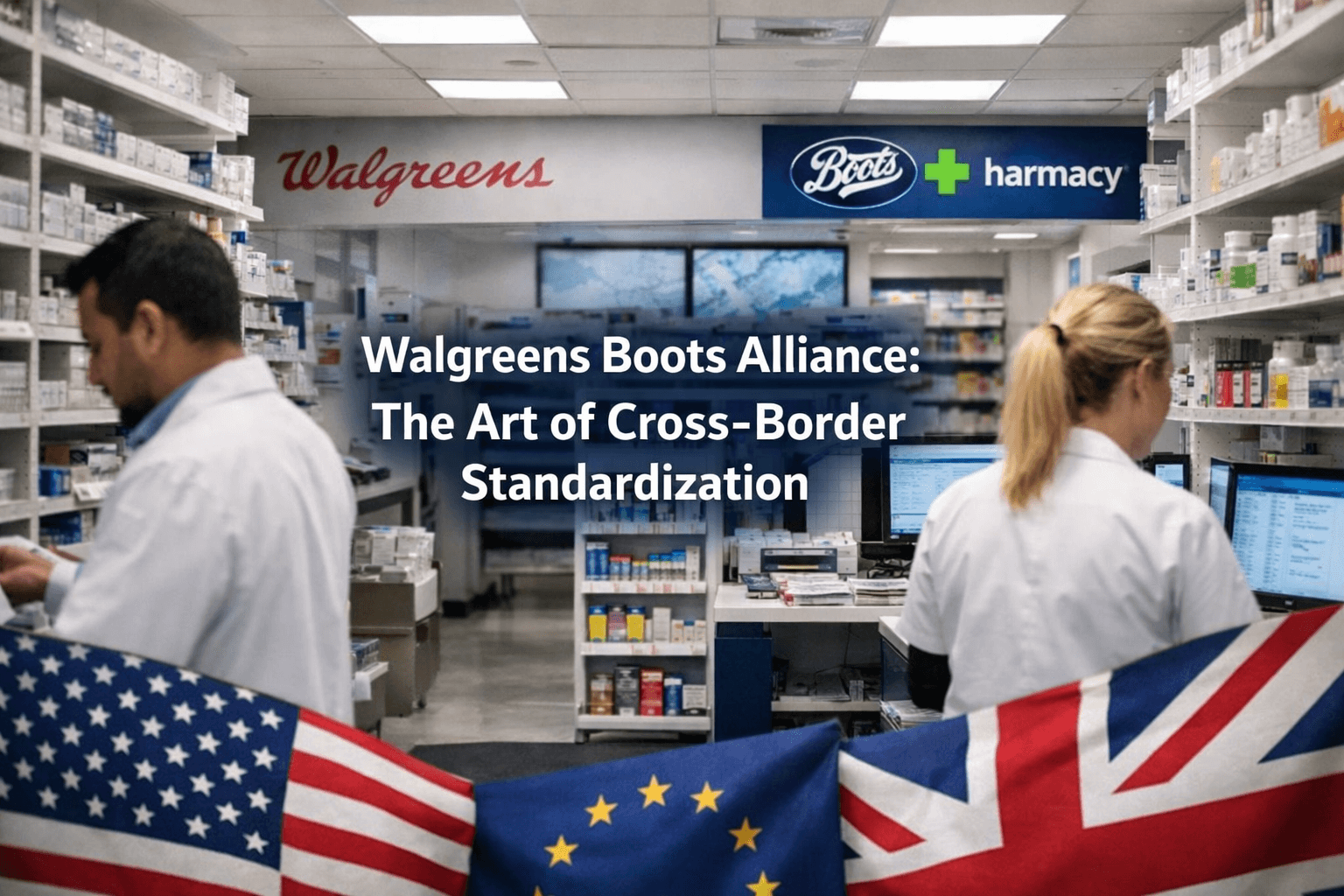
Walgreens Boots Alliance (WBA) operates a dual-hemisphere footprint, with dense retail networks in both the United States and Europe. Its strategic advantage lies in global procurement consolidation. By centralizing purchasing for its Boots UK division and Walgreens US arm, WBA commands favorable terms from suppliers, often securing exclusive product lines and volume-linked rebates. This purchasing power extends beyond its owned stores; WBA also supplies wholesale customers through its pharmaceutical wholesale divisions, making it both a retailer and a competitor to independent distributors.
The company’s distribution strategy is tailored to regional infrastructure realities. In the UK, high-density urban centers allow for daily replenishment via small-footprint vans. In the US, longer distances necessitate larger trucks and hub-based storage. This contextual adaptation is precisely where Malaysian distributors can extract value. One-size-fits-all logistics fails in a geographically fragmented nation.
Scenario Analysis: Adapting WBA’s Model for East Malaysia
WBA’s method of clustering stores by accessibility can be mapped onto Sarawak. Stores in Kuching, with reliable road links, can receive mixed-SKU pallets weekly. Outlets in interior areas like Baram or Lawas, accessible only by river or small aircraft, require pre-packed, patient-specific kits. This reduces the need for on-site storage, which is often constrained. Local pharmacy wholesale distributors can collaborate with rural health clinics to implement dispensing-ready kiosks, pre-stocked by centralized warehouses in Kuching.
Perspectives on Cross-Border Learning:
Brand Manager, Local Pharma Manufacturer: “We study WBA’s private label strategy. Their Boots-branded products occupy premium shelf space without the marketing overhead of global brands. Malaysian pharmacy chains are ripe for house-brand expansion in vitamins and analgesics. Distributors must support this with distinctive packaging logistics.”
Regulatory Consultant, Selangor: “WBA’s ability to harmonize quality across borders is their edge. In Malaysia, inconsistent GMP enforcement between imported and local generics creates trust deficits. Distributors who certify source quality become invaluable.”
Learn more: Drugstore and Pharmacy Loyalty Programs: A Comprehensive Guide
The Ripple Effect: How Global Distribution Innovations Reshape Local Compliance and Service Expectations
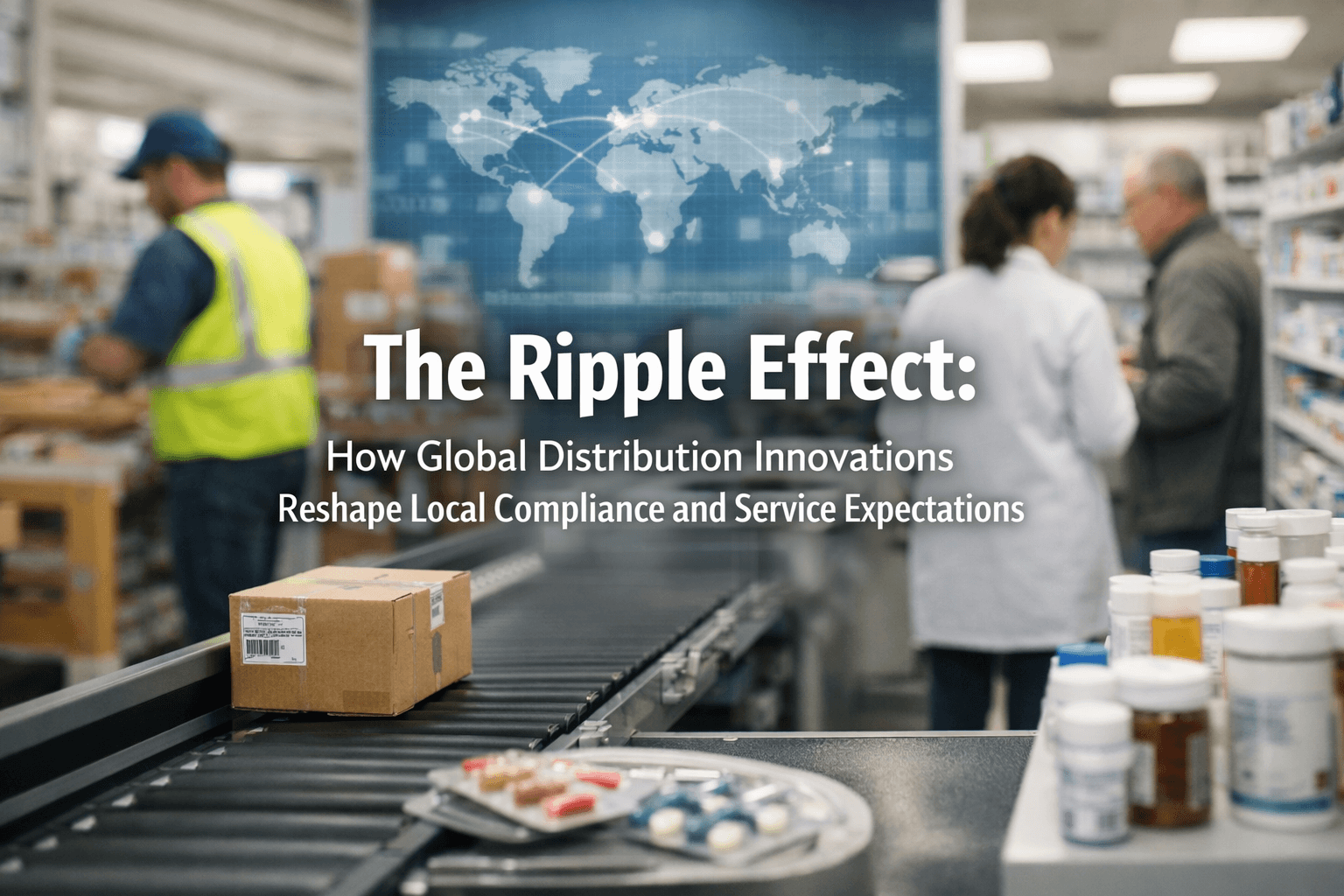
The influence of global pharmacy leaders extends beyond boardroom strategies; it trickles down to warehouse floors in Shah Alam and pharmacy counters in Penang. When a giant like CVS mandates two-hour delivery slots for specialty meds, it resets patient expectations globally. Malaysian consumers, increasingly exposed to international service standards via digital media, begin to question why their local pharmacy cannot offer real-time stock visibility or app-based refills.
This expectation gap pressures pharmacy distributors Malaysia to accelerate digital transformation. Manual inventory checks and phone-based ordering systems are rapidly becoming obsolete. The demand is for API-integrated platforms where pharmacy retailers can check distributor stock levels, place orders, and track deliveries in unified dashboards. This is not merely a convenience; it is becoming a licensing prerequisite as regulators push for track-and-trace serialization to combat counterfeit medicines.
Emerging Compliance Pressures:
GDP 2025 Updates: Anticipated revisions to Malaysia’s GDP guidelines are expected to mandate digital audit trails for all high-risk products. Distributors still relying on paper-based temperature logs face license suspension risks.
Sustainability Directives: Global pharmacy leaders are pivoting to recyclable cold-chain packaging and electric delivery fleets. Malaysian distributors serving multinational clients will need to align with these ESG metrics to retain contracts.
Proven Adaptation Pathways for Local Distributors:
Tiered Technology Adoption: Begin with barcode scanning at receiving and dispatch; progress to full warehouse robotics as ROI becomes clear.
Specialized Service Bundles: Differentiate by offering pharmacy planogram setup and expiry stock buy-back schemes. This moves the distributor from vendor to retail performance partner.
Cross-Border Warehousing: For distributors serving both Malaysia and Singapore, consider bonded warehouse facilities in Johor to defer duty payments and enable cross-border drop-shipping.
The global pharmacy landscape is not a distant spectacle; it is a mirror reflecting the future of Malaysian healthcare logistics. The models perfected in Chicago and London are being localized, tested, and validated in Kuala Lumpur and Kuching. The distinction between global leader and local distributor is blurring. What remains constant is the essential need for trusted intermediaries who can navigate the tension between global efficiency and local nuance.
Learn more: Supply chain resilience | Deloitte Insights
Rite Aid: Logistics Precision as a Competitive Moat in Regional Pharmacy Operations
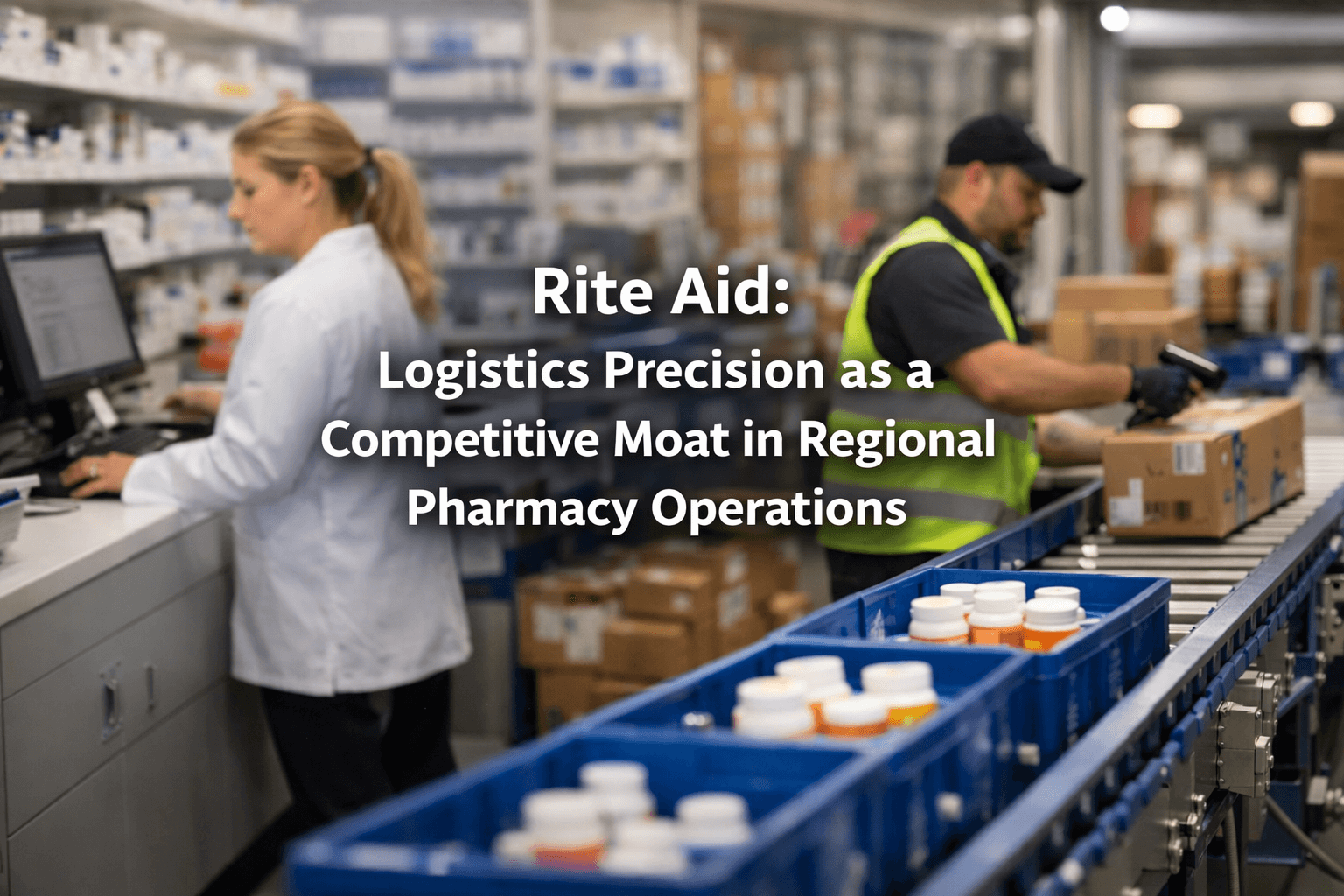
What distinguishes a pharmacy chain that merely survives from one that sustains relevance across decades? For Rite Aid, the answer lies in operational pragmatism. With a network exceeding 2,400 stores, the company does not rival CVS or Walgreens in sheer scale. Instead, it has sharpened its focus on distribution precision and cost-conscious service models. Rite Aid’s approach demonstrates that effective pharmacy retail is not solely a function of store count—it is a measure of how seamlessly products travel from regional distribution centers to pharmacy shelves, and finally into patient hands.
Rite Aid’s Distribution Architecture: Lessons in Lead Time Reduction
The company operates strategically located distribution centers designed to serve clusters of stores within tightly defined geographic radii. This proximity-based model reduces over-the-road transit times and allows for faster inventory replenishment cycles. More importantly, Rite Aid has deployed automated sortation and order-picking systems within these facilities. These technologies minimize human error during the picking and packing process—a frequent pain point in pharmaceutical logistics where a single mislabeled analgesic can trigger regulatory scrutiny.
For pharmacy distributors Malaysia, Rite Aid’s emphasis on lead time compression carries immediate relevance. Consider a distributor serving 300 independent pharmacies across the Klang Valley and northern Perak. Without zoned delivery scheduling and automated order accuracy controls, the distributor faces a familiar trap: high inventory carrying costs in urban warehouses, coupled with stock-out incidents in high-traffic outlets. Rite Aid’s model suggests a proven path forward—not necessarily requiring multi-million dollar automation, but rather intelligent network segmentation.
Operational Scenario: Adapting Rite Aid’s Zoning Logic for Selangor
A mid-sized pharmacy wholesale distributor in Shah Alam currently services both large-format health stores and neighbourhood independent pharmacies. The two customer types operate on vastly different ordering rhythms. By borrowing Rite Aid’s cluster servicing principle, the distributor could designate dedicated delivery fleets for high-volume urban customers while deploying consolidated weekly runs for rural outlets. This tailored approach does not merely reduce fuel costs—it signals to pharmacy owners that their reliable partner understands store-level traffic patterns.
Perspectives on Rite Aid’s Relevance in Emerging Markets:
Independent Pharmacy Owner, Johor: “We don’t need delivery in four hours. We need delivery that arrives exactly when promised—not three hours early when no one is at the counter, not late afternoon when our customers are queuing. Rite Aid’s model is really about appointment discipline.”
Logistics Manager, Local Distributor: “Their automated picking is aspirational. But what we copied immediately was the forward-pick zone concept. Fast-movers like paracetamol and antihistamines now sit near the dispatch bay. Our order-to-dispatch window dropped by 40%.”
Learn more: What is Competitive Landscape of Rite Aid Company?
Pharmasave: The Cooperative Counterweight to Centralized Chain Dominance
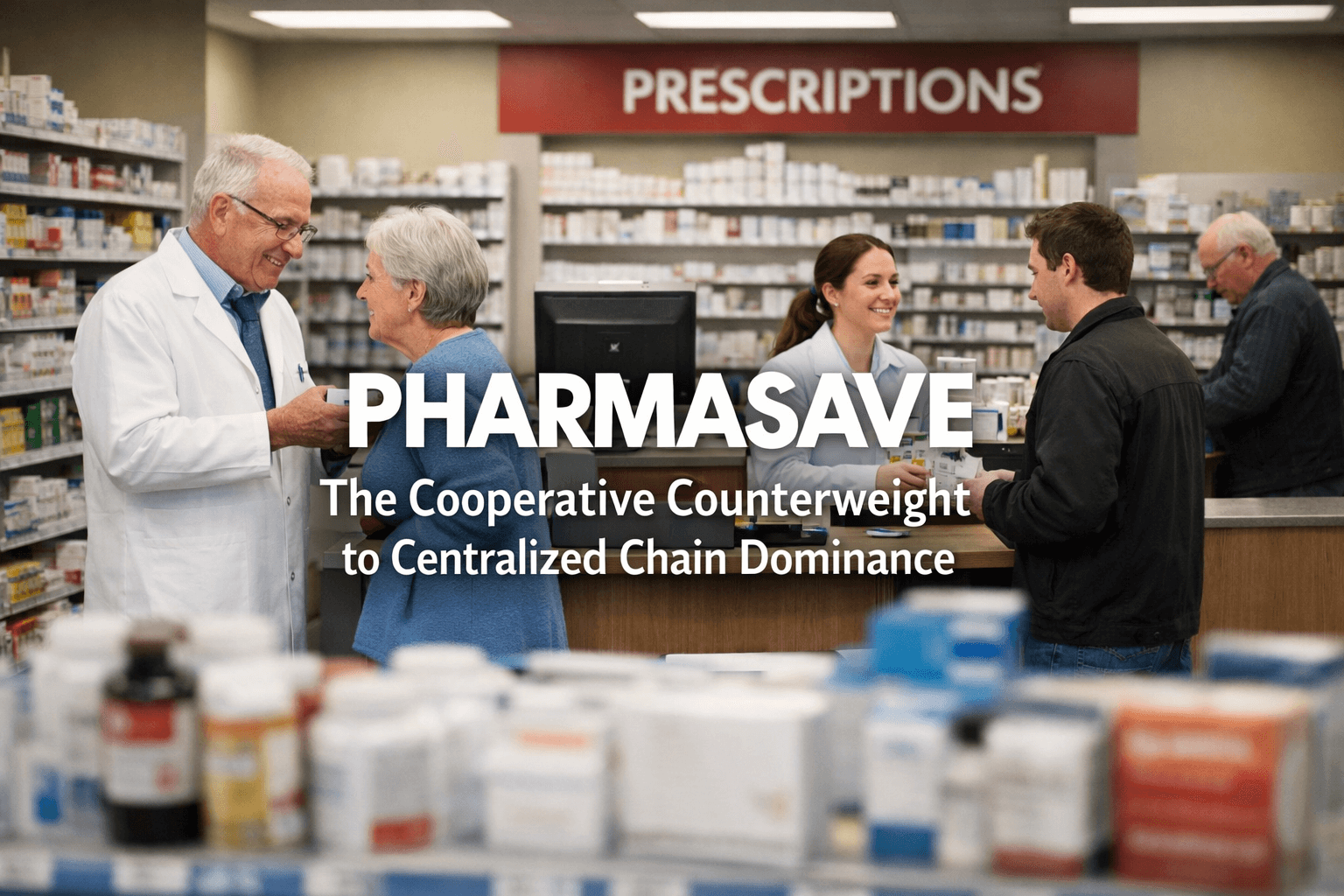
Not every successful pharmacy model relies on centralized command-and-control structures. Pharmasave, operating more than 650 stores across Canada, thrives on a radically different premise: local ownership, cooperative purchasing, and brand standardization without operational uniformity. Each Pharmasave location is independently owned, yet benefits from the collective procurement leverage of a national network. This structure allows individual pharmacists to tailor product assortments and community health programs to hyper-local demographics—senior-heavy neighbourhoods stock different mobility aids than university districts.
Why the Cooperative Model Resonates with Malaysian Independent Pharmacies
The Malaysian pharmacy landscape remains deeply fragmented. Outside the handful of listed chains, thousands of independent pharmacy distributors and single-outlet operators compete for patient loyalty. These independent owners often face a strategic squeeze: they lack the purchasing power of larger groups, yet must match corporate service expectations. Pharmasave’s model demonstrates that independence need not mean isolation.
By affiliating under a cooperative banner, independent pharmacies retain clinical autonomy while gaining supply chain efficiency. In practical terms, this means a pharmacy in Kota Kinabalu can order vaccine cold-chain supplies and diabetes care consumables through a centralized procurement desk, securing manufacturer rebates previously accessible only to chain buyers. The trusted cooperative structure also simplifies regulatory alignment, as central quality assurance teams help affiliates maintain GDP compliance without duplicating administrative overhead.
Comparative Framework: Independent Operation vs. Cooperative Affiliation for Malaysian Pharmacies
| Operational Dimension | Stand-Alone Independent | Cooperative-Affiliated (Pharmasave Model) |
|---|---|---|
| Procurement Pricing | Manufacturer tier-3 pricing; limited rebates | Pooled volume; access to tier-1 or tier-2 rates |
| Brand Identity Investment | Fully borne by owner | Shared marketing fund; national campaign visibility |
| Compliance Burden | Owner manages GDP audits, license renewals individually | Centralized compliance calendar; shared auditor panels |
| Product Exclusivity | Restricted access to imported specialty lines | Cooperative negotiates exclusive distribution rights for members |
| Exit Flexibility | High—no affiliation lock-in | Moderate—inventory conversion costs if leaving cooperative |
Perspective from a Malaysian Pharmacist Association Representative:
“We have members who are terrified of losing their identity if they ‘join a chain.’ But Pharmasave shows that brand affiliation and clinical independence are not mutually exclusive. The question for Malaysian independents is no longer ‘Should I sell?’ It is ‘How do I collaborate without capitulating?'”
Sinopharm: State-Backed Scale and the Cross-Border Distribution Imperative
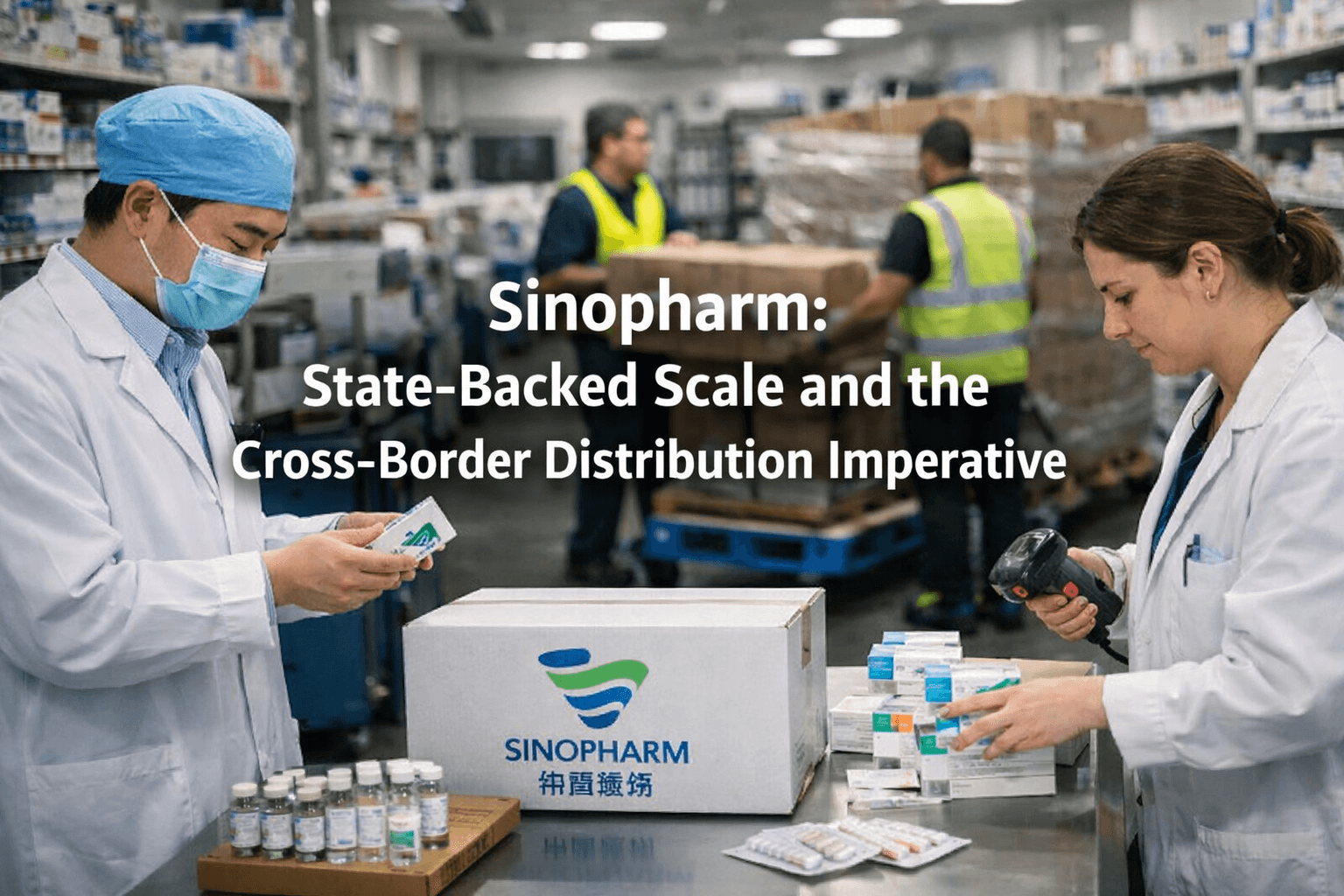
When examining China National Pharmaceutical Group (Sinopharm) , the conversation shifts from retail finesse to infrastructure sovereignty. Sinopharm is not merely a pharmacy chain; it is the logical extension of China’s healthcare industrial policy. With more than 7,000 retail outlets and distribution subsidiaries spanning 50+ countries, Sinopharm functions as both domestic supplier and regional wholesaler. Its dominance in Asia-Pacific pharmaceutical distribution is not incidental—it is the result of deliberate, state-coordinated infrastructure deployment.
The Sinopharm Distribution Engine: Scale as a Service
Sinopharm’s logistics network includes temperature-controlled warehousing at strategic Belt and Road Initiative (BRI) nodes. This allows the group to move high-volume generic medications and vaccines across borders with customs clearance advantages unavailable to private competitors. For pharmacy distributors Malaysia, Sinopharm represents both benchmark and potential partner. Its ability to clear pharmaceutical shipments through Chinese customs in hours rather than days sets a proven standard for cross-border efficiency.
Operational Scenario: Sabah-Based Distributor Engaging with Sinopharm
A distributor in Kota Kinabalu specializing in traditional Chinese medicine (TCM) products currently sources from third-tier suppliers in Guangzhou. Lead times average 21 days, with frequent documentation delays at Sepanggar Port. By aligning with Sinopharm’s regional distribution subsidiary, the same distributor could access consolidated shipping schedules and pre-cleared pharmaceutical lanes, potentially reducing lead times to 9 days. This is not speculative—it mirrors arrangements already observed in Vietnam and Thailand.
Perspectives on Sinopharm’s Regional Role:
Regional Supply Chain Director, MNC Pharma: “Sinopharm is no longer just a Chinese domestic player. They are becoming the default logistics partner for any manufacturer wanting to scale across ASEAN quickly. Their infrastructure absorption capacity is unmatched.”
Independent Wholesaler, Penang: “There is nervousness about dependency. But from a pure logistics reliability standpoint, their cold-chain metrics are better than most regional forwarders. You cannot ignore that data.”
Comparative Table: Store-Level Compliance and Merchandising Performance Indicators
Understanding how global pharmacy models translate into daily operational metrics requires examining store-level execution. The following table contrasts compliance drivers and merchandising effectiveness indicators across the five profiled pharmacy groups, with local applicability notes for Malaysian pharmacy distributors and brand managers.
| Pharmacy Chain | Core Compliance Focus | Merchandising Strength | Store-Level Metric | Malaysian Application Insight |
|---|---|---|---|---|
| CVS Health | Digital prescription audit trails | High-traffic front-of-store wellness displays | Script wait time: <15 mins | Push for integration between distributor inventory systems and pharmacy POS for automatic replenishment |
| Walgreens Boots Alliance | Global GDP harmonization | Private label (Boots) premium placement | Own-brand penetration rate: 22% | Opportunity for Malaysian chains to launch house-brand vitamins; requires distributor packaging adaptation support |
| Rite Aid | Inventory accuracy in automated DCs | Seasonal promotional planogram compliance | Order accuracy rate: 99.3% | Barcode scanning at receiving reduces invoice disputes; achievable with basic WMS upgrade |
| Pharmasave | Local health authority reporting | Community health event-driven merchandising | Patient health program enrollment: +18% YoY | Distributors can supply screening tools (glucose meters, BP monitors) to support pharmacy-led health screenings |
| Sinopharm | Cross-border track-and-trace serialization | Bulk generics display, minimal front-store emphasis | Customs clearance time: <48 hours | Malaysian distributors handling imported generics should invest in ASEAN single-window compliance capability |
The Translation Imperative: From Global Blueprint to Local Execution

The preceding analysis is not an invitation to imitation. CVS’s clinic model cannot be lifted onto Malaysian regulatory soil without significant adaptation. Walgreens’ private label dominance required decades of consumer trust accumulation. Sinopharm’s cross-border machinery is underpinned by diplomatic capital unavailable to private enterprise. Yet extraction—not replication—is the objective.
For pharmacy distributors Malaysia, the strategic task is one of translation. What element of Rite Aid’s zoning logic can be applied to next-day delivery in Kuching? How might Pharmasave’s cooperative procurement principles reshape the buying club model already present among Selangor-based independent pharmacies? Where do Sinopharm’s border clearance workflows expose gaps in current Malaysian cold-chain import protocols?
These questions are not academic. They are being answered today in warehouse expansions along the North-South Highway, in pharmacy management system upgrades across the Klang Valley, and in regulatory submissions for new pharmaceutical import licenses. The global pharmacy landscape is not a distant benchmark. It is the competitive context within which local distributors already operate—whether they acknowledge it or not.
The Merchandising Mandate for Malaysian Distributors
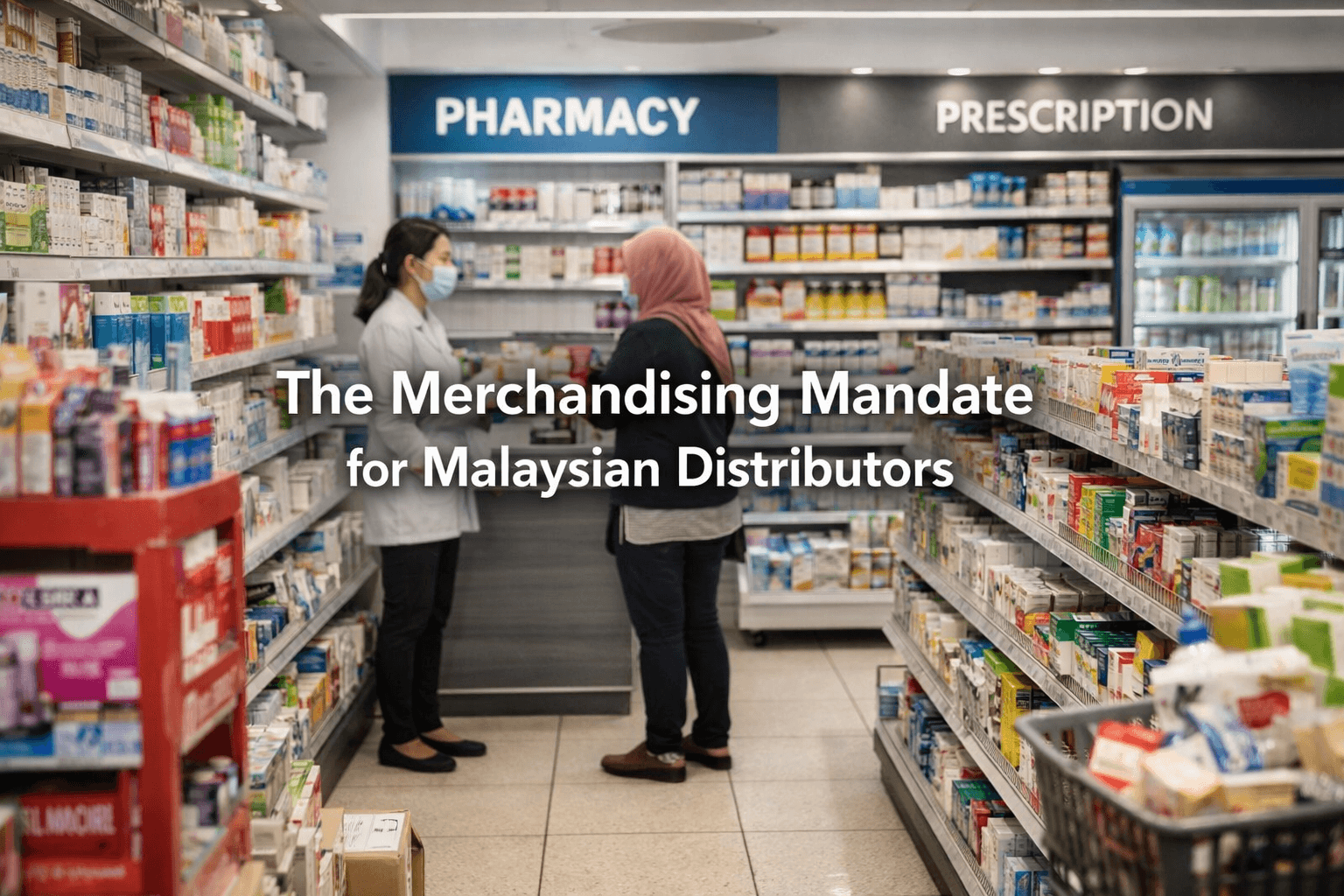
The message is unambiguous. Pharmacy distribution in Malaysia has entered an era where delivery reliability is table stakes. Differentiation now accrues to distributors who can demonstrate influence over sell-through, not merely sell-in. Merchandising capability—once dismissed as non-core—has become a competitive differentiator and, increasingly, a contractual requirement for brand representation.
Distributors unable or unwilling to develop store-level execution muscle face a narrowing future. They will be confined to bulk commodity movements for price-sensitive generics, competing solely on freight cost with shrinking margins. Conversely, those who invest in merchandising teams, verification technology, and collaborative planning with pharmacy partners position themselves as indispensable intermediaries. They do not merely deliver products. They deliver performance.
The pharmacy shelf is the final three feet of a journey spanning continents, warehouses, and customs checkpoints. For too long, those three feet received the least attention. That era is closing. Malaysian distributors who recognise merchandising as strategic infrastructure will define the next generation of pharmacy supply chain leadership in Southeast Asia.
Frequently Asked Questions (FAQ)
Q1: What is pharmacy and why is it important?
Answer: Pharmacy is the health profession that links the health sciences with the chemical sciences. It is concerned with the discovery, production, disposal, safe and effective use, and control of medicines and drugs. It is important because pharmacists, as experts in medicines, ensure the safe and optimal use of medications to improve patient health outcomes, prevent disease, and provide essential healthcare advice.
Q2: What services does a pharmacy provide?
Answer: Pharmacies provide a wide range of services, including dispensing prescription medications, offering over-the-counter (OTC) products and advice, providing medication management and counseling, administering certain vaccinations, conducting health screenings, and offering pharmacy care services (e.g., managing minor ailments, chronic disease management support).
Q3: What are pharmacy care services?
Answer: Pharmacy care services, often interchangeable with pharmaceutical care or advanced services, are patient-centered and outcomes-oriented practices where pharmacists work to design, implement, and monitor a therapeutic plan that will produce specific patient outcomes. Examples include Medication Therapy Management (MTM), chronic disease state management, immunization services, and support for smoking cessation.
Q4: Why is pharmacy first important?
Answer: “Pharmacy First” is a common term for schemes that allow patients to seek treatment and advice for minor illnesses directly from a community pharmacy, often without needing to see a GP. It is important because it improves patient access to convenient care, utilizes the pharmacist as a highly accessible healthcare professional, and reduces pressure on other NHS or healthcare services like GP surgeries and emergency departments.
Q5: What is the function of the pharmacy services?
Answer: The primary function of pharmacy services is to ensure that patients receive the appropriate medicines in the correct dose, along with the necessary information and support for their safe, effective, and rational use. This includes inventory management, compounding, dispensing, patient education, and collaboration with other healthcare providers.
Q6: What is pharmacy first service?
Answer: The Pharmacy First service (as implemented in the UK, for example) is a scheme that enables pharmacists to provide advice and, when appropriate, treatment (including prescription-only medicines via Patient Group Directions or by prescribing) for a defined set of common minor ailments (e.g., earache, sore throat, uncomplicated UTIs) directly in the pharmacy, expanding the pharmacist’s clinical role.
Q7: What services are offered by retail pharmacy?
Answer: Retail (or community) pharmacies offer services directly to the public, including dispensing prescriptions, selling over-the-counter medicines and health products, providing medication consultation, administering vaccinations (e.g., flu shots), offering health screening (e.g., blood pressure checks), managing minor ailments, and providing advice on healthy living.
Q8: Why is a pharmacy important?
Answer: A pharmacy is important because it serves as the most accessible healthcare point in many communities. It is crucial for safe and accurate medication dispensing, preventing drug interactions, offering essential health advice, providing primary healthcare interventions, and bridging the gap between patients and prescribers, thereby playing a vital role in public health.
Q9: What are the three types of pharmacies?
Answer: The three main types of pharmacy practice are generally categorized as:
- Community (Retail) Pharmacy: Pharmacies that serve the public directly in a community setting.
- Hospital (Institutional) Pharmacy: Pharmacies located within hospitals and healthcare facilities, serving inpatients and medical staff.
- Industrial (Pharmaceutical) Pharmacy: Involving roles in drug research, manufacturing, quality control, marketing, and regulatory affairs within the pharmaceutical industry.
Q10: Why is good pharmacy practice important?
Answer: Good Pharmacy Practice (GPP) is important because it establishes the standards for quality pharmacy services worldwide, ensuring that pharmacists provide care focused on the patient’s well-being and their use of medicines. GPP ensures safe dispensing, accurate information, professional advice, ethical conduct, and the overall goal of maximizing the positive health outcomes of patients.
How can we assist you today? 😊
Just let us know—we’re here to help!