

June 12, 2026
What truly separates a good pharmacy from a great one in Kuala Lumpur’s competitive landscape? It is not merely a matter of size or the number of products on the shelf. In a market where consumers are increasingly savvy and health-conscious, pharmacy excellence is a multifaceted achievement. It is built upon a strategic integration of comprehensive service, unwavering regulatory integrity, proven customer trust, efficient retail execution, and deep community roots. These pillars work in concert to transform a simple retail outlet into an essential healthcare hub, a trusted partner in the patient’s wellness journey rather than just a transactional point of sale. The most successful pharmacies in KL understand that their reputation and impact are the sum of all these critical parts, each one non-negotiable in the pursuit of providing reliable and safe healthcare access.
Pillar One: The Expansive Service Range – Beyond the Prescription Counter
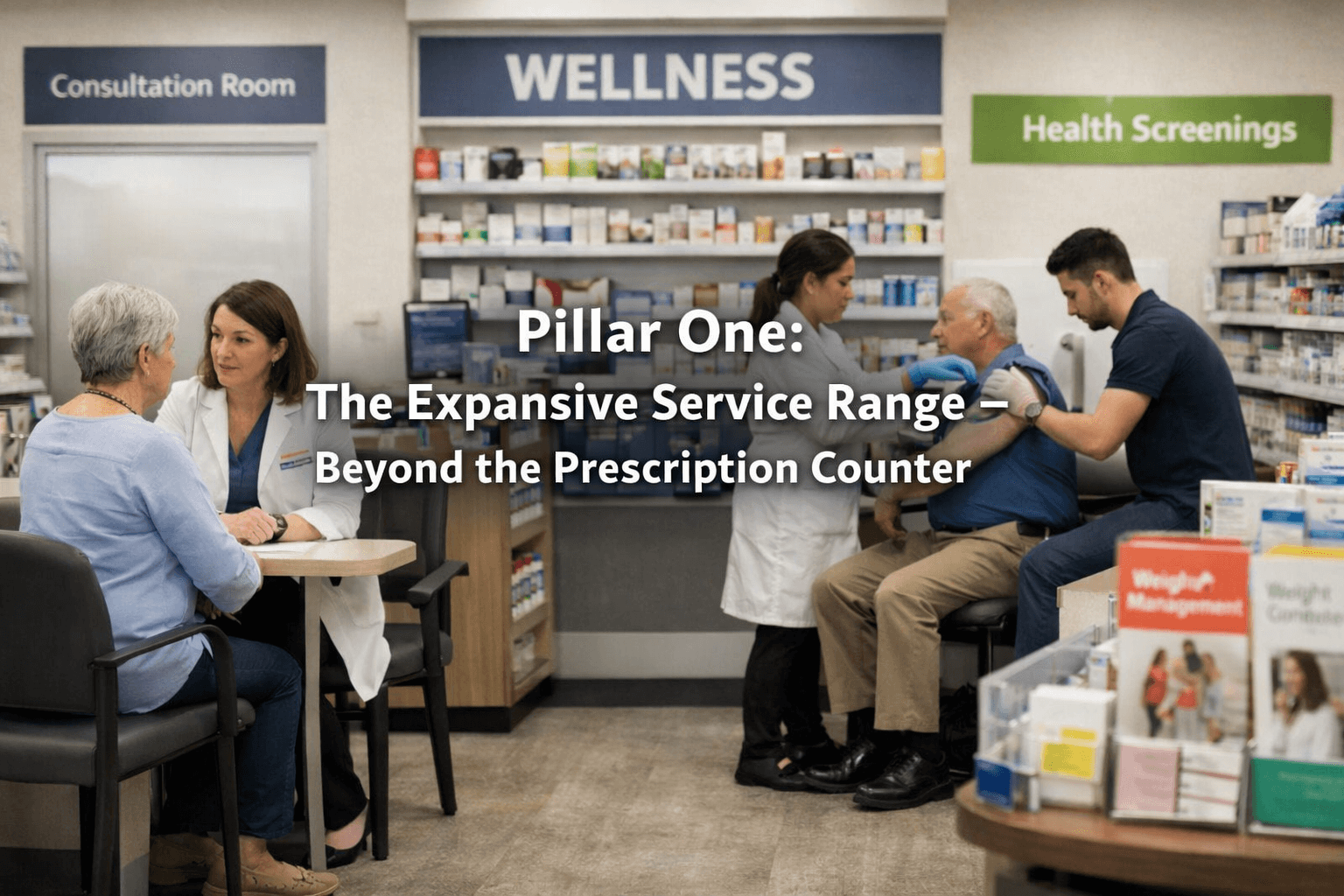
The modern pharmacy in Kuala Lumpur has dramatically evolved from a dispensary of medicines into a holistic wellness destination. The service range is a primary indicator of a pharmacy’s commitment to meeting diverse community needs. This begins, of course, with the core prescription (Rx) and over-the-counter (OTC) medications for managing acute and chronic conditions. However, it extends far beyond. Top pharmacies now curate extensive selections of vitamins, dietary supplements, and nutraceuticals, responding to the growing preventive health trend. They also incorporate personal care, beauty SKUs (Stock Keeping Units), and medical devices like blood pressure monitors and glucose test kits. This breadth is strategic; it allows customers to address multiple health and wellness needs under one trusted roof. For instance, a customer collecting medication for diabetes might also find appropriate foot care products and diabetic-friendly nutritional supplements, all guided by knowledgeable staff. This model not only enhances customer convenience but also drives engagement and dwell time, as shoppers explore a wider array of tailored health solutions.
Malaysia Operational Scenario: A pharmacy in Bangsar South catering to a young, professional demographic might emphasize a curated selection of boutique skincare brands (with valid NOT numbers), travel wellness kits, and ergonomic home-office health products. In contrast, a pharmacy in a suburban area like Kepong with an older population would prioritize a robust inventory of chronic disease management medications, mobility aids, and traditional herbal supplements that carry proper MAL registrations, demonstrating a tailored approach to community needs.
Pillar Two: The Non-Negotiable Mandate of Regulatory Alignment and Compliance
In the healthcare sector, trust is paramount, and in Malaysia, this trust is legally and ethically underpinned by strict regulatory alignment. The National Pharmaceutical Regulatory Agency (NPRA) under the Ministry of Health (KKM) is the ultimate authority. Every pharmacy’s integrity hinges on its vigilant adherence to these regulations, ensuring every product on its shelf is KKM-approved. This is verified through official registration numbers: the MAL number for pharmaceuticals (including all prescription drugs, OTC medicines, and registered health supplements) and the NOT number for cosmetic products. A top pharmacy does not just passively receive stock; it actively audits its supply chain. It partners with reputable pharmacy distributor Malaysia networks that guarantee regulatory documentation is complete and current before any product is listed. This compliance framework is a strategic asset, protecting public health and shielding the pharmacy from legal repercussions and reputational damage. The role of the Responsible Person (RP) within the pharmacy or its distributor partner is crucial here, acting as the guardian of this compliance protocol.
A Comparative Look: Compliance Verification in Practice
| Activity | Standard Pharmacy Practice | Excellence-Driven Pharmacy Practice |
|---|---|---|
| Product Onboarding | Checks for valid MAL/NOT registration upon first order. | Pre-listing audit: Requires full regulatory dossier from the pharmacy wholesale distributor before commercial negotiation. |
| Inventory Management | Manual expiry date checks during stock-taking. | Integrated POS system alerts for products nearing expiry and auto-generates rotation plans with distributors. |
| Customer Assurance | Relies on product packaging labels. | Trained staff proactively point out KKM logos on shelf talkers and packaging; uses in-store signage to educate on importance of buying approved products. |
| Supplier Management | May prioritize cost over compliance history. | Maintains an internal approved vendor list and a blacklist for suppliers with past compliance failures, as seen in Health Lane Family Pharmacy’s operational model. |
Learn more: The Role of Pharmacy Distribution Services in Malaysia’s Healthcare System | National Pharmaceutical Regulatory Agency (NPRA)
Pillar Three: Cultivating and Sustaining Proven Customer Trust
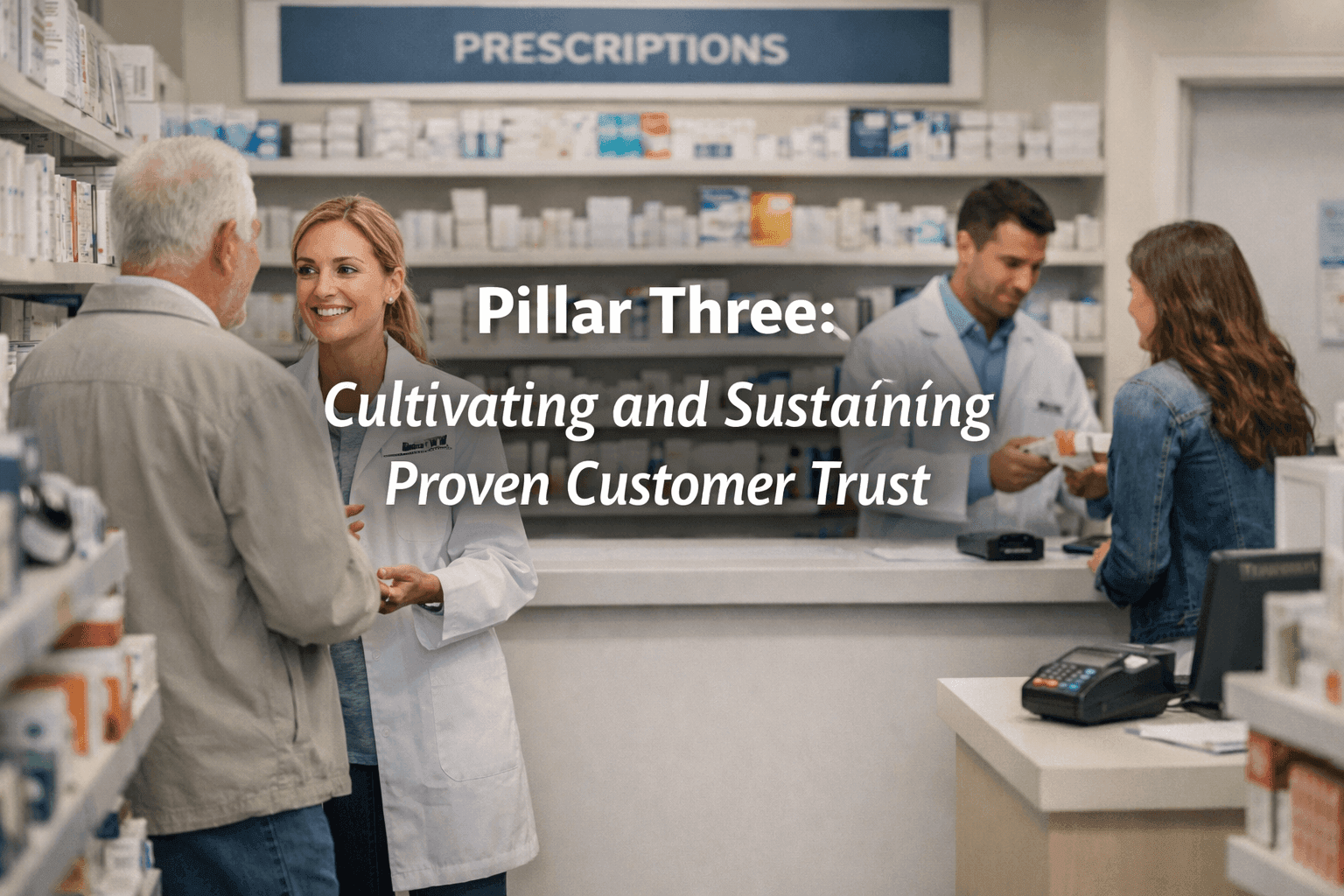
In the digital age, customer ratings and reviews are the public ledger of a brand’s reputation. For pharmacies, this feedback is especially sensitive, relating directly to personal health and well-being. High ratings across platforms like Google, Facebook, and local review sites are not an accident; they are the result of consistent, reliable service and positive customer experiences. This trust is built on multiple levels: the accuracy of prescriptions filled, the expert and empathetic advice from pharmacists, the fairness of pricing, and the overall efficiency of service. A pharmacy with proven customer trust often sees high repeat business and strong word-of-mouth referrals. From the perspective of a brand manager, having their products stocked in a highly-rated pharmacy adds a layer of credibility and trust to their own brand. For the distributor, a pharmacy with a loyal customer base represents a reliable and stable retail partner for moving inventory. This ecosystem of trust makes a pharmacy not just a store, but a community institution.
Malaysia Operational Scenario: Caring Pharmacy’s widespread positive reviews often highlight their in-store health screening services and patient consultation rooms, which provide a private, clinical setting for advice. This investment in space and service directly builds trust by elevating the interaction from a public counter conversation to a confidential healthcare consultation. Similarly, AA Pharmacy has cultivated trust through a long-standing reputation for cost transparency and loyalty programs, making healthcare feel more accessible and predictable for budget-conscious families.
Learn more: Health Care Consumer Shopping Behaviors and Sentiment: Qualitative Study
Pillar Four: The Strategic Backbone: Distribution and Supply Chain Synergy
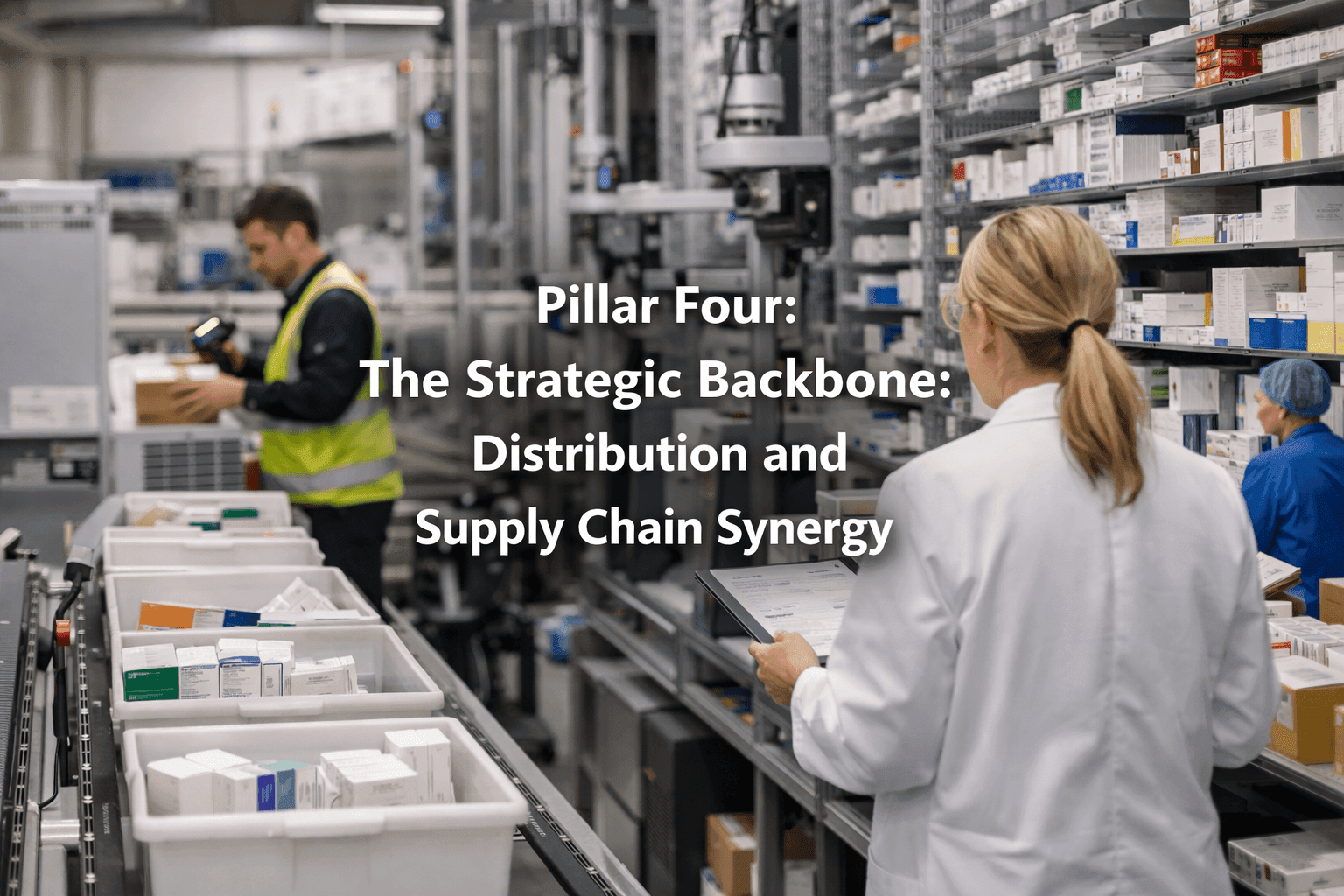
The seamless experience a customer enjoys—finding the right product, in stock, and in perfect condition—is the visible result of an invisible, strategic backbone: the distribution and supply chain network. The role of a pharmacy distributor Malaysia partner is complex and extends far beyond simple delivery. Efficient distributors provide inventory planning support, manage cold chain logistics for temperature-sensitive products, handle returns management and expiry rotation, and coordinate launch planning with merchandising teams. A top Kuala Lumpur pharmacy’s success is inextricably linked to the reliability and strategic capability of its distributors. Large pharmacy wholesale distributors ensure high-volume, efficient stock movements across the city, while independent pharmacy distributors offer tailored, nimble support for niche or specialized product ranges. This partnership ensures stock efficiency and prevents the critical issue of stockouts, which directly erodes customer trust.
Practical Implication: Consider BIG Pharmacy’s model of aggressive online-offline integration. Their ability to promise fast click-and-collect or delivery services is entirely dependent on the rapid-delivery SOPs and real-time inventory visibility systems integrated between their POS and their distributors’ warehouses. This allows for just-in-time shelf replenishment, a complex logistics feat that keeps shelves full and sales data flowing accurately. The distributor here acts as an extension of the pharmacy’s own operations room.
Learn more: The Role of Pharmacy Distribution Services in Malaysia’s Healthcare System | Key Insights for Building a Resilient and Flexible Healthcare Supply Chain for 2026
Pillar Five: Mastering Retail Execution and In-Store Experience
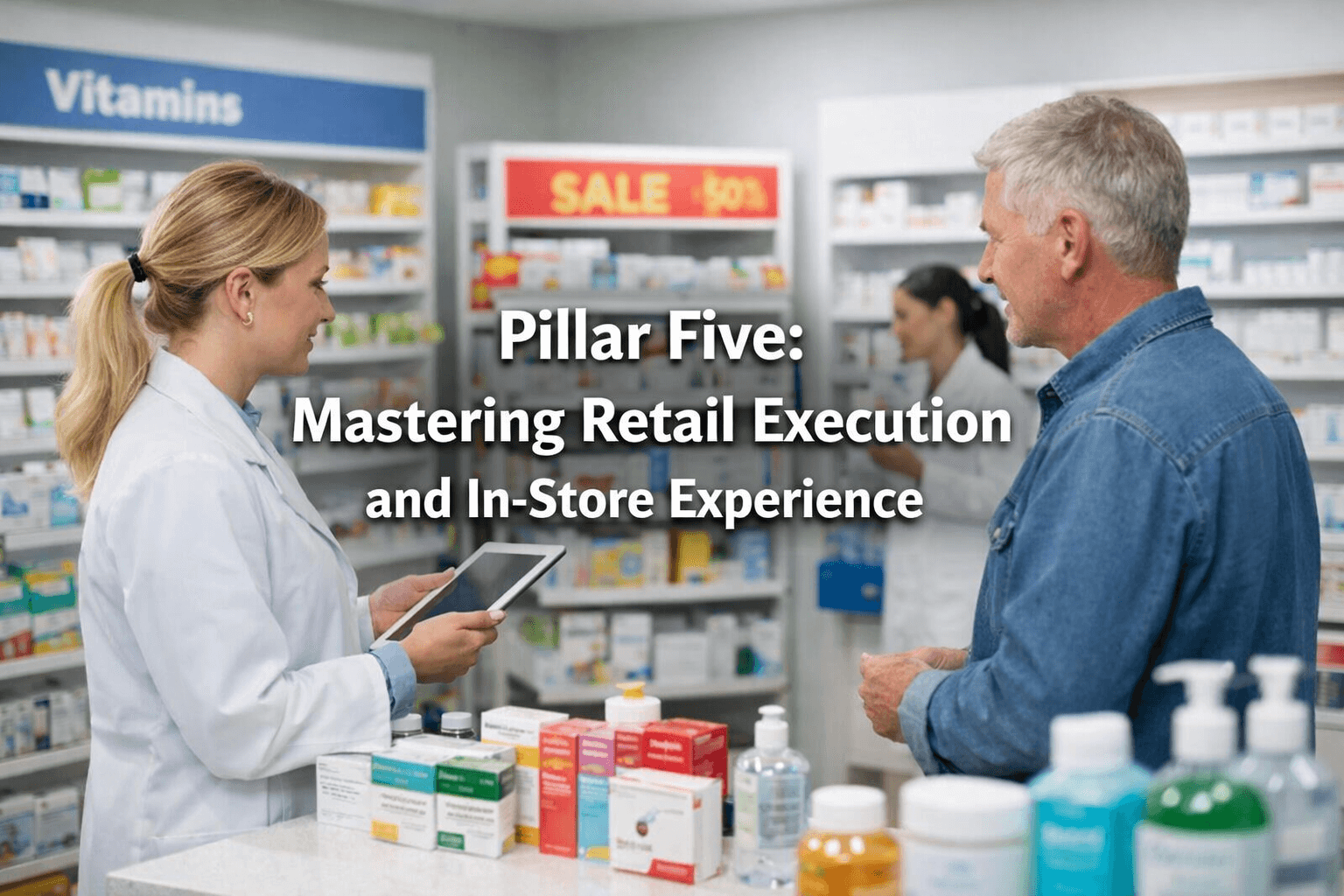
Retail execution is where strategy meets the customer’s eye. It encompasses everything from visual merchandising and the use of point-of-sale materials (POSM) to the staff knowledge and store layout. Effective execution guides the customer journey, highlights promotions, educates on product benefits, and ultimately drives sales. A well-merchandised pharmacy uses planograms strategically, places high-demand or high-margin items at eye level, and creates thematic displays—like a “Seasonal Allergy” or “Back-to-School” section. The staff knowledge component is irreplaceable; pharmacists and assistants who can confidently explain product differences, dosages, and compliance details add immense value. From the perspective of a pharmacist on the floor, good retail execution means they can easily locate products and have the right educational tools to hand. For the distributor’s merchandiser, a pharmacy with strong execution standards means their POSM will be displayed correctly, and planogram agreements will be followed, ensuring their brands get the visibility they were promised.
Inline Checklist: Elements of Superior Pharmacy Retail Execution
A top-tier KL pharmacy will typically excel in:
Clean, well-lit, and logically organized store layout that navigates customers from OTC to Rx areas smoothly.
Strategic visual merchandising that uses signage, shelf talkers, and displays to tell a product story.
Prominent display of KKM-approved seals and health information on relevant products.
Highly trained staff capable of moving from dispensing to advisory roles seamlessly.
Integrated technology, such as digital kiosks for information or streamlined payment systems, enhancing the efficient customer experience.
Learn more: Pharmacy Merchandising Services in Malaysia: What You Should Know
Pillar Six: Deep-Rooted Community Engagement as a Growth Strategy
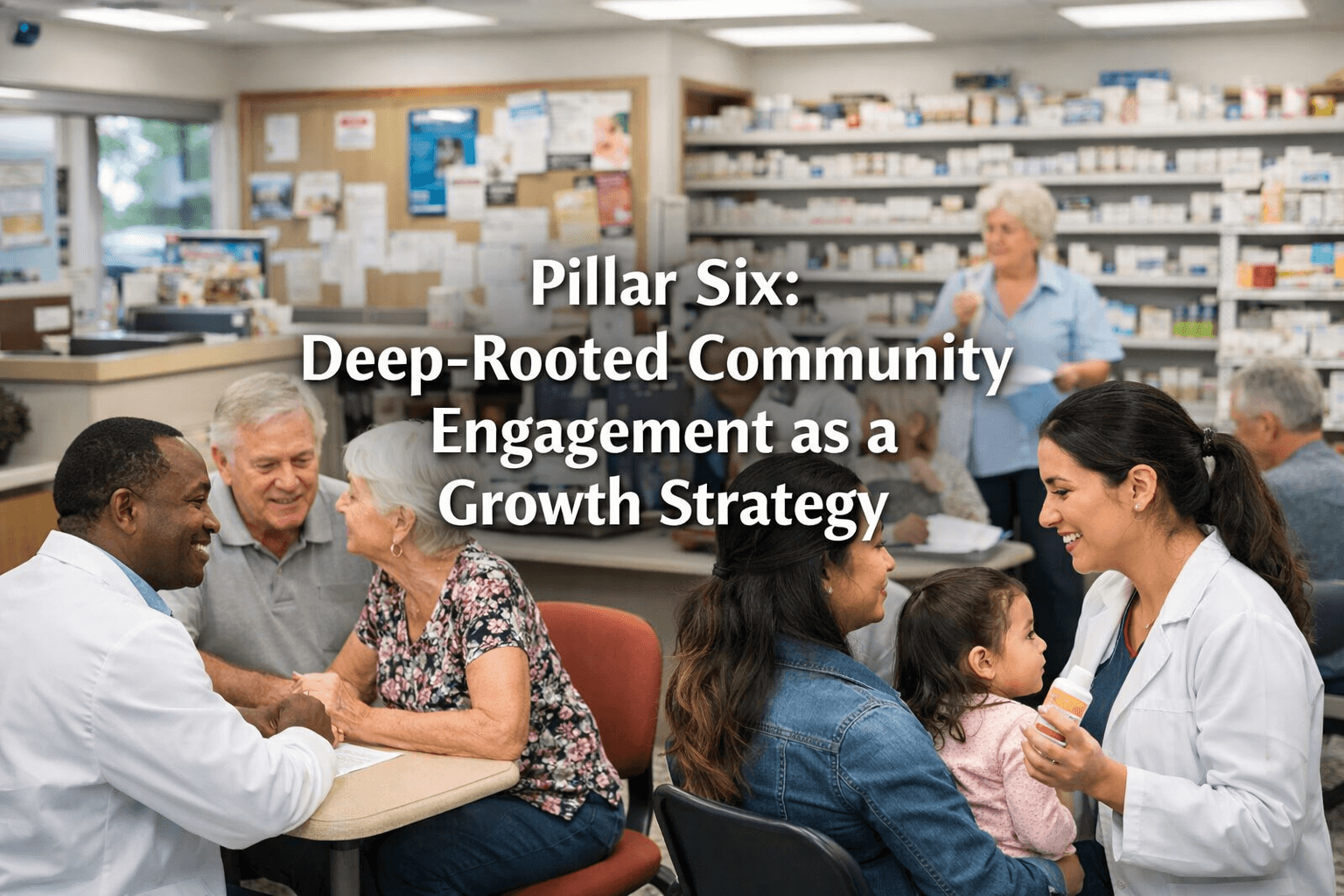
Finally, the pharmacies that become landmarks in Kuala Lumpur’s neighborhoods are those that embrace community engagement as a core function, not a side activity. This transforms them from a commercial entity into a trusted local health partner. Proactive community engagement includes organizing free health screening camps for blood pressure, glucose, or cholesterol checks; hosting education events on topics like diabetes management or pediatric nutrition; and participating in local wellness festivals. Multicare Pharmacy’s growth, for example, is often bolstered by its focus on pharmacist-led advisory sessions within communities, building personal relationships. This engagement serves a dual purpose: it fulfills a social responsibility to public health education and is a proven, effective long-term business development strategy. It builds immense goodwill, introduces the pharmacy’s services to new customers in a non-sales context, and firmly positions the brand as caring and essential. The pharmacy distributor can play a supporting role here by providing educational materials, product samples for campaigns, or even co-sponsoring events, further strengthening the three-way partnership between distributor, pharmacy, and community.
The Merchandising Factor: Visual Execution as the Engine of Consumer Trust and Sales Performance
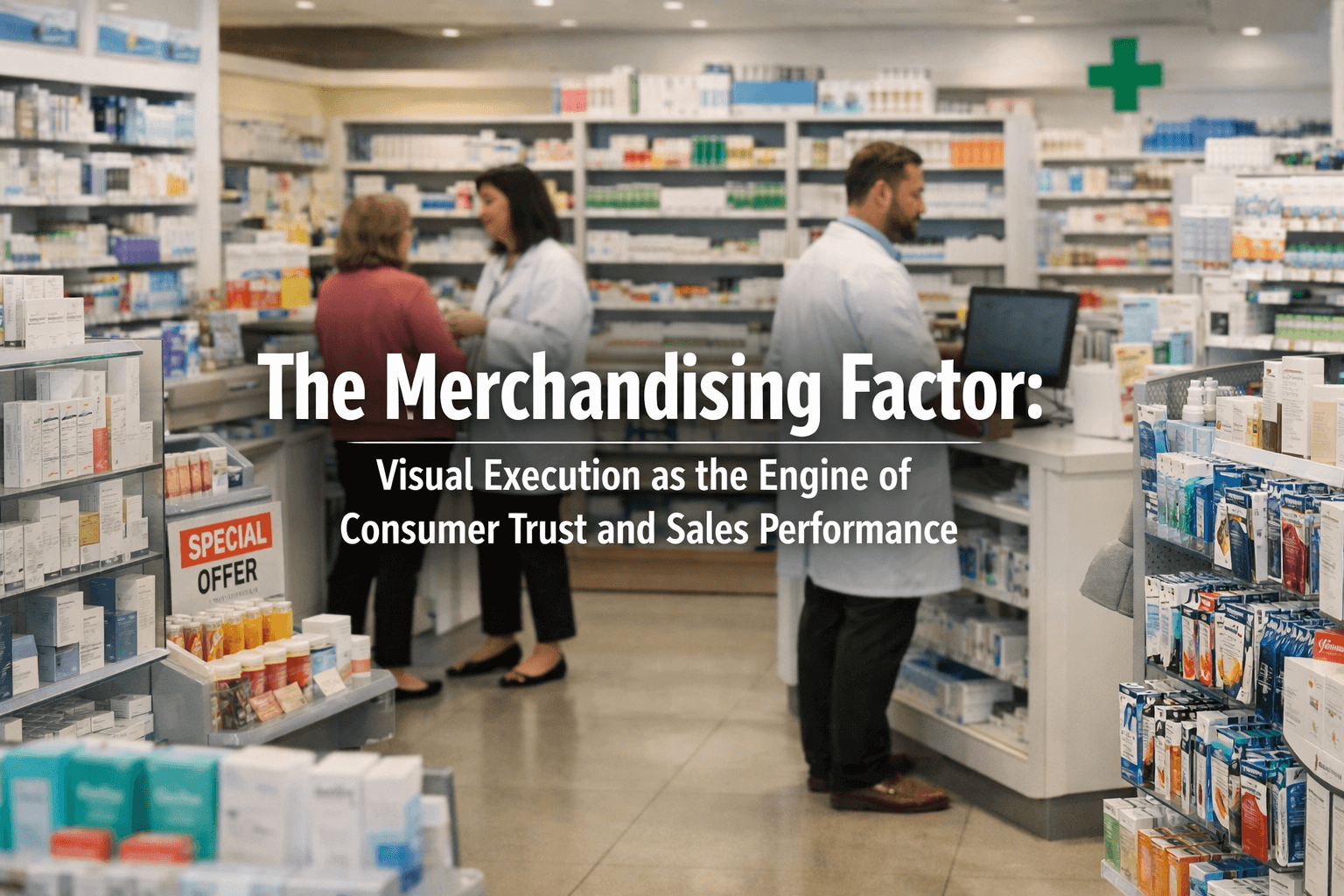
The question of whether store layout and product presentation directly influences consumer confidence is not merely rhetorical—it is foundational to modern pharmacy retail. Visual merchandising, shelf flow, and display clarity are far more than aesthetic choices; they are strategic tools that communicate professionalism, expertise, and reliability to the customer. In an environment where health decisions are being made, a chaotic or poorly organized shelf can subconsciously signal a lack of care, potentially eroding trust. Conversely, a logically organized, clean, and informative layout acts as a silent, expert guide. It empowers the customer to find products easily, highlights important health information and KKM-approved seals, and strategically promotes complementary items. This effective visual execution directly shapes the customer journey, reduces decision fatigue, and ultimately, drives proven commercial outcomes by ensuring the right products are visible and accessible at the right moment of intent.
A Comparative Framework: In-House vs. Distributor Merchandising Teams
| Criteria | In-House Merchandising Team | Distributor Merchandising Team |
|---|---|---|
| Regulatory & SOP Knowledge | Exceptionally high, with deep alignment to the pharmacy chain’s internal standard operating procedures (SOPs) and compliance culture. | Can vary significantly based on the distributor’s own compliance training and the specific requirements of the pharmacy partner. |
| Execution Consistency | Highly consistent across all branches of a chain, ensuring a uniform brand experience. | Can be variable, depending on the contract scope, personnel assigned, and frequency of store visits. |
| Flexibility for Campaigns | Often moderate, as they must balance multiple internal brand priorities and fixed planograms. | Can offer high flexibility, bringing tailored Advertising & Promotion (A&P) plans for specific brands or seasonal pushes, like during Ramadan or back-to-school periods. |
| Visual Standardization | Strong, SOP-driven control over every detail, from shelf talker placement to power aisle displays. | Dependent on quality of POSM (Point-of-Sale Materials) provided and the pharmacy’s willingness to grant display space. |
| Brand Promotion Integration | Primarily focused on the pharmacy’s private label or key partner brands. | Expert at multi-brand coordination, creating thematic sections that benefit several complementary products from their portfolio. |
Malaysia Operational Scenario: A chain like Caring Pharmacy exemplifies the power of a centralized, in-house approach. Their merchandising SOPs ensure that a customer walking into any branch nationwide encounters a familiar, trusted layout. Their effective POSM alignment and promotional flow are meticulously managed, creating a reliable and professional environment. In contrast, BIG Pharmacy often strategically leverages the agility of distributor-led campaigns. During a seasonal health event—such as a nationwide dengue awareness drive—they might collaborate closely with a pharma distributor to create impactful, temporary displays featuring insect repellents, thermometers, and relevant OTC medications, allowing for rapid, context-specific market response.
Aligning Stakeholder Visions: What Brand Managers, Distributors, and Pharmacists Seek in a Top-Tier Partner

The symphony of a successful pharmacy retail operation requires harmonious performance from all key players. Each stakeholder—the brand manager, the distributor, and the on-ground pharmacist—has a distinct perspective on what transforms a pharmacy from a simple storefront into a strategic, high-performing partner. Understanding these viewpoints is essential for any brand or supply chain partner looking to build reliable and productive retail relationships.
From the Distributor’s Point of View, a top pharmacy partner is defined by operational predictability and collaboration. Key priorities include timely payment cycles that ensure healthy cash flow, staff cooperation for successful in-store activations and merchandising, and strict compliance alignment on all NOT/MAL documentation to avoid costly regulatory pitfalls. A distributor values a pharmacy that functions as an efficient extension of their logistics, with clear communication channels and proven sell-through rates that validate their efforts.
For the Brand Manager, the partnership is about visibility and education. They seek transparent access to visibility reports and sell-through data to measure campaign effectiveness. They require the pharmacy’s support for staff training programs to ensure their products are recommended accurately. Crucially, they prioritize placement in high-footfall locations where their products are not just seen but purchased, supported by a strategic planogram control that ensures optimal shelf placement. The brand manager sees the pharmacy shelf as the final and most critical marketing channel.
The Pharmacist’s Perspective is uniquely patient-centric. They value the freedom to provide advice based on clinical efficacy and patient need, rather than being pressured by aggressive commercial promotions for non-preferred brands. They rely on an efficient stock control system, often integrated with their distributor’s platform, to prevent stockouts of critical medicines. They appreciate minimal disruption from merchandising activities that could impede patient consultation areas. For them, a good partner supports their role as a healthcare provider first.
Mapping the Growth: Expansion Trends Defining Kuala Lumpur’s Pharmacy Retail Landscape

The pharmacy sector in the Klang Valley is not just growing; it is dynamically evolving at a rapid pace. Driven by deeper health consciousness and urban demographic shifts, the physical and operational footprint of pharmacy chains is expanding in strategic new directions. This growth is creating both opportunities and complexities for pharmacy distribution services in Malaysia, demanding scalable yet compliant logistics solutions.
Key drivers fueling this expansion include the sustained surge in preventive health and supplement demand post-pandemic, the increasing need for chronic disease management in an aging population, and the rise of urban density supporting smaller, micro-retail clusters within large residential developments or transit hubs. The growth is not merely quantitative but qualitative, marked by several notable trends. Major chains are aggressively expanding into suburban hubs like Puchong and Kota Damansara, following residential growth. There is a significant rise of hybrid store models that seamlessly integrate Rx dispensaries with beauty halls and wellness boutiques, catering to the holistic self-care consumer. Furthermore, tech integration has become non-negotiable, with online ordering via apps, click-and-collect services, and digital loyalty programs becoming standard expectations, all of which must be supported by a real-time, efficient inventory backbone provided by a reliable distributor.
Malaysia Operational Scenario: Consider a growing chain like Multicare Pharmacy. Their expansion strategy often targets newer suburban townships. In a location like Cyberjaya, they might open a hybrid-format store emphasizing tech-friendly services (app-based prescription refills) alongside a curated selection of wellness tech gadgets and ergonomic products for the resident professional community. This requires their pharmacy wholesale distributor to handle a more diverse SKU range and potentially more frequent, smaller deliveries to maintain freshness and variety—a tailored logistics approach compared to servicing a large, established hospital-adjacent branch.
Learn more: Hybrid Retail Asia
A Strategic Framework for Selection: Choosing the Right Pharmacy Retail Partner
For healthcare brands and suppliers, selecting the right pharmacy chain to partner with in Kuala Lumpur is a critical business decision with long-term implications. It goes beyond simple distribution; it is about aligning with a retail partner whose operational ethos, compliance rigor, and commercial execution will amplify your brand’s presence and integrity. A strategic evaluation, therefore, must look at both the pharmacy and the network that supports it.
A Checklist for Brand Owners & Suppliers
From a Brand Owner’s Perspective:
Distributor Alliance: Is the pharmacy working with a trusted, reputable pharmacy distributor with a proven track record in your product category?
Compliance Enforcement: Do they have a systematic process for enforcing NOT/MAL compliance, protecting your brand from association with non-compliant products?
Visibility Commitment: Is in-store visibility—including planogram adherence and POSM placement—a guaranteed part of the commercial agreement?
Merchandising Control: Will your SKUs be merchandised according to your brand guidelines, or are you at risk of being lost in a generic layout?
From a Supplier’s Operational Perspective:
Data Transparency: Do they provide regular inventory updates and sell-through reports to inform production and logistics planning?
Policy Clarity: Is there a clear, fair, and documented returns or expiry policy managed in collaboration with the distributor?
Educational Support: How does the pharmacy’s team support product education? Do they allow training sessions for their pharmacists and assistants?
Choosing wisely means partnering with a pharmacy that offers more than shelf space—they offer a proven, integrated route to market that prioritizes reliable execution and shared growth.
Frequently Asked Questions (FAQ)
Q1: What is pharmacy and why is it important?
Answer: Pharmacy is the health profession that links the health sciences with the chemical sciences. It is concerned with the discovery, production, disposal, safe and effective use, and control of medicines and drugs. It is important because pharmacists, as experts in medicines, ensure the safe and optimal use of medications to improve patient health outcomes, prevent disease, and provide essential healthcare advice.
Q2: What services does a pharmacy provide?
Answer: Pharmacies provide a wide range of services, including dispensing prescription medications, offering over-the-counter (OTC) products and advice, providing medication management and counseling, administering certain vaccinations, conducting health screenings, and offering pharmacy care services (e.g., managing minor ailments, chronic disease management support).
Q3: What are pharmacy care services?
Answer: Pharmacy care services, often interchangeable with pharmaceutical care or advanced services, are patient-centered and outcomes-oriented practices where pharmacists work to design, implement, and monitor a therapeutic plan that will produce specific patient outcomes. Examples include Medication Therapy Management (MTM), chronic disease state management, immunization services, and support for smoking cessation.
Q4: Why is pharmacy first important?
Answer: “Pharmacy First” is a common term for schemes that allow patients to seek treatment and advice for minor illnesses directly from a community pharmacy, often without needing to see a GP. It is important because it improves patient access to convenient care, utilizes the pharmacist as a highly accessible healthcare professional, and reduces pressure on other NHS or healthcare services like GP surgeries and emergency departments.
Q5: What is the function of the pharmacy services?
Answer: The primary function of pharmacy services is to ensure that patients receive the appropriate medicines in the correct dose, along with the necessary information and support for their safe, effective, and rational use. This includes inventory management, compounding, dispensing, patient education, and collaboration with other healthcare providers.
Q6: What is pharmacy first service?
Answer: The Pharmacy First service (as implemented in the UK, for example) is a scheme that enables pharmacists to provide advice and, when appropriate, treatment (including prescription-only medicines via Patient Group Directions or by prescribing) for a defined set of common minor ailments (e.g., earache, sore throat, uncomplicated UTIs) directly in the pharmacy, expanding the pharmacist’s clinical role.
Q7: What services are offered by retail pharmacy?
Answer: Retail (or community) pharmacies offer services directly to the public, including dispensing prescriptions, selling over-the-counter medicines and health products, providing medication consultation, administering vaccinations (e.g., flu shots), offering health screening (e.g., blood pressure checks), managing minor ailments, and providing advice on healthy living.
Q8: Why is a pharmacy important?
Answer: A pharmacy is important because it serves as the most accessible healthcare point in many communities. It is crucial for safe and accurate medication dispensing, preventing drug interactions, offering essential health advice, providing primary healthcare interventions, and bridging the gap between patients and prescribers, thereby playing a vital role in public health.
Q9: What are the three types of pharmacies?
Answer: The three main types of pharmacy practice are generally categorized as:
- Community (Retail) Pharmacy: Pharmacies that serve the public directly in a community setting.
- Hospital (Institutional) Pharmacy: Pharmacies located within hospitals and healthcare facilities, serving inpatients and medical staff.
- Industrial (Pharmaceutical) Pharmacy: Involving roles in drug research, manufacturing, quality control, marketing, and regulatory affairs within the pharmaceutical industry.
Q10: Why is good pharmacy practice important?
Answer: Good Pharmacy Practice (GPP) is important because it establishes the standards for quality pharmacy services worldwide, ensuring that pharmacists provide care focused on the patient’s well-being and their use of medicines. GPP ensures safe dispensing, accurate information, professional advice, ethical conduct, and the overall goal of maximizing the positive health outcomes of patients.
How can we assist you today? 😊
Just let us know—we’re here to help!