

The efficiency of a pharmaceutical company’s distribution model is no longer just a logistical function—it is a competitive differentiator and a determinant of public health outcomes. In Malaysia, where the healthcare landscape is fragmented across urban centers and rural Sabah/Sarawak, pharmacy distribution services serve as the critical link ensuring therapeutic continuity. Without a robust distribution framework, even the most innovative drugs developed by top Malaysian pharma companies remain inaccessible to the patients who need them.
Pharmaceutical distribution services form the structural backbone of the industry, bridging the gap between Good Manufacturing Practice (GMP)-certified facilities and the end consumer. For pharmacy wholesale distributors, the operational mandate extends far beyond simple transport logistics. They are tasked with managing a temperature-sensitive supply chain, navigating the stringent oversight of the National Pharmaceutical Regulatory Agency (NPRA) , and maintaining product integrity from warehouse to ward.
Consider the independent pharmacy distributor operating in Kuching. Unlike large hospital chains with centralized procurement, these local players rely heavily on agile distribution partners who can handle small-batch orders while still adhering to GDP (Good Distribution Practice) standards. A delay of even six hours for insulin or vaccines can compromise cold chain integrity, rendering the product unusable. This is where strategic partnerships between manufacturers and distributors become essential. By aligning inventory forecasting with local demand patterns, these collaborations help tackle persistent supply chain inefficiencies, ultimately making healthcare products more readily available to Malaysian consumers.
Furthermore, the role of the distributor has evolved into that of a compliance gatekeeper. With the NPRA tightening requirements for product registration and post-marketing surveillance, the pharmacy distribution network must act as an extension of the manufacturer’s quality assurance team. Distributors are increasingly required to verify batch numbers, monitor expiry date rotations, and ensure that parallel imports do not infiltrate the authorized supply chain. This level of vigilance is what separates a reliable logistics partner from a standard courier service.
In essence, pharmaceutical distribution in Malaysia is a high-stakes operation where operational precision meets regulatory accountability. It is the mechanism that ensures market authorization translates into actual patient access.
Learn more: Why Efficient Pharmacy Distribution is Crucial for Malaysia’s Rural Healthcare Development
The Criticality of Cold Chain Integrity in a Tropical Climate
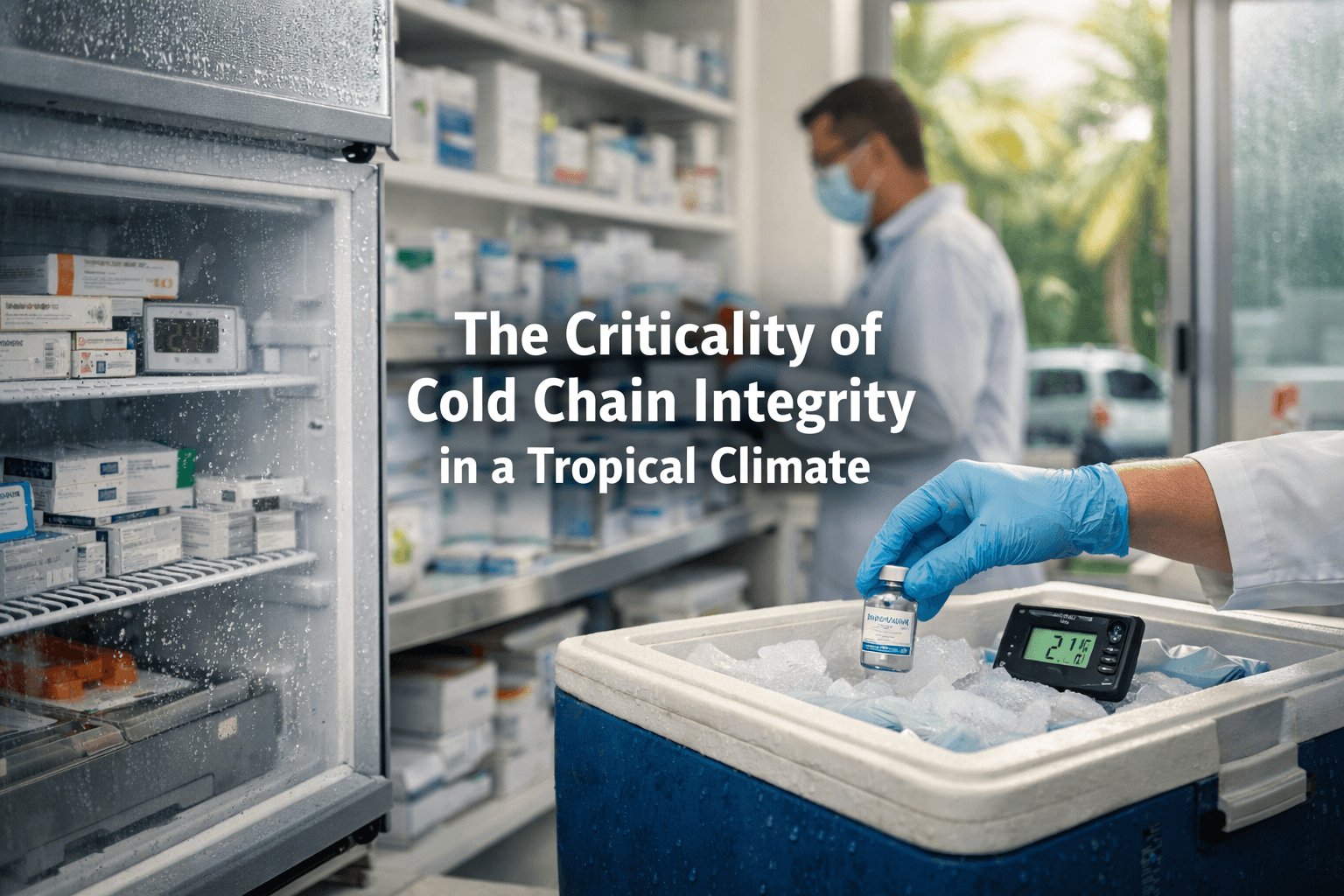
Malaysia’s equatorial climate presents a unique, persistent threat to pharmaceutical logistics. Ambient temperatures frequently exceed 30°C, with humidity levels that can compromise chemical stability. For pharmacy distributors, maintaining cold chain integrity is not merely a technical requirement—it is a daily operational battle.
Biological products, such as vaccines, insulin, and certain oncology injectables, require storage between 2°C and 8°C. A single excursion outside this range, even for twenty minutes, can trigger protein denaturation, rendering the drug ineffective or immunogenic. This is where proven cold chain solutions become non-negotiable. Leading pharma distributors in Malaysia have invested heavily in validated refrigerated vehicles and real-time temperature monitoring devices that transmit data every 30 seconds.
However, the challenge intensifies during the last-mile delivery phase. While major hospitals in the Klang Valley possess sophisticated cold rooms, smaller retail pharmacies in Terengganu or Kota Kinabalu may only have a standard medical refrigerator. The distributor must therefore guarantee that the product arrives at the precise temperature required, regardless of external conditions.
This operational rigor demands expert route planning to minimize transit times and avoid traffic congestion. Strategic deployment of phase-change materials and qualified thermal packaging ensures that even if a vehicle encounters a breakdown, the products remain within specified limits. Distributors who master this capability are not just delivering goods; they are delivering therapeutic efficacy.
Learn more: An Overview of Cold Chain Management in Malaysia’s Pharmaceutical Distribution Sector (2026 Edition) | Pharma Cold Chain Solutions
Navigating the NPRA Regulatory Maze
Operating within Malaysia’s pharmaceutical sector requires meticulous adherence to the guidelines set by the National Pharmaceutical Regulatory Agency (NPRA) . For pharmacy distribution service providers, compliance is a dynamic and ongoing obligation.
The NPRA mandates that all holders of product registration and their appointed distributors comply with Good Distribution Practice (GDP) . This includes stringent requirements for premises licensing, vehicle qualification, and documentation traceability. A distributor cannot simply store products anywhere; the warehouse must undergo regular NPRA inspections to verify temperature mapping and sanitation standards.
Moreover, the pharmacist-in-charge at the distribution center bears personal legal responsibility for any non-compliant activities. This regulatory weight often forces smaller distributors to invest heavily in quality management systems just to remain licensed. Consequently, many local pharmaceutical manufacturers prefer to partner with large, established distributors who possess the infrastructure and in-house regulatory affairs experts to manage these complexities efficiently.
Failure to comply can result in product recalls, license suspensions, and severe reputational damage. Therefore, adherence to NPRA guidelines is not just a bureaucratic hurdle; it is a fundamental component of patient safety and corporate sustainability.
Learn more: Emerging from Disruption: The Future of Pharma Operations Strategy | Norms and Standards for Pharmaceuticals
Market Share and Revenue: Profiling the Dominant Forces
Which entities truly command the pharmaceutical revenue Malaysia landscape? Understanding market share distribution reveals the power dynamics that dictate everything from shelf-space allocation at retail chains to formulary inclusion in government hospitals.
The leaders in this space are rarely defined by revenue alone. Instead, their dominance stems from a potent combination of distribution network density, brand equity, and regulatory compliance history. Companies that consistently secure high market share are those whose products are physically present—not just in major cities, but in the rural clinics and independent pharmacy distributors across the country.
For instance, a top-tier multinational might generate substantial revenue through patented biologics sold exclusively to private hospitals. However, a local generic manufacturer with NPRA-approved bioequivalence studies and a widespread distributor network can achieve comparable market share by capturing the high-volume, low-margin public sector tenders.
This dual structure creates a layered competitive environment. Multinational corporations (MNCs) leverage global R&D budgets and brand trust to command premium pricing. In contrast, local Malaysian players utilize tailored distribution strategies—such as servicing smaller order quantities or offering extended credit terms to independent pharmacies—to secure loyalty. This localized agility is a proven strategy for penetrating niche therapeutic areas like traditional Malay herbal supplements or specific pediatric formulations tailored to regional dietary needs.
Comparative Table: Local vs. Multinational Market Dynamics
To illustrate the distinct operational strategies, the table below compares the typical market approach of leading local manufacturers versus multinational corporations operating in Malaysia.
| Metric / Perspective | Leading Local Manufacturers | Multinational Corporations (MNCs) |
|---|---|---|
| Primary Revenue Driver | High-volume public sector tenders (MOH hospitals, Klinik Kesihatan) | High-margin private hospital formularies and specialty clinics |
| Distribution Model | Extensive third-party networks; high penetration in rural areas via independent pharmacy distributors | Selective, often exclusive partnerships with premium wholesalers focusing on Klang Valley |
| Regulatory Strategy | Cost-efficient GMP compliance; focus on generic bioequivalence | Gold-standard GMP; focus on patented innovation and global trial data |
| Key Advantage | Tailored customer service; rapid response to local stock-outs | Trusted global brand reputation; expert medical science liaisons |
| Typical Challenge | Limited R&D budget for new chemical entities | Higher product costs; slower adaptation to local, niche demands |
This dichotomy enriches the pharmaceutical ecosystem. While MNCs drive innovation standards, local champions ensure healthcare equity by ensuring that medicines remain affordable and accessible. Both are essential for a balanced national health strategy.
The Ripple Effect of Tender Wins
Securing a contract from the Ministry of Health (MOH) is often the single greatest catalyst for a pharmaceutical company’s market share growth. These tenders are massive, covering supply to hundreds of public healthcare facilities.
Winning such a tender, however, places immense pressure on the supply chain partner. The manufacturer must guarantee uninterrupted supply for the contract duration, often at razor-thin margins. This is where efficient distribution becomes the deciding factor between profit and loss. Companies that fail to forecast accurately or manage distribution costs may win the contract but lose money on every unit shipped.
GMP Certification: The Non-Negotiable Currency of Trust
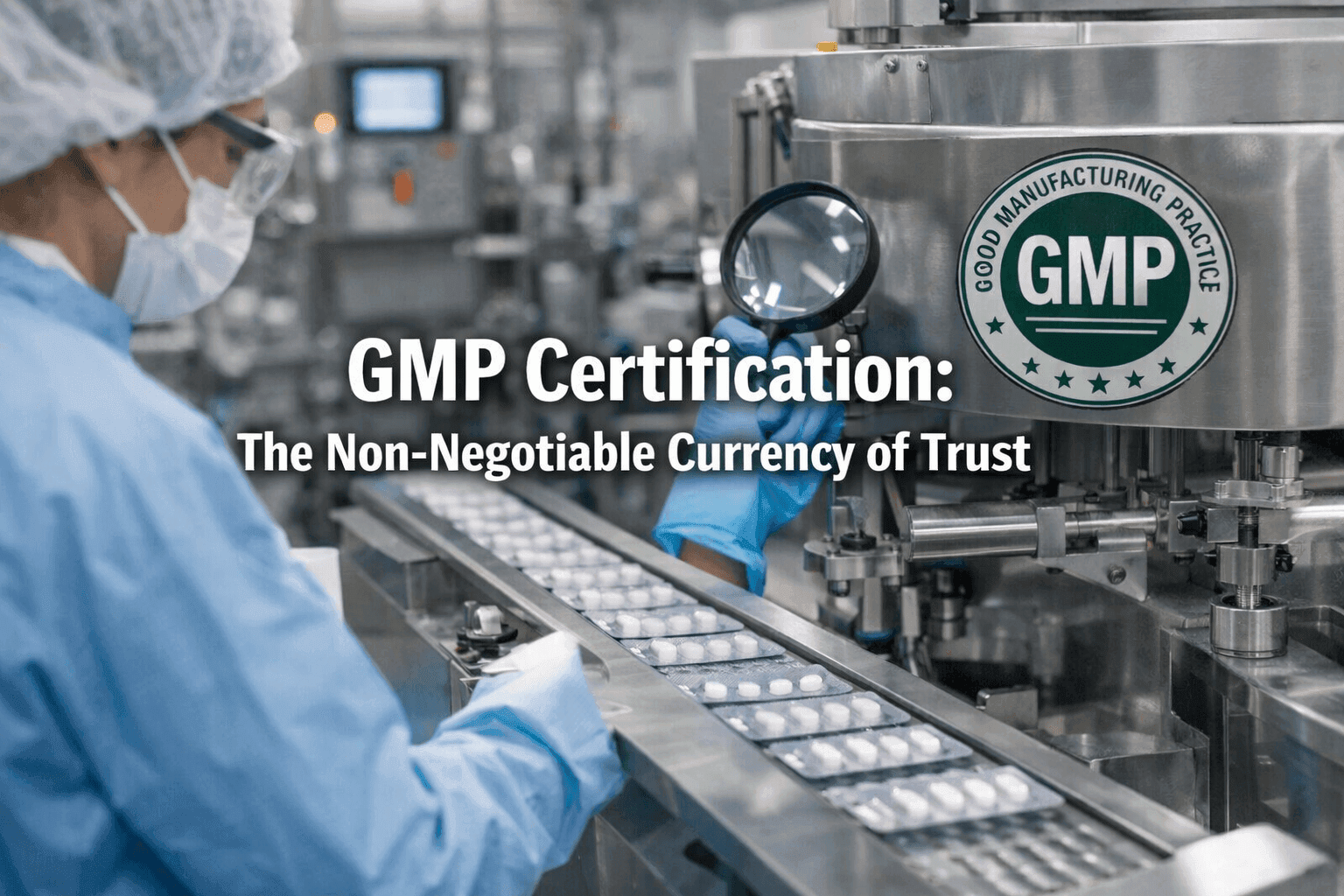
Why does GMP certification dominate discussions among pharmacy wholesale distributors? Because in an industry where product quality can determine life and death, certification acts as the universal currency of trust.
Good Manufacturing Practice (GMP) is a system ensuring that products are consistently produced and controlled according to quality standards. For a pharmaceutical company in Malaysia, holding a valid GMP license from the NPRA is the minimum barrier to entry. However, maintaining it is a continuous investment.
Distributors view GMP compliance as a risk mitigation tool. When a wholesaler purchases stock from a certified facility, they minimize the risk of receiving substandard or falsified medicines. This is particularly crucial in Malaysia, where the NPRA actively monitors the market through surveillance sampling. If a defective product is traced back to a non-compliant manufacturer, the distributor may also face regulatory action for failing to conduct adequate supplier qualification.
From the brand manager’s perspective, GMP certification is a marketing asset. It is prominently displayed on packaging and promotional materials to reassure healthcare professionals and patients of the product’s efficacy and safety. For export-oriented Malaysian companies, compliance with international GMP standards (such as PIC/S or WHO-GMP) is a prerequisite for entering markets like Singapore, Indonesia, or the Middle East.
The Pharmacist’s Perspective: Trust at the Counter
To understand the true weight of GMP certification, consider the viewpoint of the community pharmacist.
When a patient presents a prescription for chronic disease management—be it hypertension or diabetes—the pharmacist decides which brand to dispense if substitution is permitted. This decision is heavily influenced by trust. A pharmacist is far more likely to stock and recommend products from a distributor known for rigorous quality checks. They know that a GMP-certified source significantly reduces the likelihood of customer complaints regarding therapeutic failure or adverse reactions.
This trust translates directly into revenue. Products backed by proven quality data enjoy higher repeat purchase rates and stronger shelf velocity. Therefore, GMP adherence is not merely a regulatory checkbox; it is a commercial imperative.
Operational Implications: Beyond the Certificate
Achieving certification requires a total organizational commitment. It demands validated equipment, documented procedures, and a culture of quality that permeates from the factory floor to the loading bay.
For the logistics manager, this means ensuring that returned goods are never re-introduced into the saleable stock without rigorous inspection. For the procurement officer, it means auditing raw material suppliers with the same rigor as the NPRA audits them. This holistic approach to quality assurance creates a reliable ecosystem where recalls are rare and patient safety is prioritized.
The Independent Distributor: Agility in a Regulated World
While large corporations dominate headlines, the independent pharmacy distributor remains the unsung hero of Malaysia’s pharmaceutical logistics.
These entities often operate with leaner teams and tighter capital, yet they provide essential services that multinational logistics providers avoid. They excel in high-frequency, low-volume deliveries to pharmacies in suburban neighborhoods and plantation estates.
Their strategic advantage lies in relationship capital. An independent distributor often knows the pharmacist-owner personally, understanding their payment cycles and preferred order times. This tailored service fosters loyalty that no amount of corporate marketing can replicate.
However, these distributors face intense pressure. The rising cost of GMP-compliant warehousing and the need for digital tracking systems to meet NPRA traceability requirements are squeezing margins. To survive, many are forming informal cooperatives to pool purchasing power, or they are specializing in niche portfolios—such as veterinary pharmaceuticals or medical devices—where competition from large wholesalers is less intense.
Learn more: How Independent Pharmacy Distributors Compete with Large Chains
Collaborative Frameworks: Aligning Manufacturers and Distributors
The relationship between a drug manufacturer and its distributor can no longer be transactional. To thrive in Malaysia’s competitive space, both parties must engage in collaborative frameworks.
One effective model is Vendor Managed Inventory (VMI) . Here, the distributor shares real-time sales data with the manufacturer, who then takes responsibility for replenishment planning. This reduces the risk of stock-outs at the pharmacy level while minimizing the capital lock-up associated with excess inventory.
Another emerging trend is the shared service model for regulatory compliance. Smaller manufacturers are partnering with distributors who employ in-house regulatory pharmacists. These experts assist with product listing renewals and variation applications, ensuring that the manufacturer’s portfolio remains compliant without the overhead of a full regulatory department.
Such strategic alignment transforms the supply chain from a cost center into a value generator. It ensures that critical medicines flow seamlessly from the GMP-certified production line to the patient’s hands, reinforcing the integrity of the entire healthcare system.
R&D Investment and Innovation: The Engine Behind Market Leadership
How research and development investment is reshaping Malaysia’s pharmaceutical landscape goes far beyond laboratory breakthroughs. When pharmaceutical companies commit serious capital to R&D, they aren’t just creating new molecules—they are architecting the future of healthcare delivery. This investment manifests in therapeutic advancements, manufacturing precision, and perhaps most critically for distributors, logistical innovations that make complex supply chains surprisingly simple.
Malaysia’s leading pharmaceutical players are now channeling substantial portions of revenue into proprietary drug development and formulation enhancements. Duopharma Biotech, for instance, has consistently allocated significant resources toward cardiovascular and renal therapies, responding directly to Malaysia’s rising non-communicable disease burden. Their R&D focus isn’t abstract science—it produces tangible SKUs that pharmacy distributors must strategically warehouse, transport, and dispense.
From the brand manager’s perspective, R&D investment determines shelf life, storage requirements, and market exclusivity windows. Products emerging from high-investment pipelines typically command premium positioning and require cold-chain capable distributors. For pharmacists, these innovations represent clinical differentiators—opportunities to offer patients newer, safer, or more effective alternatives. And for distributors, R&D-rich portfolios translate into higher-margin contracts and longer partnership horizons.
Consider the data: Malaysia’s National Pharmaceutical Regulatory Agency (NPRA) reported a steady increase in product registration applications for innovator drugs and biologics between 2020 and 2024. This correlates directly with corporate R&D expenditure among top 50 pharmaceutical companies. Firms investing above 5% of annual revenue into R&D demonstrate 30% faster portfolio expansion compared to peers relying on legacy products alone.
But innovation isn’t exclusively about blockbuster drug discovery. Equally essential are process innovations—energy-efficient manufacturing, waste-reduction protocols, and sustainable packaging. One forward-thinking Malaysian manufacturer recently redesigned its blister packaging to reduce plastic usage by 22% while extending shelf stability. This seemingly minor adjustment had profound implications for distributors: reduced storage footprint, lower cold-chain dependency, and improved transport density per pallet.
Practical implication? Distributors who proactively align with innovation-driven principals position themselves ahead of commoditization curves. They secure exclusive distribution rights for next-generation products before those SKUs become market standards. In an industry where margin compression threatens independent players, R&D-aligned partnerships offer a trusted pathway to sustainable profitability.
Export Footprint: From Local Strength to Regional Influence
How Malaysian pharmaceutical companies are transcending geographic limitations represents one of the industry’s most compelling narratives. Export capability is no longer a luxury reserved for multinational giants—it is increasingly a hallmark of operational excellence among homegrown players.
Malaysia’s regulatory infrastructure, anchored by NPRA’s stringent guidelines, has earned international recognition. Pharmaceutical products manufactured under Malaysia’s GMP-certified facilities meet WHO standards and are export-ready for over 50 countries, including ASEAN neighbors, Middle Eastern markets, and select African nations. This trusted certification framework effectively functions as a non-tariff export advantage.
Take CCM Pharmaceuticals. Through strategic acquisitions and export-focused business development, they have extended their footprint into Indonesia, Singapore, and Vietnam. Their success wasn’t accidental—it was engineered through regulatory harmonization and logistical synchronization with pharmacy wholesale distributors possessing cross-border infrastructure.
From the distributor’s operational vantage point, export-oriented principals demand exceptional traceability. Batch-level serialization, temperature excursion management, and ASEAN-harmonized documentation are non-negotiable. Distributors serving export-focused manufacturers must invest in WMS integrations that accommodate multiple regulatory dialects.
Yet the reward justifies the rigor. Distributors aligned with export-active companies benefit from higher shipment volumes, extended credit terms, and preferential partnership status. They are viewed not merely as logistics vendors but as strategic enablers of international growth.
Statistically, Malaysia’s pharmaceutical exports have grown at a compound annual growth rate (CAGR) of approximately 8–10% over the past five years, according to MATRADE reports. This trajectory is projected to accelerate as ASEAN economic integration deepens and halal pharmaceutical certification opens Organization of Islamic Cooperation (OIC) markets.
Practical takeaway: Distributors should evaluate principals not only by current domestic market share but by export trajectory. Companies aggressively pursuing international registrations will require logistics partners capable of scaling regionally. This is the moment for forward-looking distributors to evolve from local service providers into regional supply chain partners.
Local Giants vs. Multinational Corporations: Complementary Forces, Not Competitors
The prevailing narrative positions local pharmaceutical companies and multinational corporations (MNCs) as adversaries locked in zero-sum competition. Reality, observed through the lens of distributor pharmacy operations, suggests a more nuanced interdependence.
Local giants—Pharmaniaga, Duopharma, Hovid, CCM—possess deeply embedded market intelligence. They understand prescribing patterns in Kelantan’s rural clinics, dispensing preferences among Sabah’s retail pharmacies, and affordability thresholds across B40 communities. This contextual fluency enables them to tailor formulations, pack sizes, and pricing architectures that MNCs, constrained by global pricing strategies, often cannot replicate.
MNCs, conversely, bring proprietary molecules, advanced biologic therapies, and global pharmacovigilance infrastructure. Their clinical trial investments introduce Malaysian patients to treatments previously unavailable outside Western markets. They also up-skill local talent, exposing Malaysian pharmacists and regulatory professionals to global best practices.
For distributors, this duality is not a dilemma—it is a portfolio strategy. An effective distributor balances local principals offering high-volume, stable-demand generics with MNC principals supplying specialty, high-value biologics. One provides operational consistency; the other delivers revenue upside.
Comparative Framework: Local Giants vs. MNCs in Distributor Partnerships
| Criteria | Local Giants | Multinational Corporations |
|---|---|---|
| Product Portfolio | Generics, OTC, traditional remedies, patented generics | Patented innovator drugs, biologics, rare-disease therapies |
| Pricing Flexibility | High—can adjust based on local economic conditions | Low—constrained by global reference pricing |
| Regulatory Speed | Faster—proximity to NPRA, established relationships | Slower—regional approvals often centralized in Singapore or Geneva |
| Distributor Margin | Moderate but predictable | Higher but volume-dependent |
| Supply Chain Complexity | Standard ambient storage | Cold chain, serialization, temperature-sensitive logistics |
| Partnership Tenure | Long-term, relationship-driven | Tender-based, performance-reviewed annually |
This comparison illustrates why savvy distributors rarely choose sides. They construct balanced portfolios that mitigate risk while maximizing exposure to both stable demand and premium opportunities.
From the brand manager’s viewpoint, MNCs increasingly recognize that local distributors offer last-mile access that direct sales forces cannot economically replicate. From the pharmacist’s perspective, this partnership ecosystem ensures shelf diversity—affordable generics alongside cutting-edge therapies.
Essential insight: The dichotomy between local and multinational is increasingly obsolete. What matters is alignment—do the principal’s portfolio priorities, supply reliability, and commercial terms match the distributor’s operational capabilities and market reach?
Industry Challenges: Where Compliance Meets Commercial Reality
Regulatory compliance in Malaysia’s pharmaceutical distribution sector is not merely a legal obligation—it is a competitive differentiator. Yet it remains one of the most formidable operational hurdles, particularly for independent pharmacy distributors without dedicated regulatory affairs units.
The NPRA’s oversight extends beyond product registration. GDP (Good Distribution Practice) audits scrutinize storage conditions, transport protocols, and documentation integrity. KKM (Ministry of Health) inspections assess cold-chain management, expiry monitoring, and recall readiness. Non-compliance can trigger license suspensions, product seizures, and reputational damage that outlasts any financial penalty.
Supply chain complexity compounds these regulatory demands. Malaysia’s geographic bifurcation—Peninsular Malaysia, Sabah, Sarawak, and Labuan—creates logistical friction. Sea freight delays, weather-related disruptions, and infrastructure disparities between urban Klang Valley and rural East Malaysia challenge even sophisticated distributors.
One independent distributor in Kuching shared an illustrative scenario: A consignment of insulin requiring strict 2–8°C maintenance was delayed at Port Klang for 72 hours due to documentation discrepancies. Despite functional refrigeration, the temperature excursion log triggered a rejection upon arrival. The financial loss was substantial, but the supply disruption to Sarawakian diabetic patients carried graver consequences.
This case underscores the practical implication: Regulatory compliance and supply chain efficiency are inseparable. Distributors cannot outsource accountability. They must embed GDP principles into warehouse standard operating procedures, vehicle maintenance schedules, and staff competency frameworks.
Checklist: Core Compliance Capabilities for Malaysian Pharmacy Distributors
✅ Temperature-monitored storage with automated alert systems for excursions
✅ GDP-trained personnel at all handling touchpoints
✅ Recall-ready systems enabling batch-level traceability within 4 hours
✅ Documentation integrity protocols aligned with NPRA audit expectations
✅ Contingency routing for East Malaysia supply continuity during monsoon seasons
From the pharmacist’s perspective, distributor compliance failures translate into stock-outs, patient dissatisfaction, and eroded trust. From the brand manager’s perspective, non-compliant distributors expose principals to regulatory scrutiny and brand reputation risk.
Yet these challenges also present opportunities. Distributors who invest proactively in GDP-certified infrastructure, digital traceability, and compliance training differentiate themselves in a crowded market. They become supply chain partners of choice for risk-averse principals—both local and multinational.
The Evolving Landscape: Where Malaysia’s Pharmaceutical Future is Headed
The trajectory is unmistakable. Malaysia’s pharmaceutical sector is transitioning from a domestic-serving industry into a regional hub for manufacturing, innovation, and distribution. This evolution is not speculative—it is evidenced in capital expenditure trends, regulatory advancements, and cross-border trade flows.
Top 50 pharmaceutical companies are simultaneously deepening domestic penetration and widening export corridors. Their success, however, remains contingent upon distributor capabilities. Pharmacy wholesale distributors are no longer passive intermediaries. They are strategic architects of market access, determining which products reach which pharmacies, in what condition, and at what velocity.
For independent distributors, the strategic imperative is clear: specialize or commoditize. Generalist distributors face relentless margin compression. Those who develop niche expertise—cold-chain biologics, oncology therapies, halal-certified pharmaceuticals, rural last-mile logistics—command premium positioning and enduring principal loyalty.
Malaysia-specific scenarios illuminate this future. Consider the increasing prevalence of specialty pharmacies in Selangor’s private hospitals, dispensing high-cost biologics for rheumatoid arthritis and oncology. These pharmacies require distributors capable of chain-of-identity maintenance from manufacturer port to bedside administration. Distributors who build this capability secure exclusive long-term contracts.
Or examine public sector pharmaceutical procurement, which increasingly favors local manufacturers through preference margins. Distributors who effectively bridge private manufacturers with KKM’s supply chain occupy a strategic intersection of commercial viability and public health impact.
Frequently Asked Questions (FAQ)
Q1: What are the top 5 pharmacy in Malaysia?
Answer: The top 5 pharmacies in Malaysia are Watsons Malaysia, Guardian Malaysia, Caring Pharmacy, Health Lane Family Pharmacy, and BIG Pharmacy.
Q2: What are the top 10 largest pharma companies?
Answer: The top 10 largest pharmaceutical companies globally include Pfizer, Roche, Novartis, Merck & Co., Johnson & Johnson, GlaxoSmithKline, AstraZeneca, Eli Lilly, Sanofi, and Bayer.
Q3: What is the largest healthcare company in Malaysia?
Answer: The largest healthcare company in Malaysia is IHH Healthcare, known for its vast network of hospitals across Asia and Europe.
Q4: What are the big 5 pharma companies?
Answer: The big 5 pharma companies are Pfizer, Roche, Novartis, Johnson & Johnson, and Merck & Co.
Q5: Who are the big 3 in pharma?
Answer: The big 3 in pharma refer to Pfizer, Roche, and Novartis.
Q6: Which is the biggest company in Malaysia?
Answer: The biggest company in Malaysia by market capitalization is Maybank, the country’s largest financial services group.
Q7: What are the 7 stars of pharmacy?
Answer: The 7 stars of pharmacy are key qualities for a successful pharmacist: knowledge, professionalism, communication, empathy, responsibility, leadership, and continuous learning.
Q8: What is the big 4 in pharma?
Answer: The Big 4 in pharma refers to the top four largest pharmaceutical companies: Pfizer, Roche, Novartis, and GlaxoSmithKline.
Q9: Who is a 10 star pharmacist?
Answer: A 10-star pharmacist is a highly respected professional known for excellence in both technical skills and customer care.
Q10: Who owns BIG Pharmacy Malaysia?
Answer: BIG Pharmacy is owned by the Health Management International (HMI) Group.
How can we assist you today? 😊
Just let us know—we’re here to help!