

July 5, 2025
Ever wondered why certain health brands fly off pharmacy shelves in Malay communities while others gather dust? In Malaysia’s competitive landscape, effective pharmacy distribution isn’t just about moving stock or securing shelf space—it’s a delicate dance with culture. Success hinges on deeply understanding how language, local values, and buying psychology shape consumer decisions. For brands serious about boosting their pharmacy distribution service across Malaysia, truly connecting with Malay-speaking audiences isn’t a nice-to-have; it’s the core of sustainable growth.
This piece dives into the critical factors determining the impact of independent pharmacy distributors, distributor pharmacies, and pharmacy wholesale distributors nationwide. We’ll explore how language fluency, regional geography, digital engagement trends, and deep-rooted cultural attitudes directly influence market penetration and trust. Whether targeting close-knit rural towns in Kelantan or bustling urban centers like Petaling Jaya, a one-size-fits-all strategy falls short. Instead, distributors win when they tailor their approach, recognizing the unique expectations and daily realities of Malay-speaking shoppers. Getting this alignment right isn’t just logistics—it’s the foundation for stronger engagement, lasting brand loyalty, and ultimately, outperforming competitors who overlook these nuances. A truly localized strategy is what separates market leaders from the rest.
Learn More : The Role of Pharmacy Distribution Services in Malaysia’s Healthcare System
The Role of Language and Culture in Shaping Purchase Decisions

For countless Malay-speaking shoppers, language transcends simple communication—it forms the very foundation of trust. When product details, promotional signage, or a pharmacist’s explanation aren’t delivered clearly in Bahasa Malaysia, confusion easily takes root, and skepticism often follows. This is absolutely critical in sensitive health categories like vitamins, skin treatments, and over-the-counter medicines. Getting the language wrong here isn’t just inconvenient; it actively erodes confidence in the product’s legitimacy and safety.
Deeply held cultural values powerfully steer purchasing choices within these communities too. Decision-making frequently involves the whole family, with a noticeable generational respect for traditional remedy preferences. Think about the grandmother who instinctively reaches for familiar balms like minyak angin; she might hesitate to try a modern topical gel unless it’s thoughtfully presented in a context that feels culturally relevant and respectful. Pharmacists themselves hold immense weight as trusted, go-to health partners – their endorsement carries significant sway.
That’s why successful independent pharmacy distributor operations targeting this demographic prioritize deep localization. They understand that simply translating isn’t enough. Winning strategies involve creating point-of-sale materials (Bahasa Malaysia POSM) and staff training resources that genuinely resonate. This means weaving in local idioms, understanding cultural nuances, and reflecting everyday realities. When pharmacists have materials they can explain comfortably in Bahasa Malaysia, it strengthens their ability to support customers authentically. Consequently, this tailored approach significantly boosts product credibility right there at the shelf, fostering that essential pharmacist-patient rapport and driving informed choices. Getting language and culture aligned isn’t just nice, it’s fundamental for building lasting trust when health is on the line. Distribute in Malay effectively means connecting on a much deeper level.
Learn More : Health Literacy and Health Behaviour
Key Traits of Malay-Speaking Pharmacy Consumers

Ever wondered what truly influences purchasing decisions when it comes to health products for Malay-speaking consumers in Malaysia? Understanding their distinct buying habits is crucial, especially for pharmacy distributor Malaysia networks aiming to connect effectively. Research consistently highlights three dominant behaviors shaping this significant market segment.
Value-Conscious Choices Reign Supreme.
Like many shoppers globally, securing the best value is paramount. However, price sensitivity in pharmacy purchases manifests particularly strongly within many Malay households. Finding health essentials that stretch the ringgit furthest is a common goal. This translates into a clear preference for promotions offering tangible savings – think multipack deals, enticing ‘Buy Two, Free One’ (B2F1) offers, or the cost-effectiveness of bulk buying options. Budget management directly influences their basket choices.
Deep-Rooted Trust Drives Repeat Purchases.
Once a brand earns their confidence, loyalty tends to run deep and long-lasting. This brand loyalty in pharmacies isn’t built overnight. Key trust builders include credible recommendations from trusted pharmacists – figures held in high regard – and positive, firsthand experiences shared by close family members. When a product consistently delivers on its promise and comes endorsed by trusted sources, switching becomes far less likely.
Community Voices Hold Immense Sway.
Perhaps one of the most powerful forces is the influence of peers. Purchasing decisions are heavily shaped by word-of-mouth pharmacy marketing, both offline and increasingly online. Opinions circulating within close-knit community groups and vibrant discussions on platforms like WhatsApp carry significant weight. Real experiences and recommendations from friends, neighbours, and family often outweigh traditional advertising messages.
Crucially, Health Literacy Bridges the Gap.
Beyond these core behaviours, consumer health literacy plays a pivotal role. In regions where access to bilingual education might be limited, the availability of clear, simplified health information in Bahasa Malaysia isn’t just helpful – it’s essential. It directly impacts how well shoppers understand product benefits and usage instructions, which in turn affects their adherence and overall satisfaction. For forward-thinking pharmacy distributor Malaysia players, this presents a golden opportunity: Proactively investing in accessible community health education initiatives isn’t merely a service; it’s a powerful strategy to build genuine trust and cultivate a dedicated, long-term consumer base. By empowering shoppers with knowledge, distributors position themselves as indispensable partners in community wellbeing.
Learn More : How Customer Behavior Influences Pharmacy Merchandising Strategies in Malaysia
Adapting Distribution Strategies for Localized Engagement

Winning customer loyalty in Malaysia’s competitive pharmacy sector requires more than just stocking shelves. How can distributors genuinely connect with consumers at the local level? The answer lies in deeply localized engagement, transforming every interaction into a culturally resonant experience. Leading distributors succeed by meticulously tailoring their entire customer journey to the Malaysian context.
Language is the First Touchpoint:
Forget generic translations. Authentic connection starts with localized POSM Malaysia. Ensure every shelf-talker, informative leaflet, and eye-catching banner communicates fluently in Bahasa Malaysia. This fundamental respect for the local language immediately signals understanding and builds rapport far more effectively than English-only materials.
Empowering the Pharmacist Connection:
Trusted advice is paramount. Elevate pharmacist engagement by providing comprehensive training scripts and resources rich in common Bahasa Malaysia explanations, FAQs, and culturally relevant health dialogues. This equips pharmacists to have natural, confident conversations, fostering deeper trust and positioning them as true community health allies – a core aspect of effective pharmacy merchandising services.
Packaging That Speaks Locally:
Don’t underestimate the power of the product label itself. Adapt packaging, especially for sensitive categories like skincare, vitamins, and herbal supplements, to include clear Bahasa Malaysia descriptors and usage instructions. Highlighting benefits in the consumer’s primary language directly on the packaging significantly boosts accessibility and perceived product relevance right at the point of decision.
Proof in the Results:
One distributor vividly demonstrated this power. Launching a new probiotic line, they invested in dual-language educational cards and interactive community demonstration events. This integrated approach, combining clear communication with hands-on health education campaigns, wasn’t just well-received; it drove a remarkable 43% surge in repeat purchases within just two months. This shows the tangible impact of genuine, ground-level connection.
Ultimately, earning consumer trust demands moving beyond simple distribution. It requires embedding cultural and linguistic sensitivity into every facet of the customer experience – from the first shelf they see to the advice they receive and the product they take home. This hyper-local focus is the cornerstone of lasting loyalty in the Malaysian pharmacy landscape.
Learn More : Grocery Retail in Asia: Thriving in Changing Consumption Patterns
Urban vs Rural Pharmacy Distribution: Consumer Expectations Differ

The needs of pharmacy shoppers diverge sharply between bustling cities and quieter states like Kelantan. Picture the typical urban customer in Selangor or Penang: they often demand rapid product availability, modern packaging aesthetics, and seamless online purchasing options. Convenience and speed really are king here. Flip the script completely for rural shoppers, particularly in places like Kelantan. Here, priorities shift fundamentally. Personal consultations with pharmacists carry immense weight, basic affordability is non-negotiable, and trust isn’t built overnight – it’s earned slowly through consistent, reliable service over the long term.
This stark contrast presents a unique hurdle for pharmacy wholesale distributors. Success doesn’t come from forcing a single approach. Instead, it demands operating two distinct models simultaneously:
Urban Focus: Think data analytics guiding stock turns, digital-first promotional tactics (like targeted social ads), and integrating click-and-collect services. It’s about hyper-efficiency and digital touchpoints.
Rural Focus: Here, physical presence is absolutely vital. Think consistent, meaningful engagement with local pharmacists – not just deliveries. Building strong word-of-mouth networks within the community becomes a core strategy. Products need visible shelf space and genuine relationships matter more than flashy tech.
Why go through this effort? Deeply understanding these differing rural consumer expectations unlocks powerful advantages. It allows distributors to craft truly tailored merchandising plans – the right products in the right quantities for each location. Smart pharmacy wholesale distributors can implement strategic pricing tiers reflecting local market realities. It also guides wiser investments; perhaps digital marketing training for urban partners versus community health education support in Kelantan distribution challenges.
Ultimately, mastering this urban-rural pharmacy distribution split isn’t just logistics; it’s about building lasting relevance across Malaysia’s diverse landscape. Recognizing the distinct value drivers in each region is the first step towards sustainable growth and meeting every customer where they are. Getting this balance right means your supply chain isn’t just moving boxes, it’s actively supporting community health needs effectively.
The Role of Independent Pharmacy Distributors in Reaching Niche Communities

Forget the assumption that bigger always means better in pharmacy distribution. When it comes to truly connecting with specific, often overlooked communities – like Malay-speaking populations in certain regions – independent distributors frequently demonstrate a distinct edge over their massive chain competitors. Their secret weapon? Agility.
While large chains excel at high-volume, standardized operations, smaller independent distributors possess a unique flexibility. This allows them to dive deep into niche consumer targeting, stocking hyper-local brands that resonate powerfully within specific neighborhoods or cultural groups. They aren’t bound by rigid national catalogues. Instead, they can swiftly adapt inventory based on genuine community feedback and emerging local health trends, a core aspect of effective distributor pharmacy strategies.
Furthermore, these independent players cultivate closer relationships with the independent pharmacists they serve. It’s a partnership, not just a transaction. This fosters deep trust and allows for highly personalized service. Think tailored stock selections based on a particular pharmacy’s patient demographics, or customized promotional support designed for that store’s unique community context. This focus on partnership directly feeds into building long-term pharmacy retail loyalty, something harder to achieve through impersonal, volume-driven models.
Independent distributor agility shines brightest in their ability to act quickly and creatively. They aren’t slowed down by layers of corporate bureaucracy. If a community expresses a need or a local trend emerges, they can pivot fast. Need proof? Look at Terengganu, where one nimble distributor, collaborating with just ten pharmacies, boosted their monthly volume by an impressive 28%. How? By empowering pharmacists to host community health events – a hyper-local strategy large chains often struggle to replicate effectively.
Ultimately, large distributors dominate scale, but independent distributors master connection. Their strength lies in understanding the micro-markets, building genuine pharmacist partnerships, and responding with lightning speed to local needs – proving that in the pharmacy world, sometimes the small players delivers the biggest impact where it matters most.
Digital Trends and E-Commerce Among Malay-Speaking Consumers
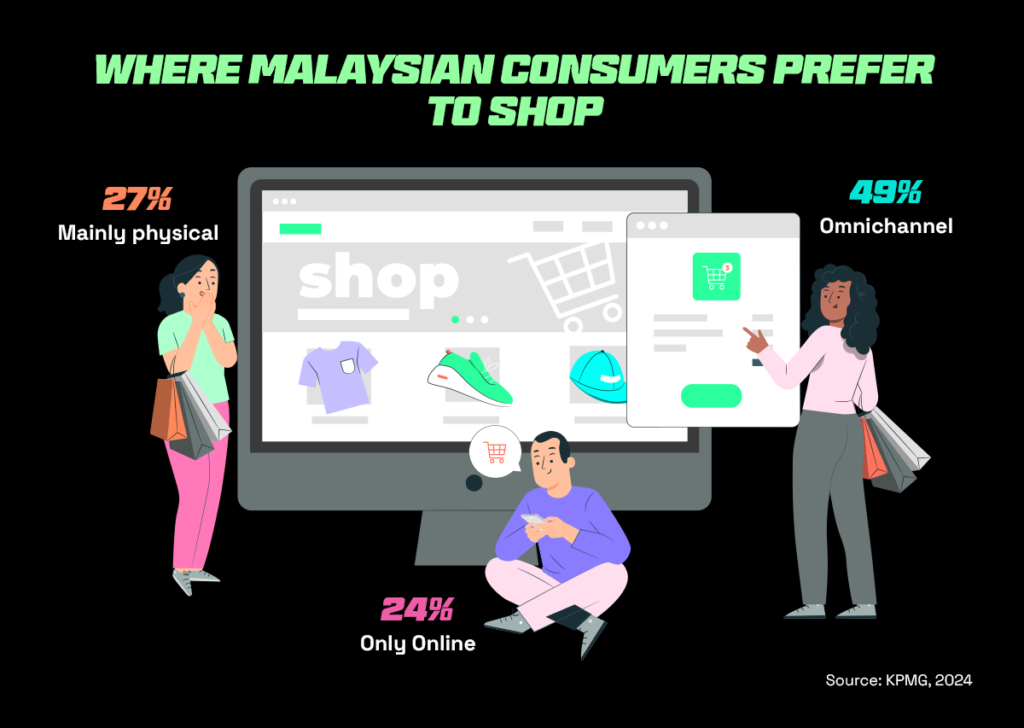
Let’s talk about how digitally connected the Malay-speaking market truly is. The answer? Extremely. This demographic isn’t just online; they’re actively shaping their purchasing journeys, especially concerning health products, through dominant e-commerce channels. Platforms like Shopee and Lazada have become more than just marketplaces – they’re primary research hubs where consumers discover, compare, and learn before ever stepping foot in a physical pharmacy. This shift fundamentally changes the game.
What’s the actual behavior look like? Malay-speaking users overwhelmingly prefer searching for products using Bahasa Malaysia keywords. They meticulously compare reviews and ratings, placing significant trust in peer feedback. Crucially, they actively seek out educational content – they want to understand what they’re buying and why it matters for their well-being. This isn’t casual browsing; it’s informed decision-making happening online first.
For pharmacy distributors aiming to stay relevant and competitive, ignoring this digital-first mindset is a major risk. Simply having an online presence isn’t enough anymore. Success hinges on genuine, localized engagement. Here’s the essential roadmap:
Master Bahasa Malaysia SEO: Optimizing product listings and content specifically for Bahasa Malaysia search terms is non-negotiable. It’s the key to visibility within the Shopee health category and other platforms where this audience shops. Think beyond direct translations; understand the natural language queries they use. Effective Bahasa Malaysia online sales start with being found.
Offer Real-Time Local Support: Don’t leave them hanging. Implement accessible live chat features or dedicated WhatsApp consultation lines, staffed by agents fluent in Bahasa Malaysia. This builds trust and provides immediate answers during the critical consideration phase, enhancing pharmacy digital engagement.
Bridge the Online-Offline Divide Seamlessly: Ensure promotions and special offers run simultaneously online and in physical stores. Make it easy for customers researching on Lazada or Shopee to find the same deal locally. This synchronicity reinforces brand reliability and smooths the customer journey across channels, vital for e-commerce pharmacy distribution.
The consequence of inaction is stark. Brands failing to build this crucial digital bridge will inevitably lose traction, particularly with the younger, mobile-centric segments driving this change. This demographic expects convenience, information, and communication in their language, on their preferred platforms. Meeting them where they are digitally isn’t just smart marketing; it’s fundamental to survival and growth in the evolving pharmacy digital engagement landscape. The message is clear: adapt authentically to the digital fluency of Malay-speaking consumers, or risk fading into irrelevance.
Learn More : The Impact of E-commerce on Traditional Pharmacy Merchandising in Malaysia | Pharma and the Connected Patient
Regulatory and Communication Considerations for Local Distribution

Overlooking the specific requirements for selling pharmacy products in Malay-speaking regions isn’t just a paperwork problem—it carries real financial and reputational dangers. Crucially, neglecting to use KKM-approved labeling entirely in Bahasa Malaysia isn’t a minor oversight. This can directly result in products being rejected by regulators, creating costly delays and wasted inventory. Even worse, it risks sparking significant consumer backlash if safety or usage information is unclear. Miscommunication is a major tripwire here: if dosage instructions, proper usage guidelines, or crucial safety claims aren’t perfectly translated and culturally adapted, you’re opening the door to serious legal liabilities while simultaneously eroding hard-earned trust in your brand.
Achieving success in these vital pharmacy markets hinges on more than just getting your products on shelves. Truly effective distribution demands rigorous attention to local KKM product compliance. This means several key actions are non-negotiable. First, your product registration status (the essential NOT/MAL number) must be prominently and clearly displayed on packaging and marketing materials – visibility is paramount. Second, ditch overly complex jargon. All information meant for consumers absolutely needs to use simplified, everyday Bahasa Malaysia language that anyone can readily understand. Third, steer clear of awkward, literal translations that might miss the mark culturally or lose vital nuance; context matters deeply to local audiences.
Committing to these practices does far more than just tick regulatory boxes around NOT registration Malaysia and KKM labeling Bahasa. It fundamentally builds your brand’s credibility and fosters genuine connection within local communities. Consumers notice and appreciate when companies respect their language and regulations, translating directly into stronger loyalty and a more resilient market position. Ignoring these regulatory pharmacy content essentials is simply too risky.
Learn More : Joint FIP/WHO Guidelines on Good Pharmacy Practice
Actionable Insights for Pharmacy Distributors Targeting Malay Markets

Winning over and keeping Malaysia’s diverse pharmacy audience demands more than just product availability. It requires genuine cultural understanding and tailored execution. So, what’s the practical roadmap for pharmacy distribution services aiming to build lasting loyalty in this unique market? Here’s your essential checklist for an effective, localized pharmacy strategy:
1. Speak Their Language, Literally:
Ensure all customer-facing materials resonate. This means comprehensive translation of Point-of-Sale Materials (POSM), detailed training modules, and critical product information into Bahasa Malaysia. Don’t assume English suffices for clear communication or building trust. Accurate translation is foundational.
2. Empower Your Frontline: Pharmacists.
Investing seriously in pharmacist education and incentive programs specific to Malaysia is non-negotiable. Deep, ongoing training builds expertise and confidence in recommending your products. Complement this with well-structured incentive programs that recognize their pivotal role as trusted advisors within the community. Robust pharmacist training Malaysia initiatives pay dividends.
3. Sync with Cultural Rhythms:
Timing promotions and campaigns is crucial. Actively adapt your activities to align with major cultural and religious events like Ramadan, Hari Raya Aidilfitri, and other significant local celebrations. This demonstrates respect and shows your brand operates within the local context, not outside it.
4. Measure What Matters for the Malay Market:
Tracking generic KPIs isn’t enough. Focus intently on Malay market KPIs that reveal true engagement and loyalty. Key metrics include brand recall specifically among Malay-speaking customers, pharmacist recommendation rates for your products within this segment, and their actual repurchase frequency. These tell you if your strategy is hitting home.
5. Leverage Ground-Level Intelligence:
Establish robust field rep feedback loops. Your representatives interacting daily with pharmacies and customers are invaluable sensors. Systematically gather their insights on product placement challenges, competitor moves, and local sentiment. Use this real-time data to continuously refine distribution tactics, stock levels, and merchandising decisions.
Getting this checklist right isn’t just about logistics; these tactics requires building authentic connections. By implementing these core strategies – language mastery, pharmacist partnership, cultural alignment, targeted measurement, and responsive refinement – pharmacy distribution services can move beyond simple presence to achieve genuine resonance and sustained success within the vibrant Malaysian market.
Truly connecting with Malay-speaking consumers in Malaysia’s vibrant pharmacy sector demands far more than simply translating your materials. It’s about a fundamental shift – a deep transformation in how your brand communicates and operates. Success hinges on genuine localization, weaving the Malay language seamlessly with cultural understanding and contextually relevant delivery methods. This holistic approach is non-negotiable for any player aiming to thrive amidst Malaysia’s diverse pharmacies and their communities.
Whether you operate as an independent pharmacy distributor, manage links in a larger distributor pharmacy chain, or stand among the nation’s top pharmacy wholesale distributors, prioritizing cultural alignment isn’t just beneficial; it’s absolutely essential for sustainable growth. Consumers respond powerfully to brands that demonstrate respect for local nuances, preferences, and sensitivities. This means adapting marketing messages, ensuring packaging resonates visually and textually, and tailoring your overall customer experience to feel authentically Malaysian.
But what does this transformation truly involve? It goes past basic language. It’s about grasping subtle communication styles, appreciating local customs, and recognizing regional variations within the Malay-speaking population. Your product presentation, promotional tactics, and even the logistics of your pharmacy distribution service in Malaysia must reflect this understanding. Crucially, visual elements and pharmacy merchandising services need careful consideration to align with local aesthetics and practical needs.
Want to significantly deepen your engagement within these crucial communities?
Partnering with experts who live and breathe the local landscape is key. PriooCare specializes in crafting bespoke solutions for the Malaysian pharmacy market. We offer more than just logistics; we provide strategic pharmacy distribution service in Malaysia designed to distribute in Malay-speaking regions effectively. Our support encompasses targeted pharmacy merchandising services and fosters collaborative strategies grounded in the everyday realities of Malaysia. This comprehensive approach empowers independent operators, pharmacy wholesale distributors, and chains alike to build authentic connections and unlock lasting success.
How can we assist you today? 😊
Just let us know—we’re here to help!