

June 19, 2025
When you picture a pharmacy’s inventory, do you imagine rows of medications and vitamins? Think broader. In Malaysia’s contemporary pharmacy landscape, “merchandise” spans far beyond products waiting to be sold. It includes every customer-facing element—physical goods, signage, educational pamphlets, sample counters, even digital interfaces. This expanded understanding is revolutionizing how pharmacy distributor Malaysia operations and pharmacy distribution service in Malaysia providers design retail spaces, prioritizing holistic experiences over transactional exchanges.
Why does this matter? Modern pharmacies aren’t just healthcare hubs—they’re trust-building environments. A cohesive merchandise strategy weaves together accessibility, education, and aesthetics to meet rising consumer expectations. For instance, well-placed displays can guide customers to essential products, while demo stations allow hands-on exploration of medical devices. These elements don’t just fill shelves; they shape perceptions of quality and professionalism in an increasingly competitive sector.
Malaysian distributors and retailers now recognize that merchandise ecosystems impact both credibility and efficiency. A cluttered, poorly organized space risks confusing shoppers, whereas intuitive layouts paired with clear health information streamline decision-making. This approach also fosters loyalty: when customers associate a pharmacy with knowledgeable staff and user-friendly navigation, they’re likelier to return.
The stakes are high. With healthcare consumers demanding transparency and convenience, a pharmacy’s merchandise strategy can’t be an afterthought. It requires deliberate planning—balancing stock variety with visual storytelling, tech integration with human-centric design. For Malaysia’s pharmacy distribution networks, this means collaborating closely with retailers to optimize everything from product placement to lighting. After all, in a sector where trust is currency, every detail influences success.
The Core Components of Pharmacy Merchandise

When considering what makes pharmacies indispensable community resources, their merchandise selection lies at the core of daily health management. Far more than mere retail outlets, these spaces strategically curate items addressing routine wellness needs through five primary categories:
Over-the-counter medications: From headache tablets to allergy relief, these solutions empower patients to self-treat common ailments.
Dietary supplements: Vitamin blends, probiotics, and plant-based formulations cater to preventive health trends.
Skincare essentials: Medicated creams, SPF products, and therapeutic ointments bridge cosmetic and clinical needs.
Home health tools: Diagnostic devices like thermometers and blood pressure cuffs enable at-home monitoring.
Prescription drugs: Though requiring professional authorization, these remain central to a pharmacy’s identity and service model.
While stocking these items forms the baseline, their strategic placement directly impacts both customer experience and profitability. This reality has transformed distributor partnerships from simple suppliers to retail collaborators. Modern pharmacy networks no longer just deliver goods—they actively shape how stores optimize layouts and product visibility.
Forward-thinking wholesalers now merge operational support with creative merchandising strategies. Many provide tailored planograms, branded display units, and data-driven advice to highlight high-margin items or seasonal promotions. One distributor might recommend positioning allergy medications alongside nasal sprays during spring, while another could design eye-level supplement placements to capitalize on wellness trends.
This synergy between logistics and visual storytelling creates dual advantages. Pharmacies gain turnkey solutions for maximizing shelf appeal, while distributors strengthen brand visibility for partnered manufacturers. Crucially, these strategies adapt to shifting consumer habits—like the growing demand for immunity-boosting products post-pandemic.
The result? A dynamic ecosystem where every tube of antiseptic cream or blood glucose strip isn’t just stocked, but strategically positioned to drive both health outcomes and revenue. As patient expectations evolve, so does the art of balancing clinical essentials with retail savviness—a dance guided increasingly by distributor expertise.
By aligning inventory with intelligent merchandising, pharmacies transform from transactional spaces into trusted wellness destinations. After all, in healthcare retail, it’s not just what you sell—it’s how you help customers see what they need.
Beyond Products: Visual Merchandising in Malaysian Pharmacies
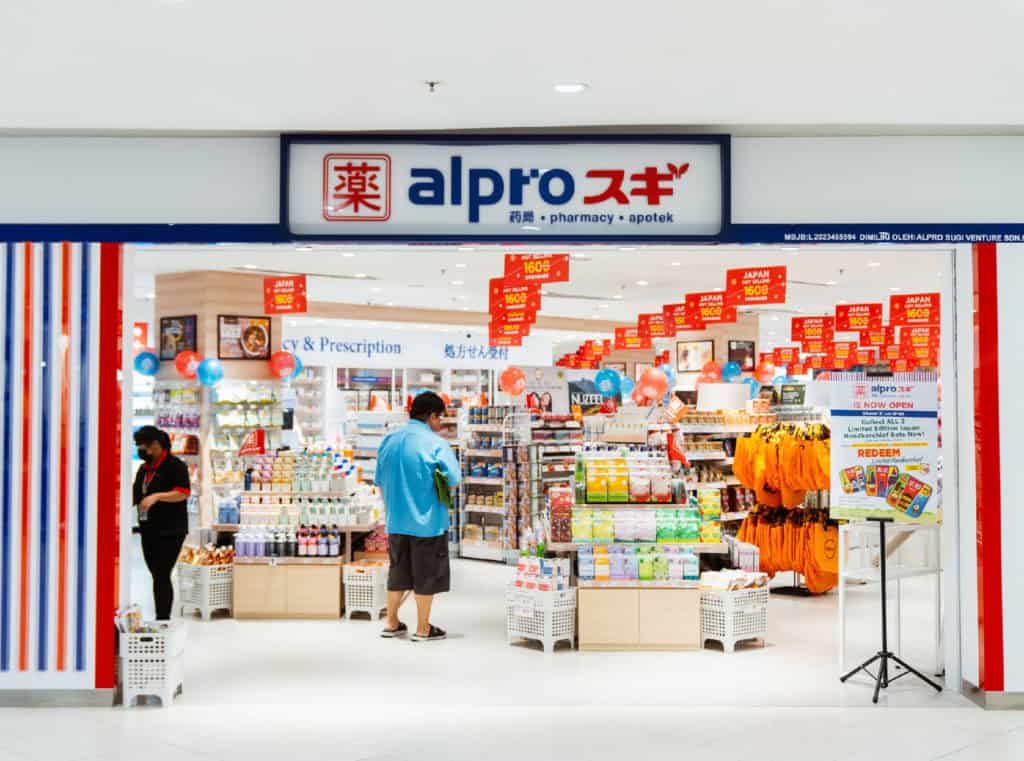
Have you ever wondered why specific pharmacy sections immediately catch your eye? The secret lies in visual merchandising—a strategic discipline combining creativity and analytics to shape purchasing decisions. In Malaysia’s competitive retail pharmacy landscape, stores like Guardian and Caring Pharmacy master this craft through intentional design choices that blend aesthetics with consumer psychology.
At its core, visual merchandising transforms passive shopping into an engaging experience. Major chains leverage proven tactics: positioning high-demand items at eye level to capture attention, grouping products by color schemes (think earthy greens for natural supplements), and creating curated bundles with themed packaging during relevant seasons (like vitamin combos for flu months). Clear bilingual signage in Bahasa Malaysia and English further bridges accessibility for diverse shoppers.
These techniques form part of comprehensive pharmacy merchandising solutions, now widely adopted even beyond large retailers. Third-party experts specializing in retail optimization collaborate with pharmacies to refine layouts, ensuring every inch of shelf space drives sales. Interestingly, this trend isn’t limited to corporate giants—smaller neighborhood pharmacies increasingly invest in tailored merchandising services to boost loyalty and compete effectively.
The objective? Threefold: simplify navigation, elevate visual appeal, and subtly steer customer choices. A well-organized cold-care aisle with matching hues and seasonal promotions, for instance, doesn’t just look inviting—it subconsciously guides shoppers toward complementary purchases. This approach turns routine trips into discovery journeys, encouraging repeat visits.
As consumer expectations evolve, Malaysian pharmacies recognize that smart merchandising isn’t optional—it’s essential. By implementing these strategies, retailers create spaces where products sell themselves while fostering lasting connections with customers. After all, when shopping feels effortless and enjoyable, everyone wins.
Learn more : Retail Pharmacy Design and Consumer Behavior | Pharmacy Merchandising: Best Practices for Product Pricing and Promotion in Malaysia
Demo Stations, Sampling & Product Trial Areas
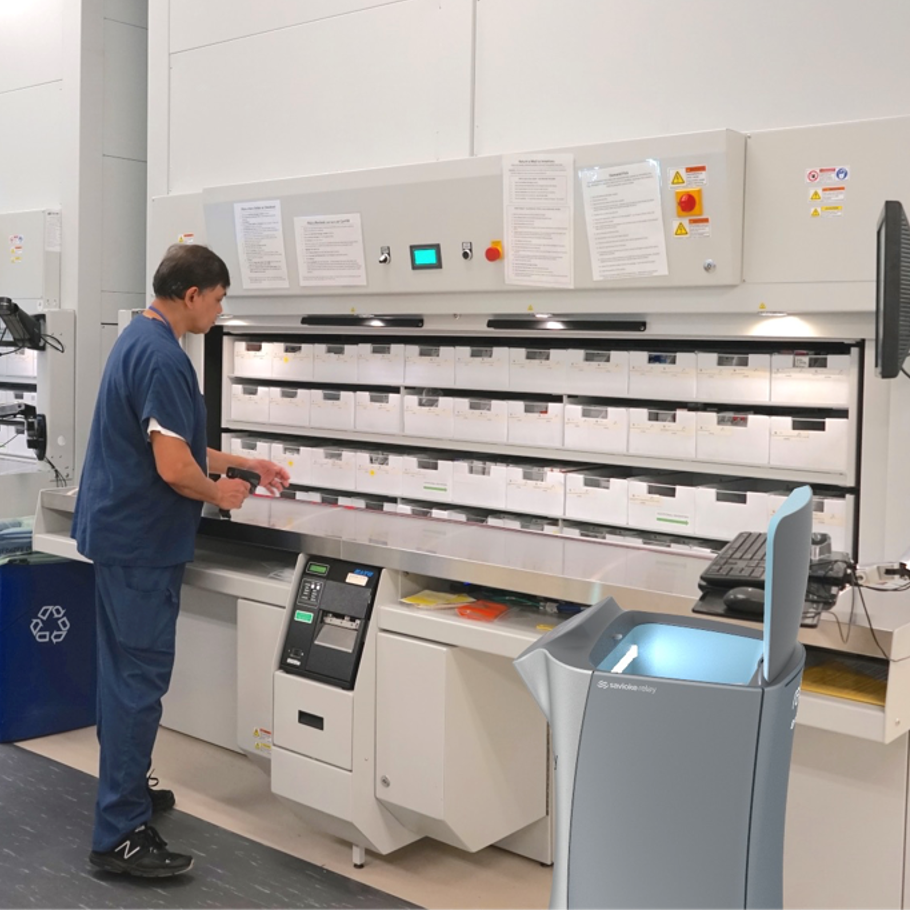
Ever wondered why touching a product often leads to buying it? The psychology behind this behavior fuels the success of pharmacy demo zones—strategic displays that let customers interact with items before purchasing. In Malaysia’s bustling urban drugstores, these zones have become pivotal for health supplements, skincare ranges, and wellness gadgets, transforming casual browsers into confident buyers.
Walk into any Kuala Lumpur pharmacy, and you’ll likely encounter testers for magnesium sprays, herbal pain-relief balms, or even compact nebulizers. Brands leverage tactile experiences, allowing shoppers to feel textures, test applicators, or gauge device usability firsthand. Seasonal supplement sampling events add another layer, where friendly promoters offer single-dose trials alongside expert advice. Such initiatives don’t just showcase products—they build tangible connections between consumers and brands.
This experiential marketing approach serves dual purposes. For shoppers, it demystifies complex items: How does a collagen serum absorb? Will a joint supplement’s format suit their routine? Direct interaction answers these questions, reducing purchase hesitation. For distributors, sponsoring demo counters or pop-up sampling drives creates lasting impressions. When customers associate a brand with helpful, no-pressure testing environments, repeat purchases and word-of-mouth referrals often follow.
Moreover, these campaigns foster brand authority. A skincare line with dedicated testers signals transparency, while in-person demonstrations for medical devices (like blood pressure monitors) position brands as educators, not just sellers. Over time, pharmacies hosting such activations see stronger foot traffic and basket sizes, as shoppers return for both trusted products and discovery-driven experiences.
Critically, the ROI isn’t just transactional. Demo zones cultivate loyalty in competitive markets—think Kuala Lumpur’s crowded wellness retail scene. A customer who tries a vitamin brand’s new gummy variant during a weekend promo might switch from their usual choice permanently. Similarly, testing a portable massage gun could lead to upsells for complementary accessories.
In essence, pharmacy demo zones are less about immediate sales and more about relationship-building. By prioritizing sensory engagement and education, brands turn fleeting interest into long-term trust—one sample, one trial, and one informed decision at a time.
Educational Materials as Merchandising Tools

The connection between consumer knowledge and buying behavior holds surprising power in healthcare—a factor many businesses underestimate. In pharmacy environments, educational resources act as silent salespeople, bridging the gap between confusion and confident decision-making. Brochures, interactive kiosks, visual infographics, and one-on-one consultations don’t just disseminate information; they transform pharmacies into trusted community health partners. This shift isn’t merely about transactions—it’s about fostering relationships through clarity and expertise.
Malaysia’s independent pharmacy networks exemplify this evolving strategy. Forward-thinking distributors now supply localized, ready-to-deploy patient education materials, empowering pharmacies to serve dual roles: retailer and health advisor. These tools address critical gaps, such as explaining potential drug interactions, demystifying ingredient differences between brands, and clarifying proper usage for supplements or medical devices. When patients understands risks and benefits (even at a basic level), they’re more likely to choose products aligned with their needs—and return to the source of that guidance.
This approach, often called value-driven merchandising, merges commerce with patient advocacy. Imagine a customer comparing pain relievers: A well-designed chart comparing active ingredients and side effects not only aids their choice but positions the pharmacy as a credible resource. Similarly, quick-reference guides for diabetic supplies or prenatal vitamins simplify complex information, reducing decision fatigue.
The ripple effects are measurable. Pharmacies investing in education tools often see stronger brand loyalty, as informed customers perceive them as partners in wellness rather than mere retailers. For smaller pharmacies, this strategy levels the playing field against larger chains by emphasizing personalized care over sheer inventory size.
Malaysia’s healthcare landscape, with it’s growing emphasis on preventive care, highlights why this model works. By prioritizing patient education, pharmacies don’t just sell products—they cultivate informed communities. In an era where misinformation spreads rapidly, reliable, accessible knowledge becomes a unique selling proposition. After all, when customers feel empowered, their purchasing decisions align not just with immediate needs, but with long-term trust in the brand guiding them.
Seasonal & Promotional Merchandising Strategies

How crucial is timing in merchandising success? For Malaysian pharmacies, it’s everything.
Aligning product strategies with cultural calendars has become a strategic priority for pharmacy marketing in Malaysia. Retailers don’t just follow trends—they synchronize with the nation’s heartbeat, transforming holidays and traditions into curated health solutions. From digestive aids during Ramadan to gift-ready skincare bundles for Lunar New Year, timing isn’t an afterthought—it’s the foundation of customer engagement.
Consider these culturally attuned approaches:
Ramadan & Hari Raya Aidilfitri
Fasting periods and festive gatherings drive demand for digestive enzymes, energy-boosting supplements, and immunity bundles. Pharmacies often pair these with thematic displays featuring warm colors and family-centric messaging.
Chinese New Year
The focus shifts to detoxification products (to counter rich festive meals) and premium skincare sets packaged as gifts. Limited-edition red-and-gold packaging dominates shelves, tapping into gifting traditions.
School Breaks
Pediatric multivitamins and travel-friendly first-aid kits take center stage. Creative displays near checkout counters—think cartoon-themed vitamin racks or interactive wound-care demos—turn routine purchases into impulse buys.
Supported by distributor-led pharmacy support teams – many retailers optimize layouts months in advance. They might install eye-catching endcap arrangements, suspend branded mobiles above aisles, or use floor decals to guide shoppers toward seasonal offers. One Johor Bahru chain reported a 40% sales lift by aligning probiotic displays with Ramadan campaigns.
But this isn’t just about moving inventory. Effective seasonal pharmacy promotions mirror Malaysia’s cultural mosaic while addressing evolving health priorities. A Kuala Lumpur retailer’s Raya-themed “Family Wellness Kits,” combining joint supplements with children’s immunity boosters, didn’t just drive revenue—it positioned the store as a health partner for multi generational households.
These aren’t merely sales tactics—they’re cultural barometers. By reading the calendar as thoughtfully as their customers read product labels, Malaysian pharmacies turn timely relevance into year-round loyalty. After all, in a market where festivals shape daily life, merchandising that misses the cultural clock risks missing the mark entirely.
Learn more : Analyzes how retailers can leverage seasonal strategies to drive year-round growth. | How Seasonal and Promotional Merchandising Drives Sales in Malaysian Pharmacies
Role of Merchandising in Pharmacy Distribution Service in Malaysia
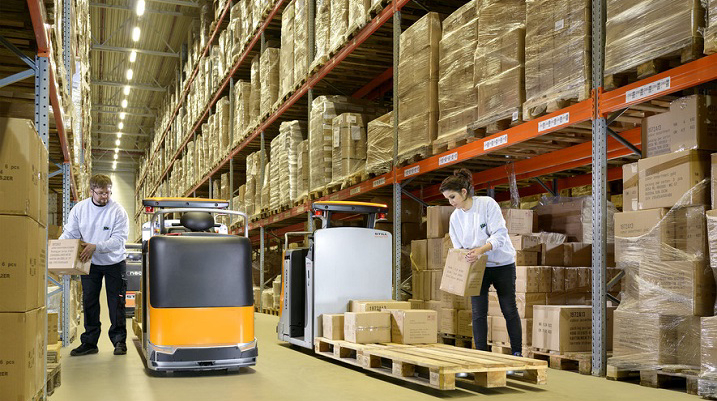
In Malaysia’s competitive pharmaceutical landscape, distribution isn’t just about moving products from warehouses to store shelves—it’s about crafting immersive retail experiences. Merchandising acts as the bridge between logistical efficiency and customer engagement, transforming routine restocking into a strategic tool for driving sales and loyalty. For pharmacy distributors, this means moving beyond basic delivery protocols to embrace retail-centric practices that elevate brand visibility and shopper satisfaction.
Consider this scenario: A distributor fulfills orders flawlessly but neglects in-store execution. Products arrive on time, yet gather dust in overcrowded shelves or expire unnoticed. Staff remain unaware of a new supplement’s benefits, promotions launch without adequate stock, and prime shelf space goes to competitors. This disconnect erodes profitability and trust, particularly in markets like Malaysia where consumers face endless choices.
Forward-thinking distributors now recognize merchandising as a non-negotiable component of their service. By collaborating with pharmacy chains to implement three key strategies, they turn distribution channels into revenue accelerators:
Staff Empowerment – Training pharmacy teams on product USPs ensures informed recommendations at the point of sale.
Visual Dominance – Securing eye-level placements and thematic displays captures attention in cluttered environments.
Promotional Synergy – Aligning campaign timelines with inventory peaks prevents missed sales opportunities.
The outcome? Stores benefit from faster inventory turnover, reduced write-offs from expired goods, and repeat customers who value both product quality and shopping experience. Take Malaysia’s top pharmacy networks—their partnerships with distributors include monthly planogram audits and joint staff workshops, creating a seamless flow from warehouse to checkout counter.
For distributors, this approach transforms their role from backend suppliers to frontline business partners. Pharmacies gain not just products, but actionable insights on consumer behavior and space optimization. In an era where 73% of purchasing decisions still happen in-store (retail surveys show), merchandising excellence becomes the silent salesperson working round-the-clock.
Ultimately, pharmacy distribution without strategic merchandising is like prescribing medicine without dosage instructions—technically complete but practically ineffective. As Malaysia’s healthcare retail sector grows, those mastering this integration will lead in both market share and customer retention. After all, in the battle for shelf space and shopper attention, every touchpoint counts—from the warehouse pallet to the product’s final placement.
Learn more : How In-Store Pharmacy Merchandising Complements Digital Marketing Strategies
How Pharmacy Wholesale Distributors Support Merchandising

When evaluating retail partnerships, many assume distributors operate with interchangeable strategies. The reality? Their roles in pharmacy merchandising vary dramatically. Modern wholesalers are no longer confined to stocking shelves—they’re transforming into multifaceted collaborators reshaping retail execution.
Gone are the days when pharmacy distributors simply moved products from warehouses to stores. Progressive players now provide end-to-end merchandising logistics designed to amplify brand visibility. These services range from delivering point-of-sale materials—think eye-catching shelf talkers, tent cards, and wobblers—to conducting detailed store audits that ensure displays match brand-approved planograms. Moreover, forward-thinking distributors invest in training retail staff, equipping teams with techniques for polished product presentation and effective upselling strategies.
In markets like Malaysia, thriving distributor-pharmacy relationships highlight this evolution. Success here isn’t just negotiated at the bargaining table—it’s built through hands-on support for in-store execution. Partners that prioritize operational synergy over price wars gain a competitive edge, fostering trust and long-term collaboration.
Why does this layered approach matter? Integrated merchandising support bridges the gap between inventory management and customer experience. By aligning stock levels with display accuracy, distributors minimize scenarios where promotions outpace available products. This synchronization ensures campaigns reflect brand identity consistently, turning casual shoppers into loyal customers.
The takeaway? Distributors who embrace these expanded roles don’t just fill shelves—they elevate entire retail ecosystems. For pharmacies, choosing a partner isn’t about finding the lowest bidder; it’s about identifying collaborators committed to enhancing both operational efficiency and brand integrity. As the industry evolves, those who recognize this shift will likely lead in customer satisfaction and revenue growth.
Learn more : Discusses key retail trends, including in-house resale channels and consumer behavior shifts.
Case Studies: Malaysian Pharmacies with Effective Merchandising Models

Curious how pharmacies can boost sales and customer engagement through smart merchandising? Let’s explore actionable strategies with two Malaysian case studies that prove even small tweaks deliver big returns.
Case 1: Local Pharmacy in Johor Bahru Masters Skincare Education
A family-owned pharmacy noticed growing demand for dermatologist-recommended products but struggled to stand out. Instead of generic promotions, they partnered with a specialty distributor to create interactive skincare sampling kiosks. These stations weren’t just displays—they included symptom-checker leaflets and free mini consultations with trained staff. By focusing on education for sensitive skin concerns, customers spent 25% longer exploring this section. Result? A 40% sales jump for clinical skincare lines within a single quarter.
Case 2: Klang Valley Chain Wins Flu Season with Thematic Merchandising
Meanwhile, a regional pharmacy group leveraged seasonal trends by collaborating with three distributors to design rotating “health zones.” During peak flu months, they transformed a corner into a Vitamin C powerhouse—think citrus-themed decor, live immunity-booster drink demos, and grab-and-go sample packs. Staff wore branded t-shirts asking, “Had Your Daily Dose?” This playful approach didn’t just move inventory; it became the store’s most Instagrammed spot, with dwell times doubling compared to standard aisles.
Why These Tactics Work
Both examples share three retail pharmacy best practices:
Strategic distributor partnerships (no one-size-fits-all vendor deals)
Experience-first layouts that educate rather than hard-sell
Measurable KPIs – tracking metrics like basket size vs. just foot traffic
The Klang Valley team later reused their “health zone” blueprint for diabetes management month, proving adaptable frameworks beat one-off campaigns.
Key Takeaway for Pharmacy Owners
You don’t need flashy tech or massive budgets. As the Johor Bahru case shows, sometimes a well-placed sampling station with actual expert advice builds trust faster than any digital ad. The trick? Align your merchandising with what patrons secretly want—a reason to linger, learn, and feel cared for.
In the world of healthcare retail, pharmacy merchandising transcends mere product placement—it’s about curating an immersive journey that resonates with customers at every touchpoint. Think beyond bottles and boxes: interactive displays, educational resources, and thoughtfully designed seasonal layouts all work in harmony to foster trust, educate shoppers, and guide purchasing choices. Each element, whether a product demo station or a wellness-themed installation, becomes a silent ambassador for your brand’s commitment to care.
For Malaysian pharmacies, success hinges on merging these merchandising principles with robust pharmacy distribution frameworks. Gone are the days when stocking shelves was a siloed task. Today, it’s a collaborative dance between manufacturers, logistics partners, and retailers. By aligning strategies—from inventory planning to in-store storytelling—stakeholders ensure products don’t just arrive on time but also captivate audiences. This synergy isn’t just about margins; it’s about delivering seamless value, reliability, and an experience that keeps customers returning.
Consider this: A well-placed educational kiosk next to allergy medications can transform a routine purchase into a moment of engagement. Seasonal promotions tied to local health awareness campaigns, supported by timely distribution, reinforce community trust. In Malaysia’s competitive landscape, such细节 matter. When suppliers, distributors, and retailers co-create these moments, they bridge the gap between logistics and loyalty.
But how do you execute this effectively? It starts with partners who grasp both the art of merchandising and the science of distribution. Whether optimizing shelf layouts for maximum impact or ensuring supply chains adapt to seasonal demands, the right collaboration turns challenges into opportunities.
How can we assist you today? 😊
Just let us know—we’re here to help!