
What are the four elements of visual merchandising?
November 9, 2026
Visual merchandising in a pharmacy is not merely about aesthetics; it is a strategic operational discipline that directly influences patient outcomes, regulatory adherence, and commercial success. Unlike general retail, the healthcare retail environment carries a profound responsibility: to guide shopper behaviour in a way that promotes informed self-care, supports professional consultation, and ensures strict compliance with national health directives. In Malaysia, this practice becomes even more essential due to the unique intersection of a diverse consumer base, a stringent regulatory framework governed by bodies like the Ministry of Health (KKM) and the National Pharmaceutical Regulatory Agency (NPRA), and a complex distribution network. The intent of visual merchandising here transcends sales—it builds trust. A well-merchandised pharmacy communicates competence, clarity, and care, making the pharmacy a trusted community health hub rather than just a transactional store. This involves a critical synergy between three key entities: the pharmacist as the frontline healthcare advisor, the brand owner aiming for optimal product placement, and the pharmacy distributor Malaysia, which acts as the logistical and often executional bridge between brand strategy and retail reality. Their collaboration ensures that retail execution aligns with both business objectives and public health goals.
A Proven Framework for Excellence: The Four Core Elements
To systematically achieve these goals, industry experts rely on a proven framework built on four core elements: store layout, signage, lighting, and product display. This framework is not arbitrary; it is the culmination of decades of retail psychology and operational efficiency studies tailored to the healthcare setting. Each element plays a distinct yet interconnected role in shaping the customer experience, influencing dwell time, purchase decisions, and overall perception of service quality. The application of this framework, however, varies depending on the executor. A pharmacy wholesale distributor’s field merchandiser, for instance, focuses on standardized execution across multiple outlets for consistency. An in-house store team prioritizes daily maintenance and adaptability to local community needs. Meanwhile, a brand manager views the framework through the lens of share-of-shelf and brand visibility. Understanding these differing perspectives is key to appreciating how a cohesive visual merchandising strategy comes to life in thousands of unique pharmacy environments across Malaysia, from bustling urban outlets in Kuala Lumpur to community pharmacies in smaller towns like Ipoh or Kuantan.
Learn more : Consumer Health Insights
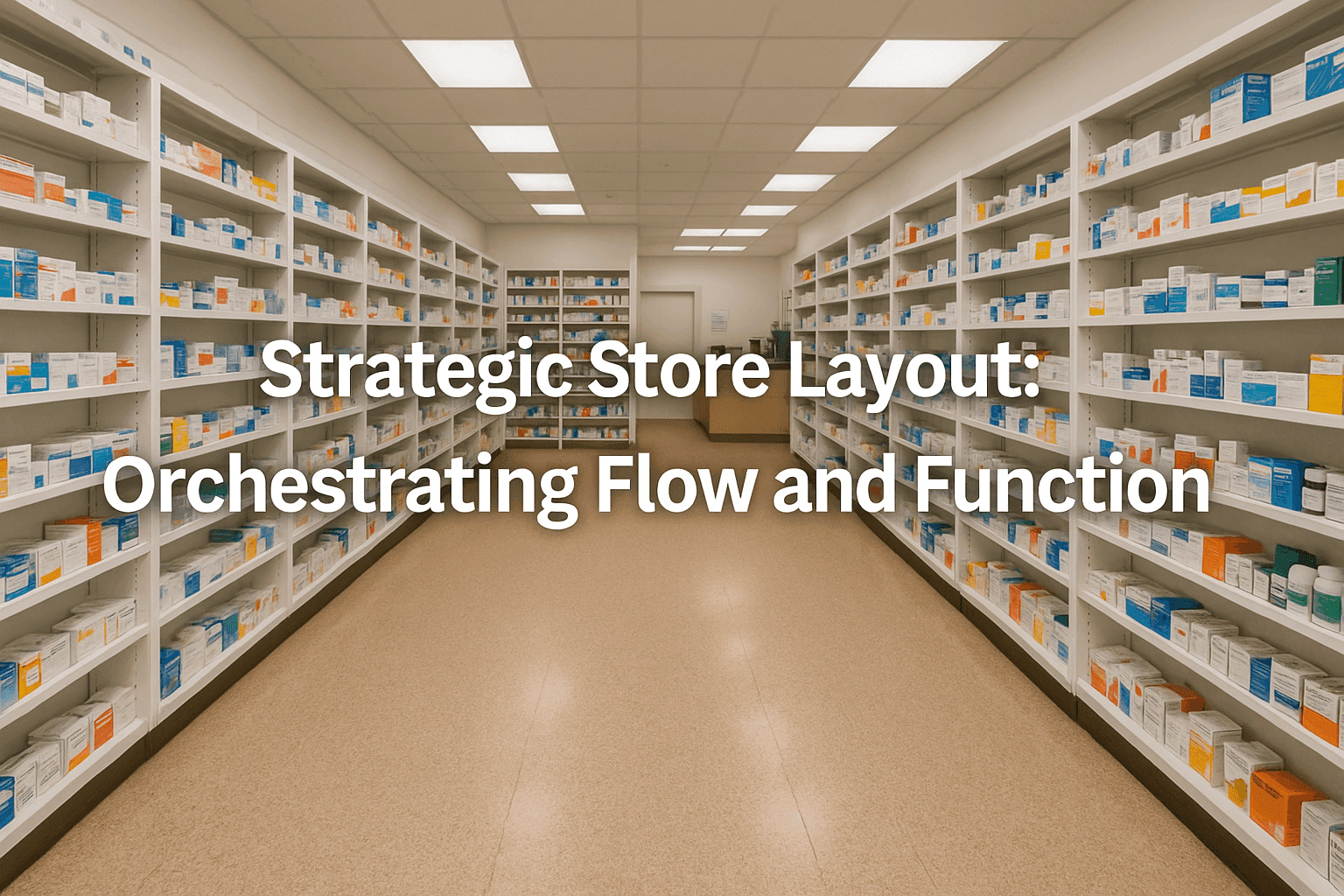
Strategic Store Layout: Orchestrating Flow and Function

The store layout is the foundational blueprint that guides everything. In a Malaysian pharmacy, it must strategically balance commercial objectives with a patient-first mentality. This involves creating a logical customer journey that naturally guides shoppers from high-traffic Over-The-Counter (OTC) zones to more specialized sections like skincare or medical devices. A tailored planogram—a detailed schematic for product placement—is essential here. For example, a well-designed layout for a pharmacy in Penang might place heat-sensitive supplements away from direct sunlight and windows, while ensuring fast-moving cough and cold remedies are easily accessible near the consultation counter, reducing queue times during peak flu season. From the pharmacist’s point of view, the layout must keep high-need categories accessible to minimize customer wait time and allow for efficient patient counselling. A brand manager, conversely, analyzes the layout to ensure fair share-of-shelf and that their products are not placed in dead zones—areas with little natural footfall.
The role of the pharmacy distributor Malaysia is pivotal in translating these plans into reality. They provide the critical link, often supplying not just products but also layout advisory services and merchandising support to ensure standardization across the many outlets they service. This standardization is crucial for operational efficiency, especially for chain pharmacies aiming for a consistent brand experience. However, execution can differ based on who implements it. The following comparison highlights the distinct responsibilities:
| Aspect of Layout Execution | Distributor’s Field Merchandiser | Pharmacy’s In-House Team |
|---|---|---|
| Primary Focus | Implementing brand & category planograms across multiple client outlets. | Daily maintenance, restocking, and local adjustment of the store layout. |
| Expertise | Broad knowledge of multiple brands and category trends across many stores. | Deep knowledge of their specific store’s customer base and daily sales patterns. |
| Responsibility Scope | Ensuring compliance with agreed brand positioning and promotional set-ups. | Ensuring overall store tidiness, addressing immediate out-of-stocks, and safety. |
| Frequency of Service | Scheduled visits (e.g., weekly, bi-weekly). | Continuous, day-to-day oversight and adjustment. |
A strategic layout also has direct implications for regulatory compliance. Clear pathways and well-defined zones prevent congestion, ensuring a calm environment for consultation, and help in the logical grouping of products as per KKM guidelines—such as separating prescription-only medications from general health products.
The Critical Function of Compliant and Clear Signage

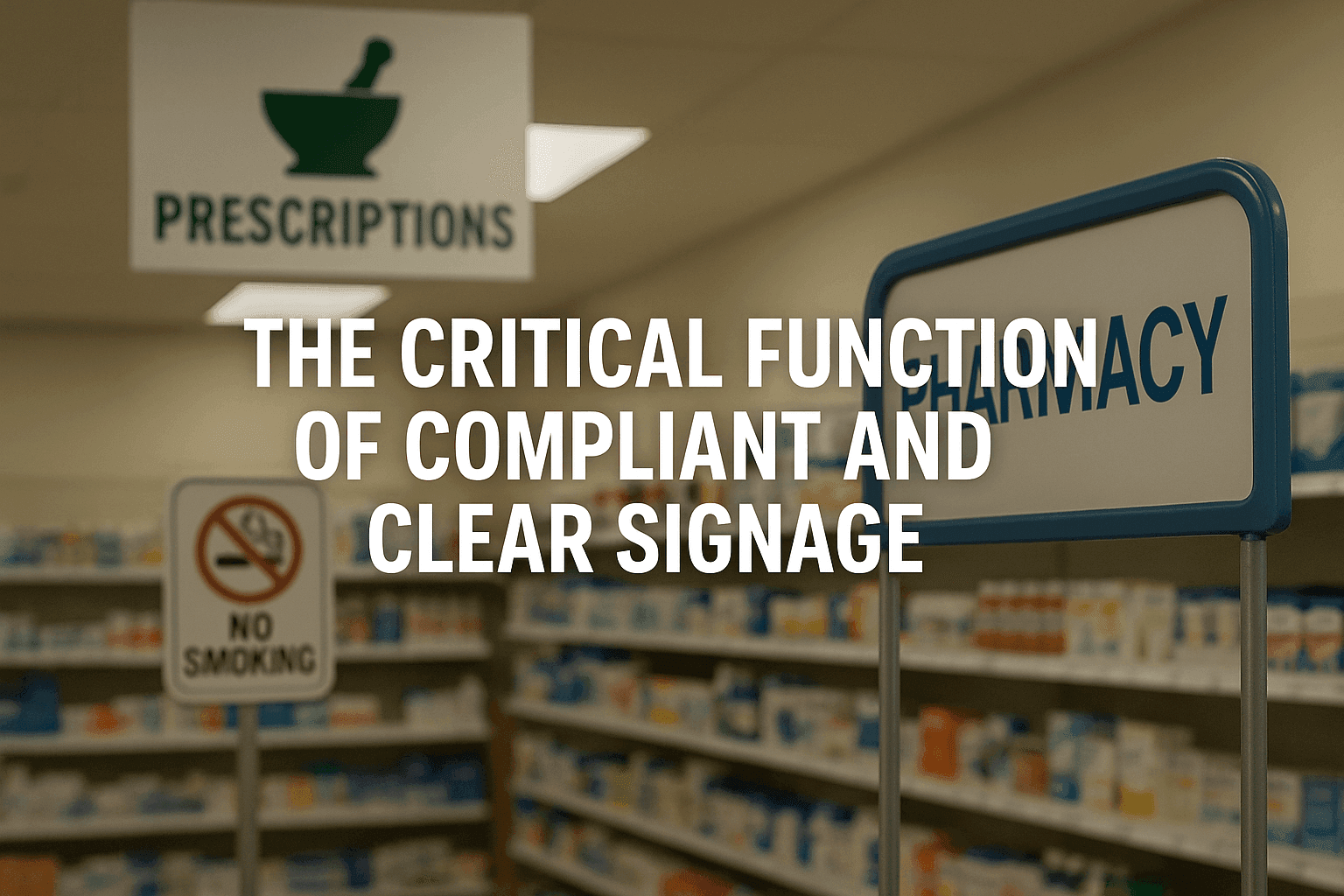
In the context of healthcare, signage is a fundamental tool for communication and safety, not just promotion. Its role extends far beyond price tags to encompass health warnings, dosage instructions, and KKM-compliant product information. Accurate signage acts as a silent pharmacist, guiding safe self-selection and educating consumers, thereby reducing the routine workload on the pharmacy staff. For a pharmacy distributor Malaysia, maintaining signage consistency across hundreds of outlets is a logistically challenging but essential task. It builds brand trust and ensures that critical information is never diluted or incorrect. Consider the scenario of a diabetic care section in a Malacca pharmacy. Effective signage here would include clear price visibility, prominent health claim signage approved by NPRA, and perhaps QR codes linking to more detailed Malay or Tamil language usage videos—catering to the local demographic.
From a consumer psychology perspective, sign hierarchy is paramount. A shopper’s eye must be guided from primary category signs (e.g., “VITAMINS & SUPPLEMENTS”) to secondary brand-level signs, and finally to tertiary promotional or informational signs. This hierarchy prevents confusion—a vital consideration in a space where a customer might be seeking relief for a migraine or selecting a suitable multivitamin for an elderly parent. Inaccurate or cluttered signage can lead to patient anxiety and wrong product choices. For the pharmacist, reliable signage is a trusted ally. It allows them to focus their expertise on complex consultations, knowing that the basic educational groundwork is being handled clearly on the shelf. For the distributor, it is a matter of professional reliability—their service includes ensuring that the right signs are delivered, installed, and updated whenever a planogram changes or a regulatory update is issued.
Learn more : Medication Without Harm

Lighting as a Tool for Trust, Safety, and Accuracy

Often underestimated, lighting is a powerful element that shapes the entire atmosphere of a pharmacy, impacting both perception and practical function. The right lighting strategy creates a safe, comfortable, and professional environment. In a Malaysian pharmacy, which may span from brightly lit beauty aisles to more subdued clinical consultation areas, this requires careful zoning. Cold, white light (with high Colour Rendering Index or CRI) is effective in areas requiring precision, such as over the prescription counter or the medical device section, where reading fine print on a glucose monitor or blood pressure cuff packaging is necessary. It conveys cleanliness and accuracy. Conversely, warmer light can be used in supplement or maternal care sections to create a reassuring and calming feel.
The impact on product perception is significant. Proper illumination prevents shadows on shelves, ensuring all products are visible, and can enhance the perceived quality and freshness of items like organic supplements or premium skincare. Poor lighting, however, can make even trusted brands look dusty and neglected. This is where the distributor pharmacy field teams play a crucial role during their visits. They act as the eyes on the ground, reporting burnt-out bulbs or poorly lit sections that could hinder product visibility and sales, making their role part of quality assurance. For the pharmacist, adequate lighting is non-negotiable for safety—it prevents dispensing errors and facilitates accurate reading of prescriptions. From a brand manager’s perspective, consistent lighting ensures their product’s packaging colours and branding are displayed as intended, protecting brand equity. In a practical scenario, a pharmacy in Sarawak might need to account for frequent overcast weather, ensuring interior lighting is bright enough to compensate and maintain an inviting, professional atmosphere regardless of the time of day. This attention to detail underscores a strategic commitment to patient care and commercial effectiveness.
Product Display: The Art of Organizing for Engagement and Safety
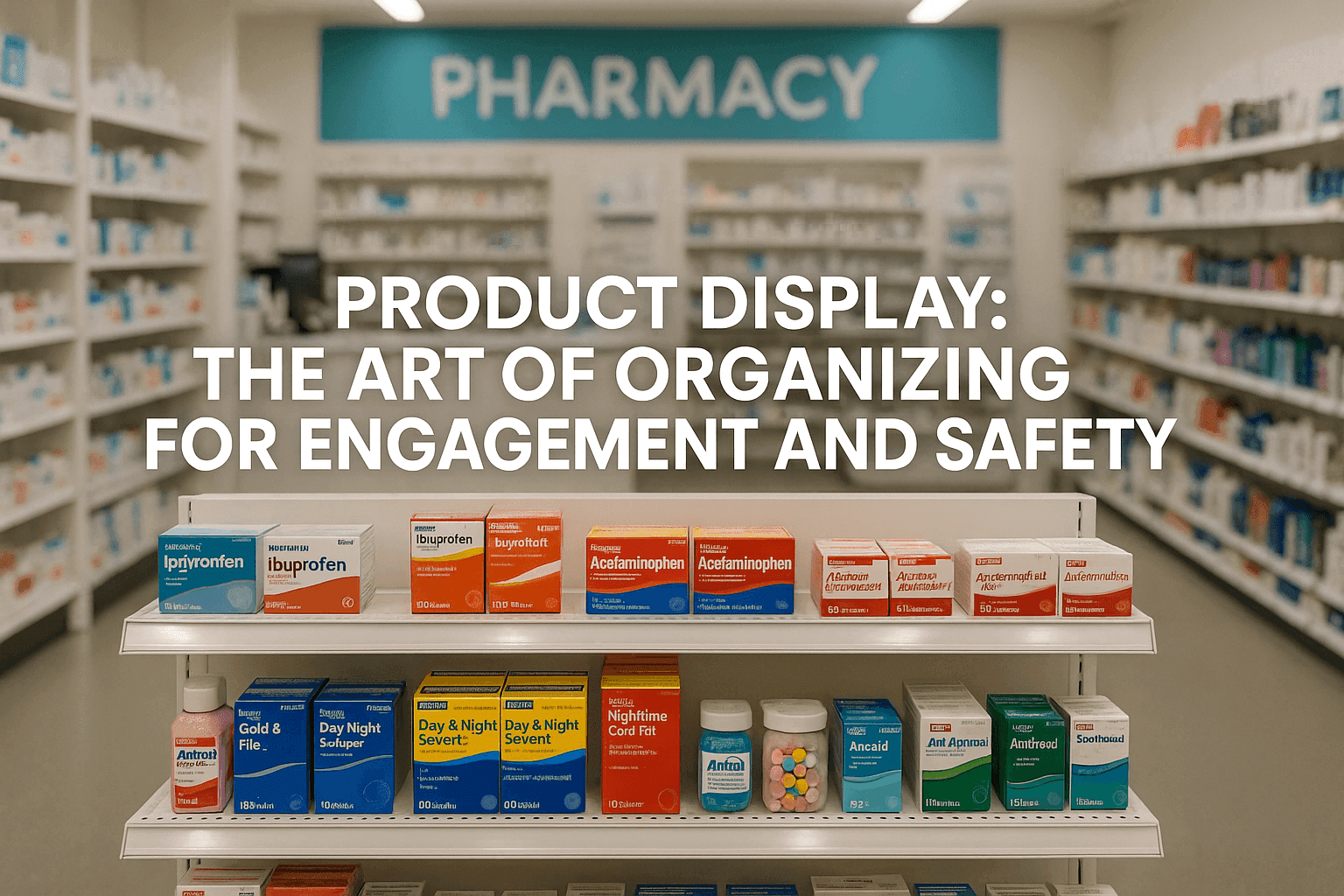
The final, and most tangible, element of visual merchandising is the product display itself. This is where strategy meets the shelf, directly influencing purchase confidence and health decision-making. A proven display does more than just stock products; it tells a logical story, guides the eye, and provides the necessary information for a customer—who may be a patient managing a chronic condition or a parent seeking relief for a child’s fever—to feel assured in their selection. Core techniques like facing count (the number of product units turned forward), blocking (grouping like products together in clean rectangular shapes), and the choice between vertical (stacking different products within the same category) or horizontal (lining the same product across a shelf) display structures are not arbitrary. They are essential tools to maximize visibility, communicate brand strength, and manage inventory perception. For sensitive categories in a Malaysian context, such as baby care or wound care, displays must also prioritize a sense of hygiene and calm, often using dedicated, well-signed bays that feel separate from the bustle of the OTC aisle.
The approach to crafting these displays often depends on the commercial agreement and trade marketing strategy in place. A distributor-led Product Display Program (PDP), commonly offered by a pharmacy distributor Malaysia, provides a turnkey solution. They manage the entire display setup for a category, often bundling products from multiple complementary brands they carry to create a one-stop shop, like a comprehensive diabetic management bay. In contrast, a brand-led display is funded and designed by a specific manufacturer to dominate a section, such as a prominent wall of a particular vitamin brand. In major chains like Caring Pharmacy or Health Lane Family Pharmacy, you often see a hybrid: brand-led power panels at the aisle entrance to draw attention, followed by category-based blocks organized by the distributor or store for easier shopper navigation. This requires meticulous coordination to ensure regulatory compliance, especially for supplements with specific NPRA claim approvals or medical devices that require clear usage instructions to be visible.
The Vital Link: Visual Merchandising and Distribution Services
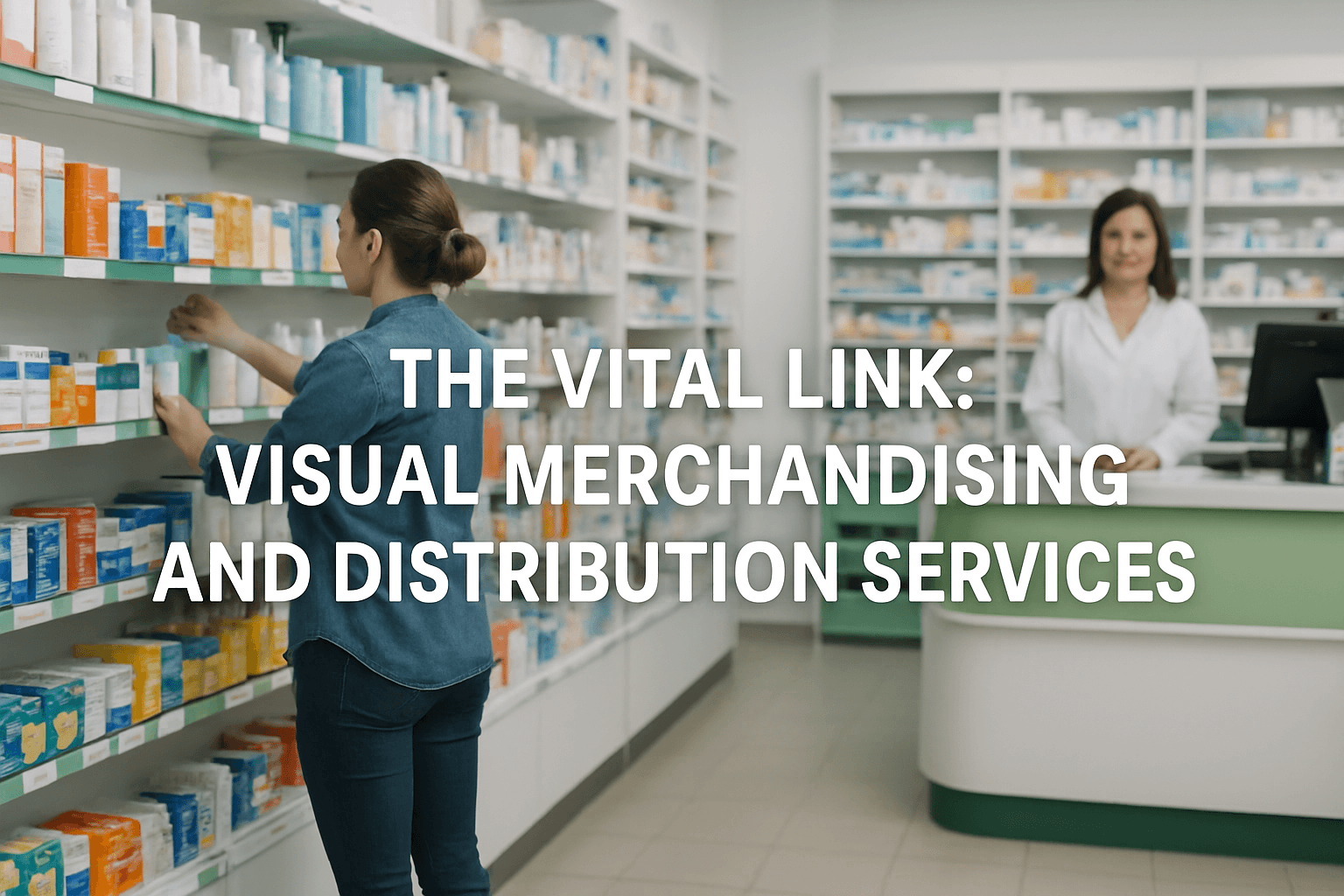
Understanding visual merchandising in isolation misses the bigger picture; its strategic power is fully unlocked only when seamlessly integrated with pharmacy distribution services. A beautiful planogram is useless if the products are not in stock, and a promotional display fails if the flyer pricing doesn’t match the point-of-sale system. This is where the pharmacy wholesale distributor evolves from a logistics provider to an expert retail execution partner. Their field teams are the critical link that ensures the theoretical planogram becomes a physical reality. They support stock rotation to prevent expired goods from ever reaching the front of the shelf—a non-negotiable in healthcare. They execute promotional cycles, swapping out signage and repositioning products every week or month as campaigns change.
Consider the challenge of launching a new immune-support supplement range across 500 independent pharmacies in East Malaysia. The brand manager designs the display, but the distributor’s field force is reliable for the on-the-ground execution, ensuring the facing count is correct and the sample units are placed. From the pharmacist’s point of view, this partnership is crucial for safety and clarity, ensuring products are displayed accurately and inventory levels are visible. For the distributor, it’s about operational efficiency and fulfilling service-level agreements. For the brand owner, it’s the assurance of share-of-shelf and promotional priority being delivered as paid for. This multi-stakeholder reliance underscores that effective visual merchandising is a team sport, dependent on a reliable and synchronized supply chain.
Learn more : Explains the definition and core functions of distributor pharmacies in Malaysia.
Navigating On-the-Ground Challenges and Realities

Despite clear frameworks, the daily execution of visual merchandising in Malaysia faces very real obstacles that test the resilience of any system. Limited floor space in many community pharmacies, especially in older urban shoplots, forces difficult trade-offs between category breadth and display impact. During major promotion periods like Ramadan or back-to-school seasons, maintaining KKM compliance while highlighting discounted items becomes a delicate balancing act—ensuring mandatory health warnings are not obscured by “Sale” stickers is a common hurdle. Furthermore, manpower shortages and high staff turnover can lead to inconsistencies, where the store layout envisioned by head office looks markedly different at the branch level in Johor Bahru.
The core challenge often boils down to coordination. A breakdown in communication between a brand manager’s expectations, the distributor pharmacy team’s schedule, and the pharmacist-in-charge’s daily priorities can derail the best-laid plans. For instance, a scheduled display reset for a new skincare line might be delayed because the pharmacy is short-staffed due to illness, and the distributor merchandiser cannot proceed without store supervision. Overcoming these realities requires more than just a planogram; it demands efficient communication channels, flexible scheduling, and a mutual understanding of each party’s operational pressures. A reliable partnership acknowledges these challenges and builds processes to mitigate them, making consistency an achievable goal rather than a lofty ideal.
Learn more : How Independent Pharmacy Distributors Compete With Large Chain
A Practical Implementation Blueprint for Daily Operations
To translate theory into consistent practice, stakeholders need clear, actionable guidelines. An effective system hinges on simple, repeatable processes. For daily maintenance, pharmacy staff can utilize a basic visual checklist:
All products are fully faced forward and labels are visible.
Signage is accurate, with no outdated promotional tags.
High-demand and fast-moving items are stocked and not hiding empty space.
Aisles are clear of obstructions and the consultation area is tidy.
For distributor field teams, the workflow is more structured. Their visit follows a proven SOP: audit current planogram compliance and out-of-stock levels, execute agreed resets or promotions, update signage, and report any retail readiness issues back to the sales team. The true measure of success, however, lies in Key Performance Indicators (KPIs). These quantifiable metrics move the conversation from opinion to analysis. Critical KPIs include Planogram Compliance Rate (what percentage of the store matches the master layout?), Out-of-Stock Rate on key items, Facing Count Adherence, and Promotional Execution Score. Monitoring these metrics allows for strategic adjustments. For example, if data shows consistent stockouts for a specific antiseptic brand in Klang Valley pharmacies, the distributor can work with the brand to adjust forecast algorithms and the pharmacist can reconsider its shelf placement.
Learn more : Retail Merchandising Operations Report
Fostering a Cohesive and Trusted Retail Health Environment
The ultimate goal of mastering these four elements—layout, signage, lighting, and display—is to cultivate a reliable visual merchandising ecosystem. This ecosystem benefits every stakeholder. For patients, it creates a trusted environment where they can navigate health choices with confidence. For pharmacists, it streamlines operations and reinforces their role as accessible healthcare professionals. For brands and distributors, it ensures fair competition and maximizes the return on trade marketing investments. The link between this ecosystem and a strategic pharmacy distribution service in Malaysia is inseparable; one cannot sustainably exist without the operational support of the other. As the Malaysian retail pharmacy sector continues to grow and professionalize, embracing these standards of presentation is not just about aesthetics—it is an essential component of patient care, regulatory compliance, and commercial health. By viewing visual merchandising as a core part of the healthcare logistics chain, pharmacies can transform from mere points of sale into essential, trusted pillars of community well-being.
Learn more :Top Pharmacy Distributors in Malaysia
Frequently Asked Questions (FAQ)
Q1: What are the four key elements of visual merchandising?
Answer: The four key elements are store layout, product display, signage, and lighting. Together, they guide customer flow, highlight key SKUs, improve visibility, and create an engaging retail experience—especially important in pharmacies where clarity and compliance matter.
Q2: What are the 4 P’s of visual merchandising?
Answer: The 4 P’s are Presentation, Pricing, Promotion, and Product Placement. These help ensure products are displayed clearly, priced accurately, promoted effectively, and positioned to support shopper navigation.
Q3: What are the 4 types of merchandise?
Answer: The four merchandise types are Staple, Fashion, Seasonal, and Convenience. Pharmacies typically carry a mix of staple (OTC medicines), seasonal (flu products), and convenience (snacks, hygiene items).
Q4: What is visual merchandising?
Answer: Visual merchandising is the strategic arrangement of products, displays, lighting, and signage to enhance shopper experience, guide decision-making, and increase sell-through while maintaining compliance with store and regulatory standards.
Q5: What are the 4 conditions in merchandising?
Answer: The four conditions are Right Product, Right Place, Right Time, and Right Quantity. These ensure product availability, optimized replenishment, and proper shelf management.
Q6: What are VM materials?
Answer: VM materials include shelving props, POSMs (posters, wobblers, talkers), lighting tools, display stands, mannequins (for retail), and signage boards. In pharmacies, compliant POSMs and clean, functional fixtures are essential.
Q7: What are the 4 elements of marketing?
Answer: The four elements of marketing are the classic 4Ps: Product, Price, Place, and Promotion—core principles used to position any product effectively in the market.
Q8: What are the four factors of merchandising?
Answer: The four key factors are Planning, Buying, Displaying, and Selling. These ensure products are selected wisely, stocked appropriately, and presented to encourage sales.
Q9: What does the 4 Ps stand for?
Answer: The 4 Ps stand for Product, Price, Place, and Promotion—fundamental components that shape marketing and merchandising strategies.
Q10: What are the three basic elements of merchandising?
Answer: The three basics are Assortment Planning, Pricing Strategy, and Display Execution. These determine what to sell, at what price, and how it appears in-store.
Our Services
Our marketing and sales teams use their strong relationships with the channel to create demand for your product at every stage of its lifecycle.
Demand creation services we offer:
Market Access Services
Regulatory Registration Services
Pharma Product Listing Services
Merchandising services (RSMS)
Brand Management
Logistic & Warehousing
Exclusive Merchandising Services
Visual Merchandising
Discover More About Our Solution
How can we assist you today? 😊
Just let us know—we’re here to help!