

June 18, 2025
Have you ever wandered through a Malaysian pharmacy, effortlessly locating painkillers, vitamins, or baby care products exactly where you’d hoped? This intuitive shopping journey isn’t accidental—it’s meticulously engineered by pharmacy merchandisers, the invisible hands shaping retail success. Far more than shelf-stockers, these specialists blend art and logistics to transform cluttered aisles into revenue-generating spaces while keeping operations compliant and customer-centric.
Working discreetly behind counters and storage rooms, merchandisers master the science of product placement. They analyze foot traffic patterns to position high-demand items at eye level, rotate stock to prevent expiration waste, and design displays that subconsciously guide purchasing decisions. But their role extends beyond aesthetics. By partnering with local pharmacy distributors, independent supply networks, and national wholesale providers, they bridge the gap between warehouse efficiency and frontline retail strategy. This collaboration ensures pharmacies never face empty shelves during flu season or sudden spikes in demand for masks or supplements.
In Malaysia’s fast-evolving pharmaceutical landscape—where strict regulations meet fierce retail competition—merchandisers act as both strategists and problem-solvers. They balance business objectives (like pushing promoted brands) with practical realities, such as storage limitations or safety protocols for controlled substances. Ever noticed how cough syrups are never placed near children’s snacks? That’s merchandisers applying regulatory compliance while maintaining shopper convenience.
Their impact ripples across the supply chain. Real-time data sharing with distributors prevents overstocking of niche products and shortages of essentials. Meanwhile, seasonal campaigns—think Ramadan health bundles or back-to-school vitamin drives—are orchestrated by merchandisers aligning promotional calendars with community needs.
While pharmacists focus on patient care, these retail architects ensure the business engine hums smoothly. From optimizing shelf space to negotiating with suppliers, they turn logistical complexity into effortless customer experiences. In an era where consumers expect instant gratification and personalized service, Malaysia’s pharmacies rely on merchandisers to stay agile, compliant, and profitable. Next time you find exactly what you need in seconds, remember: that’s no accident. It’s retail science in action.
Defining the Pharmacy Merchandiser’s Role in Malaysia

Ever wondered who ensures your local pharmacy stays organized, compliant, and visually appealing? Pharmacy merchandisers play a vital—yet often overlooked—role in healthcare retail. These professionals oversee the visual presentation, stock availability, and regulatory adherence of product displays in pharmacies. Their expertise blends retail strategy with healthcare compliance, creating a shopping experience that’s both user-friendly and legally sound.
Core Responsibilities Explained
A pharmacy merchandiser’s day revolves around optimizing product layouts. This includes arranging shelves to maximize clarity, ensuring customers can quickly locate essentials like pain relievers or vitamins. They prioritize timely restocking to prevent gaps in inventory, which is crucial for maintaining customer trust during flu seasons or health emergencies. Additionally, they design eye-catching displays to spotlight seasonal promotions, wellness trends, or new supplements, balancing aesthetics with practicality.
However, their role extends beyond visual appeal. Compliance with the Malaysian Ministry of Health (MOH) regulations is non-negotiable. From verifying pharmaceutical labeling accuracy to adhering to strict placement rules for medical-grade products, merchandisers ensure every item meets legal standards. This is particularly critical for over-the-counter medications and supplements, where missteps could lead to regulatory penalties.
Unique Challenges in Pharmacy Merchandising
Unlike general retail merchandisers, these specialists navigate a complex web of healthcare laws and distributor coordination. They work closely with pharmacy distributor networks across Malaysia, including independent suppliers, to track product shipments and stay informed about regulation changes. This collaboration helps synchronize stock availability with shifting healthcare demands, such as sudden increases in mask sales during outbreaks.
By merging retail savvy with regulatory expertise, pharmacy merchandisers act as liaisons between commercial goals and patient safety. Their work ensures pharmacies remain trusted community hubs—spaces where compliance and customer convenience coexist seamlessly.
In short, they’re the unseen architects who keep Malaysia’s pharmacies functional, compliant, and ready to meet evolving health needs. Next time you spot a well-organized vitamin display or easily find allergy medication, you’ll know who to thank!
Why Merchandising Matters in Pharmacy Distribution Services

In Malaysia’s bustling healthcare retail sector, effective merchandising isn’t just a nice-to-have—it’s the backbone of successful pharmacy distribution. But what makes it so indispensable? The answer lies in its ability to amplify brand presence, cultivate consumer trust, and directly influence purchasing decisions in an increasingly crowded marketplace.
Imagine walking into a pharmacy where products are haphazardly stacked or tucked away in obscure corners. Even the most innovative health supplements or skincare essentials risk going unnoticed if they aren’t strategically positioned. In contrast, thoughtful merchandising transforms shelves into engaging, educational spaces. By organizing items logically and highlighting their benefits through clear signage or interactive displays, pharmacies not only boost product discoverability but also reinforce customer loyalty. Shoppers who effortlessly find what they need—and understand its value—are far more likely to return.
Consider industry leaders like Guardian and Caring Pharmacy, two chains that dominate Malaysia’s retail health scene. Their success isn’t accidental. Both allocate substantial resources to crafting dynamic, visually appealing displays tailored to categories like vitamins, skincare, and personal care. These setups don’t just showcase products—they tell a story. Vibrant sections dedicated to seasonal wellness or targeted skincare solutions educate shoppers while subtly steering them toward purchases. In an era where online platforms offer convenience, these tactile, in-store experiences provide a competitive edge by merging accessibility with expert curation.
Behind the scenes, pharmacy merchandisers play a pivotal yet understated role. Acting as brand ambassadors, they ensure consistency in product placement and promotional campaigns across all branches. Their work involves balancing creativity with strict compliance to health regulations—a dual focus that safeguards both consumer safety and brand integrity. For instance, ensuring cough syrups are stored at eye level for visibility while adhering to safety guidelines requires both strategic thinking and attention to detail.
Ultimately, merchandising bridges the gap between inventory and consumer demand. In Malaysia’s fast-evolving pharmacy sector, where trust and visibility dictate market share, a well-executed merchandising strategy isn’t just beneficial—it’s non-negotiable. By prioritizing this element, retailers don’t just drive sales; they build lasting relationships in an industry where credibility is everything.
Learn more : Pharmacy Merchandising: Best Practices for Product Pricing and Promotion in Malaysia
Collaboration with Distributors: Connecting Merchandisers and Supply Chain Partners

Ever wondered how merchandisers keep Malaysia’s pharmacy shelves stocked and campaigns running smoothly? Their role isn’t just about arranging products—it’s a linchpin in the entire distribution chain. By collaborating closely with pharmacy distributors, wholesalers, and retail teams, merchandisers ensure that stock arrives on time and promotional campaigns hit the market precisely when needed. This coordination is especially vital in fast-moving sectors like healthcare, where timing can make or break success.
Take seasonal campaigns or product launches as examples. Suppose a pharmacy chain introduces a new skincare range nationwide. Here, the merchandiser steps in to guarantee the product is strategically placed in high-visibility areas, labeled correctly with pricing, and supported by compliant promotional materials. They also work behind the scenes to align these efforts with Malaysia’s Ministry of Health (MOH) guidelines, which govern advertising claims and product placement. Without this synchronization, even the most innovative products could languish in warehouses or face regulatory pushback.
In Malaysia’s competitive landscape, merchandising services thrive on this seamless integration of supply chain logistics and in-store execution. Tight deadlines for marketing launches—think flu-season promotions or vitamin supplements tied to health trends—require merchandisers to act as both planners and problem-solvers. They monitor inventory levels, troubleshoot delays, and adjust strategies when unexpected disruptions occur. For instance, if a shipment arrives late due to customs hold-ups, merchandisers might reallocate existing stock to prioritize high-demand stores or revise promotional schedules to avoid penalties.
However, the stakes are high. Poor coordination between supply chains and retail teams doesn’t just risk missed sales opportunities—it can lead to expired stock, wasted marketing budgets, or even non-compliance fines. Imagine a scenario where a seasonal allergy campaign launches before products reach half the stores. Customers see ads but find empty shelves, eroding trust and squandering momentum.
Ultimately, merchandisers serve as the connective tissue between suppliers, distributors, and consumers. Their ability to balance logistical precision with creative execution ensures that Malaysia’s pharmacies stay competitive while adhering to strict regulatory standards. In an industry where margins are slim and timelines tighter, their role isn’t just important—it’s indispensable.
Learn more : Fundamentals of the Pharmaceutical Supply Chain
Visual Strategy: Layout, Planograms, and Shelf Optimization
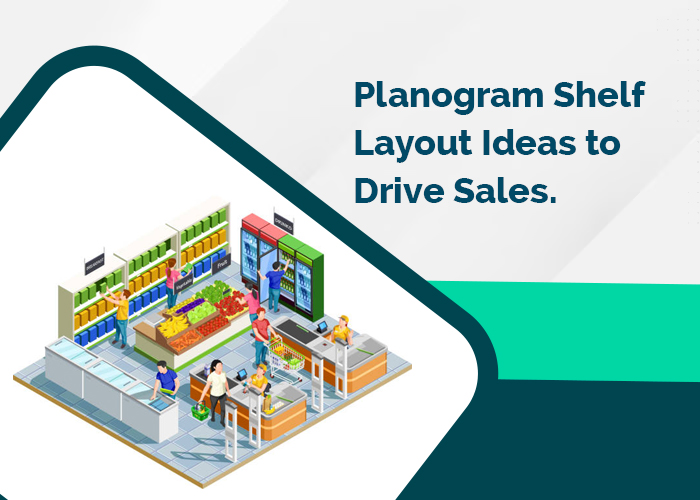
Visual merchandising success hinges on a secret weapon: planograms. These detailed shelf schematics act as blueprints for product placement, blending art and science to maximize both shopper satisfaction and sales performance. For pharmacy retailers, mastering this tool isn’t just helpful—it’s a competitive necessity.
Seasoned merchandisers leverage planograms to craft logical shopping journeys. By clustering items into intuitive groups—whether by therapeutic use, brand family, or customer need states—they reduce decision fatigue. Ever noticed pain relievers positioned alongside muscle balms? That’s strategic cross-merchandising in action. Profit optimization plays starring role too: high-margin vitamins or limited-time promotions consistently claim prime eye-level real estate, capitalizing on natural sightlines.
Compliance forms another critical layer. In Malaysia’s tightly regulated pharmacy sector, ensuring clear visibility of dosage instructions, contraindications, and expiry dates isn’t negotiable. This becomes doubly crucial for traditional herbal supplements and OTC medications, where safety concerns intersect with cultural shopping habits.
Front-of-store zones transform into conversion engines under savvy planogram execution. These high-traffic areas rotate between evergreen bestsellers (think allergy meds or vitamins) and seasonal must-haves—mosquito repellents during monsoon months or immunity boosters pre-hajj season. Even compact displays, when mapped with surgical precision, can amplify brand visibility and drive basket size.
The endgame? A frictionless retail environment that balances regulatory rigor with commercial savvy. By aligning shelf layouts with how customers actually shop—not how brands wish they’d shop—merchandisers turn routine purchases into brand-building moments. Afterall, in pharmacy retail, trust and convenience aren’t just nice-to-haves; they’re prescription for sustained success.
Learn more : 6 Quick Tips to Optimize Your Pharmacy Layout | The Importance of Visual Merchandising for Pharmacies in Malaysia
Compliance and Regulatory Considerations in Malaysian Pharmacies

When managing pharmacy retail spaces in Malaysia, every merchandising choice carries potential legal consequences. Compliance isn’t just about following rules—it’s a critical business safeguard. Under the Ministry of Health (MOH) framework, pharmacies must adhere to meticulous guidelines governing product presentation, storage, and promotion. Ignoring these standards risks penalties, reputational harm, and operational disruptions.
Navigating MOH Requirements
Malaysian pharmacy operators face multifaceted compliance demands. First, precise labeling and shelf organization are non-negotiable, particularly for controlled medications. These items require restricted access areas rather than open shelves to prevent unauthorized handling. Second, promotional materials must avoid exaggerated health claims or ambiguous wording that could mislead consumers. Third, temperature-sensitive goods—like certain vaccines or antibiotics—demand climate-controlled storage zones meeting MOH specifications. A single oversight, such as storing insulin at room temperature, could trigger regulatory audits or inventory seizures.
Consequences of Non-Compliance
Regulatory missteps carry tangible repercussions. Imagine a scenario where cough syrup containing codeine is placed within customer reach. This error might lead to fines exceeding RM 10,000 or temporary closure orders. Beyond financial penalties, inconsistent compliance erodes trust in both the pharmacy and its suppliers. To mitigate risks, staff often undergo mandatory training covering MOH’s Guidelines for Retail Pharmacy Practice and stay updated on evolving standards.
Collaboration for Compliance
Successful pharmacies don’t operate in isolation. They align with distributors well-versed in Malaysia’s pharmaceutical supply chain protocols. For instance, partnerships with certified third-party logistics providers ensure products are delivered and stored under compliant conditions. This synergy helps maintain regulatory adherence while reinforcing a professional brand image.
Balancing Safety and Sales
Ultimately, meticulous merchandising bridges legal obligations and commercial goals. By prioritizing correct product placement, truthful advertising, and proper storage, pharmacies protect public health while building customer confidence. In a sector where accuracy matters, strategic compliance isn’t just red tape—it’s a competitive advantage.
Learn more : Community Pharmacy Benchmarking Guideline
Technology, Data, and Modern Tools in Pharmacy Merchandising

In today’s intensely data-centric retail landscape, merchandising professionals are embracing advanced technologies to refine decision-making processes. Modern tools not only streamline operations but also empower teams to adapt swiftly to ever-changing market dynamics. Let’s explore how these innovations are reshaping the industry.
Precision Through Inventory Tracking
Central to this transformation are inventory management platforms, which provide granular oversight of stock movements and product shelf lives. By automating replenishment alerts and identifying slow-moving items, these systems prevent both overstocking and shortages. This technology enables teams to track inventory with precision while freeing up time for strategic planning.
Tailoring Spaces for Maximum Impact
Another critical component is planogram optimization software, which allows merchandisers to craft hyper-localized store layouts. Retailers can now analyze foot traffic patterns and regional preferences to position products where they’ll capture attention most effectively. The ability to rapidly adjust displays proves invaluable when responding to seasonal trends or unexpected demand spikes.
Maintaining Brand Consistency
Meanwhile, digital compliance applications ensure visual standards remain intact across all locations. Through automated checklist systems and photo validation features, chains maintain uniform product placements and promotional executions. This proves particularly useful for franchises operating across diverse markets.
Collaborative Data Synergy
Forward-thinking organizations are amplifying these tools through partnerships with pharmaceutical distributors and logistics providers. Many suppliers now share live inventory updates and consumer purchasing analytics, enabling merchandisers to spotlight trending items and adjust shelf allocations within hours rather than days.
The shift toward integrated tech stacks brings measurable advantages. Automated workflows minimize manual data entry mistakes, while centralized dashboards ensure uniform strategy implementation across entire retail networks. In Malaysia’s competitive market, where operational agility directly impacts profitability, these efficiencies help businesses stay ahead.
As physical and digital retail environments continue merging, merchandisers who master these platforms position themselves for long-term success. The combination of real-time analytics, spatial optimization, and cross-partner collaboration creates a responsive framework that turns raw data into actionable retail intelligence – proving that in modern merchandising, smart technology truly drives smarter outcomes.
Learn more : Pharmaceutical and Supply Chain Management | How Technology is Revolutionizing Pharmacy Merchandising Services in Malaysia
Key Challenges and Solutions in the Malaysian Pharmacy Landscape

Running a pharmacy in Malaysia isn’t just about dispensing medications—it’s a delicate dance between maximizing sales and adhering to strict regulations. While the sector thrives on health-conscious consumers, retailers face unique obstacles in product presentation and inventory management. Let’s break down the key challenges and how industry players are adapting.
1. Tight Spaces, Big Demands
One major issue stems from the compact footprints of many Malaysian pharmacies, especially in bustling urban centers. With limited shelf real estate, every inch counts. Merchandisers can’t afford to waste space on slow-moving items, yet they must still cater to diverse customer needs—from vitamins to medical devices. This spatial crunch forces tough decisions about which products earn prime visibility.
2. Keeping Up With Market Fluidity
Consumer trends and promotional cycles shift rapidly, requiring constant display adjustments. A product flying off shelves today might lose momentum next month, thanks to fleeting social media trends or seasonal demand. Short-lived promotions amplify this pressure, as pharmacies scramble to update signage and layouts before campaigns expire. Without agile strategies, retailers risk missing out on sales spikes or cluttering aisles with outdated marketing.
3. Walking the Compliance Tightrope
Balancing commercial goals with Malaysia’s Ministry of Health (MOH) guidelines adds another layer of complexity. For instance, certain supplements can’t be displayed alongside prescription medications, while health claims on packaging must follow strict wording rules. Overzealous promotions could trigger penalties, making it essential to align eye-catching displays with regulatory guardrails.
Solutions in Motion
Savvy merchandisers tackle these hurdles by adopting modular displays that can be reconfigured overnight. High-margin items often get priority placement, but data analytics now help identify secondary performers worth retaining. Partnering with local distributors proves invaluable too—these specialists streamline inventory with just-in-time restocking models, cutting downtime between campaigns.
Innovation is also reshaping the field. Real-time sales tracking tools allow pharmacies to tweak layouts based on hourly foot traffic, while mobile display carts let them test products in different store zones. The rise of hybrid merchandisers—professionals equally fluent in compliance protocols and sales psychology—highlights the industry’s evolving demands.
The Path Forward
Success in this sector hinges on adaptability. Pharmacies must embrace tools that marry flexibility with compliance, whether through tech-driven analytics or partnerships with nimble suppliers. As one Kuala Lumpur retailer notes, “It’s about being quick without cutting corners.” With healthcare retail growing competitive, those who master this balance will stay ahead—both on shelves and in ledgers.
Pharmacy Merchandisers as Brand Ambassadors

Have you ever wondered who quietly shapes your opinion about pharmacy products while you shop? Contrary to common assumptions, merchandisers play a far more pivotal role in influencing brand sentiment than most consumers realize. Their work extends far beyond arranging inventory—they’re architects of customer experience.
Rather than simply restocking shelves, these professionals craft immersive brand journeys. Strategically placed educational signage, accessible product samples, and eye-catching promotional displays aren’t accidental—they’re carefully orchestrated tactics. This attention to detail doesn’t just boost sales; it creates symbiotic value for both pharmacy outlets and their partnered suppliers.
Consider Malaysia’s thriving urban pharmacy sector. Walk into any metropolitan chain, and you’ll encounter demo kiosks or wellness zones designed to do more than fill space. These areas serve dual purposes: guiding purchasing decisions while visually communicating brand ethos. Through cohesive color schemes, storytelling product groupings, and seasonal themes, merchandisers silently echo the values of both the pharmacy retailer and their wholesale distributors.
The psychology behind this is powerful. Shoppers subconsciously link polished, informative displays to product reliability. A crisp vitamin C display with usage guides doesn’t just highlight the item—it signals the pharmacy’s commitment to customer health. This perception-building directly impacts brand trust, which over time, translates to repeat purchases. In competitive markets like Kuala Lumpur or Penang, where pharmacies cluster densely, distinctive merchandising can mean the difference between being forgotten or becoming a household name.
While flawless execution matters, consistency proves equally vital. Irregular signage or haphazard sample placements risks diluting brand authority. But when done right, merchandising becomes invisible persuasion—a subtle nudge that makes customers think “This pharmacy understands what I need” without ever uttering a word.
In the fast-paced world of healthcare retail, pharmacy merchandisers operate as the invisible backbone of in-store excellence. Far more than shelf-stockers, these professionals masterfully convert supply chain logistics into strategic narratives that captivate shoppers and drive sales. Their expertise bridges the gap between warehouse inventory and retail storytelling, ensuring products don’t just reach shelves—they resonate with consumers.
Collaboration sits at the heart of their success. By partnering with distributor networks, local pharmacy teams, and compliance experts across Malaysia, merchandisers craft displays that balance commercial appeal with regulatory adherence. They analyze purchasing trends, optimize shelf layouts, and ensure every product—from prescription medications to skincare essentials—aligns with both market demand and legal frameworks. In an industry where trust is non-negotiable, their work safeguards brand integrity while maximizing visibility.
Malaysia’s healthcare retail sector is booming, fueled by rising consumer health awareness and expanding access to pharmacies. Yet, the professionals orchestrating this retail symphony often remain overlooked. As competition intensifies, investing in skilled merchandising talent and advanced tools becomes critical. These experts deserve not just acknowledgment, but also the technologies and training needed to stay ahead in an evolving market.
📢 Partner for Impact: Transform Your Retail Strategy
Whether you’re a global pharmaceutical innovator or a local wellness brand, standing out in Malaysia’s crowded pharmacy aisles requires precision and insight. Our tailored solutions combine end-to-end distribution services with merchandising strategies designed to convert foot traffic into loyalty.
Leverage our expertise to:
Enhance Visibility: Data-driven planograms that highlight your products
Ensure Compliance: Audits and adjustments to meet Malaysia’s regulatory standards
Build Trust: Consistent, consumer-centric displays that reinforce brand reliability
How can we assist you today? 😊
Just let us know—we’re here to help!