

August 22, 2025
Ever walked into a pharmacy and found exactly the medicine you needed, perfectly stocked and ready for purchase? That seamless experience doesn’t happen by accident—it’s the result of a trusted, highly coordinated pharmacy distribution system working behind the scenes. In Malaysia, where healthcare accessibility is a priority, pharmacy distributors play an indispensable role in bridging the gap between manufacturers and patients. Without them, delays, stockouts, or even compromised medication integrity could become widespread issues, directly impacting public health.
Consider this real-world scenario: A rural clinic in Sarawak urgently needs a fresh batch of diabetes medication. The efficient coordination between the manufacturer, pharmacy wholesale distributor, and last-mile logistics ensures those life-saving drugs arrive on time, stored at the right temperature, and with all necessary documentation intact. This isn’t just logistics—it’s a strategic healthcare lifeline.
Why Pharmacy Distribution Demands Specialized Expertise
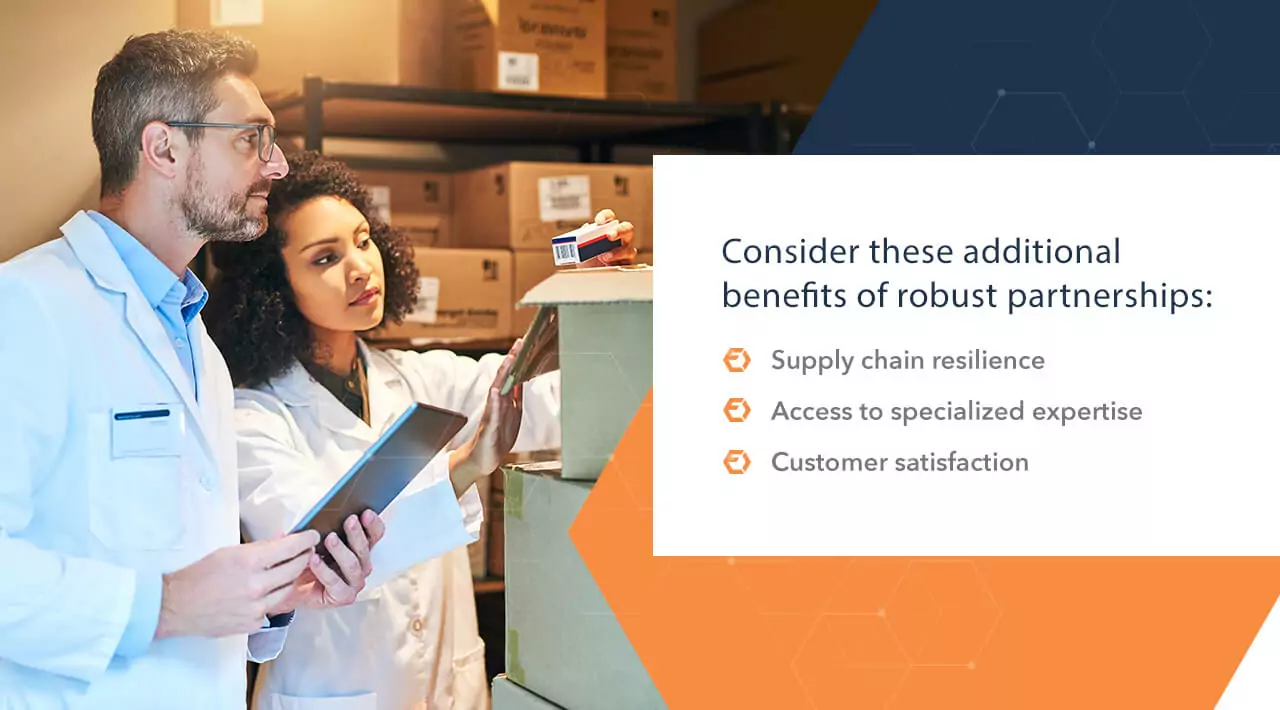
Unlike standard retail supply chains, pharmacy distribution deals with products that are highly sensitive—both legally and physically. Medications require:
✅ Temperature-controlled storage (e.g., vaccines needing 2–8°C environments)
✅ Strict regulatory compliance (NPRA approvals, batch tracking)
✅ Precision in timing (to avoid expired stock or shortages)
A single misstep—say, a delayed delivery leaving insulin exposed to heat—can render entire batches useless. That’s why reliable pharmacy distributors Malaysia invest heavily in expert handling protocols, from procurement to last-mile delivery.
Learn More : Pharmaceutical Distribution and Supply Chain Management
Key Players in Malaysia’s Pharmacy Distribution Ecosystem

Malaysia’s distribution landscape is diverse, with each type of distributor serving a tailored role to meet different market needs. Here’s how they operate:
1. Independent Pharmacy Distributors
These agile players supply standalone pharmacies and clinics, often specializing in niche segments like:
Over-the-counter (OTC) wellness products
Skincare and supplements (e.g., local distributors for brands like Bio-essence or Pharmaton)
Generic medications for cost-sensitive buyers
Operational Insight: A Kuala Lumpur-based independent distributor might focus on supplying traditional medicine stores with herbal supplements, leveraging relationships with local manufacturers to keep costs competitive.
2. Pharmacy Wholesale Distributors
The backbone of large-scale supply, these entities:
Purchase directly from multinational pharma giants (e.g., Pfizer, GSK)
Maintain bulk inventories compliant with NPRA standards
Serve both chain pharmacies (like Caring or Guardian) and independent outlets
Local Example: A Johor Bahru-based wholesaler negotiates bulk imports of generic antibiotics from India, ensuring hospitals across southern Malaysia have affordable access.
3. Large Distributor Pharmacies
Some retail chains (e.g., Alpro Pharmacy) double as distributors, using their own warehouses to supply smaller branches or affiliated clinics. This vertically integrated model cuts costs and speeds up restocking.
Comparison: Independent vs. Wholesale Distributors
| Factor | Independent Distributor | Wholesale Distributor |
|---|---|---|
| Scale | Small to mid-sized | Large-volume operations |
| Regulatory Burden | Lighter (focus on OTC/supplements) | Heavy (handling controlled medicines) |
| Flexibility | High (can pivot product lines) | Lower (locked into bulk contracts) |
Learn More : Top 10 Pharmaceutical Companies in Malaysia 2024
Inside the Pharmacy Distribution Workflow: From Factory to Shelf
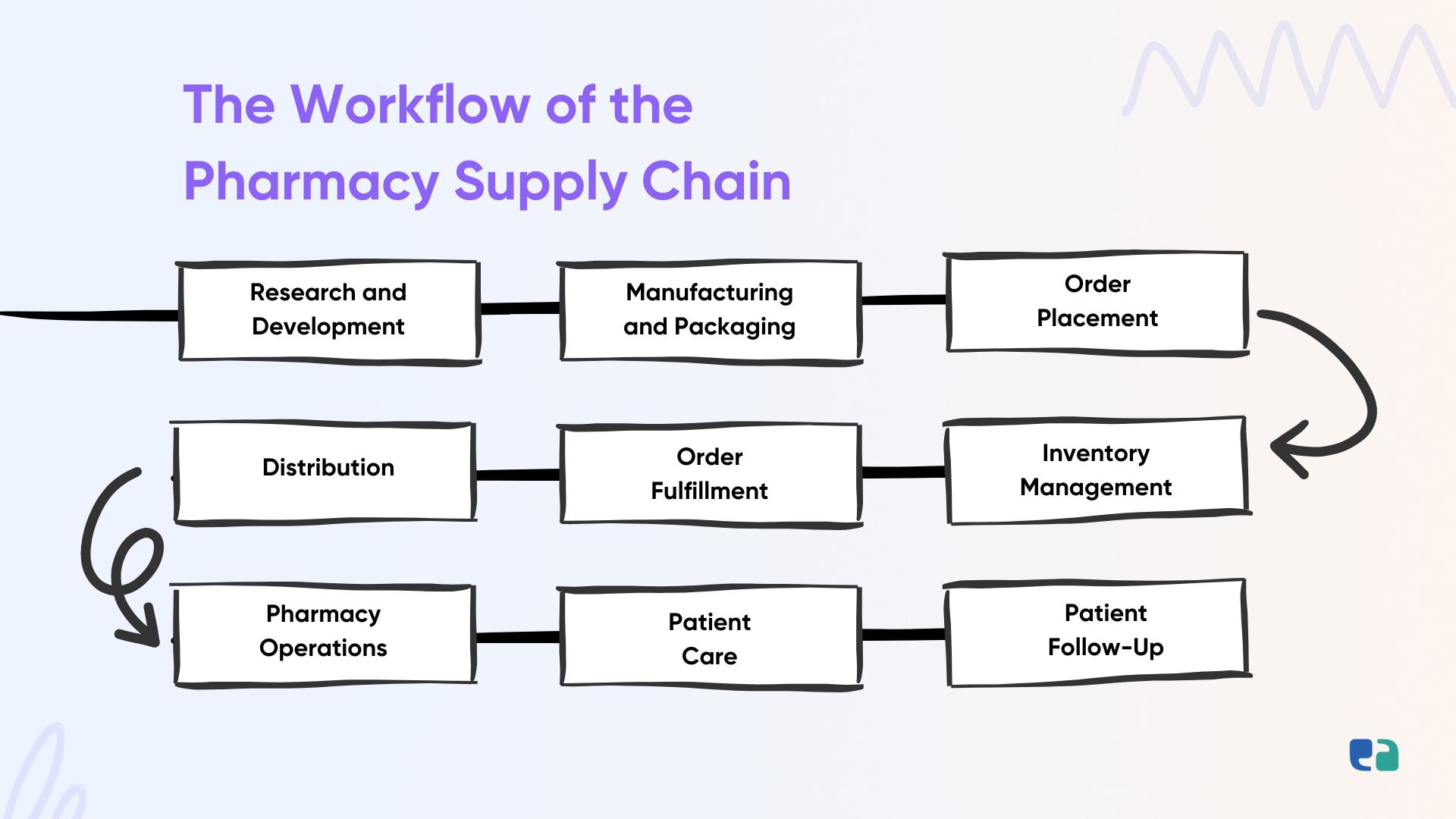
How does a packet of Panadol or a vial of COVID-19 vaccine travel from production to your local pharmacy? Here’s the proven, step-by-step journey:
1. Procurement: The Art of Strategic Sourcing
Distributors don’t just buy—they negotiate:
Pricing tiers with manufacturers (e.g., 5% discount for orders above 10,000 units)
Contract terms covering recalls, expiry policies, and delivery SLAs
Malaysia-Specific Challenge: Currency fluctuations can impact import costs, forcing distributors to hedge forex risks.
2. Warehousing: Where Precision Meets Compliance
A reliable pharmacy distributor Malaysia operates warehouses with:
Climate zones (refrigerated, ambient, frozen)
Real-time IoT sensors tracking humidity/temperature deviations
First-Expiry-First-Out (FEFO) systems to prevent dead stock
Stat Alert: A 2023 study found that 12% of Malaysian pharmacies faced losses due to improper storage—a risk mitigated by expert warehousing partners.
3. Order Processing: Balancing Speed and Accuracy
When a Penang pharmacy orders 50 boxes of ventolin inhalers, the distributor:
Checks stock levels across regional hubs
Prioritizes urgent orders (e.g., cancer meds over vitamins)
Groups deliveries by route (e.g., Central Region deliveries every Tuesday/Thursday)
Checklist for Efficient Order Fulfillment:
✔️ Automated inventory alerts for low stock
✔️ Dedicated account managers for high-value clients
✔️ Batch documentation ready for NPRA audits
4. Transportation: The Last-Mile Lifeline
Perishable meds demand specialized logistics:
Cooled trucks for biologics (e.g., Enbrel requiring 2–8°C)
GPS-tracked vehicles to reroute around KL traffic jams
Proof-of-Delivery digital signatures to confirm safe receipt
Failure Cost: A delayed shipment of insulin could mean a diabetic patient skipping doses—a risk no trusted distributor can afford.
Best Practices for Optimizing Pharmacy Distribution
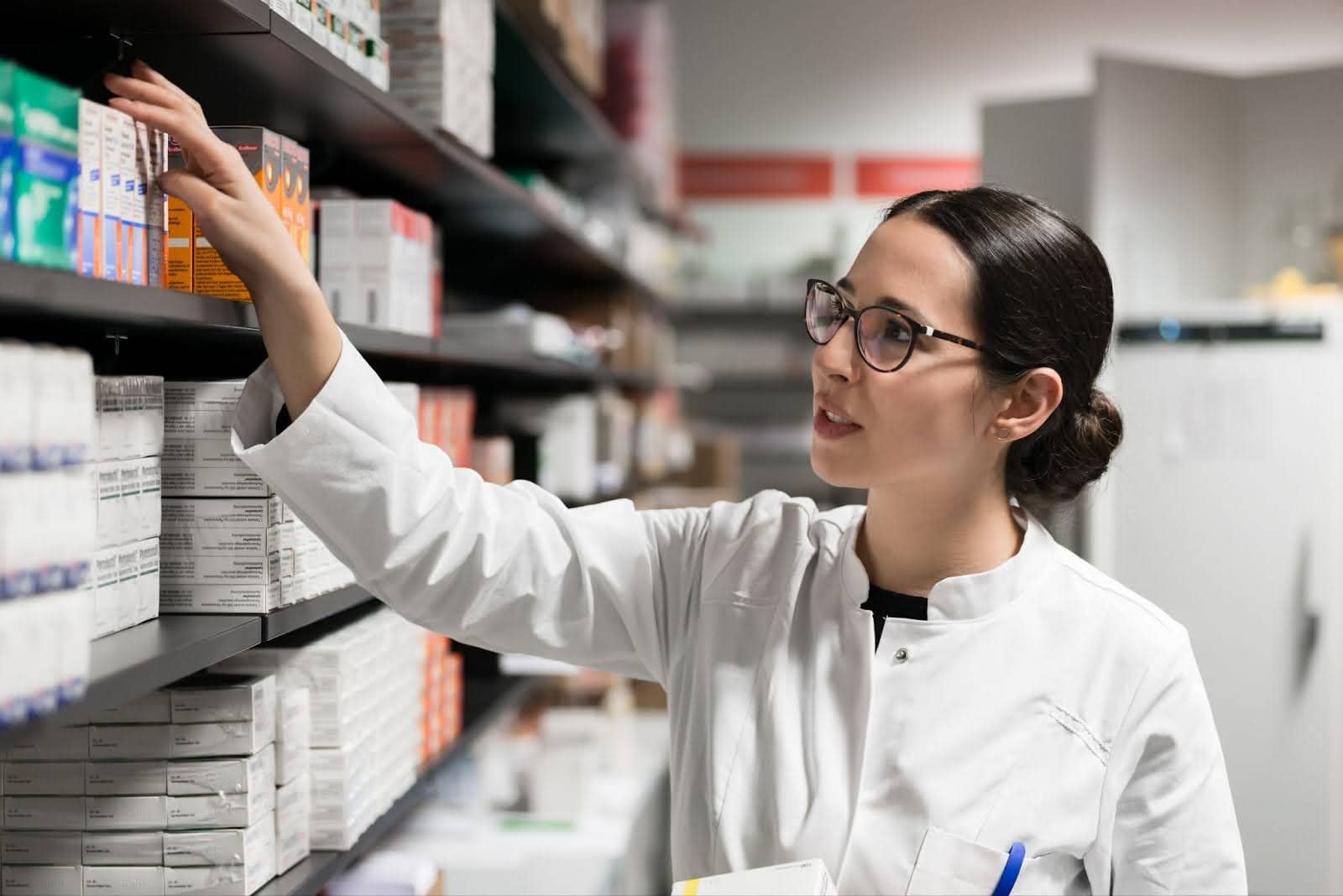
Whether you’re a hospital procurement manager or a retail pharmacy owner, these effective strategies ensure seamless operations
1. Stock Optimization: Data Over Guesswork
Use AI-driven demand forecasting to account for:
Seasonal spikes (e.g., flu season = more Tamiflu orders)
Local disease outbreaks (e.g., dengue clusters in Selangor)
Example: A Melaka pharmacy reduced overstock by 18% after switching to a predictive analytics tool.
2. Temperature Control: Non-Negotiable Vigilance
3-Tier Validation:
Warehouse sensors
Vehicle loggers during transit
Pharmacy fridge audits upon delivery
Common Pitfall: Assuming “ambient” means “room temperature”—some drugs degrade above 25°C.
3. Regulatory Agility: Stay Ahead of Changes
Malaysia’s NPRA frequently updates guidelines (e.g., 2022’s serialization rules for controlled drugs).
Strategic distributors preemptively train staff on new policies, avoiding costly compliance breaches.
4. Localized Logistics: Know Your Terrain
East Malaysia (Sabah/Sarawak) faces unique challenges:
Limited cold-chain infrastructure in rural areas
Longer lead times due to ferry-dependent routes
Solution: Partner with distributors using smaller, more frequent shipments to mitigate spoilage risks.
Learn More : Pharmacy Merchandising: Best Practices for Product Pricing and Promotion in Malaysia | Good Distribution Practices for Pharmaceutical Products
Why Malaysia’s Market Demands Tailored Solutions

Generic medicines dominate 60% of Malaysia’s pharma market, but branded drugs (like Xarelto or Januvia) require specialized handling:
Branded: Higher margins but strict MAP pricing from manufacturers
Generic: Price wars squeeze distributor profits, necessitating volume-driven models
Operational Scenario: A Klang Valley distributor might allocate more warehouse space to generics for KKM-funded clinics, while reserving climate-controlled zones for high-value oncology brands.
Challenges in Pharmacy Distribution and How to Overcome Them

Running a pharmacy in Malaysia isn’t just about dispensing medicines—it’s about navigating a maze of logistical, regulatory, and environmental hurdles that can disrupt supply chains overnight. Imagine this: A trusted pharmacy in Penang faces a critical stockout of diabetes medication because monsoon floods cut off delivery routes. Or a Kuala Lumpur clinic struggles to import a life-saving biologic after NPRA suddenly updates its licensing requirements. These aren’t hypotheticals—they’re daily realities for pharma distributors and pharmacies alike.
Key Challenges in Malaysia’s Pharmacy Distribution
✅ Logistical Delays
Festive seasons (e.g., Hari Raya, CNY) slow down trucking networks, delaying restocks.
East Malaysia’s geography—remote clinics in Sabah may wait weeks for shipments due to ferry dependencies.
✅ Regulatory Complexities
NPRA’s evolving guidelines (e.g., 2023’s serialization mandate for controlled drugs) demand constant vigilance.
Customs bottlenecks for imported medicines, where missing paperwork can stall shipments for days.
✅ Temperature Control Failures
Biologics and vaccines (like Pfizer’s Comirnaty) degrade if exposed to heat—a single refrigeration failure can cost thousands.
Rural clinics lacking cold storage rely entirely on distributor pharmacy partners for last-mile integrity.
Proven Solutions to Build a Resilient Supply Chain
Diversify Your Supplier Network
Partner with backup distributors for high-risk SKUs (e.g., insulin, epilepsy drugs).
Example: A Johor Bahru pharmacy avoided shortages during 2022’s supply chain crisis by pre-qualifying three local wholesalers.
Leverage Technology for Smarter Logistics
Route optimization software (like Locus) cuts delivery times by 20% in traffic-heavy zones like Klang Valley.
Real-time tracking ensures temperature-sensitive goods stay within safe thresholds.
Choose Distributors with Regulatory Expertise
A reliable pharmacy distributor Malaysia proactively monitors NPRA updates, handling paperwork so pharmacies don’t have to.
Checklist for vetting partners:
✔️ GDP (Good Distribution Practice) certification
✔️ Past audit records (no major compliance violations)
✔️ Dedicated regulatory support team
Learn More : Pharmaceutical Supply Chains: Key Issues and Strategies
The Impact of Distribution Practices on Patient Care and Pharmacy Success
A pharmacy’s reputation hinges on one thing: Can patients get their medicines when they need them? Consider this: A heart failure patient in Ipoh skips doses because their local pharmacy ran out of carvedilol—a breakdown traced to poor inventory forecasting by their distributor. Or the trust a suburban mother loses when her child’s asthma inhaler arrives warm and ineffective due to a broken cold chain.
Why Distribution Quality = Patient Outcomes
Treatment Adherence: Missing even one dose of HIV antiretrovirals or blood thinners can have dire consequences.
Product Integrity: A slightly thawed HPV vaccine isn’t just useless—it’s a legal liability.
Pharmacy Credibility: 68% of Malaysian patients switch pharmacies after two stockouts (2023 MPS survey).
Local Success Story: During COVID-19 lockdowns, Caring Pharmacy partnered with a trusted pharmacy distributor Malaysia network to pre-position 3 months’ worth of chronic meds (e.g., metformin, atorvastatin) in regional hubs. Result? Zero disruptions for diabetic and hypertensive patients—proving that effective distribution saves lives, not just sales.
Choosing the Right Pharmacy Distributor in Malaysia

Not all distributors are created equal. A Kuching retail pharmacy might prioritize cost-efficient generics, while a Kuala Lumpur specialty clinic needs rare biologics with -80°C transport. Here’s how to pick a proven partner:
4 Non-Negotiable Criteria
Reliability Metrics
On-time delivery rate (aim for >95%).
Example: A Selangor distributor guarantees 24-hour restocks for emergencies.
Compliance Track Record
NPRA licenses (check for suspensions).
GDP audits—ask for last year’s report.
Operational Capacity
Warehouse tours: Are refrigerators ISO-certified? Is there FEFO (First-Expiry-First-Out) automation?
Penang case study: A distributor’s AI-driven inventory system reduced expired stock by 40% for partner pharmacies.
Service Scope
Value-adds like merchandising support or consignment stock for slow-moving items.
Comparison: Generic vs. Specialty Distributors
| Factor | Generic-Focused Distributor | Specialty Distributor |
|---|---|---|
| Product Range | Wide, low-cost generics | Niche (e.g., oncology, rare diseases) |
| Delivery Speed | Standard (3–5 days) | Expedited (24–48 hours for urgent orders) |
| Best For | Retail community pharmacies | Hospitals, specialty clinics |
Future Trends in Pharmacy Distribution: Opportunities for Malaysian Pharmacies

The next decade will revolutionize how medicines reach patients. Picture this: A Sarawak village clinic orders diabetes supplies via a WhatsApp chatbot, with drones delivering them within 2 hours. Or a Klang Valley hospital uses blockchain to trace every vaccine vial from factory to patient.
3 Trends Shaping Malaysia’s Pharma Distribution
✅ Digital Transformation
AI demand forecasting (e.g., predicting dengue outbreaks to pre-stock NSAIDs).
Mobile ordering apps letting pharmacies reorder with one tap.
✅ Vertical Integration
Manufacturer-to-pharmacy direct deals (e.g., Pfizer partnering with Alpro to bypass middlemen).
PriooCare Malaysia’s model: Distributors offering full retail merchandising support alongside logistics.
✅ Green Logistics
Solar-powered warehouses (like Zuellig Pharma’s Johor facility).
Reusable cold-chain packaging to cut waste.
Stat to Note: 41% of Malaysian pharmacies plan to adopt AI inventory tools by 2025 (Frost & Sullivan). Lagging behind isn’t an option.
Learn More : Understanding the ROI of Pharmacy Merchandising Investments in Malaysia | How Technology is Transforming Pharmaceutical Distribution
Pharmacy distribution isn’t just about moving boxes—it’s the invisible backbone keeping Malaysia’s healthcare system alive. From urban chain pharmacies to rural klinik desa, every player relies on efficient, reliable partners to bridge the gap between manufacturers and patients.
The difference between chaos and consistency? Choosing wisely. Whether it’s battling supply chain disruptions, adopting AI tools, or future-proofing cold chains, the right distributor turns challenges into patient trust—one on-time delivery at a time.
How can we assist you today? 😊
Just let us know—we’re here to help!