

December 9, 2025
The pharmacy distribution service in Malaysia is not merely a logistical function; it is the strategic backbone of the entire national healthcare ecosystem. This complex network ensures that life-saving medicines, essential over-the-counter products, and vital medical devices move from manufacturers to the retail shelves of pharmacies across the country, from the bustling urban centers of Kuala Lumpur to the remote communities in Sabah and Sarawak. The importance of a timely, safe, and reliable delivery system cannot be overstated, as it directly impacts public health outcomes and patient adherence to treatment plans. With rising expectations from major pharmacy chains, stringent regulators, and increasingly informed consumers, the role of the distributor has evolved into a critical partnership. This section will explore the intricate structure, regulatory demands, operational hurdles, and profound impact that pharmacy logistics have on the performance and safety of Malaysia’s healthcare retail landscape.
Understanding the pharmacy distribution ecosystem in Malaysia requires a look at its multi-layered structure, a network uniquely shaped by the country’s regulatory framework and geographical challenges. This ecosystem is composed of a coordinated chain of entities, each with a specialized role in ensuring product integrity and availability. At the outset are the importers and local manufacturers who produce or bring pharmaceutical products into the country.
Following this, wholesalers and distributors take charge, managing vast inventories and breaking down bulk shipments into manageable quantities for countless retail outlets. It is crucial to differentiate between an independent pharmacy distributor, which may service a diverse portfolio of independent and chain pharmacies, and a distributor pharmacy, which might be a chain-owned entity supplying its own stores. Furthermore, the entire flow of products is strictly governed, commencing only after a product receives NPRA (National Pharmaceutical Regulatory Agency) approval, ensuring every item that reaches a consumer has been vetted for safety and efficacy. The logistical challenge is particularly pronounced when bridging the gap between East and West Malaysia, where sea and air freight become essential components of a proven distribution strategy to overcome geographical disparities.
Learn more : What is pharmacy distribution
Navigating the regulatory landscape is a non-negotiable and essential aspect of pharmacy distribution in Malaysia. The entire supply chain operates under the watchful eyes of authorities like the NPRA and the Ministry of Health (KKM), which enforce strict standards to protect public health. Adherence to Good Distribution Practice (GDP) is paramount, outlining rigorous protocols for every step, from storage and transportation to documentation. This is especially critical for high-risk product categories such as controlled medicines and scheduled poisons, where the chain of custody must be meticulously recorded and unbroken. The integrity of the cold chain for temperature-sensitive products like vaccines and certain biologics is another area where there is zero room for error; a single temperature excursion can render a entire shipment useless and potentially dangerous. The consequences of compliance failures are severe, ranging from costly product recalls and license suspensions for distributors to stock-outs and reputational damage for pharmacies, ultimately jeopardizing patient trust and safety.
From the Pharmacist’s Perspective: The primary concern is sourcing products from trusted and reliable distributors who can guarantee compliance. A pharmacist must have absolute confidence that the medicines they dispense have been stored and handled correctly throughout their journey, ensuring patient safety and maintaining the pharmacy’s license.
From the Distributor’s Perspective: The focus is on risk management and documentation. This involves implementing robust quality management systems, conducting regular audits, and maintaining flawless records for every product batch. The distributor’s operational framework is built around proving compliance at any given moment.
** From the Brand Manager’s Perspective:** The concern extends to ensuring that their products are not only approved but also distributed in a manner that preserves their integrity and the accuracy of their claims. A failure in the distribution chain can lead to product degradation that invalidates marketing claims and damages brand equity.
Learn more : An Overview of Cold Chain Management in Malaysia’s Pharmaceutical Distribution Sector | Good Distribution Practices for Pharmaceutical Products — WHO | The Importance of Cold Chain Logistics for Food, Pharma & Retail: Ensuring Efficiency, Compliance and Resilience
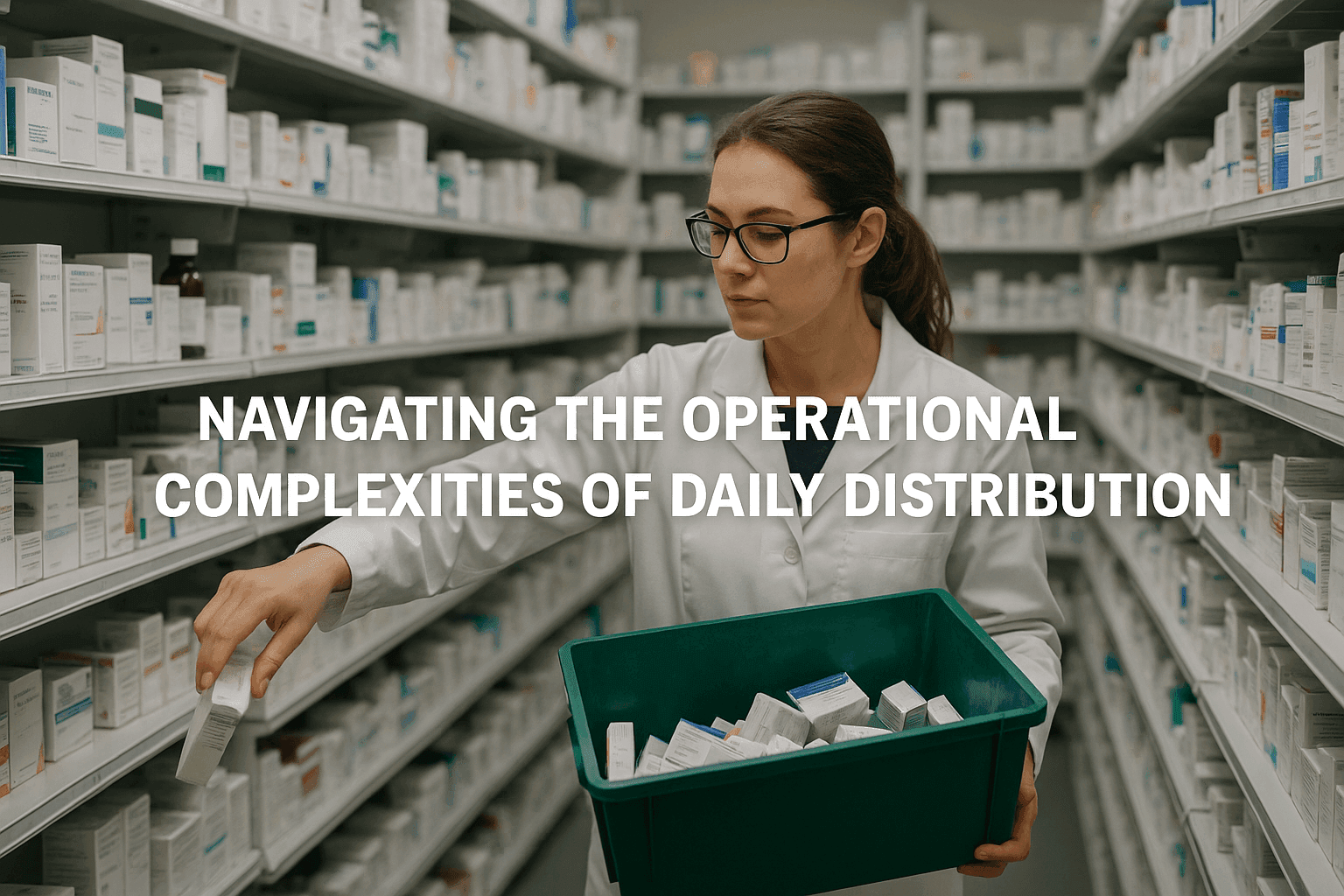
The day-to-day reality of pharmacy distribution is fraught with operational challenges that test the efficiency and resilience of any supply chain partner. Effective route planning is a constant battle, especially when catering to the dense, traffic-congested urban zones of the Klang Valley while also reaching rural clinics in East Malaysia, which may require complex intermodal transport solutions. Internally, warehouse management must be precision-engineered to handle thousands of Stock Keeping Units (SKUs), from prescription drugs and supplements to skincare and medical devices, each with its own storage requirements. A particularly critical aspect is expiry handling, where a first-expiry-first-out (FEFO) system is mandatory to minimize wastage and ensure product safety.Furthermore, large retail chains like Guardian, Watsons, Caring, and Healthlane have their own specific requirements for delivery windows, packaging, and electronic data interchange (EDI), adding another layer of complexity. The perpetual balancing act between stock availability and the risks of out-of-stock (OOS) situations or costly overstock creates a high-stakes environment where data-driven forecasting becomes an essential tool for success.
The table below illustrates a common performance comparison that brand managers and pharmacy chains use to evaluate their distribution partners, highlighting the critical metrics that separate adequate service from a strategic partnership.
| Performance Indicator | Basic Distributor | Strategic Distribution Partner |
|---|---|---|
| Order Accuracy Rate | ~97% | >99.5% |
| On-Time In-Full (OTIF) Delivery | Subject to significant variability | Consistently high (>98%), especially for key accounts |
| Cold Chain Compliance | Basic monitoring, potential for excursions | Continuous monitoring with unbroken data loggers & alerts |
| Shelf-Life Management | Standard FEFO | Proactive expiry reporting and slow-mover management |
| Response to Stock-Outs | Reactive notification | Proactive allocation and reliable ETA communication |
The efficiency and reliability of the distribution network have a direct and undeniable impact on the commercial success and operational performance of every retail pharmacy in Malaysia. There is a clear and direct link between distribution accuracy and shelf availability; when the right products arrive at the right time and in the right condition, pharmacies can consistently meet consumer demand, protect revenue, and, most importantly, ensure patient adherence to critical medication regimens. This partnership extends beyond simple delivery into a coordinated effort for promotional activities, new product launches, and even planogram execution. A distributor that can seamlessly support a pharmacy’s promotional calendar by ensuring extra stock for a campaign or efficiently rolling out a new product line provides a significant competitive advantage. Reducing OOS incidents is a shared goal, as every lost sale represents not just a missed revenue opportunity but also a potential breach of trust with a customer who may turn to a competitor. The entire model relies on a tailored and effective collaboration that aligns the objectives of all parties involved.
From the Pharmacist’s Perspective: The primary need is for predictable and reliable stock, particularly for prescription medicines. An out-of-stock situation for a chronic disease medication doesn’t just mean a lost sale; it can have serious health implications for a patient and damage the pharmacist-patient relationship, which is built on trust.
From the Distributor’s Perspective: Success hinges on establishing efficient order cycles and clear communication channels with pharmacies. Predictable ordering patterns allow for better warehouse planning and route optimization, creating a more efficient and cost-effective operation for everyone.
From the Brand Manager’s Perspective: The perfect execution of marketing campaigns and new product launches is entirely dependent on the distributor. If a heavily advertised product is not on the shelf when the consumer arrives, the entire marketing investment is wasted, and brand credibility suffers. They require a distribution partner that functions as an extension of their own sales and marketing team, ensuring flawless in-market execution.
Learn more : How do pharmacies manage drug shortages

The landscape of pharmacy distribution in Malaysia is undergoing a profound shift, driven by a wave of digital transformation that is enhancing both operational efficiency and supply chain reliability. Modern tools are no longer a luxury but an essential component for any distributor aiming to meet the complex demands of the market. Inventory automation systems and digital ordering platforms are becoming standard, allowing pharmacies to seamlessly place orders and distributors to manage stock levels with unprecedented precision, minimizing the risks of both overstock and stock-out situations. The integration of delivery tracking systems and sophisticated cold-chain monitors provides real-time visibility into shipment location and integrity, offering peace of mind for temperature-sensitive products. Furthermore, the adoption of AI for demand forecasting is moving the industry from reactive replenishment to proactive supply chain management, anticipating needs based on historical data, seasonal trends, and even local health outbreaks. The true power, however, is unlocked through seamless system integrations between distributors and major pharmacy chains like Watsons or Caring, creating a cohesive data ecosystem that streamlines everything from purchase orders to financial reconciliation. While these technologies dramatically improve speed and accuracy, they cannot replace the expert compliance knowledge required to navigate Malaysia’s strict regulatory environment; the most effective operations combine cutting-edge digital tools with deep-seated regulatory expertise.
Learn more : The Effect of Digital Transformation on the Pharmaceutical Sustainable Supply Chain Performance: The Mediating Role of Information Sharing and Traceability | Digital Transformation in Pharma: Reshaping the Supply Chain
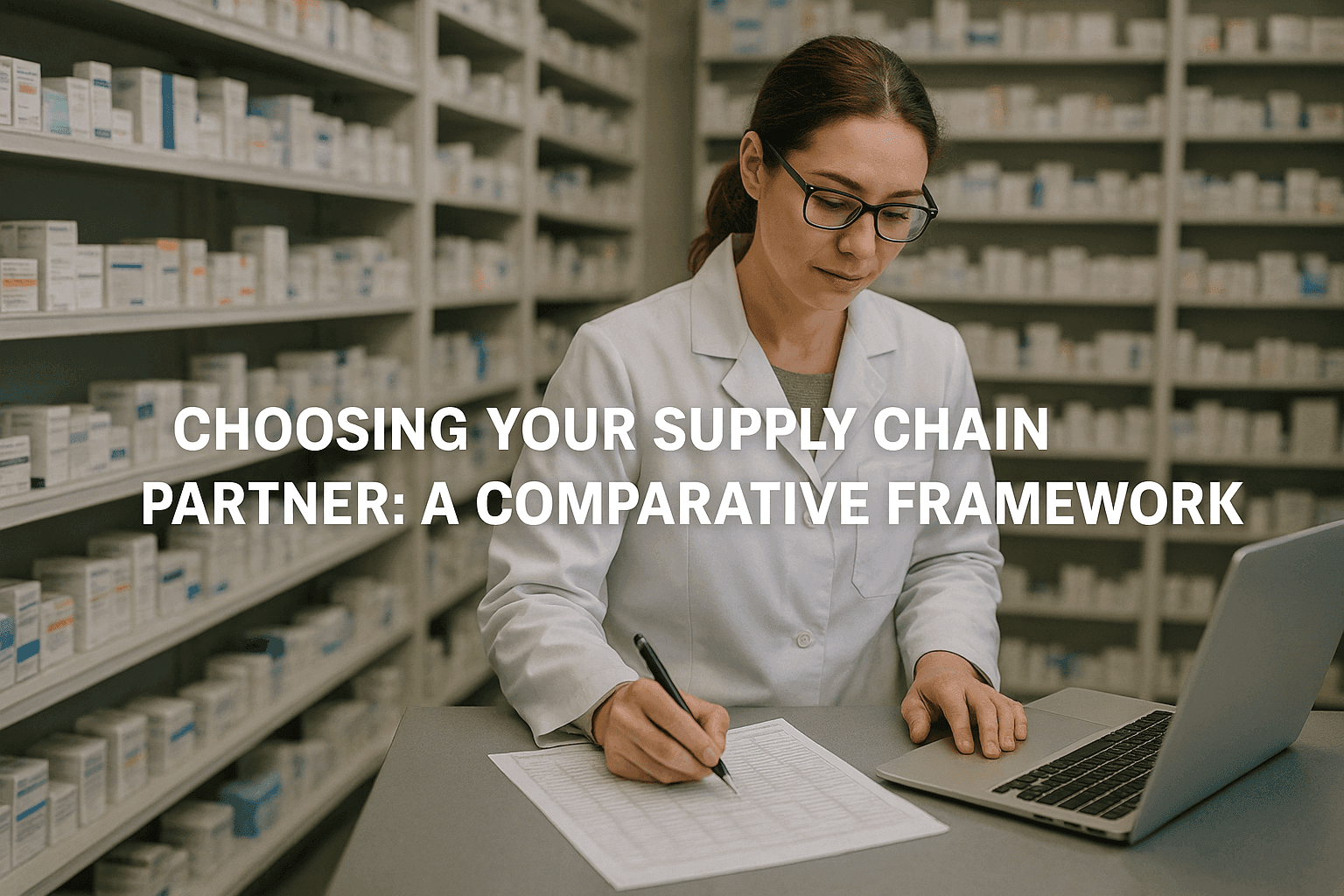
Selecting the right supply chain partner is a strategic decision that can define a brand’s or pharmacy’s success in the Malaysian market. The choice often boils down to two primary models: the nimble independent pharmacy distributor and the extensive large-scale wholesale networks. Each offers a distinct set of advantages tailored to different business needs and operational philosophies. An independent distributor typically provides a high degree of flexibility and tailored support, able to adapt quickly to unique requests or urgent needs from a single pharmacy in Kota Bharu or a small chain in Seremban. Their speed of response is often faster due to less bureaucratic layers. In contrast, a large wholesale distributor operates on a model built for scale, offering efficient and standardized processes that ensure reliable nationwide coverage, from Johor Bahru to Alor Setar. Their compliance capability is often underpinned by proven, enterprise-level systems with comprehensive audit trails, which can be particularly reassuring for international brand owners. The following table outlines the core differences to guide this critical selection process.
| Evaluation Criteria | Independent Pharmacy Distributor | Large Pharmacy Wholesale Distributors |
|---|---|---|
| Operational Flexibility | High; capable of tailored support and custom routing | Lower; follows structured, systematic routing for maximum efficiency |
| Compliance & System Capability | Reliable, but can be constrained by operational capacity and technology investment | Proven enterprise-level systems with robust, unbroken audit trails |
| Speed & Personalization of Response | Faster decision-making and more personalized account management | Efficient but often more rigid, with processes optimized for volume over customization |
| Cost & Pricing Structure | Can be variable, sometimes offering negotiated rates for specific scenarios | Typically standardized, leveraging volume to create competitive pricing |
| Relationship with Major Chains | Varies and depends on the distributor’s specific network and history | Generally stronger and more entrenched due to the volume and consistent service levels provided |
Building an effective pharmacy distribution strategy in Malaysia requires a deliberate and multi-faceted approach that aligns business objectives with on-the-ground realities. It begins with sophisticated demand planning, moving beyond simple historical sales data to incorporate factors like promotional calendars, seasonal illness trends, and new product launches. This foundational step informs the critical choice of distributor model—whether the personalized approach of an independent partner or the vast network of a large wholesaler is the right fit for your brand’s reach and service-level requirements. The cornerstone of a modern strategy is data-driven decision making, where insights from sell-through reports and analysis of restocking cycles provide a clear picture of product performance at the shelf level, enabling proactive inventory adjustments.
Furthermore, a strategic partnership extends beyond logistics to include Point-of-Sale Material (POSM) coordination and merchandising alignment, ensuring that marketing campaigns are fully executed at the store level to drive consumer engagement. To measure success, brands and pharmacies must track a clear set of Key Performance Indicators (KPIs), including geographic coverage, service uptime, out-of-stock percentage, and order fulfilment rate, as these metrics directly reflect the health of the distribution partnership and its impact on commercial outcomes.
From the Brand Manager’s Perspective: The strategy must ensure that the chosen distributor acts as a true extension of the brand, capable of executing detailed launch plans and maintaining perfect on-shelf availability to protect brand equity and marketing investments. They require a partner that is not just a logistics provider but a trusted ally in market penetration.
From the Pharmacist’s Perspective: The strategy is about reliable access to a comprehensive product portfolio with minimal administrative burden. They need a distributor that offers a user-friendly ordering platform, predictable delivery cycles, and proactive communication regarding stock shortages or delays, allowing them to focus on patient care.
From the Distributor’s Perspective: An effective strategy is built on transparent communication and collaborative planning with their partners. They seek long-term relationships where shared data and forecasts enable them to optimize their own operations, ensuring they can consistently meet and exceed the service level agreements that underpin their value proposition.
The future of pharmacy distribution in Malaysia points toward an era of heightened sophistication, integration, and scrutiny. We can anticipate increasing regulatory oversight from bodies like the NPRA, particularly concerning the integrity of the cold chain and the traceability of high-risk products, making compliance an even more essential part of daily operations. The market will likely see more cross-border distributors entering Malaysia, intensifying competition but also bringing international best practices and advanced technological solutions. Automation will continue to permeate distributor-pharmacy operations, with advancements in warehouse robotics and automated replenishment systems further driving efficiency and reducing human error. Simultaneously, ESG (Environmental, Social, and Governance) and sustainability demands will become a significant differentiator, pushing distributors to adopt greener packaging, optimize delivery routes for lower carbon emissions, and demonstrate ethical business practices. The most significant evolution will be the deeper integration of merchandising, digital marketing, and distribution into a single, seamless ecosystem, where data from online consumer engagement directly influences physical supply chain movements, creating a truly responsive and consumer-centric model that requires expert coordination to manage successfully.
The pharmacy distribution service is far more than a background operation; it is an essential artery of Malaysia’s healthcare system, directly influencing patient safety, medication adherence, and the commercial vitality of retail pharmacies. The ability to get the right product, to the right location, at the right time, and in the right condition is a complex logistical achievement with profound implications. As the industry evolves with technological advancements and stricter regulations, the partnership between pharmacies, brands, and their distributors will only grow in importance. Future-ready pharmacy chains and successful brand owners understand that their growth is intrinsically linked to the reliability, expertise, and strategic capability of their chosen supply chain partners. In a market as dynamic and demanding as Malaysia’s, a trusted distribution relationship is not just a logistical convenience—it is a fundamental pillar of sustainable success.
Q1: Who is the 7 star pharmacist?
Answer:
The “7-star pharmacist” is a concept introduced by the World Health Organization (WHO). It describes seven essential roles a pharmacist should embody: caregiver, communicator, decision-maker, teacher, lifelong learner, leader, and manager. It is not a title for one person but a competency framework for all pharmacists.
Q2: Which are the top 5 MNC pharma companies?
Answer:
Based on global revenue rankings (2024), the top 5 multinational pharmaceutical companies are generally: Pfizer, Roche, Johnson & Johnson (J&J), Merck & Co., and Novartis.
Q3: Who are the big 3 pharma distributors?
Answer:
In the United States, the “Big 3” pharmaceutical distributors are: McKesson, AmerisourceBergen (now Cencora), and Cardinal Health. They control the majority of U.S. pharma distribution volume.
Q4: What are the top 10 pharmaceutical companies?
Answer:
Global rankings vary slightly by year, but the common top 10 include:
1. Pfizer
2. Roche
3. Johnson & Johnson
4. Merck & Co.
5. Novartis
6. AbbVie
7. Sanofi
8. AstraZeneca
9. GSK (GlaxoSmithKline)
10. Bristol Myers Squibb (BMS)
Q5: Which country is No. 1 in pharma?
Answer:
The United States is the world’s No. 1 pharmaceutical market, leading in drug innovation, market size, R&D investment, and global sales.
Q6: Is Pfizer a top 5 pharma?
Answer:
Yes. Pfizer consistently ranks within the top 5 largest pharmaceutical companies in the world based on revenue and market valuation.
Q7: Who is the richest pharma?
Answer:
If referring to the wealthiest pharmaceutical company, the position usually alternates between Johnson & Johnson, Roche, and Pfizer, depending on market capitalization and annual financial performance.
Q8: Who is Pfizer’s biggest competitor?
Answer:
Pfizer’s closest competitors are Merck & Co., Johnson & Johnson, Roche, and Moderna, depending on therapeutic area (vaccines, oncology, cardiovascular, etc.).
Q9: Which company is number one in pharmacy?
Answer:
Globally, the largest pharmacy retail chain is CVS Health (USA), based on revenue and number of prescriptions dispensed. In Asia, Watsons is one of the largest retail pharmacy chains by presence.
Q10: Who leads big pharma?
Answer:
“Big Pharma” refers to the major drug manufacturers, not a single leader. However, the companies that typically dominate the industry include Pfizer, Roche, Johnson & Johnson, Merck & Co., and Novartis—considered the key leaders in global pharmaceutical innovation and revenue.