

July 1, 2025
Malaysia’s pharmacy retail sector is more dynamic than ever, with crowded shelves and overwhelming product options vying for consumer attention. In this high-stakes environment, one element remains a game-changer: the pharmacy promoter. These frontline experts don’t just hand out samples—they shape purchasing decisions on the spot, acting as the critical link between brands and buyers. Whether partnering with an independent pharmacy distributor, a regional distributor pharmacy, or a leading pharmacy distributor Malaysia relies on, your brand’s performance hinges on how effectively promoters connect with shoppers.
Gone are the days when a friendly smile and freebies were enough. Modern pharmacy promotion demands strategic, data-driven engagement, seamless alignment with in-store merchandising, and the ability to build instant credibility. It’s a fast-paced dance of psychology, product knowledge, and customer trust—all unfolding in mere seconds.
So, what separates average promoters from high-performers in Malaysia’s pharmacy distribution service network? This article breaks down the must-have qualities, training approaches, and actionable techniques that set top promoters apart—helping brands and distributors maximize their shelf impact in an increasingly competitive market.
Understanding the Role of a Pharmacy Promoter in Malaysia

In Malaysia’s bustling pharmacy sector—from household names like Guardian and Watsons to neighborhood independents—promoters aren’t just pushing products. They’re the critical link between brands and consumers, blending sales expertise with trusted health advocacy. Unlike generic retail roles, these professionals thrive on personal connection, something Malaysian shoppers especially value when choosing wellness solutions.
Structure vs. Personalization: Where Promoters Shine
Chain pharmacies operate on strict compliance frameworks, with promoters often cycling between locations. Their days involve everything from live product demos to clarifying ingredient benefits—yet store rotations can dilute long-term customer relationships. Independent pharmacies, typically serviced by specialized distributors, flip this script. Here, promoters build familiarity, becoming recognizable faces who understand regulars’ needs over time.
Beyond Sales: The Hidden Roles of Pharmacy Promoters
Customer Insights Hub – They’re frontline listeners, gathering feedback about product reactions or usage challenges that brands might miss.
Retail Experience Architects – From optimizing shelf layouts to ensuring promotional displays grab attention, they amplify in-store impact.
Pharmacist Allies – While pharmacists validate a product’s credibility, promoters dive deeper—explaining why a collagen supplement absorbs faster or how a glucose monitor simplifies tracking.
Imagine a senior citizen confused about multivitamin options, or a first-time parent comparing infant probiotics. A skilled promoter doesn’t just recite labels—they translate complex info into relatable advice. That’s the human advantage no AI chatbot or flashy banner can replicate.
Learn more : Top 10 Role of a Clinical Pharmacist
Traits of High-Performing Pharmacy Promoters

In Malaysia’s competitive pharmacy sector, the difference between an average promoter and a top performer comes down to a unique blend of technical expertise and interpersonal finesse. But what exactly do these high-achievers do differently? Let’s explore the key traits that elevate their success:
1. Mastering the Art of Communication
The best promoters don’t just talk—they connect. Instead of overwhelming customers with complex terminology, they break down product benefits into relatable, everyday language. More importantly, they prioritize active listening over pitching, which fosters trust and makes shoppers feel understood.
2. Deep Product Expertise + Continuous Learning
Knowledge isn’t static for these professionals. Top promoters immerse themselves in product details—from skincare ingredients to supplement interactions—and regularly update their know-how through training sessions, often provided by pharmacy wholesale distributors. This agility ensures they can confidently address any customer concern.
3. Operational Excellence in Retail Spaces
Consistency is their hallmark. Whether it’s adhering to planograms, ensuring displays are pristine, or punctually sharing insights with distributor reps, elite promoters treat retail discipline as non-negotiable. These habits prevent lost sales from poor visibility or stock issues.
4. Reading the Room (and the Customer)
Technical specs matter, but emotional intelligence seals the deal. A warm smile, perceptive body language reading, and genuine empathy often resonate more than a rehearsed script. Shoppers remember how a promoter made them feel—not just what they said.
Real-World Proof: During a recent audit, a probiotic promoter at an Alpro pharmacy boosted sales by 38% in just four weeks. Her strategy? Combining bilingual fluency, meticulous shelf maintenance, and authentic health discussions that addressed individual needs.
How Promoters Influence Consumer Behavior and Sales

In today’s crowded pharmacy aisles, promoters are the secret weapon that bridges the gap between products and shoppers. While shelves overflow with options, these frontline ambassadors deliver the final nudge that turns indecision into a sale. NielsenIQ research confirms it—70% of fast-moving consumer goods (FMCG) purchases are decided right in the store. And pharmacies? They’re no exception.
When it comes to health and wellness, credibility is king. A knowledgeable promoter doesn’t just list benefits—they connect them to the shopper’s unique needs. That personalized touch transforms hesitant browsers into confident buyers. Whether it’s recommending a gentle moisturizer for reactive skin or a joint supplement for aging parents, their advice elevates brand perception in ways no ad ever could.
Why Promoters Are Your Hidden SEO Powerhouse
Personalized suggestions: They tailor recommendations in real time.
Shelf-level persuasion: Face-to-face interactions sway choices more than packaging.
Loyalty through trust: Repeat customers stem from genuine, helpful exchanges.
Smart pharmacy distributors don’t just hire promoters—they empower them. With proper training, clear demo protocols, and live inventory tracking, these micro-influencers become unstoppable at checkout. After all, even the best products need a human voice to shine.
Learn more : How Health Product Decisions Are Made In‑Store | The New Science of Customer Emotions
Promoter Success Factors in Independent vs Chain Pharmacies

Chain Pharmacies: Structure Meets Consistency
In larger retail chains, promoters typically operate within a more rigid framework. While they may have less freedom to personalize their approach, they benefit from steady customer traffic and standardized training programs. Performance metrics here are usually well-defined, focusing on daily sales targets, product sampling numbers, and upselling success rates. The predictability of these environments can be an advantage, but it may also limit adaptability.
Independent Pharmacies: Relationship-Driven Success
Smaller, independent pharmacies offer a different dynamic. Promoters here have the opportunity to cultivate deeper connections with both pharmacists and repeat customers. This often leads to stronger trust and increased loyalty, translating to higher repeat purchases. However, this model relies heavily on reliable distributor support—ensuring consistent stock availability, point-of-sale materials, and compliance with audit requirements. Without these, even the best promoter efforts can fall short.
Key Challenges to Consider
Low foot traffic in rural or small-town locations
Irregular promoter attendance or gaps in training
Supply chain inconsistencies affecting product availability
Optimizing Promoter Performance
To maximize results, brands should:
Customize strategies based on store format
Align promoter strengths with the local customer base
Leverage flexible distribution networks to prevent stockouts
By tailoring approaches to each store type, businesses can enhance promoter effectiveness—no matter the retail environment.
Learn more : Independent Pharmacy vs. Chain Pharmacy: What are the Differences?
Distributor Pharmacy Strategies to Train and Support Promoters
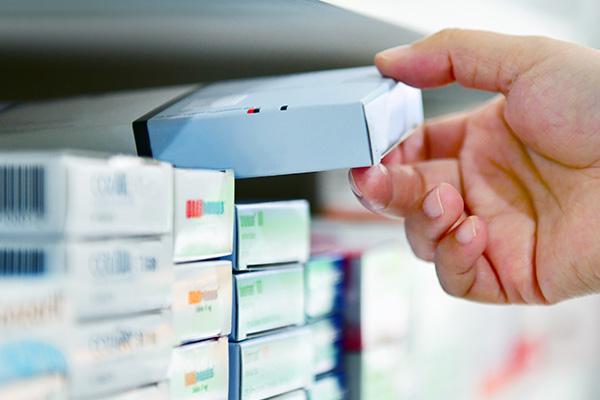
In Malaysia’s competitive distributor pharmacy sector, the most successful teams don’t just assign promoters—they empower them. Here’s a breakdown of the key components that separate average training from systems that drive real results:
1. Structured, Dynamic Learning
Gone are the days of one-size-fits-all training. Leading programs incorporate interactive modules covering essentials like product specs, customer objection techniques, and realistic role-playing scenarios. To keep promoters sharp, some companies leverage mobile platforms for instant updates—ensuring teams never rely on outdated info during in-store demos.
2. Clear Protocols for Customer Interactions
Consistency is everything. Top-performing distributor pharmacies implement step-by-step SOPs for in-store engagement, detailing everything from the initial greeting to sampling tactics and tailored recommendations. This eliminates guesswork and ensures every promoter delivers a uniform brand experience.
3. The Right Tools for the Job
Equipping promoters with practical resources is non-negotiable. Common supports include:
Digital aids: Tablets with instant access to product databases or CRM-linked apps
Collateral: Shelf talkers, simplified usage guides, and leave-behind leaflets
Feedback mechanisms: QR-code surveys or quick-rating forms to capture customer reactions
Real-World Success Story
One Malaysia-based distributor pharmacy revamped its sunblock promoter strategy by integrating CRM-enabled tablets across Guardian stores. Promoters could instantly check inventory, access customer purchase history, and personalize recommendations. The outcome? A 45% surge in customer engagement within two months, measured by sampling-to-sales conversions.
Learn more : 7 Pharmacy Merchandising Tips | The Role of Employee Training in Effective Pharmacy Merchandising
Measuring Promoter Effectiveness: KPIs That Matter

You’ve probably heard the saying, “What gets measured gets managed.” But when it comes to brand promoters in pharmacies, which KPIs actually matter? Tracking the right metrics—both hard numbers and softer indicators—helps ensure promoters deliver real value. Here’s how to gauge their impact effectively.
Quantifiable Performance Indicators (Hard Metrics)
Promoters need clear, data-driven goals. Start by monitoring:
Sales per shift – Daily revenue directly tied to the promoter’s efforts.
Demo-to-purchase conversion rate – How many product demonstrations actually lead to sales?
Upsell success – The percentage of customers persuaded to buy higher-margin items.
These figures reveal whether promotional activities translate into tangible business outcomes.
Qualitative Indicators (Soft Metrics)
Numbers alone don’t tell the whole story. Supplement hard data with:
Customer feedback scores – Post-interaction surveys highlight satisfaction levels.
Pharmacist evaluations – Since pharmacists observe promoters daily, their input is invaluable.
Shelf compliance – Are displays well-stocked, tagged correctly, and aligned with brand standards?
Putting It All Together
Modern tools simplify tracking. Many pharmacy distributors provide integrated dashboards, letting brands monitor promoter performance across multiple locations in real time.
For example, a realistic benchmark might be: 3 sales and 2 feedback submissions per 10 demos, plus 100% shelf tag accuracy. While not flawless, this mix of metrics offers a balanced way to assess and guide promoter efforts.
By combining measurable outcomes with observational insights, brands can refine strategies—ensuring promoters don’t just look busy but actually drive results.
Learn more : KPIs: What Are Key Performance Indicators? Types and Examples
Collaboration Between Brand Owners and Pharmacy Distributors

Promoter success isn’t the responsibility of just one team—it’s a collaborative effort. Why? Because the customer journey involves multiple touchpoints, and no single entity controls them all. Brands deeply understand their products, distributors excel at managing retail networks, and promoters connect directly with customers. When these groups work in sync, the results are far stronger than any solo effort.
How Brands Can Strengthen Promoter-Distributor Partnerships
For promoters to truly shine, brands need to empower them—through their distributors. Here’s how:
Plan ahead: Share annual promotion schedules and campaign details early so distributors and promoters can prepare.
Provide the right tools: Ensure distributors have up-to-date marketing materials, demo kits, and product samples.
Keep messaging consistent: Align communication across digital ads, in-store displays, and promoter scripts to avoid mixed signals.
Communication Strategies That Drive Results
Smooth coordination is key. Try these tactics:
Create regional WhatsApp groups for instant updates, troubleshooting, and sharing best practices.
Share weekly promoter insights with both distributors and brand teams—feedback loops improve execution.
Rotate product samples regularly to keep promotions fresh and prevent customer disengagement.
When executed well, distributor networks—like those in Malaysia’s pharmacy distribution services—become more than just logistics partners. They transform into powerful marketing channels that amplify brand reach and drive sales.
By fostering collaboration between brands, distributors, and promoters, businesses can turn fragmented efforts into a unified growth engine. After all, success is a team sport—not a solo race.
Common Mistakes to Avoid When Deploying Promoters

Hiring based solely on appearance is a common misstep many brands make. While an attractive promoter might draw initial attention, real success comes from charisma, strong communication skills, and genuine enthusiasm. A polished smile won’t close sales if the promoter lacks product knowledge or fails to engage customers effectively.
Another critical oversight? Inadequate product training. Even seasoned promoters need continuous updates, particularly when new products hit shelves. Without proper education, they risk misrepresenting features or benefits—leading to lost sales and frustrated customers. A structured training program ensures consistency and confidence in every interaction.
Many brands also neglect standardized retail procedures. Without clear guidelines on shelf placement, signage, or promotional displays, execution becomes erratic. A well-defined planogram keeps messaging cohesive, reinforcing brand identity and maximizing impact.
Perhaps the biggest mistake is failing to collaborate with pharmacists. When promoters work in harmony with pharmacy staff, credibility soars. Pharmacists often influence customer decisions, so their endorsement can make or break a campaign. For instance, one brand had to recall a cold-and-flu promoter after pharmacists noticed inaccurate claims. The lesson? Always align training materials with pharmacist-approved information to maintain trust and compliance.
By addressing these pitfalls—prioritizing skill over looks, investing in ongoing training, establishing retail standards, and fostering pharmacist partnerships—brands can significantly boost their in-store success.
Exceptional pharmacy promoters don’t just happen—they’re developed through structured training, mentorship, and a supportive ecosystem. What sets them apart is their unique skill in making health decisions relatable, a crucial advantage in Malaysia’s competitive and fast-evolving pharmacy retail sector.
Brands that stay ahead recognize three key pillars for success:
Ongoing Training & Quality Checks – Regular upskilling and audits ensure promoters stay sharp, informed, and aligned with brand standards.
Strong Partnerships with Distributors – Seamless collaboration with pharmacy networks builds trust and amplifies reach where it matters most.
Performance Analytics – Tracking KPIs with real data removes guesswork, letting brands refine strategies for better ROI.
It doesn’t matter if you’re in skincare, supplements, or over-the-counter healthcare—the right distributor and well-trained promoters can dramatically boost your market presence. A strategic approach transforms shelf visibility into consistent sales.
How can we assist you today? 😊
Just let us know—we’re here to help!