

February 10, 2026
Learn more: Good Distribution Practices (GDP) for Pharmaceutical Products – World Health Organization
Learn more: How Malaysia’s Pharmacy Distribution Network Supports Healthcare Growth
Learn more: The Global Use of Medicines: Outlook Through 2027 – IQVIA I
The Global Benchmark: How International Distributors Compare in the Malaysian Market
When evaluating pharmacy wholesale distributors, the allure of global giants is undeniable. These multinational corporations bring immense scale, cutting-edge digital infrastructure, and a proven track record across continents. However, the critical question for a Malaysian pharmacy or brand manager is not about global prowess, but about local operational effectiveness. A side-by-side examination reveals that strategic alignment and on-the-ground execution are where the real battle for partnership is won. While global entities like Cardinal Health or Sinopharm offer formidable logistics networks and GDP certification, their Malaysia integration can vary from deeply embedded to merely indirect. This disparity highlights a fundamental truth: presence does not automatically equate to deep market understanding or responsive local support. The comparative advantage often shifts towards distributors who combine international standards with nuanced, domestic expertise.
| Capability Metric | Global Distributor (e.g., McKesson, Cardinal Health) | Local/Regional Expert (e.g., DKSH, Zuellig Pharma, PriooCare) |
|---|---|---|
| Regional Presence & Focus | Broad, global footprint with a potential secondary focus on Southeast Asia. | Primary focus on Asia, with dedicated, in-country teams and networks. |
| Regulatory Navigation (NPRA) | May rely on local affiliates or third parties; processes can be less streamlined for Malaysian-specific product registration. | Direct, expert handling of MAL vs. NOT numbers, KKM submissions, and ongoing compliance, often with bilingual support. |
| Cultural & Retail Nuance | Strategies can be standardized; adaptation to local store formats, planogram needs, and consumer behavior may be slower. | Inherent understanding of retail pharmacy landscape, Bahasa Melayu POSM, and regional preferences (e.g., SKU sizes for urban vs. rural clinics). |
| Supply Chain Responsiveness | Potential for longer lead times due to centralized logistics and complex customs clearance procedures. | Agile, localized inventory and last-mile delivery networks designed for speed and reliability within Malaysia. |
| Risk Mitigation & Support | Support may be structured through tiers; proactive, daily partnership on issues like cold chain breaches can be less immediate. | Acts as a direct risk buffer, offering hands-on oversight and rapid intervention to protect pharmacy partners from regulatory penalties. |
Learn more:The Economic Impact of Pharmacy Distribution Services on Malaysia’s Healthcare Sector | Pharmaceuticals Market Data and Analysis – Statista
Through the Pharmacy Lens: Mitigating Risk in International Sourcing
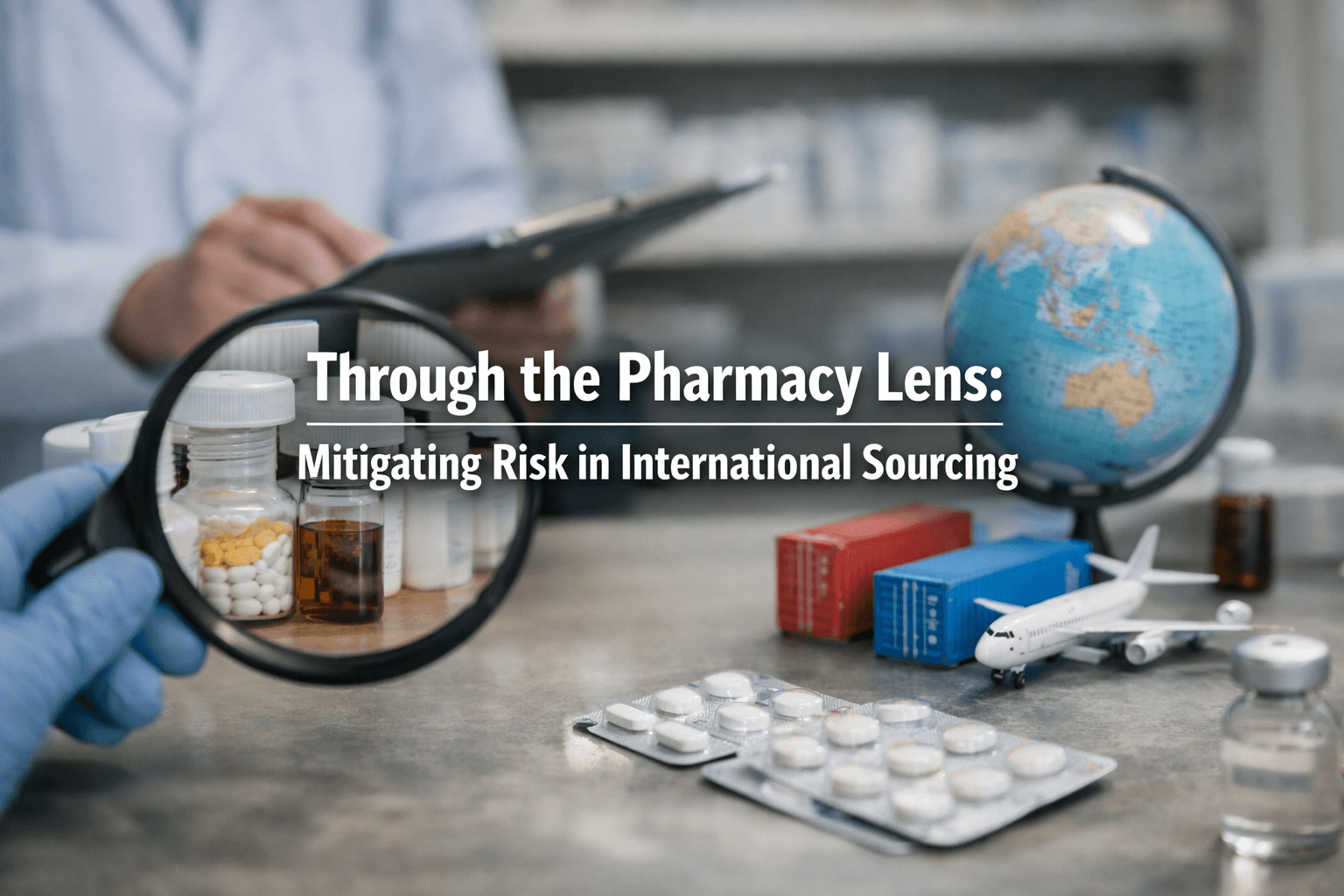
For the Malaysian pharmacy owner or hospital procurement manager, sourcing from global distributors opens a world of product access but also introduces a labyrinth of operational risk. The promise of a broader portfolio must be weighed against very real vulnerabilities. Lengthy lead times, often exacerbated by unpredictable customs clearance, can disrupt stock freshness and patient access. A more severe compliance risk emerges when global suppliers are not fully versed in the National Pharmaceutical Regulatory Agency (NPRA) framework, leading to shipments held at ports due to incorrect product categorization or missing import permits. Perhaps the most precarious gap is in last-mile integrity: a temperature-controlled shipment from Europe means little if the final delivery van in Kuala Lumpur lacks validated cold storage, risking spoilage of high-value biologics or vaccines.
This is precisely where a trusted local pharmacy distributor transforms from a vendor into an essential risk management partner. Entities like PriooCare function as a strategic buffer, intercepting potential failures before they reach the pharmacy shelf. They provide documentation assurance, conducting proactive compliance checks to verify every product’s chain-of-custody under Good Distribution Practice (GDP). Their role extends to bilingual support, ensuring no detail is lost in translation between international protocols and KKM requirements. The peril of bypassing such partners is stark: sourcing from unverified, often online, third-tier importers directly exposes pharmacists to product seizure, significant financial loss, and damage to hard-earned professional credibility. In an ecosystem where patient safety is paramount, an efficient procurement process is non-negotiable, but it must be built on a foundation of unshakable regulatory compliance.
Learn more: What Is Pharmacy Distribution?
The Imperative of Local Adaptation in Strategic Partnerships
Why do even the world’s top distributors need local allies to succeed in Malaysia? The answer lies in the profound operational nuances that define the country’s healthcare retail environment. A global go-to-market strategy, no matter how effective elsewhere, will stumble without tailored adaptation to Malaysian shelf planning protocols, store-level merchandising, and even subtle cultural preferences in product presentation. Global brands often learn this lesson through costly launch delays. Consider a real-world scenario: a European dermocosmetic brand, distributed by a top-tier international player, underperformed significantly in Johor Bahru pharmacies. The issue wasn’t product quality, but a lack of localized execution. The turnaround came only when local merchandisers were engaged to realign planograms for smaller store formats, adjust point-of-sale materials to resonate in Bahasa Melayu, and conduct face-to-face pharmacist training on the product’s unique benefits.
This on-the-ground intelligence is what ensures brand compliance, maintains stock rotation for freshness, and ultimately drives customer engagement. Local merchandising services provide the crucial link between a distributor’s warehouse and the pharmacist’s recommendation. They are the eyes and ears, reporting on competitor activity, sell-through rates, and promotional effectiveness. Consequently, astute global distributors are increasingly seeking proven, reliable partnerships with domestic experts who can close this execution gap. They understand that a strategic partnership in Malaysia is less about moving boxes and more about cultivating shared success through deep market immersion. This collaborative model, blending global scale with local savvy, creates a resilient and responsive supply chain capable of meeting unique market demands.
Future-Proofing the Channel: Key Trends Shaping Distribution by 2027
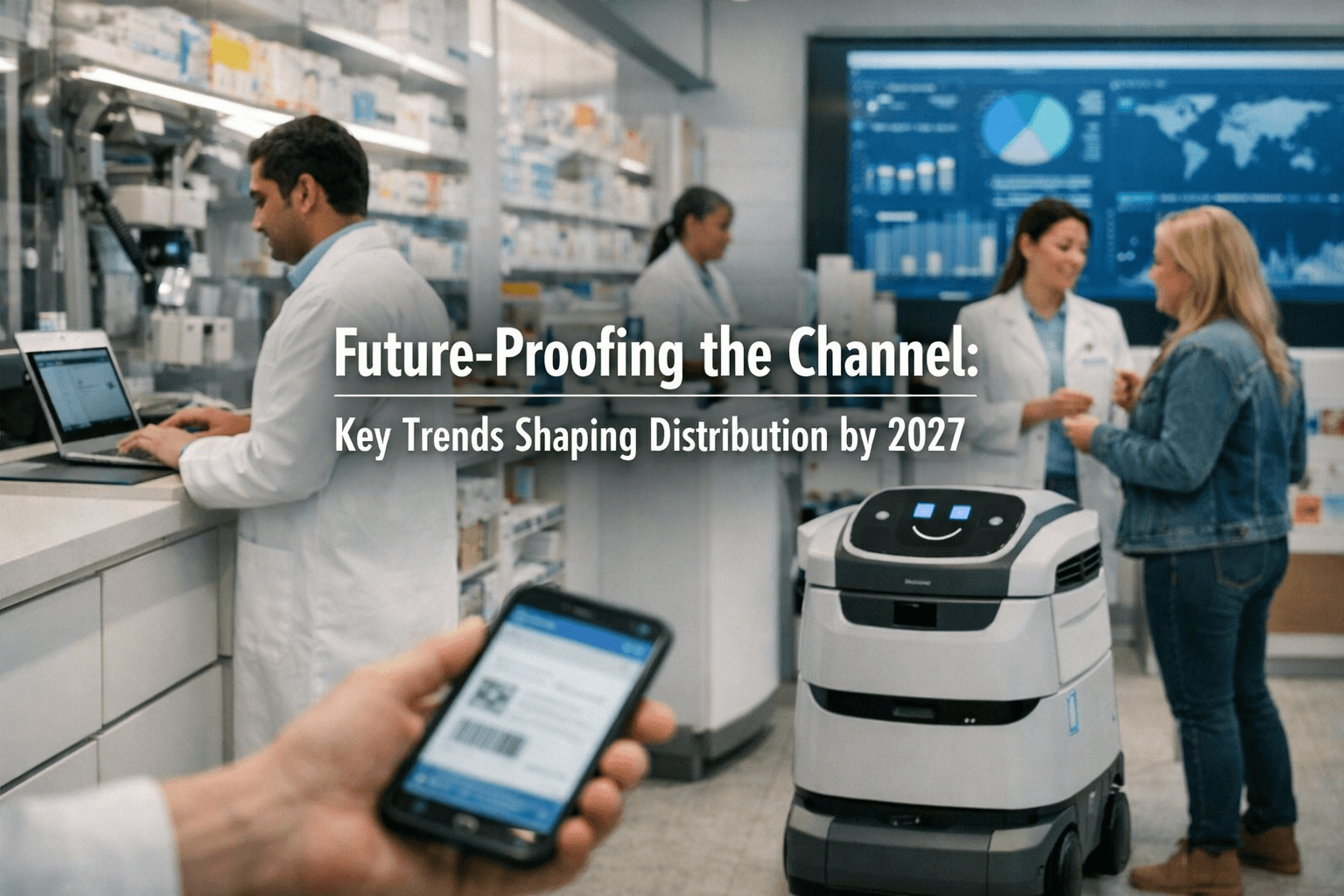
The landscape of pharma distribution into Malaysia is on the cusp of a transformation, driven by technology and evolving supply chain models. Pharmacy wholesale distributors and their partners must look ahead to stay competitive. A dominant trend is the automation of cold chain logistics. The rise of specialty medicines, biologics, and next-generation vaccines demands more than just refrigerated trucks. We are moving toward real-time, sensor-based monitoring where every pallet transmits its location, temperature, and humidity, enabling predictive intervention before spoilage occurs. This isn’t just about GDP compliance; it’s about preserving the efficacy of life-saving, high-cost therapies and building unbreakable trust with healthcare providers.
Simultaneously, AI-driven demand forecasting tools, specifically calibrated for Southeast Asian consumption patterns, will move from luxury to necessity. These systems can account for regional festival seasons, local disease outbreaks, and prescription trends, allowing distributors and pharmacies to optimize inventory and reduce wastage. Another significant shift is the maturation of Direct-to-Pharmacy (DTP) models, supported by robust digital procurement platforms. These platforms allow pharmacies to order directly from manufacturers or major distributors, streamlining the process but also placing greater emphasis on the need for a local logistics partner to handle the final leg with expert care. For Malaysia, positioned as a growing bridge between Western innovation and ASEAN demand, these trends represent an opportunity to build more resilient, transparent, and efficient supply chains. The distributors who will lead are those investing in this convergence of global technology and local operational expertise.
Learn more: Life Sciences Insights: Pharmaceutical & Healthcare Supply Chains – McKinsey & Company
Navigating the Partner Selection Process for 2026 and Beyond
The path forward for Malaysian pharmacies and healthcare brands is clear: think globally but execute with local precision. Aligning with the world’s top distributors provides undeniable advantages in procurement efficiency, product reach, and innovation access. However, without the critical layer of domestic adaptation and regulatory guardianship, even the most sophisticated global strategy can falter. The selection of a supply chain partner therefore becomes one of the most strategic decisions a business can make.
When evaluating potential distribution partners, a structured framework is essential. First, scrutinize their compliance bedrock: valid GDP certification and demonstrable cold chain reliability with unbroken audit trails. Second, assess their regulatory competency: can they provide hands-on support with NPRA documentation and navigate the intricacies of product registration? Third, and equally vital, evaluate their cultural and operational alignment: do they offer or partner with local merchandising teams who understand how to win in a kedai runcit in Kelantan versus a hospital pharmacy in Penang? The goal is to find a partner that embodies a dual expertise—mastery of global logistics standards and embedded experience within Malaysia’s unique commercial and regulatory environment. This synergy is what transforms a simple vendor relationship into a trusted, strategic alliance that drives sustainable growth.
Frequently Asked Questions (FAQ)
Q1: Who is the largest pharmaceutical distributor in the world?
Answer: By scale and revenue in pharmaceutical distribution, McKesson is widely cited as the largest, and it is consistently described as the largest U.S. healthcare company by revenue.
Q2: Who are the big 3 pharmaceutical distributors?
Answer: The “Big Three” drug wholesalers are McKesson, Cencora, and Cardinal Health (they account for the vast majority of U.S. drug distribution by revenue).
Q3: What are the 10 largest pharmaceutical companies in the world?
Answer: Rankings vary by methodology (total revenue vs. pharma-only sales). One commonly cited top-10 by pharma sales includes: Pfizer, Johnson & Johnson, AbbVie, Merck & Co., Roche, Sanofi, AstraZeneca, Novartis, Bristol Myers Squibb, and GSK.
Q4: Who is Pfizer’s largest competitor?
Answer: It depends on the therapy area, but Pfizer’s major global competitors commonly listed include Johnson & Johnson, Roche, Merck & Co., AbbVie, Eli Lilly, and Novo Nordisk.
Q5: Who are the big 5 in pharma?
Answer: A frequently referenced “top 5” by large-company revenue rankings places Johnson & Johnson, Roche, Merck & Co., Pfizer, and AbbVie at the top.
Q6: Who are the three big wholesalers?
Answer: The three biggest pharmaceutical wholesalers (often called the “Big Three”) are McKesson, Cencora, and Cardinal Health.
Q7: Who is the king of pharma?
Answer: There’s no official “king of pharma.” If you mean largest by pharmaceutical sales (recent year), industry rankings have placed Pfizer at the top of the leaderboard.
Q8: Who are the top 20 pharma companies?
Answer: A widely referenced industry list (by 2024 revenue) ranks the top group with Johnson & Johnson, Roche, Merck & Co., Pfizer, and AbbVie at the top, followed by other global leaders (e.g., Novartis, Sanofi, AstraZeneca, etc.) in the wider top-20 set.
Q9: Which country is no. 1 in pharma?
Answer: By market value/sales, the United States is the world’s largest pharma market; North America (U.S. & Canada) is reported as the biggest region by share in 2024.
Q10: Who are AstraZeneca competitors?
Answer: AstraZeneca competes with other research-based pharma multinationals across oncology, CVRM, respiratory, immunology, and rare disease—commonly named peers include Pfizer, Merck & Co., Roche, Novartis, Johnson & Johnson, and GSK (among others).
How can we assist you today? 😊
Just let us know—we’re here to help!