

Why should Malaysian pharmacy professionals, brand owners, and healthcare administrators pay close attention to the operations of global pharma distributors in 2027? The answer is deceptively simple yet operationally profound: distribution determines destiny. It dictates whether life-saving medications arrive on time, remain compliant with stringent regulations, and stay commercially viable in an increasingly competitive market. Across continents, pharmacy wholesale distributors function as the critical arteries of the pharmaceutical supply chain, meticulously moving prescription drugs, over-the-counter (OTC) products, medical devices, and ultra-sensitive temperature-controlled biologics across thousands of healthcare facilities daily.
In the current landscape, market concentration among leading players in the wholesale drug distribution model continues to exert significant influence on pricing stability, aggregated procurement power, and the elevation of compliance standards. These global titans are not merely logistics companies; they are strategic architects investing heavily in cold chain logistics healthcare systems, end-to-end digital pharmacy supply chain integration, and warehousing processes rigorously aligned with Good Distribution Practice (GDP) . Their operational maturity establishes the definitive benchmark for what the industry recognises as efficient and reliable distribution on a worldwide scale.
For Malaysia, this global paradigm shift is not an abstract concept—it is a present-day reality with tangible consequences. The landscape of pharmacy distribution service in Malaysia is being profoundly reshaped by global sourcing strategies, regional consolidation among ASEAN neighbours, and the increasingly stringent requirements of the NPRA regulatory framework. Both independent pharmacy distributor networks and large, established distributor pharmacy organisations must now rapidly adapt to rising expectations surrounding traceability, Environmental, Social, and Governance (ESG) reporting , and the complex dynamics of pharmaceutical market access Malaysia.
This detailed analysis is not merely a ranking of corporate giants by revenue. It provides strategic, trusted, and essential benchmarking insights for local stakeholders. Malaysian brand owners, skincare companies venturing into pharmaceutical adjacencies, and distribution professionals can leverage this examination to critically evaluate potential partnership models, strengthen the resilience of the pharmaceutical supply chain Malaysia, and identify proven systems that are worth adapting for local operational realities. Understanding how global leaders navigate complexity gives Malaysian stakeholders clarity—not hype—on what truly sustainable and scalable growth looks like in this high-stakes industry.
The Anatomy of the Global Pharmaceutical Distribution Ecosystem
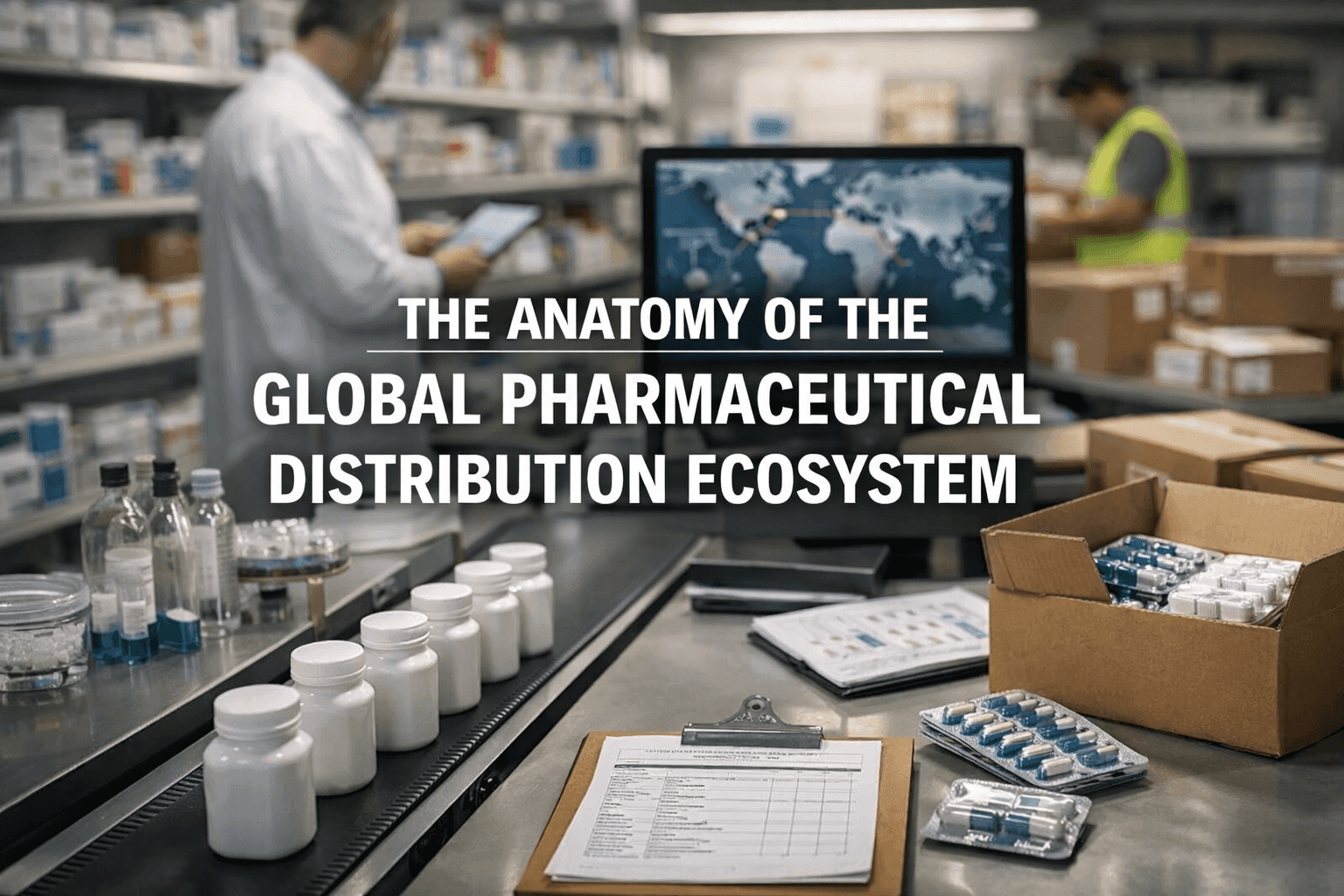
How do multinational distributor pharmacy networks actually function behind the scenes, away from public view? At its core, the global pharmaceutical distribution ecosystem is an exquisitely integrated system encompassing strategic sourcing, high-density warehousing, predictive inventory optimisation, and precise last-mile delivery. Large healthcare logistics providers maintain sprawling, multi-country operations, supported by automated distribution centres and sophisticated pharmacy inventory management systems that leverage real-time data.
These vast networks typically operate on a refined hub-and-spoke wholesale drug distribution model. This architecture involves:
Centralised Mega-Warehouses: Serving as primary national or regional entry points for goods.
Regional Distribution Hubs: Acting as intermediate storage and sortation points closer to demand centres.
Temperature-Controlled Transport Fleets: Ensuring product integrity from warehouse to pharmacy door.
Digitally Synchronised Retail Pharmacy Connections: Enabling automated ordering and inventory visibility for partners.
Within this structure, cold chain logistics healthcare systems have emerged as the definitive differentiator. The global surge in demand for vaccines, insulin, biologics, and specialty drugs—all of which demand unwavering controlled temperature environments—has made sophisticated infrastructure investment non-negotiable. A single breach in the cold chain can render millions of ringgit worth of product worthless and, more critically, endanger patient safety.
Market power within this sphere remains concentrated among a select group of global pharma distributors that dominate North America, Europe, and key parts of Asia-Pacific. Their immense scale affords them unique advantages: negotiated pricing leverage with manufacturers, direct partnerships for exclusive product launches, sophisticated risk pooling mechanisms to buffer against shortages, and the ability to maintain regulatory alignment across multiple jurisdictions simultaneously. However, it is crucial to note that independent pharmacy distributor models continue to play a vital and irreplaceable role in niche and regional markets. These agile players often provide tailored service levels, faster local decision-making, and closer, more consultative relationships with pharmacists.
For stakeholders in the pharmacy distributor Malaysia landscape, the lessons from this global structure are clear and actionable:
Prioritise Investment: Allocate capital toward achieving proven GDP compliance Malaysia standards, not just meeting the minimum requirements.
Enhance Visibility: Actively strengthen digital pharmacy supply chain visibility to match the transparency offered by global peers.
Adopt Strategy: Shift from transactional, short-term buying to developing robust strategic sourcing frameworks that build long-term resilience.
While the scale of Malaysia’s market differs vastly from the United States or the European Union, the core principles of efficient, data-driven warehousing, reliable cold chain execution, and expert compliance governance remain universally applicable and critical for survival.
Learn more: Global Supply Chain Solutions for the Pharmaceutical Industry | 2025 Supply Chain Benchmark Report
2027 Ranking Methodology: Beyond Revenue to Operational Excellence
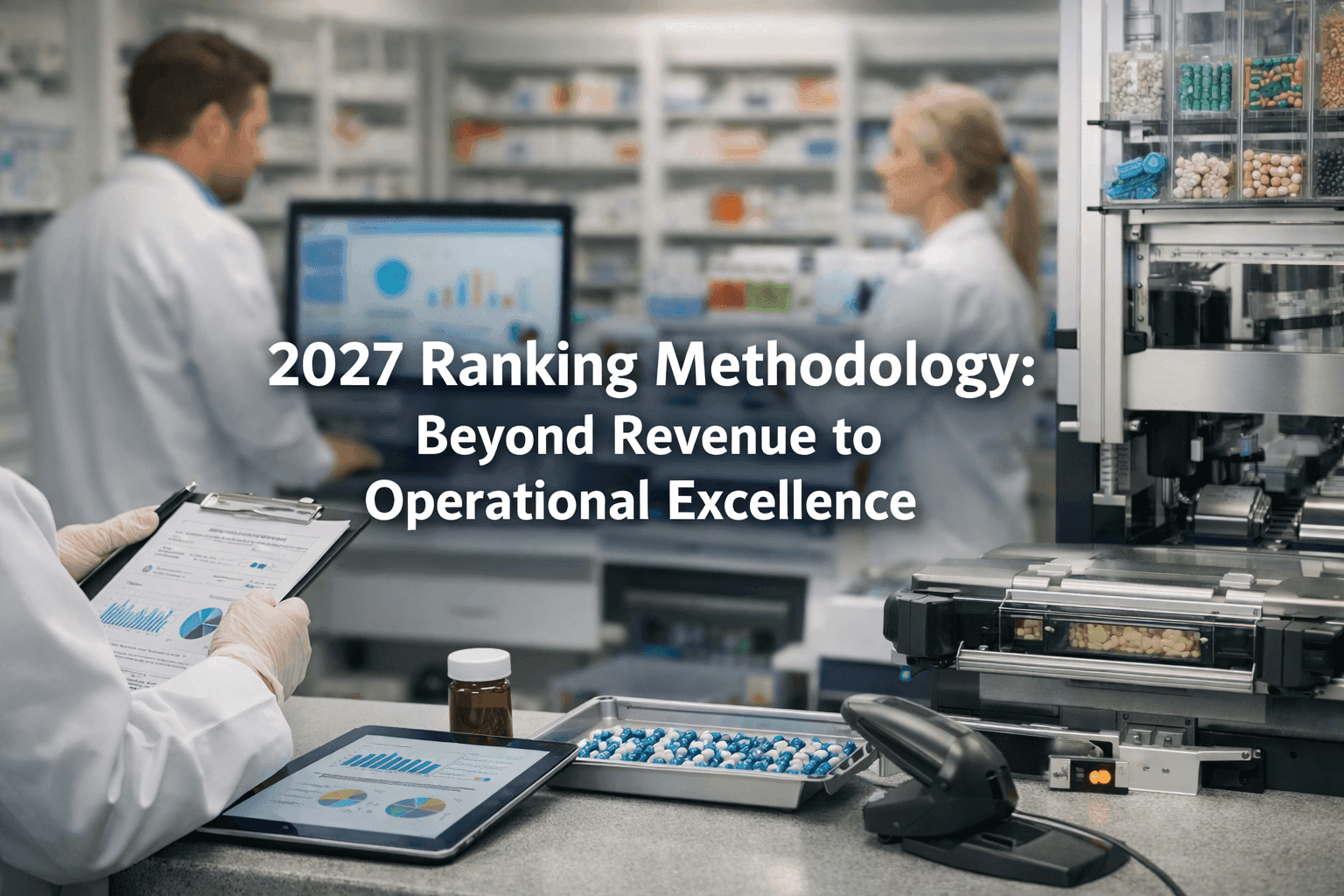
What truly defines a “top” distributor in the complex environment of 2027? Relying on revenue figures alone provides an incomplete, and potentially misleading, picture. Our evaluation framework for this ranking prioritises strategic operational strength, depth of compliance integration, and a demonstrated commitment to long-term sustainability. The criteria reflect reliable and expert benchmarking standards, designed to cut through promotional narratives and reveal genuine capability.
Key Evaluation Metrics Applied:
Global Revenue and Market Share: A baseline measure of scale and purchasing power.
Geographic Footprint: Assessment of international influence and network density.
GDP Compliance: Evaluation of adherence to global GDP standards, benchmarked against local GDP compliance Malaysia equivalents.
Cold Chain Infrastructure: Scale, technology, and redundancy of temperature-controlled assets.
Digital Traceability: Sophistication of systems for tracking product genealogy in real-time.
Manufacturer Partnerships: Depth and exclusivity of relationships with upstream suppliers.
Table 1: Comparative Evaluation Metrics for Top Global Pharmacy Wholesale Distributors
| Company | Revenue Tier | Countries Served | GDP Compliance Level | Cold Chain Capability | Digital Traceability Systems |
|---|---|---|---|---|---|
| McKesson Corp. | Tier 1 | 50+ | Advanced | Extensive, Multi-zone | Real-time ERP Integration |
| AmerisourceBergen (Cencora) | Tier 1 | 40+ | Advanced | Integrated, Specialty Focus | Blockchain-enabled Tracking |
| Cardinal Health | Tier 1 | 40+ | Advanced | Extensive | AI-driven Predictive Analytics |
| Sinopharm | Tier 1 | 30+ | High | Expanding Rapidly | National-Level Integration |
| Phoenix Group | Tier 2 | 30+ | High | Integrated Regional | Automated WMS with AI Forecasting |
| Zuellig Pharma | Tier 2 | 20+ | High (ASEAN Expert) | Multi-zone, Regional Hubs | Cloud-based, Zone-Level Visibility |
| Medipal Holdings | Tier 2 | 15+ | High | Cold Chain Excellence | Automated WMS |
| Shanghai Pharma | Tier 3 | 12+ | Certified | Growing Regionally | Standard ERP with Scanning |
| Alliance Healthcare | Tier 3 | 15+ | Certified | Moderate | Digitally Synchronised with Retail |
| HD Smith / Smith Drug | Tier 3 | 6+ | Certified | Niche / Limited | Integrated POS & WMS |
For the Malaysian market, alignment with the NPRA regulatory framework and local GDP compliance Malaysia expectations is the fundamental prerequisite for operation. By benchmarking local capabilities against these global leaders, Malaysian distributors and regulators alike can ensure that domestic standards remain not only competitive but also resilient enough to integrate with international supply chains. The data in the table underscores a clear trend: digital and cold chain capabilities are no longer differentiators but baseline requirements for any player aspiring to a strategic role.
Learn more: 2025 Supply Chain Benchmark Report
Strategic Insights from the World’s Top 10 Wholesale Pharmaceutical Distributors (2027)
Which companies are truly defining the pace of innovation in the global pharmaceutical supply chain, and what specific, actionable lessons can the Malaysian market extract from their operations? The following breakdown of the top 10 global pharma distributors in 2027 focuses on strategic takeaways, moving beyond simple company profiles to offer layered insights for pharmacists, brand managers, and local distributors.
1. McKesson Corporation
A US-based titan, McKesson continues to set the standard for integrated healthcare logistics providers. Its dominance is built on automated distribution centres, an AI-enabled pharmacy inventory management system, and deep, decades-long manufacturer relationships.
Strategic Strength: Digital synchronization and scalable infrastructure investment.
Malaysia Implication: Local players must prioritise investment in similar digital tools to achieve the efficient inventory turns and service reliability that large pharmacy chains and hospitals now demand.
2. AmerisourceBergen (Cencora)
Renowned for its focus on specialty drug distribution, Cencora has perfected the reliable transport of biologics and adherence to complex regulatory landscapes.
Key Capability: Expertise in controlled-temperature supply chains for high-value therapies.
Malaysia Implication: As Malaysia’s healthcare system adopts more specialty biologics, the demand for proven specialty logistics expertise will grow, influencing pharmaceutical market access Malaysia for these costly but essential drugs.
3. Cardinal Health
By combining medical device and pharmaceutical distribution, Cardinal Health offers an efficient, integrated logistics model that reduces complexity for healthcare providers.
Key Capability: Multi-category integration and supply chain consolidation.
Malaysia Implication: Malaysian distributor pharmacy operators can explore similar integration models to become a one-stop solution for clinics and hospitals, enhancing their value proposition.
4. Sinopharm
As China’s state-backed giant, Sinopharm commands significant influence across Asia-Pacific, demonstrating the power of scale and government alignment.
Key Capability: Massive purchasing power and national infrastructure control.
Malaysia Implication: This highlights how strategic government-linked support can create formidable healthcare logistics provider entities, a model that influences regional trade flows.
5. Phoenix Group
With a strong foothold in European pharmacy retail, Phoenix showcases the power of vertical integration.
Key Capability: Seamless connection between wholesale distribution and retail pharmacy operations.
Malaysia Implication: For Malaysian pharmacy chains, this proven model offers a blueprint for capturing greater margin and ensuring consistent service quality across owned outlets.
6. Zuellig Pharma (Asia-Pacific)
This is arguably the most directly relevant player for Malaysia. Operating extensively across Southeast Asia, Zuellig Pharma has developed expert compliance alignment and robust GDP infrastructure tailored to the region’s diverse regulatory environments.
Key Capability: Deep understanding of ASEAN market nuances and regulatory pathways.
Malaysia Implication: Their regional hubs in Singapore and Thailand increasingly dictate sourcing flows and best practices for pharmacy distribution service in Malaysia, making them a benchmark for operational excellence.
7. Medipal Holdings
Representing Japan’s rigorous quality culture, Medipal’s networks emphasise precision, cold chain excellence, and unwavering quality assurance.
Key Capability: High-reliability logistics and meticulous process adherence.
Malaysia Implication: Their model underscores the commercial value of building a reputation for flawless execution, a trusted trait that commands premium partnerships.
8. Shanghai Pharma
With a growing regional footprint and international ambitions, Shanghai Pharma is an emerging force.
Key Capability: Expanding international reach backed by strong domestic scale.
Malaysia Implication: They represent the increasing influence of Chinese capital and operational models on the regional supply chain.
9. Alliance Healthcare (Walgreens Boots Alliance)
This entity leverages its global retail parentage to integrate wholesale and retail operations efficiently across Europe.
Key Capability: Data sharing and inventory optimisation between wholesale and retail arms.
Malaysia Implication: Demonstrates the power of using retail data to inform wholesale purchasing, a concept applicable to large local pharmacy groups.
10. HD Smith / Smith Drug Company
A prime example of a successful independent pharmacy distributor in the US, proving that smaller players can thrive.
Key Capability: Tailored service, niche expertise, and strong, personal relationships with independent pharmacists.
Malaysia Implication: This is a vital reminder for local independents that agility and personalised service are powerful effective competitive weapons against larger, impersonal corporates.
Across this diverse group of organisations, several powerful patterns emerge:
Digital transformation is non-negotiable.
Cold chain logistics healthcare investment is essential for future relevance.
Regulatory governance must be integrated into daily operations, not treated as a reactive, periodic exercise.
Data-driven pharmacy inventory management system controls are the key to reducing waste and improving profitability.
For Malaysia, the ultimate lesson is not about attempting to imitate the sheer scale of these giants. It is about system adaptation—carefully selecting and implementing the principles, technologies, and compliance standards that align with local market conditions and future growth aspirations.
Translating Global Best Practices into Malaysian Operational Reality
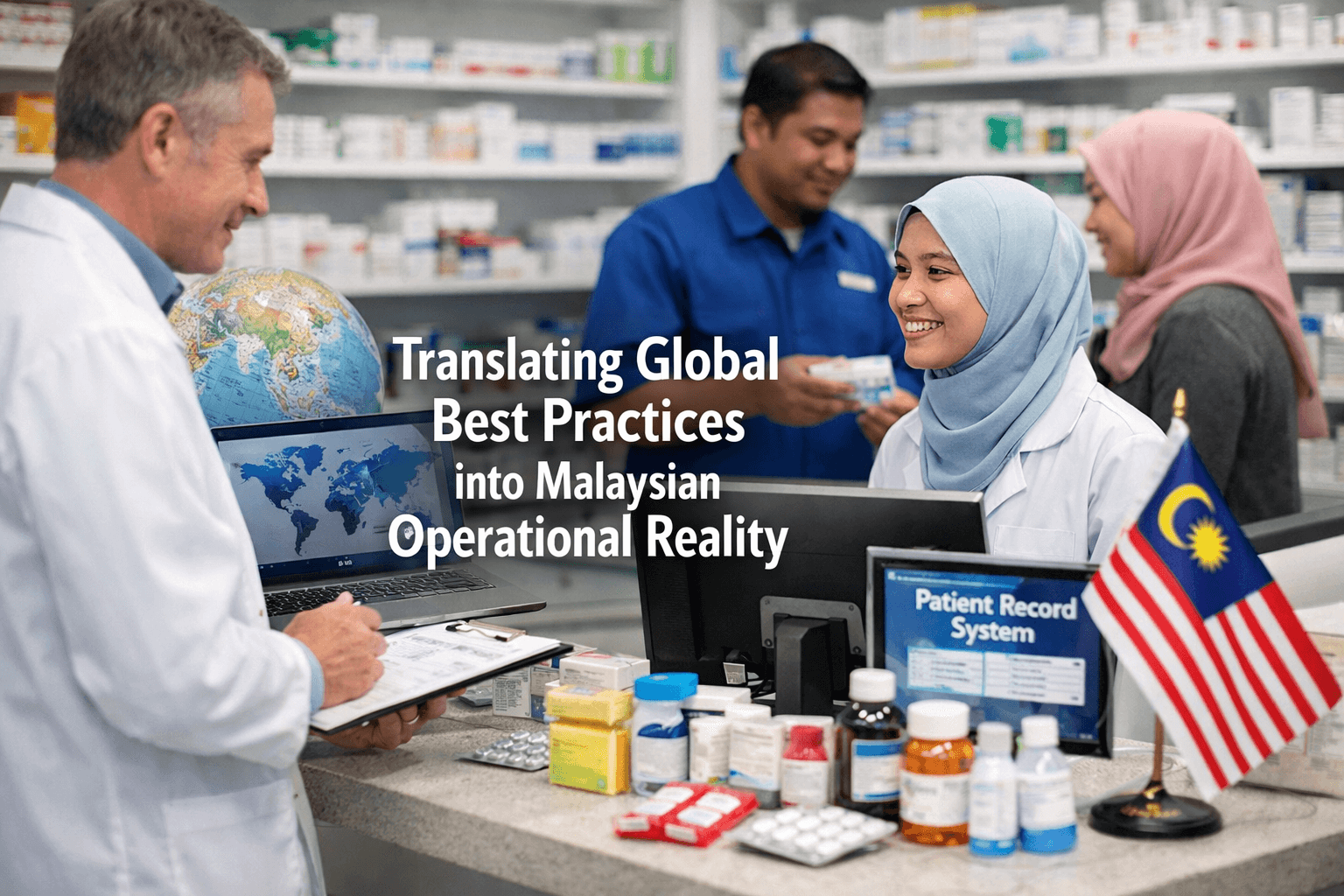
How can pharmacists, brand managers, and local distributors in Malaysia move from observing global trends to actively implementing them for tangible, local advantage? The translation of insight into action requires examining the supply chain from multiple perspectives within the Malaysian ecosystem.
From the Pharmacist’s Perspective:
For the pharmacist managing a clinic or retail outlet, the relationship with a distributor is the primary determinant of inventory stability. Reliable distributor pharmacy partnerships are the bedrock of patient trust, ensuring that chronic disease medications are consistently in stock and that acute prescriptions can be filled without delay.
Practical Implication: Pharmacists must evaluate partners based on their cold chain assurance, particularly for vaccines which are increasingly scrutinised under NPRA regulatory framework guidelines. A partner’s ability to provide proof of temperature integrity throughout transit is now as important as their price list.
From the Brand Manager’s Perspective:
For managers launching new pharmaceutical or premium skincare products, the route to market is paved with logistical and regulatory prerequisites. Market entry strategy must realistically assess pharmaceutical market access Malaysia hurdles.
Practical Implication: Success hinges on selecting a partner who can navigate the entire process: from managing listing negotiations with regulatory bodies, to preparing comprehensive GDP compliance documentation, to ensuring digital traceability from warehouse to shelf. Structured partnerships with experienced healthcare logistics providers ensure a smoother, faster onboarding process compared to fragmented, transactional arrangements.
From the Local Distributor’s Perspective:
For Malaysian-owned distribution companies, the challenge is to upgrade infrastructure and capabilities to meet rising client expectations. This involves concrete, often capital-intensive, steps:
Infrastructure Scaling: Moving beyond basic warehousing to implement proper zoning, temperature mapping, and automated storage systems.
Technology Adoption: Upgrading from basic accounting software to a pharmacy inventory management system that offers real-time visibility and predictive analytics.
Compliance Deepening: Embedding GDP standards into every standard operating procedure, not just preparing for an annual audit.
The resilience of the entire pharmaceutical supply chain Malaysia ecosystem depends on this collective effort to upgrade. By learning from global benchmarks and adapting their principles to the local context—whether through adopting proven digital tools, investing in reliable cold chain infrastructure, or fostering expert regulatory knowledge—Malaysian stakeholders can build a system that is not only more efficient but also fundamentally more trusted by the healthcare professionals and patients it serves. The future of healthcare delivery in Malaysia depends on it.
Learn more: How to Identify a KKM Approved Cosmetic Label (2026 Edition)
Independent Pharmacy Distributor vs. Large-Scale Wholesale Models
Is bigger always better in pharmaceutical distribution? It’s a question that often plagues brand managers and pharmaceutical companies when they first plan their market entry or expansion strategy. The instinct might be to gravitate towards the largest, most recognizable names, equating size with security and capability. However, the reality of the Malaysian pharmaceutical landscape—a market characterized by a dense network of community pharmacies and distinct regional purchasing behaviors—suggests that the answer is far more nuanced. Bigger isn’t always better; the right fit is what truly matters.
Independent pharmacy distributor models are built on a foundation of agility. They thrive on their ability to foster closer retailer relationships, often knowing pharmacy owners by name and understanding the specific needs of a local community in Penang or Johor Bahru. This proximity allows for faster decision-making and more flexible trading terms, which can be invaluable for a new brand trying to secure shelf space. On the other side of the coin, large multinational distributor pharmacy networks offer undeniable advantages: substantial capital depth for large-scale purchases, extensive global sourcing capabilities, and the backing of advanced automation in warehousing and logistics.
From the perspective of a pharmacist in Kota Kinabalu, an independent distributor might be more responsive, offering personalized service and the ability to hand-deliver a critical order on the same day. For a brand manager, however, a multinational’s robust track-and-trace system and compliance protocols provide a layer of security that is hard to ignore. This is where strategic alignment becomes critical. Your choice must reflect your business goals, your product’s specific requirements (like cold chain needs), and your capacity to manage compliance.
Here’s a quick comparison to illustrate the trade-offs:
| Criteria | Independent Pharmacy Distributor | Multinational Distributor Pharmacy |
|---|---|---|
| Capital Investment | Moderate, allowing for focused growth. | High, enabling massive stock holdings. |
| Market Coverage | Regional or niche, with deep local roots. | National or global, with broad reach. |
| Compliance Systems | Structured and increasingly robust, often GDP-certified. | Advanced, with globally standardized protocols. |
| Digital Integration | Developing, with a focus on user-friendly interfaces. | Comprehensive, featuring complex ERP integration. |
| Flexibility | High, with customised solutions for smaller brands. | Moderate, governed by global SOPs and requirements. |
| Suitability for Malaysia | Strong in niche markets (e.g., derma-cosmetics, specialized generics). | Strong in national scale for high-volume, essential medicines. |
For a Malaysian brand aiming for deep penetration in the specialty skincare market, a trusted independent partner with a strong network in aesthetic clinics and retail pharmacies might be the more effective choice. Conversely, a multinational pharmaceutical company launching a blockbuster vaccine would necessitate the strategic scale and cold chain rigor of a large multinational distributor. The decision is not about superiority, but about suitability.
Compliance, Governance & Risk Management in Malaysia
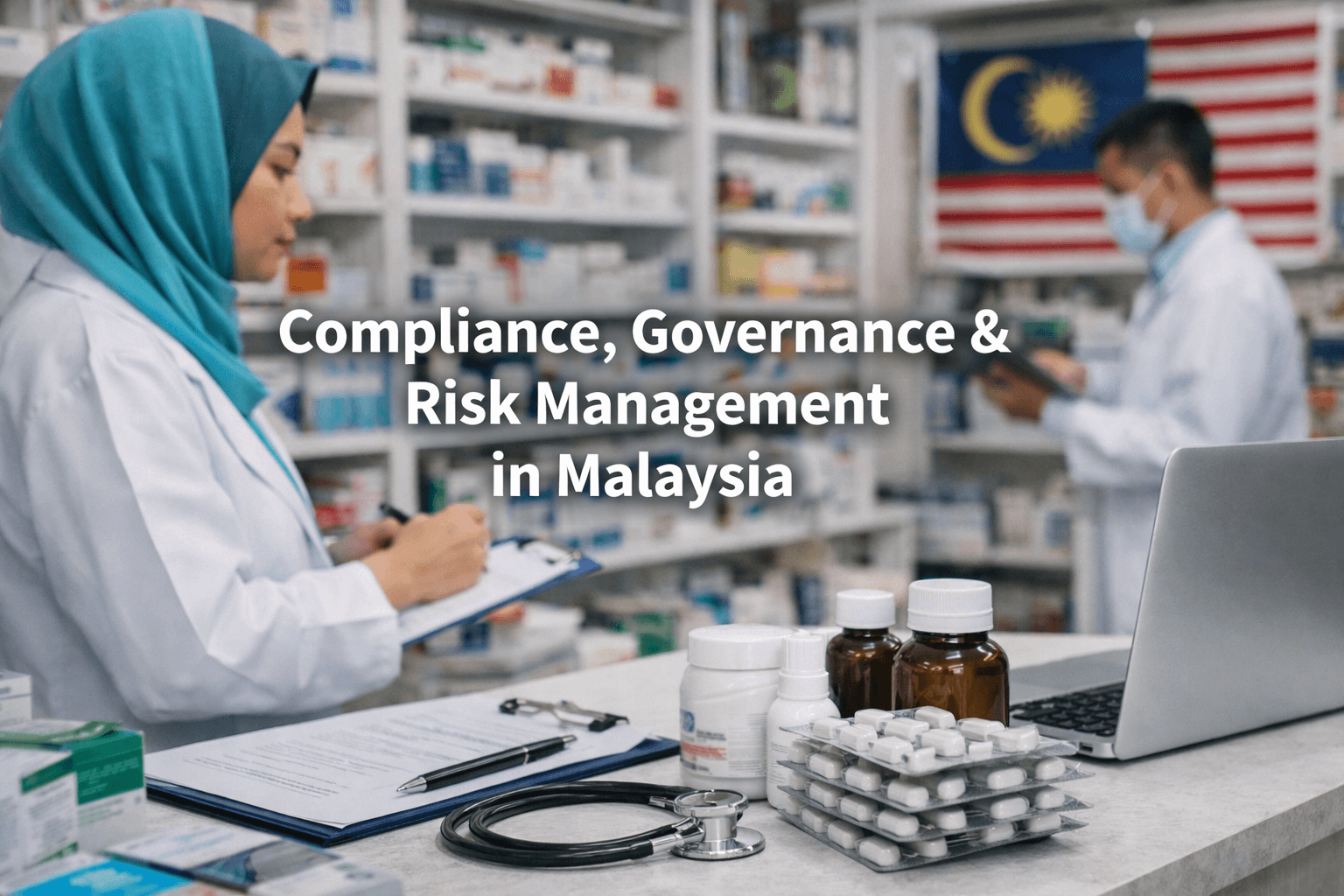
How can Malaysia strengthen regulatory integrity while scaling distribution? This is the million-ringgit question for the National Pharmaceutical Regulatory Agency (NPRA) and every player in the supply chain. As the market expands, the potential for risks—from counterfeit products to temperature excursions—also grows. The answer lies in moving beyond viewing compliance as a mere bureaucratic hurdle and embracing it as a strategic asset. Good Distribution Practice (GDP) compliance Malaysia standards are not just about ticking boxes; they are about building a resilient, reliable system that protects public health and brand equity.
Global leaders in pharmaceutical logistics demonstrate what proactive governance looks like in practice. They operate on principles of unwavering batch traceability, maintaining a digital ledger that tracks a product from the manufacturer’s dock to the pharmacy’s shelf. They implement rigorous temperature monitoring logs that go beyond simple storage checks, monitoring conditions throughout transit. Furthermore, they don’t just wait for a crisis; they conduct regular recall simulation drills to ensure that if a problem arises, they can act swiftly and efficiently to remove a product from the market. Forward-thinking organizations are also now integrating ESG (Environmental, Social, and Governance) logistics reporting into their operations, recognizing that sustainability is a key component of long-term risk management.
Malaysia’s pharmaceutical supply chain Malaysia resilience is directly proportional to the industry’s commitment to this philosophy. In a tropical climate, cold chain risk management is particularly paramount. A failure here doesn’t just mean a financial loss; it means a patient receives a compromised vaccine or insulin. An expert approach to this involves a multi-layered strategy that includes:
Real-time alerts: IoT-enabled devices that send immediate notifications if a temperature deviates from the acceptable range, allowing for instant corrective action.
Contingency routing: Pre-planned alternative delivery routes to bypass unexpected traffic, floods, or vehicle breakdowns, ensuring the integrity of time-sensitive and temperature-sensitive shipments.
Audit-ready documentation: Maintaining meticulous, digitally accessible records that can be presented to NPRA inspectors at a moment’s notice, demonstrating a culture of compliance.
Building this level of proven governance fosters a reliable industry reputation. For a pharmacist, it provides peace of mind. For a brand owner, it protects against reputational damage and product loss. In the Malaysian context, where the regulatory landscape is continuously evolving to meet international standards, a proactive stance on compliance is the most efficient way to ensure uninterrupted market access and build lasting consumer trust.
Learn more: WHO Guidelines on Good Distribution Practices (GDP) for Pharmaceutical Products | Challenges and Opportunities in Malaysia’s Pharmaceutical Supply Chain (2026 Edition)
Digital Transformation & Supply Chain Optimization
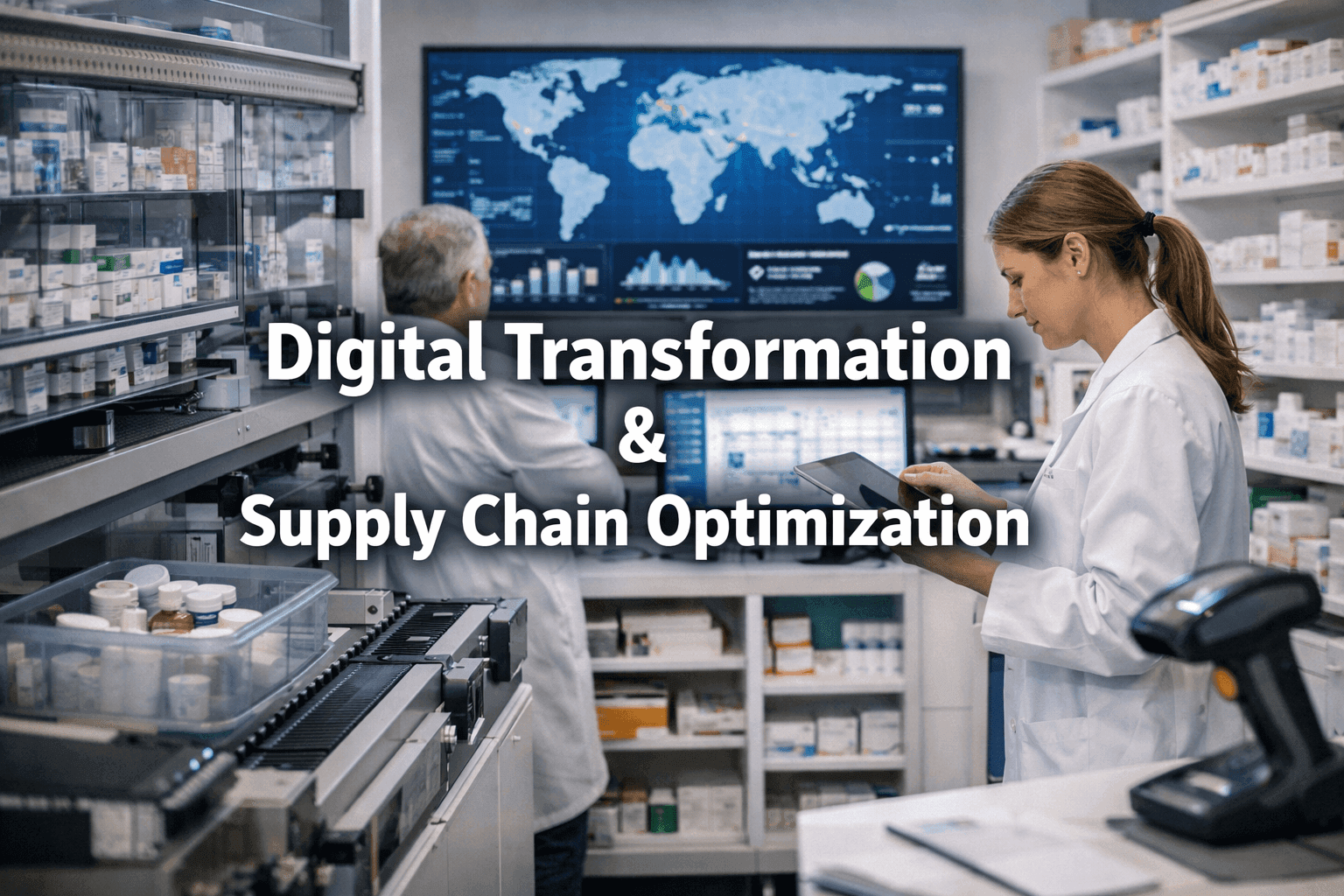
Can technology truly reduce distribution risk? The short answer is a definitive yes, but with a crucial caveat: it works best when implemented strategically, not as a collection of isolated tools. The conversation around digital pharmacy supply chain modernization has shifted from “if” to “how.” It’s no longer a luxury for a pharmacy distributor Malaysia operator; it’s becoming an essential component of a resilient business model. Technology provides the visibility and control needed to navigate the complexities of modern pharmaceutical logistics.
Consider the specific challenges faced by an independent pharmacy distributor network. They might struggle with overstocking popular items while running out of others, leading to lost sales and wasted capital. This is where AI-driven forecasting steps in. By analyzing historical sales data, seasonal trends, and even local events, these systems can predict demand with remarkable accuracy, helping distributors optimize their inventory and reduce waste. For larger operations, integrating ERP-linked pharmacy inventory management system platforms creates a single source of truth. A brand manager can log in and see exactly how their new product is moving through the channel in real-time, from the central warehouse in Shah Alam to a retail partner in Kuantan.
Furthermore, technologies like blockchain are beginning to offer unprecedented levels of product traceability. By creating an immutable record of a product’s journey, it becomes nearly impossible for counterfeit goods to enter the pharmaceutical market access Malaysia channel. This builds an extra layer of trust between the distributor, the pharmacist, and the end consumer. The benefits of this digital transformation cascade throughout the entire ecosystem:
For pharmacy distributor Malaysia operators, it means streamlined operations, reduced manual errors, and better fleet management.
For an independent pharmacy distributor, it provides the data insights needed to compete with larger players, offering brands proof of performance and market penetration.
For brand onboarding workflows, digital platforms simplify the process of sharing product information, certificates of analysis, and marketing materials, shortening the time-to-market for new launches.
In short, efficient data integration is the new backbone of supply chain resilience. It transforms distribution from a reactive, product-moving exercise into a proactive, data-driven strategic function. A distributor that can provide a brand with real-time sales data and inventory visibility is no longer just a logistics provider; they are a valuable business partner offering tailored market intelligence.
Learn more: Warehouse Management System for Integrated Supply Chain Management
Strategic Outlook: The Future of Pharmacy Distribution Service in Malaysia (2027–2030)
What will define Malaysia’s distribution landscape in the next five years? The pace of change in the pharmaceutical industry is accelerating, and the players who will thrive are those who are already anticipating the shifts on the horizon. The pharmacy distribution service in Malaysia will look markedly different by the decade’s end, evolving from a simple logistical function into a complex, integrated part of the healthcare ecosystem. Several key trends will shape this transformation.
First, expect regional consolidation. We will likely see larger players acquiring smaller, specialized distributors to expand their capabilities and geographic reach, particularly within the ASEAN region. This will be coupled with a rise in cross-border ASEAN sourcing, as businesses look beyond Malaysian borders for competitive pricing and specialized products. Simultaneously, the demand for cold chain expansion will explode, driven by the growth of biologic drugs, advanced therapeutics, and temperature-sensitive derma-cosmetics. The infrastructure for this—from specialized vehicles to validated storage—will become a key differentiator.
On the regulatory front, regulatory tightening is inevitable. The NPRA will continue to align its standards with international benchmarks like PIC/S, placing even greater emphasis on digital traceability and GDP compliance. Furthermore, ESG reporting expectations will move from a “nice-to-have” to a requirement. Major healthcare providers and government tenders will increasingly favor distributors who can demonstrate a commitment to sustainable practices, such as optimizing delivery routes to lower carbon emissions and reducing plastic packaging waste.
In this environment, a pharmacy distribution service in Malaysia must evolve beyond transactional trading into strategic ecosystem coordination. It will no longer be enough to simply move goods from Point A to Point B. The successful distributor of the future will act as a hub, connecting manufacturers, healthcare providers, regulators, and even patients. They will provide data analytics, market intelligence, and regulatory guidance. This requires a shift in mindset—a commitment to expert, tailored, and proven forward planning. The operators who invest in these capabilities today will be the ones who separate themselves as sustainable, indispensable partners tomorrow, while those who remain reactive will find themselves increasingly marginalized.
Global Benchmarks, Local Execution
The journey through the intricacies of pharmaceutical distribution underscores a fundamental truth: the world’s top global pharma distributors demonstrate that sustainable distribution depends not on any single factor, but on the harmonious integration of robust infrastructure, stringent governance, and seamless data integration. These are the pillars that support a supply chain capable of delivering life-saving medicines safely, efficiently, and reliably.
For Malaysia, the opportunity lies not in imitation—but in adaptation. We have the advantage of learning from global best practices while tailoring our execution to the unique nuances of the local market. Building a trusted, reliable, and strategic pharmaceutical supply chain Malaysia ecosystem requires a concerted effort from all stakeholders. It demands:
Strong GDP compliance Malaysia enforcement from regulators and unwavering commitment from distributors.
Aggressive digital modernization to create visibility and efficiency.
Collaborative distributor pharmacy partnerships that go beyond transactional relationships.
An uncompromising focus on cold chain excellence to protect product integrity in our tropical climate.
Frequently Asked Questions (FAQ)
Q1: Who are the largest pharmaceutical wholesale distributors?
Answer: The largest pharmaceutical wholesale distributors globally are McKesson Corporation, Cencora (formerly AmerisourceBergen), and Cardinal Health. These companies dominate drug distribution in the United States and supply thousands of pharmacies, hospitals, and clinics worldwide.
Q2: Who are the big three drug distributors?
Answer: The “Big Three” drug distributors in the U.S. are McKesson Corporation, Cencora, and Cardinal Health. Together, they control the majority of pharmaceutical distribution across the U.S. market.
Q3: Who are the big 4 in pharma?
Answer: The “Big 4” in global pharmaceutical manufacturing typically refer to Pfizer, Roche, Johnson & Johnson, and Novartis, based on revenue and global market presence.
Q4: Who is the largest medical distributor in the world?
Answer: McKesson Corporation is widely recognized as the largest medical and pharmaceutical distributor in the world by revenue.
Q5: Who are the big 5 in pharma?
Answer: The “Big 5” pharmaceutical companies commonly include Pfizer, Roche, Johnson & Johnson, Novartis, and Merck & Co.
Q6: Who is the largest wholesaler?
Answer: In pharmaceuticals, McKesson Corporation is considered the largest wholesaler globally.
Q7: Who are the big 3 pharma companies?
Answer: The “Big 3” pharma companies are often cited as Pfizer, Roche, and Johnson & Johnson, based on consistent global revenue leadership.
Q8: Who is Pfizer’s biggest competitor?
Answer: Roche and Johnson & Johnson are among Pfizer’s biggest competitors, particularly in oncology, vaccines, and specialty medicines.
Q9: What are the big 3 pharmacy chains?
Answer: In the United States, the big three pharmacy chains are CVS Health, Walgreens Boots Alliance, and Walmart Pharmacy.
Q10: What are the 10 largest pharmaceutical companies?
Answer: The largest pharmaceutical companies globally typically include Pfizer, Roche, Johnson & Johnson, Novartis, Merck & Co., AbbVie, Sanofi, AstraZeneca, GlaxoSmithKline (GSK), and Bristol Myers Squibb.
The future of healthcare in Malaysia depends on the strength of this ecosystem. It is a future built not just on moving products, but on moving with purpose, precision, and partnership.
If you are a pharmaceutical company, skincare brand owner, or distribution professional seeking to strengthen your pharmacy distribution service in Malaysia, we invite you to connect with us. Let’s have a conversation about how a truly tailored approach can make a difference for your brand.
How can we assist you today? 😊
Just let us know—we’re here to help!