
Top 1 Pharmaceutical Companies in Malaysia

To be ranked among the top pharmaceutical companies in Malaysia is to operate at the very pinnacle of an industry where precision, trust, and reach are non-negotiable. It is a designation earned through a multifaceted blend of quantitative performance and qualitative leadership, far beyond simple revenue figures. A proven leader in this space doesn’t just sell products; it orchestrates a reliable, end-to-end ecosystem that ensures critical medicines flow seamlessly from manufacturing suite to patient. The distinction hinges on several interconnected pillars: commanding market share and sales volume, pioneering innovative product development, and demonstrating an unwavering commitment to rigorous regulatory compliance. However, in the geographically and demographically diverse context of Malaysia, one pillar often becomes the ultimate differentiator: the mastery of distribution logistics. A company’s manufacturing prowess means little if its products cannot reliably reach community pharmacies in Kota Bharu, Kuching, or the heart of Kuala Lumpur. Therefore, optimizing the pharmacy wholesale distributors network is not a support function—it is a strategic core competency. This complex dance of supply chain excellence, governed by the strict standards of the National Pharmaceutical Regulatory Agency (NPRA) and the Ministry of Health (KKM), is what ultimately separates the industry titans from the rest. The leading entities are those that successfully scale their market reach while adapting with agility to Malaysia’s evolving healthcare demands, such as an aging population and rising chronic disease prevalence.
The Critical Metrics of Market Leadership
The journey to the top begins with measurable dominance. Market share is the clearest indicator of a company’s penetration and acceptance within the healthcare sector. It reflects not only sales effectiveness but also the trusted relationships a firm has built with healthcare professionals and institutions. For instance, a company leading in the cardiovascular or diabetic therapeutic segments is directly addressing Malaysia’s most pressing non-communicable disease burdens. Alongside share, year-on-year sales growth indicates momentum and the successful launch of new, effective treatments. Yet, raw commercial power is balanced by the engine of innovative product development. Top companies invest significantly in R&D, bringing novel molecules, biologics, or advanced generic formulations to market. This could involve developing more stable insulin analogs for Malaysia’s diabetic population or introducing cutting-edge monoclonal antibodies for oncology treatment in specialist hospitals. Their portfolios are not static; they evolve through strategic pipeline management to meet future health needs. This duality of commercial strength and innovation creates a powerful flywheel, but it must operate within an ironclad framework of quality.
Learn more: Top 10 Pharmaceutical Companies in Malaysia
The Non-Negotiable Pillar: Regulatory Compliance and Certifications
In pharmaceuticals, compliance is not merely a legal requirement—it is the absolute foundation of patient safety and professional trust. The regulatory landscape in Malaysia, shaped by the NPRA and KKM, is meticulously designed to ensure that every tablet, vial, and syrup bottle is safe, efficacious, and of consistent quality. For a company to be considered a leader, its adherence to these standards must be impeccable and deeply ingrained in its culture. This goes beyond basic licensing. It involves securing and maintaining world-class certifications that act as a global seal of approval. Good Manufacturing Practice (GMP) certification, for example, verifies that products are consistently produced and controlled according to the highest quality standards, minimizing risks from cross-contamination to mislabeling. Equally critical is Good Distribution Practice (GDP), which ensures the integrity of medicines is maintained throughout the entire supply chain—during storage, transport, and handling. A trusted pharmaceutical distributor must excel in GDP to prevent temperature excursions for sensitive vaccines or to guarantee that high-value oncology drugs are not diverted. Companies that consistently meet and exceed these benchmarks are viewed as reliable partners by the government, healthcare providers, and patients alike. Their compliance is a strategic asset, enabling market access and fostering long-term credibility in a sector where mistakes can have irreversible consequences.
Learn more: Key Regulations Governing Pharmacy Distribution in Malaysia | Best Practices for Compliance in Pharmaceutical Logistics – NIPRD
A Comparative View: Compliance as a Competitive Benchmark
The table below illustrates how a top-tier pharmaceutical company differentiates itself through a holistic, certified approach to quality, compared to a baseline compliant entity.
| Compliance Area | Baseline Compliant Company | Top-Tier Pharmaceutical Leader |
|---|---|---|
| Manufacturing Standards | Meets local NPRA GMP requirements. | Holds internationally recognized GMP certifications (e.g., PIC/S, EU GMP) facilitating export and demonstrating superior quality systems. |
| Supply Chain Integrity | Maintains basic GDP for primary warehousing. | Implements end-to-end GDP with real-time monitoring (temperature, location) from factory to pharmacy shelf, especially for cold chain products. |
| Pharmacovigilance | Has a system for reporting adverse drug reactions (ADRs) as mandated. | Operates a proactive, global pharmacovigilance system that actively analyzes ADR data for early risk detection and engages healthcare professionals in safety training. |
| Quality Culture | Quality is primarily the responsibility of the QA/QC department. | Quality is an enterprise-wide, leadership-driven culture with continuous improvement programs (e.g., Six Sigma) embedded in all operations. |
The Engine of Access: Pharmacy Wholesale Distributors Network
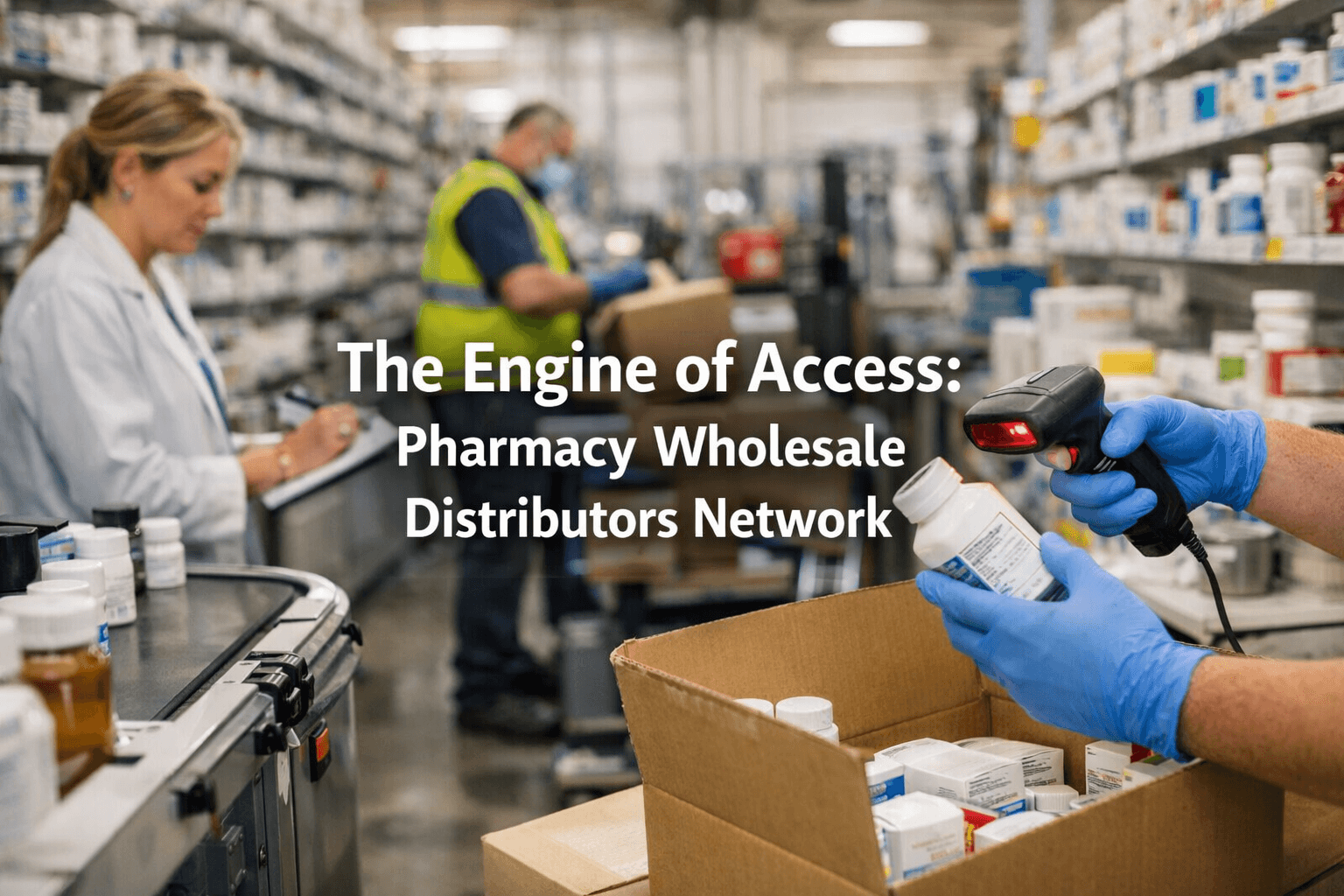
A groundbreaking medicine trapped in a central warehouse fails its fundamental purpose. Thus, the architecture and efficiency of a company’s pharmacy wholesale distributors network is where leadership is operationalized. In Malaysia, with its unique challenges of serving urban centers, remote rural clinics, and island communities, a one-size-fits-all distribution model is destined to fail. The top pharmaceutical companies build and manage strategic, multi-tiered networks that are both robust and agile. This involves partnering with national and regional logistics experts, and sometimes managing a dedicated fleet for key hospital accounts. The network’s performance is measured by key performance indicators (KPIs) like order fill rate, delivery accuracy, and lead time. For example, ensuring a consistent supply of antihypertensive drugs to government clinics across Sabah requires a reliable and resilient logistics plan that accounts for weather and geography. The strategic focus here is on creating efficient last-mile delivery solutions that prevent stock-outs at the pharmacy level, which can directly impact patient health outcomes. This network is also the vehicle for value-added services, such as providing pharmacies with inventory management support or product education, turning a transactional delivery into a tailored partnership.
Learn more: Best Pharmacy Wholesale Distributors for Bulk Purchases
The Vital Role of Independent Pharmacy Distributors
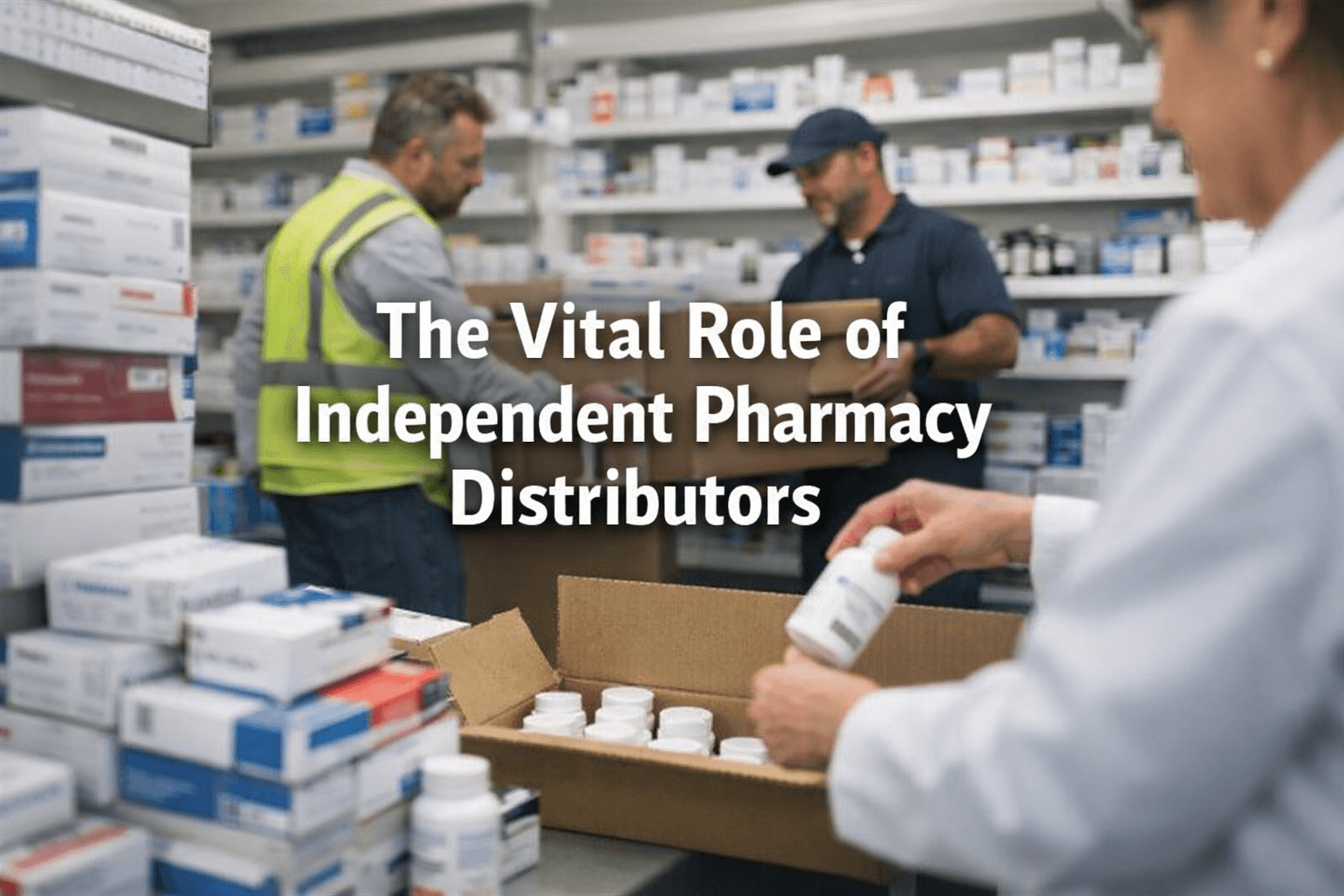
While large manufacturers have extensive resources, independent pharmacy distributors are the essential connective tissue that gives the Malaysian pharmaceutical market its remarkable reach and flexibility. These local entities act as the crucial bridge, often where larger corporate networks thin out. They provide a tailored, responsive service that is vital for independent retail pharmacies and smaller clinics. An independent distributor in Penang, for instance, might offer flexible, twice-weekly delivery schedules to accommodate the smaller storage capacity of community pharmacies, or carry a specialized range of traditional and complementary medicines alongside conventional pharmaceuticals to meet local consumer preferences. Their deep regional knowledge allows them to navigate local nuances and build strong, personal relationships with pharmacists. However, their path is fraught with distinct challenges: maintaining optimal inventory levels without the bulk purchasing power of giants, and investing in the technology and training needed to ensure strict adherence to GDP and NPRA regulations. To mitigate these challenges, a common and effective strategy is their collaboration with GMP-certified pharmaceutical firms. By sourcing quality-assured products from certified manufacturers, these distributors bolster their own credibility and ensure the integrity of the supply chain. This symbiotic relationship is a cornerstone of a robust and reliable national pharmacy network, ensuring that even the most remote communities have access to genuine, safe medicines.
Operational Scenarios: The Distributor’s Role in Action
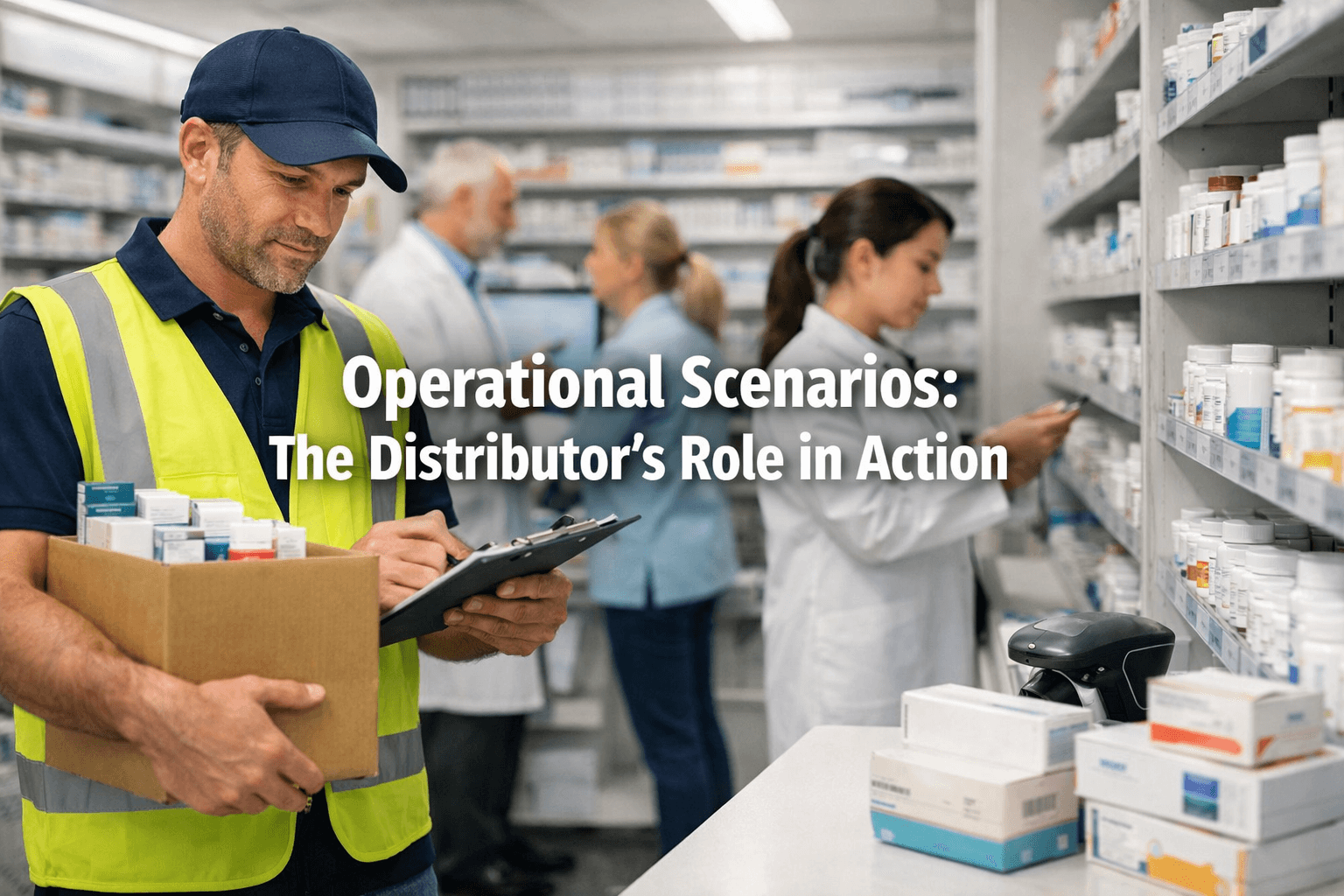
Scenario 1: Rural Access in East Malaysia: A clinic in a Sarawak village needs a specific pediatric antibiotic. A large manufacturer’s central warehouse may only deliver to major hubs in Kuching or Miri. An independent distributor based in Bintulu acts as the vital link, consolidating orders from multiple villages and executing the final, complex leg of delivery via road and river transport, ensuring timely treatment.
Scenario 2: Supporting the Community Pharmacist: A busy pharmacy in Johor Bahru faces sudden high demand for flu medication during the monsoon season. Their contracted independent distributor provides not just rapid restocking, but also shares point-of-sale data insights on moving inventory, helping the pharmacist make smarter purchasing decisions—a tailored service that builds a true partnership.
Anatomy of a Market Leader: The No. 1 Pharmaceutical Company
So, what concretely sets the No. 1 pharmaceutical company in Malaysia apart? Its position is the result of a powerful, self-reinforcing triad: innovative product leadership, operational excellence in distribution, and unshakeable regulatory governance. This company possesses a market presence that is both wide and deep, built over decades of consistent growth and a reputation for reliability. Its portfolio is typically comprehensive, spanning essential medicines that form the backbone of primary care—like antibiotics and analgesics—to specialized, high-value domains like biologics for autoimmune diseases or oncology treatments. This balance ensures both volume stability and growth in high-innovation segments. However, its product brilliance is perfectly coupled with a strategic mastery of logistics. The company likely employs a hybrid distribution model, leveraging its own efficient infrastructure for key hospital accounts and a carefully curated network of trusted pharmacy distributors Malaysia-wide to blanket the retail sector. This ensures consistent product availability from the flagship hospitals in Kuala Lumpur to the private clinics in Alor Setar. Its strategic foresight is evident in how it anticipates and adapts to shifts, such as the growing demand for homecare solutions or digital pharmacy integrations. Ultimately, its leadership is proven by its ability to scale this complex operation while maintaining flawless compliance, making it the expert partner of choice for the healthcare system.
Multi-Perspective Insights: How the Ecosystem Interacts
The true impact of a top pharmaceutical company is best understood through the lenses of its key stakeholders.
From the Pharmacist’s Viewpoint: For a community pharmacist, a top-tier company and its distributors represent reliability. They value consistent stock availability, minimal delivery errors, and responsive support teams. They rely on the company’s GDP-compliant handling to assure the quality of the medicines they dispense. Furthermore, they appreciate expert medical science liaison teams that provide timely updates on new products or safety information, empowering them to counsel patients effectively.
From the Distributor’s Viewpoint: For an independent pharmacy distributor, partnering with a leading pharmaceutical company is a strategic decision. It lends credibility to their business and ensures a steady demand for products. However, they depend on the manufacturer for efficient supply, fair commercial terms, and collaborative marketing support. Their operational success hinges on the manufacturer’s ability to provide accurate forecasting and manage production schedules to prevent shortages or surpluses.
From the Brand Manager’s Viewpoint: Within the top pharmaceutical company, the brand manager for a key product sees the distribution network as their channel to market. Their focus is on ensuring strategic alignment: that distributors are not just moving boxes, but are equipped with the knowledge and materials to properly represent the brand’s value proposition to pharmacies and, indirectly, to patients. They work to create tailored programs that incentivize distributors and pharmacies to prioritize their products, all within the strict bounds of industry ethics and compliance regulations.
This interconnectedness highlights that leadership in the Malaysian pharmaceutical industry is not a solo achievement. It is the product of building and nurturing a proven, effective, and reliable ecosystem where manufacturing innovation, distribution agility, and uncompromising quality converge to serve the nation’s health.
The Strategic Imperative: How Distribution Networks Power Pharmaceutical Success in Malaysia
The robust architecture of a pharmaceutical distribution network is not merely a logistical function; it is the fundamental backbone that determines market penetration, brand reputation, and ultimately, patient access. For companies operating within Malaysia’s complex healthcare ecosystem, an efficient distribution framework is the critical link between manufacturing excellence and therapeutic impact at the pharmacy counter. This system’s importance transcends simple transportation, evolving into a strategic growth engine that directly influences commercial success and public health outcomes across the nation.
The Core Mechanism: From Warehouse to Wellness
At its heart, a well-structured distribution channel functions as the central nervous system for pharmaceutical operations. It is the proven pathway that ensures life-saving and life-enhancing medications flow seamlessly from production facilities to a vast network of hospitals, clinics, and community pharmacies. This flow must be predictable, secure, and compliant. Without this reliable conduit, even the most innovative drug remains a warehouse artifact, failing to reach the individuals whose health depends on its availability. The strategic importance of this network is magnified in a geographically and demographically diverse market like Malaysia, where consistent delivery to urban centers in the Klang Valley and remote communities in Sabah and Sarawak presents a unique operational mosaic.
Real-World Impact: Ensuring Access from Johor Bahru to Kota Kinabalu
Consider the scenario of a new chronic disease medication launching in Malaysia. Its clinical success is a given, but its real-world effectiveness is contingent upon consistent availability at thousands of touchpoints. A national distributor with a integrated logistics network ensures that pharmacies in Penang have the same reliable access as those in Kuala Lumpur. Meanwhile, a specialized local distributor in East Malaysia understands the specific import protocols, storage challenges, and relationships with regional healthcare providers, enabling tailored last-mile delivery. This synergy between broad-reaching and localized partners prevents catastrophic stockouts, maintains treatment continuity for patients, and builds trusted relationships with healthcare professionals who depend on product availability to manage their patients’ health.
The Data-Driven Advantage: Quantifying Efficiency Gains
The operational benefits of an optimized supply chain are measurable and significant. Industry analyses consistently show that pharmaceutical companies leveraging expert distribution partners can reduce lead times by up to 30-40% compared to managing logistics in-house. Furthermore, advanced inventory management systems employed by top distributors can minimize excess stock holdings by 25%, freeing crucial capital and reducing waste. Perhaps most critically, predictive analytics and demand forecasting tools can elevate product availability rates to above 98%, virtually eliminating lost sales due to out-of-stock situations. These metrics translate directly to enhanced market share, stronger pharmacist partnerships, and improved health outcomes across the Malaysian population.
Practical Implications for Market Leadership
For a pharmaceutical firm, the choice of a distribution partner is a long-term strategic decision with profound practical implications. An effective network directly reduces operational burdens, allowing companies to focus resources on core competencies like marketing, medical affairs, and R&D. It mitigates risks associated with regulatory non-compliance, as accredited distributors handle the complexities of NPRA guidelines, GDP (Good Distribution Practice), and controlled substance regulations. Ultimately, a streamlined supply chain enhances brand equity; pharmacists and doctors come to rely on the consistent presence of your products, cementing your company’s reputation as a dependable and essential partner in the national healthcare mission.
Learn more: The Role of Pharmaceutical Distribution in Southeast Asia – WHO
Navigating Complexity: Key Challenges Within the Malaysian Pharmaceutical Supply Chain
While the strategic value is clear, the path to distribution excellence in Malaysia is fraught with multifaceted challenges. The pharmaceutical supply chain is arguably one of the most delicate and demanding, requiring a flawless blend of precision, adaptability, and rigorous compliance. Distributors must navigate a perfect storm of environmental, regulatory, and market-driven hurdles to perform their essential role. Understanding these obstacles is the first step toward building resilient and reliable distribution strategies that can withstand pressure and ensure uninterrupted medicine supply.
The Fragility of Temperature-Controlled Logistics
A paramount and persistent challenge is the secure distribution of temperature-sensitive products. A significant portion of modern medicines, including most vaccines, biologics, insulin, and many specialty pharmaceuticals, require strict cold chain integrity from manufacturer to patient. In Malaysia’s tropical climate, maintaining an unbroken 2°C to 8°C or controlled room temperature range during transportation and storage is a monumental task. A single exposure event during a delivery traffic jam in Kuala Lumpur or a warehouse power outage can render a multi-million-ringgit batch ineffective and unsafe. This demands substantial investment in specialized refrigerated vehicles, real-time temperature monitoring devices, and expertly trained personnel, placing immense operational and financial pressure on distributors.
The Dynamic Regulatory and Demand Landscape
The regulatory framework governing pharmaceuticals in Malaysia, primarily enforced by the National Pharmaceutical Regulatory Agency (NPRA), is both rigorous and dynamic. Distributors must maintain absolute adherence to GMP and GDP certifications, which govern every aspect of storage, handling, and documentation. Frequent regulatory updates and inspection protocols require constant vigilance and adaptability. Concurrently, the market faces acute demand fluctuations. These can be sudden, as witnessed during pandemic surges for specific medications, or seasonal, such as increased need for respiratory drugs during the haze season. For independent pharmacy distributors, this volatility is amplified as they lack the vast buffer inventory of larger players, making accurate demand forecasting and agile inventory management a critical survival skill.
The Independent Distributor’s Tightrope Walk
Independent pharmacy distributors face a uniquely challenging operational reality. They must compete with large, integrated nationwide distributors while managing intensely localized variables. This includes navigating differing relationships with state-level health authorities, understanding micro-demand patterns in specific towns or districts, and managing credit terms with smaller, independent pharmacies. Furthermore, they are often on the front line of supply chain disruptions—whether from global API shortages or local port delays—with less leverage to secure alternative stock. Their proven ability to provide hyper-localized service and deep community knowledge is their strength, but it operates within a framework of significant logistical and financial constraints that require innovative solutions.
Charting the Course: The Future of Pharmaceutical Distribution in Malaysia
The future of pharmaceutical logistics in Malaysia is not a distant concept; it is being shaped today by converging technological innovations and evolving patient expectations. The traditional model is undergoing a profound transformation, driven by digitalization, data analytics, and a heightened focus on patient-centricity. This evolution promises to create supply chains that are not only more efficient and reliable but also more intelligent, transparent, and responsive. Companies and distributors that proactively embrace these changes will secure a decisive competitive advantage in the coming decade.
The Digital and E-Pharmacy Revolution
The rise of digital health platforms and e-pharmacies is fundamentally altering the distribution endpoint. While brick-and-mortar pharmacies remain vital, the growing consumer comfort with online purchases for Over-The-Counter (OTC) products, wellness supplements, and even chronic medication refills is creating a parallel, fast-moving distribution channel. This shift necessitates tailored logistics solutions for direct-to-patient or direct-to-pharmacy delivery models, including secure last-mile services and sophisticated order fulfillment systems. This e-pharmacy channel also generates vast amounts of data on purchasing trends, providing unprecedented insights for demand planning and personalized inventory stocking.
AI, IoT, and the Intelligent Supply Chain
Artificial Intelligence (AI) and the Internet of Things (IoT) are set to reliably optimize every link in the chain. AI-powered algorithms can analyze historical data, weather patterns, and even socio-economic indicators to predict regional demand spikes with remarkable accuracy. IoT sensors on pallets and packages provide real-time tracking of location, temperature, and humidity, enabling proactive intervention before a product is compromised. This predictive logistics framework minimizes waste, maximizes efficiency, and provides a verifiable, audit-ready trail of product integrity, which is invaluable for regulatory compliance and brand protection.
The Essential Role of Specialization and Partnerships
As therapeutic advances lead to more specialized drugs, gene therapies, and personalized medicines, distribution will require parallel specialization. The future will see a greater need for niche logistics partners with expert capabilities in handling ultra-cold chain products (-70°C), radiopharmaceuticals, or high-value biologics. This will foster a more collaborative ecosystem where pharmaceutical companies engage a strategic portfolio of distributors, each selected for their proven expertise in a specific channel or product type. The partnership model will shift from transactional to deeply integrated, with shared data systems and co-developed logistics strategies becoming the norm for effective market coverage.
A Comparative Lens: Capabilities of Leading Distribution Models in Malaysia
The Malaysian distribution landscape features a mix of large-scale and specialized players. The table below contrasts key operational aspects, highlighting how different models serve the market.
| Aspect | National Full-Line Distributor | Regional/Specialized Distributor | Independent/Local Distributor |
|---|---|---|---|
| Primary Strength | Nationwide reach, extensive portfolio, large inventory buffer, one-stop solution | Deep expertise in specific therapeutics (e.g., oncology, cold chain), value-added services | Hyper-local knowledge, agile service, strong relationships with community pharmacies |
| Ideal For | Broad portfolio of ethical drugs and OTCs requiring uniform national coverage | Specialty pharmaceuticals, biologics, products requiring extraordinary handling care | Targeted geographic campaigns, supplying independent pharmacy networks, test markets |
| Technology Adoption | High investment in enterprise ERP, automated warehouses, and national tracking systems | Focused investment in nicque monitoring tech (e.g., advanced cold chain telemetry) | Leveraging cloud-based SaaS platforms for affordability and essential tracking |
| Compliance Scope | Maintains comprehensive NPRA, GMP, GDP certifications for a vast operation | Certifications tailored to specialty product handling standards | Adherence to core GDP standards, often reliant on partners for complex certification |
Learn more: Pharma 2025: What’s Next for Pharmaceutical Distribution? – McKinsey & Company | Navigating the Complexities of Cold Chain Logistics in Pharma – Pharma Logistics IQ
Frequently Asked Questions (FAQ)
Q1: Which pharma stock will boom in 2025?
Answer: No one can predict exact stock performance. In 2025, investors are closely watching large, innovation-driven pharmaceutical companies with strong pipelines in oncology, vaccines, obesity, and specialty drugs. Performance depends on approvals, earnings, and global demand.
Q2: What are the top 5 pharmacy in Malaysia?
Answer: Malaysia’s retail pharmacy landscape is led by major chains with nationwide presence, strong compliance, and consumer trust. Rankings vary by outlet count, geographic reach, and service quality rather than stock market value.
Q3: What is the trend in the pharma industry in 2025?
Answer: Key trends include biologics and biosimilars, obesity and diabetes therapies, AI-assisted drug discovery, personalized medicine, and tighter regulatory and pricing scrutiny across global markets.
Q4: Who are the top 10 pharmaceutical companies in the world in 2025?
Answer: Global leaders are typically ranked by revenue, R&D strength, and product portfolios. These include multinational firms dominating vaccines, oncology, chronic disease, and specialty therapeutics.
Q5: Which stocks go high in 2025?
Answer: High-growth stocks in 2025 are often linked to healthcare innovation, AI, clean energy, and technology infrastructure. However, gains depend heavily on market conditions and company fundamentals.
Q6: Who are the big 3 in pharma?
Answer: The “big 3” usually refers to the largest global pharmaceutical companies by revenue and global footprint, known for massive R&D budgets and diversified drug portfolios.
Q7: Which is the best pharma stock to buy?
Answer: There is no single “best” stock for everyone. Investors typically evaluate revenue stability, patent life, pipeline strength, and risk tolerance before making decisions.
Q8: What is pharma marketing in 2025?
Answer: Pharma marketing in 2025 focuses on data-driven strategies, ethical promotion, omnichannel engagement with healthcare professionals, and strict compliance with regulatory guidelines.
Q9: Which pharmaceutical stock to buy now?
Answer: This depends on individual investment goals. Many investors favor companies with strong cash flow, late-stage pipelines, and exposure to high-growth therapy areas rather than short-term speculation.
Q10: What are the most promising pharma companies?
Answer: Promising companies are those advancing novel therapies, biologics, and rare-disease treatments, while maintaining regulatory compliance and global market access.
Our Services
Our marketing and sales teams use their strong relationships with the channel to create demand for your product at every stage of its lifecycle.
Demand creation services we offer:
Market Access Services
Regulatory Registration Services
Pharma Product Listing Services
Merchandising services (RSMS)
Brand Management
Logistic & Warehousing
Exclusive Merchandising Services
Visual Merchandising
Discover More About Our Solution
How PriooCare Can Help
If you found this article useful, see how we put these insights into practice for our clients:
Or contact our team for a tailored consultation.
How can we assist you today? 😊
Just let us know—we’re here to help!