

Learn more: FDA Guidelines in Food & Pharmaceutical Sectors
The Bedrock of Trust: Navigating Regulatory Compliance in Malaysia’s Pharmaceutical Industry
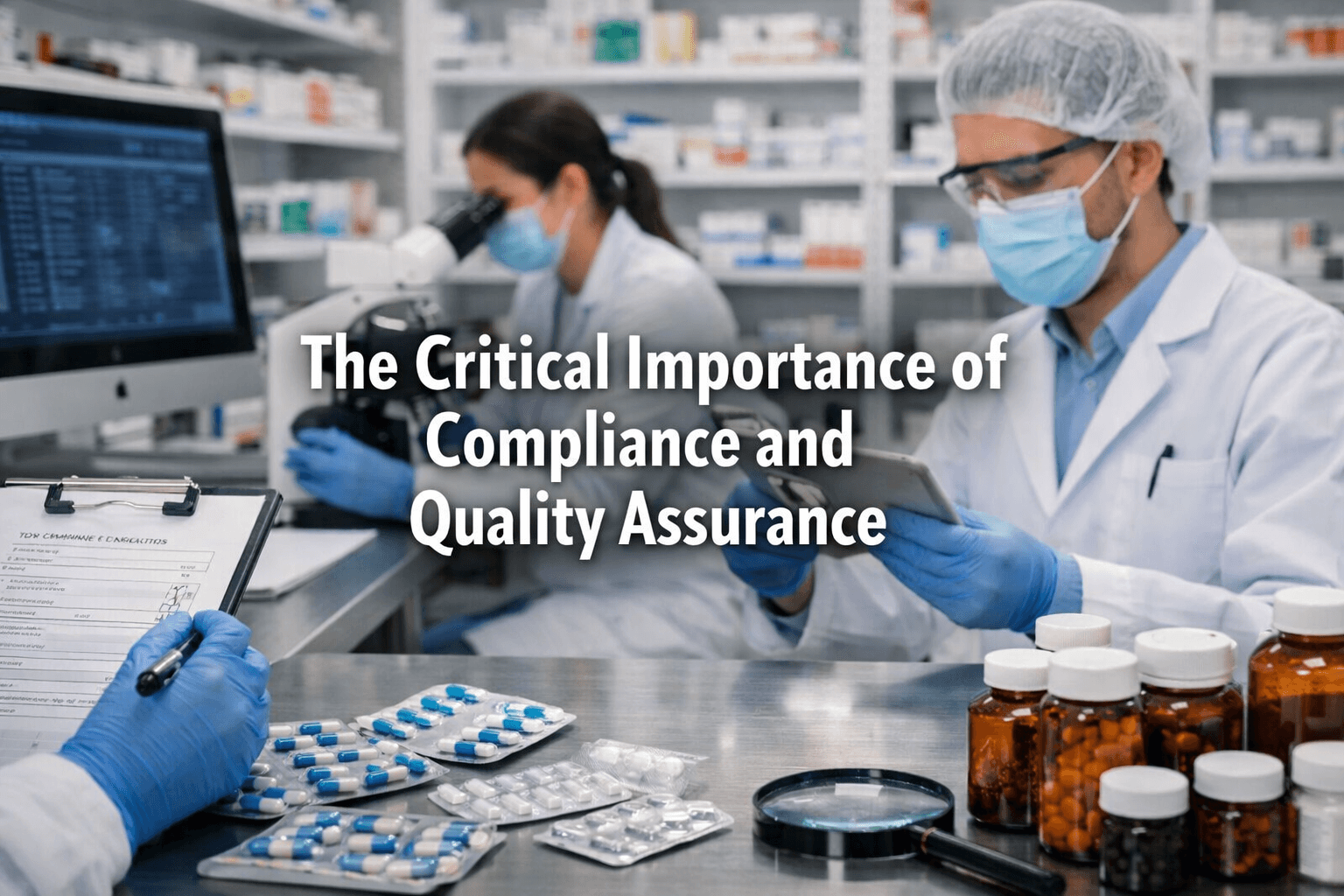
Regulatory compliance serves as the non-negotiable foundation of pharmaceutical distribution in Malaysia, a critical framework that upholds public health, ensures product integrity, and builds market confidence. Without this robust structure, the entire supply chain would be vulnerable, risking patient safety and undermining the industry’s credibility. The Malaysian pharmaceutical landscape is governed by a sophisticated regulatory ecosystem, primarily orchestrated by the National Pharmaceutical Regulatory Agency (NPRA) under the Ministry of Health Malaysia (KKM). Adherence to their mandates, alongside global benchmarks like Good Manufacturing Practice (GMP) and Good Distribution Practice (GDP), is not merely a legal obligation but a strategic imperative for any entity operating within this space. These regulations meticulously shape every operational facet, from the sourcing of active pharmaceutical ingredients (APIs) to the final delivery of medicines to hospital pharmacies or retail outlets. For both multinational corporations and local pharmaceutical companies, understanding and integrating these requirements into their core operations is the first and most essential step toward sustainable success.
Consider the real-world scenario of a new innovative medicine seeking market entry in Malaysia. The journey begins with a rigorous product registration process with the NPRA, requiring dossiers filled with exhaustive data on efficacy, safety, and quality. This is followed by stringent facility inspections to verify GMP compliance at manufacturing sites, which can be located overseas. For the pharmaceutical distributor tasked with handling this product, the responsibility extends to maintaining an unbroken cold chain for temperature-sensitive items, ensuring serialization and track-and-trace capabilities as per regulatory demands, and providing impeccable documentation at every handoff point. A failure at any node—be it a temperature excursion during transit or a discrepancy in documentation—can lead to costly product recalls, regulatory sanctions, and irreparable damage to the brand’s reputation. This example underscores that compliance is a continuous, end-to-end commitment, not a one-time certification.
The data and statistics surrounding regulatory oversight in Malaysia highlight its scale and seriousness. The NPRA evaluates thousands of product registration applications annually, a testament to the market’s dynamism and the agency’s pivotal role as a gatekeeper. Enforcement actions, while not always publicized in detail, serve as powerful deterrents; non-compliance can result in everything from import alerts and suspension of licenses to significant financial penalties. Furthermore, the rise of substandard and falsified (SF) medical products globally has prompted KKM to enhance its vigilance and post-market surveillance, making the role of trusted distributors even more critical. They act as the industry’s frontline in ensuring that only authentic, compliant products flow through legitimate channels. The proven effectiveness of this system is reflected in the high level of trust Malaysian consumers and healthcare professionals place in locally dispensed medicines.
The practical implication for pharmaceutical companies and their supply chain partners is the absolute necessity of embedding compliance into their organizational DNA. This goes beyond having a regulatory affairs department; it requires a company-wide culture of quality. For a pharmaceutical logistics provider in Malaysia, this means investing in WHO-GDP compliant warehousing with validated storage zones, employing trained competent personnel, and utilizing technology-enabled logistics solutions for real-time monitoring. From the perspective of a brand manager, it means selecting distribution partners not solely on cost but on their compliance track record and operational transparency. A strategic partnership with a distributor who views regulations as a framework for excellence, rather than a hurdle, mitigates risk and creates a reliable route to market. This alignment is particularly crucial when navigating Malaysia’s dual marketplace of modern chain pharmacies and a vast network of independent community pharmacies, each with its own compliance nuances.
Learn more: Key Regulations Governing Pharmacy Distribution in Malaysia | FDA Guidelines in Food & Pharmaceutical Sectors
Operationalizing Compliance: A Malaysian-Focused Framework
In the Malaysian context, operationalizing compliance requires a tailored approach that considers local market structures, geographic challenges, and specific KKM directives. A one-size-fits-all strategy borrowed from other regions is likely to falter. Two quintessential Malaysian scenarios illustrate this point perfectly. First, the distribution of controlled medicines (e.g., psychotropic substances) involves an additional layer of licensing and reporting directly to the Drug Control Authority (DCA), with strict quotas and documentation that must be meticulously managed to prevent diversion. Second, serving pharmacies in East Malaysia (Sabah and Sarawak) presents unique logistical hurdles—longer transit times, inter-state regulations, and demanding cold-chain requirements—that test the resilience and proven adaptability of a distributor’s compliance protocols.
From the pharmacist’s point of view, a distributor’s compliance is directly linked to patient safety and pharmacy integrity. A community pharmacist in Penang relies on their pharmaceutical supplier to provide products with genuine Meditag holograms, proper certificates of analysis (CoA), and clear expiry dating. They need assurance that the cold chain for insulin or vaccines was never breached. Any doubt about these factors forces the pharmacist to perform additional checks, wasting time and eroding trust. Conversely, a hospital procurement manager in Kuala Lumpur prioritizes distributors who can seamlessly integrate with the hospital’s inventory management system, provide electronic data interchange (EDI) for efficient ordering, and guarantee regulatory documentation is complete and audit-ready at all times. Their primary concern is uninterrupted access to essential medicines for critical care, underpinned by flawless compliance.
To navigate this landscape effectively, companies can adopt a simple yet powerful internal checklist for vetting distribution partners or auditing their own operations. This framework focuses on core compliance pillars:
Licensing & Authorization: Verification of valid NPRA establishment license, KKM wholesaler permit, and any special licenses (e.g., for controlled drugs, biologics).
Storage & Handling: Evidence of GDP-compliant warehousing, temperature mapping reports, calibration records for cold rooms and monitoring devices, and proper segregation of products.
Documentation & Traceability: Existence of a robust quality system, proper Good Documentation Practice (GDocP), and systems for full product traceability from receipt to delivery.
Personnel & Training: Records of continuous training programs for staff on GDP, SOPs, and safety procedures, with clear defined roles and responsibilities.
Transportation & Delivery: Use of validated transport with temperature monitoring, security measures for high-value products, and procedures for handling returns and recalls.
Innovation as a Compliance Catalyst: How Leading Malaysian Companies Excel
The narrative that compliance stifles innovation is fundamentally flawed; in Malaysia’s pharmaceutical sector, leading companies leverage innovation to achieve superior compliance and operational excellence. These organizations understand that cutting-edge research and development (R&D) must go hand-in-hand with innovative supply chain solutions. They are not merely following regulations but are proactively adopting tools and processes that set new benchmarks for quality and efficiency. This forward-thinking approach transforms compliance from a cost center into a strategic competitive advantage, enabling them to address complex local healthcare challenges—from the management of non-communicable diseases (NCDs) to pandemic response—with agility and proven reliability.
A prime Malaysian example is the adoption of blockchain-based serialization for high-risk medicine categories. While regulators move toward mandating track-and-trace, some proactive pharmaceutical manufacturers and their logistics partners are already piloting systems that use blockchain to create an immutable record of a product’s journey. This technology integration dramatically reduces the risk of counterfeit products entering the supply chain, provides real-time visibility for pharmacists verifying product authenticity, and simplifies the arduous process of managing recalls. Another local innovation can be seen in the use of Internet of Things (IoT) sensors and data loggers that provide not just temperature data, but predictive analytics, alerting distribution teams in Shah Alam or Johor Bahru to potential cooler faults before a temperature excursion occurs, thereby safeguarding product stability.
The commitment to sustainable and efficient manufacturing practices further illustrates this synergy between innovation and compliance. Several top pharmaceutical companies in Malaysia have invested in advanced, automated production lines that minimize human error—a key GMP requirement. They utilize green chemistry and waste-reduction technologies that not only meet environmental regulations but also enhance long-term operational efficiency. From the perspective of a brand manager, these innovations are powerful storytelling tools that demonstrate a deep commitment to quality and corporate responsibility, strengthening the brand’s position with healthcare professionals (HCPs) and informed consumers. The role of expert pharma distributors is to complement this by investing in their own innovative infrastructure, such as automated storage and retrieval systems (ASRS) in their warehouses, which ensure accurate, first-expiry-first-out (FEFO) picking—a core GDP principle.
Comparative Table: Traditional vs. Innovation-Enhanced Compliance Approaches
| Compliance Area | Traditional Approach | Innovation-Enhanced Approach |
|---|---|---|
| Product Traceability | Paper-based batch records, manual reconciliation. | Blockchain serialization, QR code scanning at each node, real-time digital ledger. |
| Cold Chain Monitoring | Manual temperature checks upon receipt, basic data loggers. | IoT-enabled real-time GPS & temperature tracking, predictive analytics for asset health. |
| Audit & Documentation | Physical file storage, manual preparation for NPRA audits. | Cloud-based Quality Management System (QMS), digital audit trails, automated report generation. |
| Market Surveillance | Reactive response to KKM alerts or customer complaints. | AI-driven analysis of sales & supply data to detect abnormal patterns indicative of counterfeit activity. |
Learn more: Blockchain in Supply Chain Management
Forging Ahead: The Indispensable Role of Strategic Partnerships
The complexities of the Malaysian pharmaceutical distribution network underscore a fundamental truth: no company is an island. Navigating the intertwined challenges of regulatory compliance, logistical hurdles, and market fragmentation requires strategic partnerships built on shared values of quality and integrity. The most effective market leaders recognize that their choice of a supply chain partner is one of their most critical business decisions. A reliable distributor acts as more than a logistics vendor; they are an extension of the manufacturer’s quality system, a local regulatory navigator, and a vital link to countless retail pharmacies and hospital networks.
This partnership dynamic is especially pertinent when considering the rise of e-commerce in pharmacy and online pharmacy platforms in Malaysia. This new channel introduces fresh regulatory questions around direct-to-consumer delivery, digital prescription verification, and cross-state logistics. A tailored partnership with a distributor that has proven expertise in both traditional pharmacy distribution and the nuances of digital health logistics can be a game-changer. It allows pharmaceutical companies to explore new commercial models while ensuring that the last-mile delivery to the patient’s doorstep is executed with the same rigorous compliance standards as delivery to a hospital. In an industry where trust is the ultimate currency, such strategic alliances are not just convenient; they are essential for sustainable growth and public health stewardship.
The landscape of Malaysian pharmaceutical distribution is undoubtedly demanding, yet it is ripe with opportunity for those who commit to excellence. The path forward is built on a foundation of unwavering compliance, catalyzed by smart innovation, and strengthened through collaborative, trusted partnerships. It is a continuous journey of adaptation and improvement, driven by the ultimate goal of ensuring that every patient in Malaysia receives the right medicine, at the right time, in the right condition.
Frequently Asked Questions (FAQ)
Q1: Which pharma stock will boom in 2025?
Answer: No one can predict exact stock performance. In 2025, investors are closely watching large, innovation-driven pharmaceutical companies with strong pipelines in oncology, vaccines, obesity, and specialty drugs. Performance depends on approvals, earnings, and global demand.
Q2: What are the top 5 pharmacy in Malaysia?
Answer: Malaysia’s retail pharmacy landscape is led by major chains with nationwide presence, strong compliance, and consumer trust. Rankings vary by outlet count, geographic reach, and service quality rather than stock market value.
Q3: What is the trend in the pharma industry in 2025?
Answer: Key trends include biologics and biosimilars, obesity and diabetes therapies, AI-assisted drug discovery, personalized medicine, and tighter regulatory and pricing scrutiny across global markets.
Q4: Who are the top 10 pharmaceutical companies in the world in 2025?
Answer: Global leaders are typically ranked by revenue, R&D strength, and product portfolios. These include multinational firms dominating vaccines, oncology, chronic disease, and specialty therapeutics.
Q5: Which stocks go high in 2025?
Answer: High-growth stocks in 2025 are often linked to healthcare innovation, AI, clean energy, and technology infrastructure. However, gains depend heavily on market conditions and company fundamentals.
Q6: Who are the big 3 in pharma?
Answer: The “big 3” usually refers to the largest global pharmaceutical companies by revenue and global footprint, known for massive R&D budgets and diversified drug portfolios.
Q7: Which is the best pharma stock to buy?
Answer: There is no single “best” stock for everyone. Investors typically evaluate revenue stability, patent life, pipeline strength, and risk tolerance before making decisions.
Q8: What is pharma marketing in 2025?
Answer: Pharma marketing in 2025 focuses on data-driven strategies, ethical promotion, omnichannel engagement with healthcare professionals, and strict compliance with regulatory guidelines.
Q9: Which pharmaceutical stock to buy now?
Answer: This depends on individual investment goals. Many investors favor companies with strong cash flow, late-stage pipelines, and exposure to high-growth therapy areas rather than short-term speculation.
Q10: What are the most promising pharma companies?
Answer: Promising companies are those advancing novel therapies, biologics, and rare-disease treatments, while maintaining regulatory compliance and global market access.
How can we assist you today? 😊
Just let us know—we’re here to help!