

At the heart of Malaysia’s public health lies a complex, meticulously coordinated network designed to deliver medicines from manufacturer to patient. This system, fundamentally powered by pharmacy distribution services, is the unsung hero ensuring that every pharmacy—from the bustling retail chains in KLCC to the quiet community pharmacy distributors in rural Sabah and Sarawak—is adequately stocked. These services form the critical backbone, a reliable supply chain that guarantees populations across the nation have consistent access to essential medications and healthcare products. Without this strategic logistical framework, the entire healthcare delivery model would falter, making the role of these distributors not just important, but absolutely essential for national well-being. They operate as the vital connectors, transforming the output of pharmaceutical manufacturers into accessible health solutions for millions.
How Pharmacy Wholesale and Independent Distributors Ensure a Seamless Supply Chain
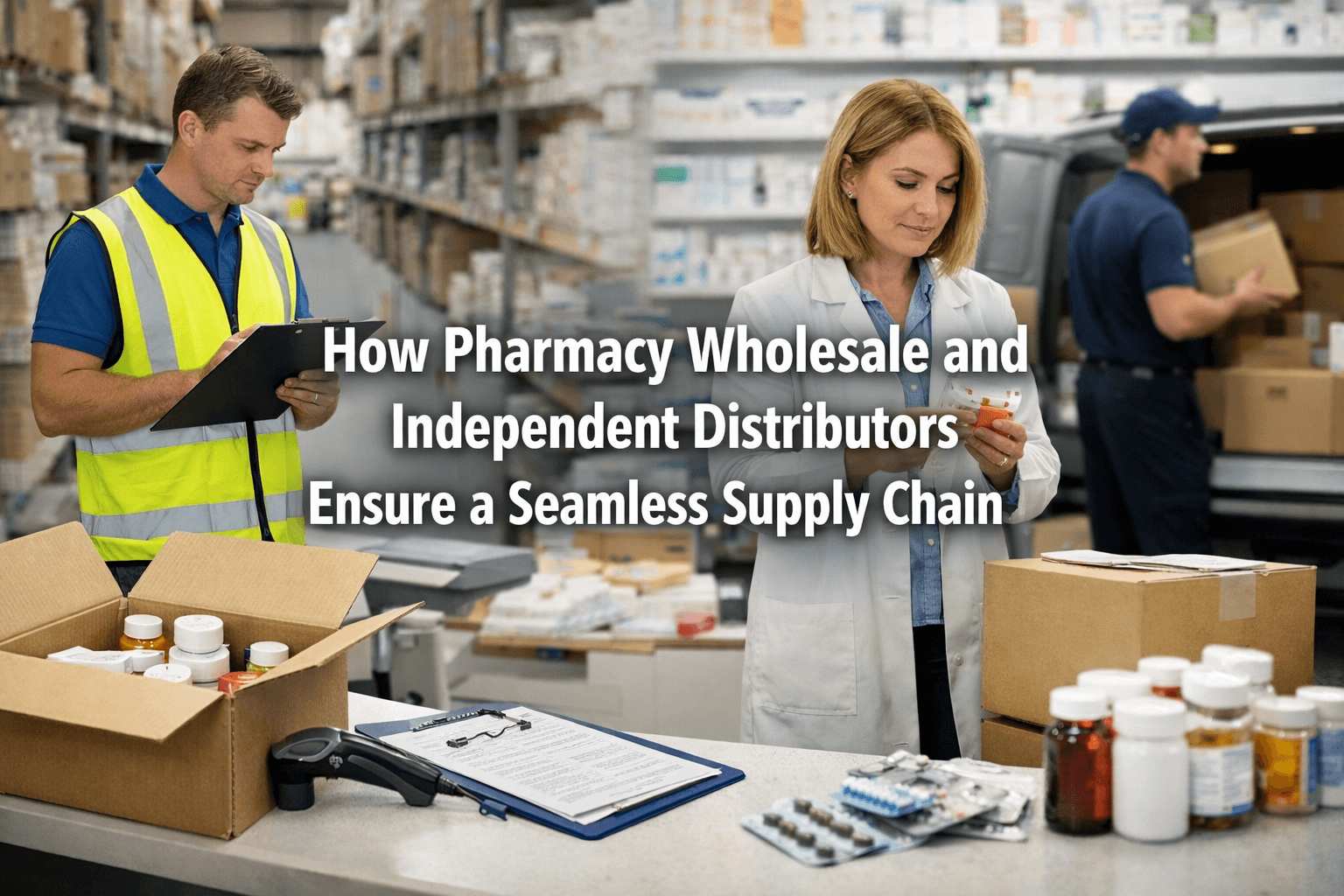
The Malaysian pharmacy distribution landscape is upheld by two primary, interconnected pillars: pharmacy wholesale distributors and independent pharmacy distributors. Their collaborative, yet distinct, functions create the efficient flow of goods we often take for granted. Pharmacy wholesale distributors typically handle enormous volumes, acting as the primary link between large manufacturers and various retail endpoints. They operate massive warehouses, manage complex inventory systems, and execute bulk transportation. In parallel, independent pharmacy distributors often serve a more specialized or regional role, sometimes bridging the gap between larger wholesalers and smaller, independent pharmacies or focusing on niche product lines like specialized cold chain biologics or traditional and complementary medicines. Together, they perform a triad of non-negotiable duties: managing vast product volumes, maintaining strict regulatory compliance, and ensuring timely, last-mile delivery. Their operational excellence is what prevents stockouts in urban hubs and enables life-saving drugs to reach remote clinics.
The Hallmarks of a Trusted Pharmacy Distributor in the Malaysian Context
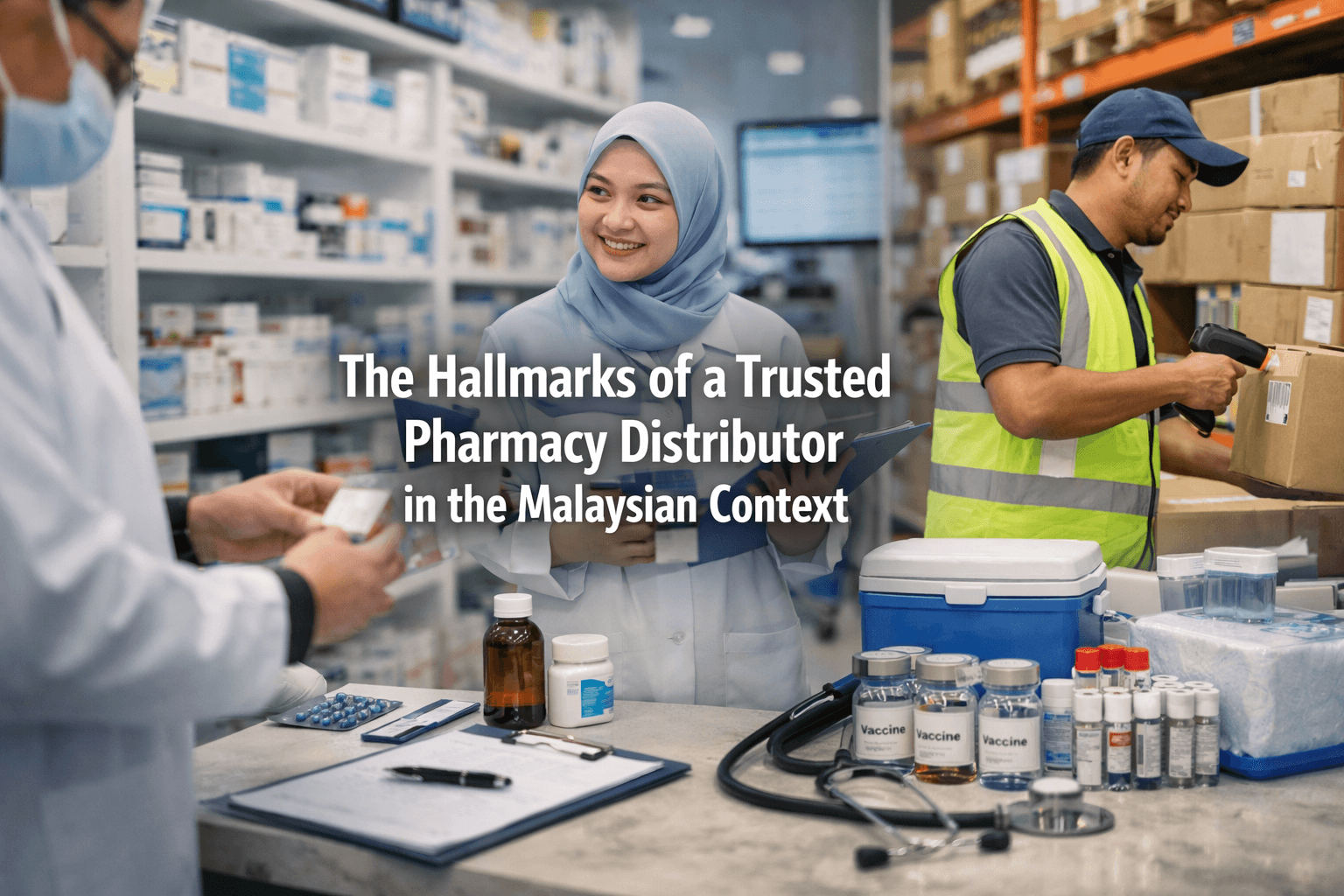
Identifying a trusted pharmacy distributor Malaysia relies on goes beyond mere transactional capability. It hinges on a demonstrable commitment to quality, safety, and integrity at every touchpoint. The foremost hallmark is an unwavering adherence to Good Distribution Practice (GDP), a quality assurance framework that ensures products are consistently stored, transported, and handled under suitable conditions as required by the Malaysian National Pharmaceutical Regulatory Agency (NPRA). A proven distributor invests in state-of-the-art logistical systems—this includes climate-controlled vehicles for temperature-sensitive products and real-time tracking technologies. Furthermore, regulatory expertise is non-negotiable; the landscape is governed by bodies like the NPRA and the Malaysian Pharmaceutical Society (MPS), and a top-tier distributor navigates these requirements seamlessly. From a practical standpoint, this means pharmacists and healthcare providers can rely on products that are genuine, un-compromised, and delivered with clockwork precision, forming the foundation of effective patient care.
A trusted distributor’s checklist includes:
NPRA & GDP Certification: Valid and up-to-date licenses and compliance certificates.
Robust Cold Chain Logistics: For vaccines, insulin, and other biologics.
Real-Time Inventory Visibility: Allowing pharmacies to plan and order efficiently.
Responsive Customer Support: Dedicated lines for pharmacy clients to resolve issues swiftly.
Learn more: Key Performance Metrics to Evaluate Pharmacy Distribution Services in Malaysia
Operational Scenarios: The Distributor’s Impact on Malaysian Pharmacies
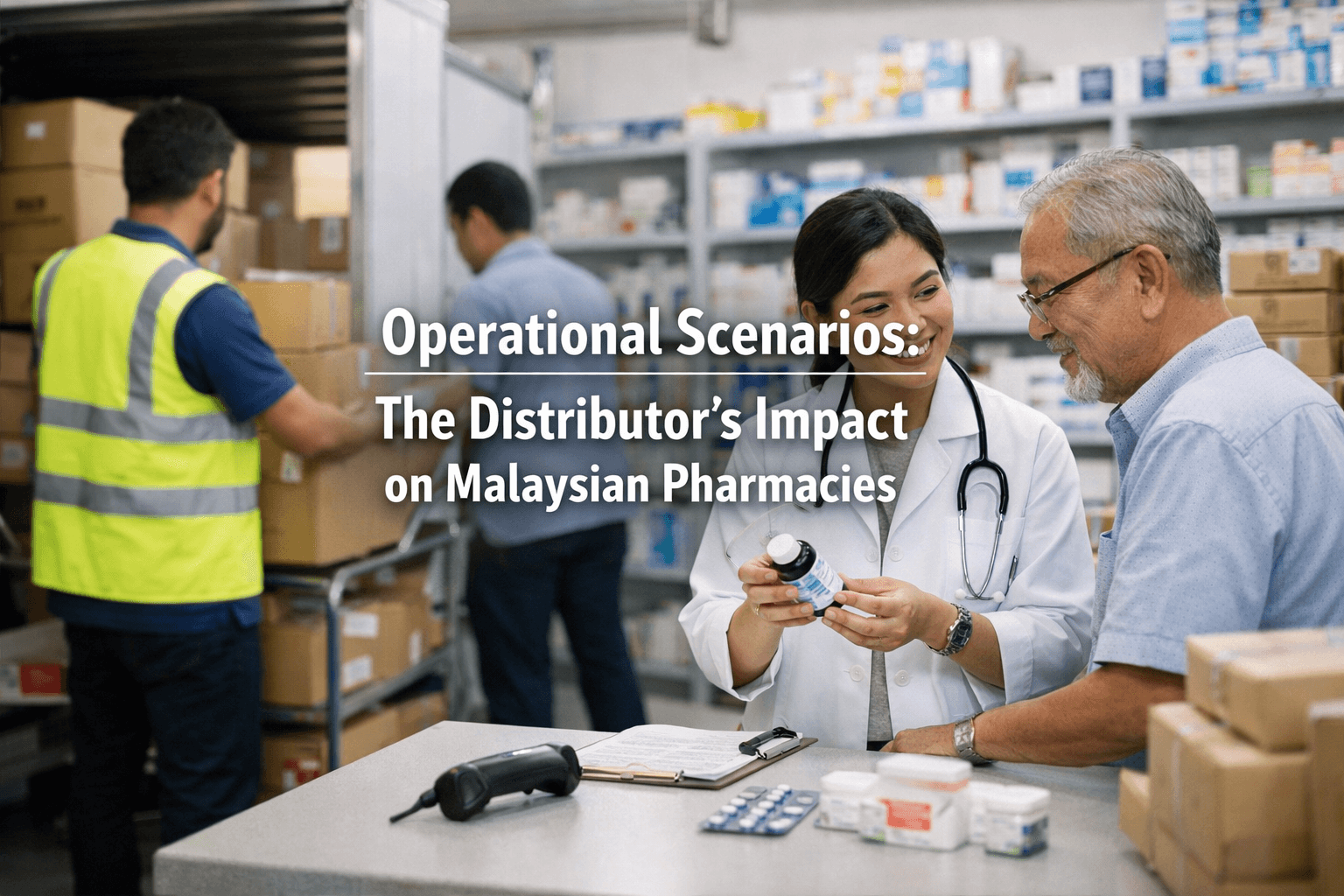
The abstract value of a reliable supply chain partner becomes crystal clear when viewed through real-world, Malaysian-centric scenarios. Consider a independent community pharmacy in Kapit, Sarawak. Its ability to stock affordable diabetes and hypertension medications for the local community depends entirely on a distributor with a strategic network capable of navigating logistical challenges like river transportation and ensuring stable supply despite geographical isolation. Conversely, a large hospital pharmacy in Selangor dealing with oncology drugs or radio-pharmaceuticals requires a distributor with expert handling protocols for high-risk specialty products and the ability to facilitate just-in-time deliveries to minimize costly inventory holding. Another common scenario involves nationwide product recalls. A proven distributor’s system must be agile enough to instantly identify and quarantine affected batches at their warehouse and across all downstream pharmacies, thereby protecting public health. These scenarios underscore that a distributor’s effectiveness is measured not during routine operations, but during moments of complexity, distance, or crisis.
Learn more: Navigating Pharma Logistics: 8 Key Challenges & Smart Solutions
Evaluating Excellence: Key Criteria for Top Pharmacies in Kuala Lumpur

For consumers and healthcare professionals alike, identifying a top-tier pharmacy in Kuala Lumpur requires a strategic evaluation of several interconnected factors. This assessment moves beyond mere convenience to gauge a pharmacy’s depth of service, reliability, and commitment to professional standards. The service range is a primary indicator; leading pharmacies offer a comprehensive suite beyond dispensing, such as medication therapy adherence programs, chronic disease screening, smoking cessation services, and private health consultations. This breadth signals a patient-centric model. Customer reviews and feedback, particularly regarding pharmacist expertise and service timeliness, offer unfiltered insights into real-world performance and trust.
However, the most critical differentiator is often accreditation and compliance. Adherence to Good Pharmacy Practice (GPP) and GDP guidelines, often under the purview of the MPS, separates exceptional establishments from the rest. For pharmacy distributors supplying these outlets, their own compliance is intrinsically linked. A pharmacy’s ability to provide expert advice and guarantee product integrity is only as strong as the distributor’s supply chain. Therefore, the best pharmacies partner with distributors who share their commitment to these highest standards, creating a closed loop of quality and safety for the end patient.
A Comparative Lens: Retail Chains and Independent Pharmacies in Kuala Lumpur
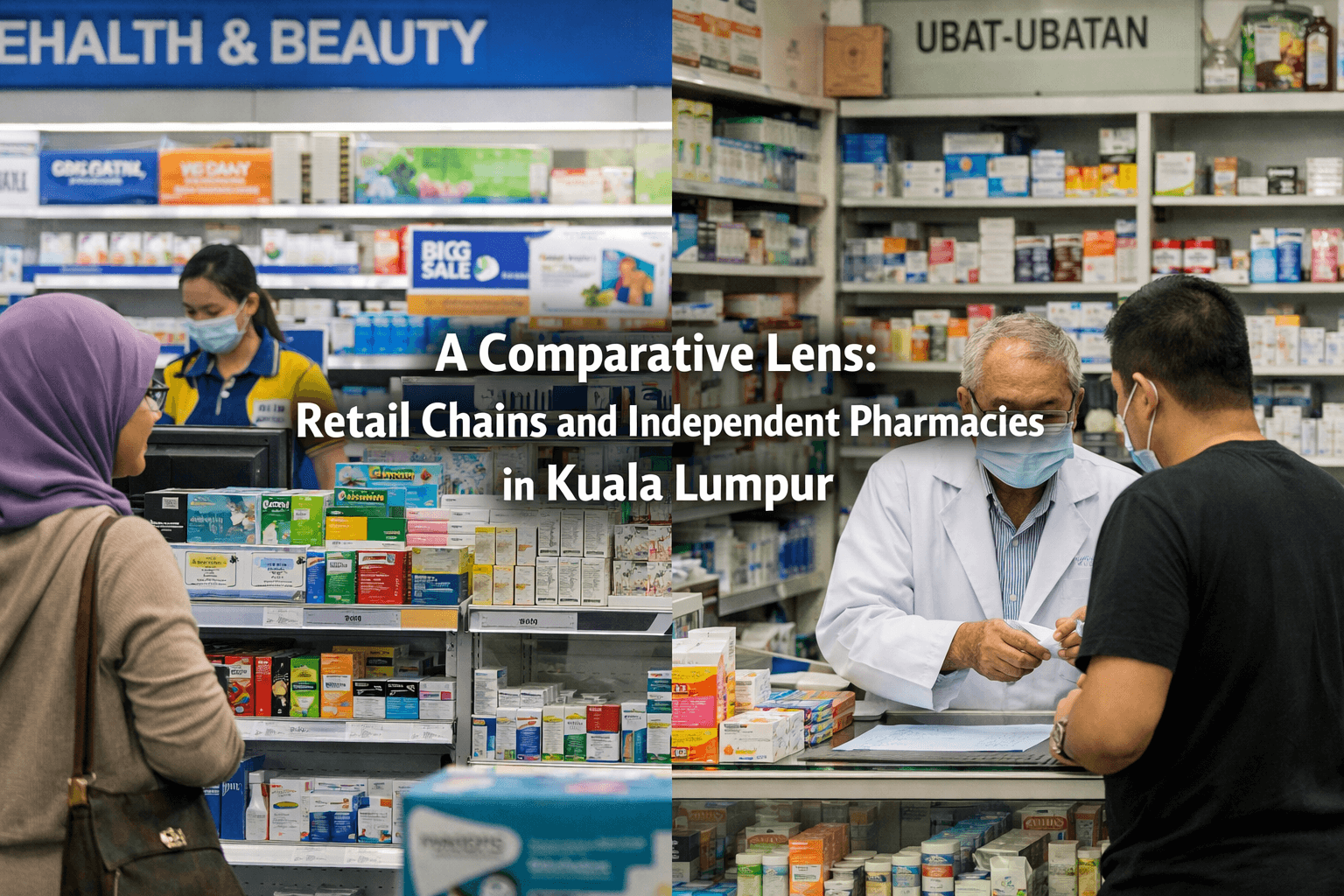
The Kuala Lumpur pharmacy scene presents a dynamic duality, offering consumers a choice between the widespread efficiency of retail chains and the tailored expertise of independent pharmacies. This distinction is crucial for understanding how different needs are met within the same ecosystem. Large chains like Guardian and Watsons provide immense accessibility and operational efficiency, with standardized services and promotions across numerous locations. They are the go-to for general over-the-counter needs, cosmetics, and health supplements, benefiting from the strategic, large-scale partnerships their parent companies hold with major pharmacy wholesale distributors.
In contrast, independent pharmacies often cultivate a different strength: deep, specialized care. They may focus on areas like geriatric care, compounding personalized medications, home healthcare equipment, or specific chronic disease management. Their independent pharmacy distributors often enable this specialization by providing access to niche or specialized product lines that large wholesalers may not prioritize. The relationship here is frequently more collaborative, with distributors acting as partners in sourcing specific products to meet the pharmacy’s unique patient community needs.
| Criteria | Retail Chains (e.g., Guardian, Watsons) | Independent & Specialty Pharmacies |
|---|---|---|
| Core Strength | Accessibility & Convenience | Personalized & Specialized Care |
| Service Model | Standardized, efficient, self-service oriented | Tailored, consultation-heavy, relationship-based |
| Product Range | Broad, general health, wellness, and beauty | Deep, often focused on therapeutic niches |
| Supply Chain Link | Direct contracts with major pharmacy wholesale distributors | Often utilize agile independent distributors for specialty items |
| Community Role | High-visibility health and wellness retailer | Integrated community healthcare partner |
From the pharmacist’s perspective in an independent setting, this model allows for practicing at the full scope of their clinical training. For the brand manager of a specialized pharmaceutical product, independent pharmacies and their distributors are essential channels to reach targeted patient groups. For the distributor, serving independent pharmacies demands a more flexible, service-intensive approach compared to the high-volume, automated processes of supplying large chains. This ecosystem diversity ensures that whether a patient needs a common analgesic or a complex compounded formulation, Kuala Lumpur has a reliable pharmacy structure, supported by a multifaceted distribution network, to meet that need effectively.
Learn more: TOP 10 PHARMACY IN KUALA LUMPUR
Navigating the Regulatory Framework: A Pillar of Safe Pharmaceutical Distribution
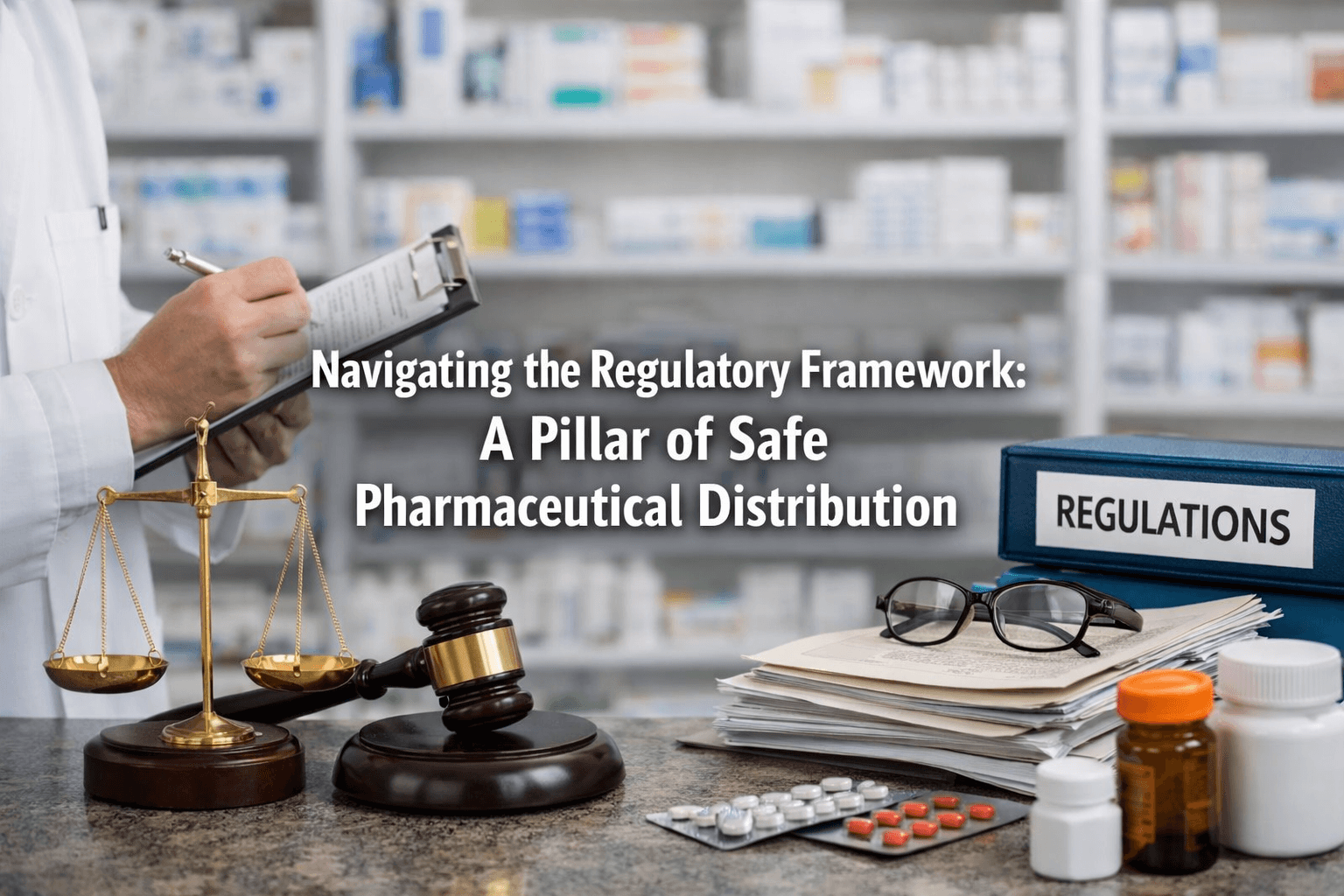
The Malaysian pharmaceutical landscape operates within a meticulously defined regulatory architecture, designed with a singular, non-negotiable objective: safeguarding public health. This framework is not merely a set of guidelines but the foundational bedrock upon which trusted pharmacy distribution is built. For every entity in the supply chain—from the largest pharmacy wholesale distributor to the smallest community pharmacy—adherence to the National Pharmaceutical Regulatory Agency (NPRA) mandates and the Good Distribution Practice (GDP) is the absolute baseline for operation. These standards govern the entire lifecycle of a medication, ensuring its identity, potency, purity, and safety are maintained from the manufacturer’s gate right to the patient’s hands. The practical implication of this is a system where consumers can have unequivocal confidence in the medicines they receive, knowing that rigorous compliance protocols have been followed at every logistical juncture. This creates a reliable healthcare environment where safety is systematically engineered into the supply chain.
A compliance checklist for distributors includes:
Valid NPRA Licenses: For both premises and products handled.
GDP-Compliant Facilities: Temperature-controlled storage, secure areas, pest control.
Meticulous Documentation: Complete and auditable records for all product movements.
Validated Transport: Using qualified vehicles, especially for cold chain products.
Learn more: Key Regulations Governing Pharmacy Distribution in Malaysia | Navigating the Regulatory Labyrinth: The Crucial Role of Pharma Regulatory Affairs in the Pharmaceutical Industry
The Multifaceted View: How Compliance is Lived by Different Stakeholders
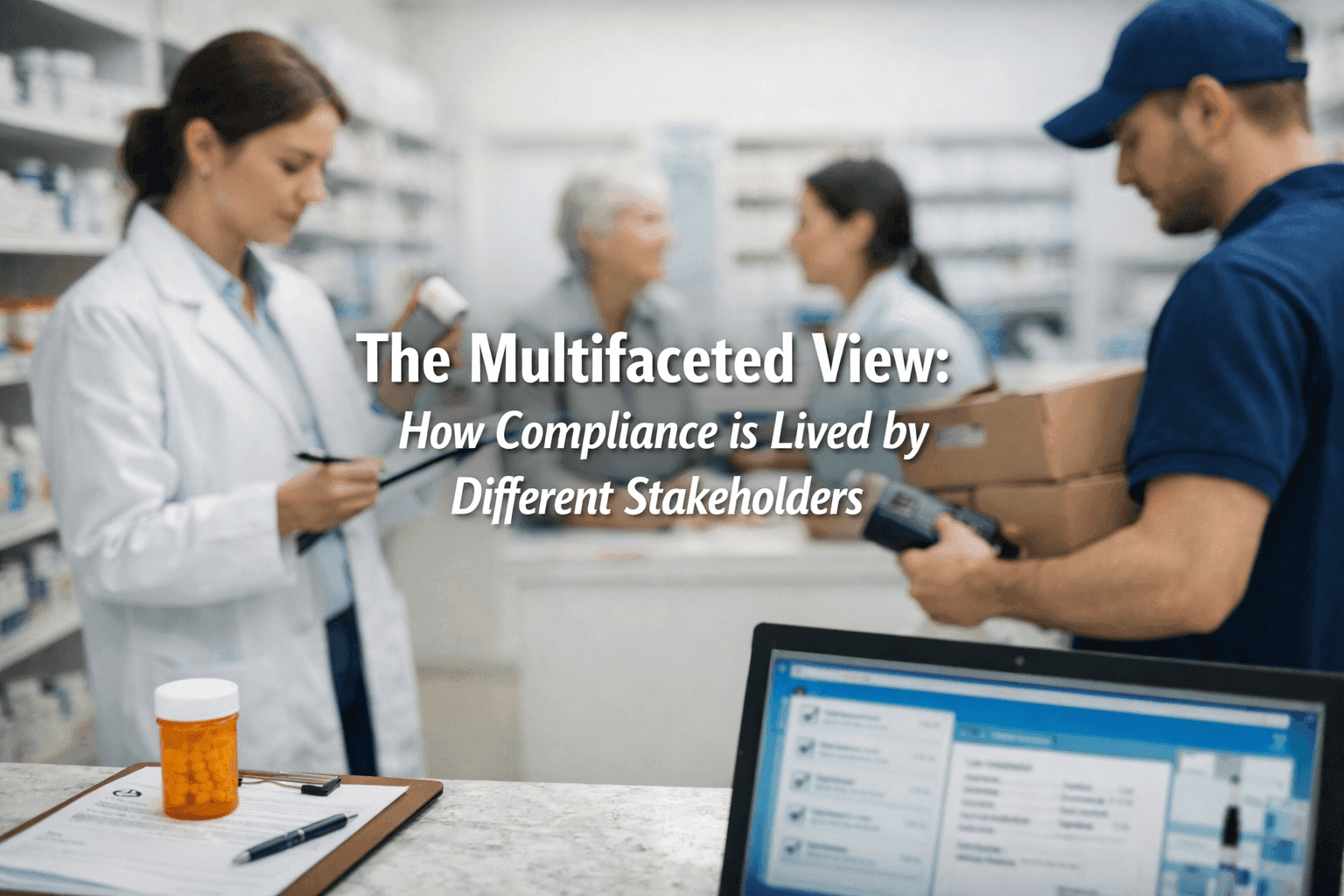
Understanding this compliance landscape requires viewing it through the lens of different key players. For the pharmacy distributor in Malaysia, compliance is a strategic operational imperative. It involves significant investment in GDP-certified warehousing, continuous staff training, and sophisticated tracking systems. A single deviation can trigger a chain of product recalls, devastating financial penalties, and irreparable reputational damage. From the pharmacist’s perspective, especially in an independent setting, partnering with a proven, compliant distributor is a direct extension of their professional duty of care. It absolves them from the immense burden of validating the upstream supply chain themselves, allowing them to focus on patient counseling. For the brand manager of a pharmaceutical company, a distributor’s compliance record is the primary selection criteria. Entrusting a high-value product portfolio to a partner without expert knowledge of NPRA processes poses an unacceptable brand and patient risk. Thus, compliance is the common language and the essential bond that aligns the objectives of all parties toward patient safety.
Learn more: Stakeholder Compliance: Definition & Examples
Building Trust Beyond the Transaction: Reputation and Community Integration
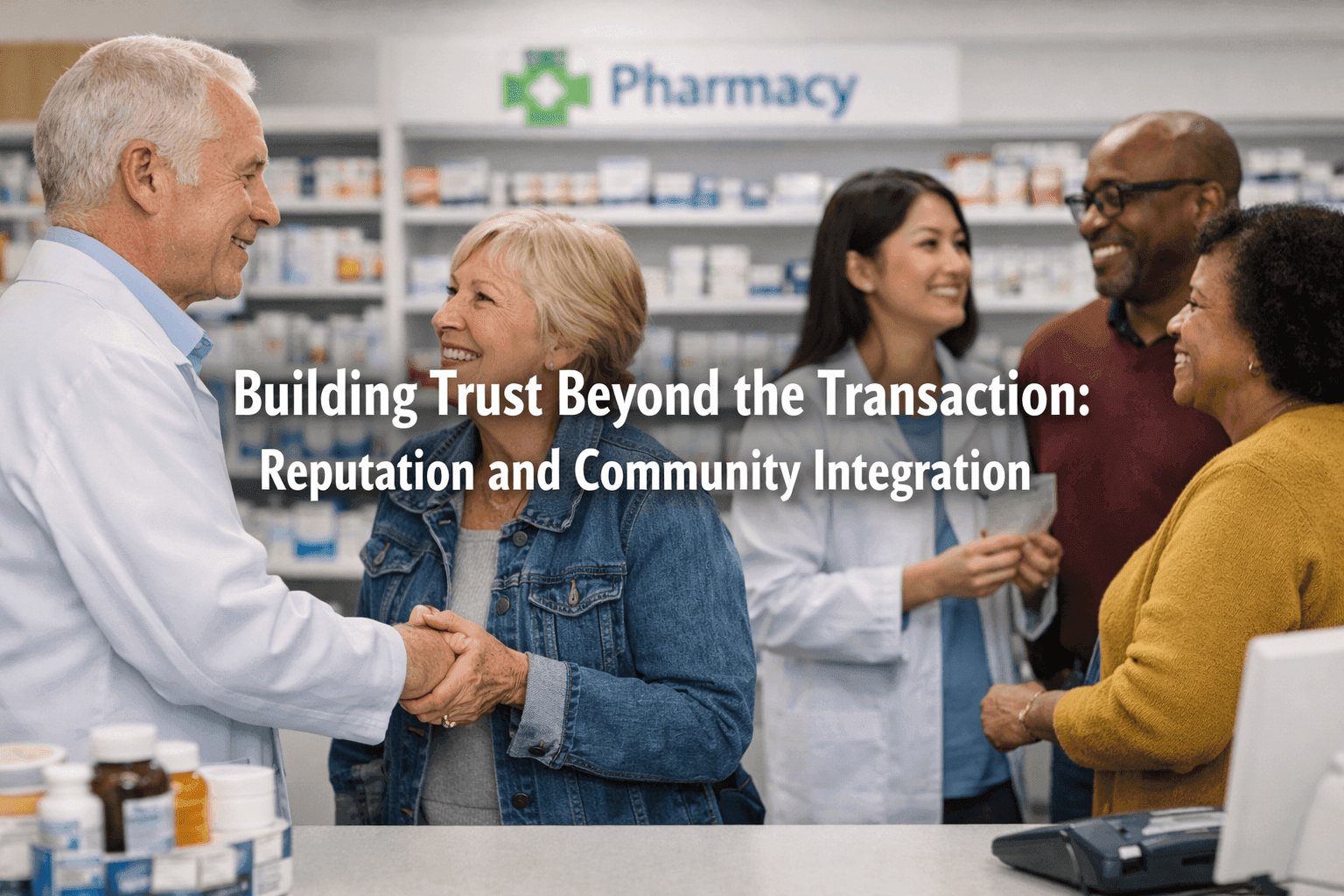
In an industry where the product directly impacts human health, reputation is not just a matter of public perception—it is a core component of operational credibility. Customer reviews and community standing serve as a real-time barometer of a pharmacy’s effective integration into the local healthcare fabric. In Kuala Lumpur’s competitive environment, a positive reputation is often built on a triad of factors: consistent product availability, the demonstrable expertise of pharmacy staff, and an overall patient-centric experience. Pharmacies that actively monitor feedback and transparently address concerns do more than manage ratings; they build long-term community trust. For independent pharmacies, this is particularly strategic. Their survival and growth are frequently tied to word-of-mouth referrals and local loyalty, making every patient interaction a critical moment for reputation building. This community-centric model transforms a pharmacy from a simple retail outlet into a tailored health destination, fostering a level of engagement that large chains often strive to emulate.
The Strategic Nexus: Pharmacies as Healthcare Access Points

The strategic importance of pharmacies within Malaysia’s national healthcare system extends far beyond the act of dispensing medication. They have evolved into vital primary healthcare access points, especially in a context where access to doctors can be constrained by location or cost. Pharmacies provide a frontline defense in public health management, offering crucial services in chronic disease screening (like diabetes and hypertension), smoke cessation programs, and immunization services. This role positions pharmacists as accessible healthcare advisors, playing an essential part in preventative care and medication adherence counseling. For pharmacy distributors, this expanded role underscores the need for an efficient and reliable network. A delay or stockout is not merely a logistical failure; it directly impedes a patient’s ability to manage their condition, affecting overall health outcomes. Therefore, the distributor’s performance is intrinsically linked to the pharmacy’s capacity to fulfill its broader public health mandate, making the supply chain a critical component of national wellness.
Embracing the Future: Digitalization and Evolving Distribution Models
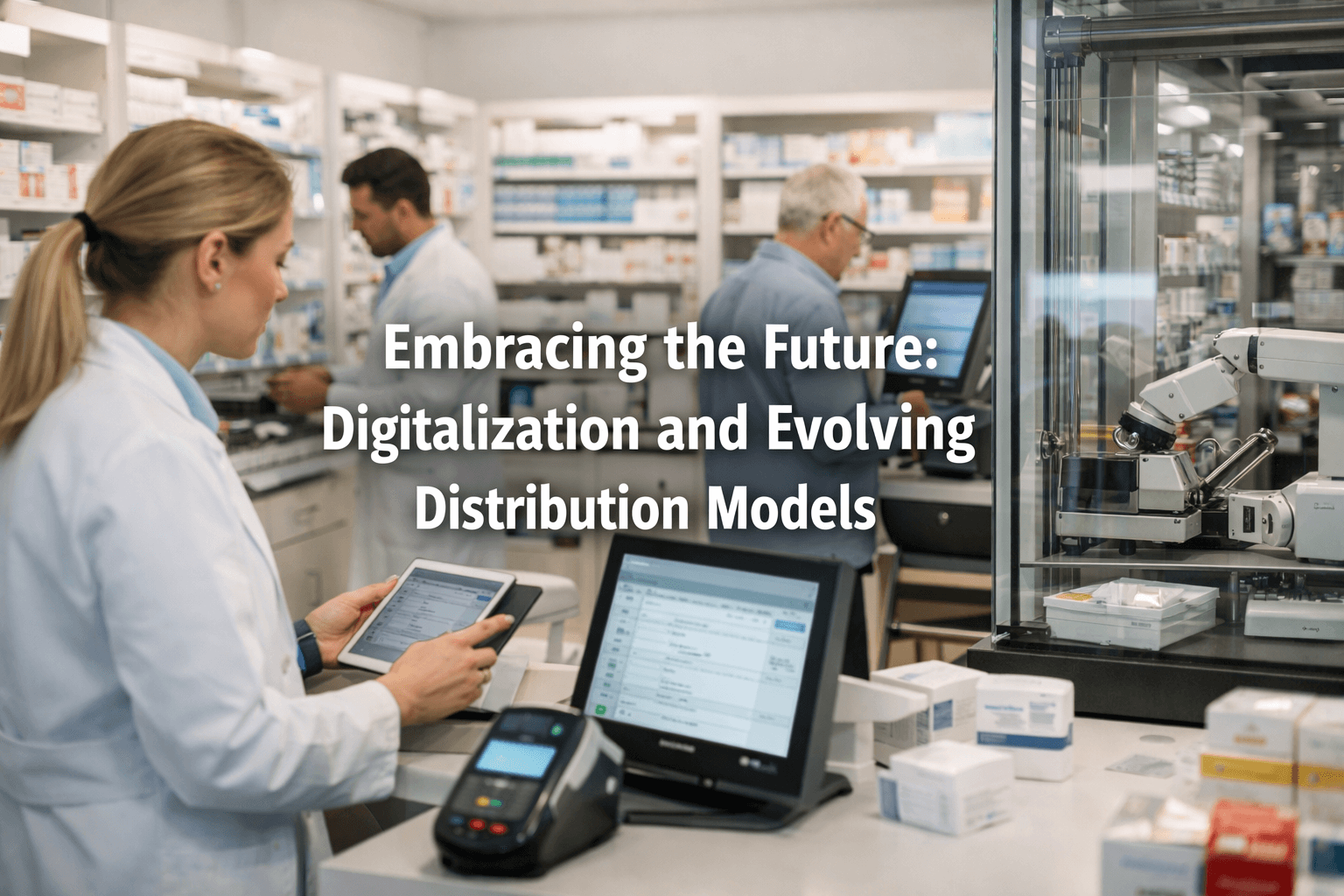
The future of pharmacy distribution service in Malaysia is being actively shaped by technological adoption and shifting consumer behaviors. The rise of e-pharmacies and digital health platforms represents a significant trend, offering unparalleled convenience and, often, greater anonymity for sensitive health purchases. This shift necessitates that traditional pharma distributors and retail pharmacies adapt their models, developing capabilities for direct-to-consumer (DTC) logistics or partnering with specialized last-mile delivery services. Furthermore, technology is revolutionizing backend operations. Advanced inventory management systems powered by AI can predict demand surges, while blockchain pilots offer tantalizing possibilities for end-to-end supply chain transparency and anti-counterfeiting measures.
Comparative Table: Traditional vs. Emerging Pharmacy Distribution Models
| Feature | Traditional Brick-and-Mortar Focus | Emerging Hybrid/Digital-First Model |
|---|---|---|
| Primary Channel | Physical pharmacy stores | Online platforms + physical click-and-collect points |
| Customer Interaction | In-person, immediate | Digital-first, with optional pharmacist chats/calls |
| Supply Chain Demand | Predictable, bulk to store | Volatile, single units to diverse locations |
| Role of Distributor | Bulk delivery to warehouse/store | May involve split-case picking, direct parcel shipping |
| Compliance Focus | GDP for warehouse & store | GDP extended to last-mile delivery personnel & vehicles |
For Malaysia, these innovations present a powerful opportunity to enhance healthcare logistics efficiency, reduce systemic costs, and dramatically increase access for geographically dispersed or mobility-challenged populations. The pharmacies and distributors who successfully integrate these digital tools while maintaining proven compliance standards will define the next era of Malaysian healthcare accessibility.
Learn more: The Future of Pharmaceutical Distribution Services in Malaysia: Trends and Innovations
Frequently Asked Questions (FAQ)
Q1: What is pharmacy and why is it important?
Answer: Pharmacy is the health profession that links the health sciences with the chemical sciences. It is concerned with the discovery, production, disposal, safe and effective use, and control of medicines and drugs. It is important because pharmacists, as experts in medicines, ensure the safe and optimal use of medications to improve patient health outcomes, prevent disease, and provide essential healthcare advice.
Q2: What services does a pharmacy provide?
Answer: Pharmacies provide a wide range of services, including dispensing prescription medications, offering over-the-counter (OTC) products and advice, providing medication management and counseling, administering certain vaccinations, conducting health screenings, and offering pharmacy care services (e.g., managing minor ailments, chronic disease management support).
Q3: What are pharmacy care services?
Answer: Pharmacy care services, often interchangeable with pharmaceutical care or advanced services, are patient-centered and outcomes-oriented practices where pharmacists work to design, implement, and monitor a therapeutic plan that will produce specific patient outcomes. Examples include Medication Therapy Management (MTM), chronic disease state management, immunization services, and support for smoking cessation.
Q4: Why is pharmacy first important?
Answer: “Pharmacy First” is a common term for schemes that allow patients to seek treatment and advice for minor illnesses directly from a community pharmacy, often without needing to see a GP. It is important because it improves patient access to convenient care, utilizes the pharmacist as a highly accessible healthcare professional, and reduces pressure on other NHS or healthcare services like GP surgeries and emergency departments.
Q5: What is the function of the pharmacy services?
Answer: The primary function of pharmacy services is to ensure that patients receive the appropriate medicines in the correct dose, along with the necessary information and support for their safe, effective, and rational use. This includes inventory management, compounding, dispensing, patient education, and collaboration with other healthcare providers.
Q6: What is pharmacy first service?
Answer: The Pharmacy First service (as implemented in the UK, for example) is a scheme that enables pharmacists to provide advice and, when appropriate, treatment (including prescription-only medicines via Patient Group Directions or by prescribing) for a defined set of common minor ailments (e.g., earache, sore throat, uncomplicated UTIs) directly in the pharmacy, expanding the pharmacist’s clinical role.
Q7: What services are offered by retail pharmacy?
Answer: Retail (or community) pharmacies offer services directly to the public, including dispensing prescriptions, selling over-the-counter medicines and health products, providing medication consultation, administering vaccinations (e.g., flu shots), offering health screening (e.g., blood pressure checks), managing minor ailments, and providing advice on healthy living.
Q8: Why is a pharmacy important?
Answer: A pharmacy is important because it serves as the most accessible healthcare point in many communities. It is crucial for safe and accurate medication dispensing, preventing drug interactions, offering essential health advice, providing primary healthcare interventions, and bridging the gap between patients and prescribers, thereby playing a vital role in public health.
Q9: What are the three types of pharmacies?
Answer: The three main types of pharmacy practice are generally categorized as:
- Community (Retail) Pharmacy: Pharmacies that serve the public directly in a community setting.
- Hospital (Institutional) Pharmacy: Pharmacies located within hospitals and healthcare facilities, serving inpatients and medical staff.
- Industrial (Pharmaceutical) Pharmacy: Involving roles in drug research, manufacturing, quality control, marketing, and regulatory affairs within the pharmaceutical industry.
Q10: Why is good pharmacy practice important?
Answer: Good Pharmacy Practice (GPP) is important because it establishes the standards for quality pharmacy services worldwide, ensuring that pharmacists provide care focused on the patient’s well-being and their use of medicines. GPP ensures safe dispensing, accurate information, professional advice, ethical conduct, and the overall goal of maximizing the positive health outcomes of patients.
The landscape of pharmacy distribution in Malaysia is a dynamic interplay of rigorous regulation, community trust, strategic public health roles, and rapid technological innovation. Success in this field demands a commitment to uncompromising quality and a forward-looking adaptability. For pharmaceutical companies seeking to navigate this complex environment, aligning with a trusted and expert distribution partner is not just a logistical decision, but a strategic one fundamental to market success and, ultimately, patient care.
How can we assist you today? 😊
Just let us know—we’re here to help!